
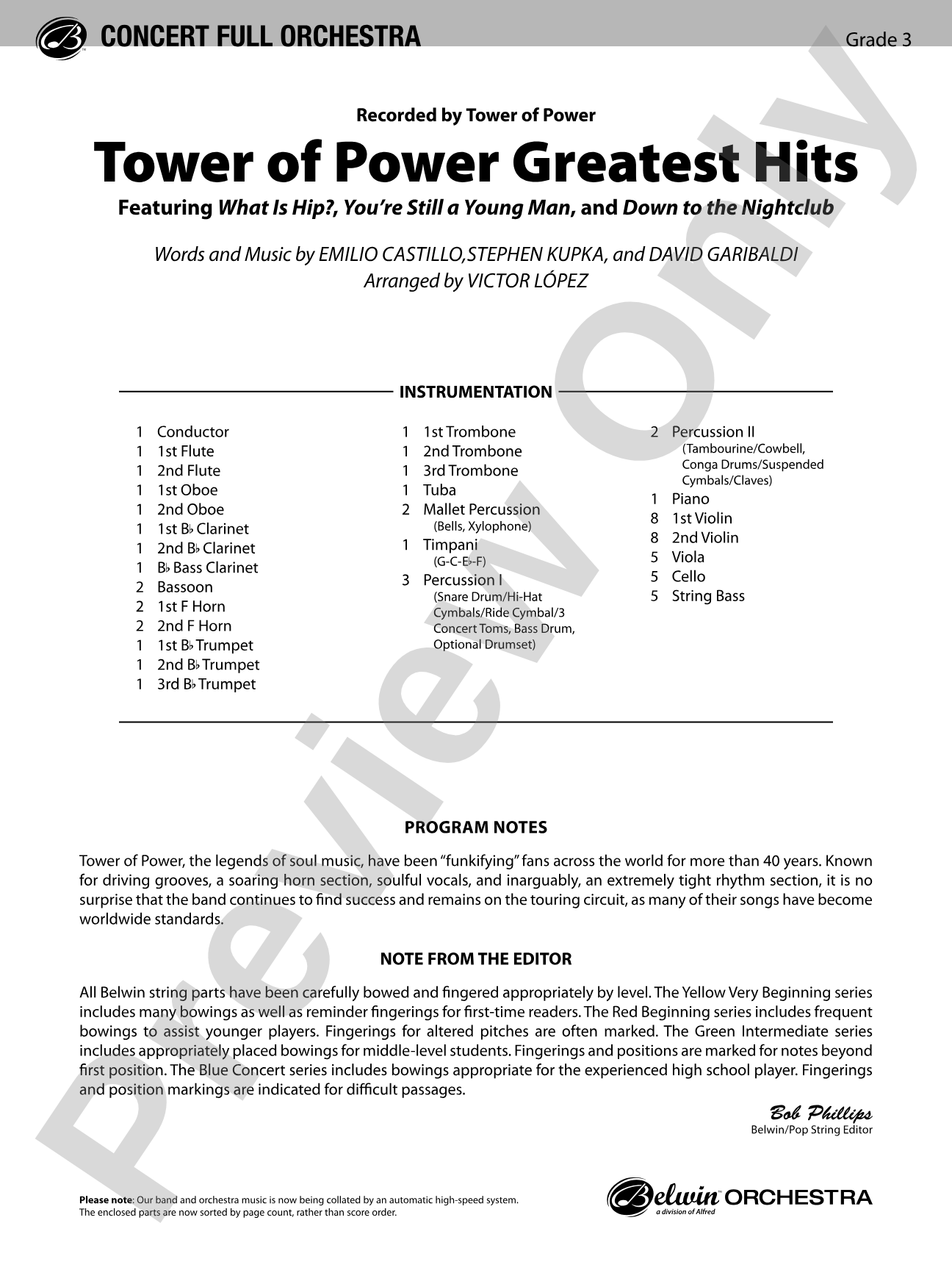
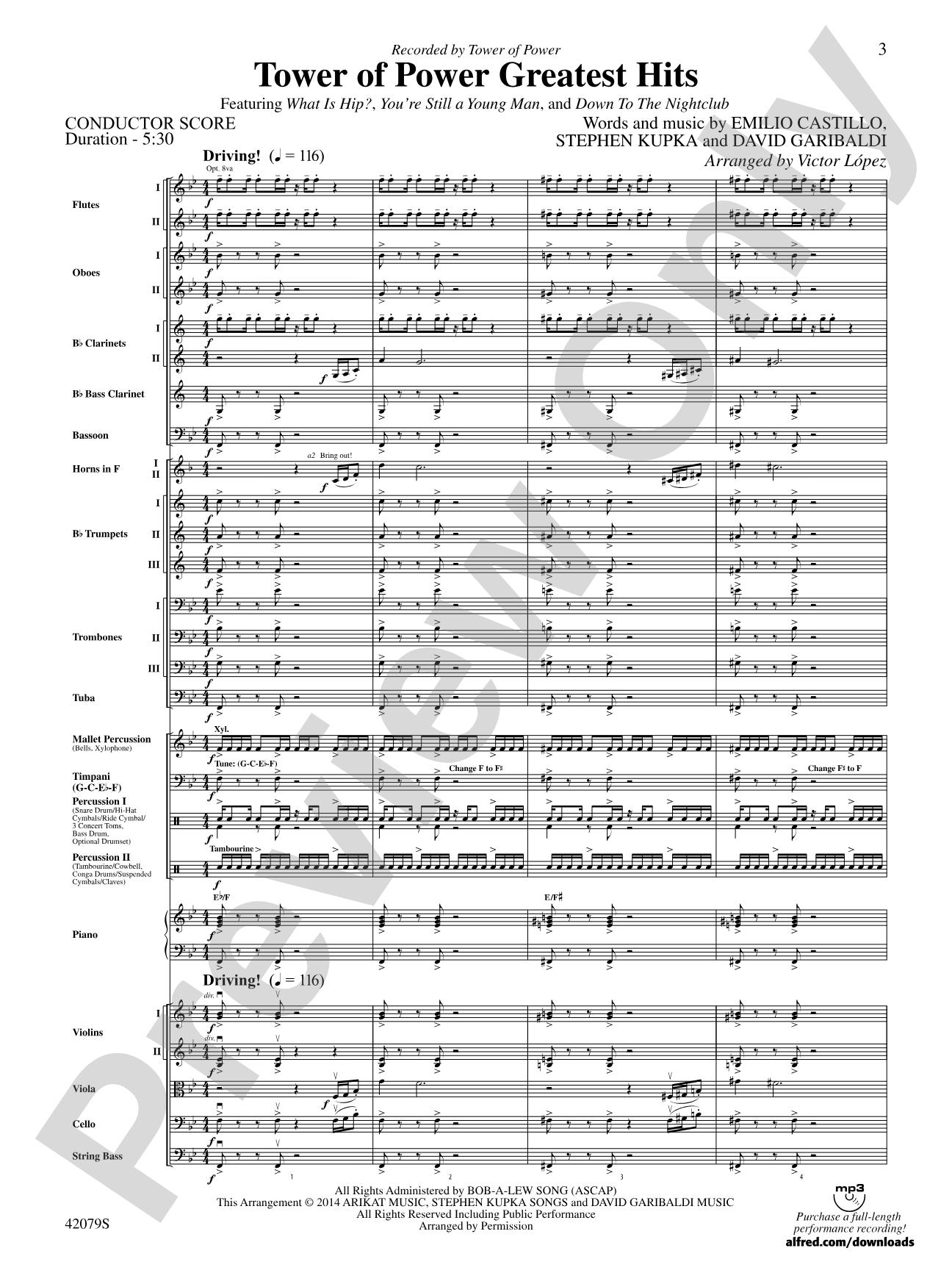
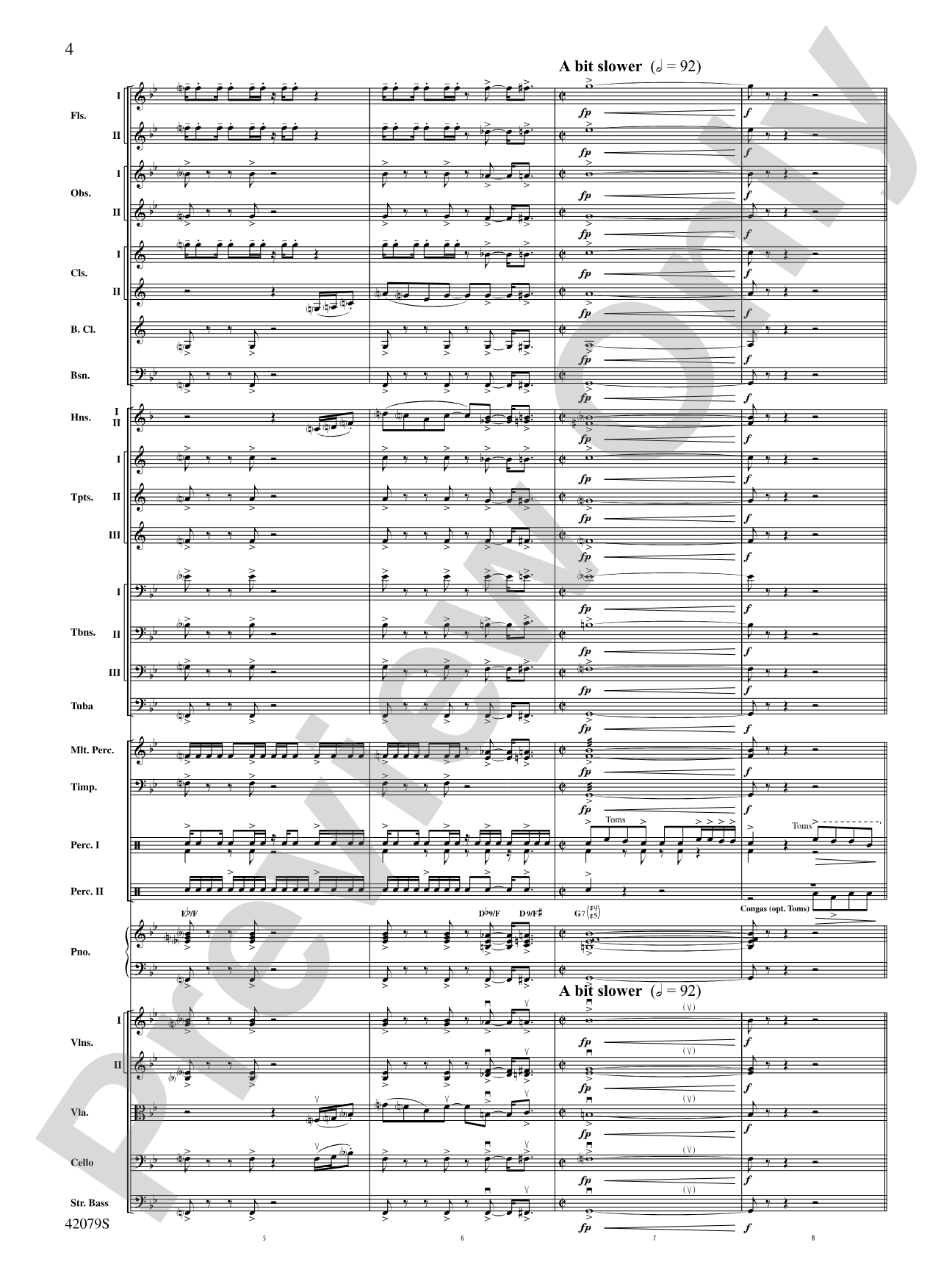
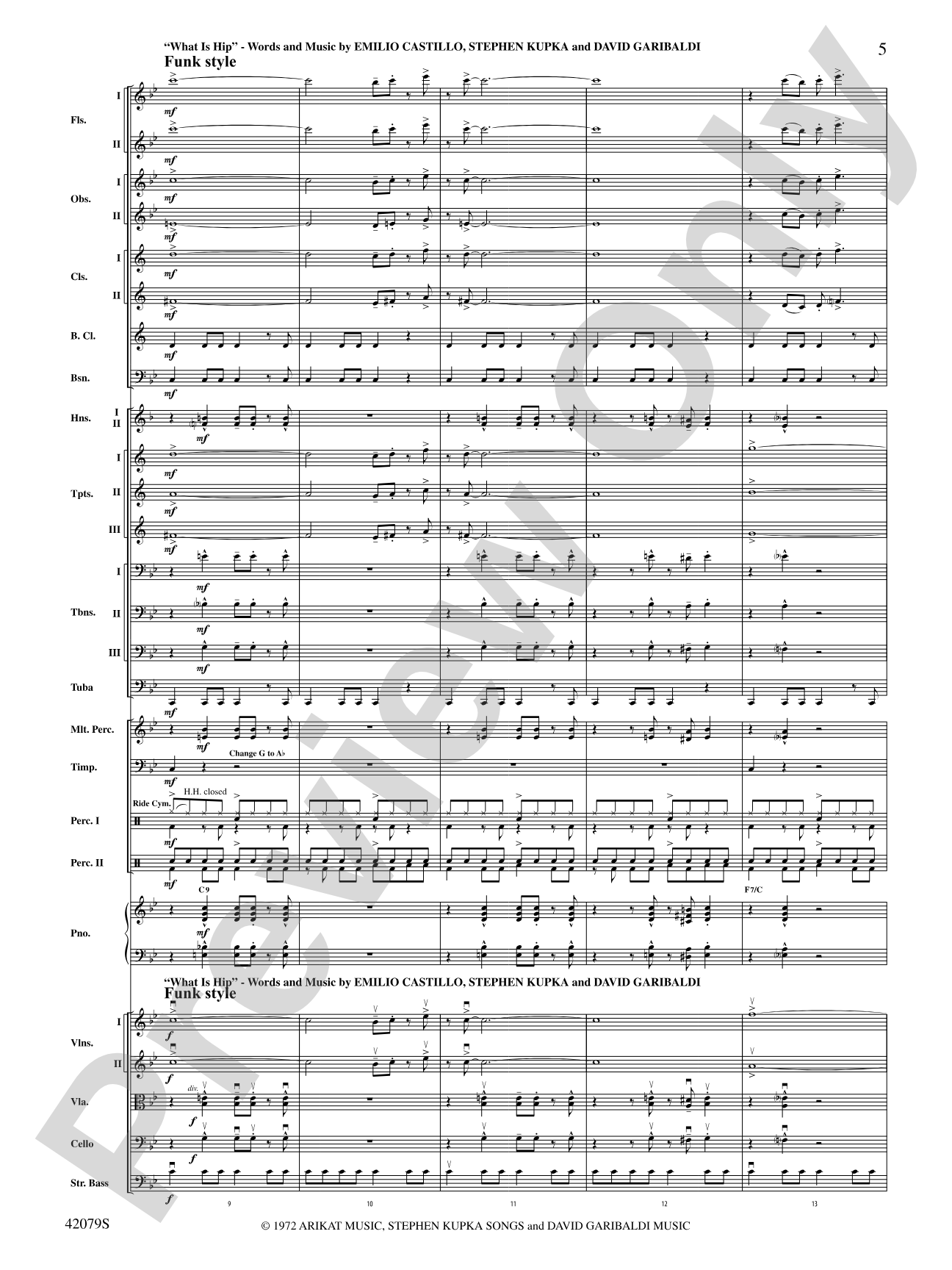
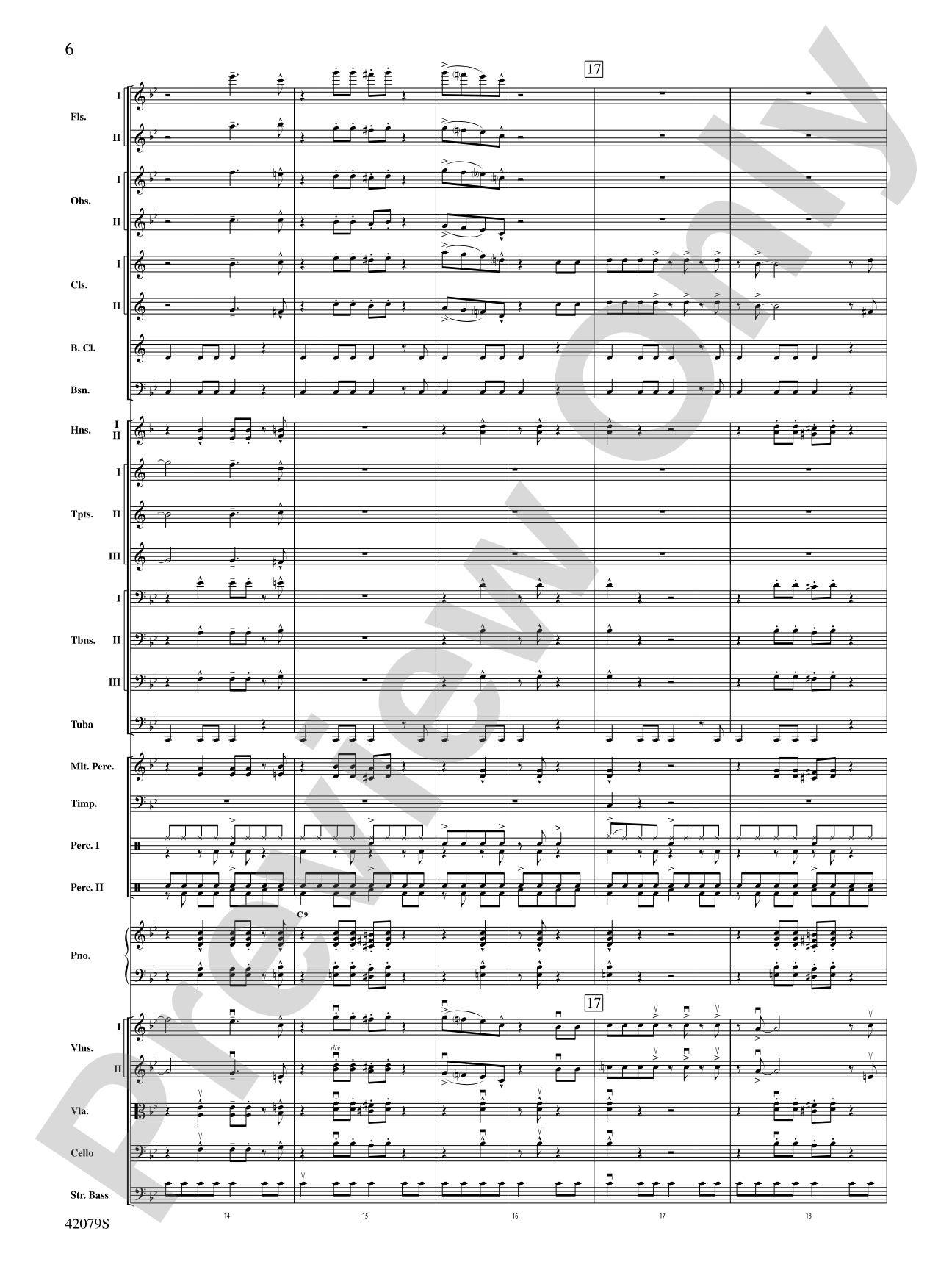
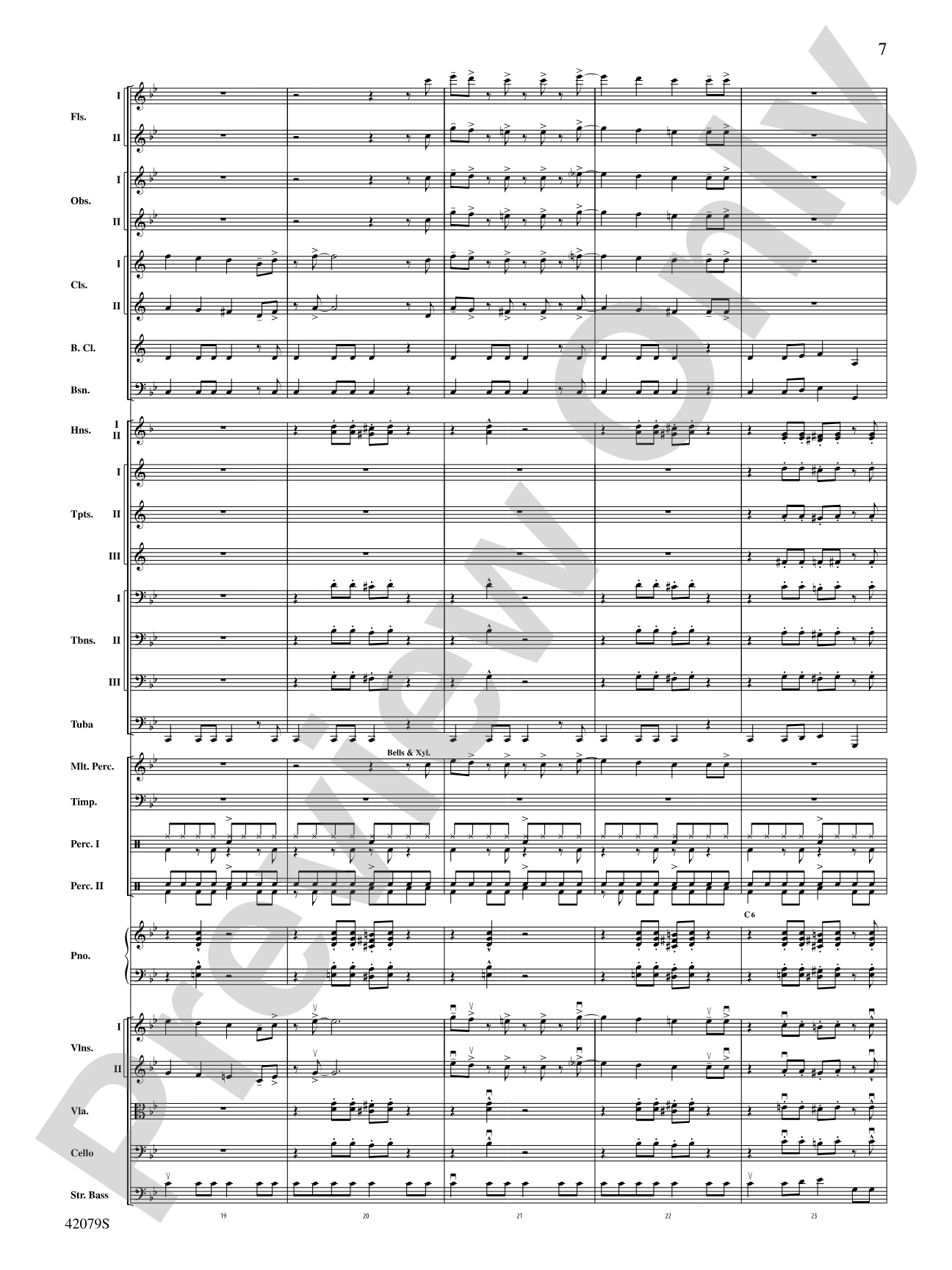
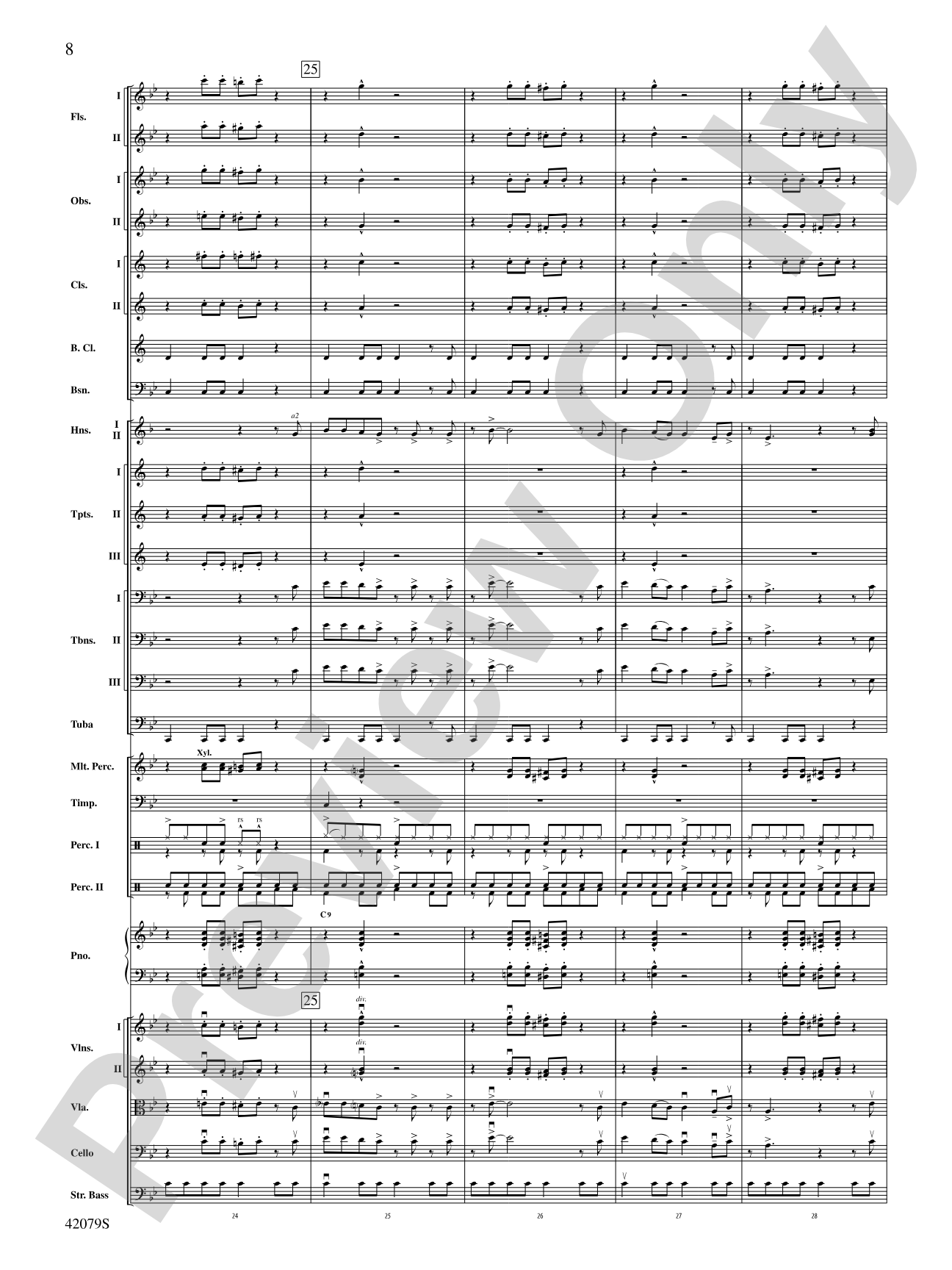
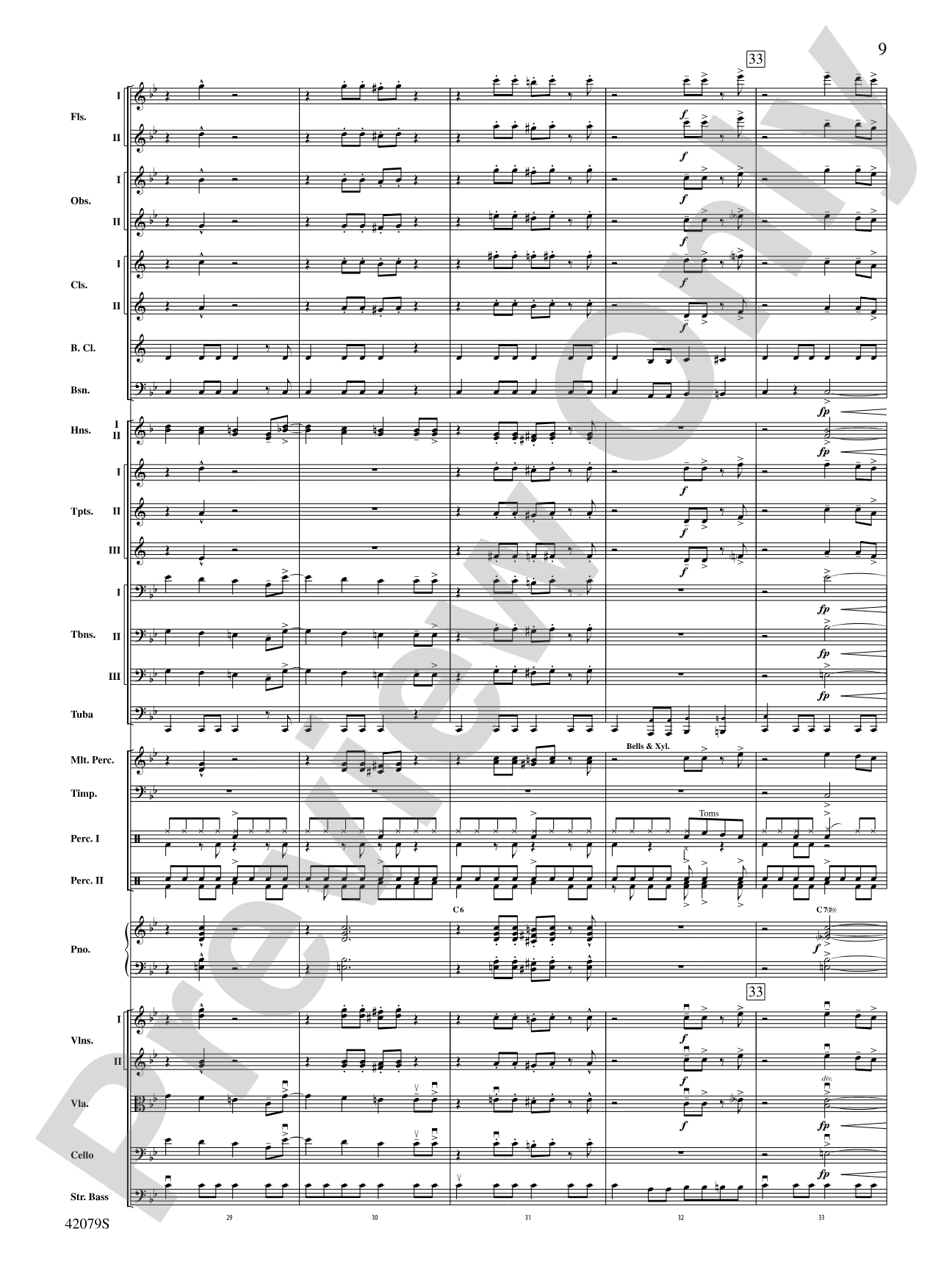
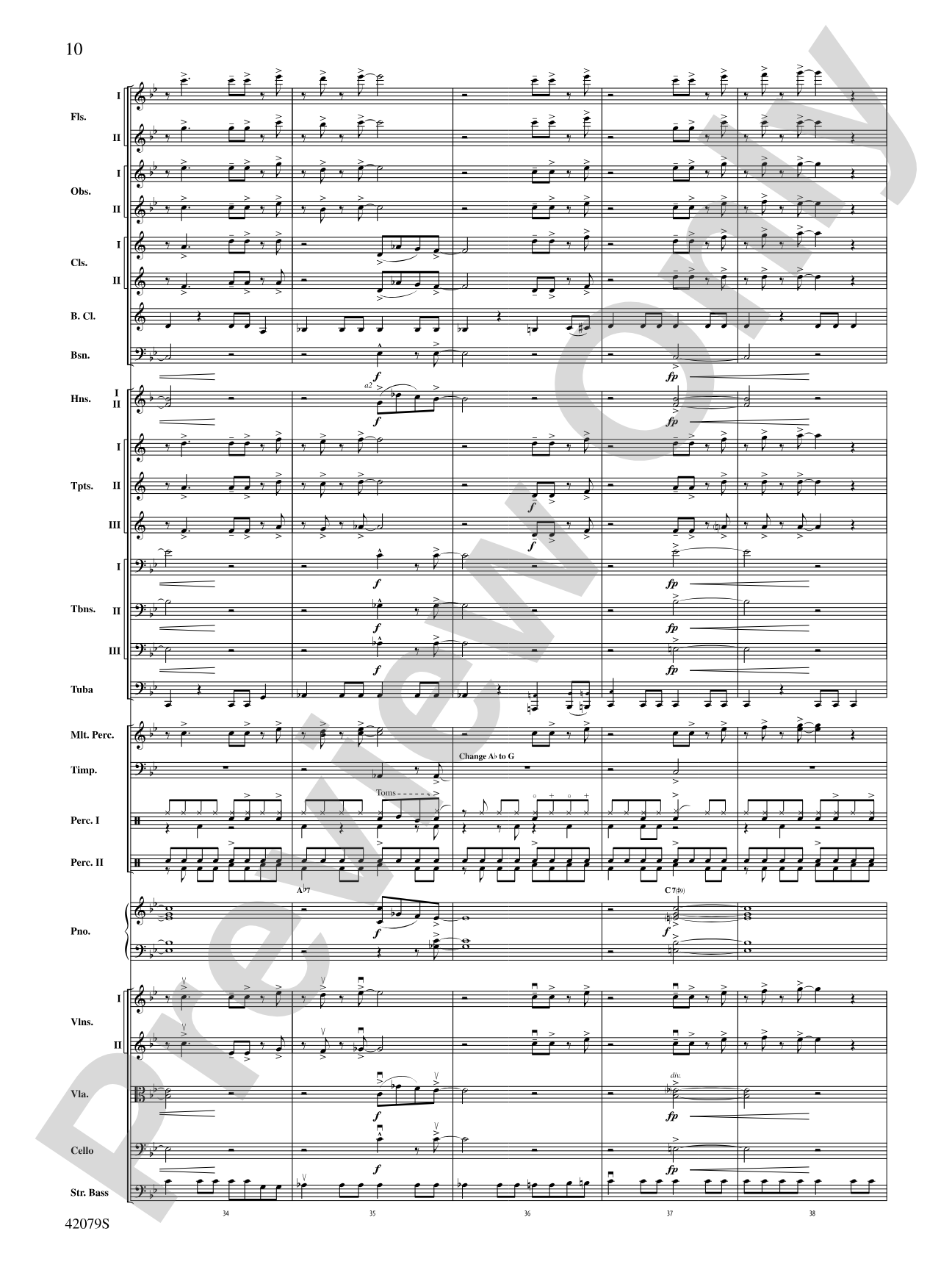
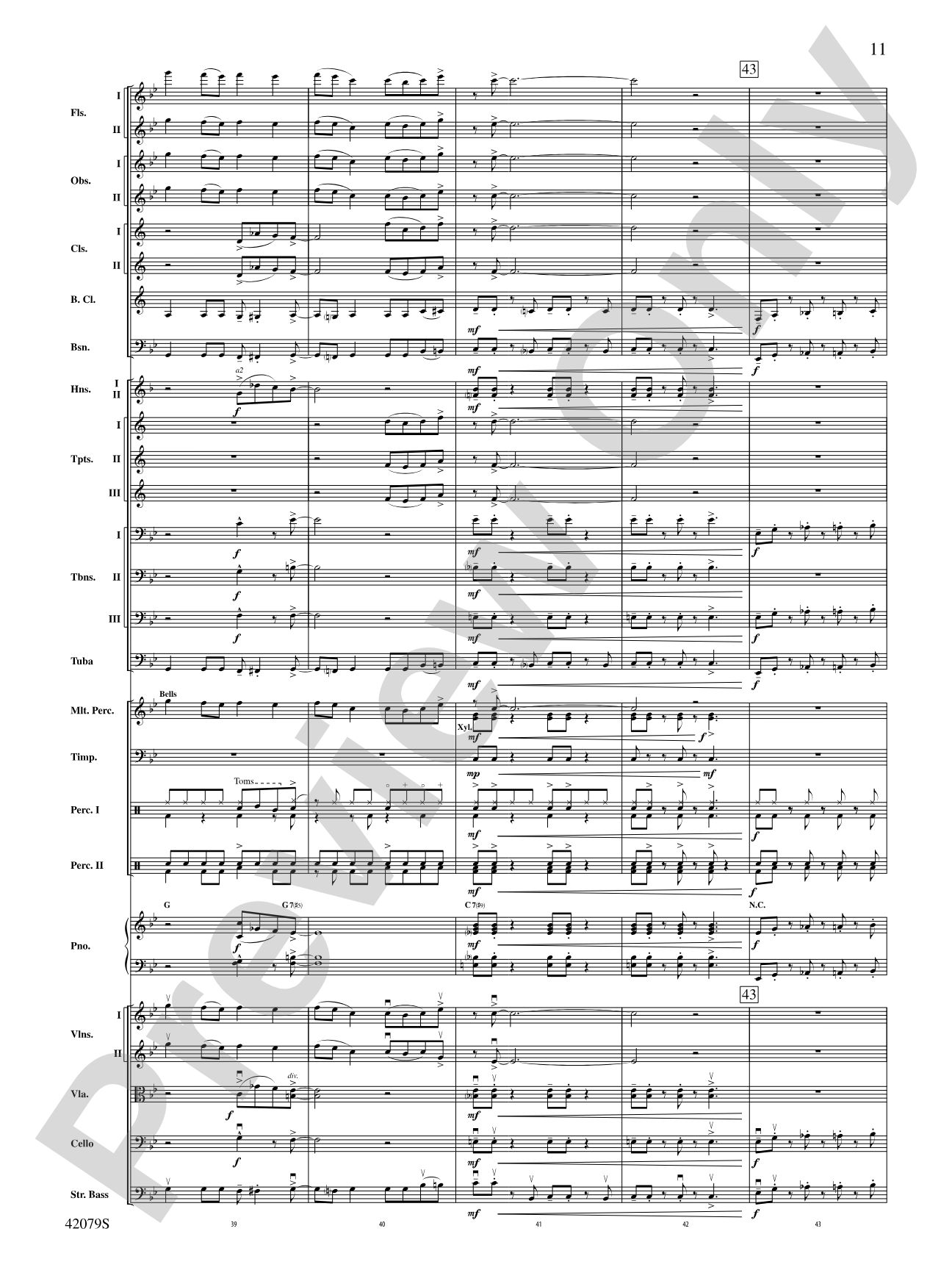
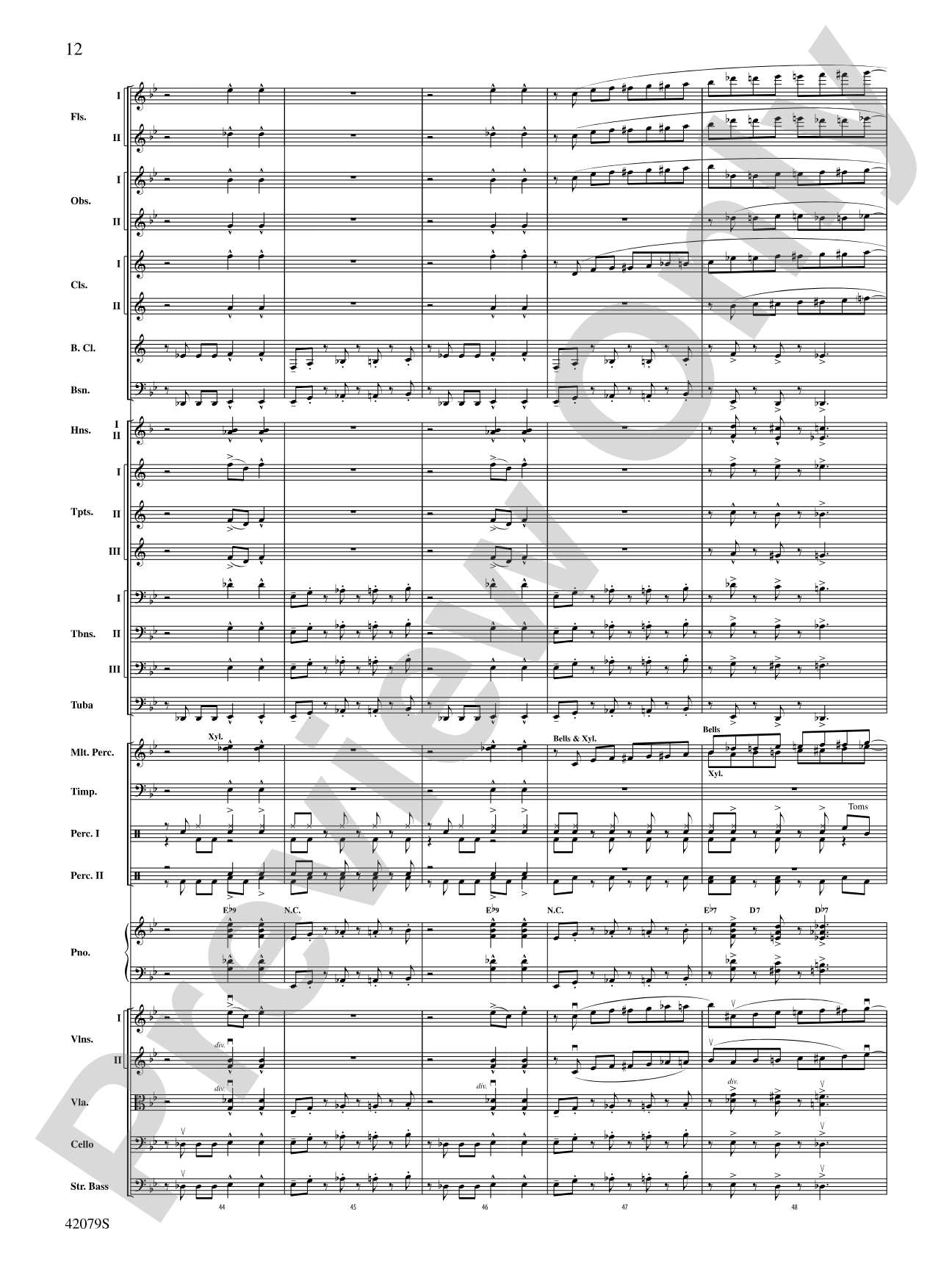
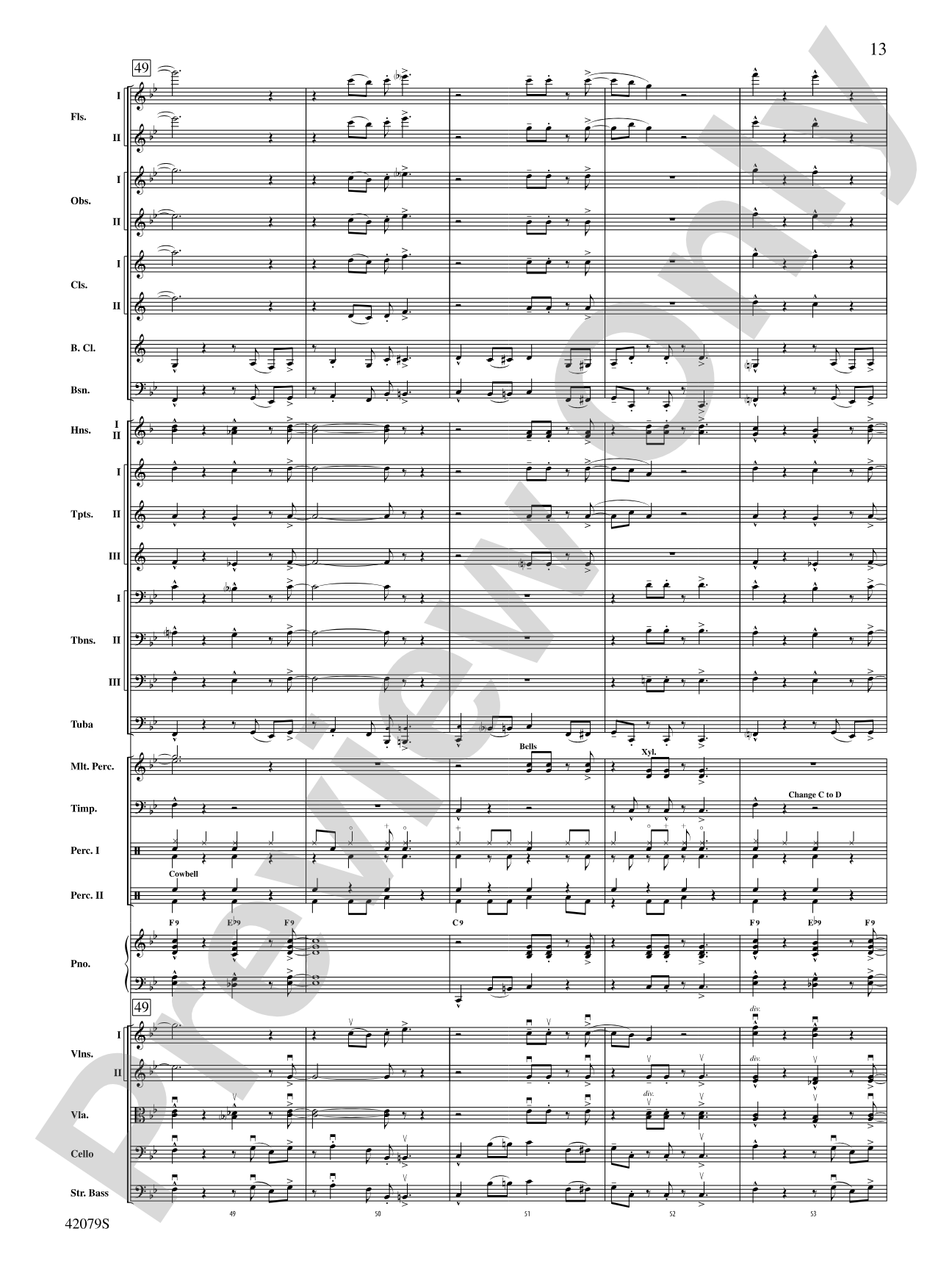
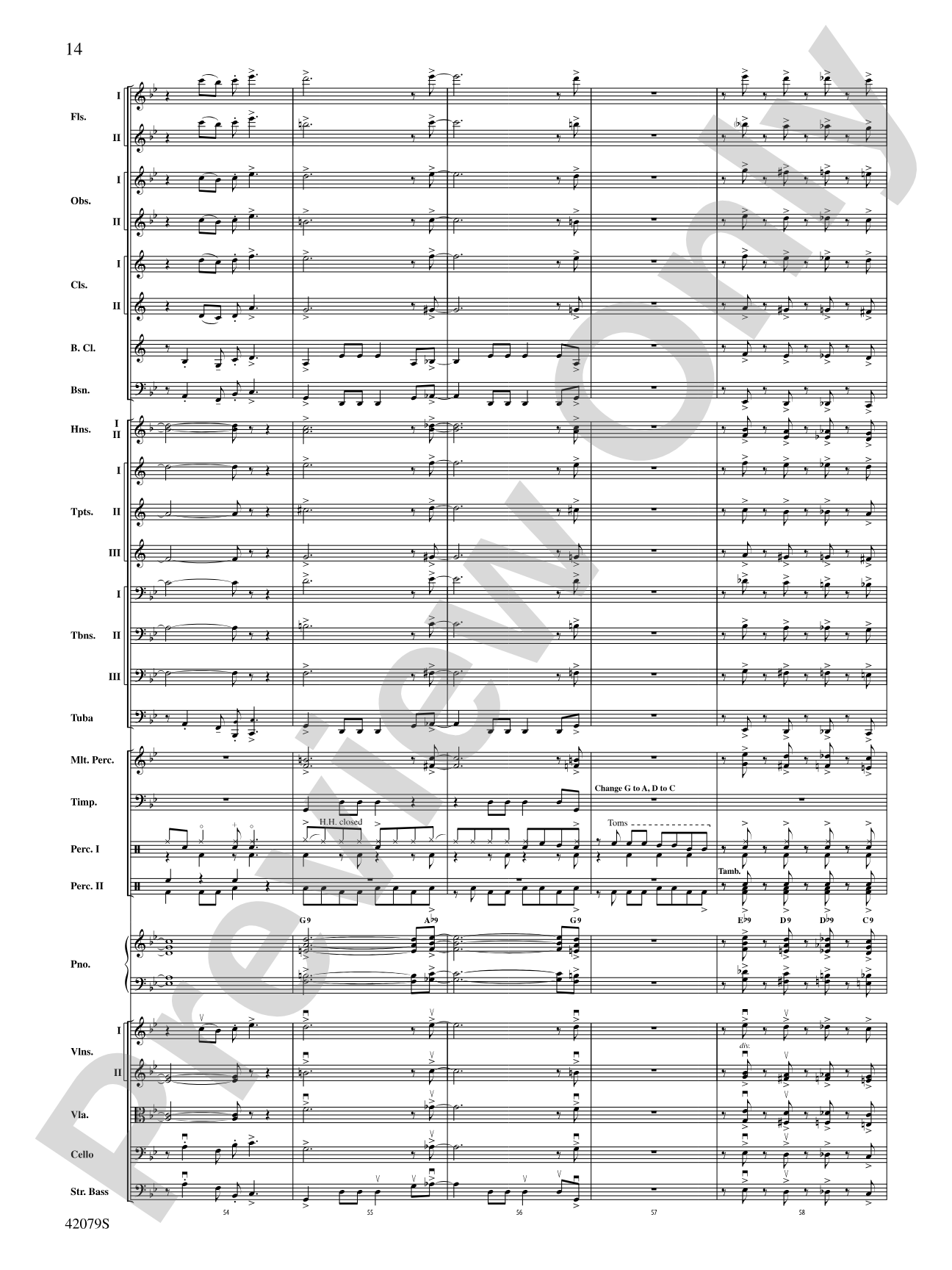
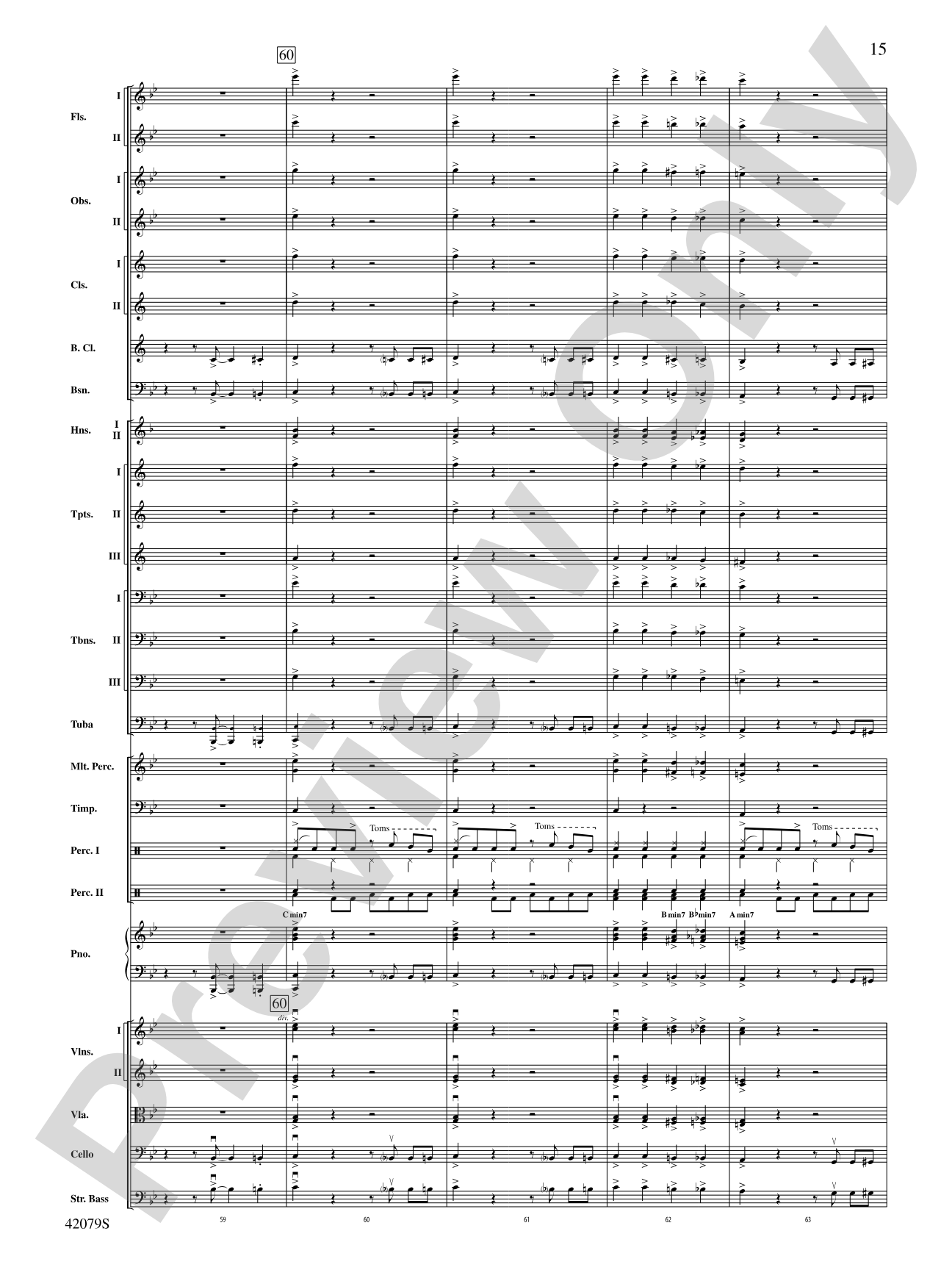
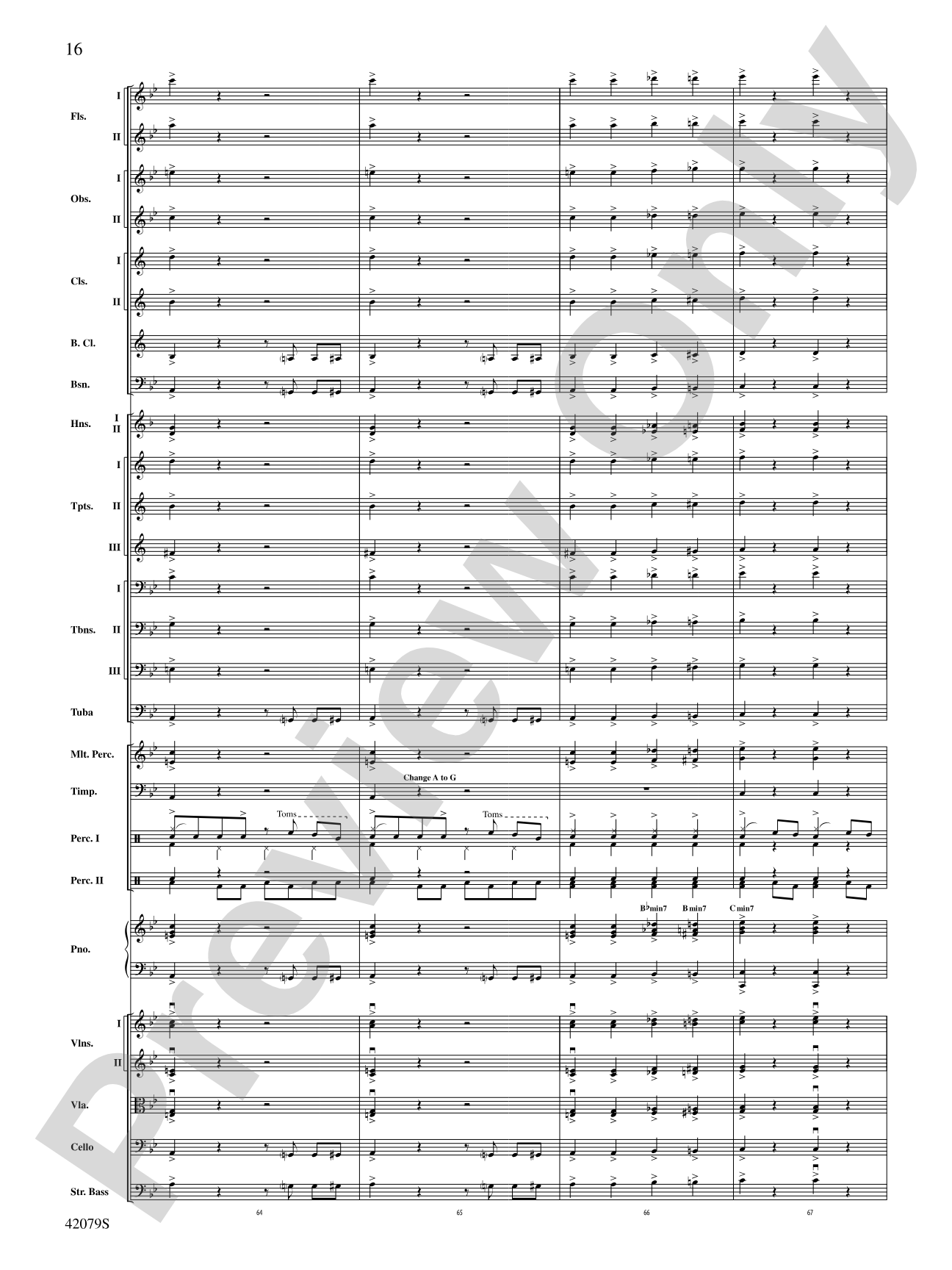
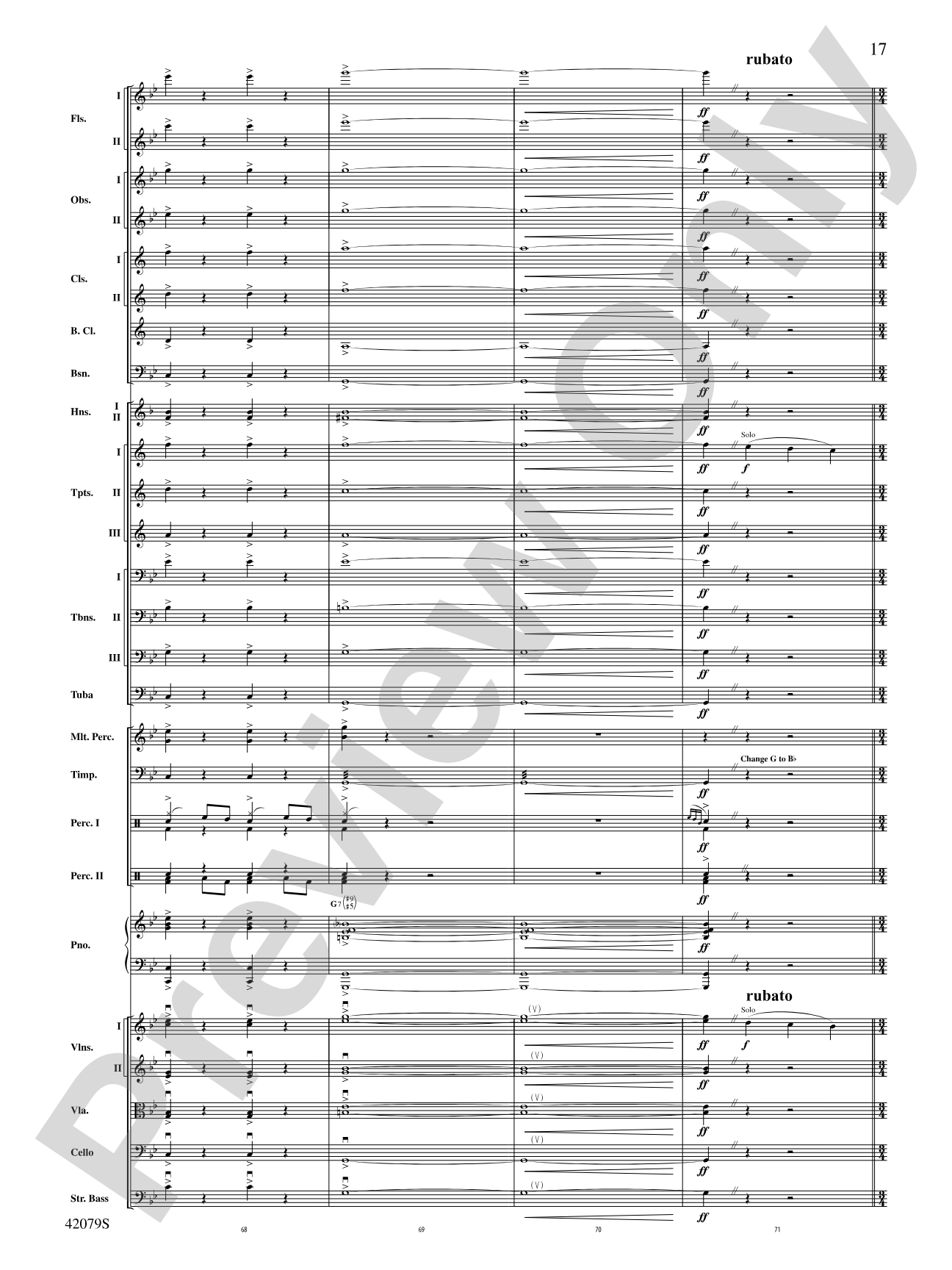
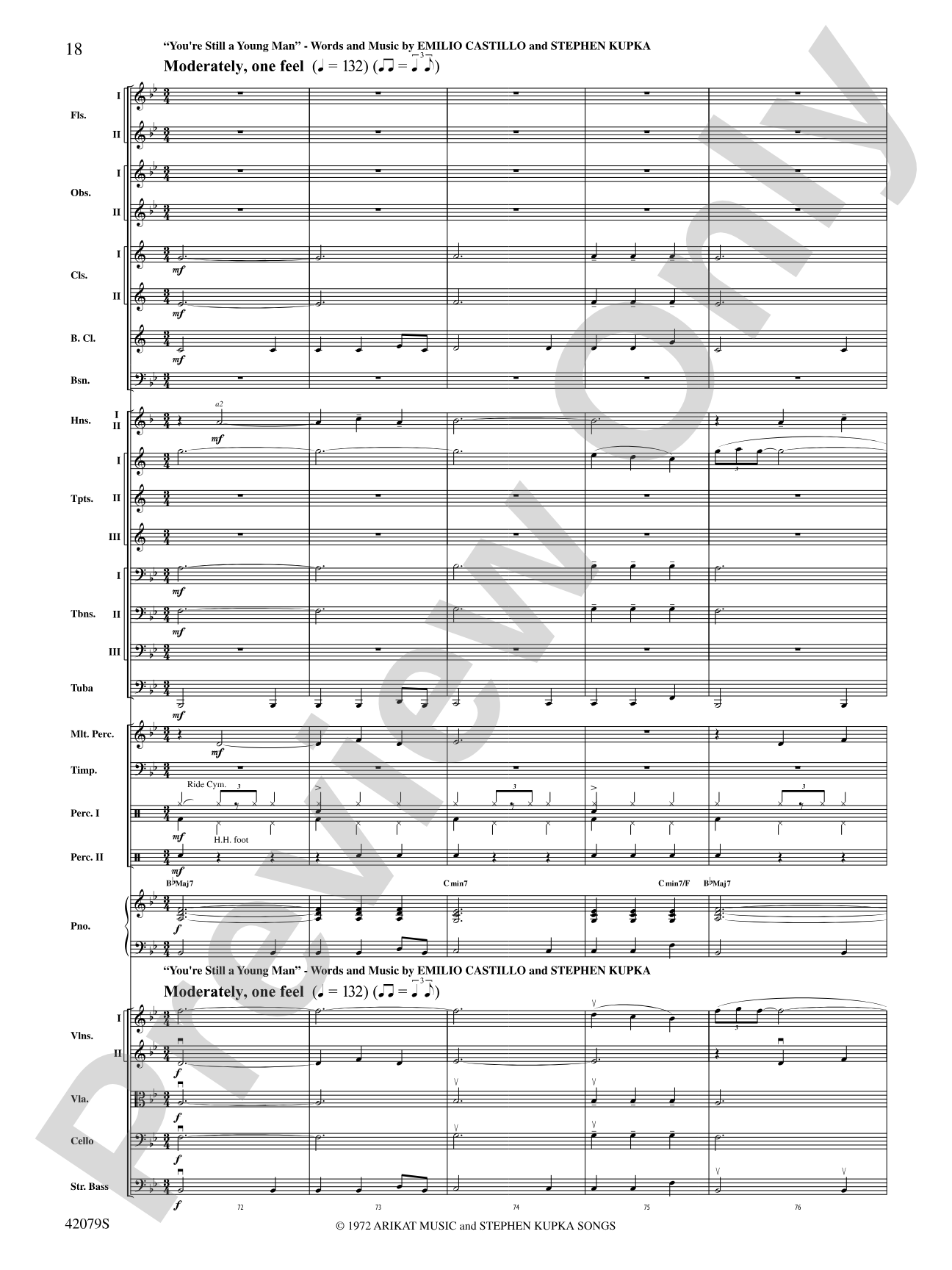
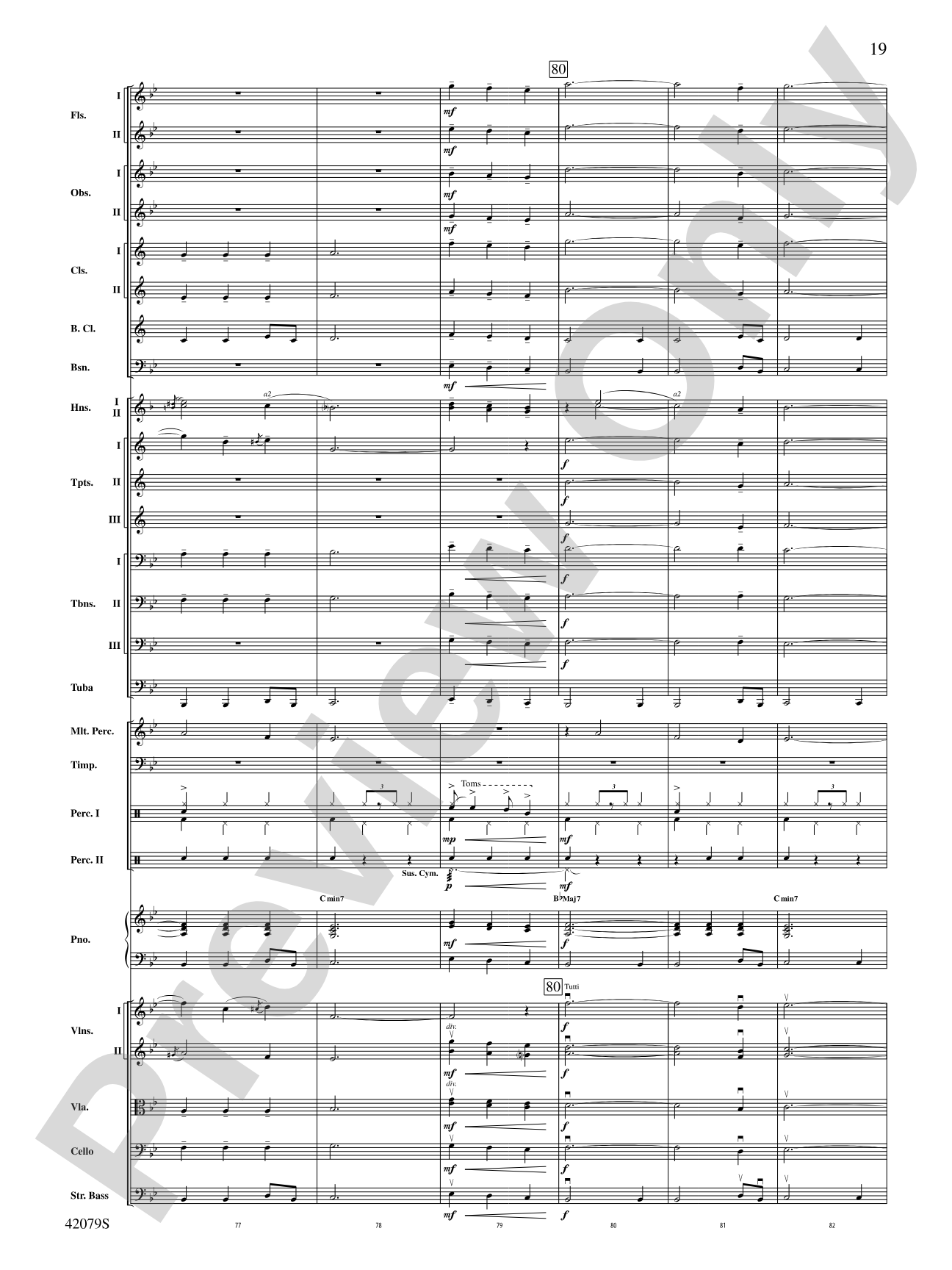
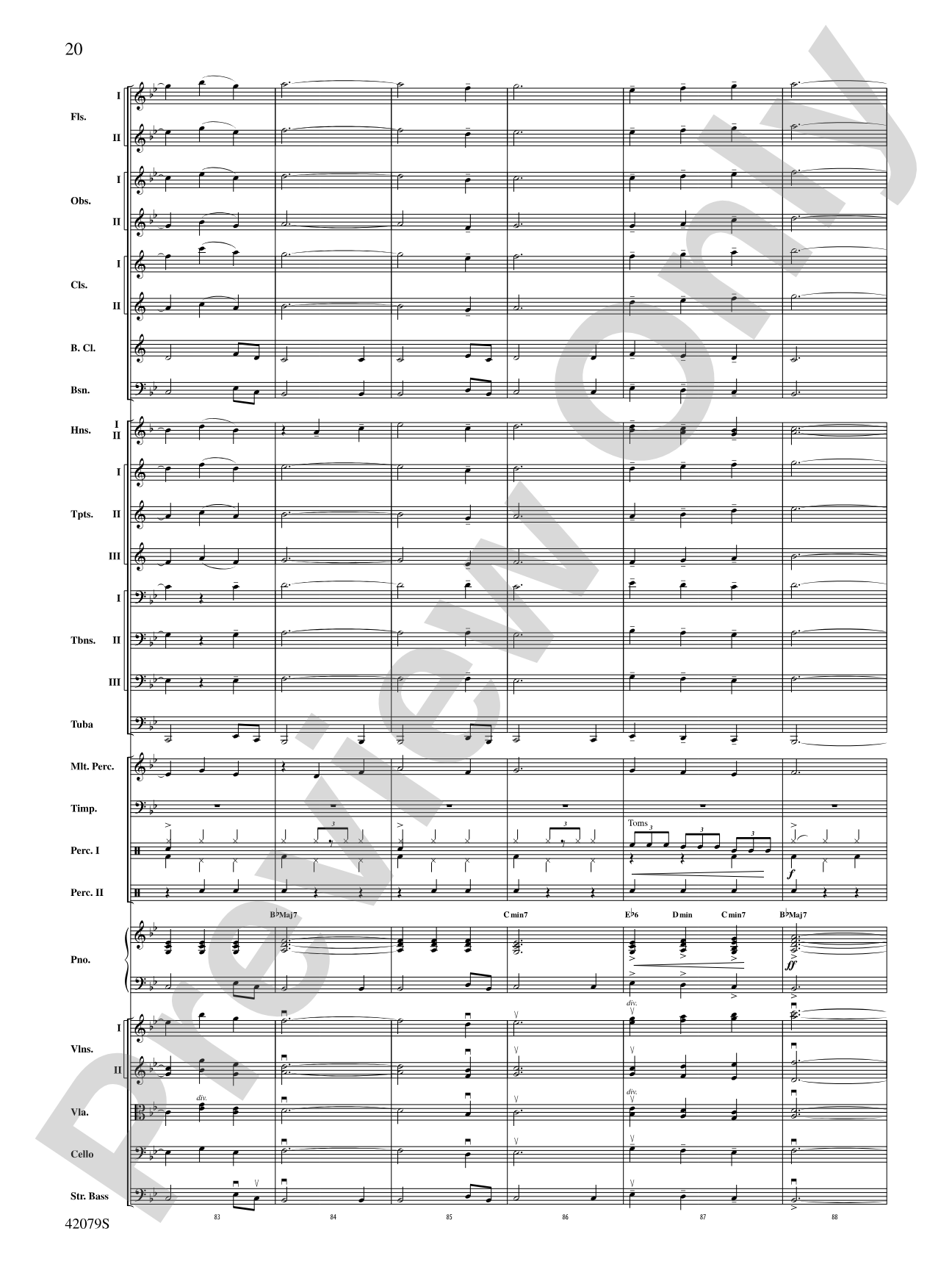
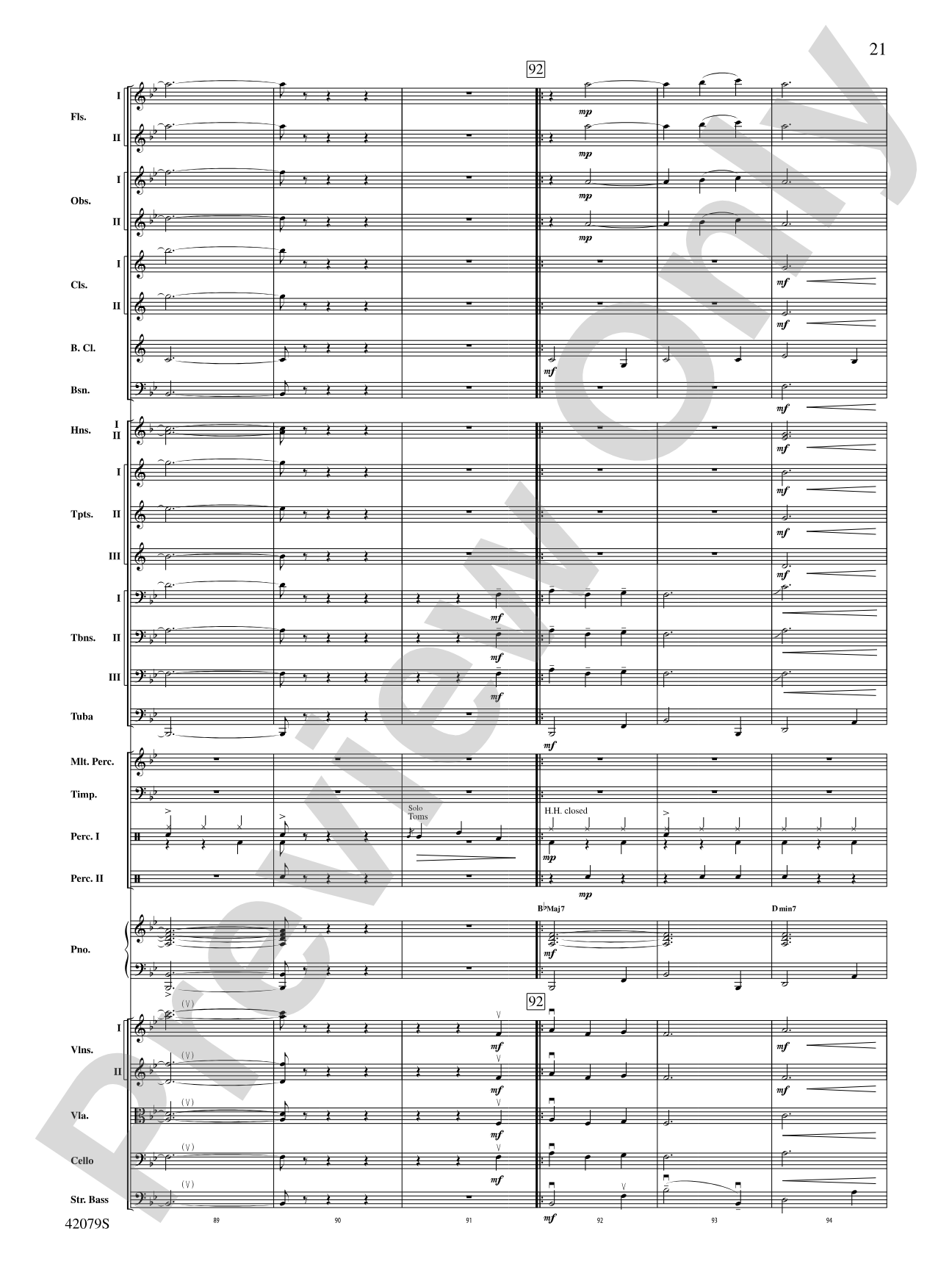
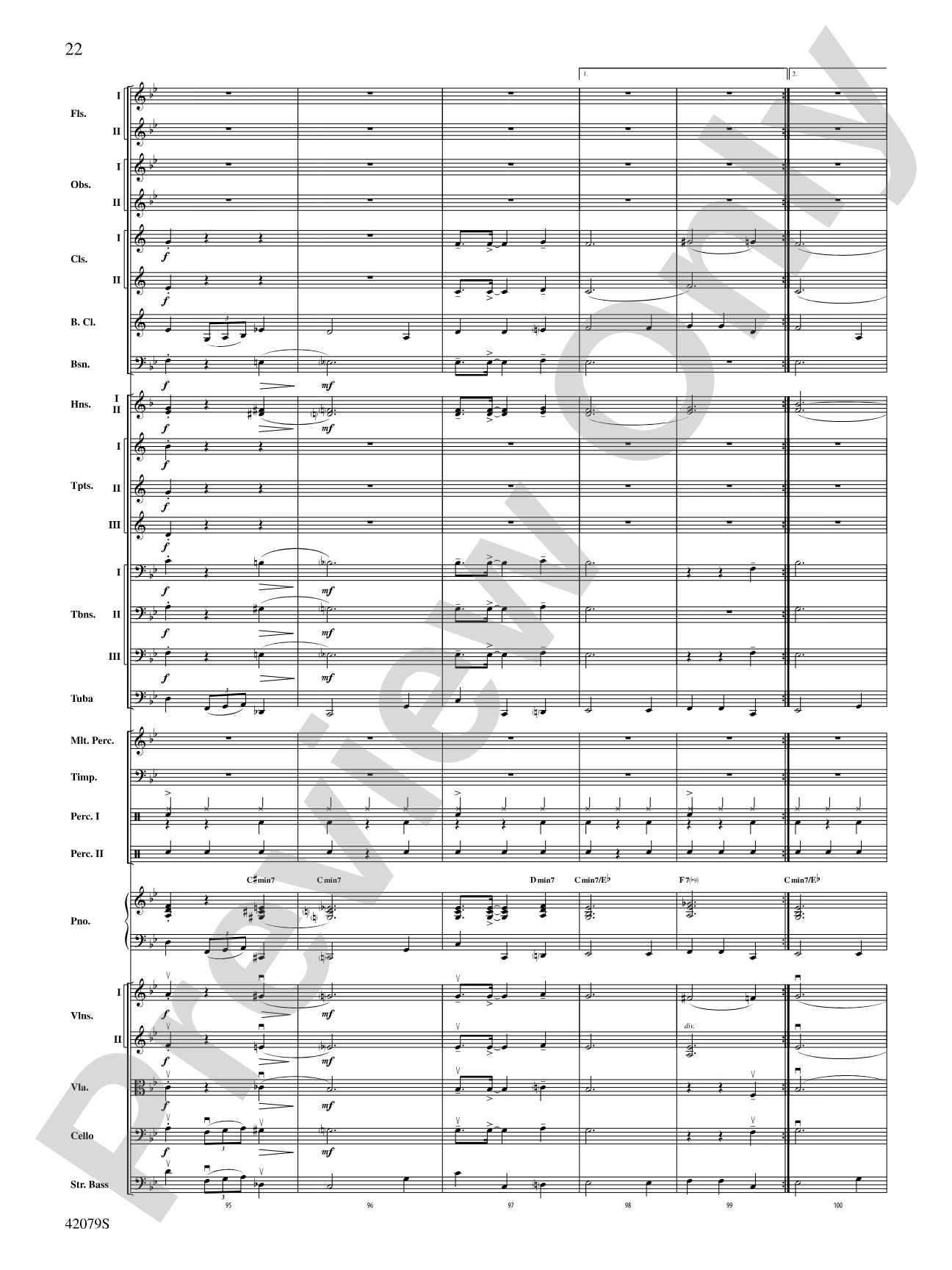
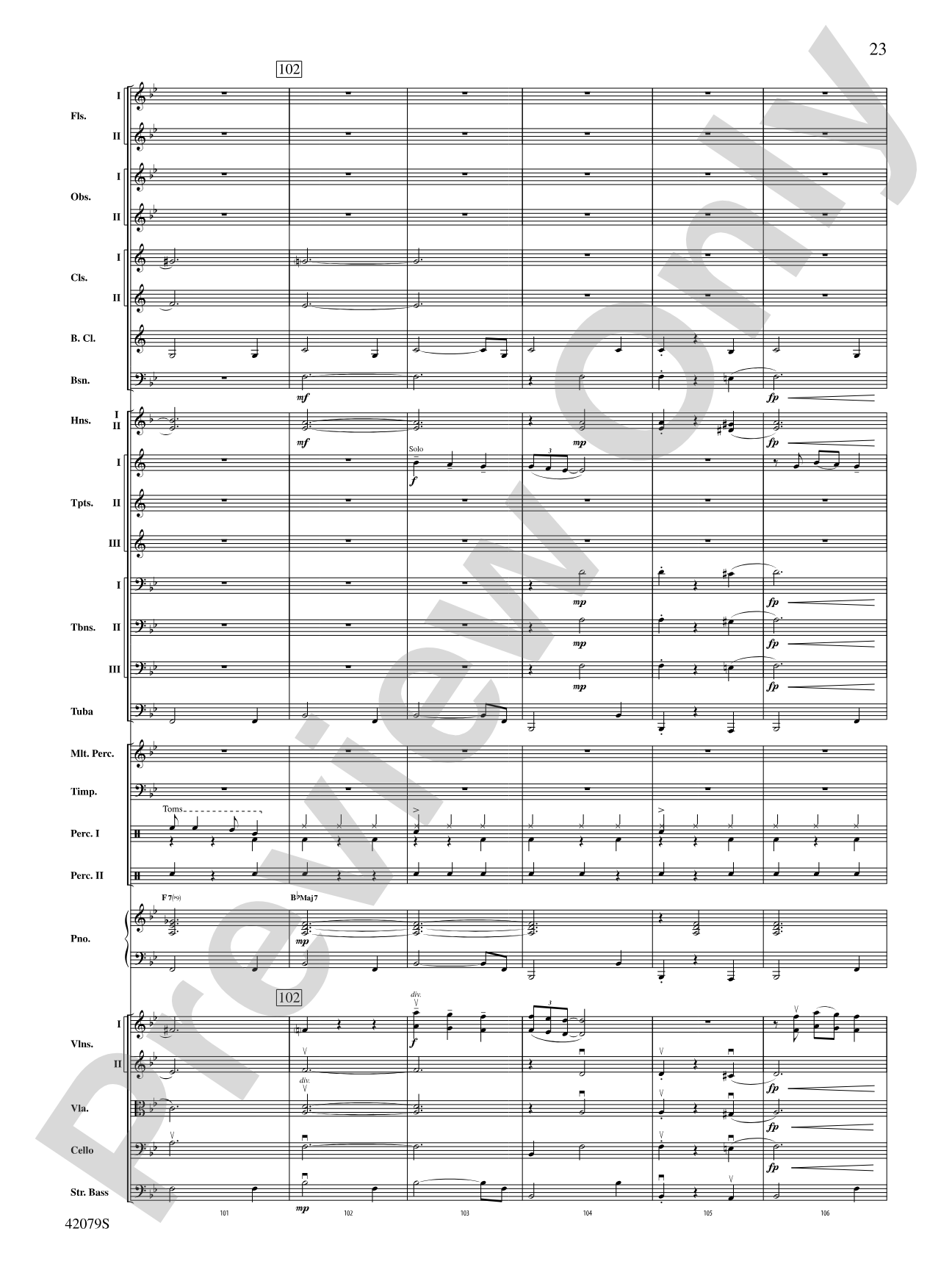
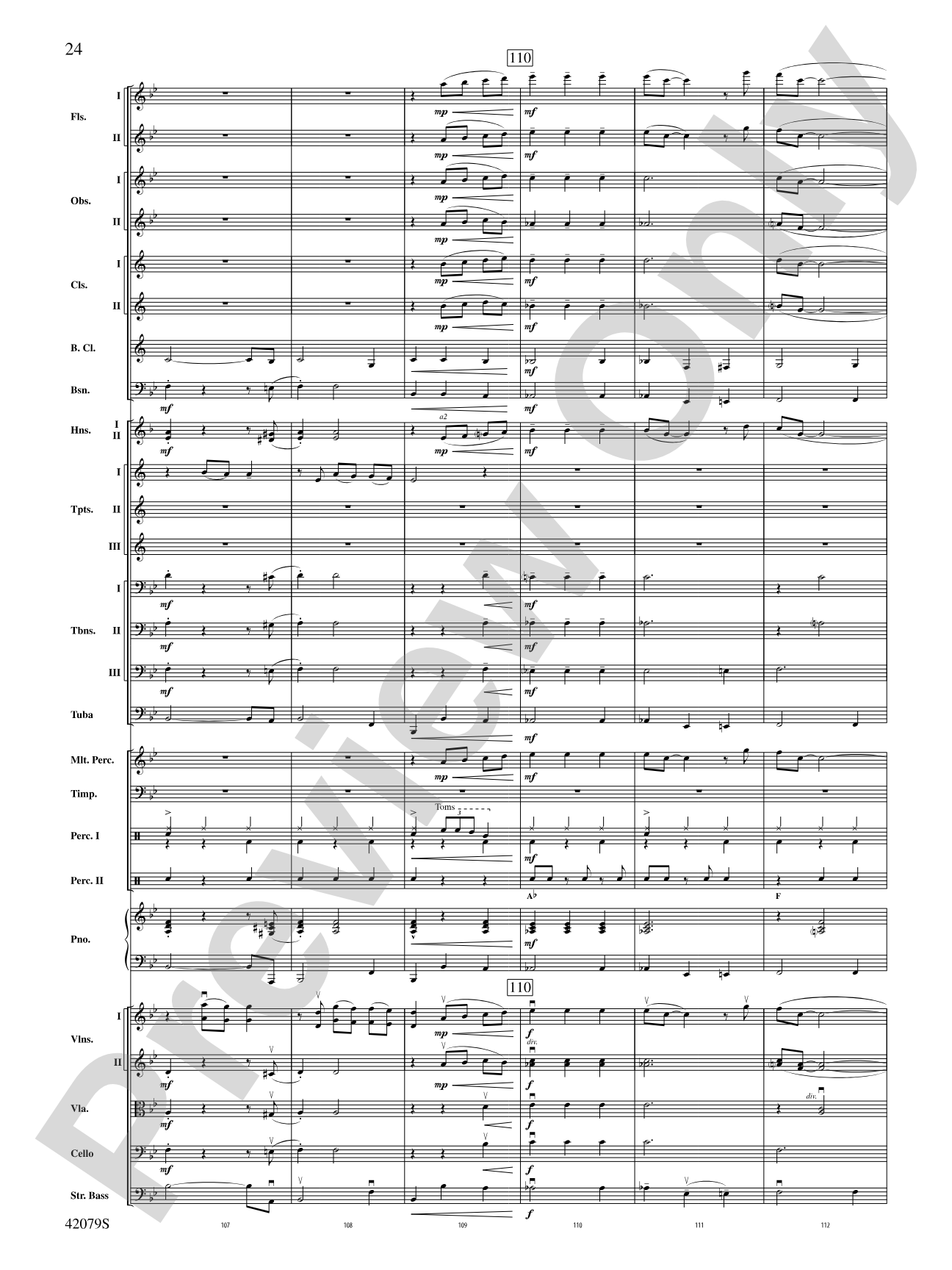
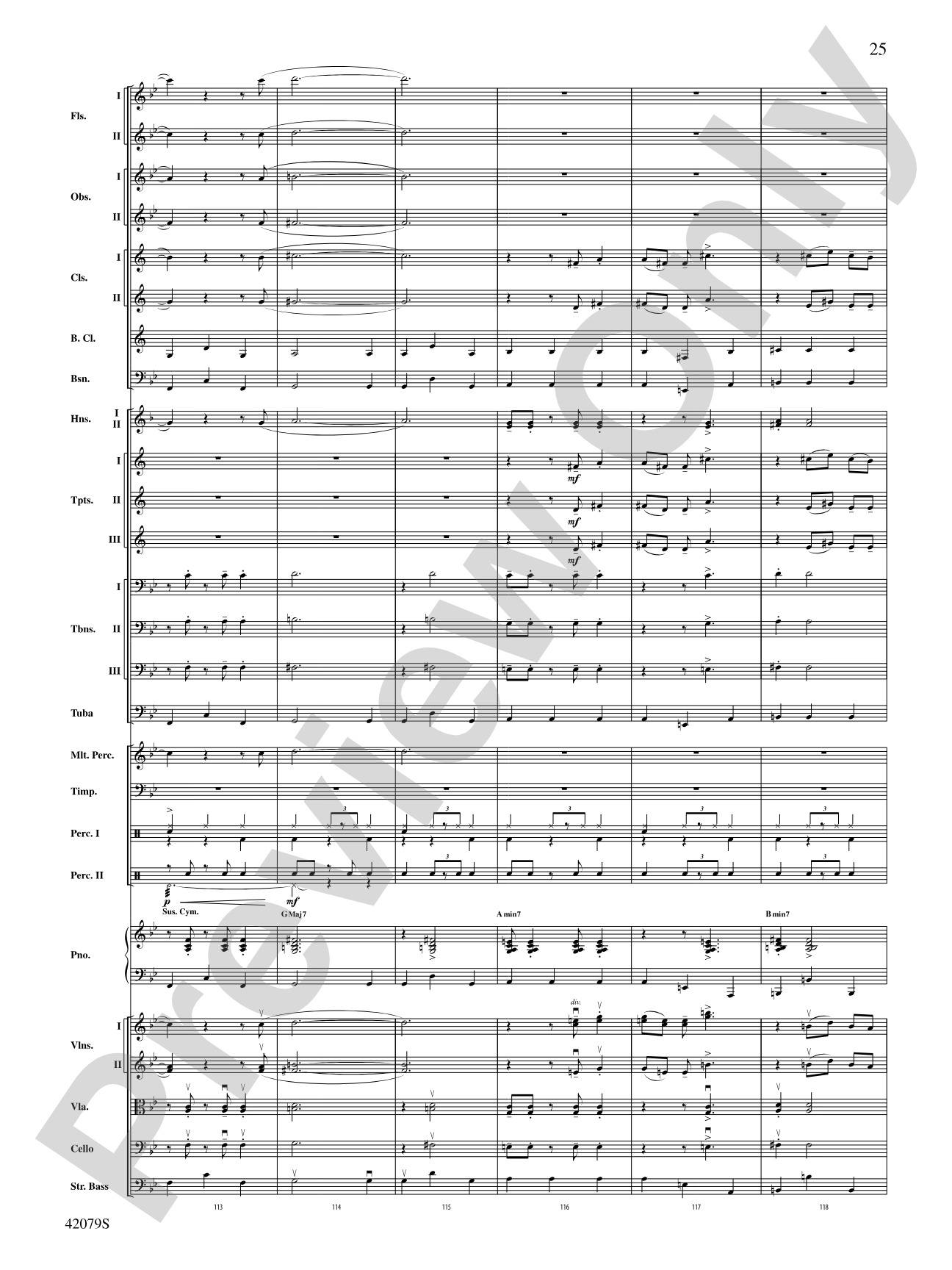
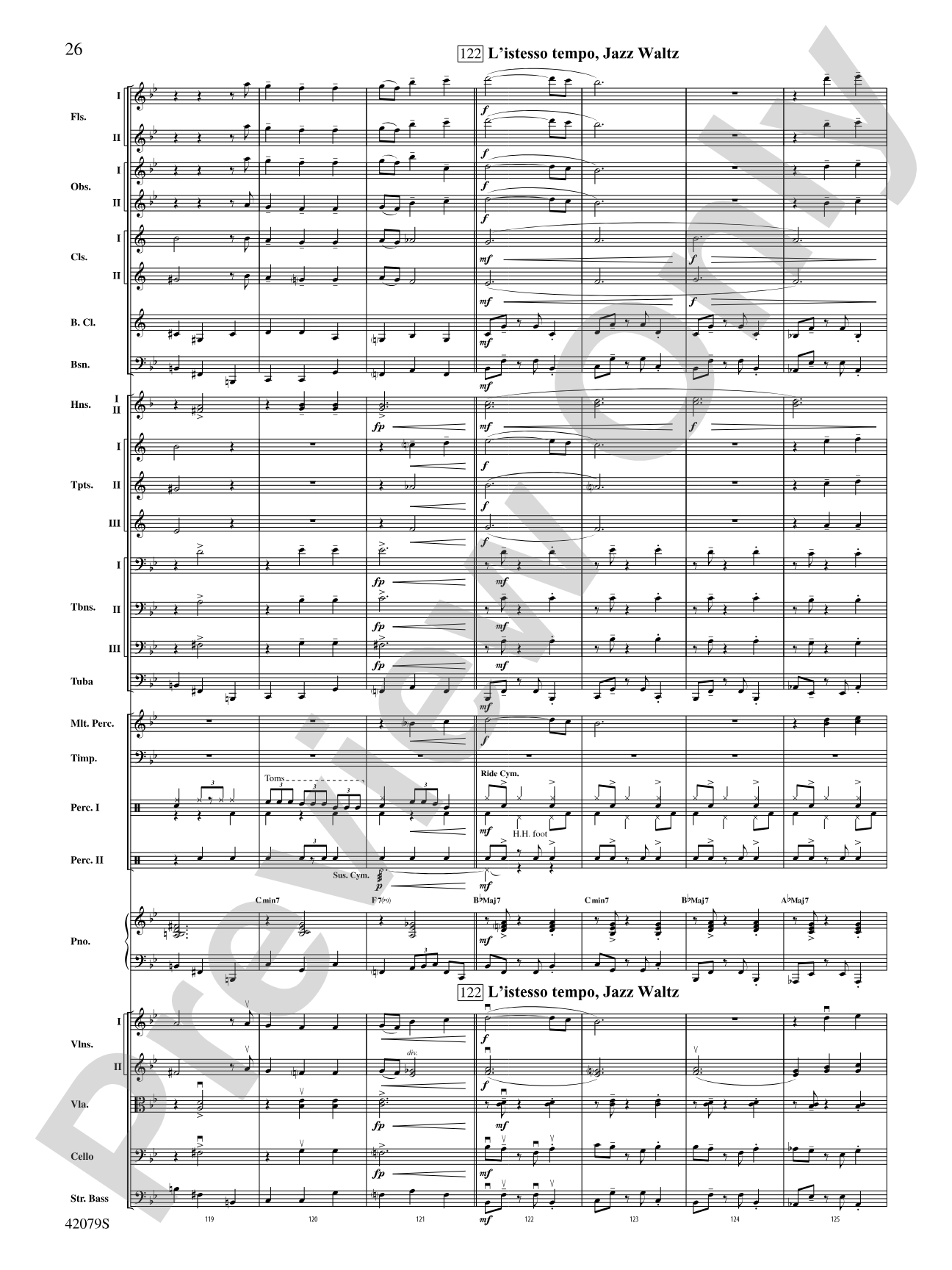
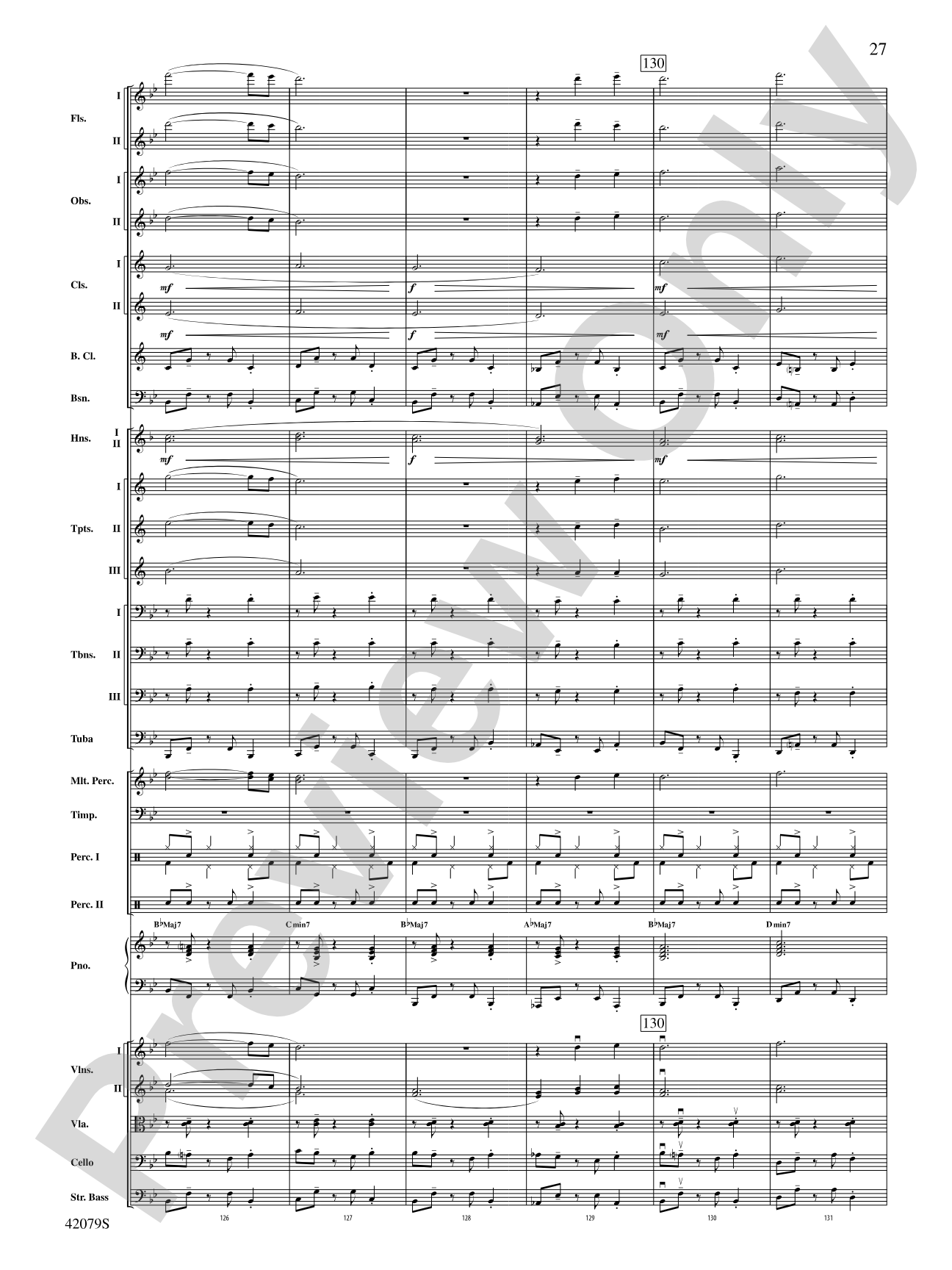
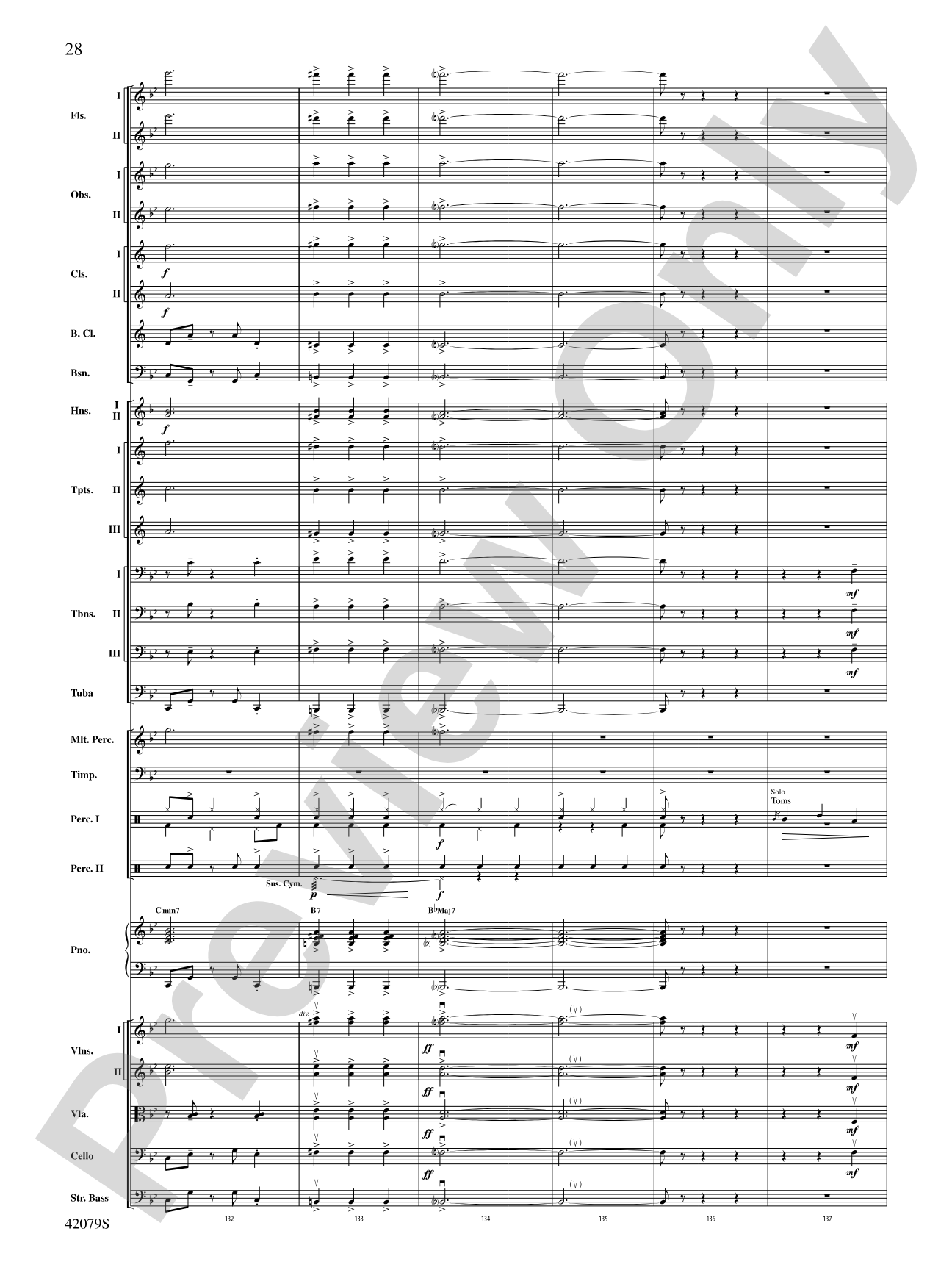
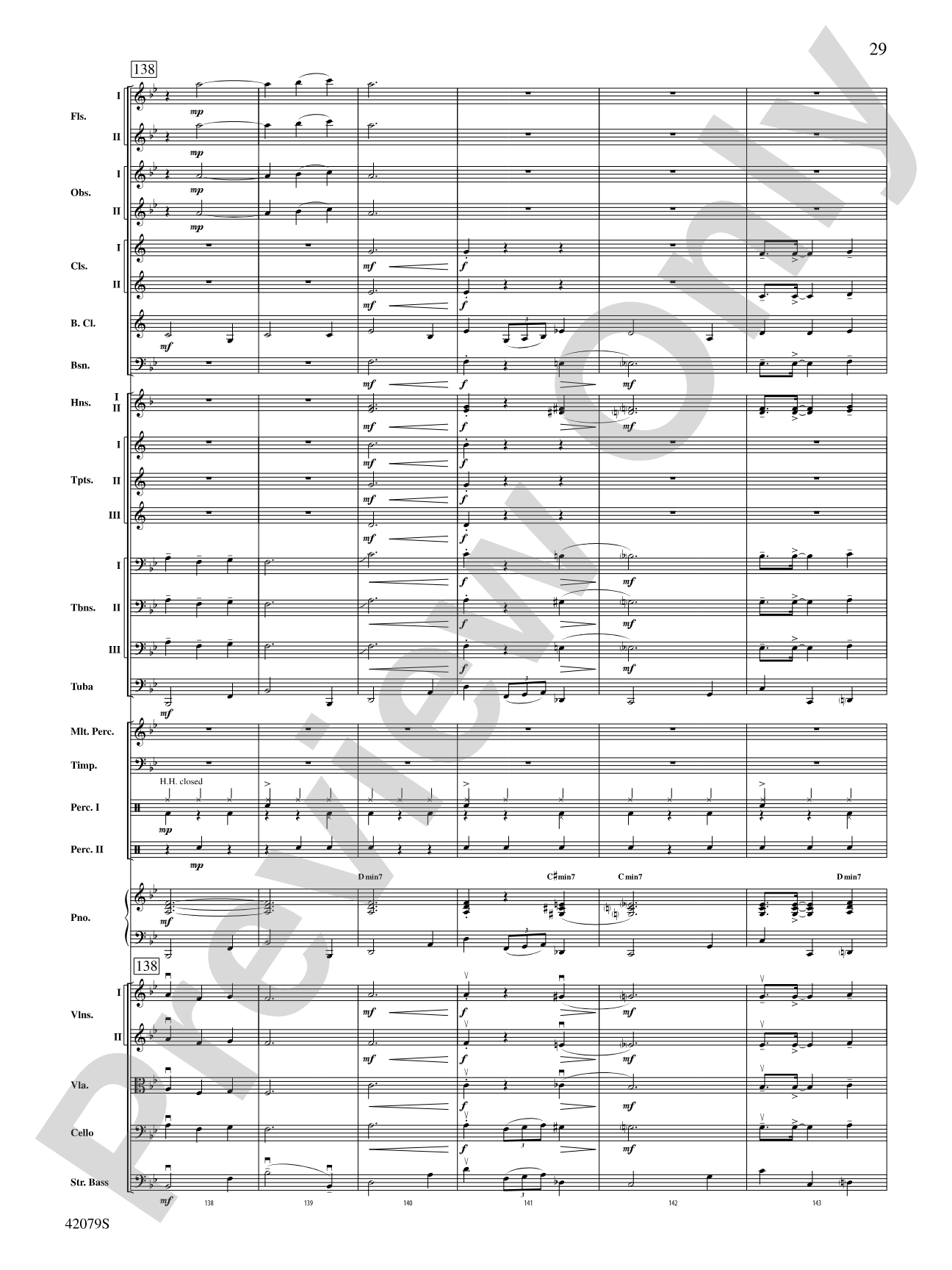
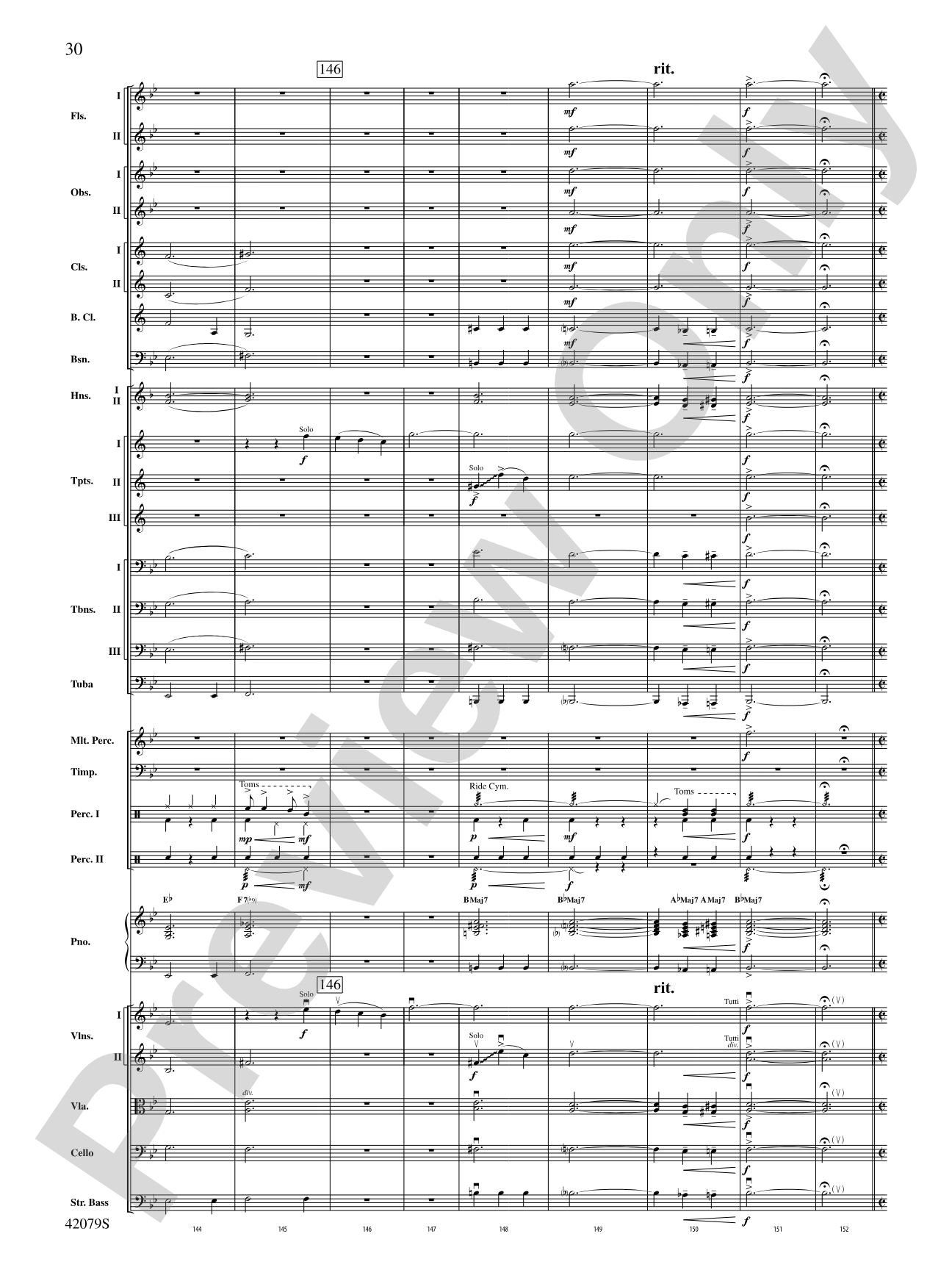
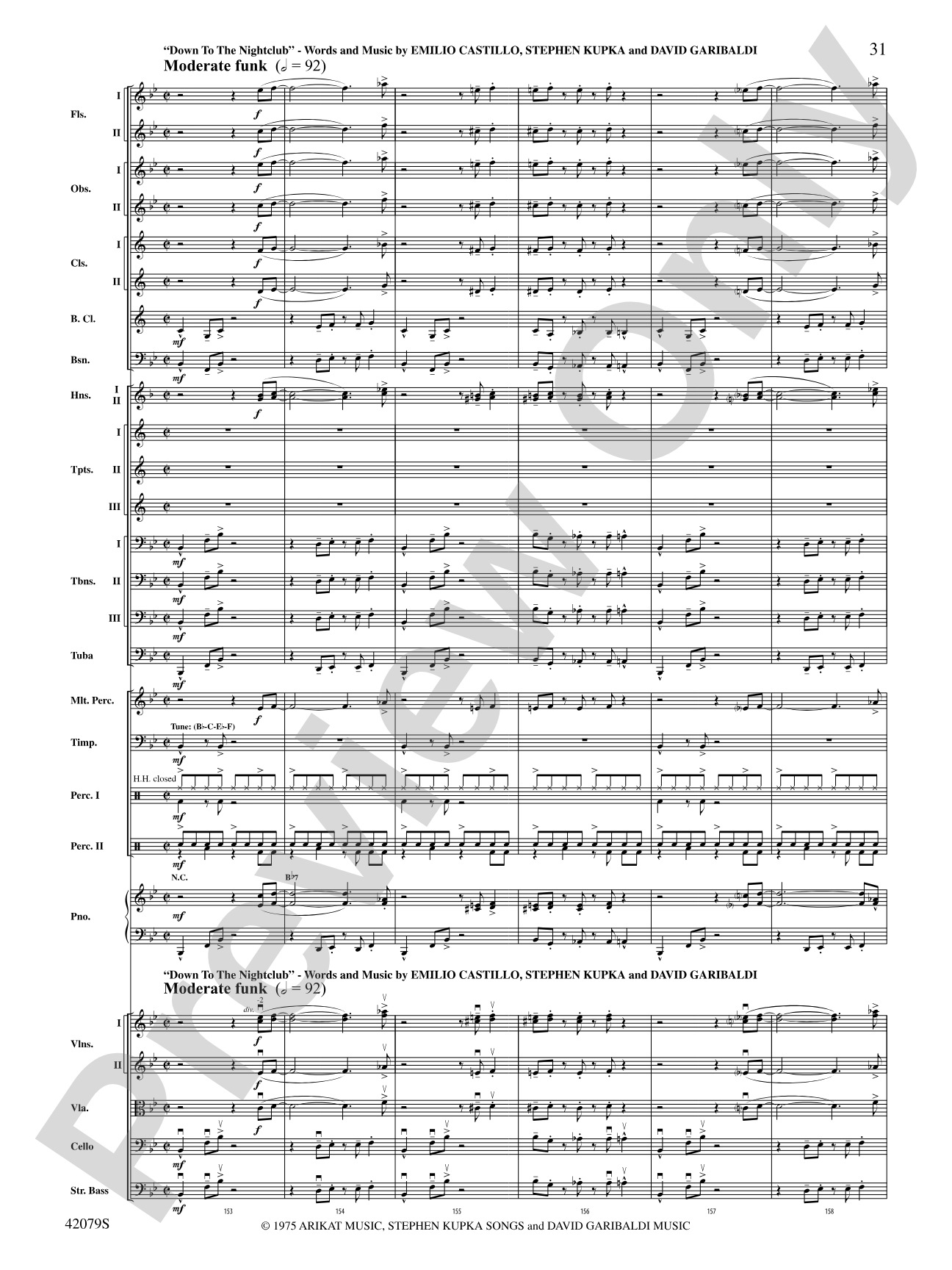
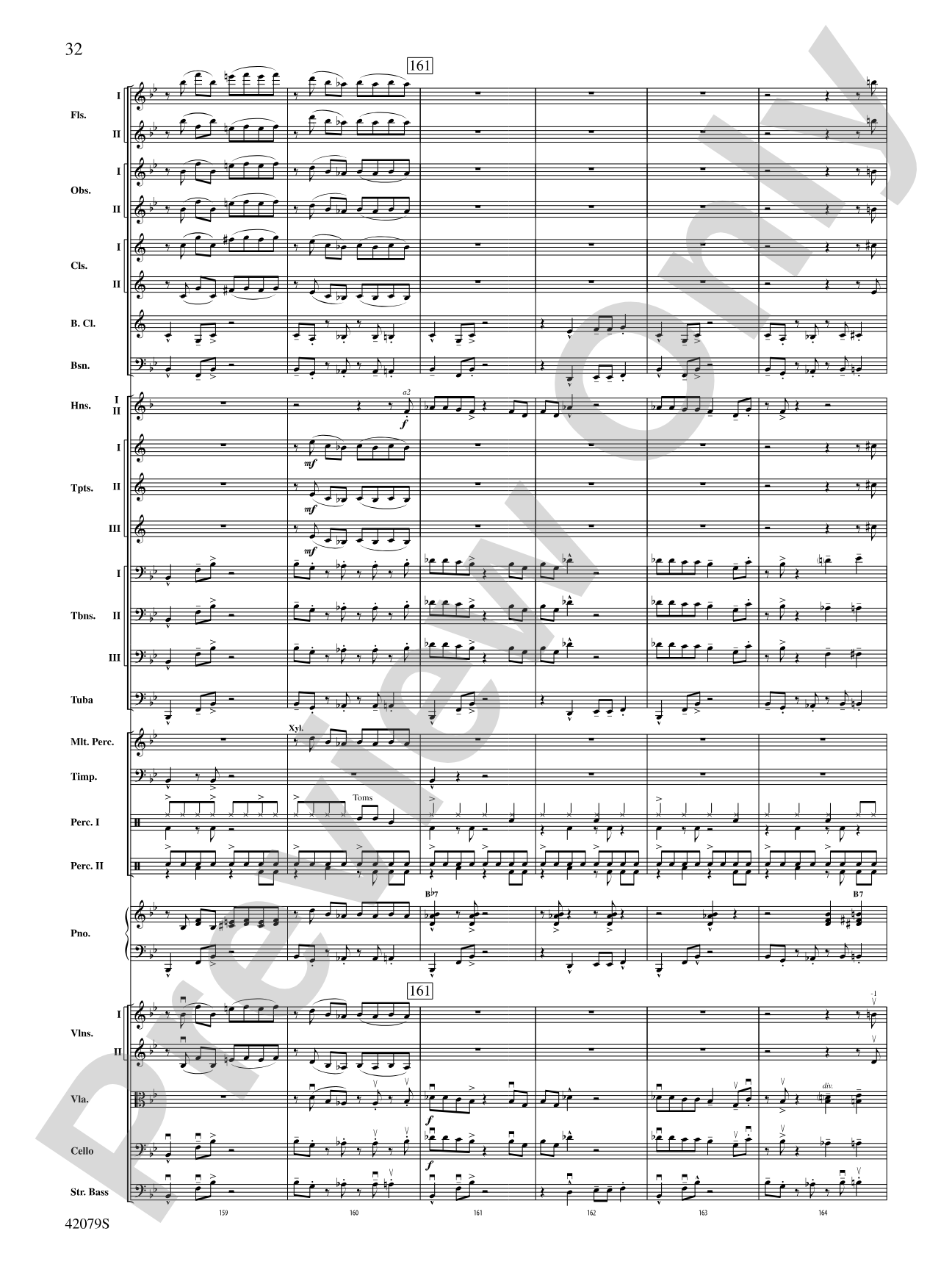
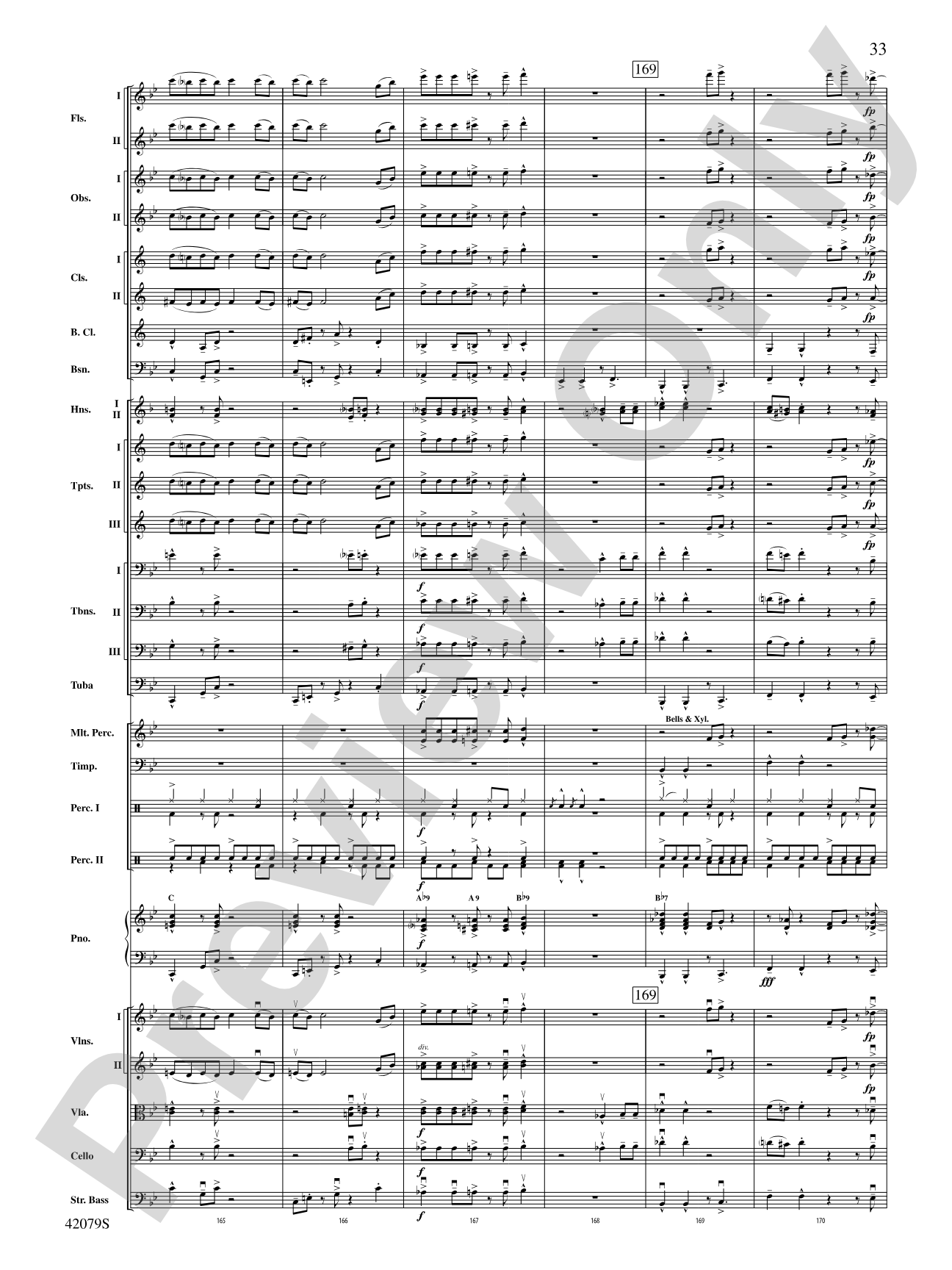
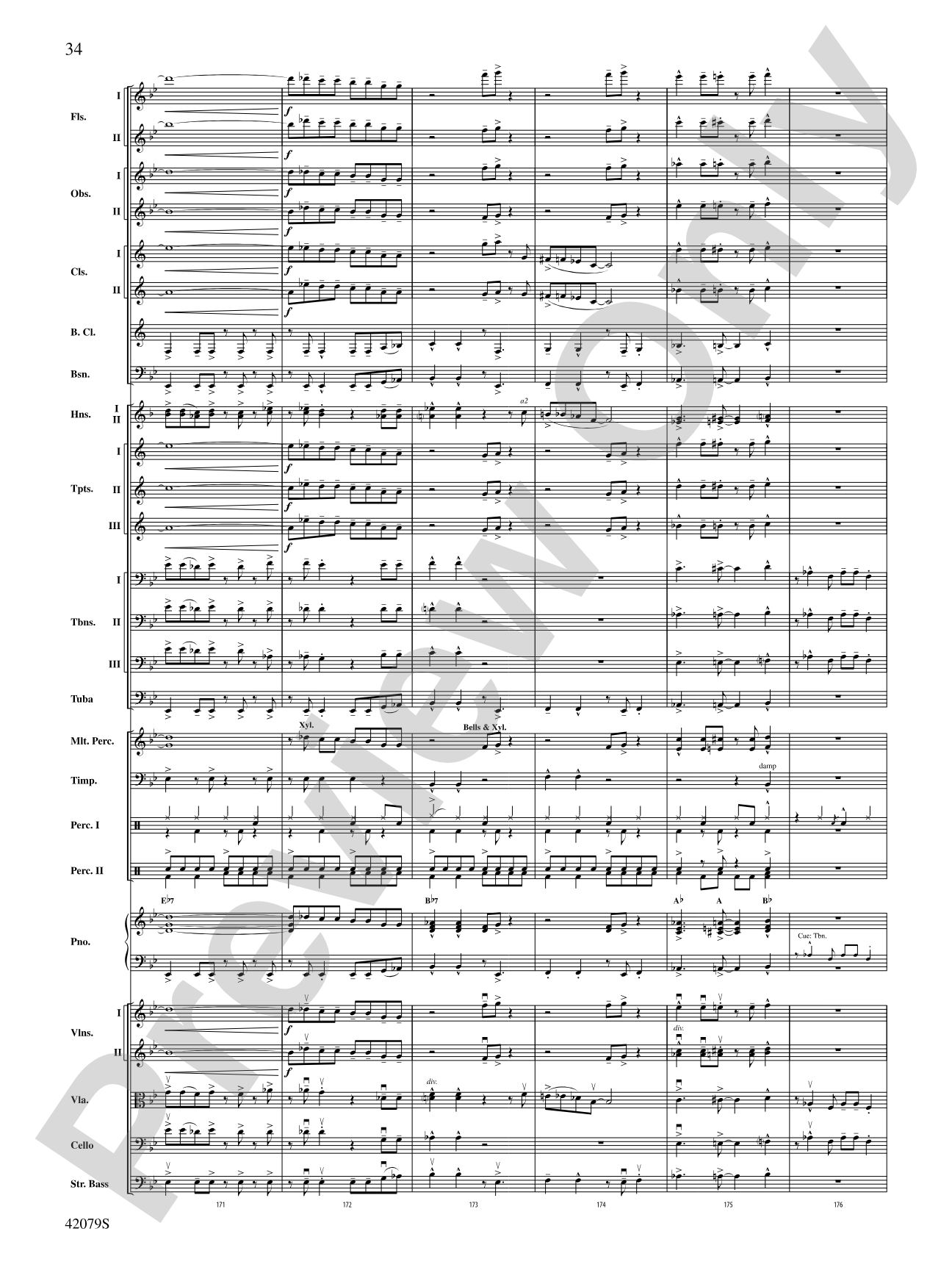
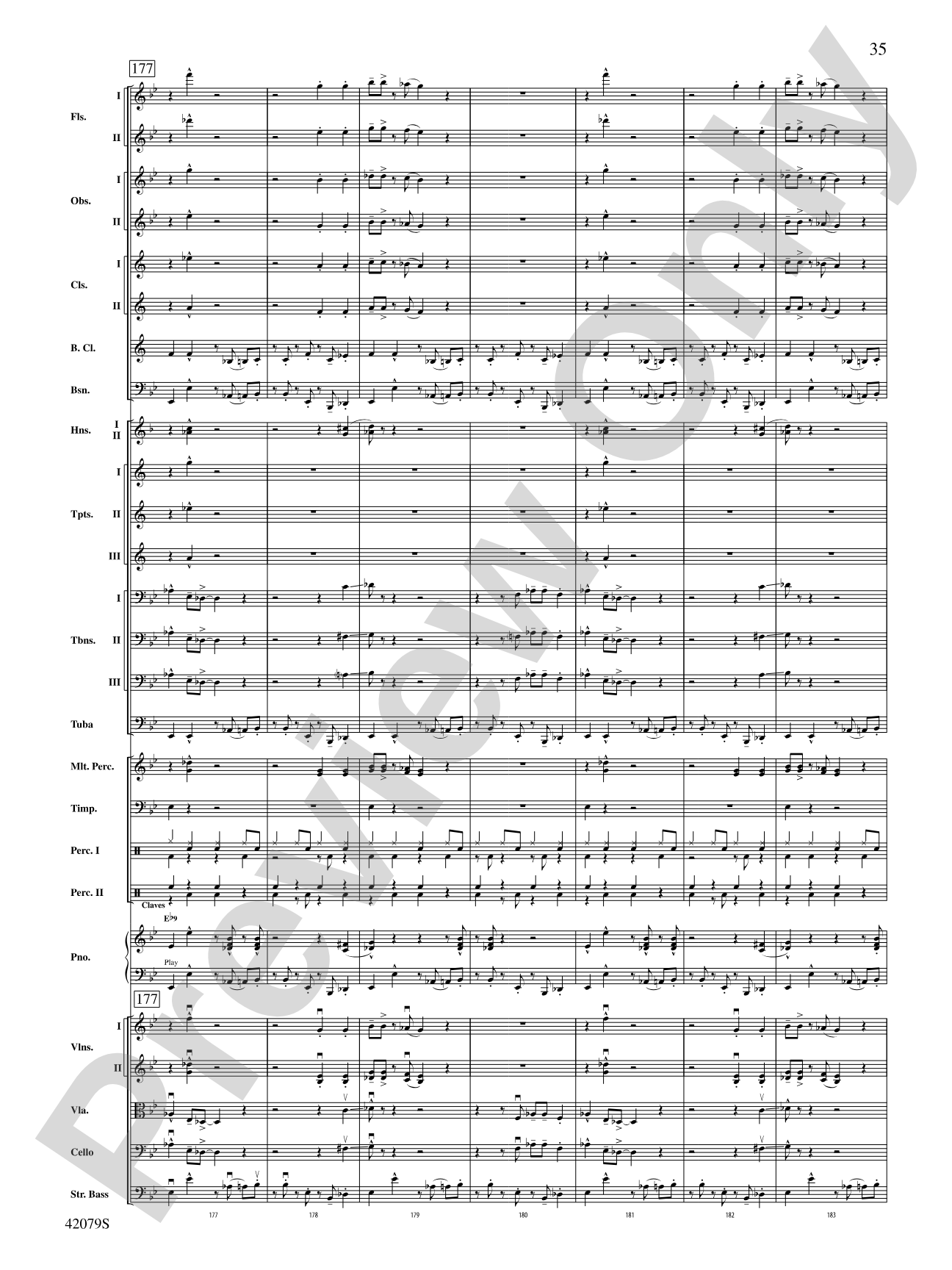
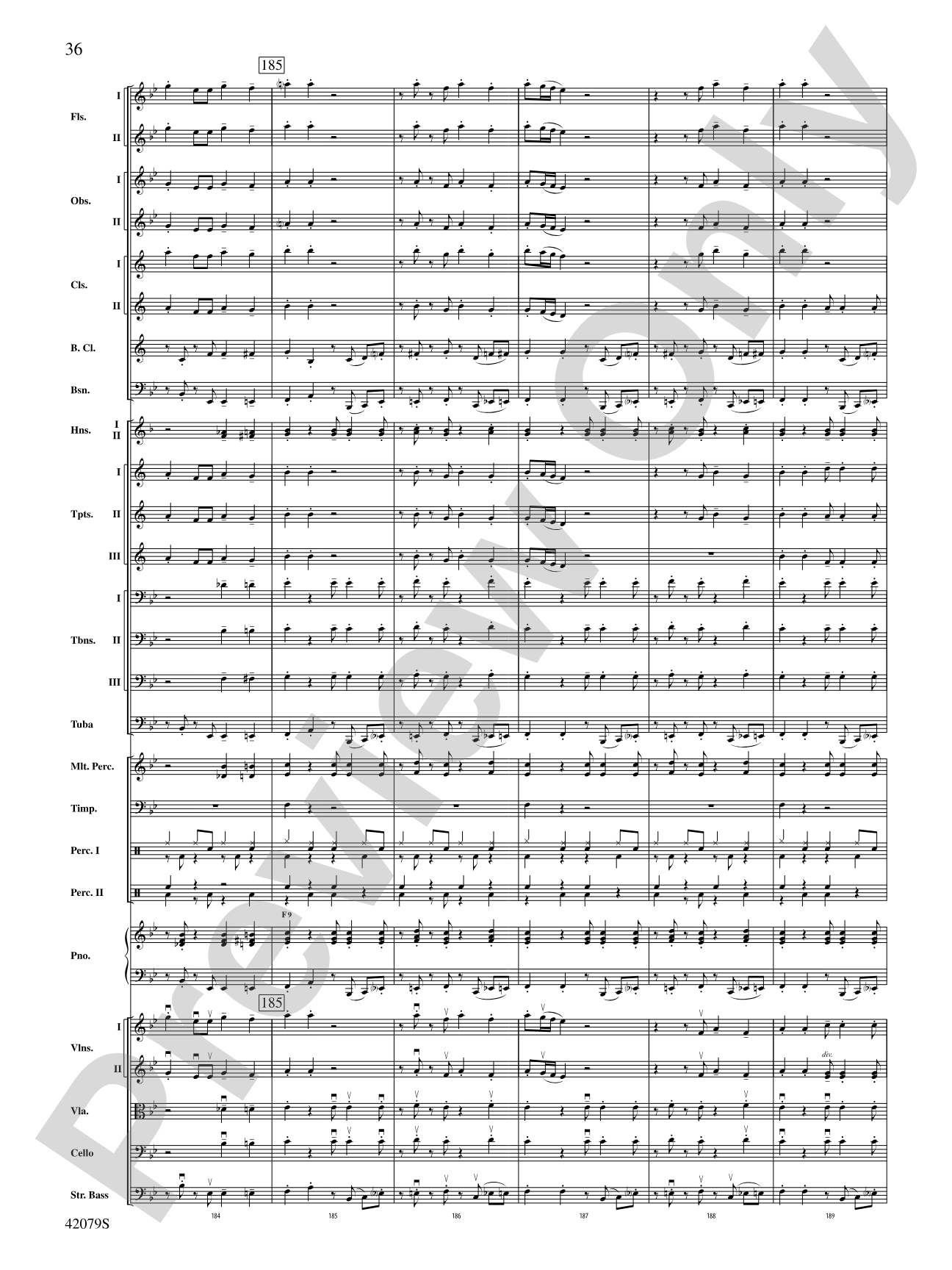
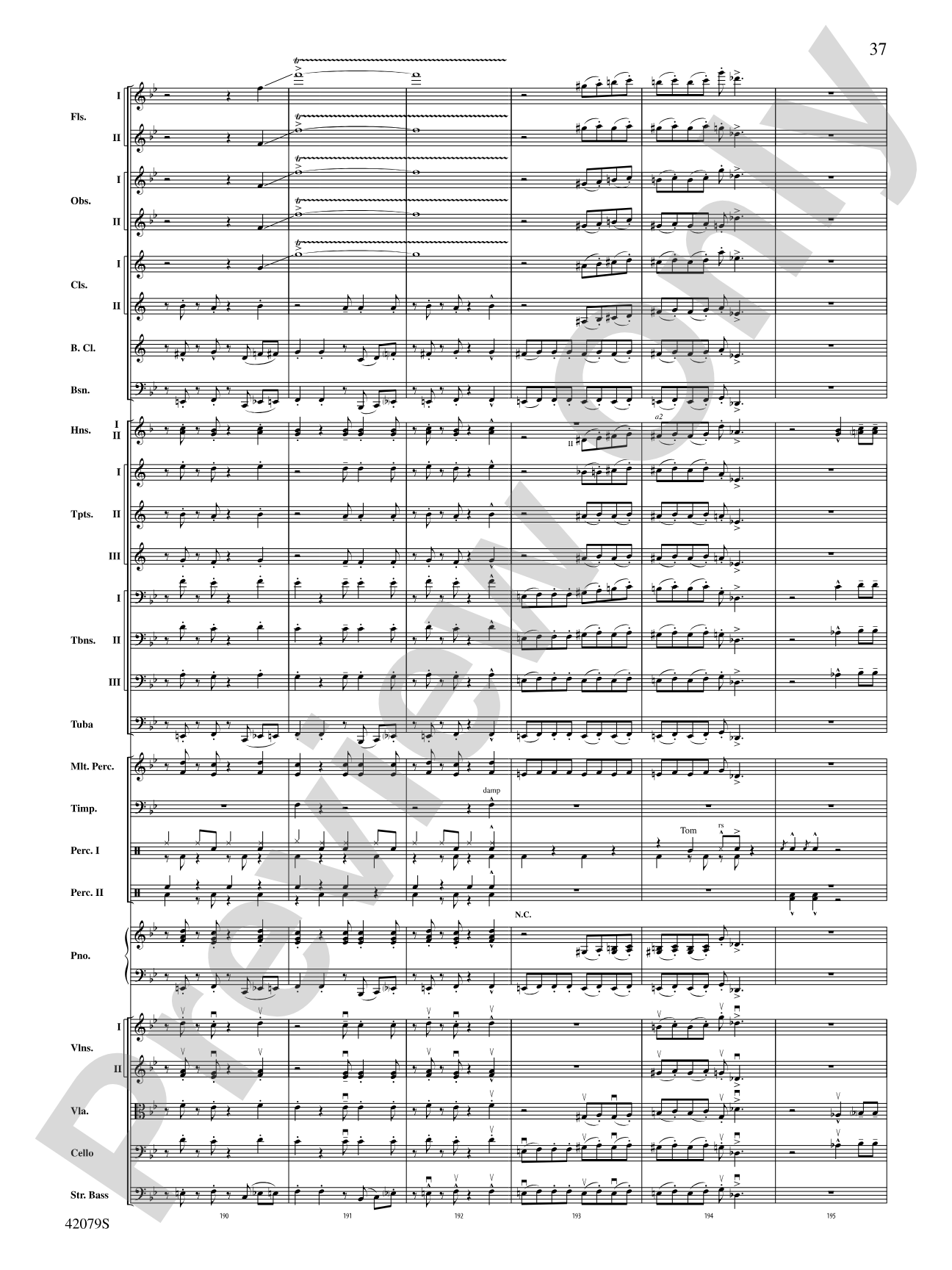
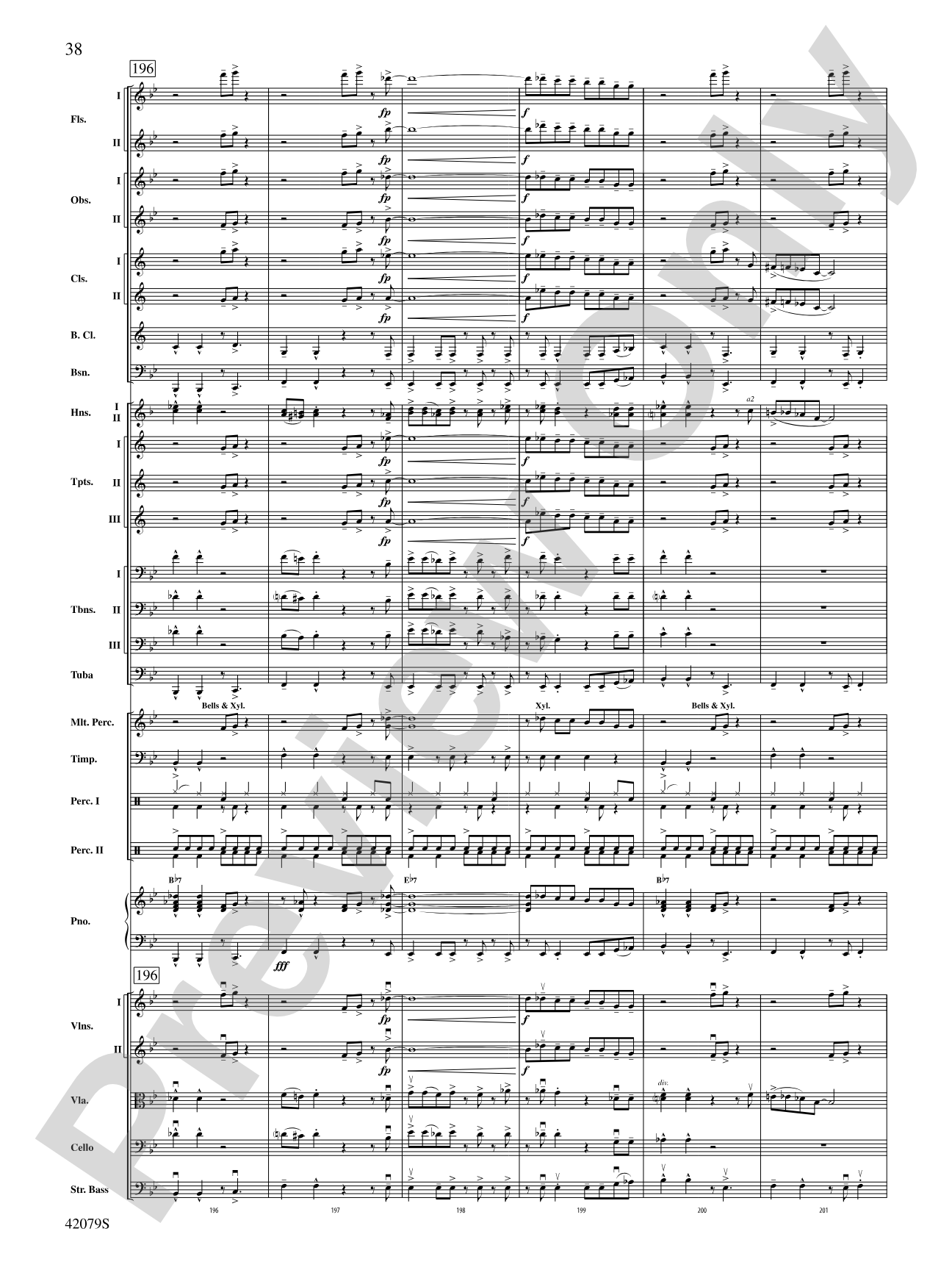
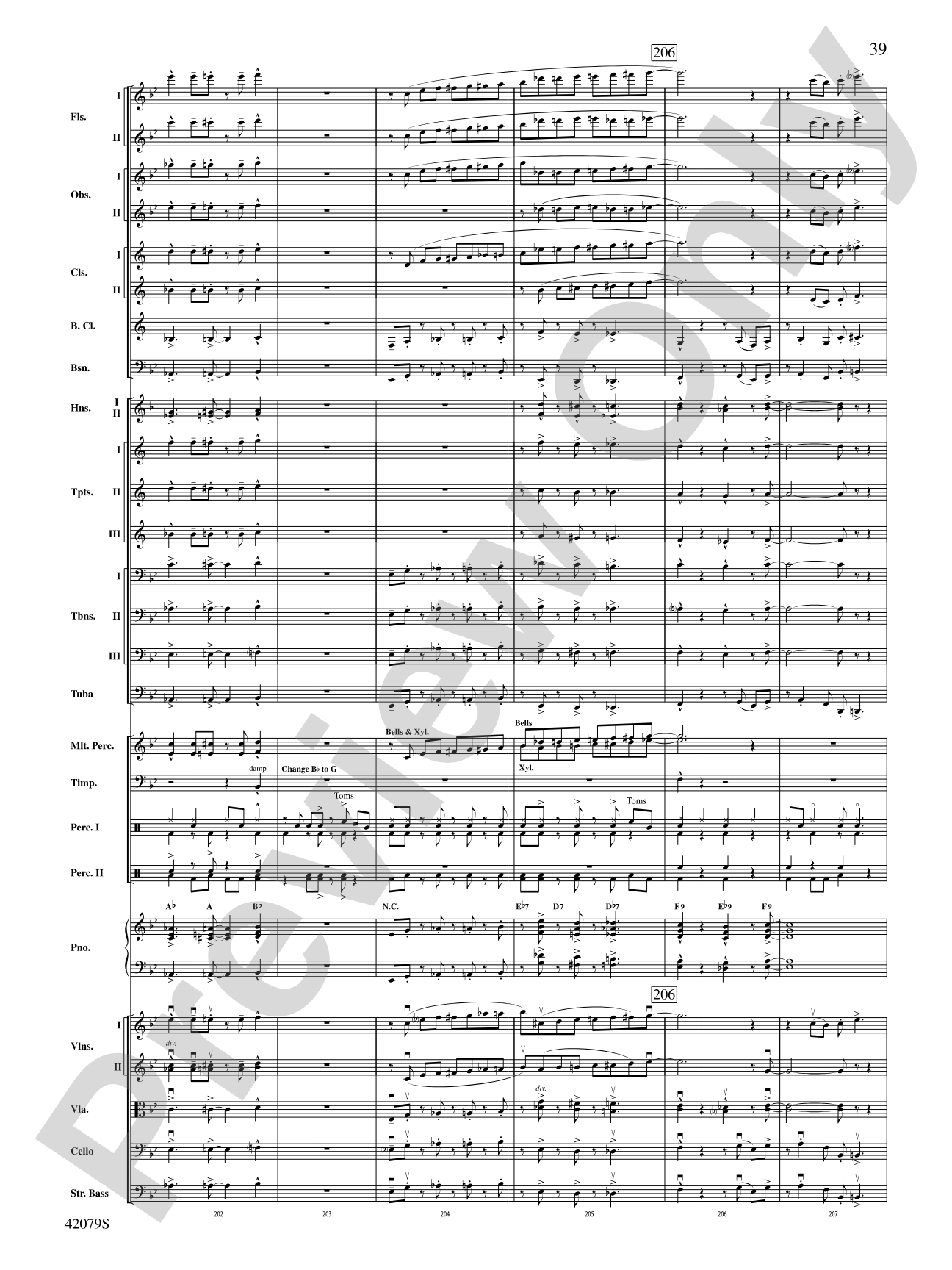
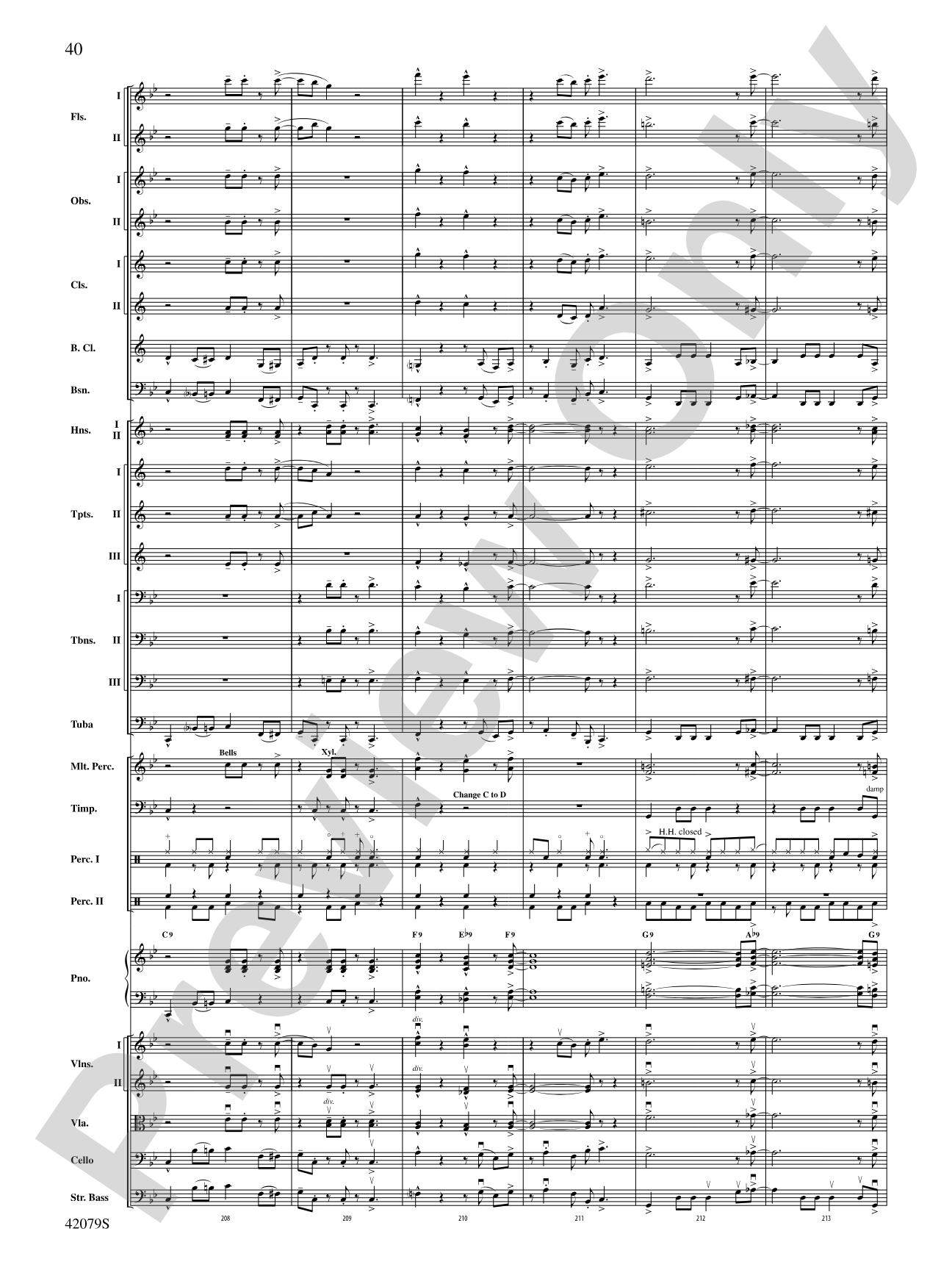
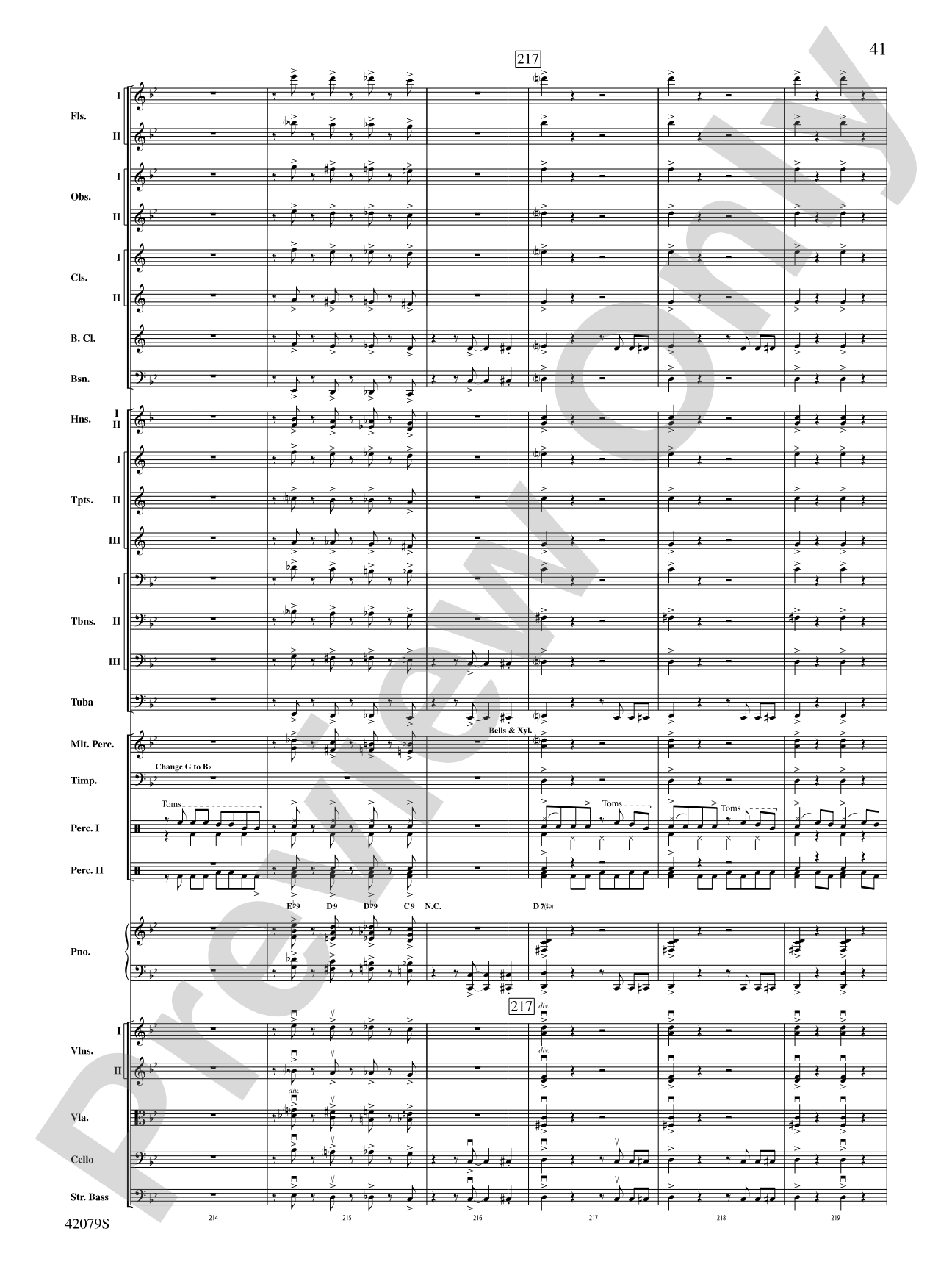
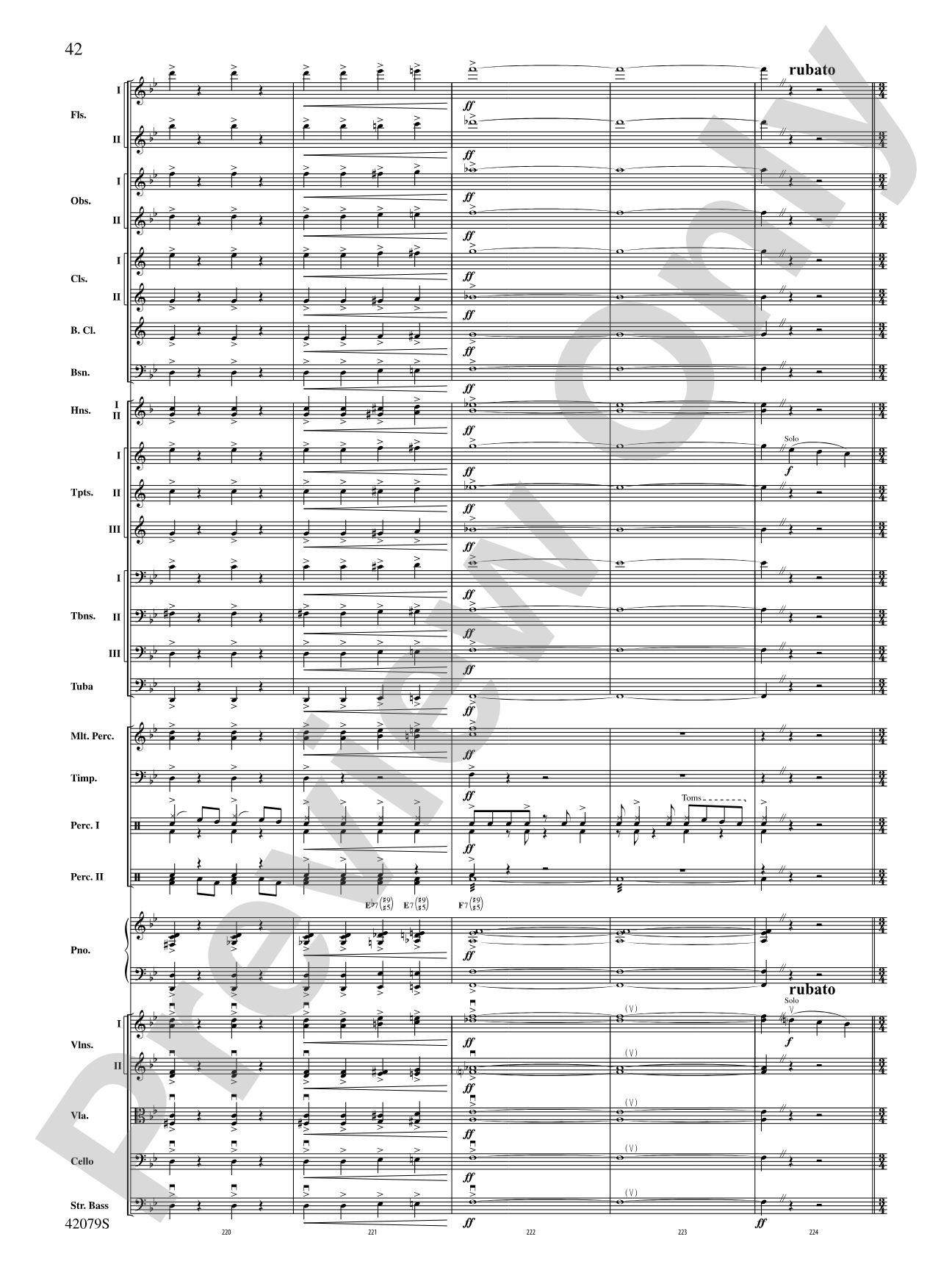
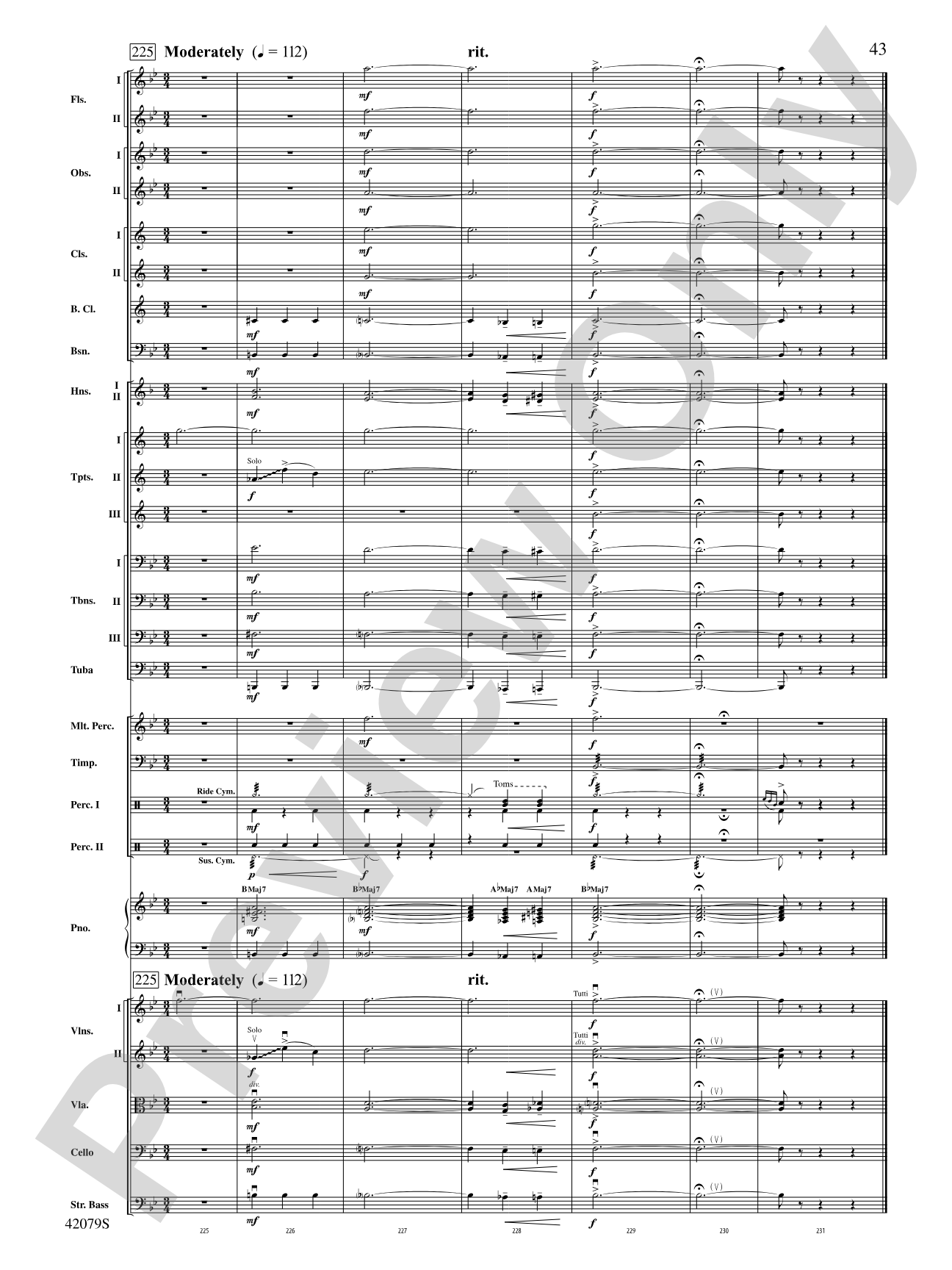

Tower of Power Greatest Hits: Full Orchestra Conductor Score & Parts
Featuring: What Is Hip? / You're Still a Young Man / Down to the Nightclub
Words and music by Emilio Castillo, Stephen Kupka, and David Garibaldi / arr. Victor López
Grade: 3
Item: 00-PK-0006215

$75.00
Pickup currently not available
Buy Extra Parts (Digital PDF Download)
Parts Added to Cart!
Related Items
Tower of Power Greatest Hits: Concert Band Conductor Score & Parts |
$82.00
|
View | |
Tower of Power Greatest Hits: Full Orchestra Conductor Score |
$9.00
|
View | |
Tower of Power Greatest Hits: Concert Band Conductor Score & Parts |
$82.00
|
View | |
Tower of Power Greatest Hits: Concert Band Conductor Score |
$12.00
|
View |
Description
Want to know what's hip? Well, this is it! Give your students and audiences a taste of some real "funky" music and don't be surprised if you see grandma getting down during the performance. Includes "What Is Hip?," "You're Still a Young Man," and "Down to the Nightclub." (5:30) This title is available in MakeMusic Cloud.


Don't just read it, hear it, play along with it, and watch your students grow with it. In MakeMusic Cloud, Tower of Power Greatest Hits: Full Orchestra Conductor Score & Parts comes alive with professional accompaniment, adjustable tempo, and built-in practice tools that turn solo practice into real progress.
Open in the Player
Jump straight in and assign it today.
Start Your Free Trial
Open this title and explore the full library in minutes.
Sample Audio
1
Audio File
--:--
0:00
0:00
Sample Video
No sample videos found.
Additional Details
Series:
Pop Concert Full Orchestra
Publisher:
Alfred Music
Page Count:
248
SKU:
00-PK-0006215
More about this title
About the Composer: Emilio Castillo
Emilio Castillo co-founded Tower of Power in Oakland in 1968 and has served as the band's primary composer and saxophonist throughout its five-decade run. His songwriting captures the essence of funk and soul, blending tight horn arrangements with infectious grooves that have made Tower of Power one of the most sampled and covered bands in popular music.
Castillo's compositions have become essential repertoire in music education, offering orchestral arrangers a chance to teach authentic funk phrasing, syncopated rhythms, and the integration of brass and woodwind sections in contemporary popular styles.
Why we love this
Victor López's orchestral arrangement captures the infectious energy and sophisticated horn voicings that made Tower of Power legendary, giving your orchestra genuine funk repertoire rather than a watered-down approximation. The 5:30 runtime is substantial enough to anchor a concert half while remaining engaging for diverse audiences. Few full orchestra pieces generate the kind of intergenerational appeal this collection delivers.
What to expect
Infectious, energetic, and impossible not to move to. The arrangements bristle with tight horn punctuations, syncopated ensemble figures, and grooves that feel immediate and alive. You'll find your students grinning during sectionals and audiences tapping their feet from the opening notes.
Who it's for
Orchestra directors seeking authentic funk and soul repertoire that genuinely engages both student musicians and audiences. This is ideal for schools looking to move beyond show tunes and into contemporary popular styles with real harmonic and rhythmic substance.
How to get the most out of it
- Lock the rhythm section (bass, drums, percussion) to a click track or conductor's prep click well before rehearsal to establish the pocket; funk lives in the groove, and precision here makes everything else swing.
- Highlight the countermelodies in the woodwind and second trumpet lines; these aren't accompaniment figures but integral parts of the arrangement that deserve articulation and voice.
- Shape dynamics around the call-and-response moments between horn sections; avoid playing everything at full volume and instead use dynamic contrast to keep the arrangement fresh across the full 5:30.
- Balance the front horn line (trumpets and saxes) so the melody cuts through without overpowering the inner harmonic voices that give the arrangement its richness.
How to use it
Program this as a concert centerpiece to energize a spring pops concert or as the anchor of a contemporary music showcase. Its accessibility and immediate appeal make it excellent programming for family concerts, school fundraisers, or moments when you want to break from traditional classical repertoire without sacrificing musicianship.
Skills your students will build
- Funk and soul phrasing with emphasis on syncopated eighth-note patterns
- Jazz articulation and swing feel in brass and woodwind sections
- Reading and executing tight ensemble figures with rhythmic precision
- Balancing countermelodies and secondary lines within a full orchestral texture
- Dynamics and shaping in contemporary popular music contexts