
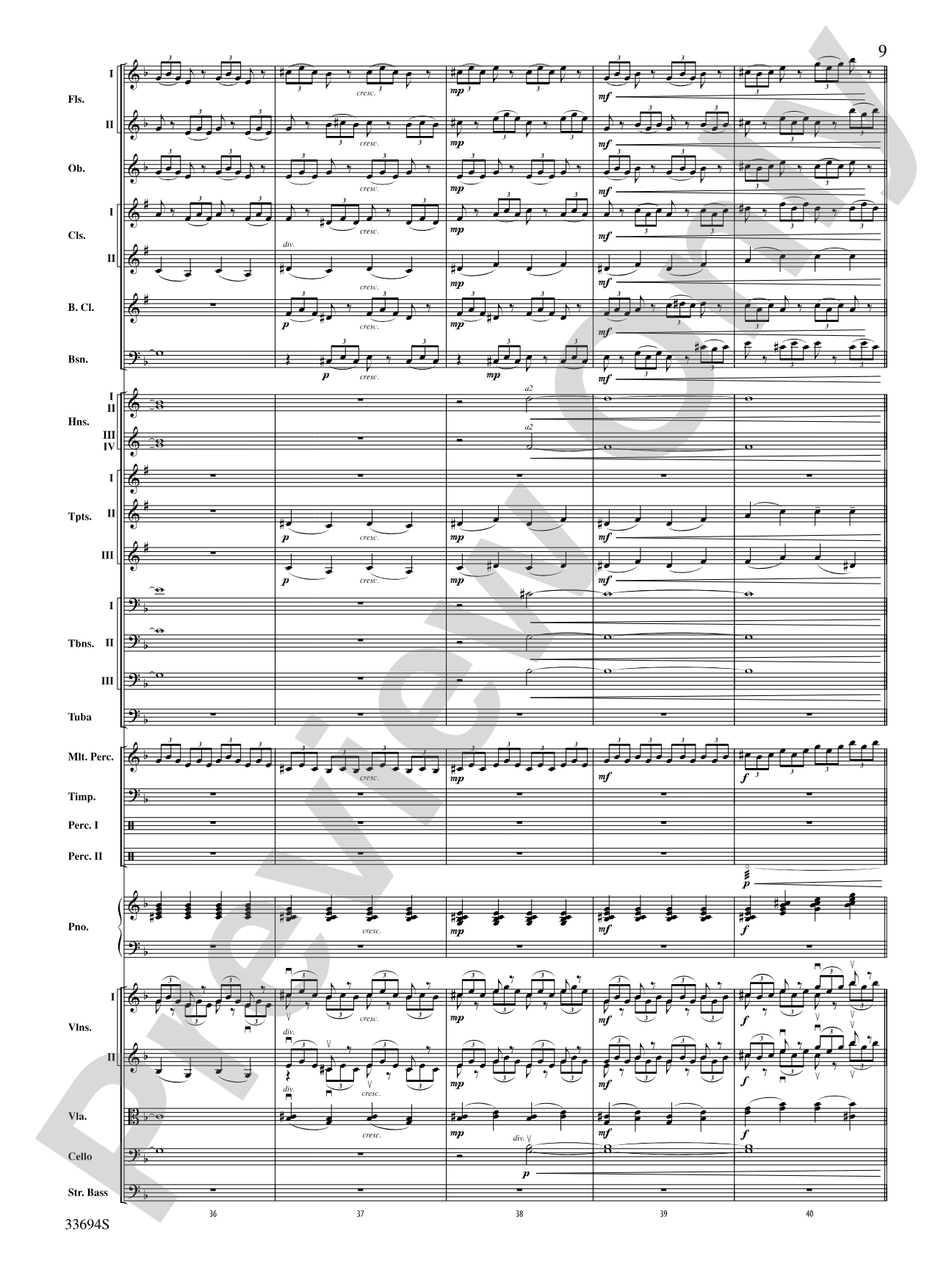
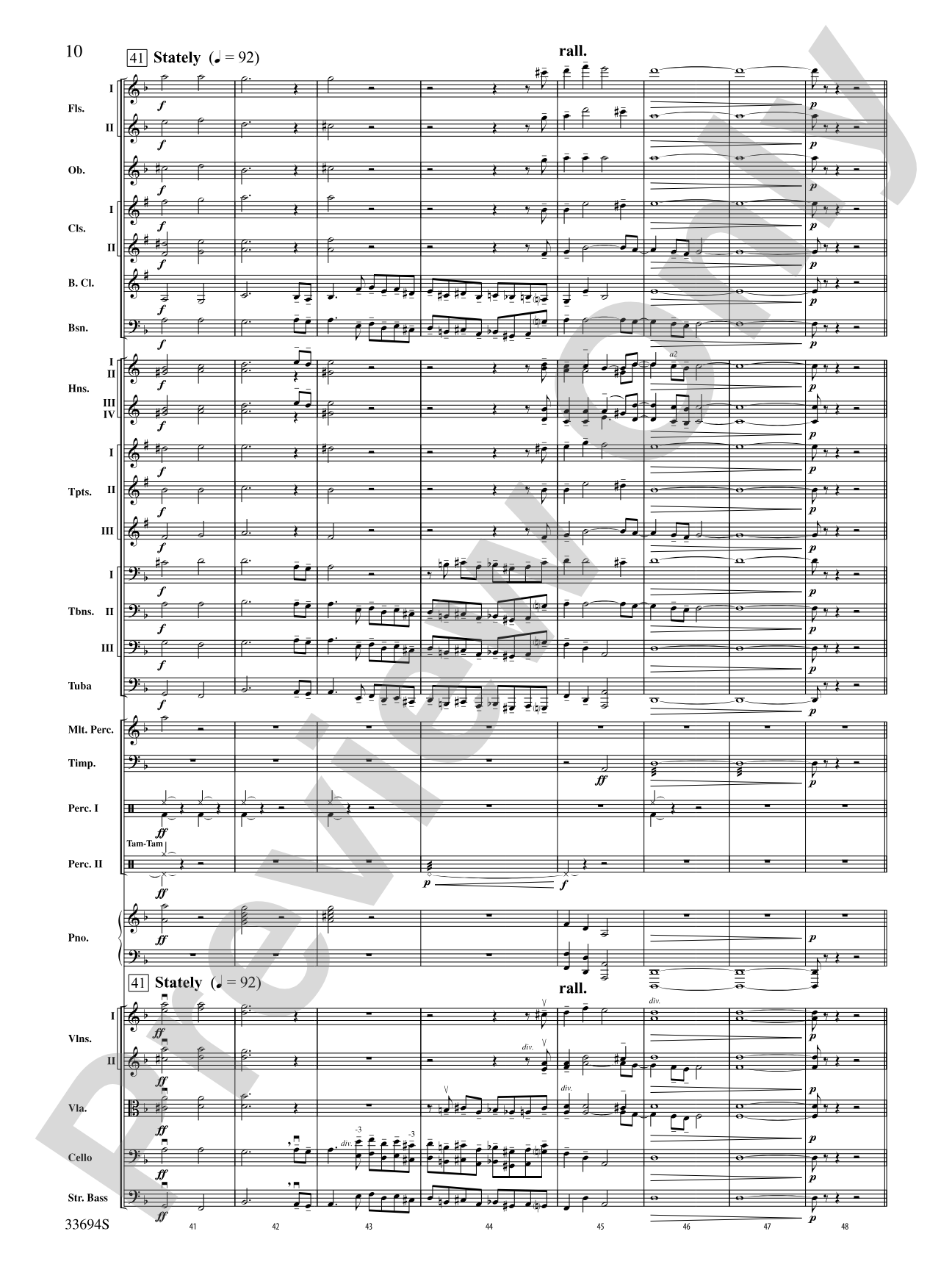
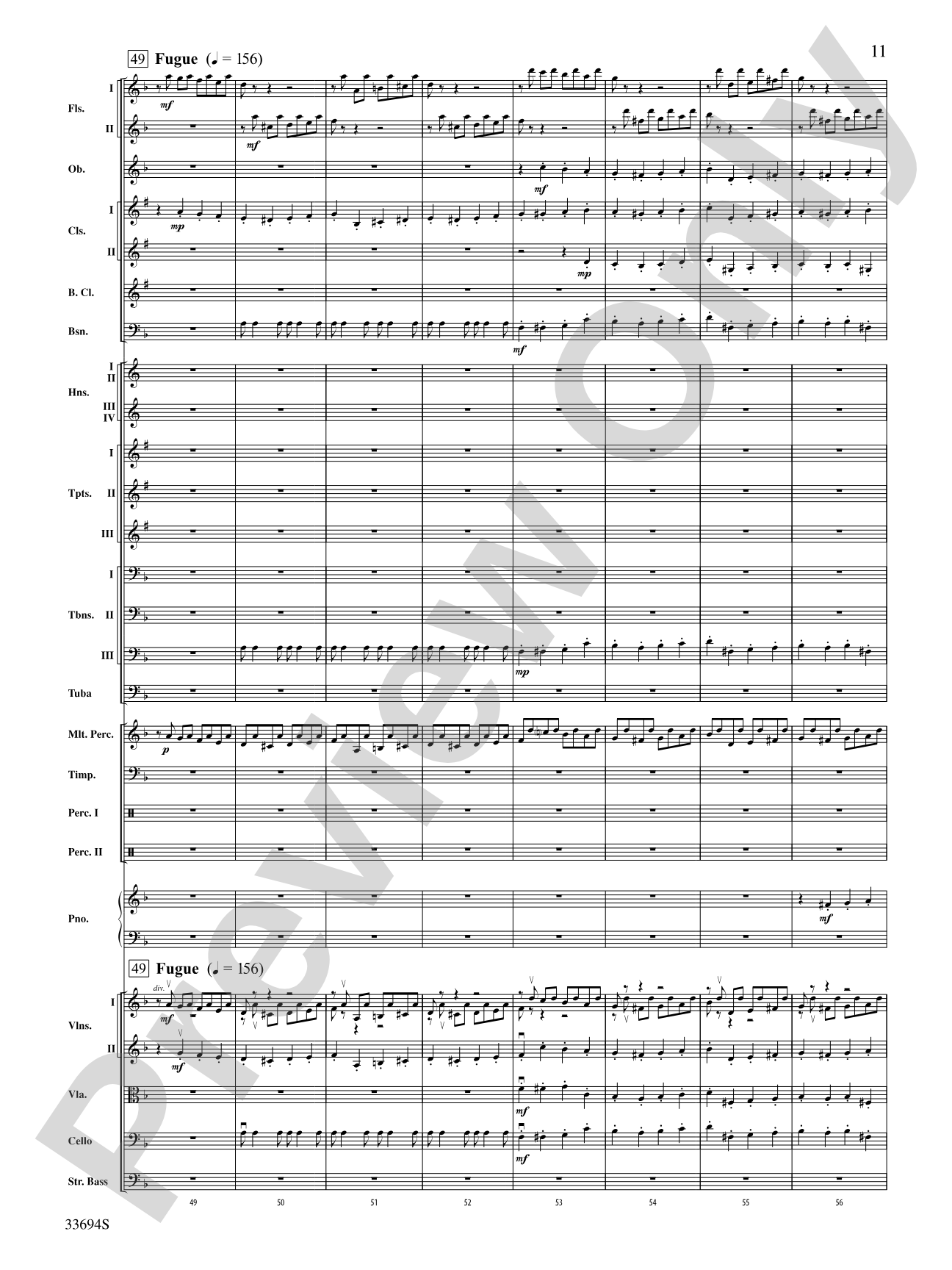
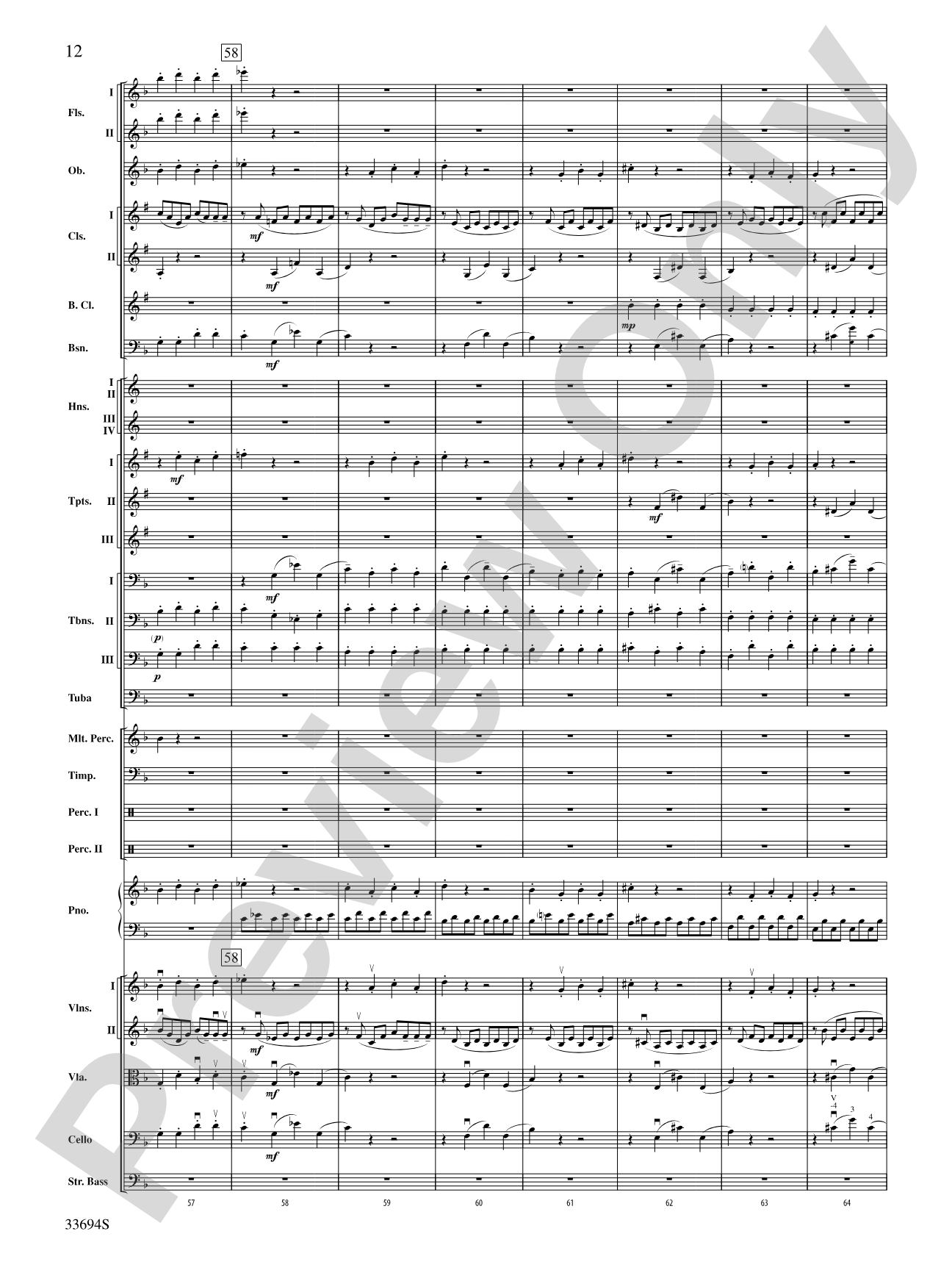
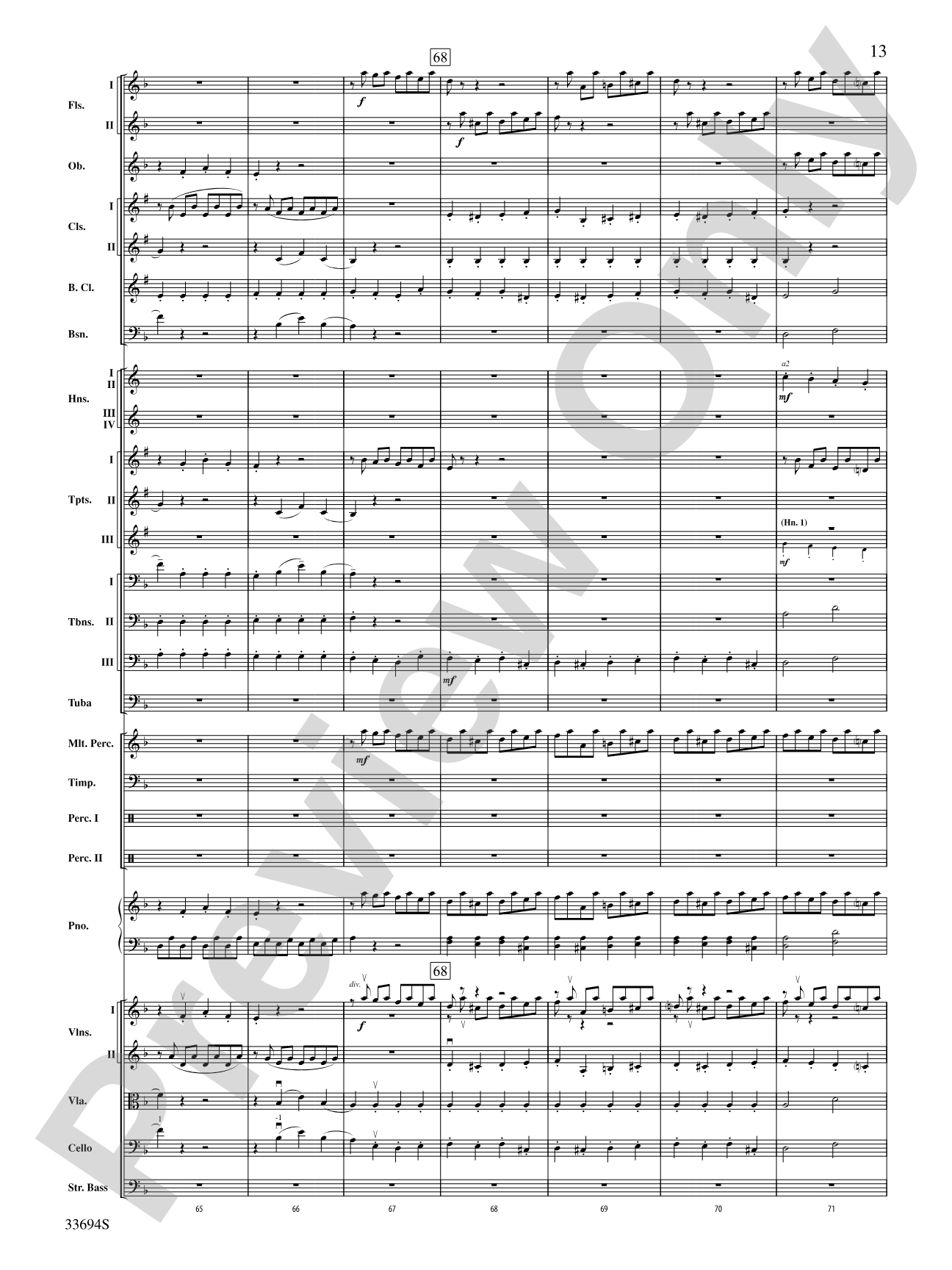
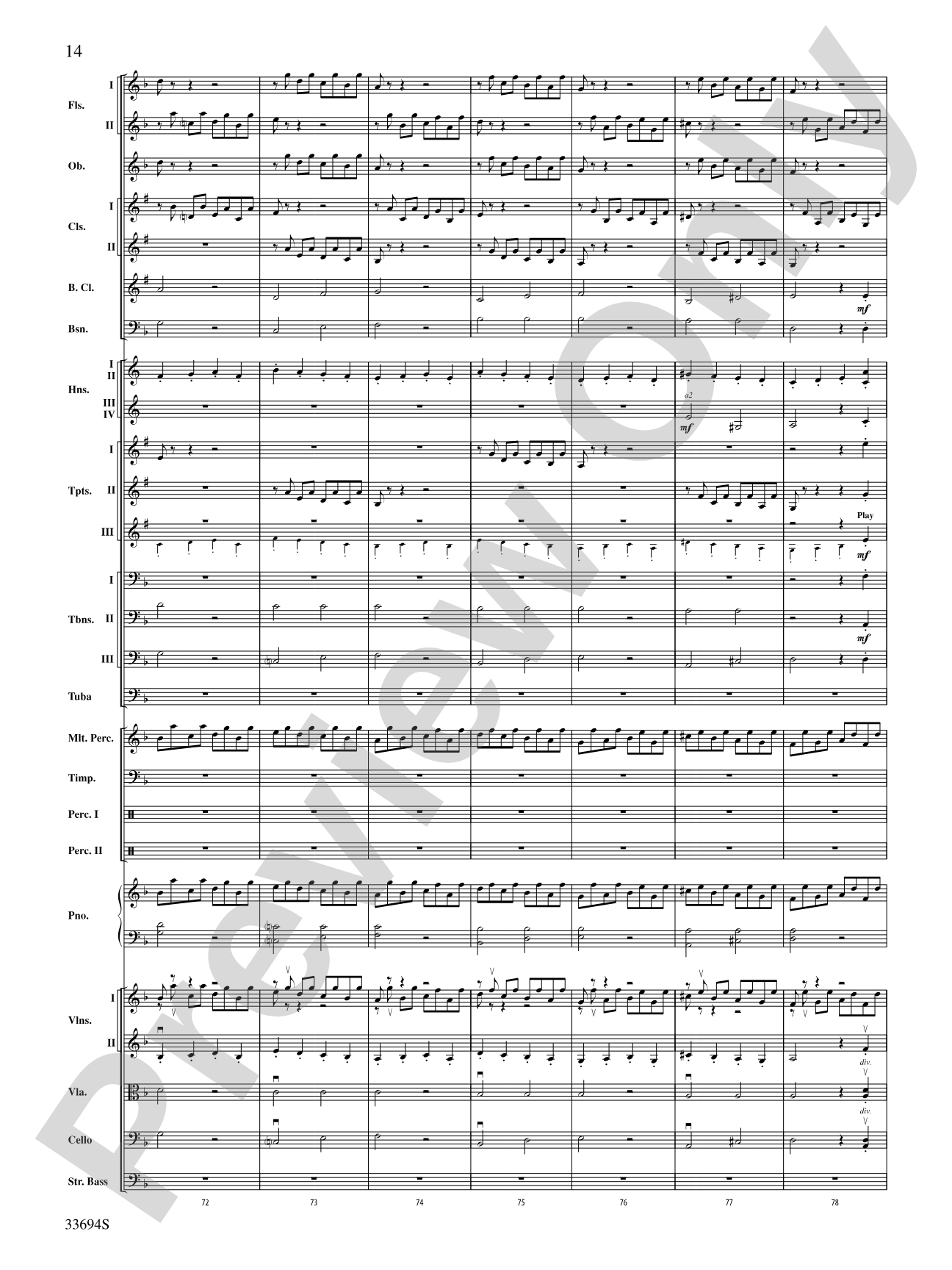
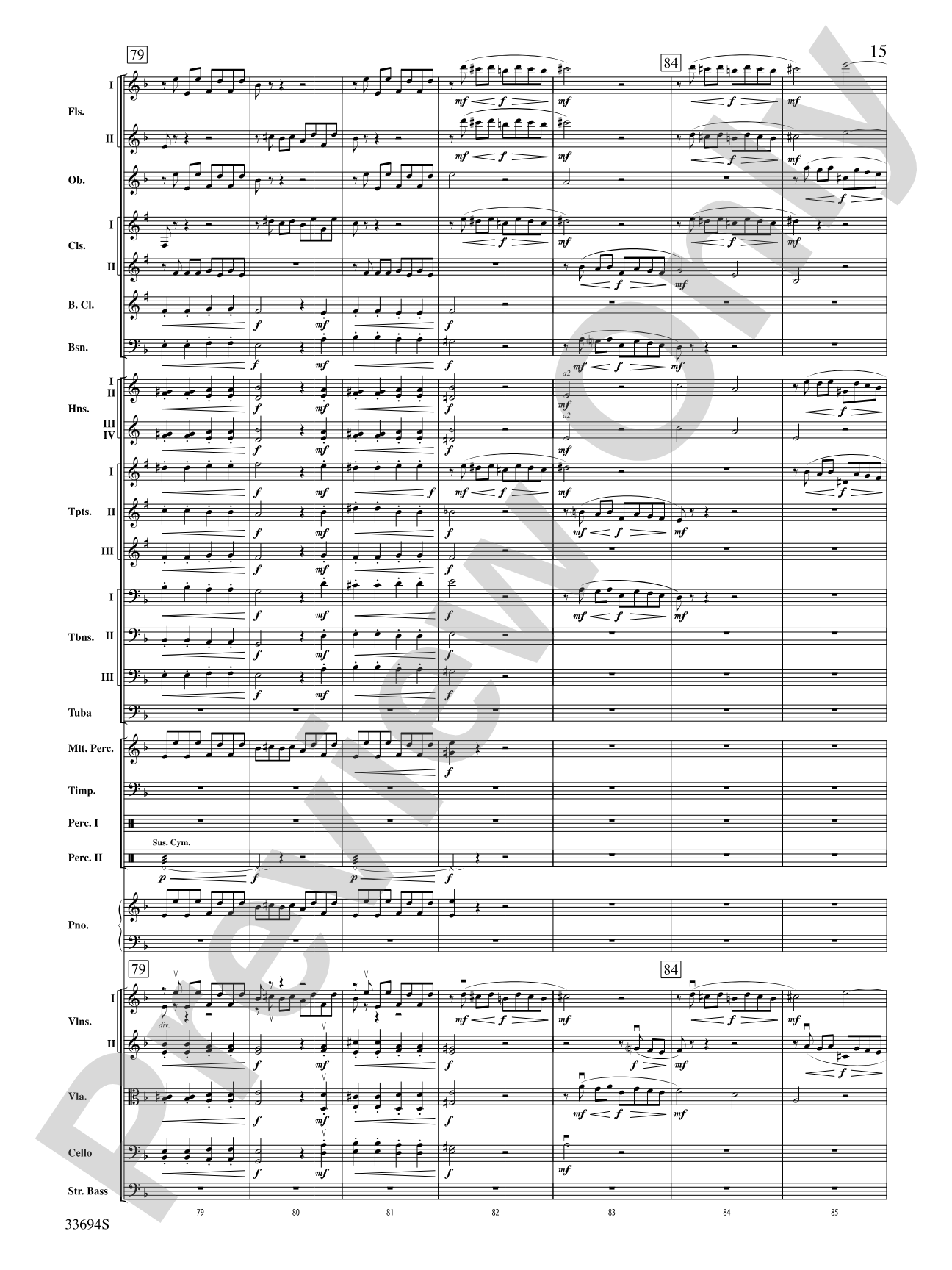
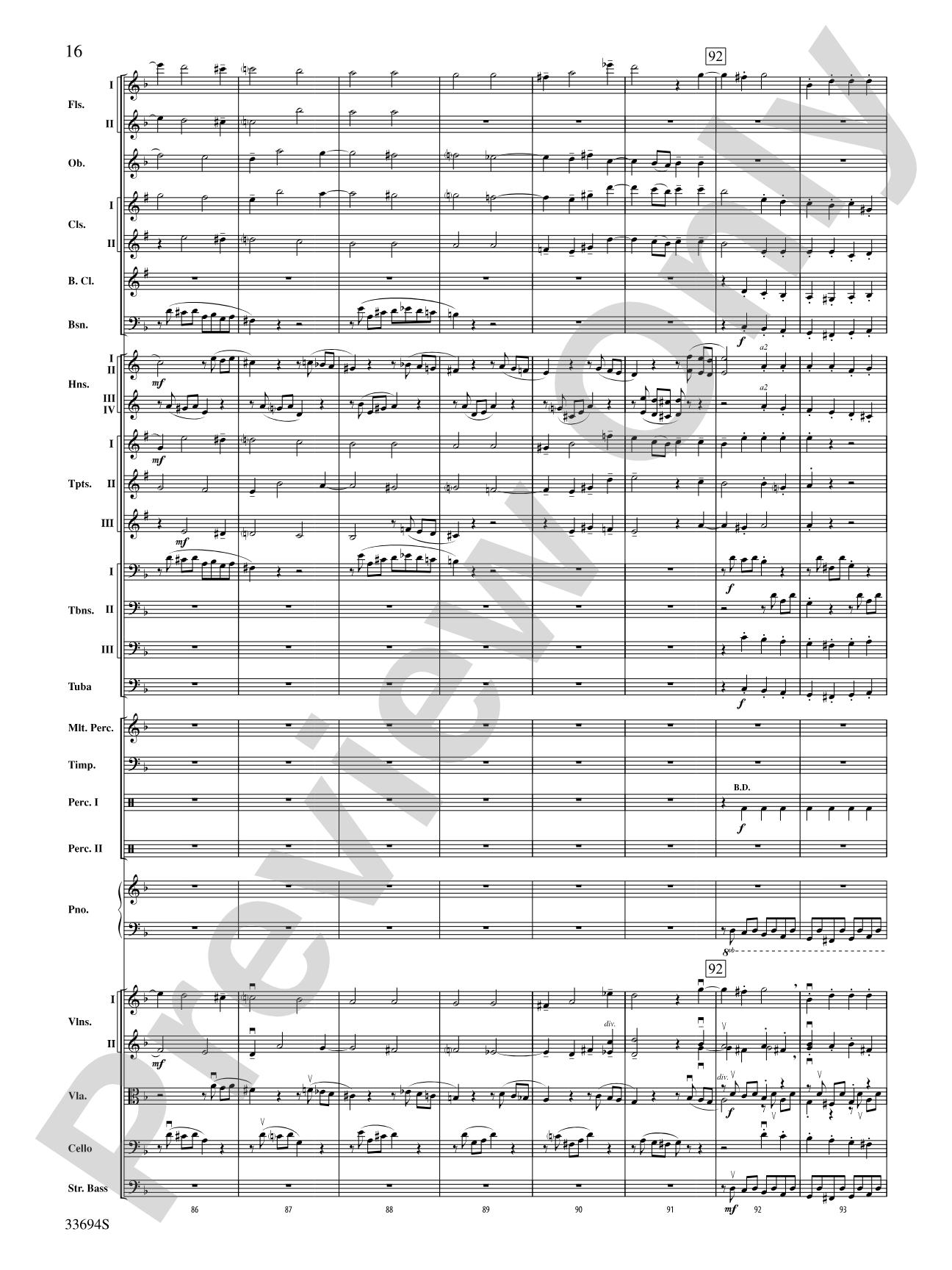
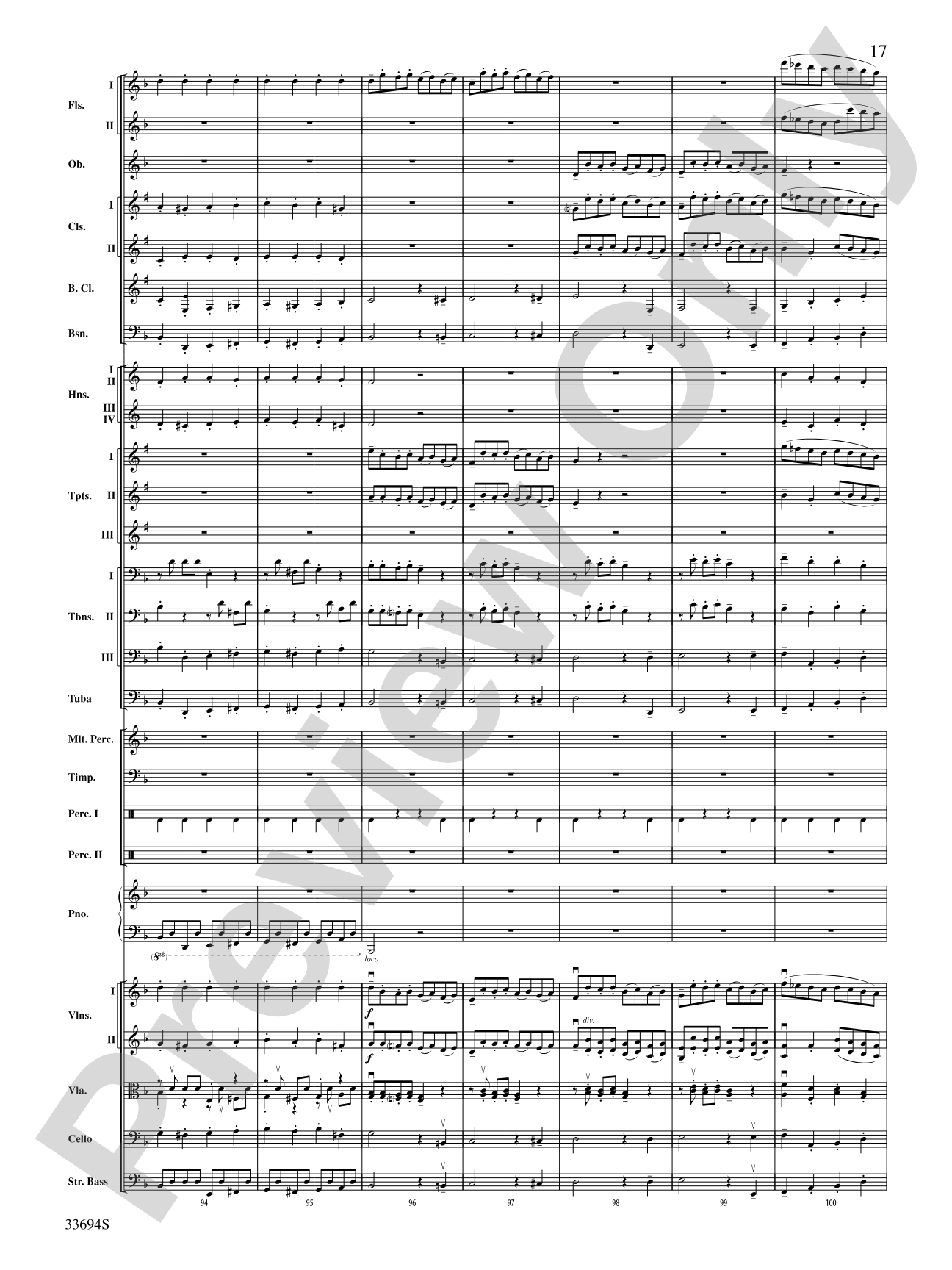
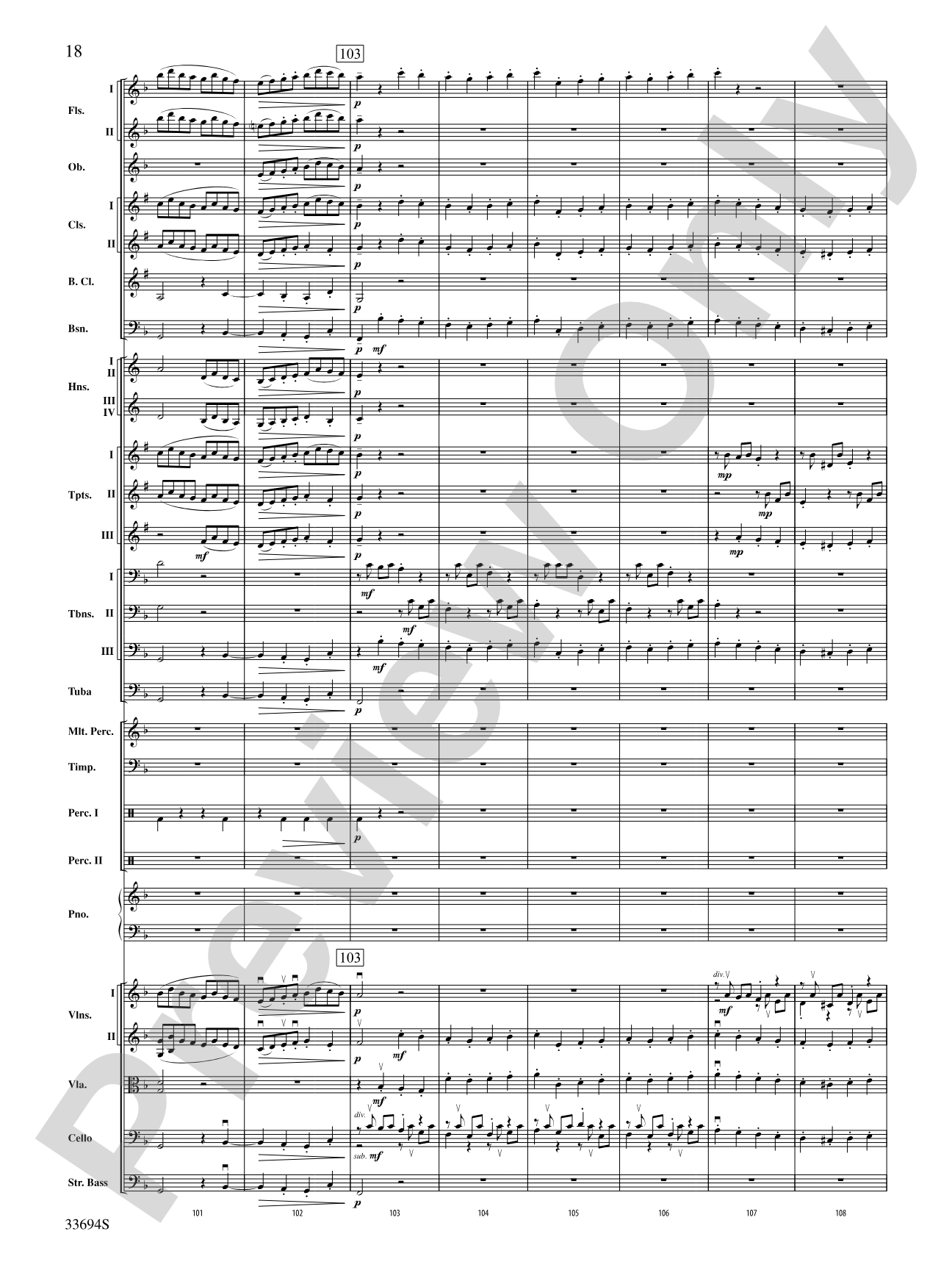
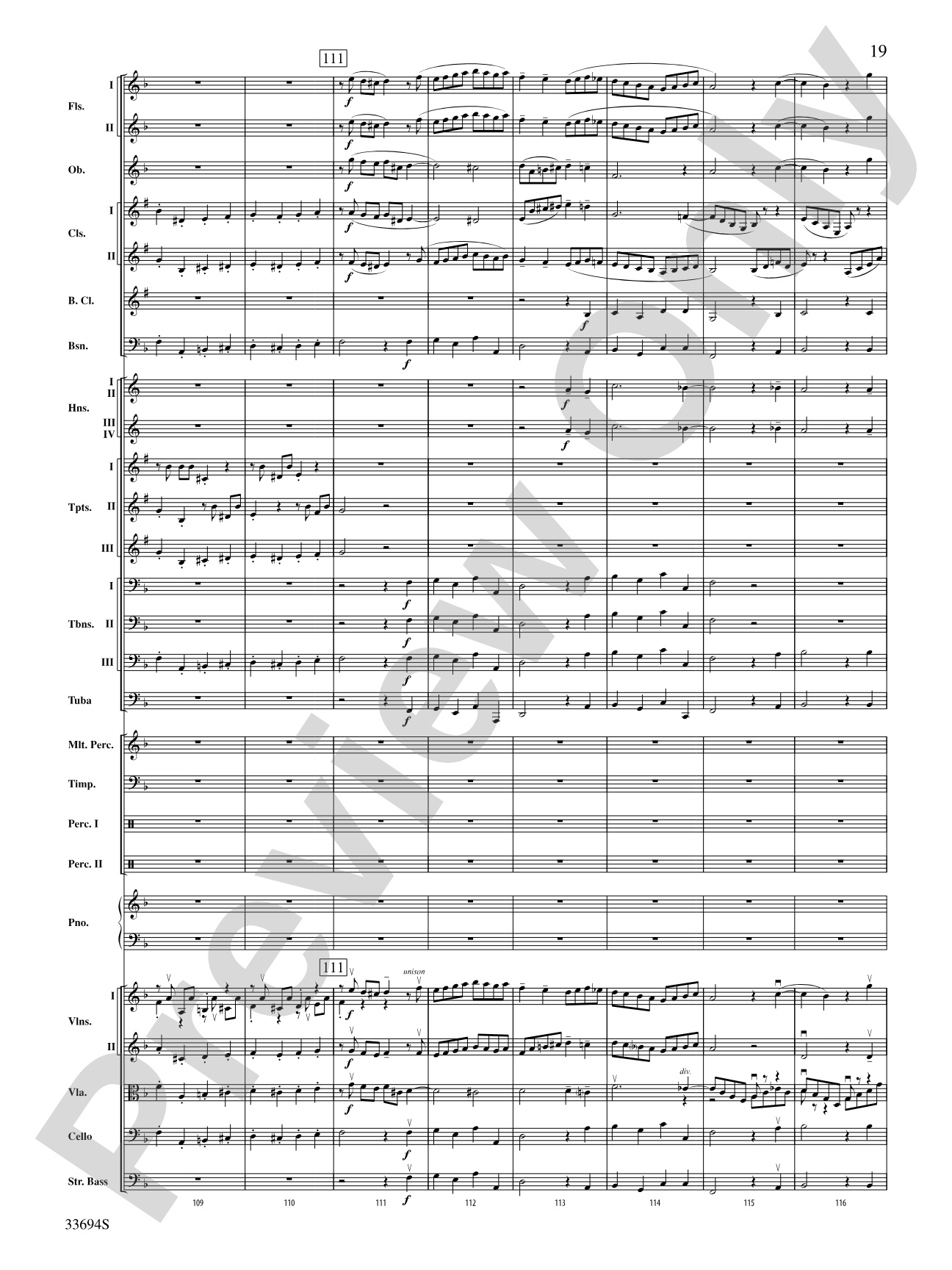
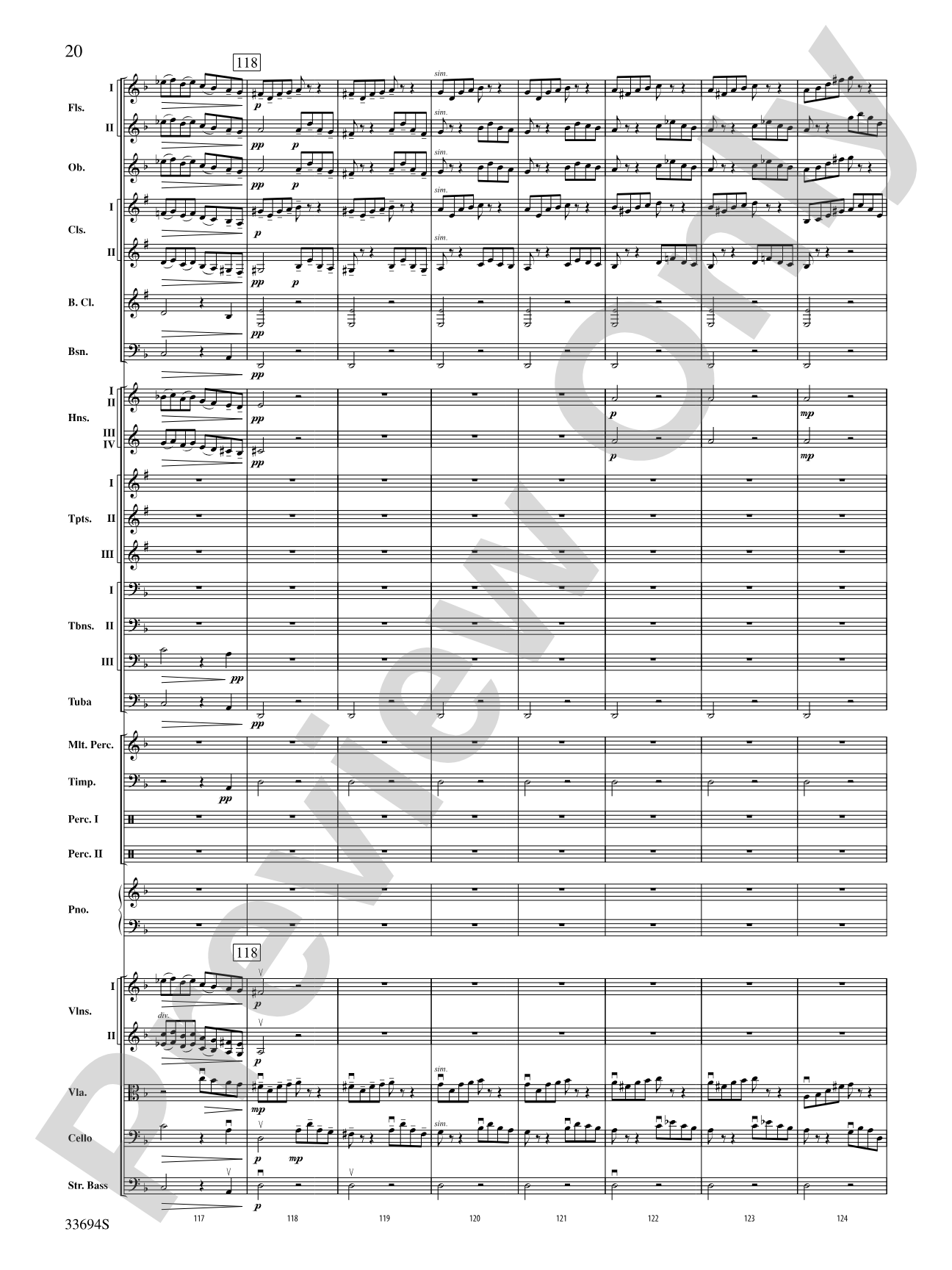
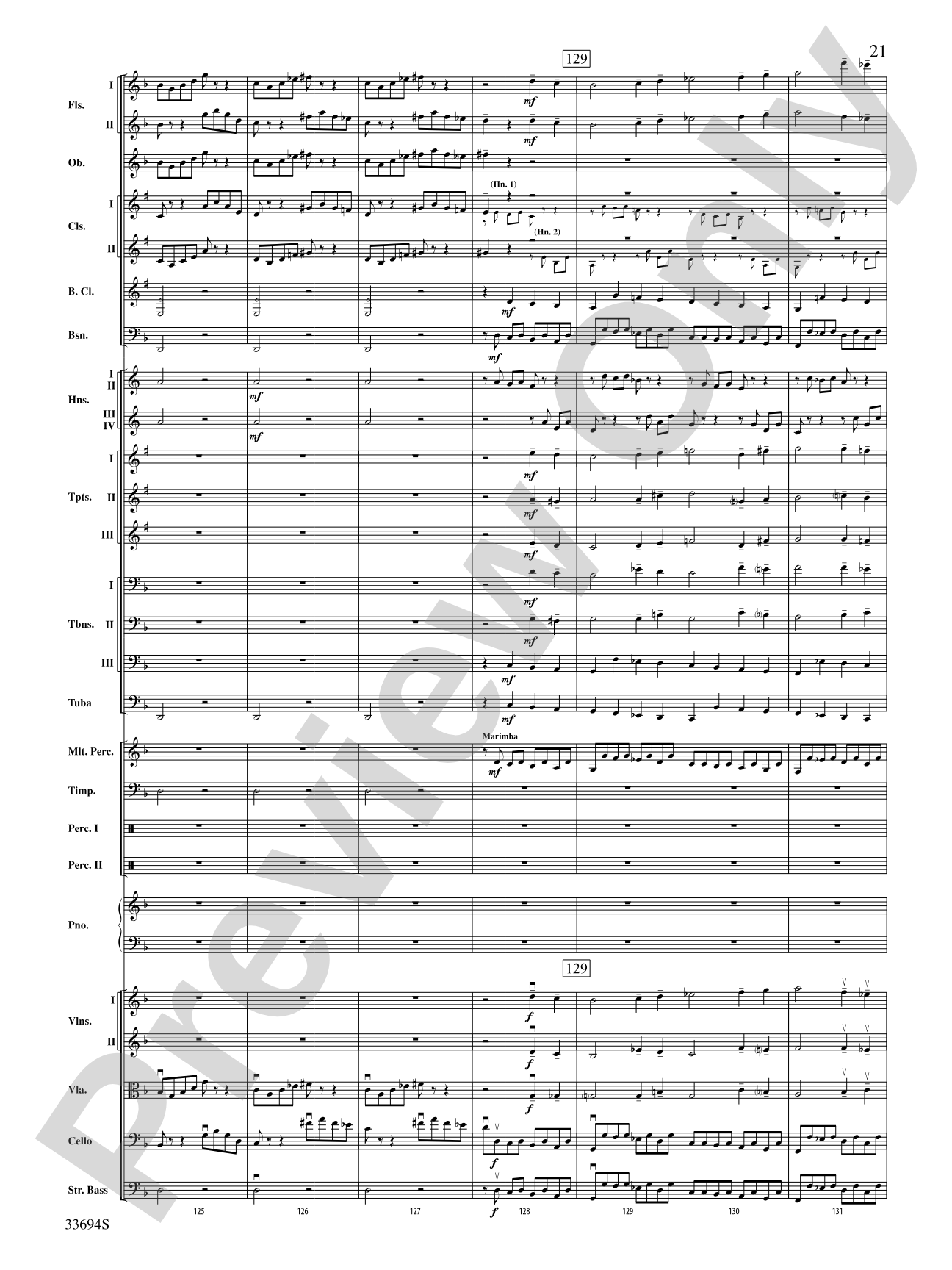
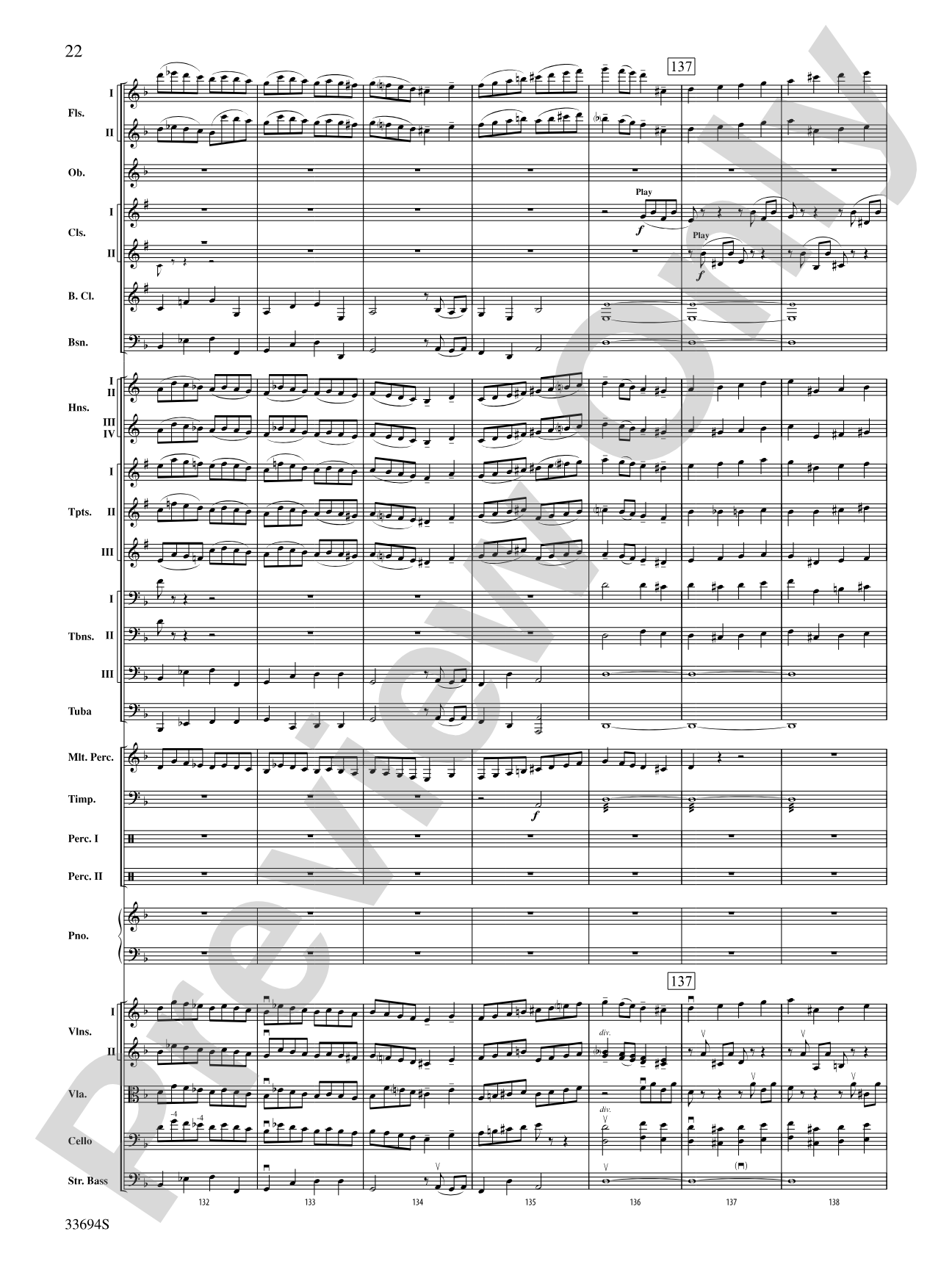
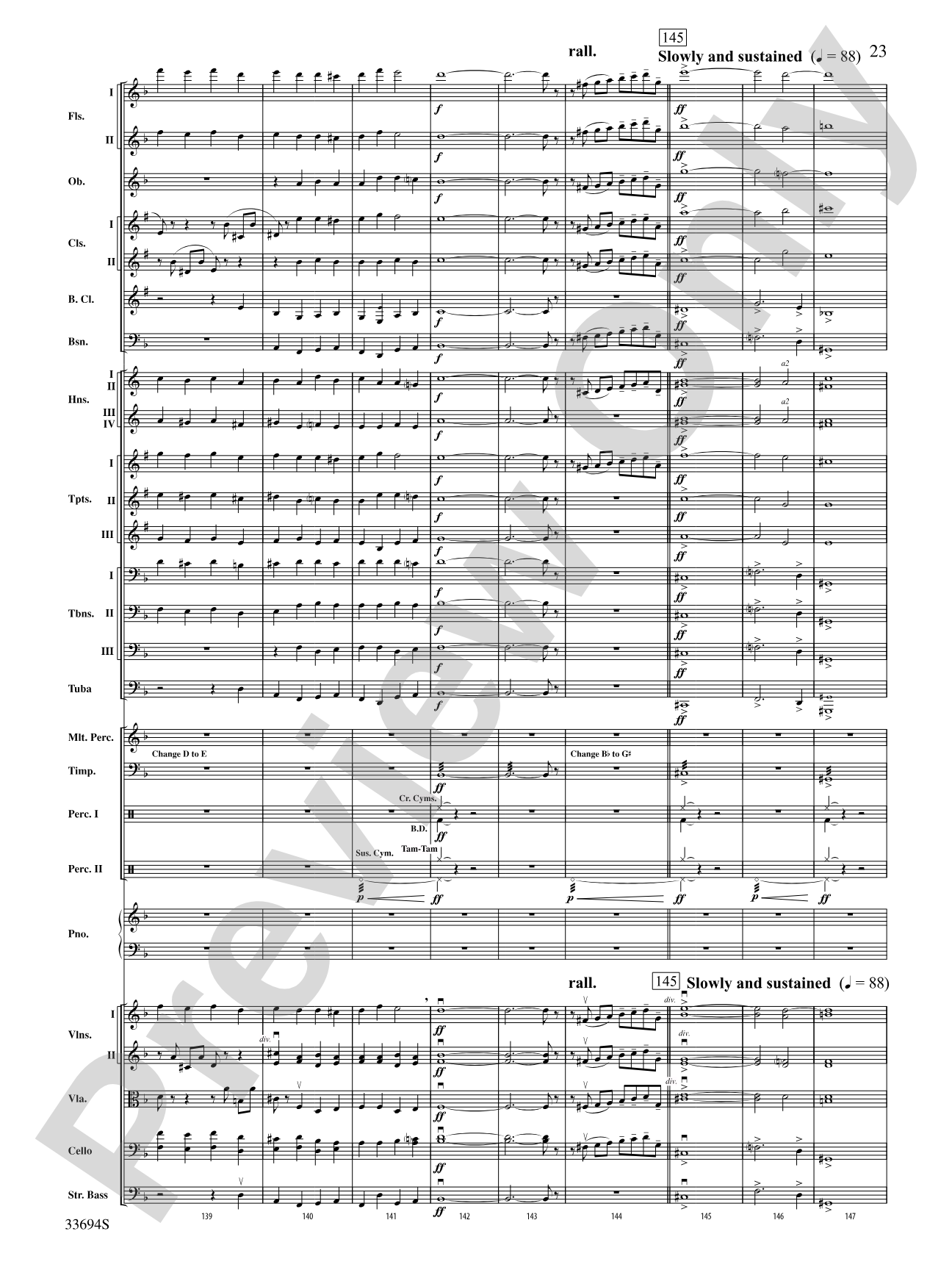
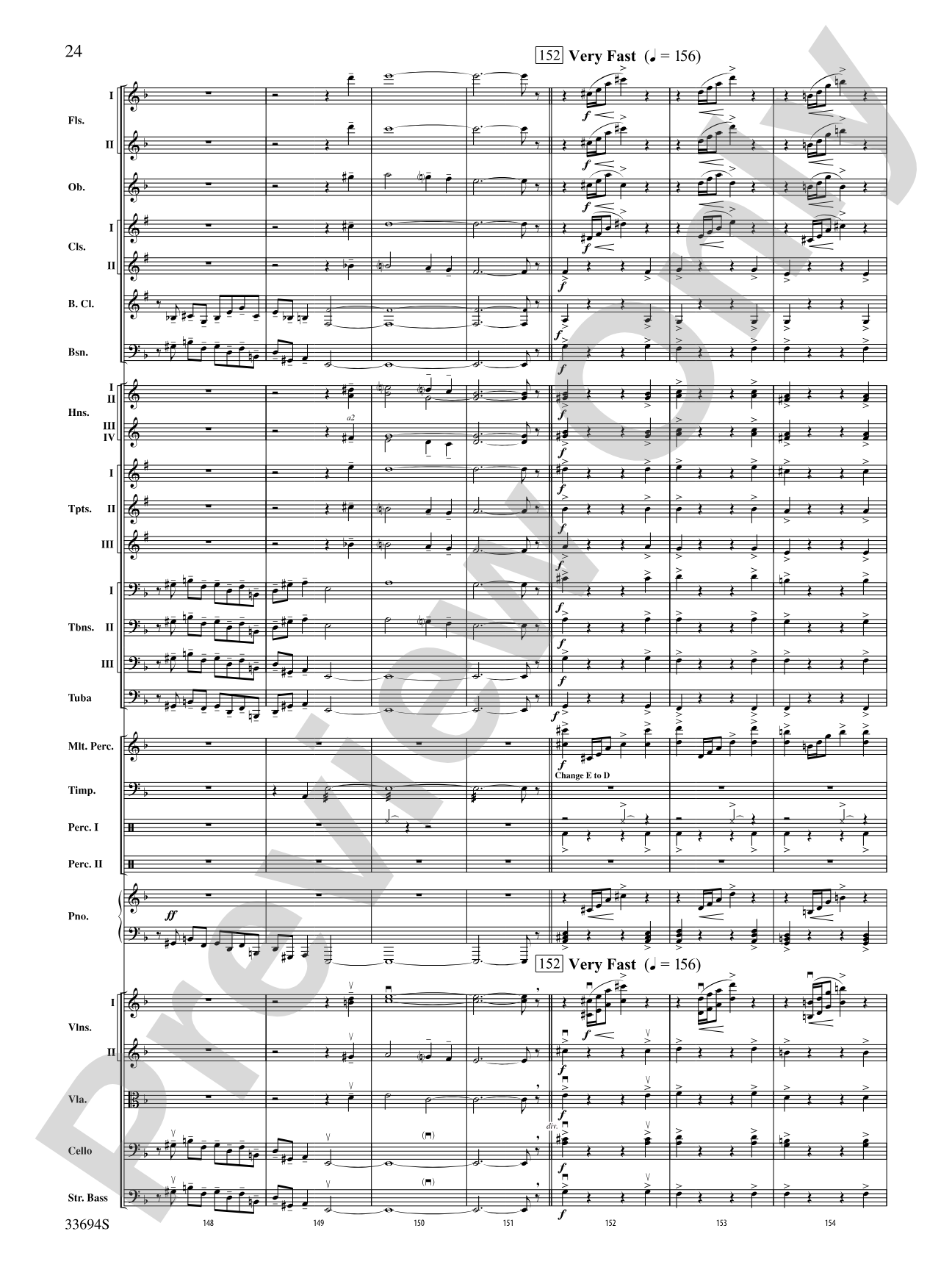
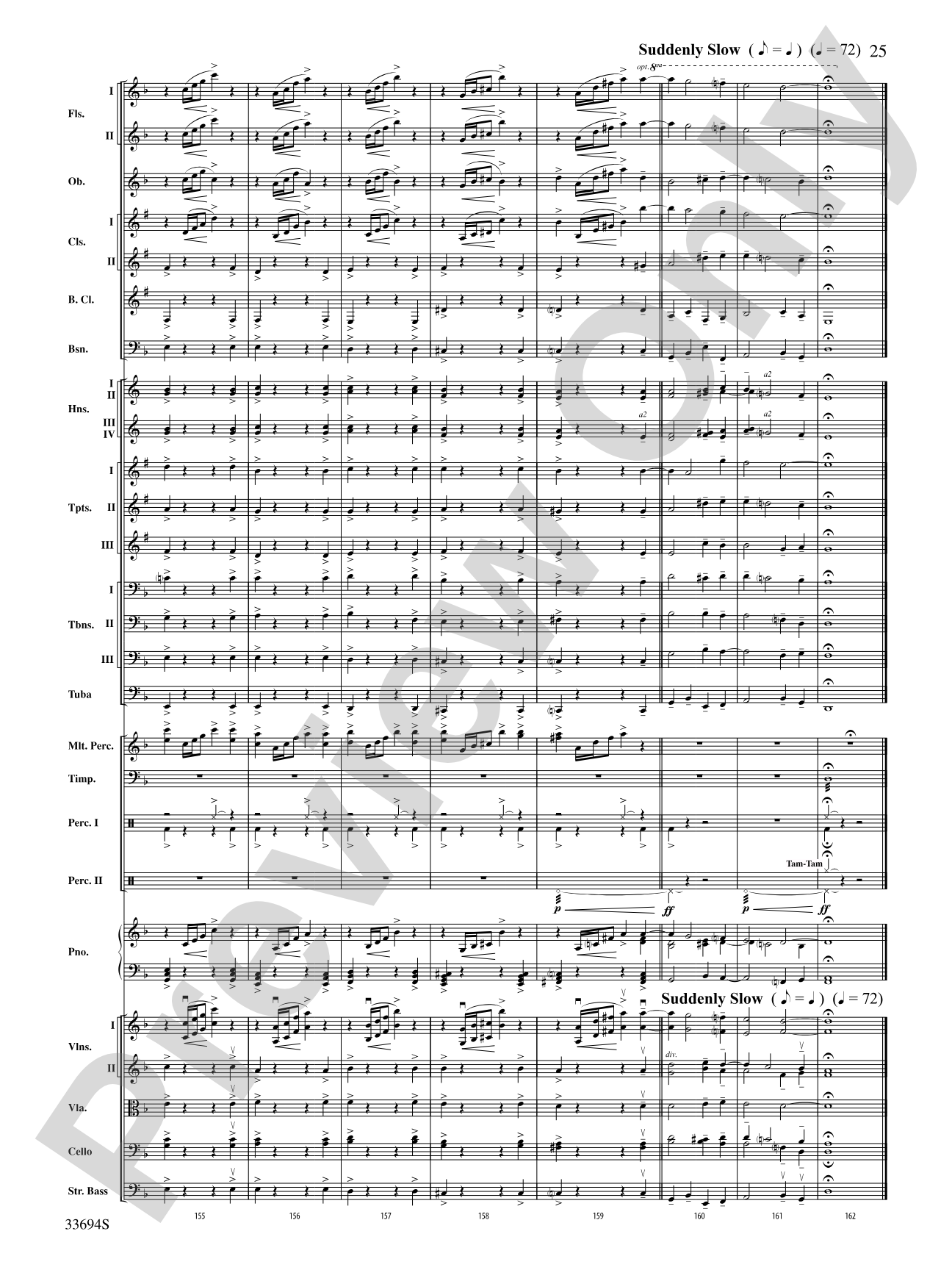




Toccata and Fugue in D Minor: Full Orchestra Conductor Score & Parts
BWV 565
By Johann Sebastian Bach / arr. Victor López
Grade: 4.5
Item: 00-PK-0004187

$69.00
Pickup currently not available
Buy Extra Parts (Digital PDF Download)
Parts Added to Cart!
Related Items
Toccata and Fugue in D Minor: Concert Band Conductor Score & Parts |
$72.00
|
View | |
Toccata and Fugue in D Minor: Concert Band Conductor Score & Parts |
$70.00
|
View | |
Toccata and Fugue in D Minor: Concert Band Conductor Score |
$10.00
|
View | |
Toccata and Fugue in D Minor: Full Orchestra Conductor Score |
$8.00
|
View |
Description
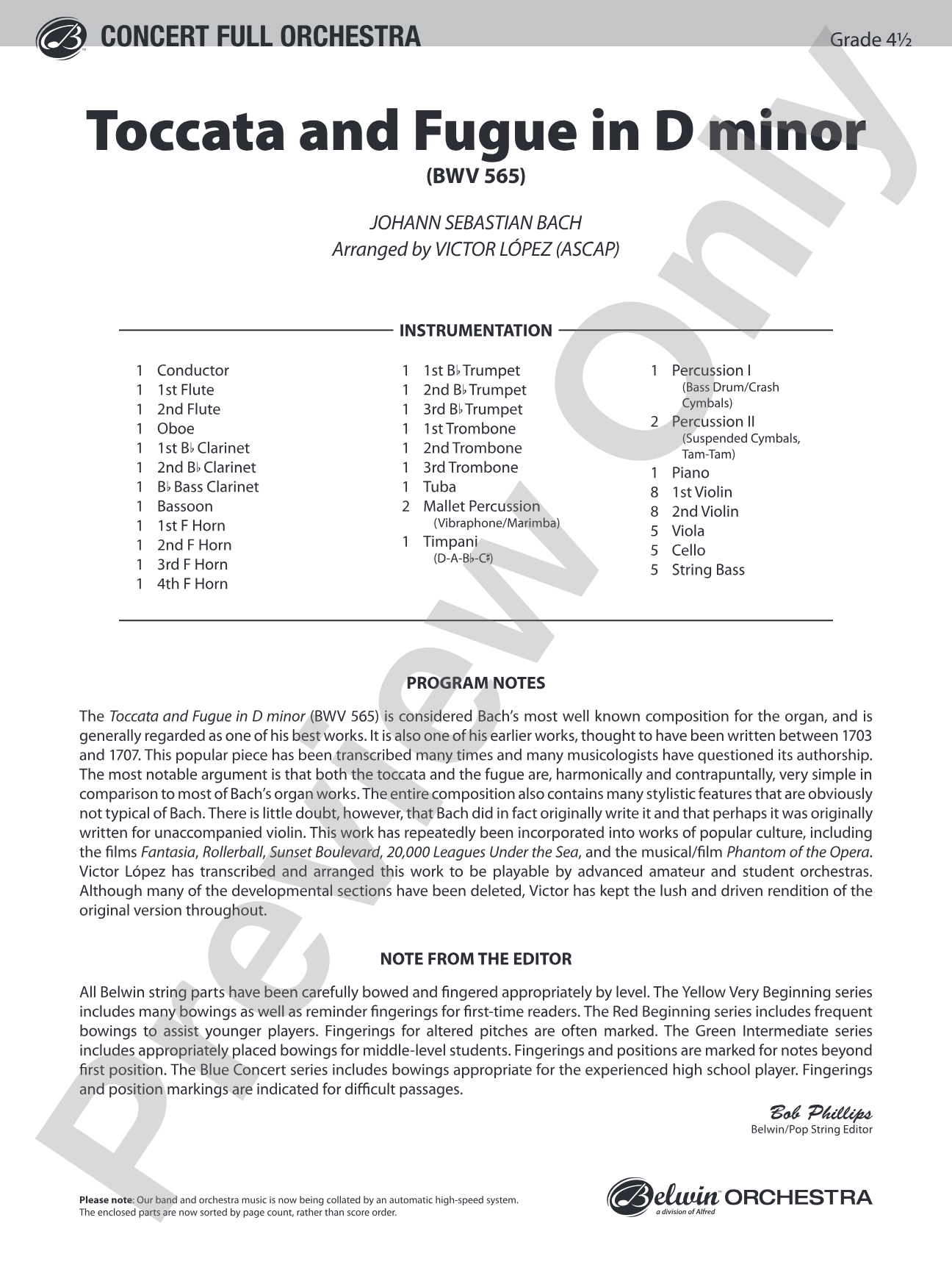
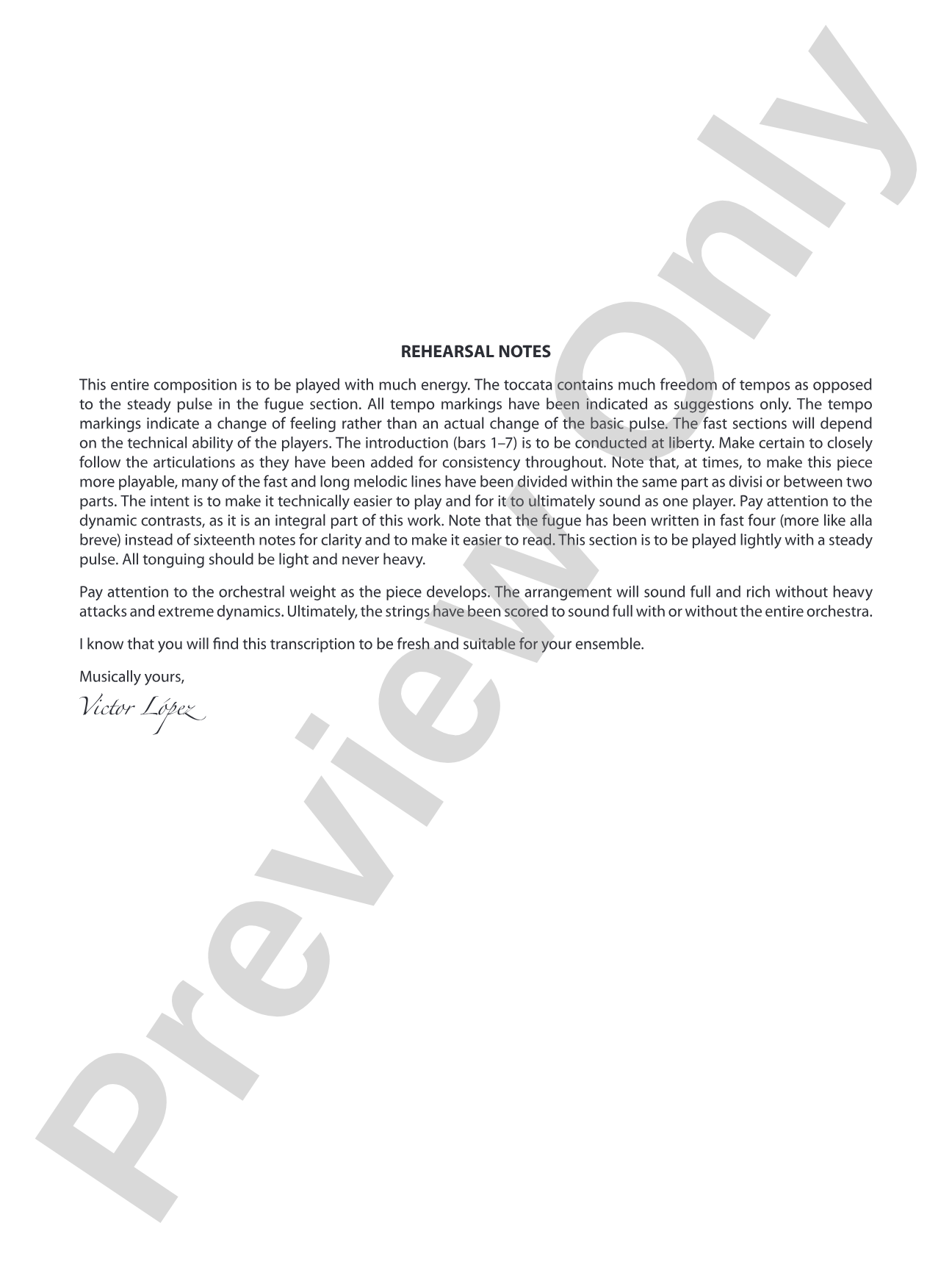
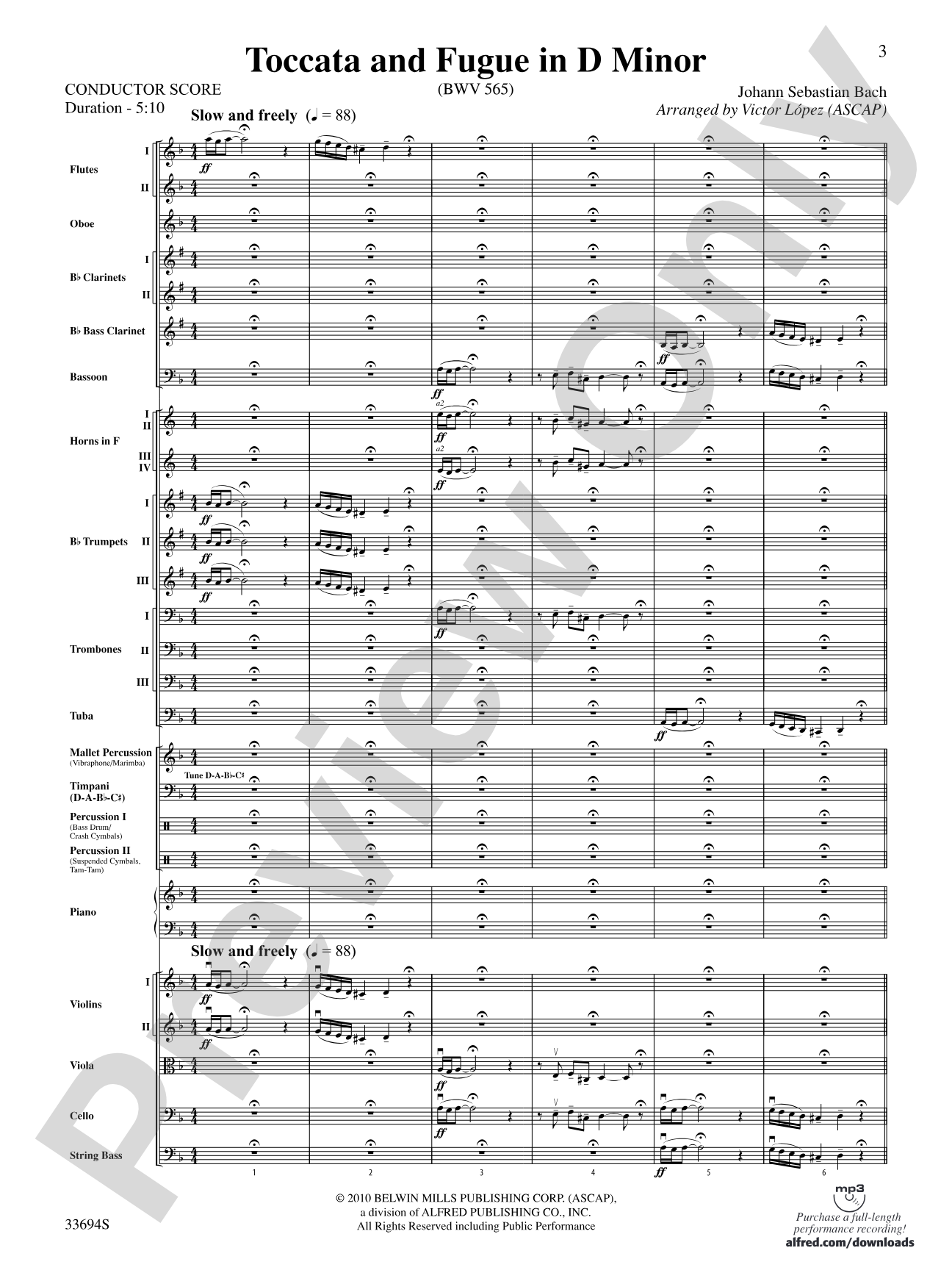
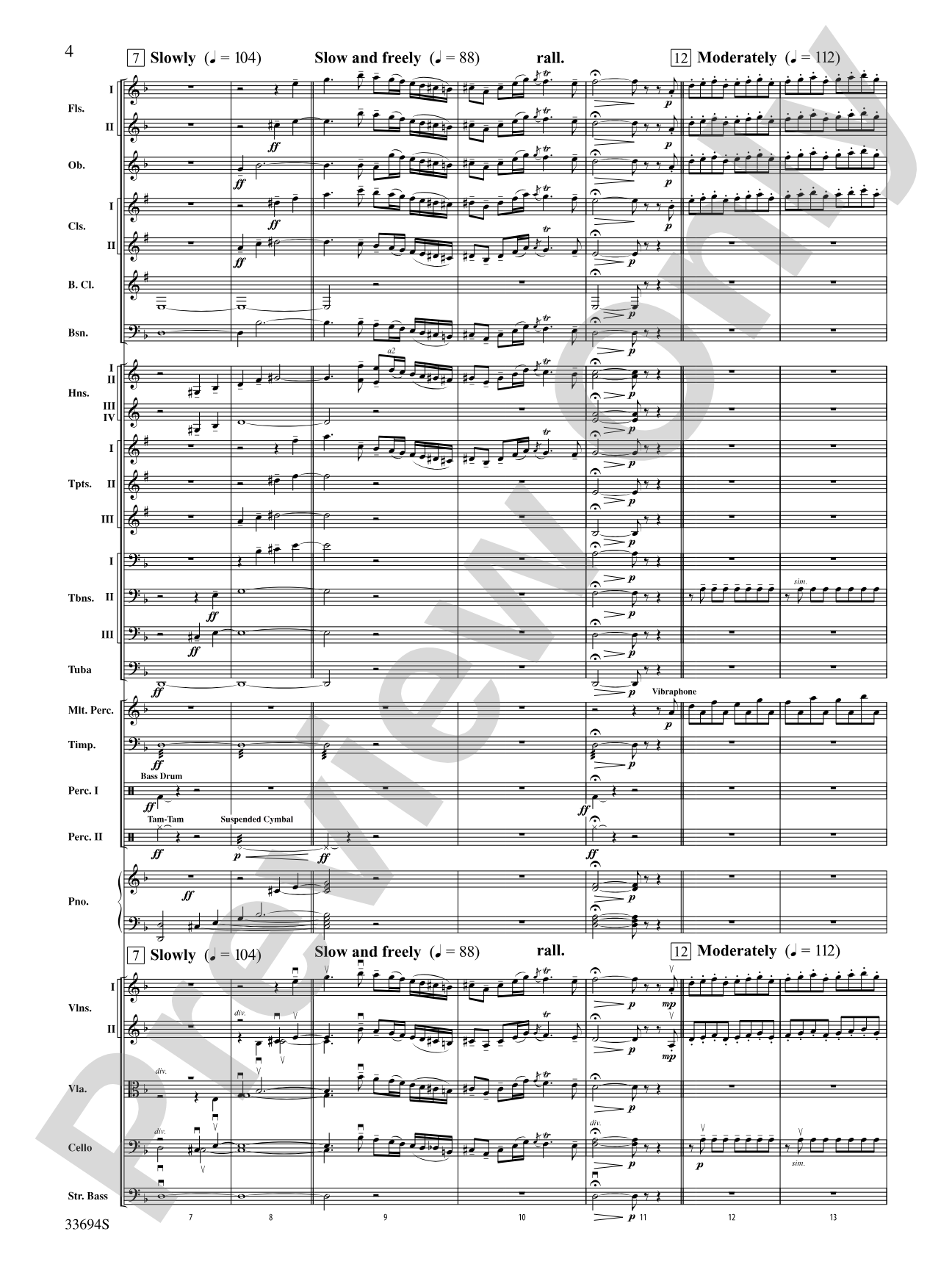
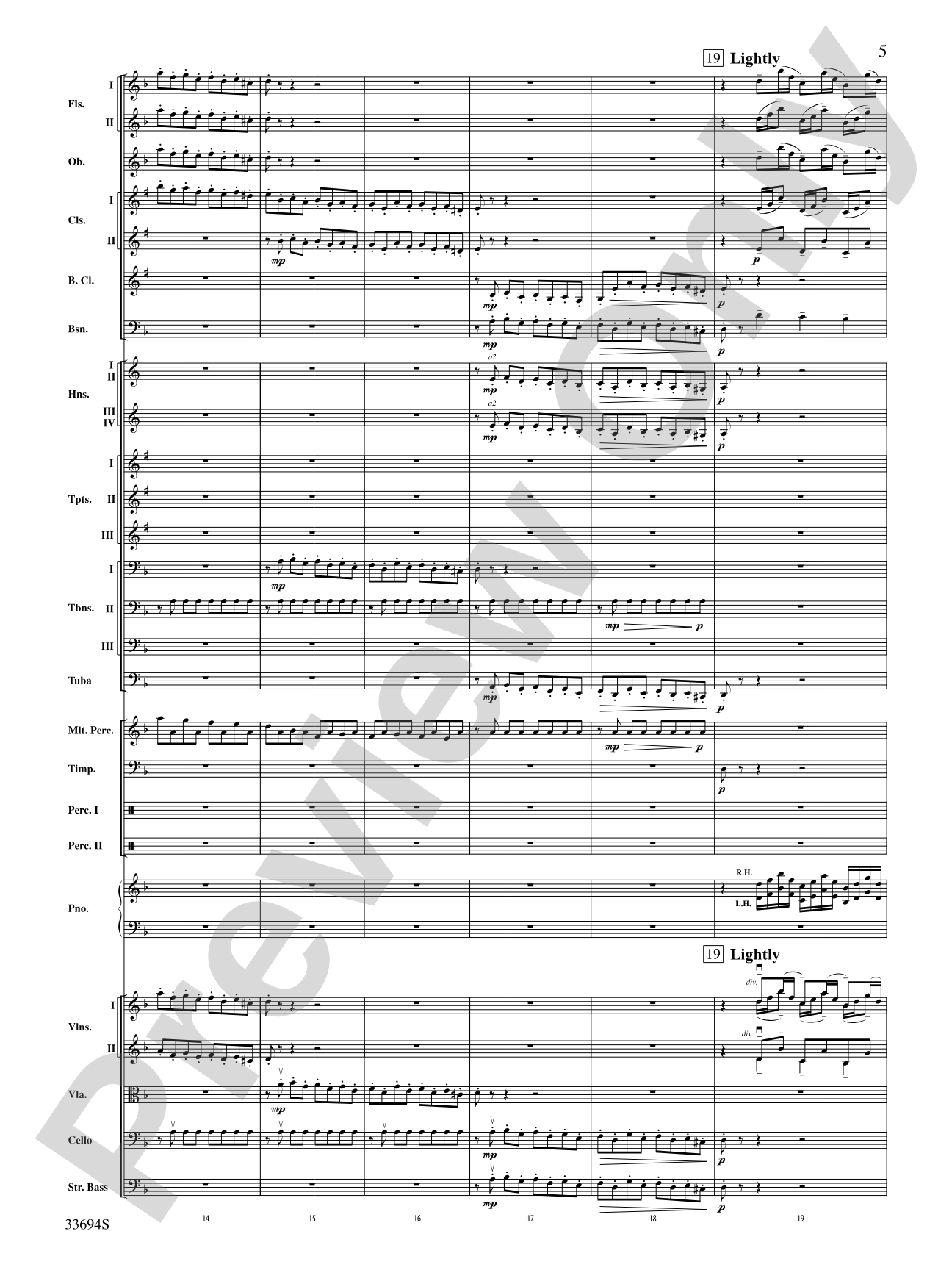
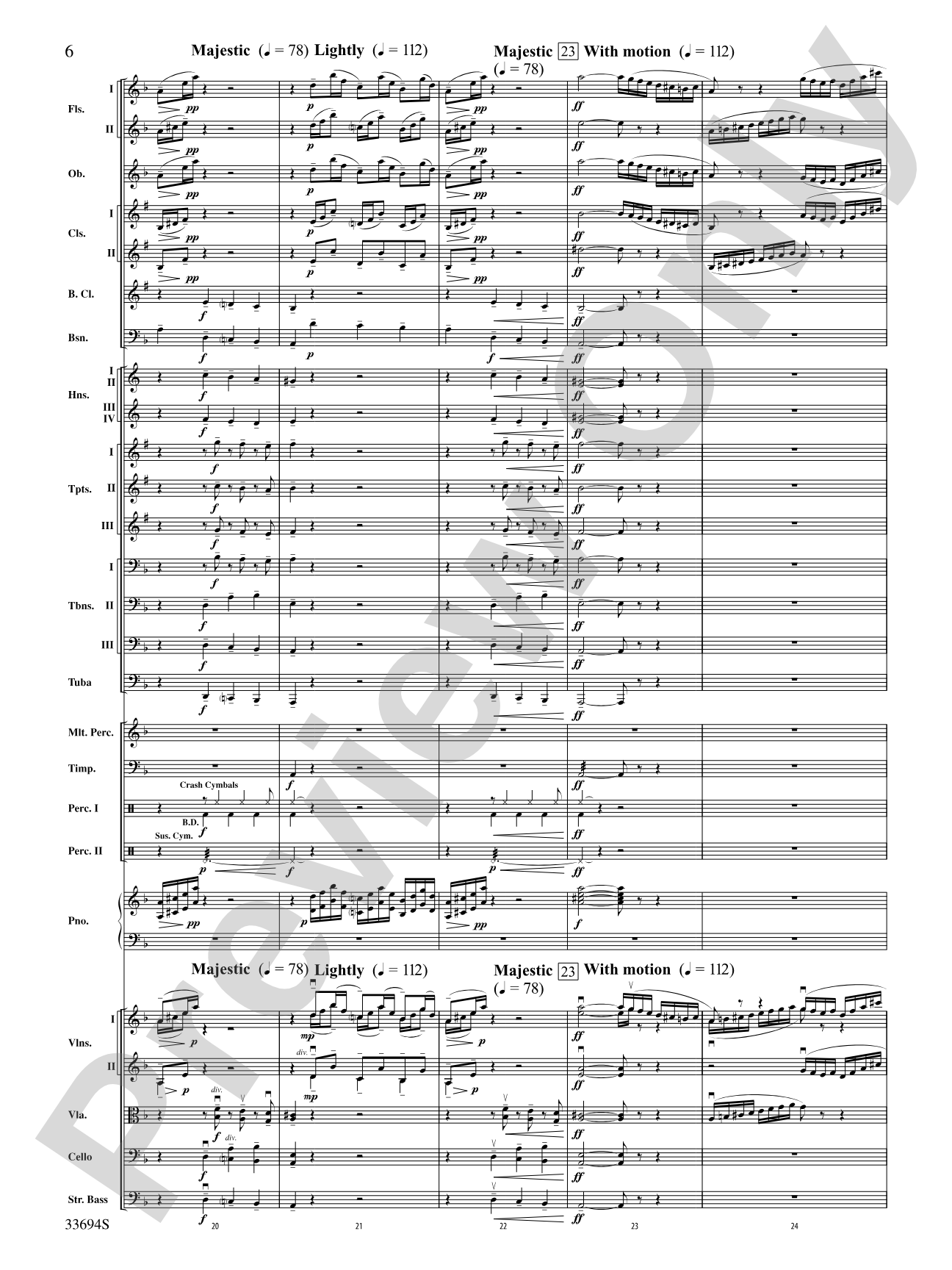
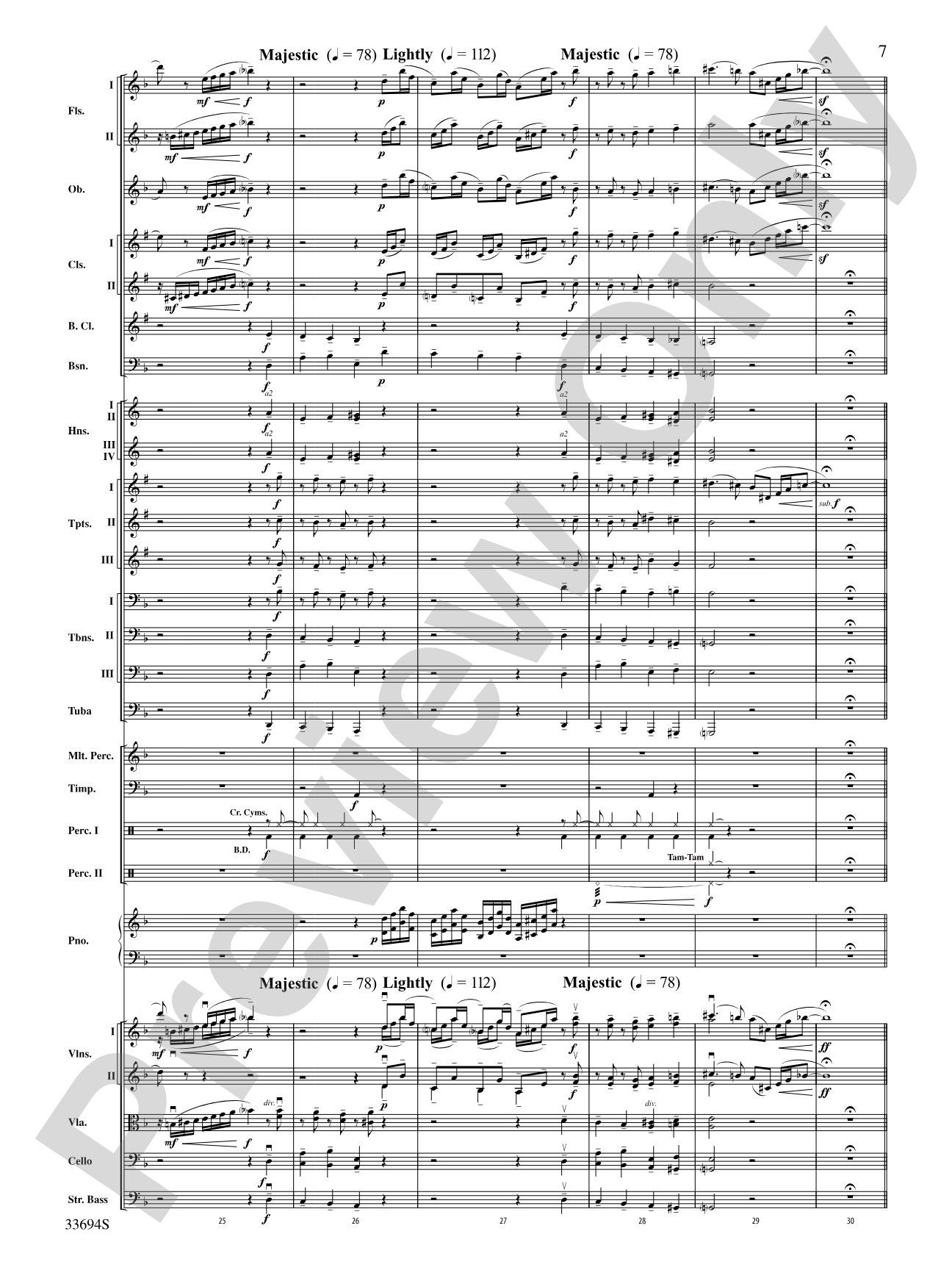
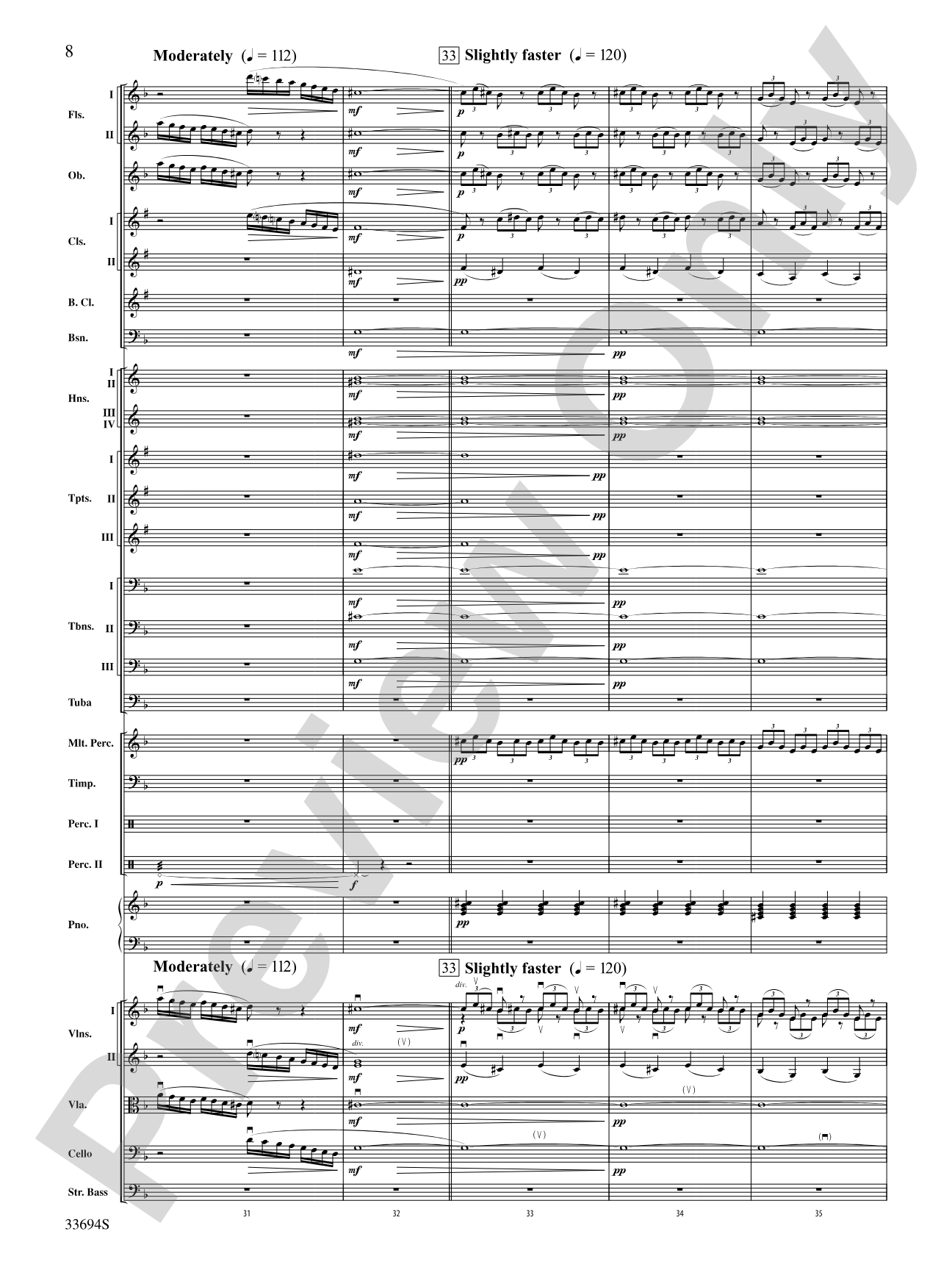
Eminently playable by advanced amateur or student orchestras, this arrangement maintains the lush and driven rendition of the original without the developmental sections. The tempo may be adjusted to accommodate your group and the strings have been scored to sound full with or without the winds.


Don't just read it, hear it, play along with it, and watch your students grow with it. In MakeMusic Cloud, Toccata and Fugue in D Minor: Full Orchestra Conductor Score & Parts comes alive with professional accompaniment, adjustable tempo, and built-in practice tools that turn solo practice into real progress.
Open in the Player
Jump straight in and assign it today.
Start Your Free Trial
Open this title and explore the full library in minutes.
Sample Audio
1
Audio File
--:--
0:00
0:00
Sample Video
No sample videos found.
Additional Details
Series:
Belwin Concert Full Orchestra
Publisher:
Alfred Music
Page Count:
218
SKU:
00-PK-0004187
More about this title
About the Composer: Johann Sebastian Bach
Johann Sebastian Bach (1685-1750) was a German Baroque composer whose mastery of counterpoint and harmonic language shaped the entire trajectory of Western music. His prolific output across sacred and secular genres established him as the primary architect of fugal writing and keyboard technique, principles that remain foundational to music instruction today.
Bach's influence on orchestration and ensemble writing extends far beyond his own time. His works have inspired countless arrangements and recompositions because the underlying musical structures are so intellectually rigorous and emotionally compelling that they survive, and often thrive, in new contexts.
Why we love this
Victor López's arrangement honors the architecture and drama of Bach's masterwork while making it genuinely accessible to advanced student orchestras. The removal of developmental sections keeps the piece moving without sacrificing the iconic toccata's propulsive energy or the fugue's contrapuntal sophistication. Programming this opens concert doors to Baroque repertoire that would otherwise sit beyond most community and school orchestras' reach.
What to expect
The toccata explodes with relentless forward drive, virtuosic figurations that crackle with energy as they pass between instrumental families. The fugue settles into architectural logic and cumulative power, building intensity as voices layer upon voices in Bach's timeless pursuit of harmonic and contrapuntal perfection.
Who it's for
Advanced amateur and student orchestras looking to add a recognizable masterwork to their repertoire without the technical demands of the original keyboard version. Conductors seeking a piece that commands audience attention, works as a concert opener or closer, and challenges musicians to shape Baroque counterpoint within their technical range.
How to get the most out of it
- Shape the opening toccata with clarity and conviction; the driving energy of the figures matters more than individual note accuracy, so emphasize rhythmic precision and forward momentum across sections.
- Balance the fugal entries carefully so that each voice line emerges distinctly as it enters; this is especially important in the strings, where doubling and voicing choices can either illuminate or muddy Bach's counterpoint.
- Use the flexibility in tempo marking to suit your ensemble's technical comfort. A slightly modified tempo that allows clean articulation and clear voice leading serves the music far better than pushing beyond your group's secure handling.
How to use it
This arrangement commands a concert opening or closer; its dramatic arc and immediate recognizability grip an audience from the downbeat. Pair it with lighter Baroque works or contrasting contemporary pieces to showcase orchestral range, or use it as the centerpiece of a fall concert or festival performance where audiences expect both technical substance and emotional impact.
Skills your students will build
- Tracking independent voice lines in four-part counterpoint
- Maintaining rhythmic precision across figure-driven passages
- Balancing individual sections while projecting a unified orchestral sound
- Interpreting Baroque articulation and phrasing conventions
- Adjusting tempo and character to accommodate ensemble capability