
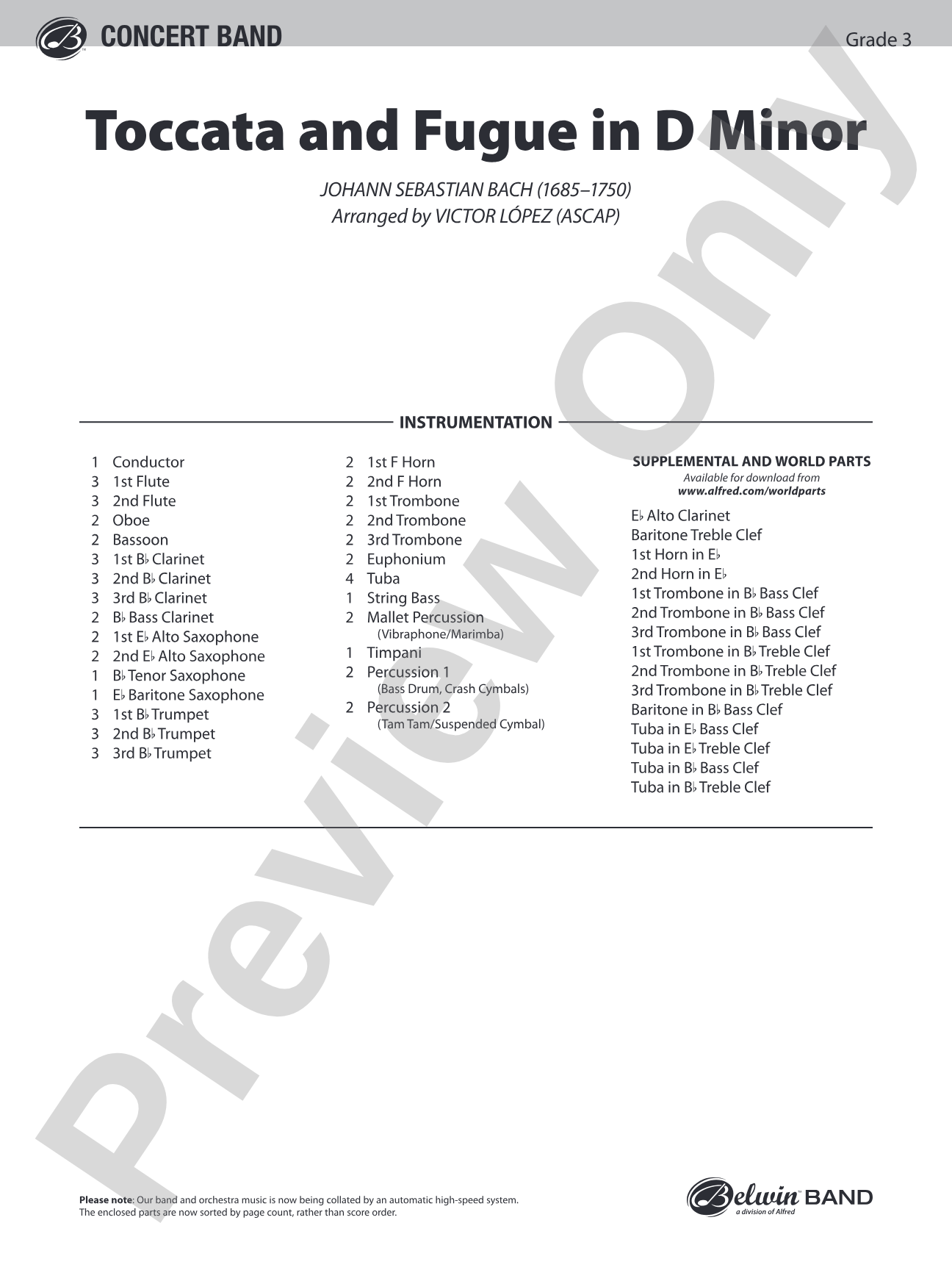
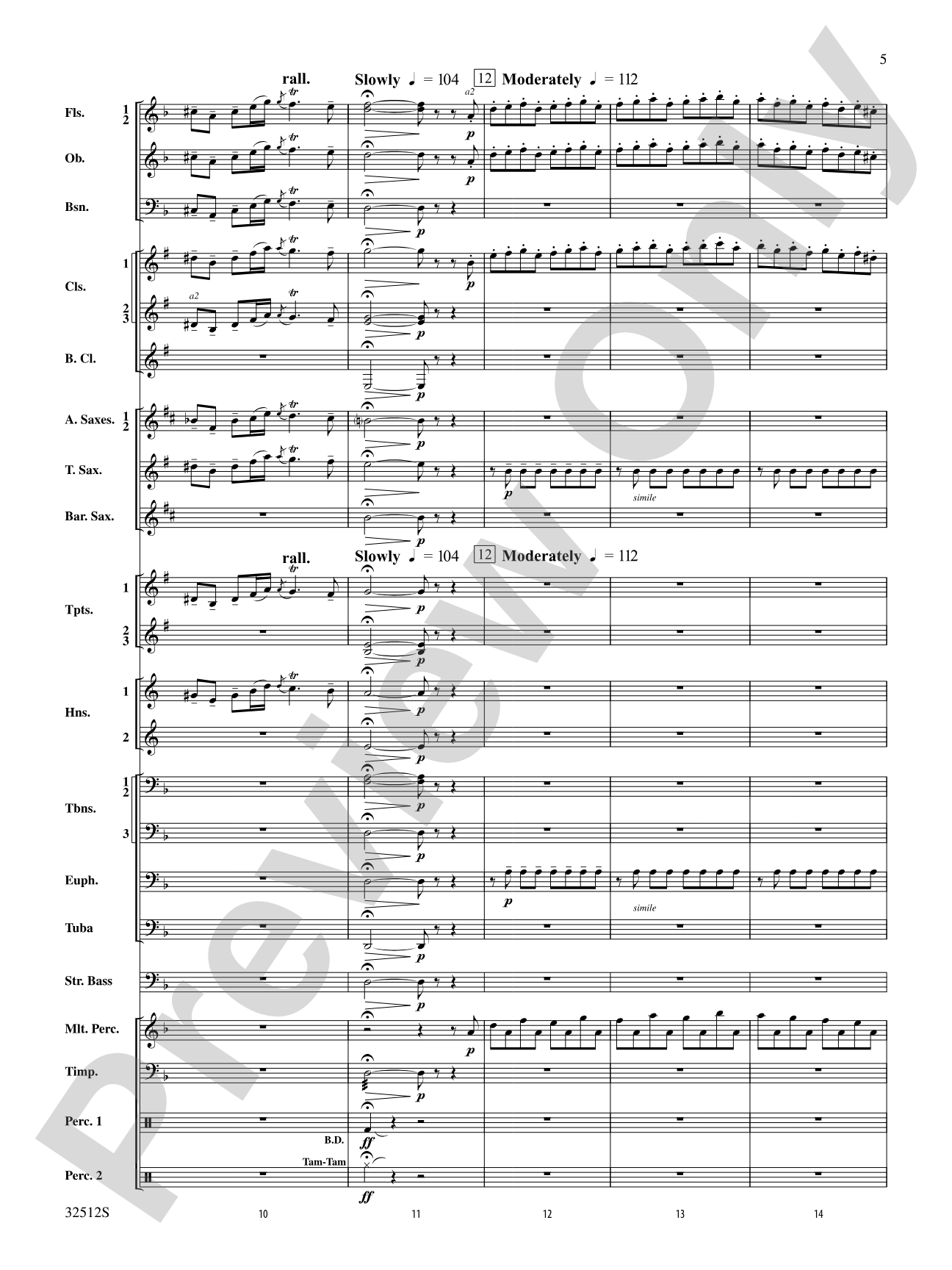
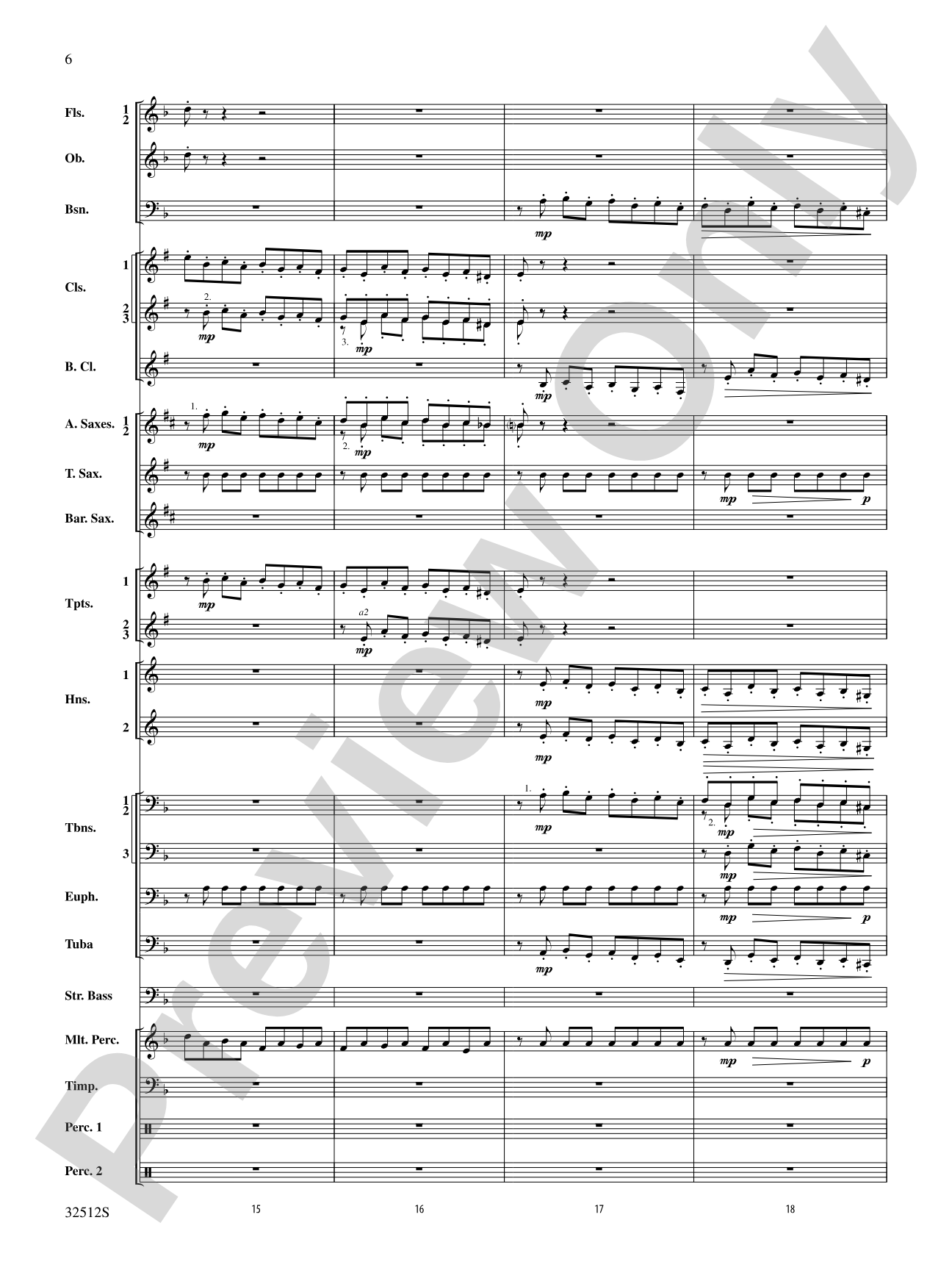
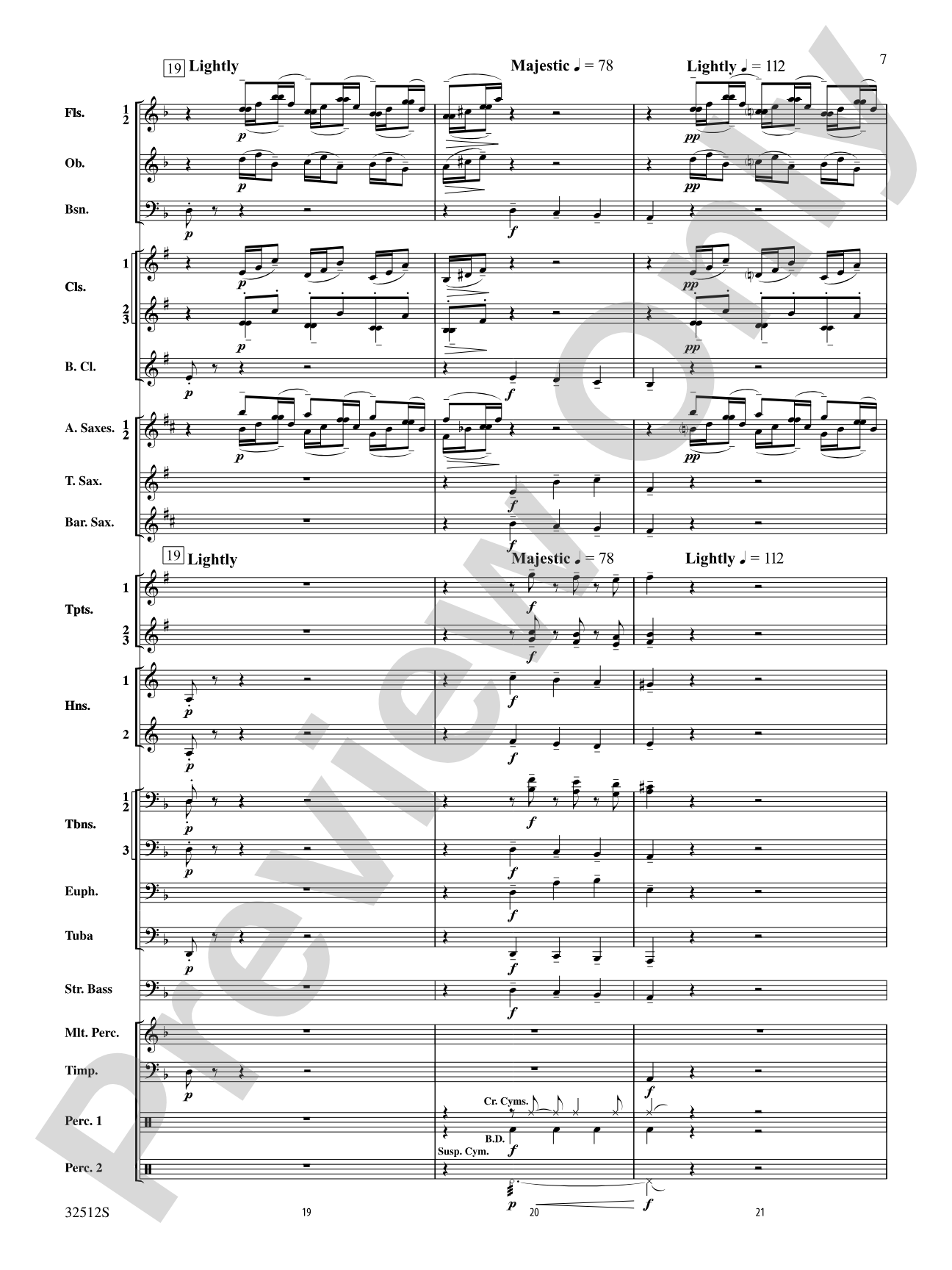
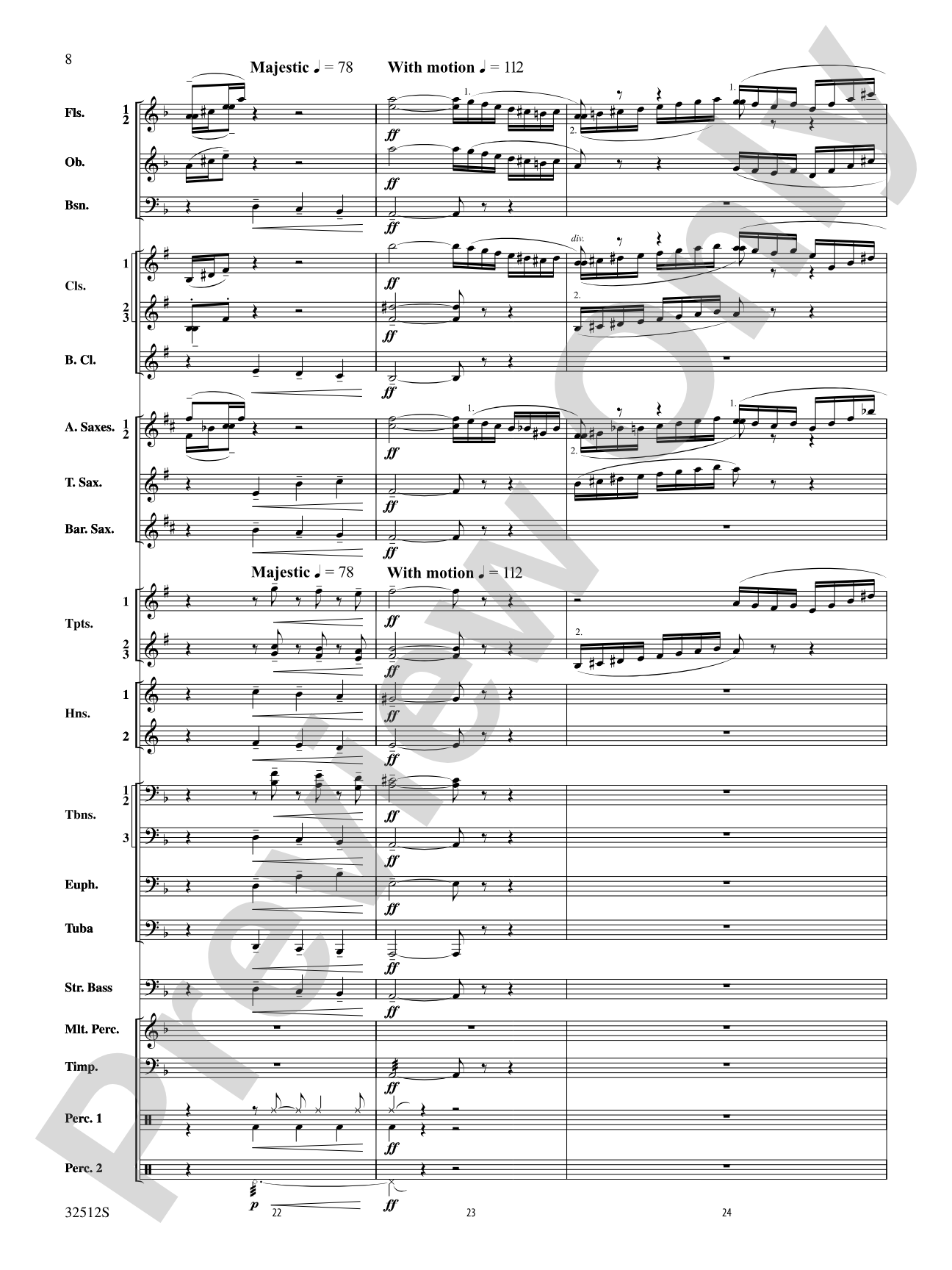
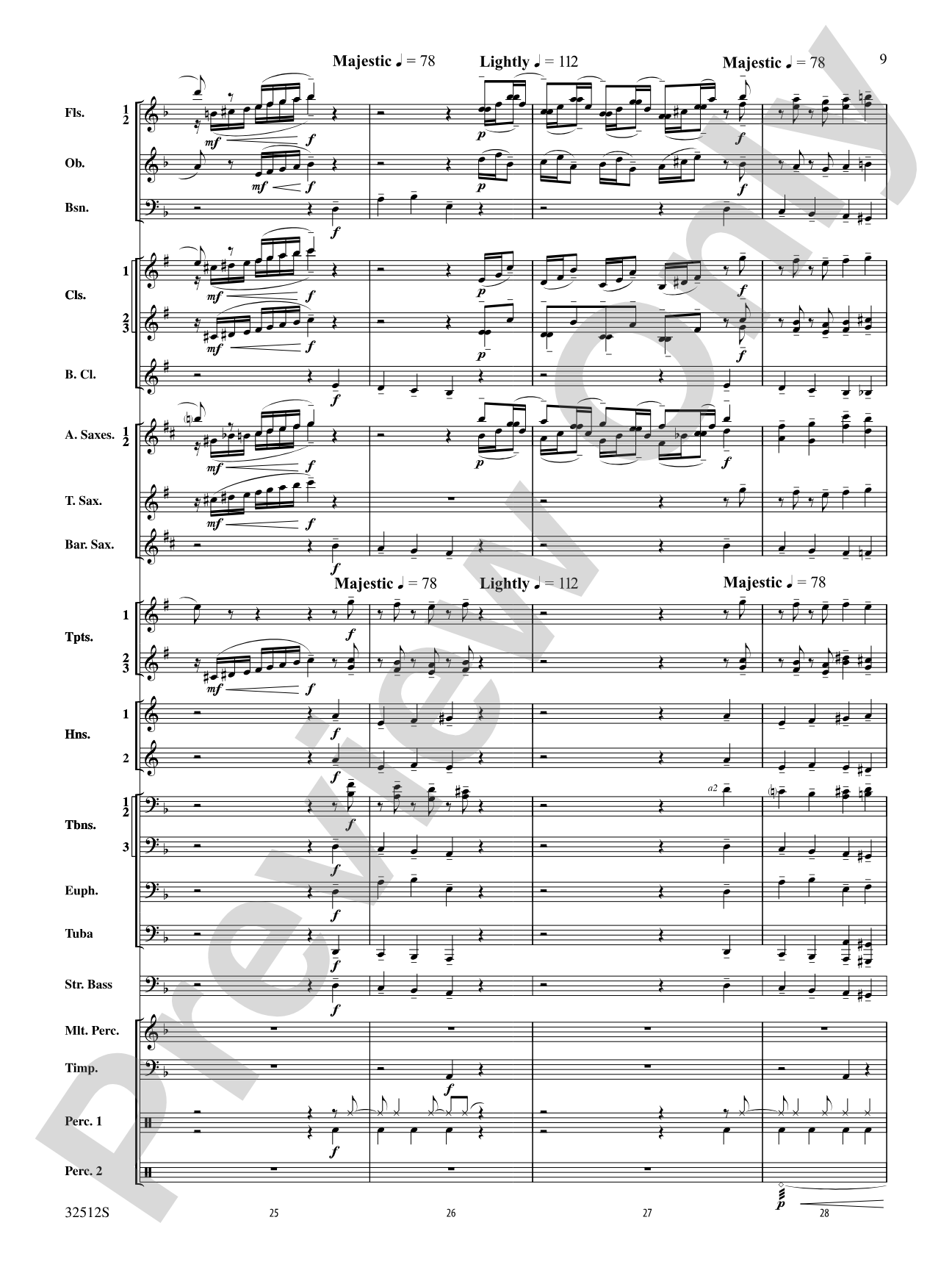
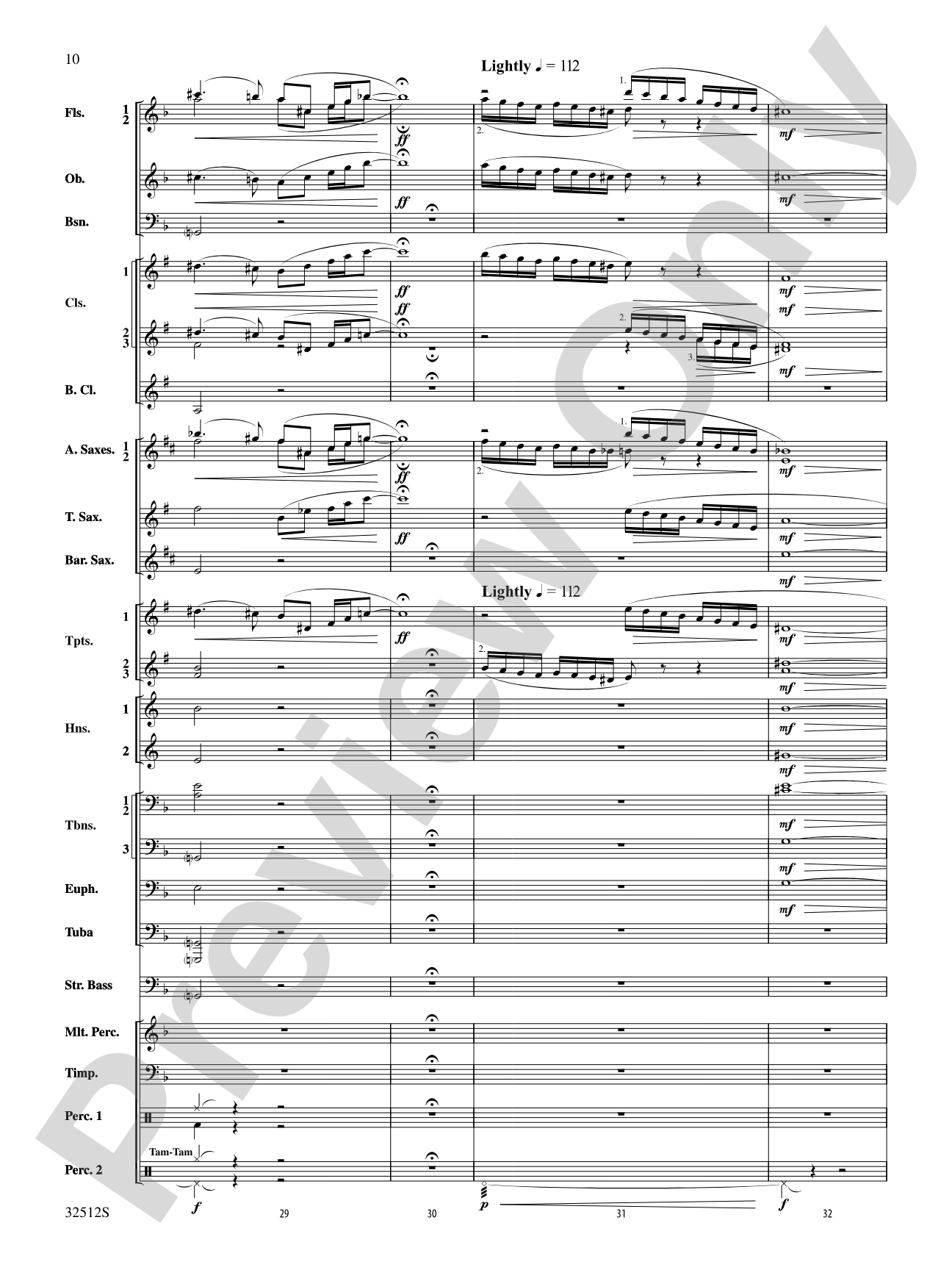
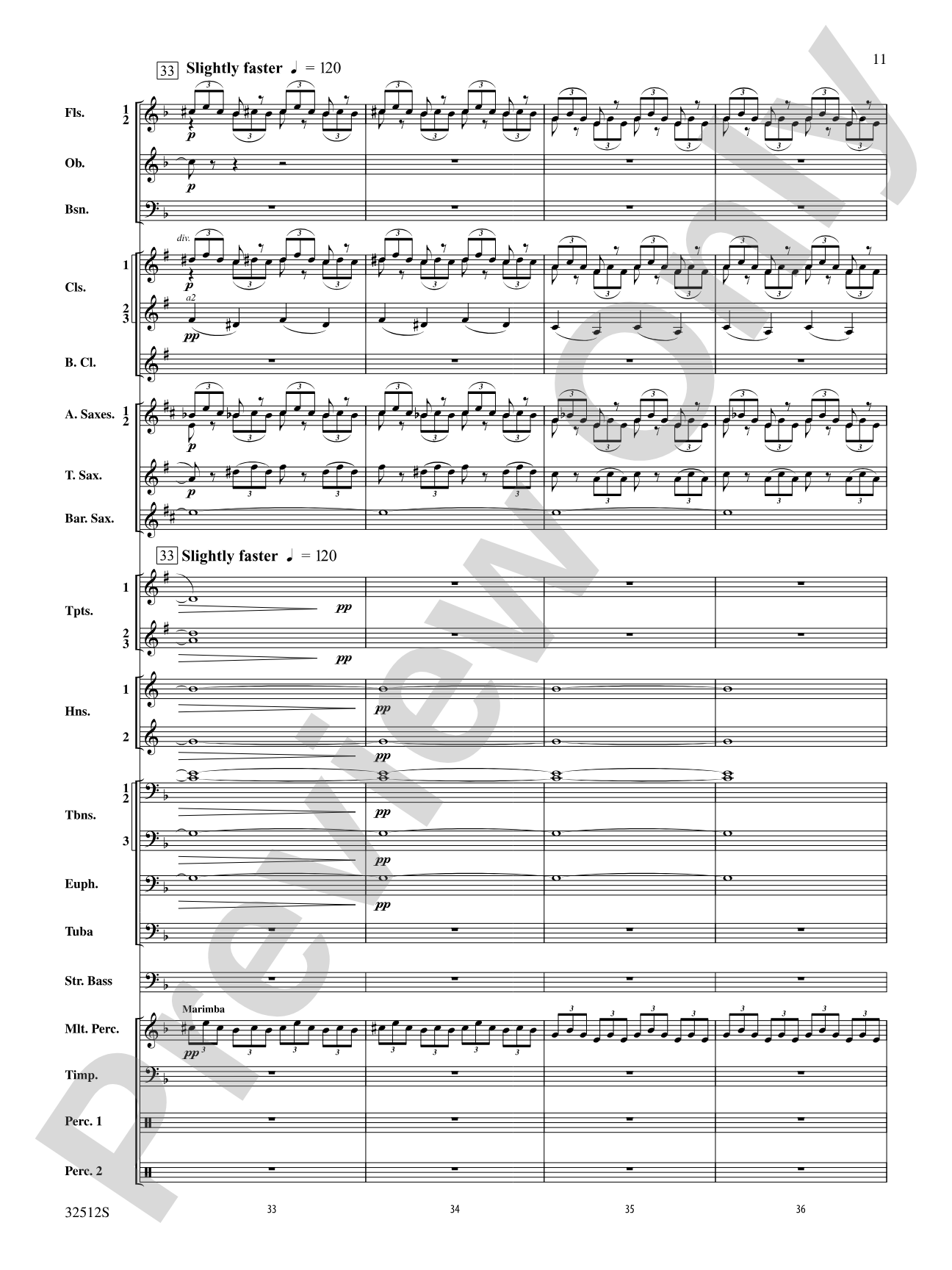
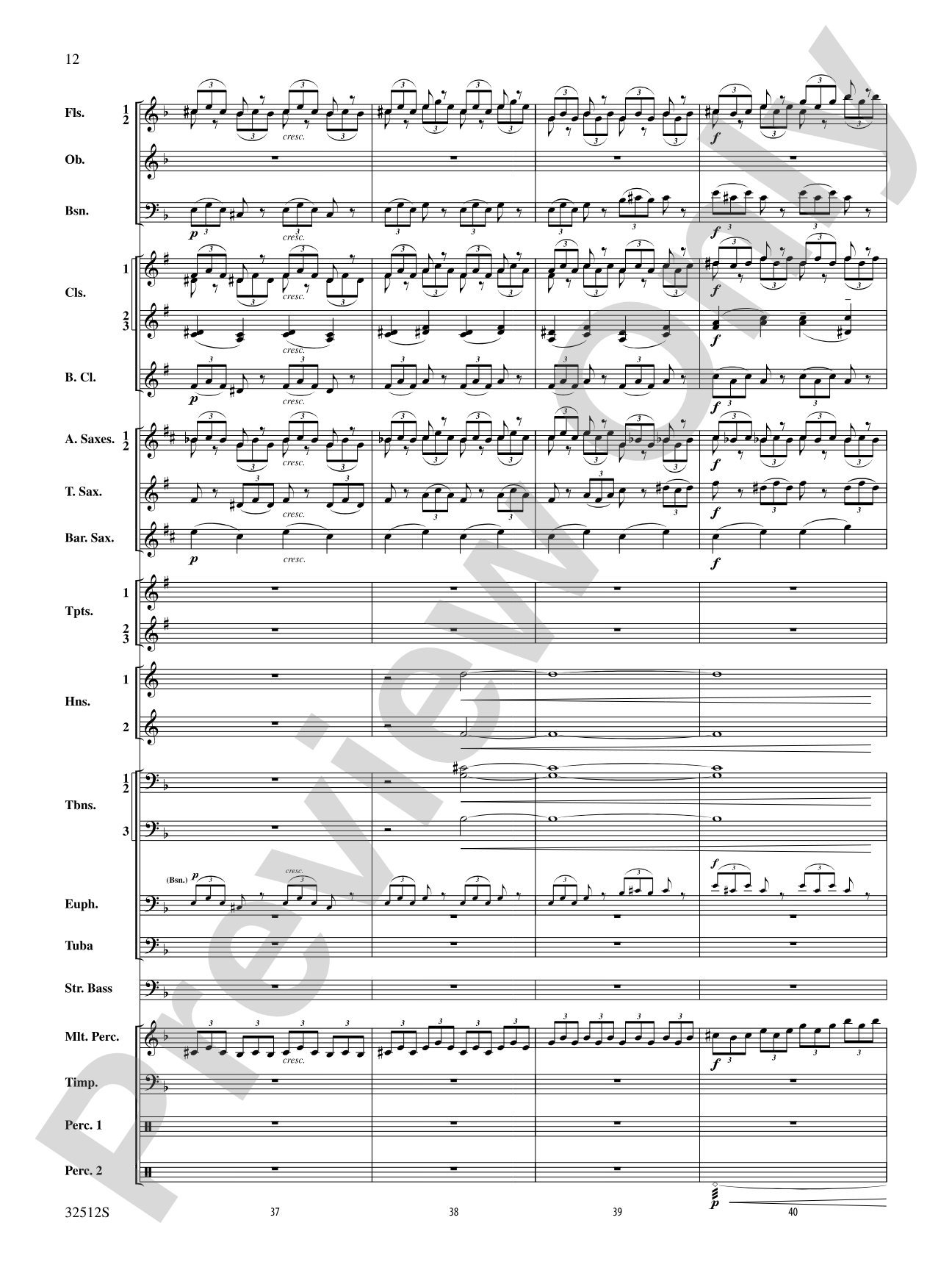
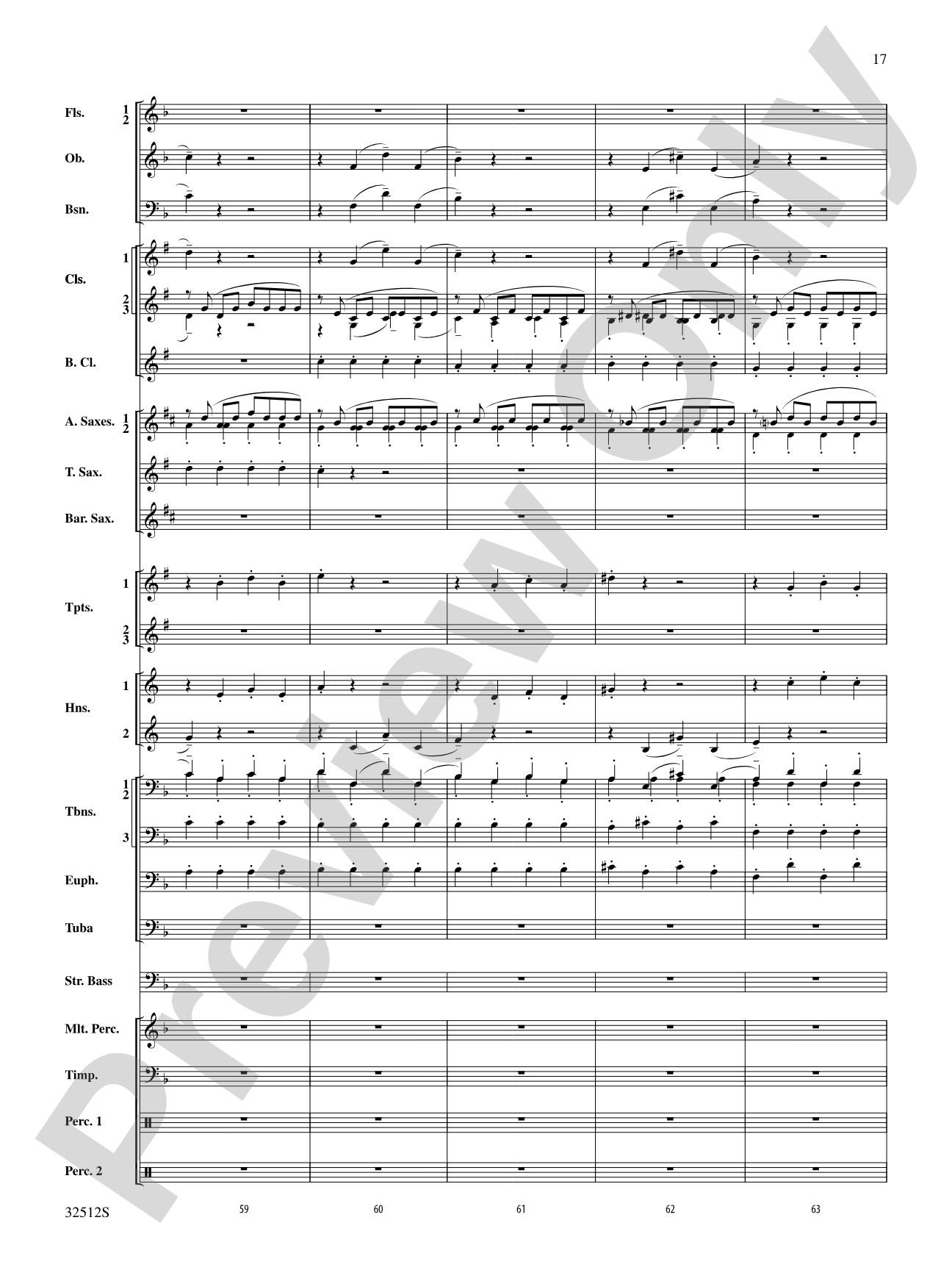
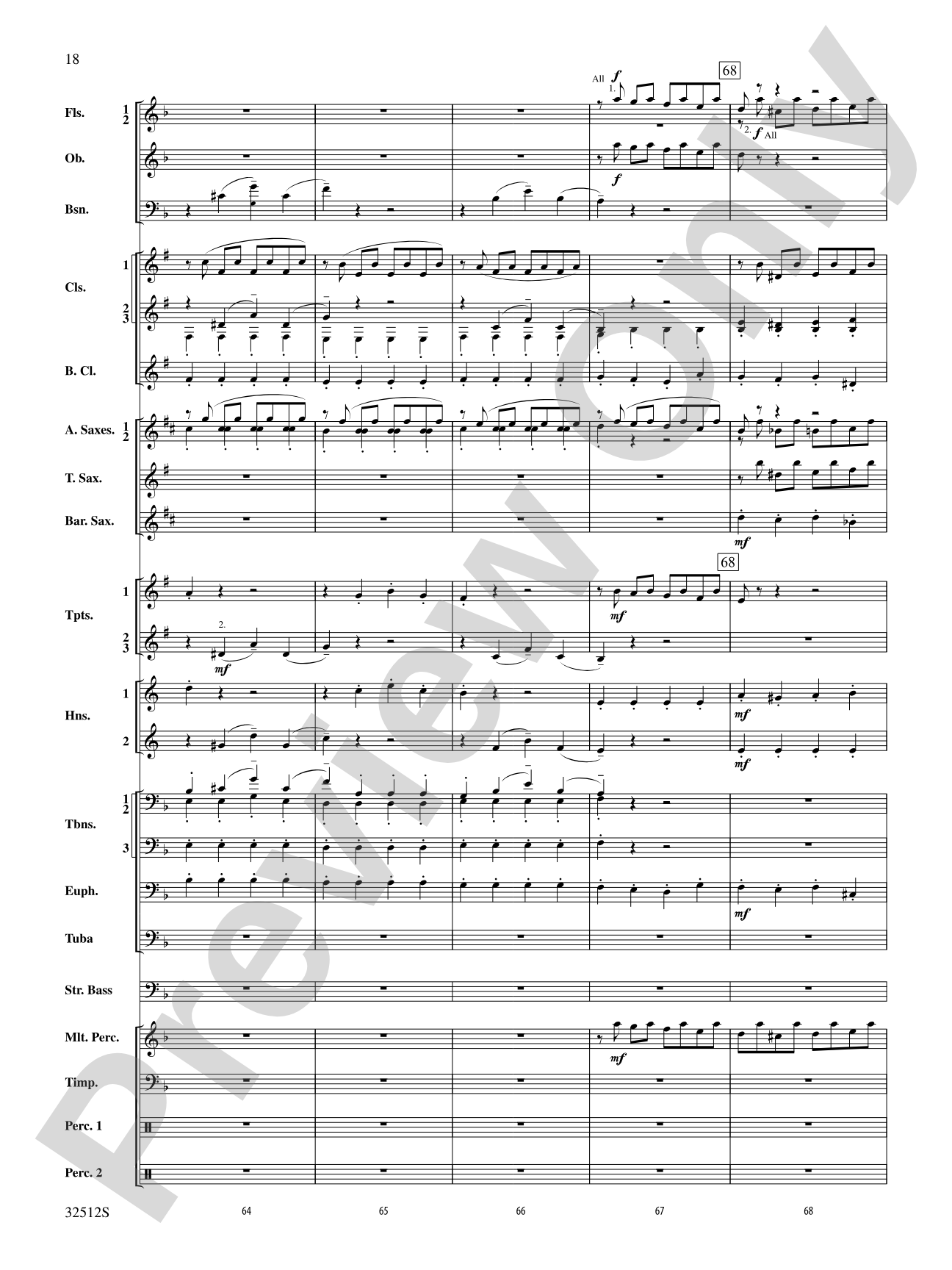
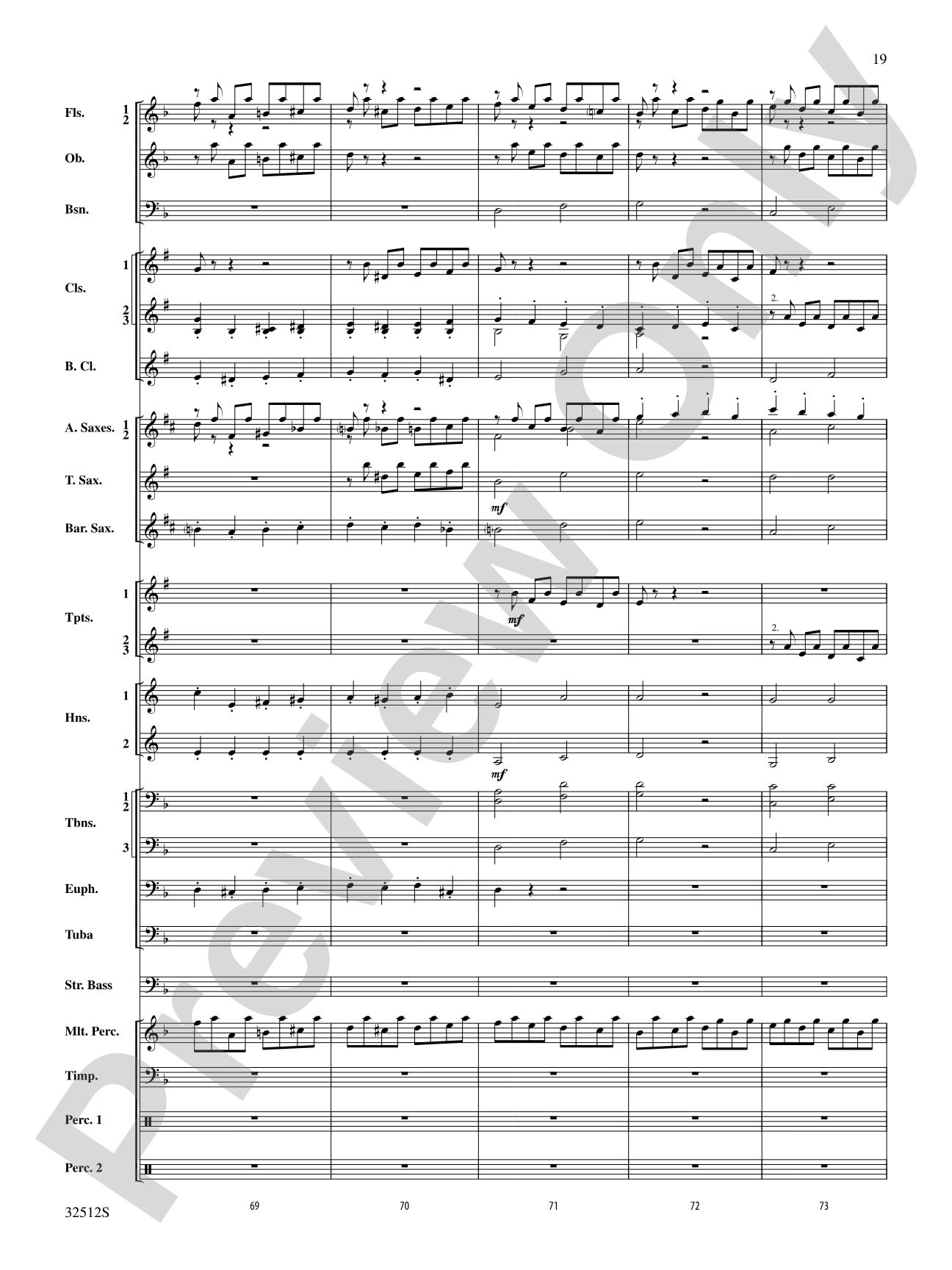
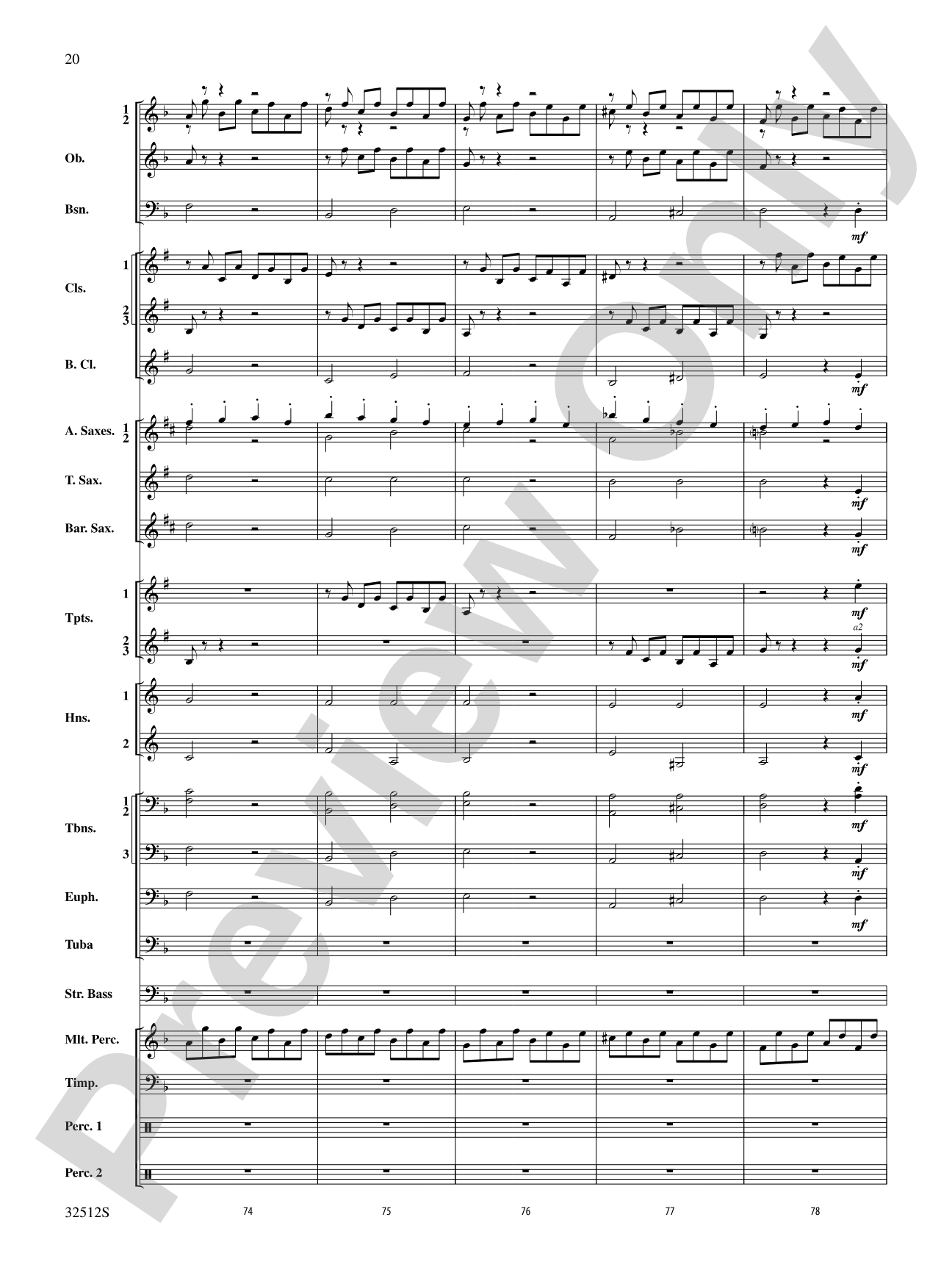
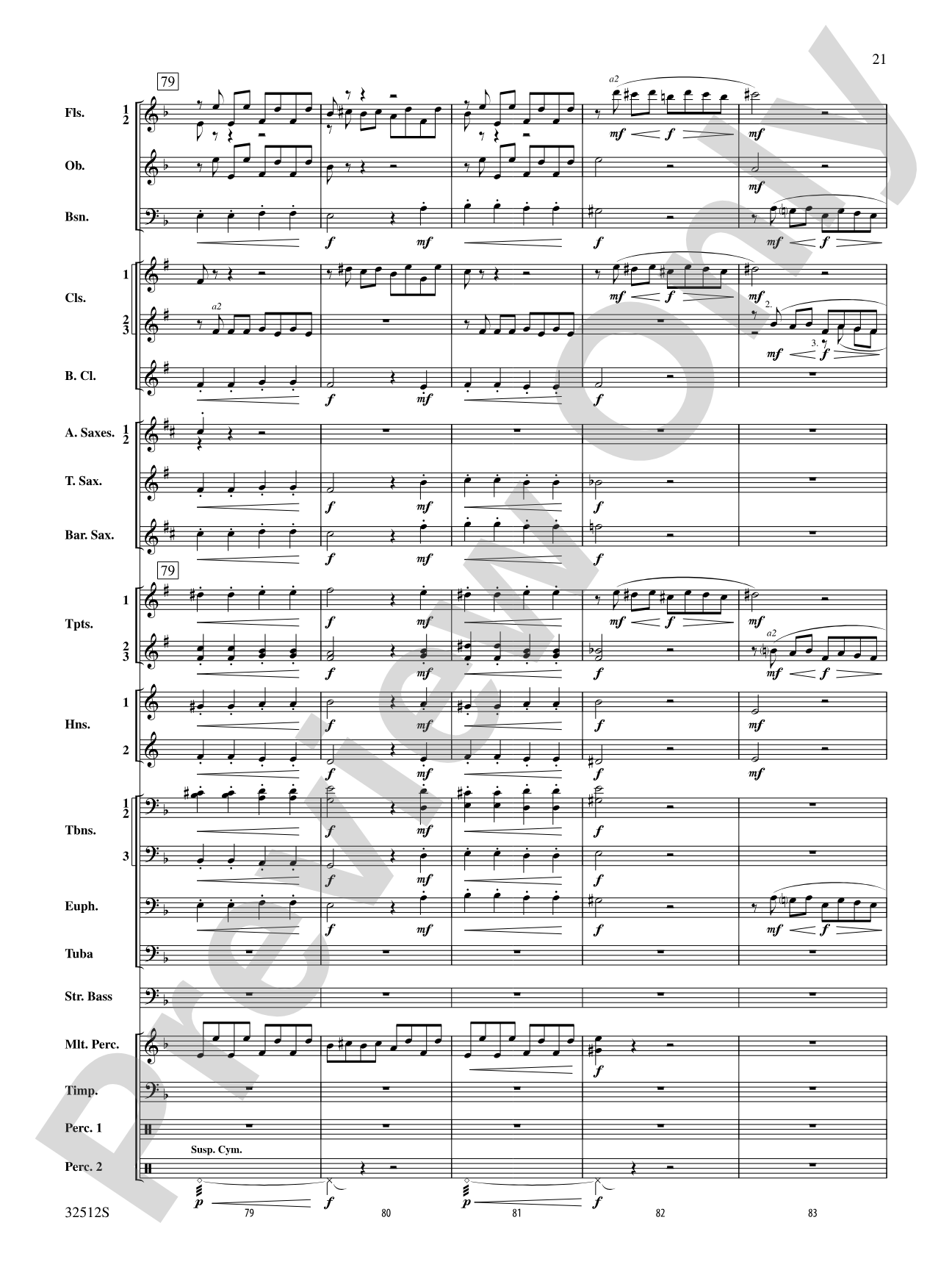
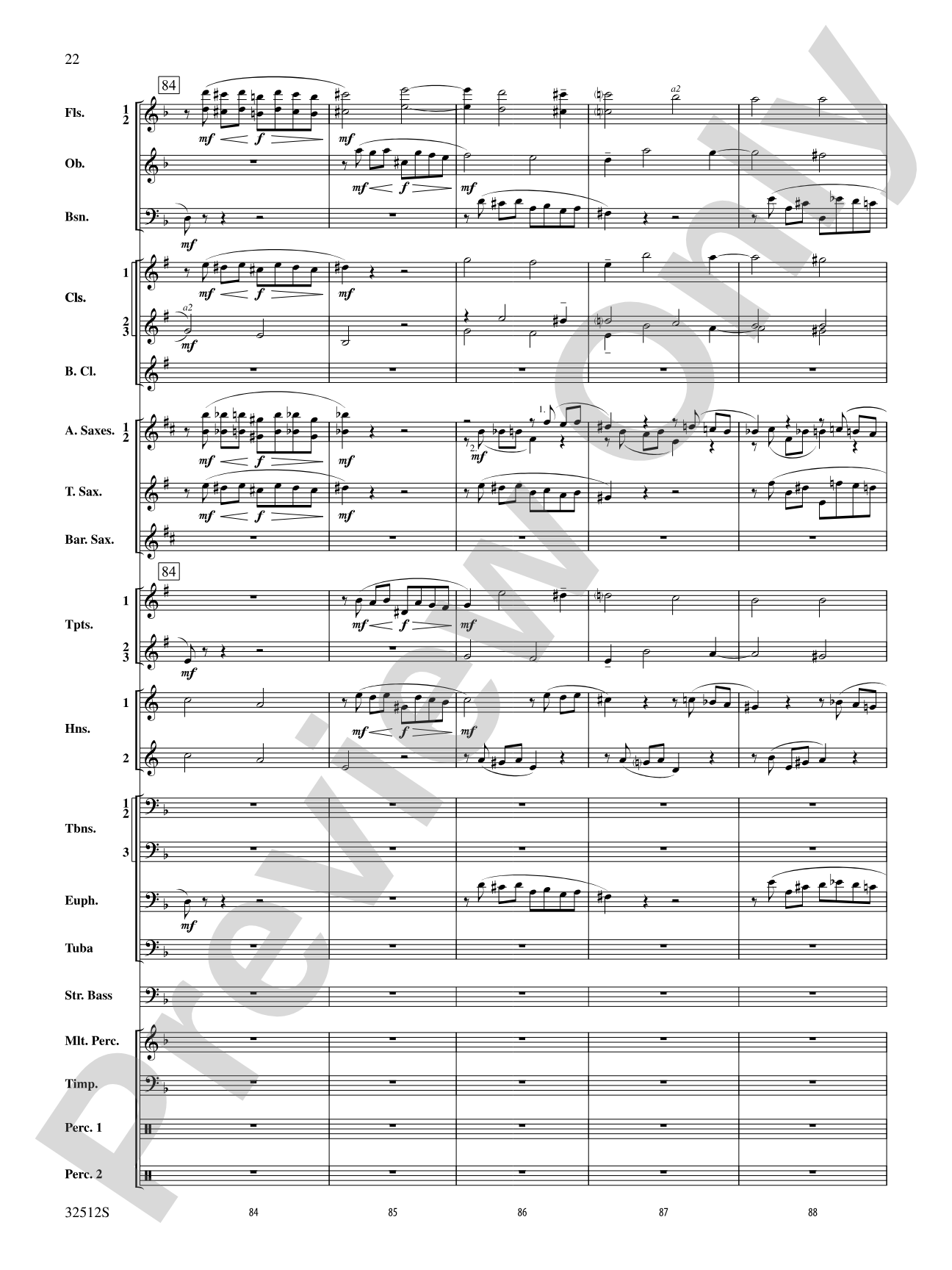
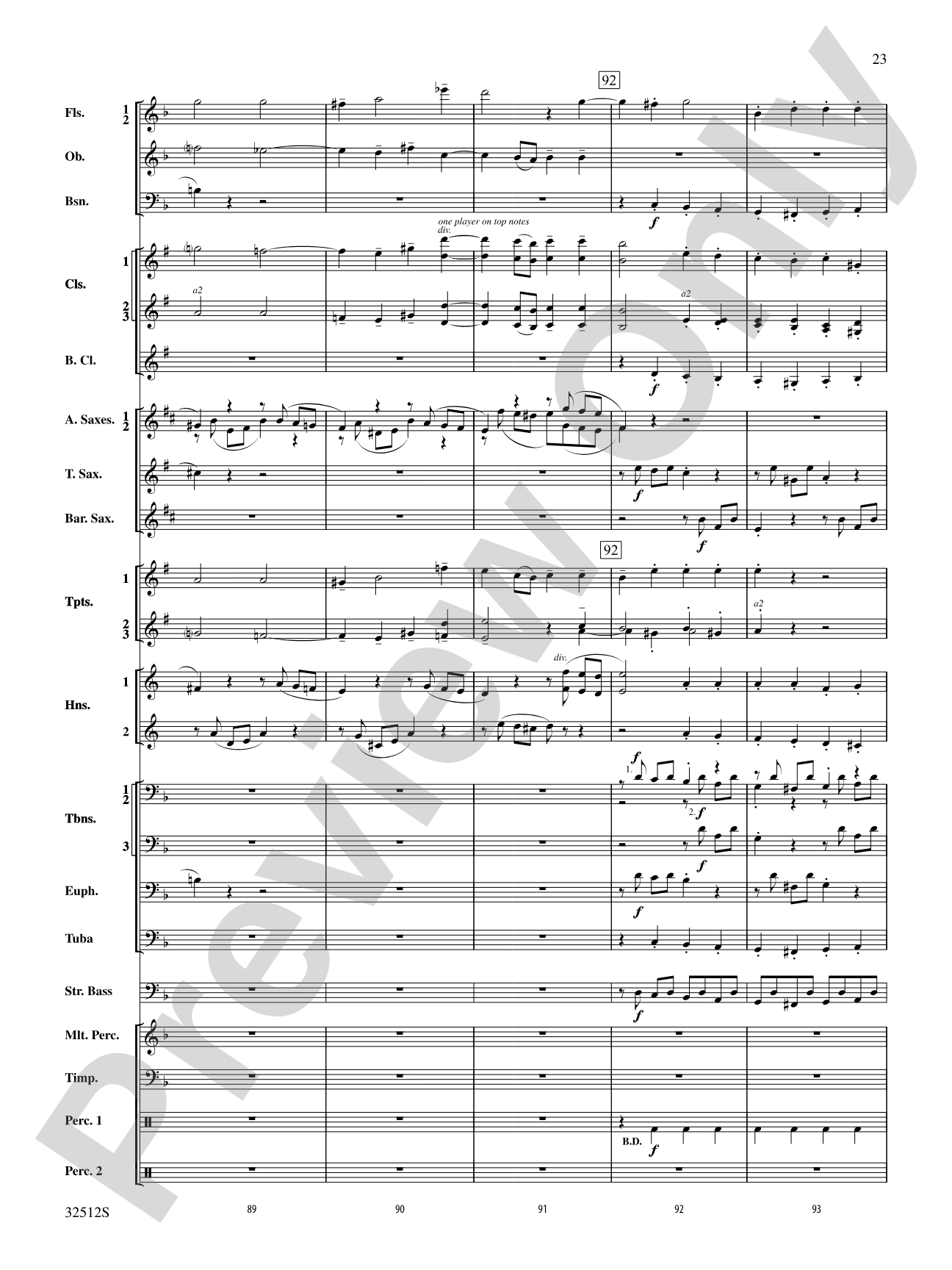
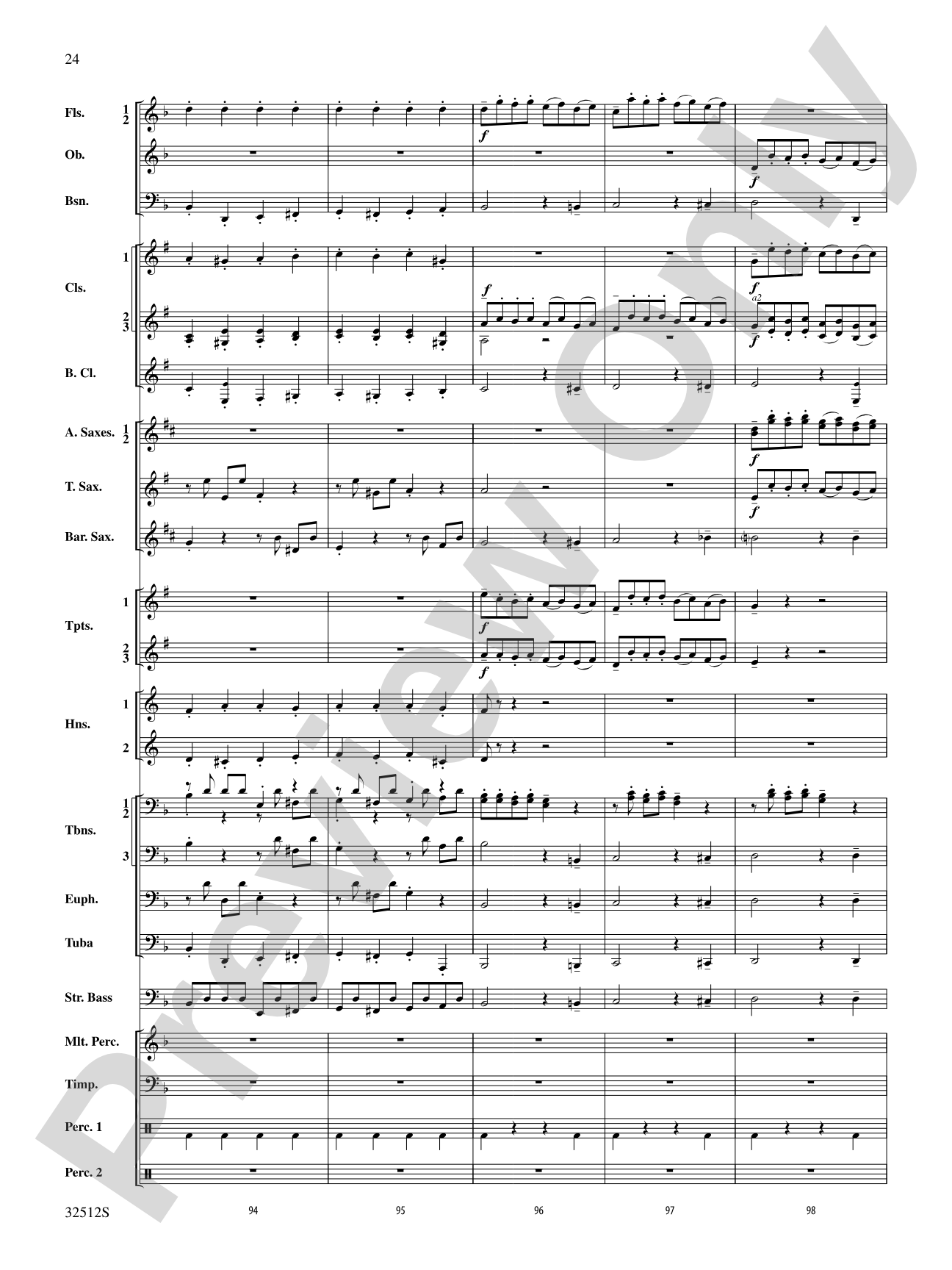
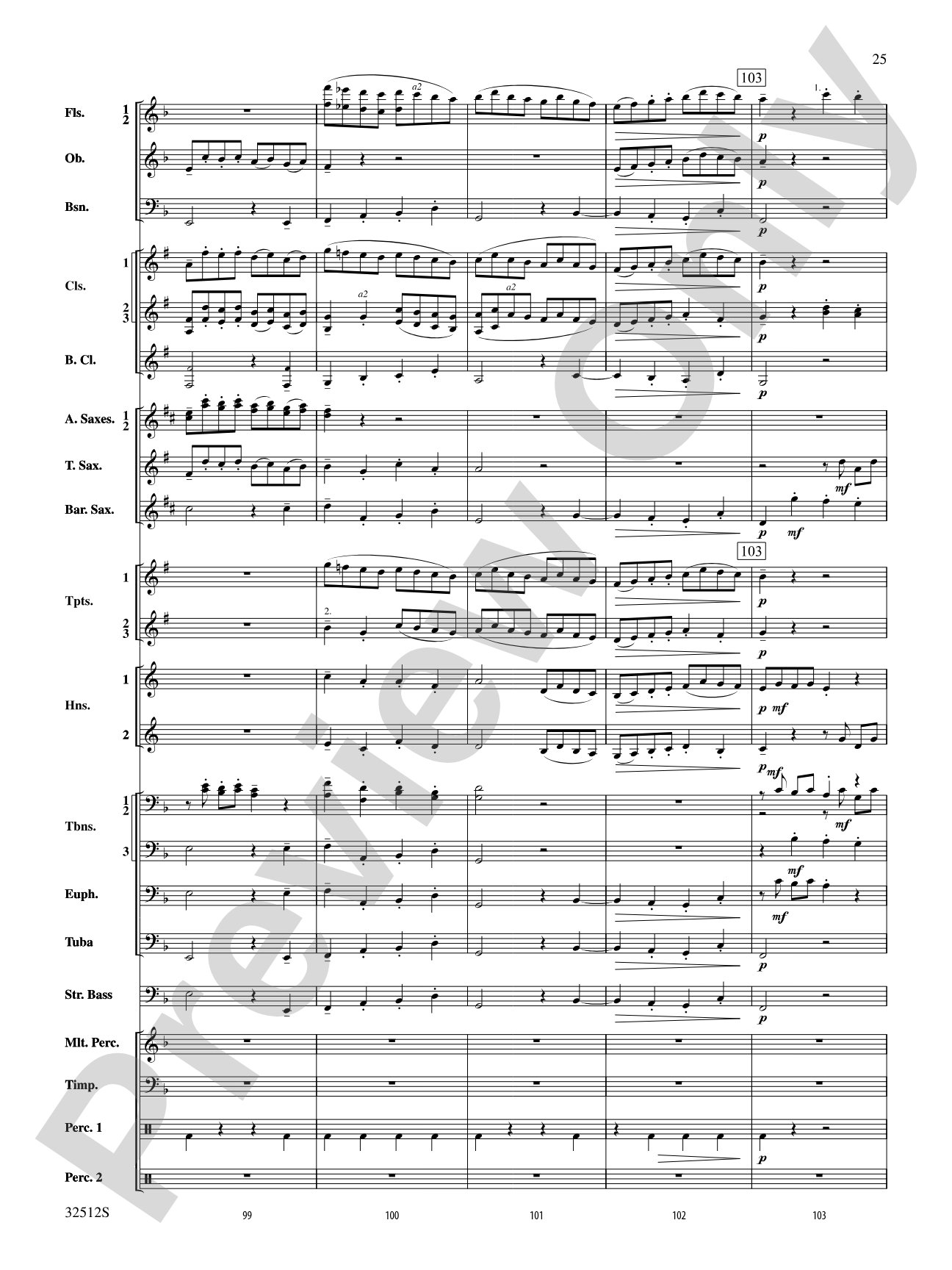
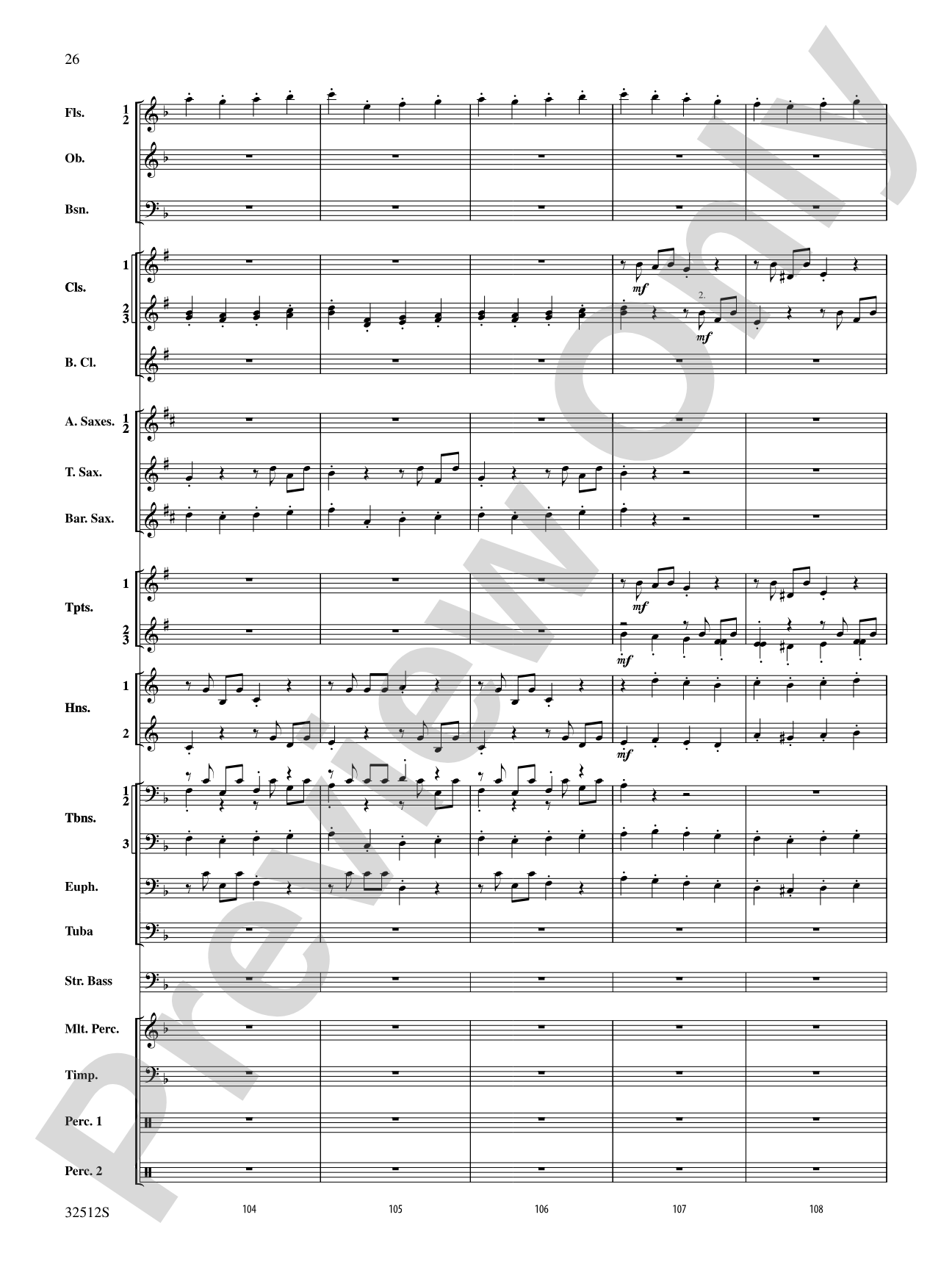
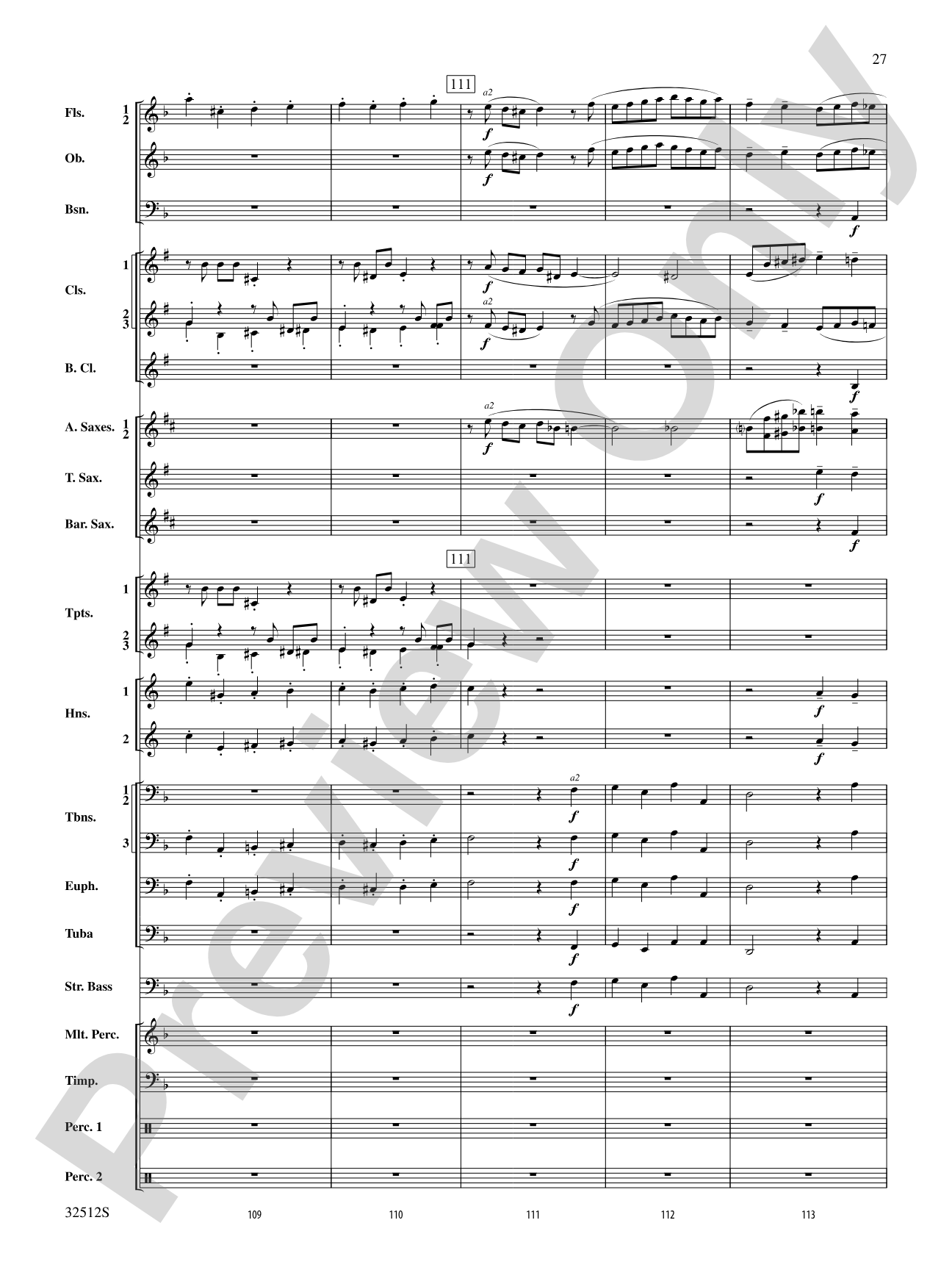
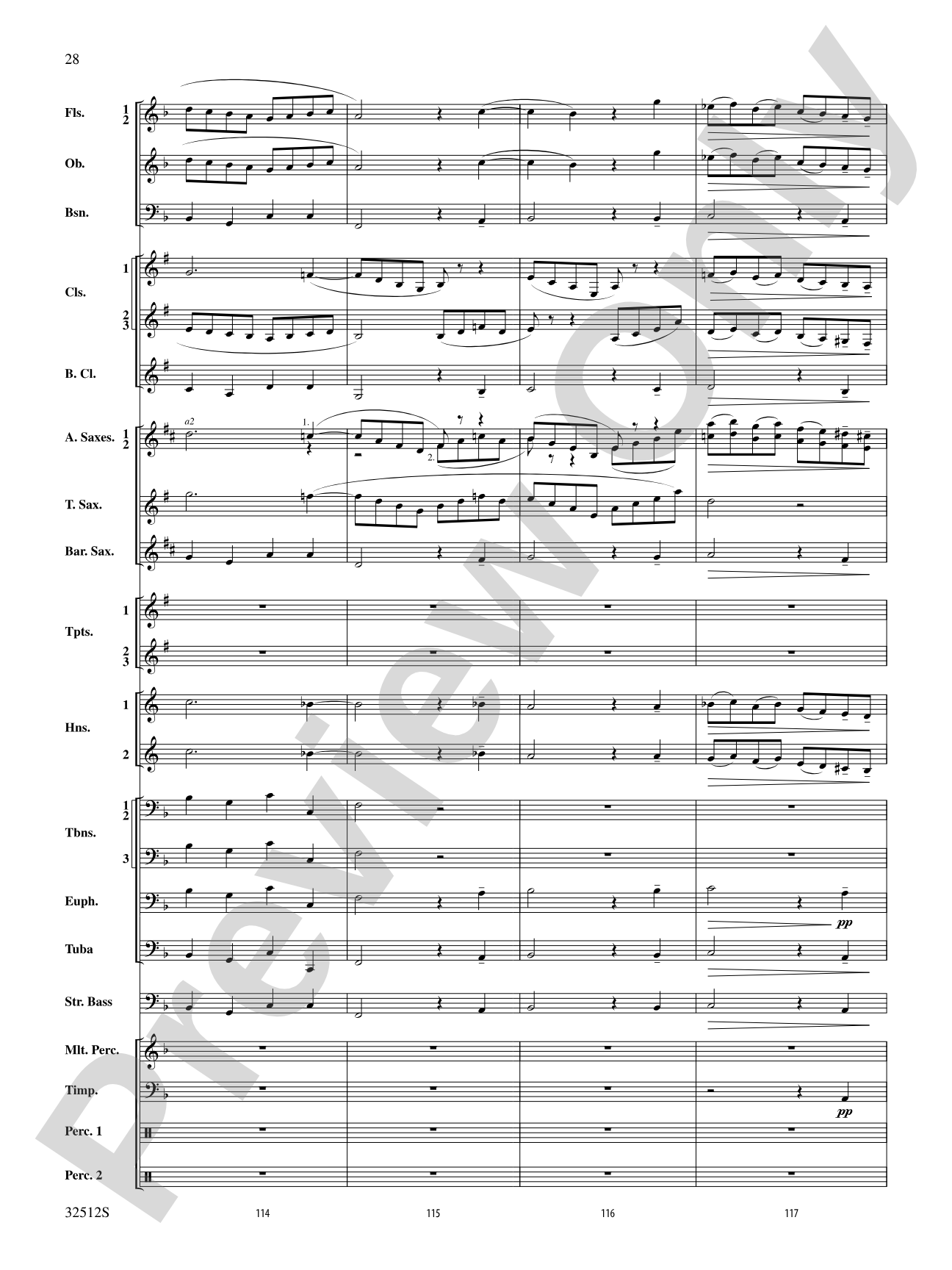
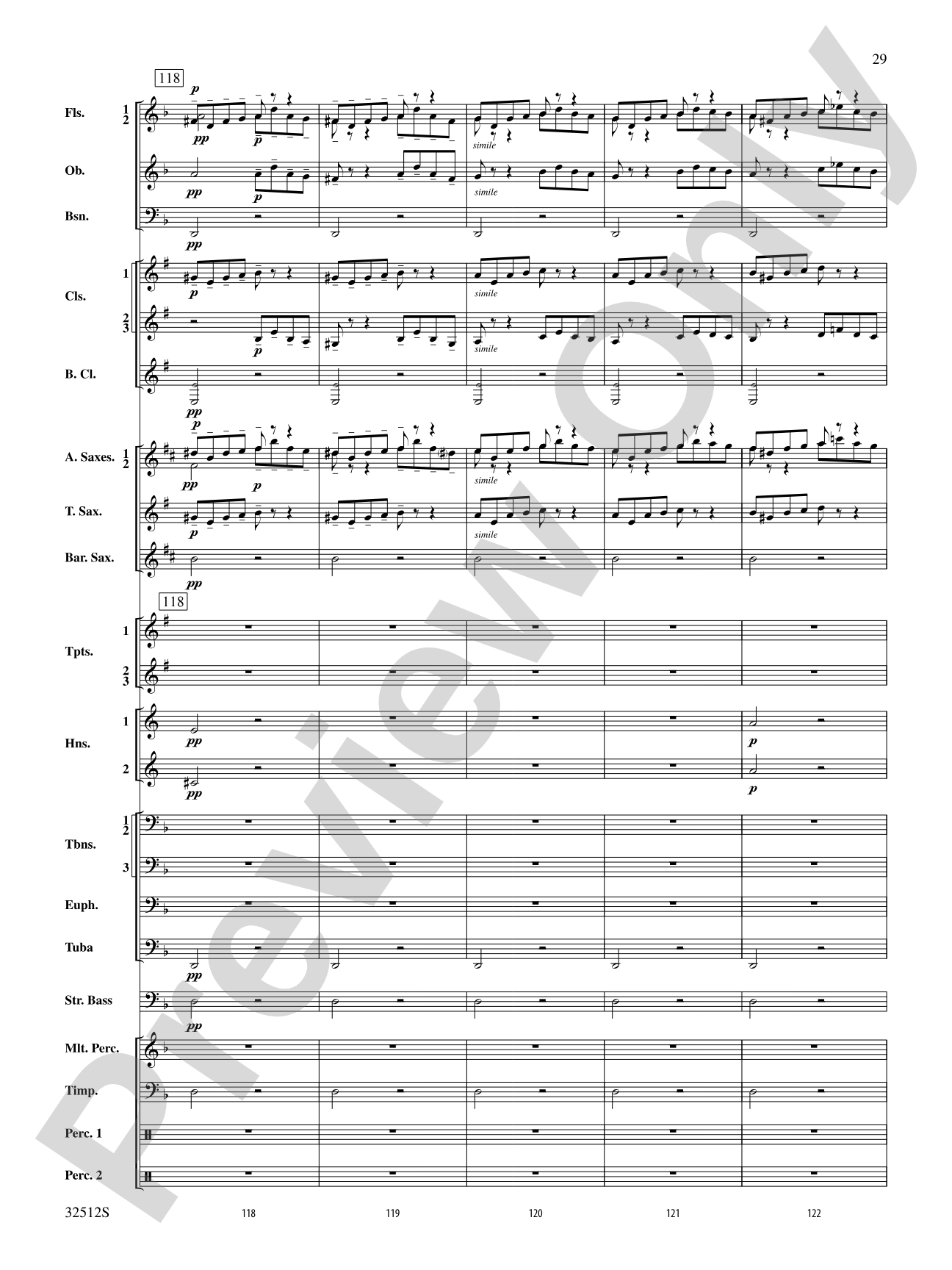
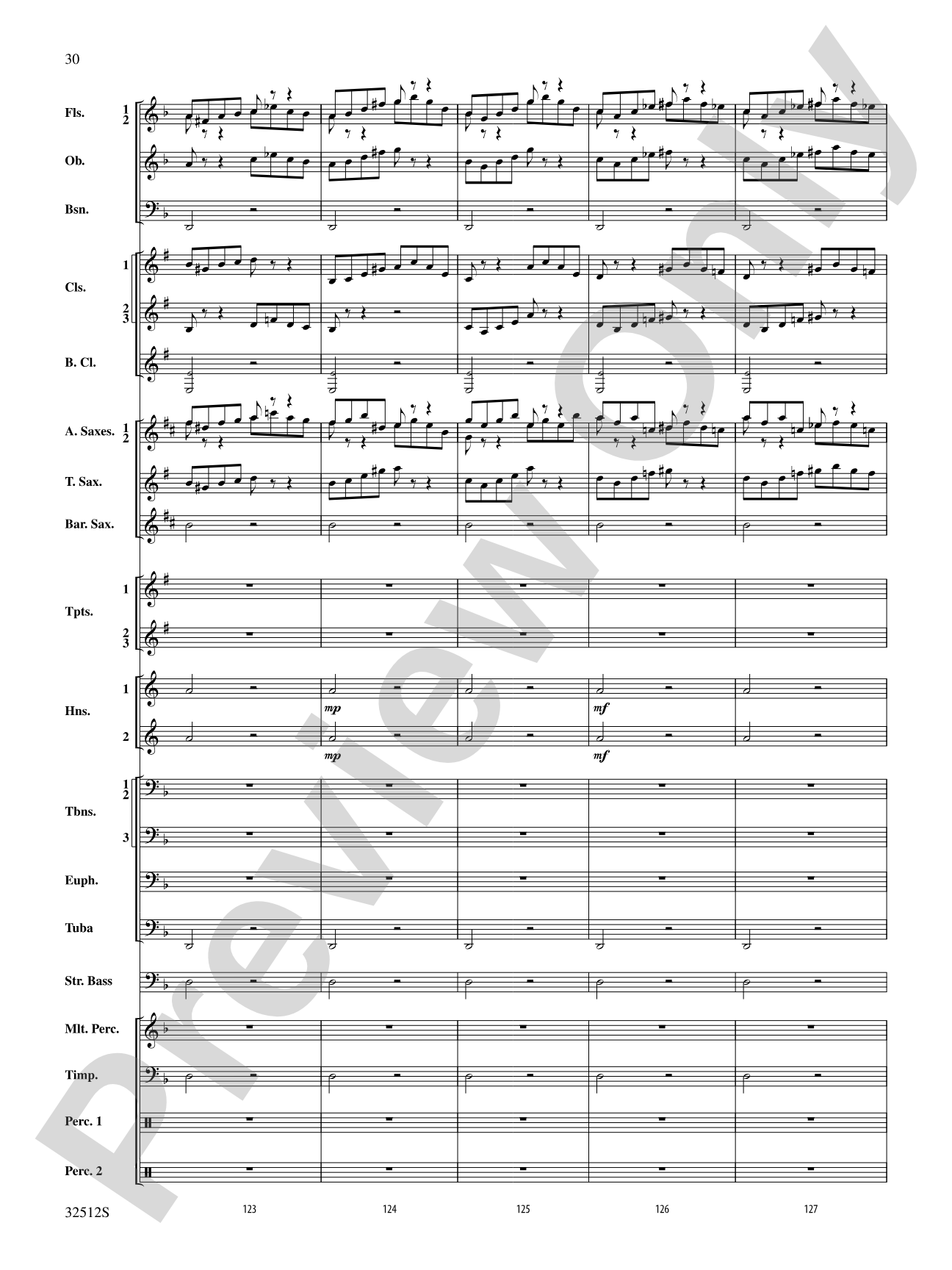
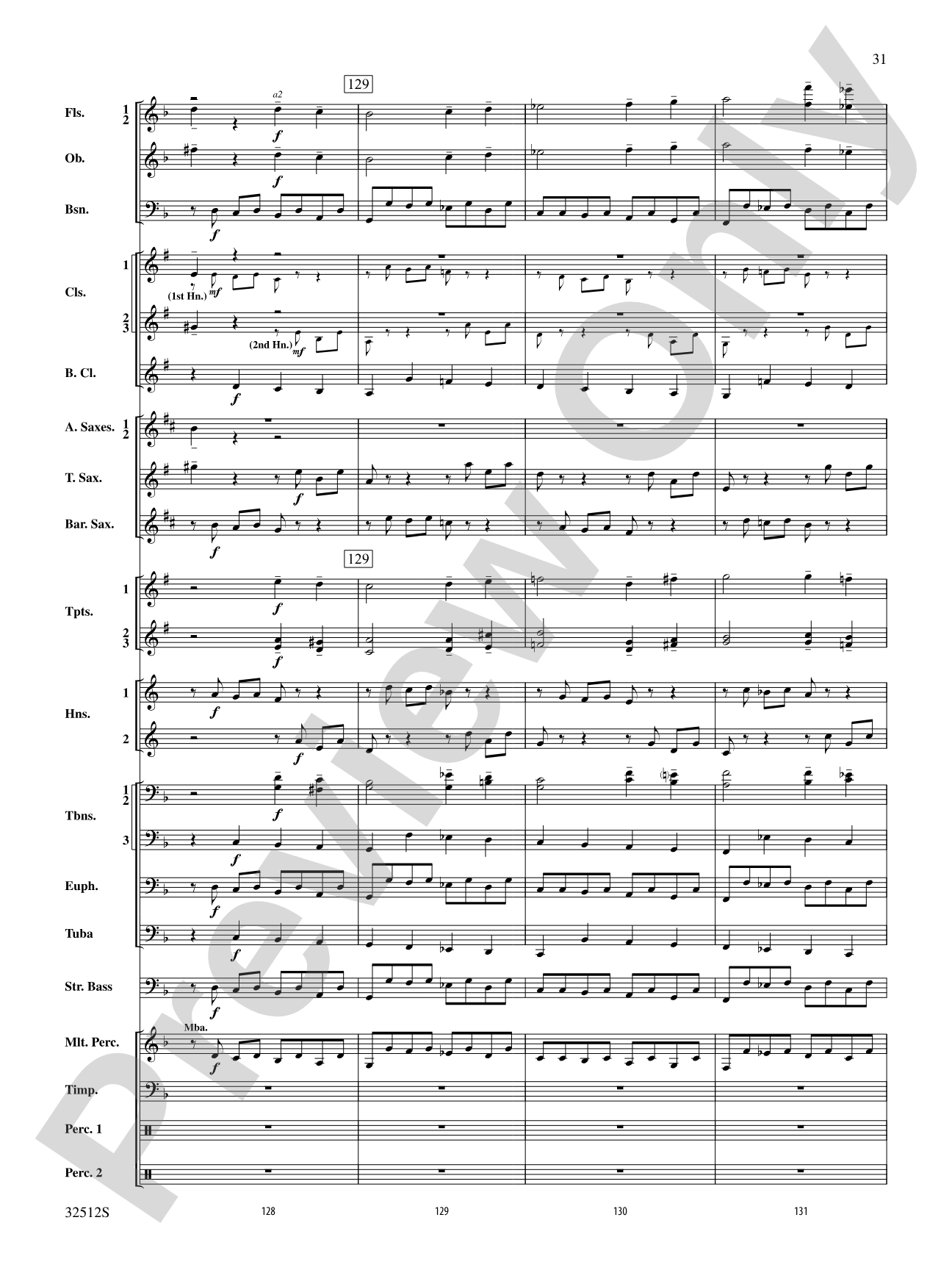
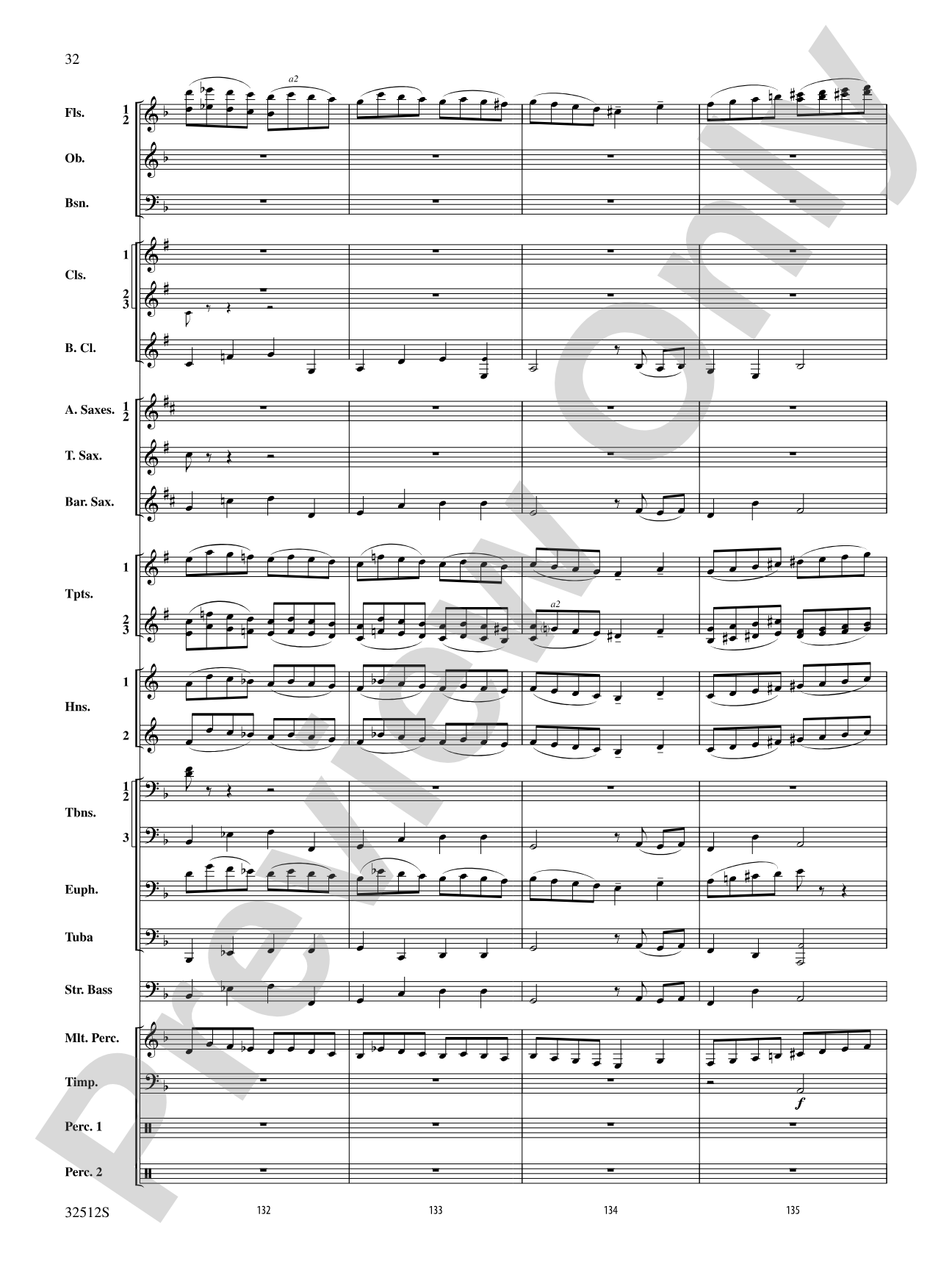
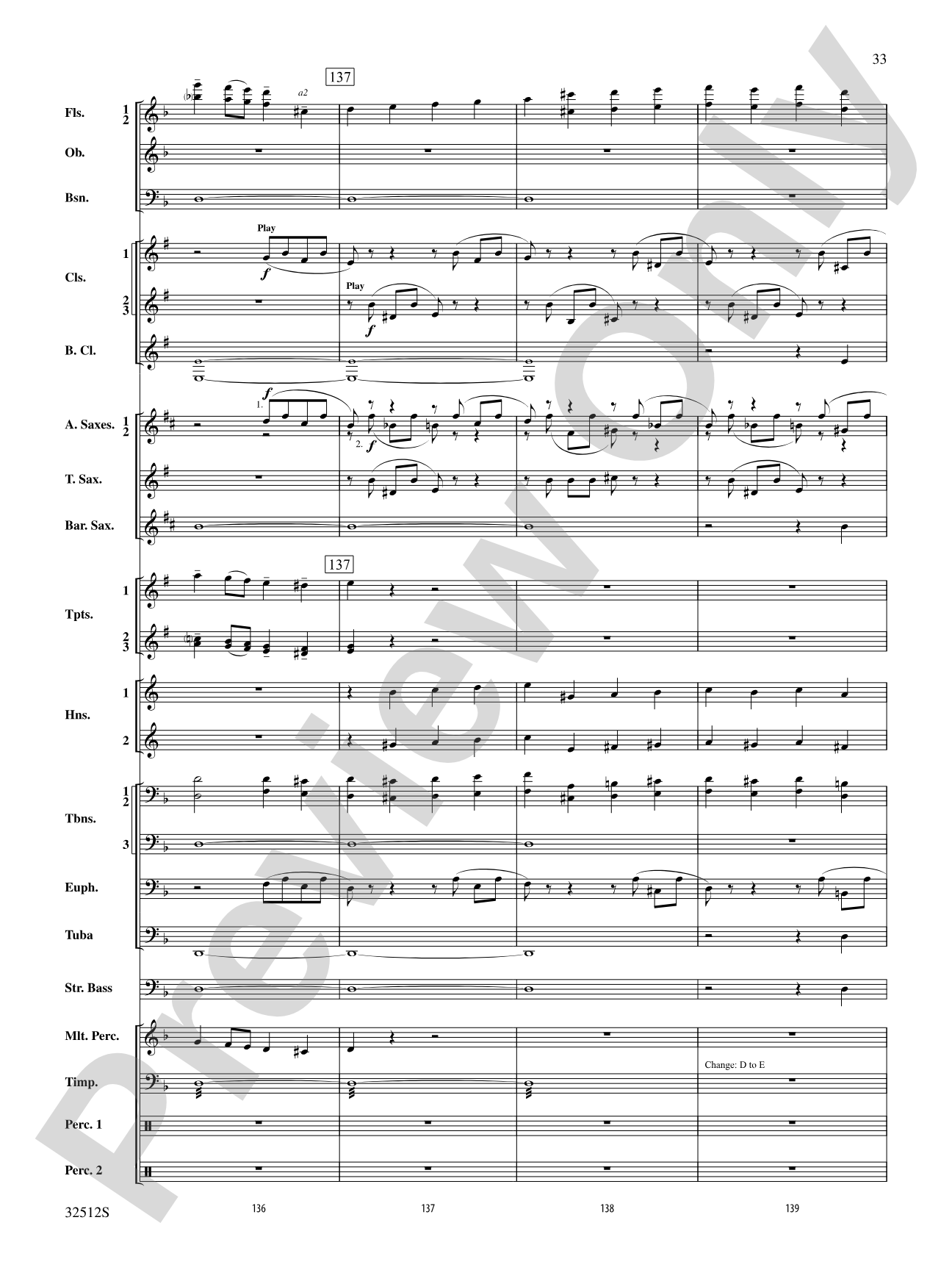
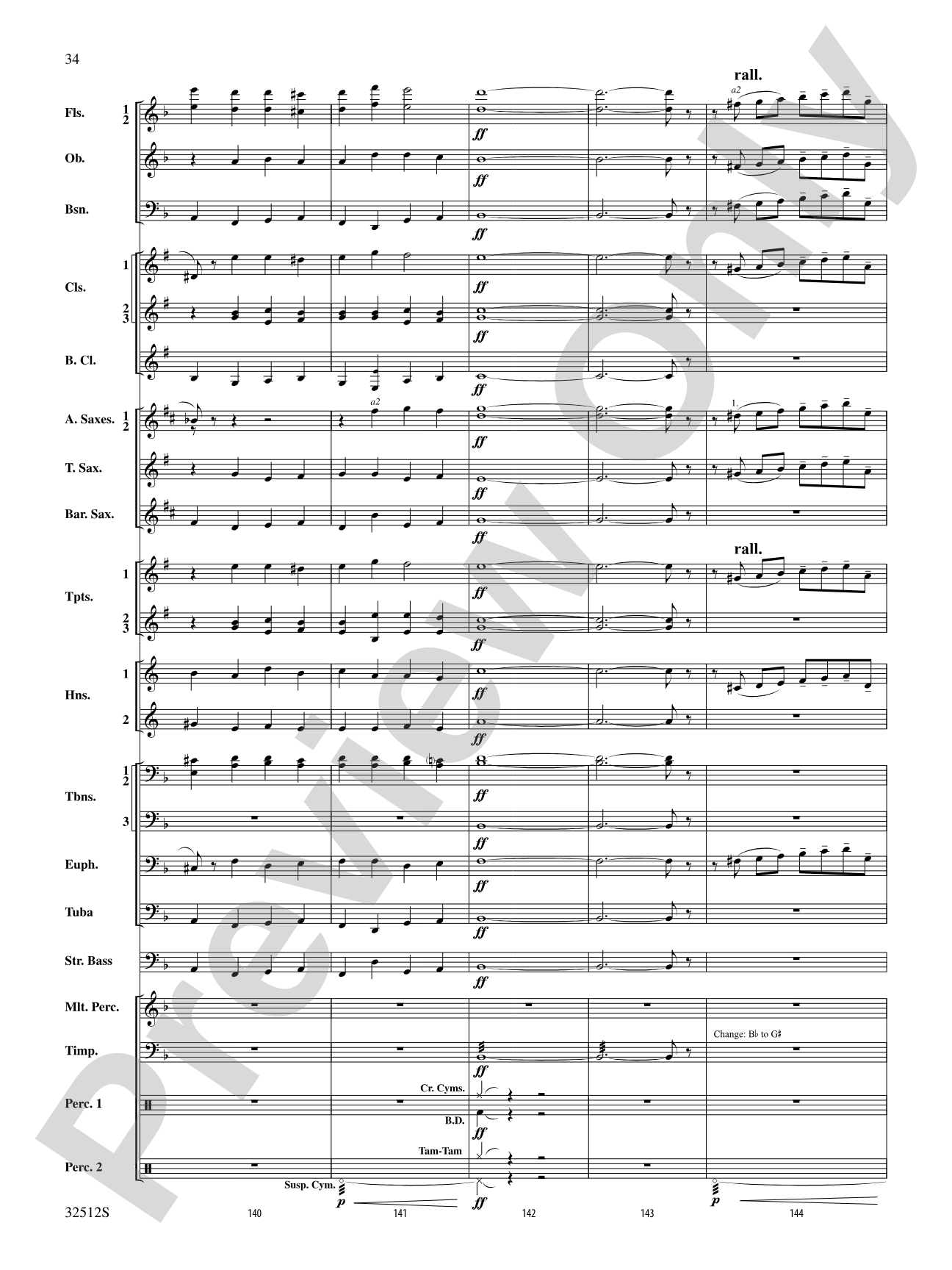
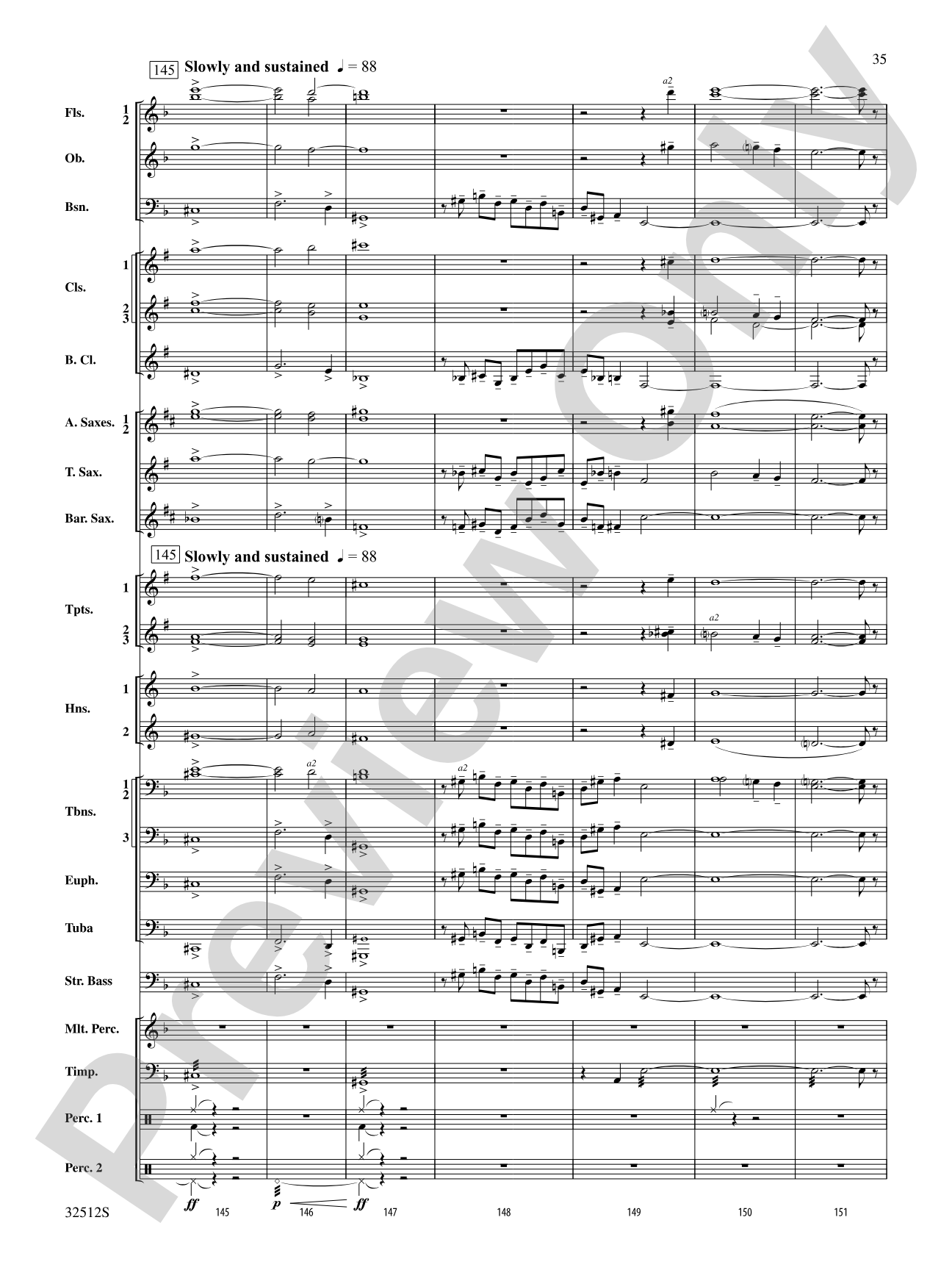
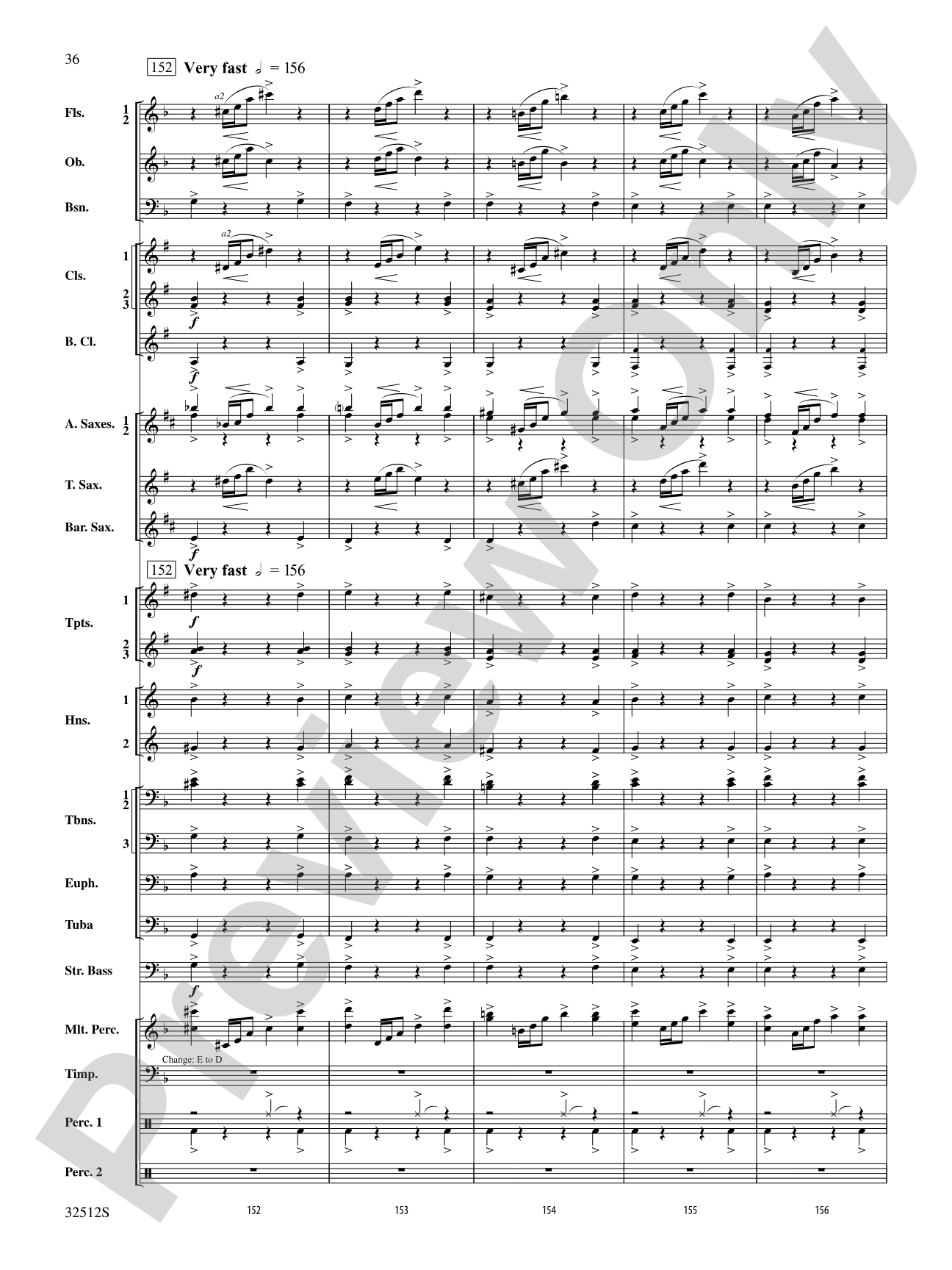
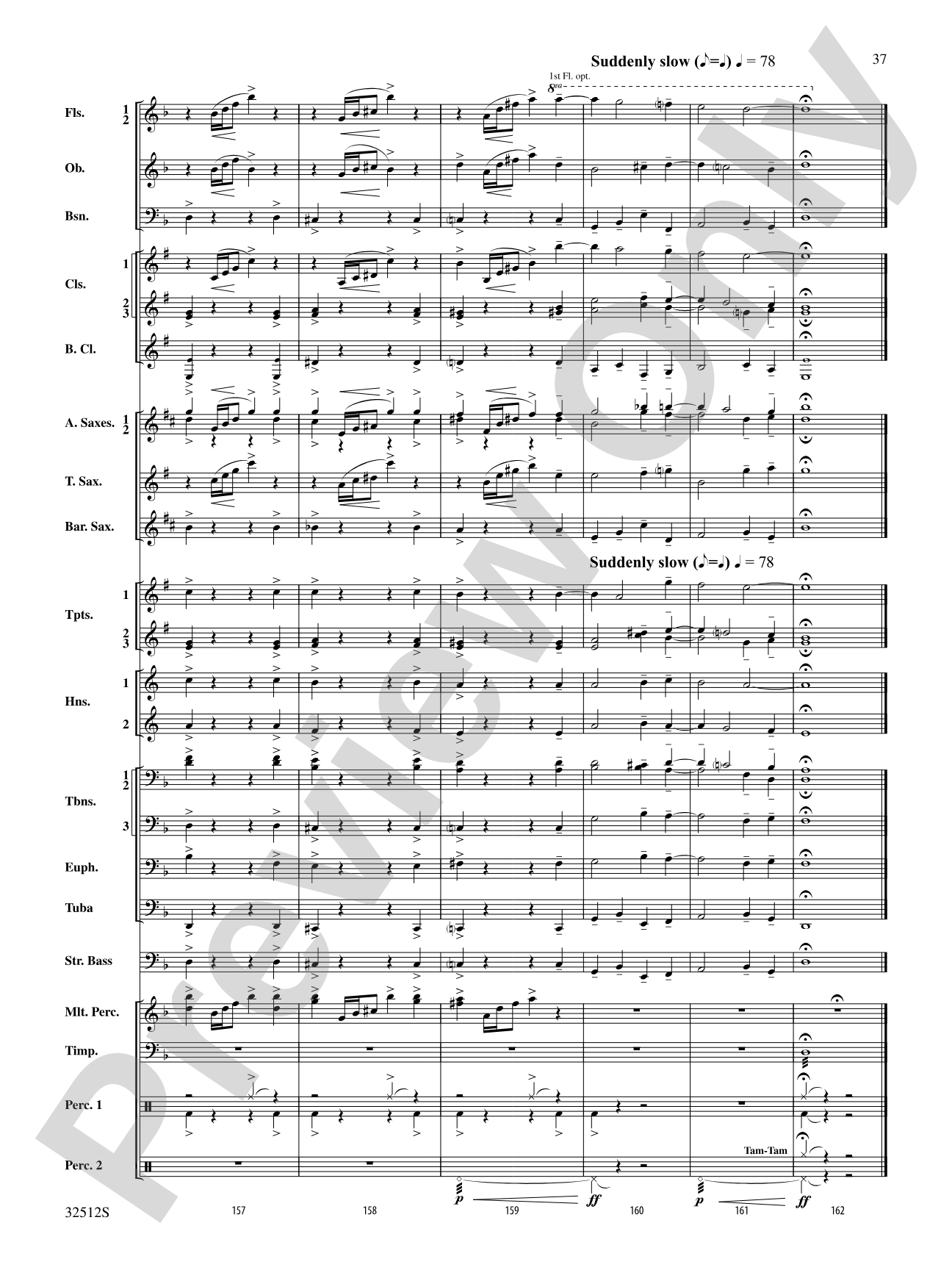




Toccata and Fugue in D Minor: Concert Band Conductor Score & Parts
BWV 565
By Johann Sebastian Bach / arr. Victor López
Grade: 3 (Medium Easy)
Item: 00-PK-0004093

$72.00
Pickup currently not available
Buy Extra Parts (Digital PDF Download)
Parts Added to Cart!
Related Items
Toccata and Fugue in D Minor: Full Orchestra Conductor Score & Parts |
$69.00
|
View | |
Toccata and Fugue in D Minor: Concert Band Conductor Score & Parts |
$70.00
|
View | |
Toccata and Fugue in D Minor: Concert Band Conductor Score |
$10.00
|
View | |
Toccata and Fugue in D Minor: Full Orchestra Conductor Score |
$8.00
|
View |
Description
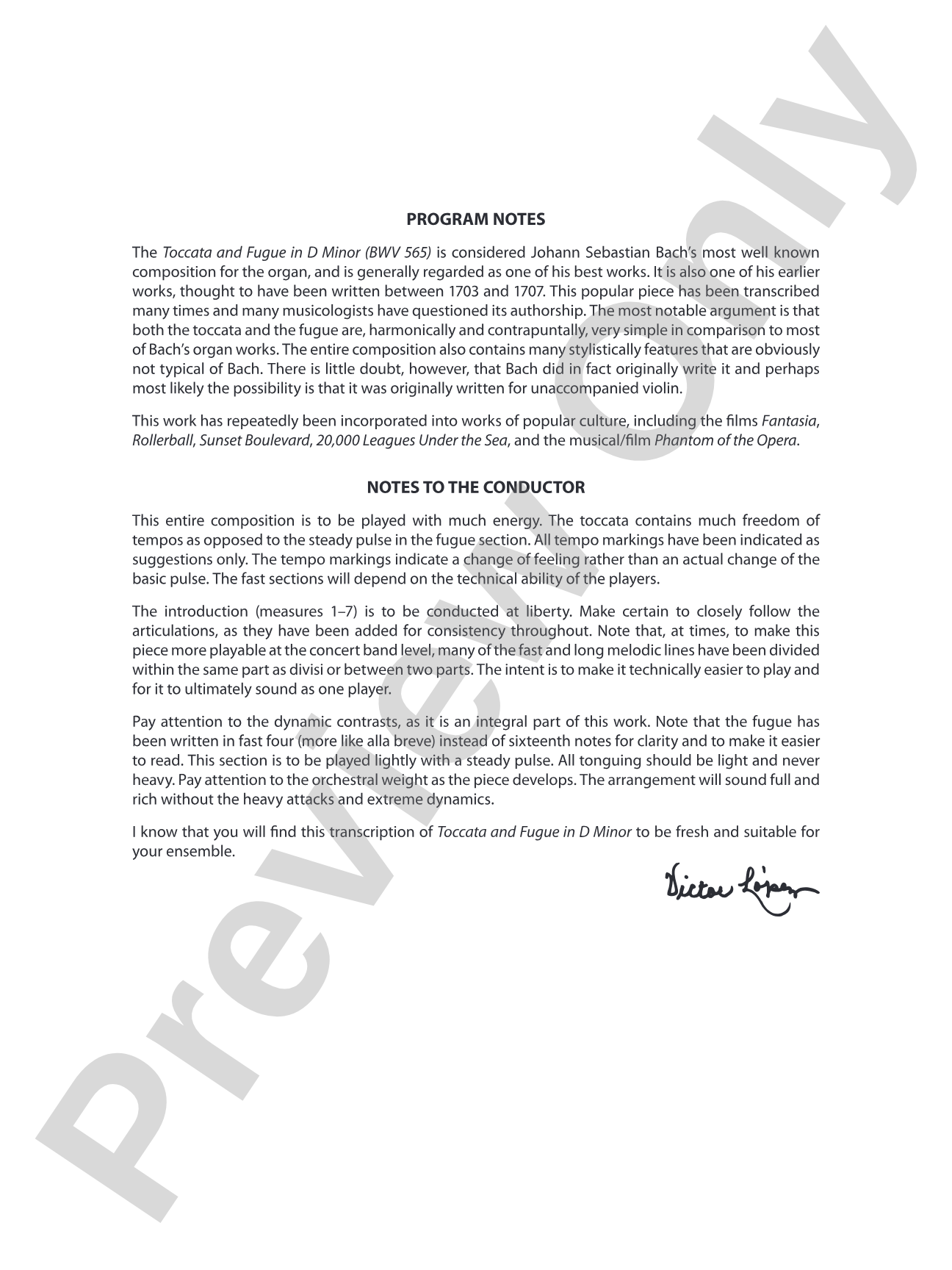
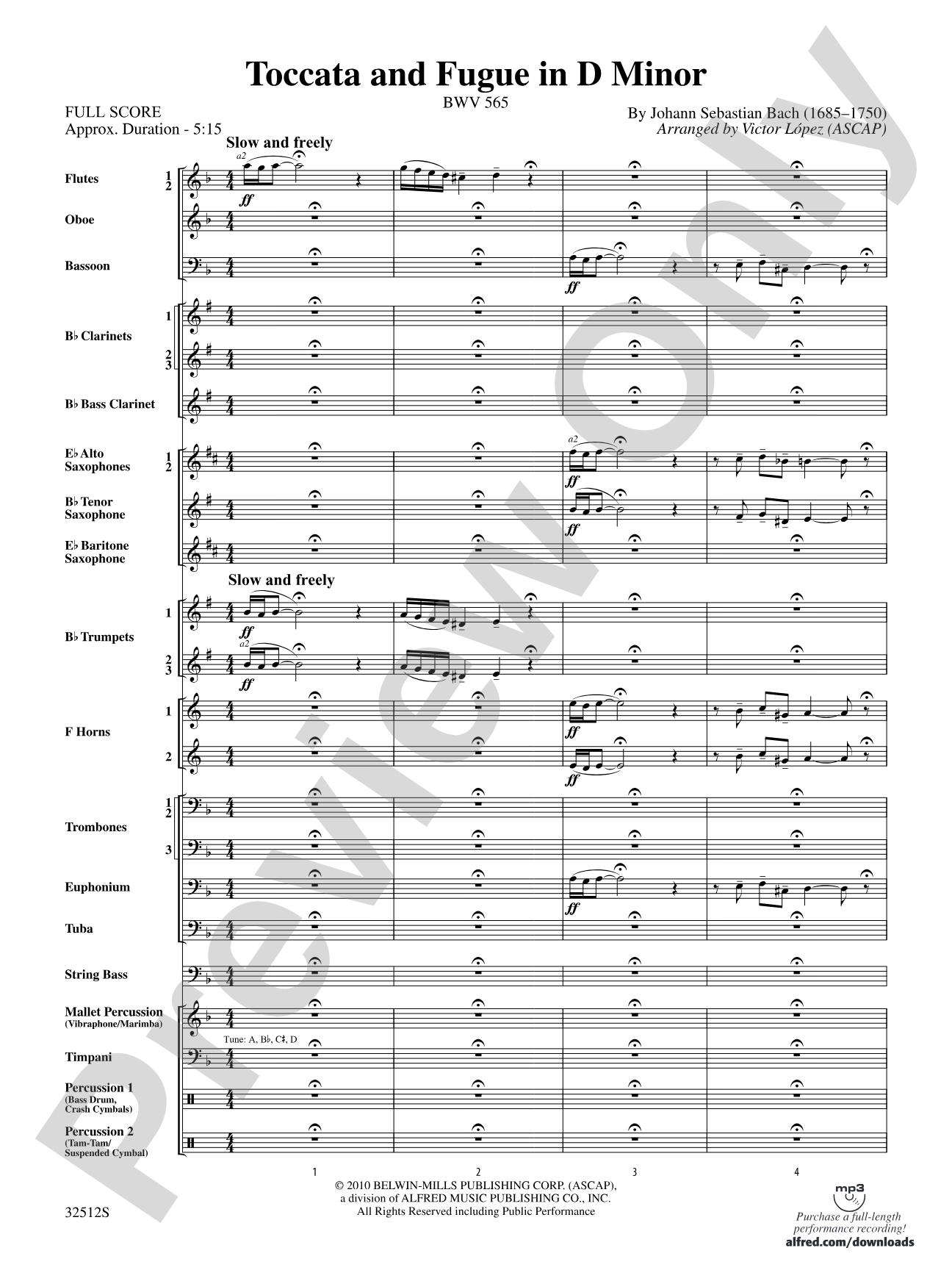
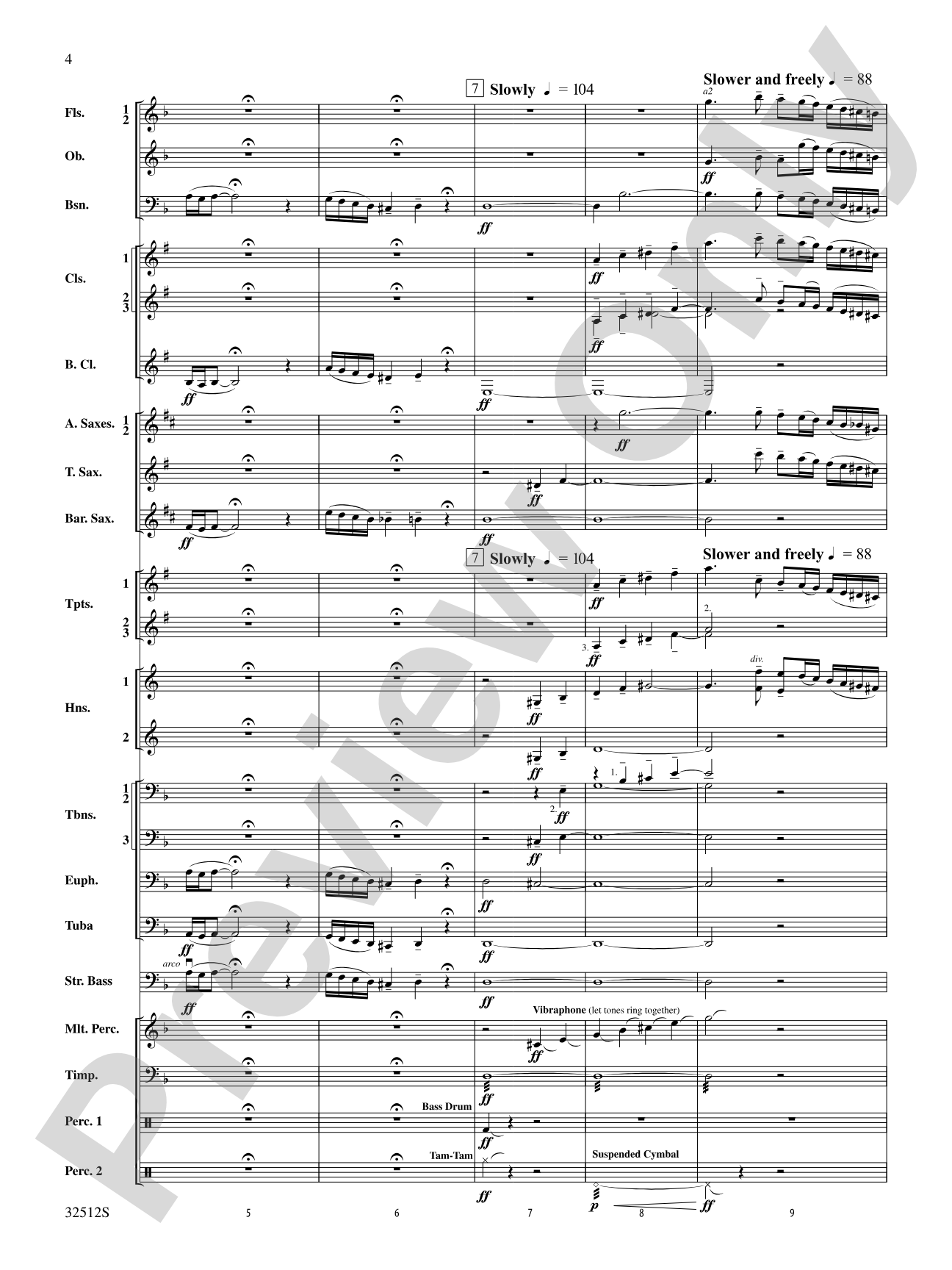
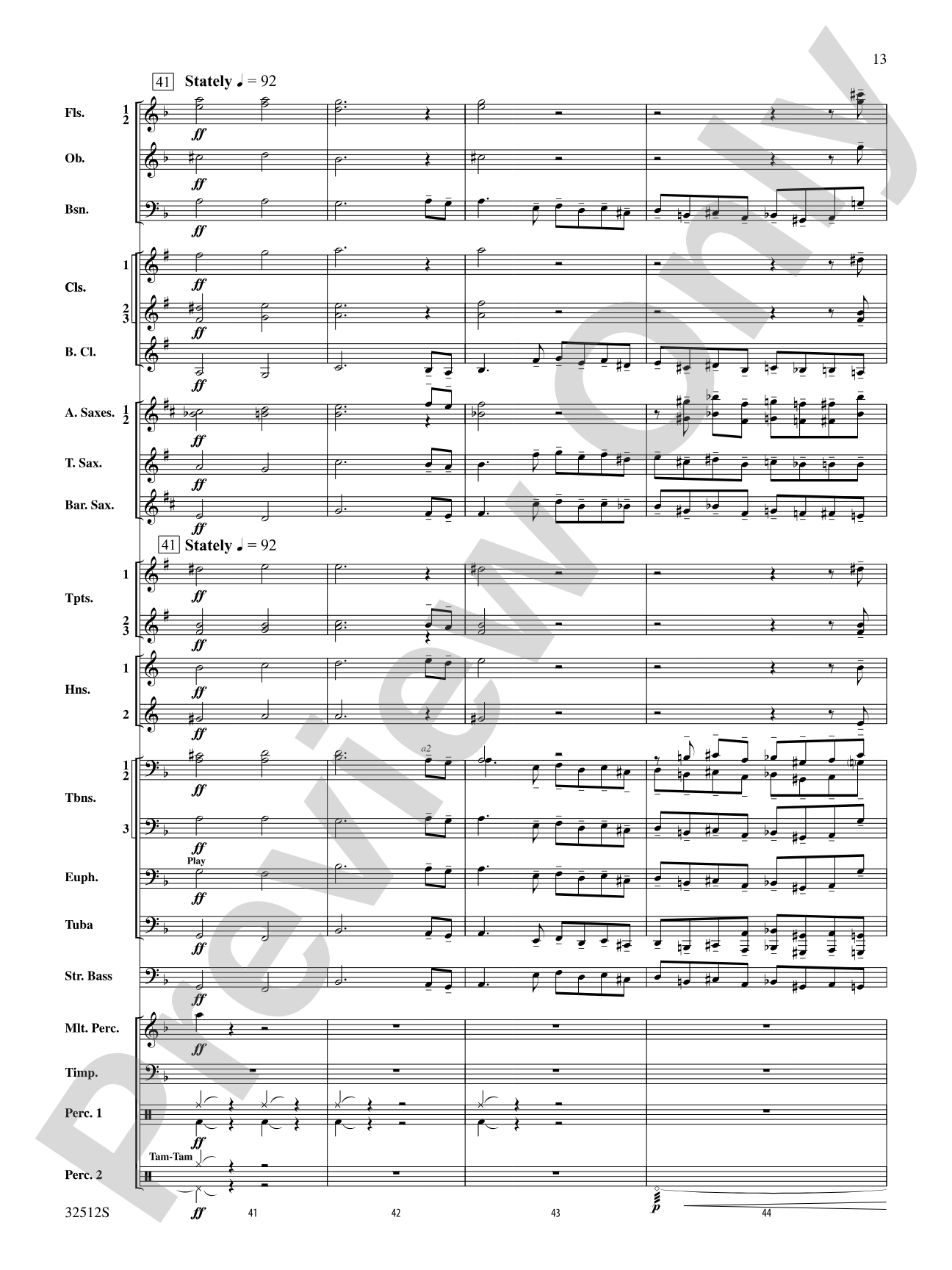
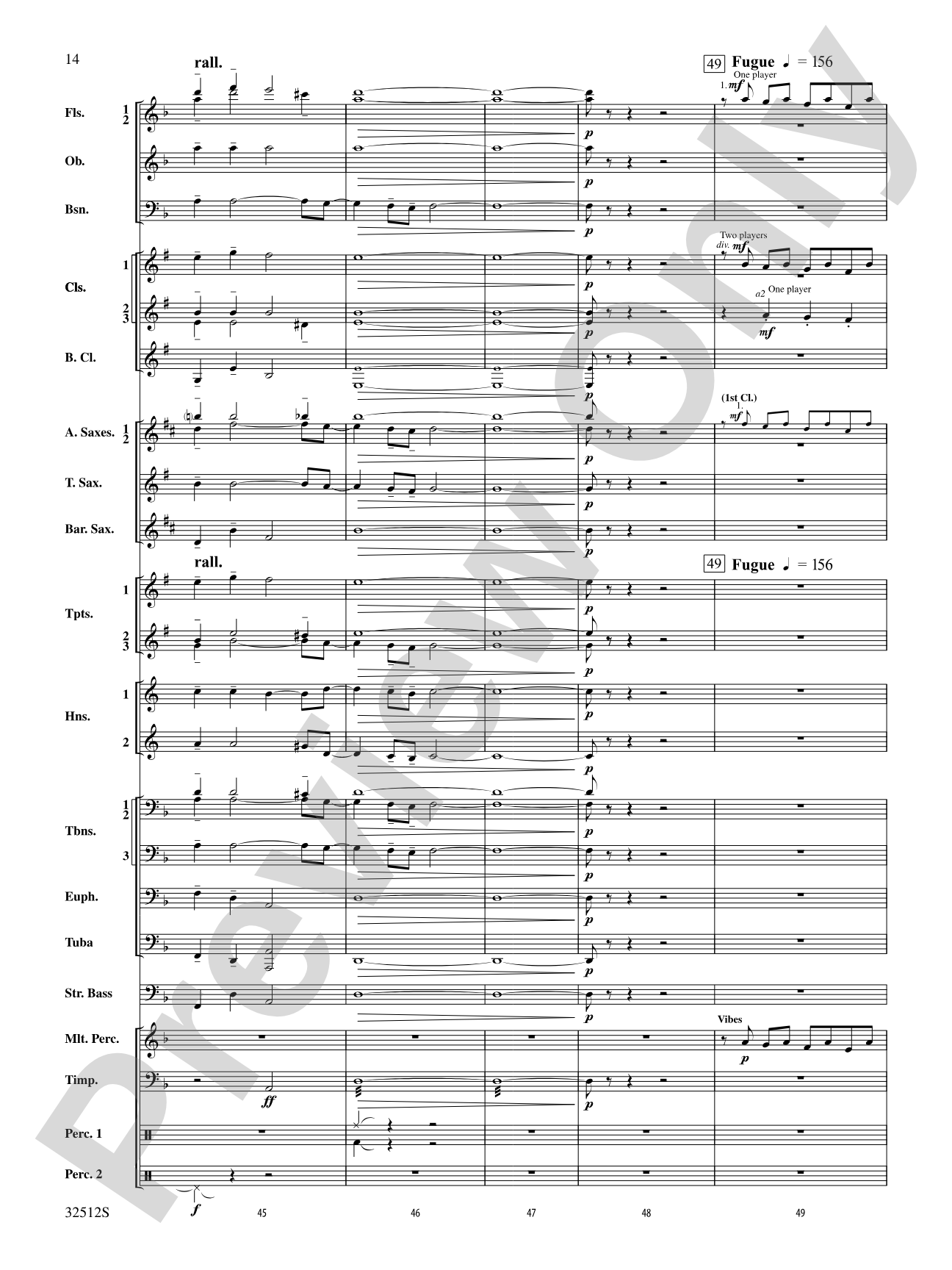
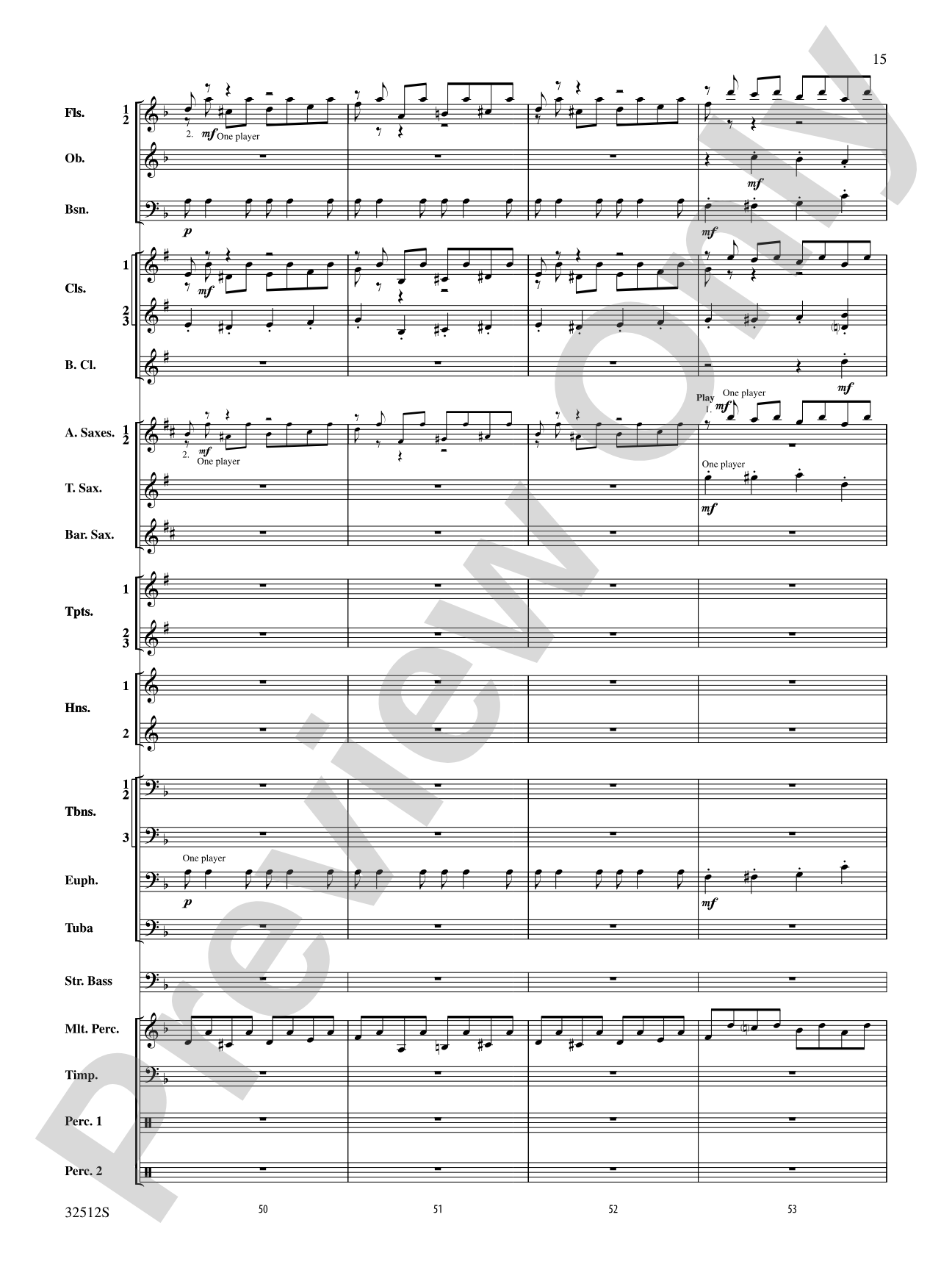
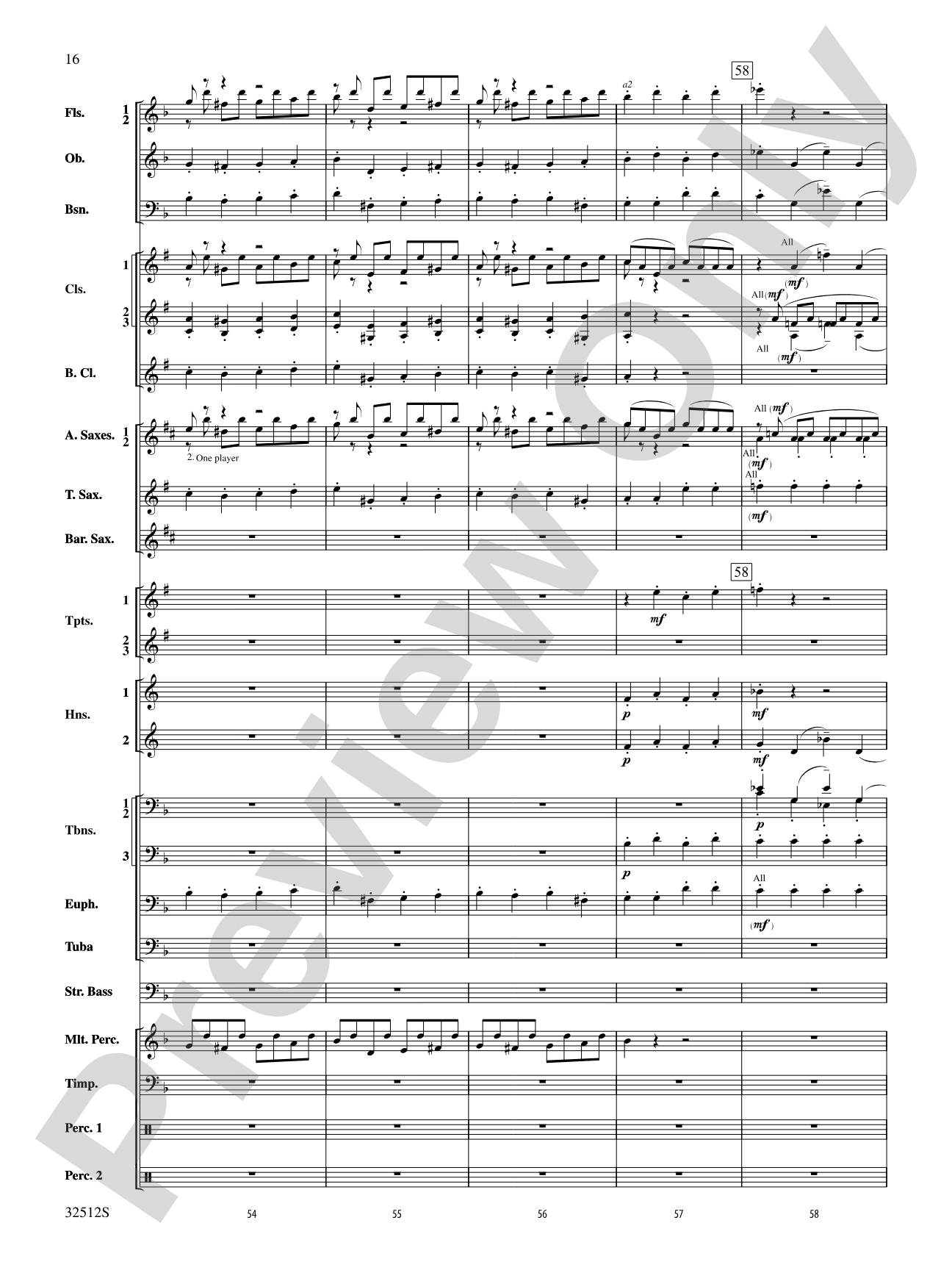
Considered his most well-known organ composition, Bach's Toccata and Fugue in D Minor has been scored for concert band. Victor López has transcribed and arranged this work and made it extremely playable at the concert band level. Although many of the developmental sections have been deleted, Victor has kept the lush and driven rendition of the original version throughout. (6:15)


Don't just read it, hear it, play along with it, and watch your students grow with it. In MakeMusic Cloud, Toccata and Fugue in D Minor: Concert Band Conductor Score & Parts comes alive with professional accompaniment, adjustable tempo, and built-in practice tools that turn solo practice into real progress.
Open in the Player
Jump straight in and assign it today.
Start Your Free Trial
Open this title and explore the full library in minutes.
Sample Audio
1
Audio File
--:--
0:00
0:00
Sample Video
Additional Details
Series:
Belwin Concert Band
Publisher:
Alfred Music
Page Count:
234
SKU:
00-PK-0004093
More about this title
About the Composer: Johann Sebastian Bach
Johann Sebastian Bach (1685, 1750) composed during the Baroque era and remains one of history's most prolific and intellectually rigorous composers. His mastery of counterpoint, harmonic innovation, and structural architecture established foundations that shaped centuries of Western music. Bach's organ works, including the Toccata and Fugue in D Minor, showcase his ability to write idiomatically for their instruments while exploring profound musical ideas.
For music educators, Bach's works offer unparalleled opportunities to teach formal structure, voice leading, and the marriage of technical display with emotional depth. His music rewards repeated listening and analysis; students discover something new each time they encounter it. The Toccata and Fugue in D Minor has become a cultural touchstone precisely because it balances accessibility with sophistication.
Why we love this
Victor López's transcription captures the visceral drama of Bach's original without overwhelming a Grade 3 ensemble. The arrangement preserves what makes this work iconic, the driving rhythmic momentum, the toccata's improvisatory swagger, and the fugue's relentless logic, while making it genuinely playable. Your students get to perform a legitimate masterwork that feels substantial in concert.
What to expect
The toccata surges with keyboard virtuosity translated into orchestral energy, all driving urgency and baroque grandeur. The fugue that follows is architectural and inexorable, each voice entering with purpose as the harmonic tension tightens, creating a sense of formal inevitability that feels both mathematically precise and emotionally compelling.
Who it's for
Band directors programming a concert or festival who want to include substantial repertoire without stepping outside Grade 3 capability. Ensembles ready to tackle contrapuntal writing and multi-voice independence will find this intellectually rewarding while remaining technically approachable.
How to get the most out of it
- Maintain clarity in the contrapuntal lines by identifying which instruments carry the primary melodic material in each section and ensuring those voices project above the supporting voices.
- Shape the opening toccata section with deliberate dynamic contrast between the driving passagework and the dramatic harmonic shifts to establish architectural direction from the first measure.
- Balance the fugue's subject entries across different instrumental choirs; resist the temptation to let the loudest section dominate when the theme moves through clarinet, saxophone, or cornet voices.
- Work the rhythm section (timpani, bass, trombone) independently before sectional rehearsals to establish the harmonic foundation that supports the faster moving parts above.
How to use it
Reserve this for a concert where it can anchor a sophisticated program rather than serve as filler. Pair it with other Baroque transcriptions or classical-era works to create a thematic concert, or program it as a powerful closing piece that demonstrates your ensemble's musicianship and range.
Skills your students will build
- Reading and performing contrapuntal textures with independent voice lines
- Sustaining ensemble blend across multiple instrumental choirs
- Tracking harmonic progression in functional Baroque harmony
- Maintaining rhythmic precision in fugal subject entries and developments
- Balancing articulation and phrasing across different instrument families