The Opener II Cover Image

The Opener II: Jazz Ensemble Conductor Score & Parts

$52.00 USD
Sale price  $52.00 USD Regular price 
Skip to product information
The Opener II Cover Image

The Opener II: Jazz Ensemble Conductor Score & Parts

By Carl Strommen

Grade: 3 (Medium)

Item: 00-41131

makemusic Cloud badge

Need it now?

Buy Digital Version
$52.00
Shipped

One moment…

Description
Open any concert with this swingin' chart that will make your audience sit up! At a tempo of 208 BPM or faster, written solo space for tenor and trumpet 2, lead trumpet range to written B above the staff, and an optional vibes part, The Opener II by Carl Strommen is complete. (3:10) This title is available in MakeMusic Cloud.

Don't just read it, hear it, play along with it, and watch your students grow with it. In MakeMusic Cloud, The Opener II: Jazz Ensemble Conductor Score & Parts comes alive with professional accompaniment, adjustable tempo, and built-in practice tools that turn solo practice into real progress.

Sample Pages

Sample Audio
0:00
0:00
Sample Video
Additional Details
Series: Jazz Band Series
Publisher: Alfred Music
Page Count: 102
UPC: 038081465494
SKU: 00-41131

More about this title

About the Composer: Carl Strommen
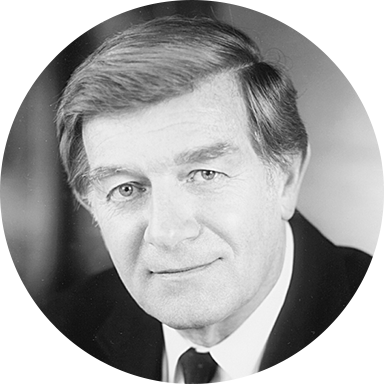
Carl Strommen

Carl Strommen has established himself as a prolific voice across band, orchestra, jazz ensemble, and vocal music, with performances of his work appearing in concert halls, television, and film worldwide. His catalog has earned him consistent recognition from ASCAP, and he remains actively engaged with the music education community as an adjunct professor of orchestration and composition at C.W. Post Campus of Long Island University while maintaining a thriving schedule as a clinician and commissioned composer.

Why we love this

Strommen wrote this chart to do exactly what its title promises: command immediate attention. The opening trumpet and tenor solos sit in the pocket enough to be accessible but demanding enough to showcase your best players, while the tempo and overall energy set a tone that tells your audience they're in for something special.

What to expect

Confident and propulsive. The fast tempo and written solo space create an immediate sense of forward motion, while the arrangement stays grounded in swing feel rather than chaos. There's sophistication here, but it wears lightly—this is jazz that swings hard without asking your players to navigate complex voicings or asymmetrical forms.

Who it's for

Jazz ensemble directors looking for a concert opener that energizes both players and audience. This works for groups with solid fundamentals and at least one capable trumpet soloist and tenor saxophonist, making it ideal for high school and early college ensembles at the intermediate level.

How to get the most out of it

  • Lock the rhythm section into that swing feel at 208 BPM before adding the horns; once the groove is solid, everything else lands more naturally.
  • Give your lead trumpet player space in rehearsal to find the right articulation for those high passages (written to B above the staff), as clarity matters more at this tempo than power.
  • If you're using the optional vibes, balance it so it enhances the groove without overpowering the horn section's drive.
  • Run the tenor and trumpet 2 solos separately during sectionals to ensure each player owns their moment; the piece deserves soloists who sound confident, not cautious.

How to use it

Program this as your opening number when you want to set an energetic tone for the entire concert. At just over three minutes, it commands full attention without overstaying its welcome, making it the perfect conversation starter before you move into more contemplative or complex works.

Skills your students will build

  • Sustaining swing articulation and feel at fast tempos (208 BPM or faster)
  • Solo improvisation and melodic interpretation on trumpet and tenor saxophone
  • Section balance and blend within a high-energy ensemble context
  • Reading lead trumpet parts with extended range (written to B above the staff)
  • Maintaining rhythmic precision in a groove-based setting

You May Also Like
