The Opener II Cover Image

The Opener II: Jazz Ensemble Conductor Score

$10.00 USD
Sale price  $10.00 USD Regular price 
Skip to product information
The Opener II Cover Image

The Opener II: Jazz Ensemble Conductor Score

By Carl Strommen

Grade: 3 (Medium)

Item: 00-41131S

$10.00
Shipped

One moment…

Description
Charlie Parker's great bebop tune arranged to swing at 172--200 BPM. Plenty of excellent sax section solis, brass solis, solo space (suggested written solos) for tenor and piano and the lead trumpet range goes up to written B-flat above the staff. Includes optional flute and vibraphone parts. Ornithology arranged by Greg Yasinitsky is a fine big band swing chart on a great tune. Dedicated to the 2012 Wyoming All State Jazz Band---Neil Hansen, Director. (4:34) This title is available in MakeMusic Cloud.

The Opener II: Jazz Ensemble Conductor Score isn't in MakeMusic Cloud just yet...but it could be. Let us know you'd like to see it, and you'll help shape what comes next. In the meantime, start a free trial and dive into thousands of interactive titles your students can play along with today.

Sample Pages

Sample Audio
0:00
0:00
Sample Video
Additional Details
Series: Jazz Band Series
Publisher: Alfred Music
Page Count: 20
UPC: 038081465500
SKU: 00-41131S

More about this title

About the Composer: Carl Strommen
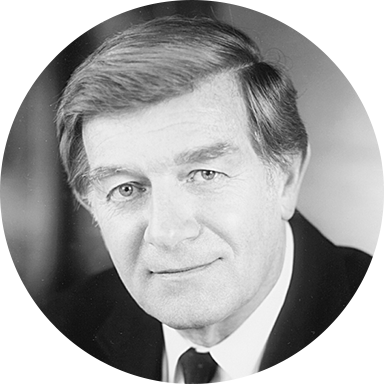
Carl Strommen

Carl Strommen ranks among the most frequently performed composer-arrangers working across band, orchestra, jazz ensemble, and choral literature. His music appears regularly in concert halls, on television, and in film scoring, and he remains a sought-after clinician and commission composer.

Strommen earned his degree from the City College of New York and currently teaches orchestration and composition as an adjunct professor at C.W. Post Campus of Long Island University. He maintains dual residence on Long Island and in Colorado, where he spends significant time with family. His consistent output has earned him multiple ASCAP Standard Writers Awards.

Why we love this

Yasinitsky's arrangement captures everything that makes Ornithology swing: the melody sits perfectly for a lead trumpet who can handle the high register, the sax section gets substantial solo material that lets each voice shine, and the whole band arrangement supports rather than overshadows the soloists. This is a tune that sounds like your jazz ensemble is already having a conversation, not reading a chart.

What to expect

A bebop line with real swing energy: bright, purposeful, and full of the kind of harmonic movement that keeps improvisers engaged. The arrangement strikes a balance between orchestral sophistication and the intimate feel of small-group jazz.

Who it's for

Jazz ensemble directors working with solid intermediate to advancing players who are ready to tackle bebop language and extended solo passages. Groups that want a vehicle for featuring multiple soloists within a carefully crafted arrangement.

How to get the most out of it

  • Lock the articulation in the sax section during the opening statement; these lines need to breathe together before passing to the brass.
  • The tempo range (172, 200 BPM) gives you flexibility to match your ensemble's tightness and the room acoustics. Start conservatively and let the groove settle before pushing.
  • Give the tenor soloist and pianist written suggestions, but leave room for them to find their own voice inside the changes. The best solos come when players trust their ears.
  • Balance the vibraphone and optional flute parts in rehearsal; they add color without needing to compete for space if the rest of the ensemble locks in.

How to use it

Reserve this for a concert where your audience is ready for a proper jazz piece, it rewards active listening and showcases individual players. Pair it with standard ballad or blues charts to demonstrate range, or program it in the second set when the ensemble is warmed up and confident.

Skills your students will build

  • Bebop phrasing and articulation in saxophone sections
  • Improvisation over II-V-I progressions and extended changes
  • Lead trumpet range extension and accuracy in the upper register
  • Listening and responding to other soloists during collective improvisation
  • Maintaining groove at variable tempos (172, 200 BPM)
  • Balancing section work with featured solo passages

You May Also Like