The Lady Is a Tramp Cover Image

The Lady Is a Tramp: Vocal Solo with Jazz Ensemble Conductor Score & Parts

$62.00 USD
Sale price  $62.00 USD Regular price 
Skip to product information
The Lady Is a Tramp Cover Image

The Lady Is a Tramp: Vocal Solo with Jazz Ensemble Conductor Score & Parts

Vocal Feature

Arr. Dave Wolpe

Grade: 3 (Medium)

Item: 00-JEVM00004

Need it now?

Buy Digital Version
$62.00
Shipped

One moment…

Description
Another outstanding jazz vocal with jazz ensemble! This chart is totally flexible---it's written in two keys! The higher key usually works for your male vocalist and the lower key for your female vocalist; if not, just switch. It's that easy! In addition to the vocal solo, this swinging Rogers and Hart song has a trombone jazz solo (or optional scat vocal solo) and written written ensemble horn lines for the vocalist, both great opportunities to integrate your vocalist with the ensemble. Dave Wolpe thinks of everything, and he writes some of the best charts in the music business. Very effective! (Female key (low): G below middle C to third line B, treble clef---Male key (high): B-flat below middle C to fourth line D, treble clef)

The Lady Is a Tramp: Vocal Solo with Jazz Ensemble Conductor Score & Parts isn't in MakeMusic Cloud just yet...but it could be. Let us know you'd like to see it, and you'll help shape what comes next. In the meantime, start a free trial and dive into thousands of interactive titles your students can play along with today.

Sample Pages

Sample Audio
0:00
0:00
Sample Video
Additional Details
Series: Jazz Vocal Series
Publisher: Alfred Music
Page Count: 82
ISBN10: 0-7579-3456-0
ISBN13: 978-0-7579-3456-8
UPC: 654979178613
SKU: 00-JEVM00004

More about this title

About the Arranger: Dave Wolpe
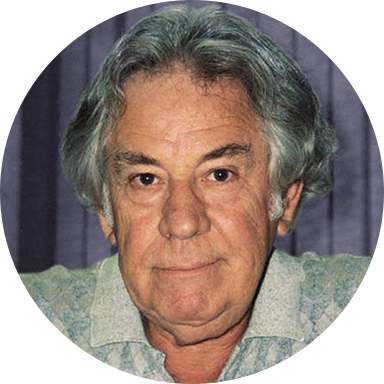
Dave Wolpe

Dave Wolpe's arranging career spans nearly six decades, beginning in 1965 with a commitment to the big band tradition. He's crafted dozens of charts for the Glenn Miller Orchestra and served as co-arranger on the platinum-selling In the Christmas Mood, work that demonstrated his ability to balance commercial appeal with musical sophistication. Beyond the Miller legacy, Wolpe has contributed arrangements to orchestras led by Ray Anthony, Lawrence Welk, and Les Brown, earning consistent respect across multiple generations of bandleaders.

Why we love this

Wolpe designed this chart with the real constraints of the school jazz program in mind. The dual-key option removes the friction of finding the right transposition for your vocalist; you literally have both options printed and ready to go. The integrated trombone solo plus optional scat vocal alternate, combined with ensemble horn lines that support rather than overshadow the vocalist, shows an arranger thinking about how to let your ensemble shine while keeping focus exactly where it belongs.

What to expect

Sophisticated, swinging, and urbane. This is the kind of tune that belongs in a nightclub or a supper club, and the arrangement captures that intimate sophistication while giving your ensemble genuine opportunities to sound like real jazz musicians responding to a vocalist rather than a backing track.

Who it's for

Jazz ensembles with a strong vocalist and players ready to interact with a vocal soloist in a real ensemble setting. The Grade 3 difficulty suits groups that have covered the fundamentals of jazz feel and are ready to balance accompaniment with front-line focus.

How to get the most out of it

  • Assign the trombone solo or scat option based on what your ensemble needs to hear. If your trombonist needs a feature, take the trombone solo; if your vocalist needs rhythmic and harmonic support from the horn section, go with the scat option and lock the ensemble figures to the vocal phrasing.
  • Balance the vocal line against the ensemble by checking your blend in the written ensemble sections. Wolpe's voicings sit perfectly for a vocalist with natural acoustics if your lead players aren't overpowering the melody.
  • Anchor the rhythm section first. The swing feel on this Rogers and Hart standard needs a solid connection between bass, drums, and comping piano before you add the horn lines or vocal.

How to use it

This works beautifully as a concert closer or as the feature moment in a jazz showcase where you want to highlight both your vocalist and your ensemble's maturity. Pair it with a fast bebop head earlier in the program to frame your group's range across the jazz vocabulary.

Skills your students will build

  • Accompanying a vocal soloist with ensemble sensitivity and balance
  • Navigating swing eighths and jazz phrasing in an ensemble setting
  • Responding to vocal phrasing while maintaining ensemble cohesion
  • Reading and executing written horn sections that support rather than compete with a melody

You May Also Like