The Jazz Police Cover Image

The Jazz Police: Marching Band Conductor Score & Parts

$50.00 USD
Sale price  $50.00 USD Regular price 
Skip to product information
The Jazz Police Cover Image

The Jazz Police: Marching Band Conductor Score & Parts

By Gordon Goodwin / arr. Mike Story

Grade: 2 (Easy)

Item: 00-42100

makemusic Cloud badge

Need it now?

Buy Digital Version
$50.00
Shipped

One moment…

Description
Gordon Goodwin's Big Phat Band is one of the hottest (and coolest) jazz bands ever! Mike Story has crafted one of their most popular tunes into a version that any band can play. All of the excitement and drive from the original are present in this great chart. Check it out! (1:50)

Don't just read it, hear it, play along with it, and watch your students grow with it. In MakeMusic Cloud, The Jazz Police: Marching Band Conductor Score & Parts comes alive with professional accompaniment, adjustable tempo, and built-in practice tools that turn solo practice into real progress.

Sample Pages

Sample Audio
0:00
0:00
Sample Video
Additional Details
Series: Big and Easy
Publisher: Alfred Music
Page Count: 118
UPC: 038081479781
SKU: 00-42100

More about this title

About the Composer: Gordon Goodwin
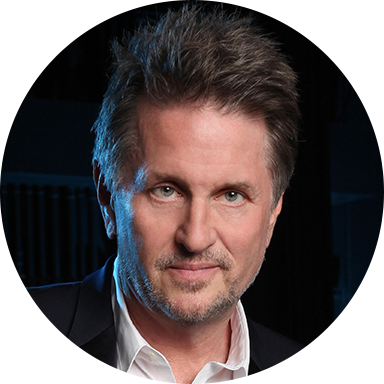
Gordon Goodwin

Gordon Goodwin started composing full arrangements in his head at age five, writing complete pieces rather than fragments. By thirteen, he had already completed his first big band chart, Hang Loose, signaling a talent that would shape his entire career. His work in film and television has earned him three Emmy Awards and multiple Grammy nominations, with scores heard in Bad Boys II, Remember the Titans, Star Trek: Nemesis, and other major productions. He has also written for and performed alongside artists including Christina Aguilera, Quincy Jones, Ray Charles, and many others, conducting with symphony orchestras across North America and Europe.

In 2000, Goodwin founded Gordon Goodwin's Big Phat Band, establishing himself as a bandleader and arranger on the contemporary jazz scene. The ensemble's debut album, Swingin' for the Fences, made history as the first commercially available DVD Audio release and earned two Grammy nominations. His subsequent albums, including XXL, continued to receive critical recognition and Grammy nominations in the Best Large Jazz Ensemble Album category. Goodwin's arranging style combines the precision of classical orchestration with the energy and sophistication of modern big band jazz.

Why we love this

This arrangement brings the infectious energy of a working professional jazz ensemble down to a level your students can actually execute and own. Mike Story has stripped away nothing essential; the groove, the phrasing, the attitude of the original remain intact, but the voicings and technical demands fit a Grade 2 band. Directors get a chart that sounds genuinely exciting without requiring virtuosos.

What to expect

This chart swings with attitude and pocket. The melody sits easy and conversational in the brass, while the rhythm section drives the groove forward with a contemporary jazz bounce. The arrangement has flash and funk without pretense; it sounds professional because it comes from a professional band.

Who it's for

High school bands or accomplished middle school groups looking for genuine jazz repertoire at an accessible reading level. Directors seeking a crowd-pleasing opener or closer that energizes both the ensemble and the audience without demanding months of rehearsal.

How to get the most out of it

  • Lock the backbeat through the section players; the rhythm section needs to sit solidly on beats 2 and 4 for the swing feel to land cleanly.
  • Lean into the syncopation rather than fighting it; encourage students to hear the jazz line as a conversation, not a march.
  • Balance the brass section so the muted trumpet passages cut through without overwhelming the saxophones in the melody.
  • Use the dynamic contrast strategically; the 1:50 duration benefits from clear arrival points and a sense of buildup toward the finish.

How to use it

Program this as an opener to signal energy and sophistication to your audience, or use it as a festival or contest selection where you want to stand out with contemporary material. It pairs well in a concert that mixes classical and popular styles, or as the capstone to a jazz unit where students have been building swing vocabulary.

Skills your students will build

  • Swing eighth-note interpretation and feel
  • Reading and executing syncopated rhythms across the ensemble
  • Balancing jazz articulation (legit vs. rhythmic phrasing) within sections
  • Responding to rubato and dynamic shaping in real time
  • Section independence while maintaining ensemble cohesion

You May Also Like
