The Gallery Cover Image

The Gallery: SATB Choral Octavo

$2.20 USD
Sale price  $2.20 USD Regular price 
Skip to product information
The Gallery Cover Image

The Gallery: SATB Choral Octavo

Words by Vincent van Gogh, Edgar Degas, Leonardo da Vinci, Pablo Picasso, and Michelangelo, music by Christopher Fox

Item: 00-50128

Need it now?

Buy Digital Version
$2.20
Shipped

One moment…

Description
Transform your choral stage into a canvas for imagination with this innovative piece for concert or festival. The words of Vincent van Gogh, Edgar Degas, Leonardo da Vinci, Pablo Picasso, and Michelangelo come together to form an inspiring collective work. The ever-changing palette of musical colors reflects the time periods in which each of these artists lived. Discover more at alfred.com/thegallery.

The Gallery: SATB Choral Octavo isn't in MakeMusic Cloud just yet...but it could be. Let us know you'd like to see it, and you'll help shape what comes next. In the meantime, start a free trial and dive into thousands of interactive titles your students can play along with today.

Sample Pages

Sample Audio
0:00
0:00
Sample Video
Additional Details
Series: Alfred Choral Designs
Publisher: Alfred Music
Page Count: 16
UPC: 038081572987
SKU: 00-50128

More about this title

About the Composer: Christopher Fox
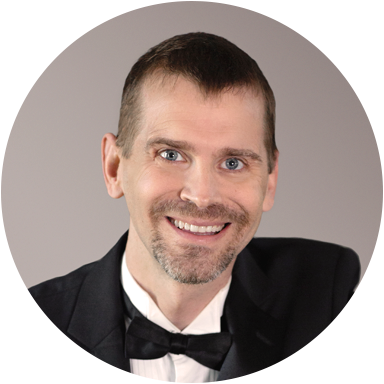
Christopher Fox

Christopher Fox directs choruses at Glenelg High School in Howard County, Maryland, where he has built a reputation as both a composer and clinician working across more than one hundred projects in the past decade. His choral writing has earned recognition as a distinctive voice in contemporary choral music, with multiple "Editor's Choice" awards and commissions from ensembles including the VCDA Junior All-State Treble Choir, Virginia Organization of Kodály Educators, Fairfax Choral Society, Penn State University, and several Tri-State District Honors Choirs. His music is published internationally through Alfred Music, Hal Leonard, and Santa Barbara.

Fox holds a Bachelor of Science in Music Education from Indiana University of Pennsylvania and a Master's in Education from Loyola University Baltimore, where he completed his Kodály certification through The American Kodály Institute. He previously served as adjunct faculty for the University of Mary Washington Theatre Department and has received "Teacher of the Year" recognition twice during his career.

Why we love this

This piece demonstrates Fox's gift for layering literary substance with musical sophistication. Rather than treating the artists' words as decoration, he uses shifting harmonic palettes to mirror each creator's historical moment, which means your singers engage with both the text and the compositional craft behind it. The festival programming possibilities are wide open, yet the piece never feels like a crowd-pleaser compromise.

What to expect

The Gallery unfolds like a museum walk where each gallery space holds a different era's light and energy. Fox's orchestration of the five artists' voices creates genuine musical contrast without fracturing coherence, moving between periods with the ease of stepping from one room to the next. Your singers will feel the transformation in their own voices as the harmonic ground shifts beneath them.

Who it's for

Concert and festival choirs with solid four-part blend and musical maturity. The piece demands precision in harmonic listening and comfort with stylistic variety, making it well suited for high school choirs and strong community ensembles ready to tackle contemporary choral writing.

How to get the most out of it

  • Study the recorded accompaniment to hear how Fox voices the harmonic shifts between each artist's section. This clarifies your own part relationships and helps singers understand their role in the larger palette.
  • Attend carefully to vowel color changes as you move between the different artistic periods represented in the text. Each era's musical language can support distinct vocal shaping.
  • Create visual focus points for your singers that correspond to the transitions between artists. This helps the ensemble feel the compositional architecture rather than treating the piece as a string of separate sections.
  • Work through text comprehension first. When singers understand what each artist actually said and why it matters, their musical commitment to the dynamic shifts deepens naturally.

How to use it

Program this alongside visual arts themes, commemorative concerts featuring interdisciplinary connections, or festival showcases where contemporary choral writing takes center stage. Its 16-page length and literary substance make it a strong anchor piece for a concert that explores artists or creativity more broadly, and it works equally well in a festival setting where contemporary secular repertoire is prioritized.

Skills your students will build

  • Harmonic listening across multiple tonal centers and periods
  • Stylistic flexibility and responsiveness to compositional context
  • Sustained focus across longer contemporary forms
  • Interpretation of text informed by historical and artistic context
  • Blend and balance in complex four-part writing

You May Also Like