Terpsichore Cover Image

Terpsichore: String Orchestra Conductor Score & Parts

$55.00 USD
Sale price  $55.00 USD Regular price 
Skip to product information
Terpsichore Cover Image

Terpsichore: String Orchestra Conductor Score & Parts

By Shirl Jae Atwell

Grade: 3

Item: 36-52250570

$55.00
Shipped

One moment…

Description
Pay tribute to the Greek muse of dance, Terpsichore, with this lively jig in G minor. Upper strings have the opportunity to shift to third position and stay there to play the main theme. Cellos are the most active shifters, using second, third, and fourth positions, and even the bass section will bounce around! An original work with a distinctly Celtic sound and feel, it's a kid-friendly fiddle tune with a catchy hook - and you can speed it up for a dizzying challenge!

Terpsichore: String Orchestra Conductor Score & Parts isn't in MakeMusic Cloud just yet...but it could be. Let us know you'd like to see it, and you'll help shape what comes next. In the meantime, start a free trial and dive into thousands of interactive titles your students can play along with today.

Sample Pages

No sample pages found.

Sample Audio
No sample audio found.
Sample Video
Additional Details
Series: Latham Music - LudwigMasters
Publisher: Keiser Productions, Inc.
UPC: 660355038082
SKU: 36-52250570
Instrumentation: String Orchestra

More about this title

About the Composer: Shirl Jae Atwell
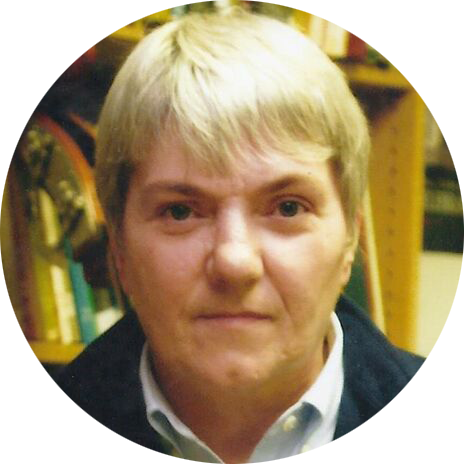
Shirl Jae Atwell

Shirl Jae Atwell holds degrees from Kansas State Teachers College and the University of Louisville, where she earned her Master of Music in Theory and Composition. She continued her compositional studies through four years of post-graduate work at the University of South Carolina.

Atwell's honors include the 1984 Clifford Shaw Memorial Award for Kentucky Composers, the 1996 National School Orchestra Association composition contest, and the 1997 Texas Orchestra Directors Association award. Her works span opera, ballet, and orchestral music. Her ballet Lucy, created in collaboration with choreographer Alun Jones and premiered by the Louisville Ballet in 1999, received the 2000 Arts & Culture Emmy from the Ohio Valley Chapter of the National Academy of Television Arts & Sciences. She has been recognized internationally, with six of her scores selected for the permanent collection of the Paris Bibliothèque Internationale de Musique Contemporaine.

Why we love this

Atwell captures the spirit of a traditional Celtic fiddle tune while writing idiomatically for young string orchestras. The position work is genuinely musical, not just technical exercises; upper strings inhabit third position naturally as part of the melody, while cellos get to explore the full range of the fingerboard in a way that feels purposeful and rewarding. Best of all, the catchy hook sticks with students immediately, and the tempo flexibility means you can perform it as a crowd-pleasing opener or crank it up into something that demands real focus and coordination from the section.

What to expect

Terpsichore bounces with the unmistakable energy of a reel or jig, full of Irish fiddle flavor and playful momentum. The piece has heart without sentimentality, charming audiences while challenging students to play with rhythmic precision and color, as if they've stepped into a village dance where everyone knows the tune.

Who it's for

Grade 3 string orchestras with players who have begun shifting and are ready to use multiple positions musically. This works beautifully for groups that have the technical foundation to handle position work but benefit from a clear melodic anchor and energetic character to keep them engaged.

How to get the most out of it

  • Establish the jig rhythm early in sectionals. The lilt and bounce of the tune come from slightly uneven articulation in the accompaniment figures; younger players often default to even eighth notes, which flattens the energy.
  • Have the upper strings practice the shift to third position without pressure to play fast. Once they're comfortable landing cleanly and staying there through the main theme, the passage becomes secure rather than nerve-wracking.
  • Reinforce the cello parts as a second melodic line, not background texture. When cellists understand they're carrying essential harmonic and rhythmic material, they sit up and own the part.
  • Save the tempo increase for a final rehearsal or performance. Running the piece at a brisk clip before everyone's secure on notes and positions creates unnecessary tension; the payoff is worth the patience.

How to use it

Open a concert with Terpsichore to set a bright, energetic tone and showcase your orchestra's growing command of position work. It pairs naturally with other string orchestra pieces that emphasize technique and folk idiom, and it's equally at home in a pops concert or community performance where accessibility and joy matter more than virtuosity.

Skills your students will build

  • Shifting to and sustaining third position in upper strings
  • Second, third, and fourth position navigation in cellos
  • Rhythmic precision in jig meter with uneven articulation
  • Ensemble coordination across multiple positions and registers
  • Musical interpretation of folk idiom and dance rhythm

You May Also Like