Terpsichore Cover Image

Terpsichore: String Orchestra Conductor Score

$6.00 USD
Sale price  $6.00 USD Regular price 
Skip to product information
Terpsichore Cover Image

Terpsichore: String Orchestra Conductor Score

By Shirl Jae Atwell

Grade: 3

Item: 36-52255570

makemusic Cloud badge
$6.00
Shipped

One moment…

Description
Pay tribute to the Greek muse of dance, Terpsichore, with this lively jig in G minor. Upper strings have the opportunity to shift to third position and stay there to play the main theme. Cellos are the most active shifters, using second, third, and fourth positions, and even the bass section will bounce around! An original work with a distinctly Celtic sound and feel, it's a kid-friendly fiddle tune with a catchy hook - and you can speed it up for a dizzying challenge!

Don't just read it, hear it, play along with it, and watch your students grow with it. In MakeMusic Cloud, Terpsichore: String Orchestra Conductor Score comes alive with professional accompaniment, adjustable tempo, and built-in practice tools that turn solo practice into real progress.

Sample Pages

No sample pages found.

Sample Audio
No sample audio found.
Sample Video
Additional Details
Series: Latham Music - LudwigMasters
Publisher: Keiser Productions, Inc.
ISBN10: 1-58-106847-6
ISBN13: 978-1-58-106847-4
UPC: 654690644565
SKU: 36-52255570
Instrumentation: String Orchestra

More about this title

About the Composer: Shirl Jae Atwell
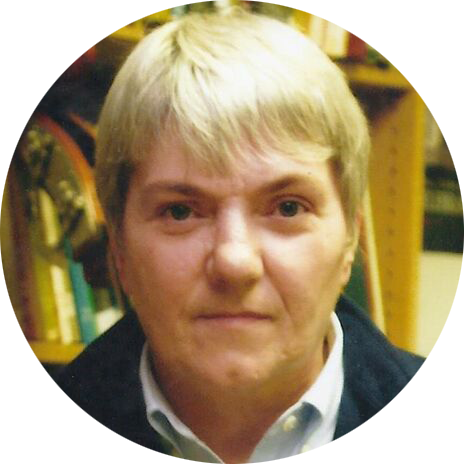
Shirl Jae Atwell

Shirl Jae Atwell holds degrees from Kansas State Teachers College and the University of Louisville, where she earned her Master of Music Theory/Composition. She went on to complete four years of advanced study in composition at the University of South Carolina. Her prolific output spans opera, ballet, and orchestral works that have earned national recognition, including the 1996 National School Orchestra Association composition contest for her string orchestra piece Modus á Four and the 1997 Texas Orchestra Directors Association award for Drifen.

Atwell's work has been celebrated in concert halls and on screen alike. Her ballet Lucy, with choreography by Alun Jones and premiered by the Louisville Ballet in 1999, received an Emmy Award for its televised production in 2000. Six of her scores are held in the permanent collection of the Paris Bibliothèque Internationale de Musique Contemporaine. Beyond these major works, she has composed extensively for young string orchestras, consistently creating music that engages student musicians while maintaining artistic substance.

Why we love this

Atwell writes string orchestra music that respects the developmental needs of young players while delivering genuine musical satisfaction. Terpsichore is a standout example: it sits firmly at Grade 3 but features position work substantial enough to matter and a melody catchy enough that students will want to play it well. The Celtic flavor and fiddle-tune energy give it a character you don't find in every student piece, and the option to increase tempo provides a natural pathway for rehearsals to show measurable progress.

What to expect

Lively and propulsive, like a traditional Celtic jig transplanted into a concert hall. The melody catches in your head immediately, and the rhythmic bounce keeps everyone moving forward; even at a moderate tempo, there's an infectious energy that makes sitting still difficult.

Who it's for

String orchestras at Grade 3 and middle school programs ready to tackle genuine position work on multiple strings simultaneously. This score is especially valuable for orchestras wanting to build shifter technique on cellos and basses, where too many pieces ignore lower strings' technical potential.

How to get the most out of it

  • Secure the rhythmic foundation first by having the cellos and basses lock their shifting patterns before adding the upper strings. Their movement in second, third, and fourth positions anchors the entire texture.
  • Mark the third position clearly on all upper string parts during rehearsal so violins know exactly where they're traveling. Once they stay there for the main theme, intonation stabilizes quickly.
  • Build tempo incrementally across rehearsals rather than jumping straight to a fast tempo. Starting comfortably lets students master the position work and rhythmic drive; the increased speed becomes a payoff they can hear themselves achieving.
  • Balance the main theme between first and second violins to let the melody sing through without losing the jig's rhythmic momentum. The Celtic character depends on that interaction staying nimble.

How to use it

Program this as a concert opener or a lighthearted contrast to heavier repertoire. Its accessible melodic character and recognizable jig idiom appeal to audiences while demonstrating your orchestra's technical growth; directors often pair it with a more substantial Romantic-era work to show range across a single concert.

Skills your students will build

  • Shifting to second, third, and fourth positions on multiple strings
  • Maintaining rhythmic precision and drive in a jig meter
  • Balancing melody between parts while supporting a complex rhythmic texture
  • Coordinating position changes in ensemble while listening to ensemble sound
  • Building speed and accuracy through incremental tempo increases

You May Also Like
