Tastes Like Chicken Cover Image

Tastes Like Chicken: Jazz Ensemble Conductor Score & Parts

$48.00 USD
Sale price  $48.00 USD Regular price 
Skip to product information
Tastes Like Chicken Cover Image

Tastes Like Chicken: Jazz Ensemble Conductor Score & Parts

By Kris Berg

Grade: 2 (Medium Easy)

Item: 00-JEM02041

makemusic Cloud badge

Need it now?

Buy Digital Version
$48.00
Shipped

One moment…

Description
It's true, it Tastes Like Chicken! A slow gospel-style introduction leads into an extra crispy groove that will have the band coming back again and again. The melody is catchy, the groove is funky, the rhythms are simple and solos (written or ad-lib) are for tenor and alto saxophones. Trumpet range to written G. This is a fun and exciting contemporary chart that is accessible for the young player. Guaranteed to deliver in four minutes! (3:44)

Don't just read it, hear it, play along with it, and watch your students grow with it. In MakeMusic Cloud, Tastes Like Chicken: Jazz Ensemble Conductor Score & Parts comes alive with professional accompaniment, adjustable tempo, and built-in practice tools that turn solo practice into real progress.

Sample Pages

Sample Audio
0:00
0:00
Sample Video
Additional Details
Series: Young Jazz Ensemble
Publisher: Alfred Music
Page Count: 52
ISBN10: 0-7579-3430-7
ISBN13: 978-0-7579-3430-8
UPC: 654979037767
SKU: 00-JEM02041

More about this title

About the Composer: Kris Berg
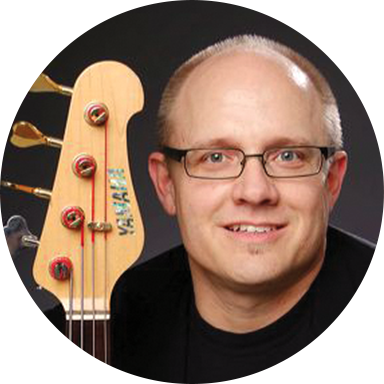
Kris Berg

Kris Berg directs the jazz studies program at Collin County Community College in Texas and holds degrees in jazz studies from the University of North Texas. His ensembles have earned multiple invitations to the Montreux Jazz Festival, and he founded both the Collin Jazz Fest and the Texas All-Star Jazz Camp. Berg's original compositions and arrangements have been performed and recorded internationally, and his work as a big band arranger and composer for Belwin Jazz has established him as a prolific voice in contemporary jazz education.

Beyond the classroom, Berg works as a clinician and artist for Yamaha Corporation and has shared the stage with vocalists, brass players, and percussionists including Kurt Elling, Randy Brecker, Peter Erskine, and Clark Terry. He authored the widely adopted Bass Lines in Minutes and continues to appear at jazz festivals and educational camps across the country.

Why we love this

Berg writes charts that actually work in the rehearsal room: the groove sits easy, the melody sticks, and young players find themselves engaged rather than overwhelmed. The gospel foundation gives the piece dignity while the funky accompaniment keeps energy high, making this one of those rare selections that satisfies both the conductor looking for real musicianship and the band craving something they'll want to play again.

What to expect

The opening breathes with soulful reverence before the rhythm section kicks into a funk pocket that feels lived-in and warm rather than forced. By the four-minute mark, you've traveled from a spiritual moment into a celebration that feels both sophisticated and irresistibly fun, the kind of chart that reminds everyone why they came to jazz in the first place.

Who it's for

Young jazz ensembles working at the Grade 2 level who are ready for something with real groove and contemporary flavor. This works equally well for groups building confidence and repertoire or for advanced youth ensembles looking for a program-closer that never fails to land with an audience.

How to get the most out of it

  • Lock the rhythm section into the groove before the full ensemble enters; let drums, bass, and piano find that pocket together during sectionals so the whole chart sits on solid ground.
  • Shape the slow gospel intro with dynamic restraint, allowing the full impact of the shift into the fast funk groove to land with genuine surprise.
  • Coach the saxophone soloists to listen to classic funk and soul recordings; written solos are there as a safety net, but ad-libbing over this groove rewards players who understand the genre's phrasing and vocabulary.
  • Keep the trumpet section's upper register relaxed rather than forcing tone on the written G; the power of this chart comes from ensemble cohesion, not individual heroics.

How to use it

Program this on a contest or festival set where you want to demonstrate your ensemble's versatility and musicianship without drifting into overly complex territory. It also serves as an excellent closer for a spring concert, bringing audiences to their feet while keeping rehearsal time focused on musicality rather than technical hurdles.

Skills your students will build

  • Grooving within a funk rhythm framework
  • Soloing over jazz changes (saxophone)
  • Gospel-inflected phrasing and articulation
  • Ensemble listening and section balance in a contemporary setting
  • Reading and interpreting lead sheet notation for ad-lib solos

You May Also Like
