

Tama Tu: 3-Part Mixed Choral Octavo
A Maori Proverb
Words and music by Sally K. Albrecht
Item: 00-PO-0000930
$2.05
Minimum order quantity: 20 copies
Pickup currently not available
Description
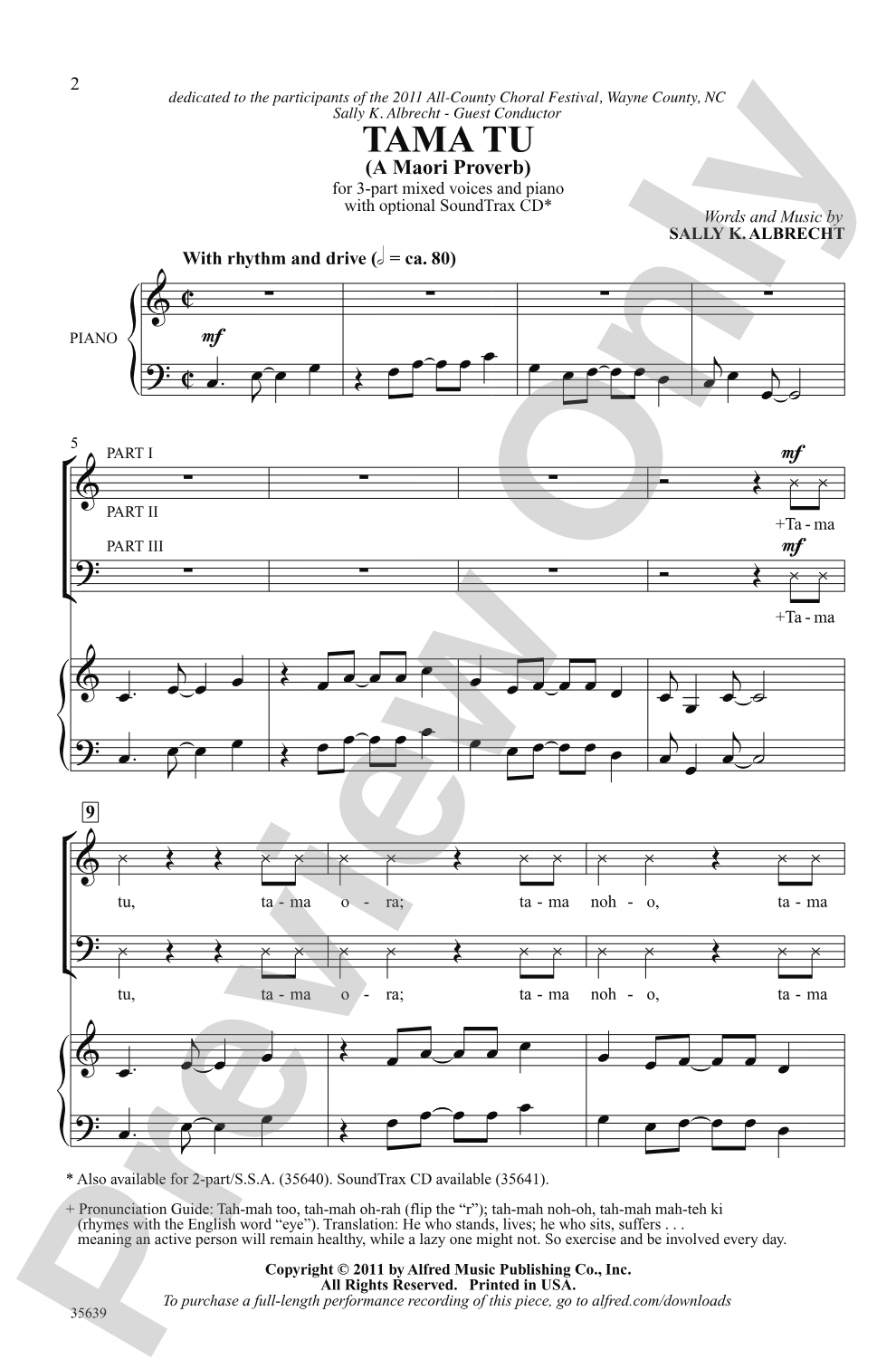
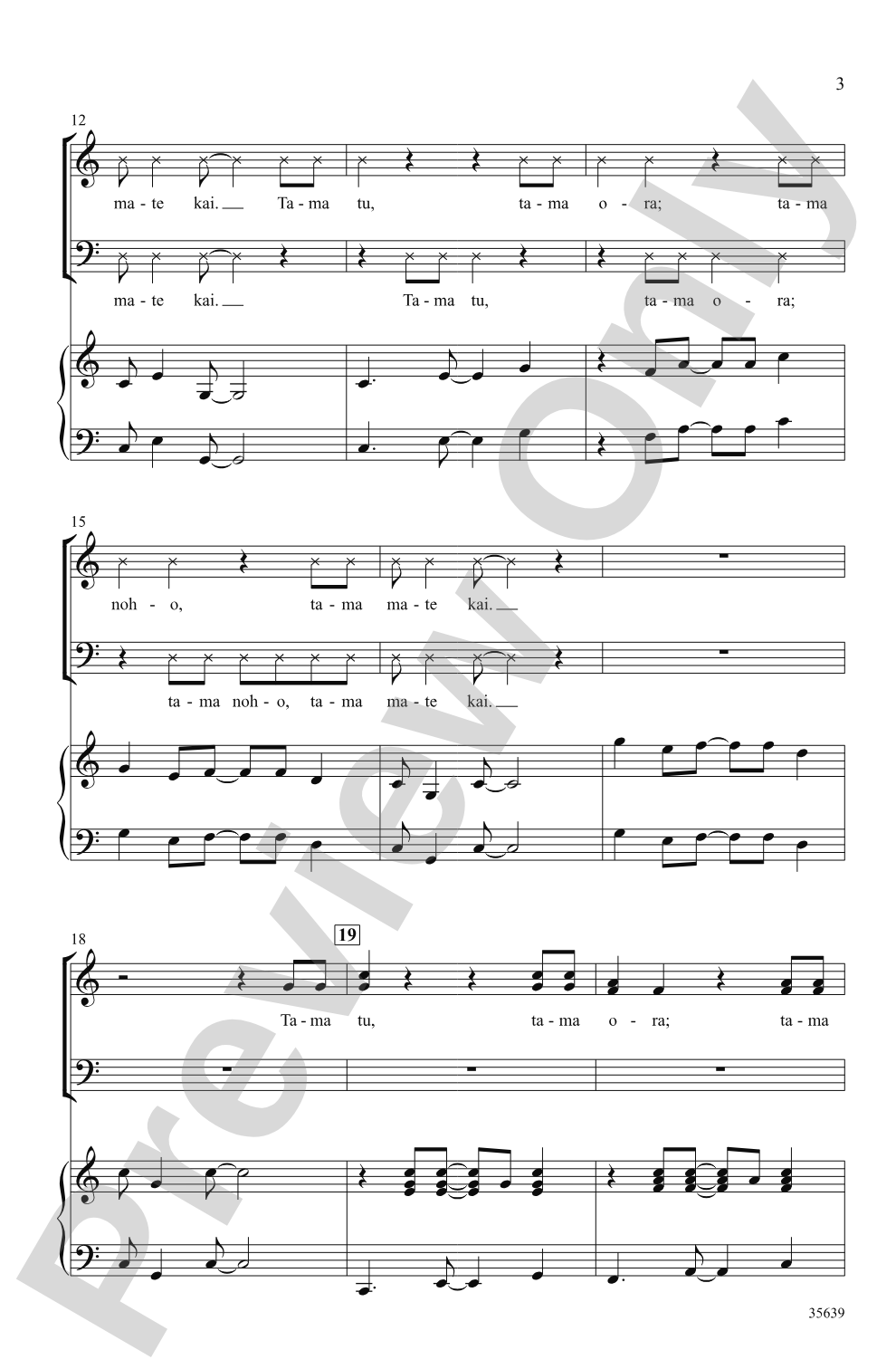
What a fantastic and dynamic change of pace for any concert! A Maori (New Zealand) proverb is presented both in chant and in song with great multicultural rhythms and fun-to-sing echoes. Featured on Showbiz! choral movement DVD (#00-35858).


Tama Tu: 3-Part Mixed Choral Octavo isn't in MakeMusic Cloud just yet...but it could be. Let us know you'd like to see it, and you'll help shape what comes next. In the meantime, start a free trial and dive into thousands of interactive titles your students can play along with today.
Request This Title
Tell us you want it.
Start Your Free Trial
Explore everything that's ready to play right now.
Sample Audio
1
Audio File
--:--
0:00
0:00
Sample Video
No sample videos found.
Additional Details
Series:
Alfred Choral Designs
Publisher:
Alfred Music
Page Count:
12
SKU:
00-PO-0000930
More about this title
About the Composer: Sally K. Albrecht
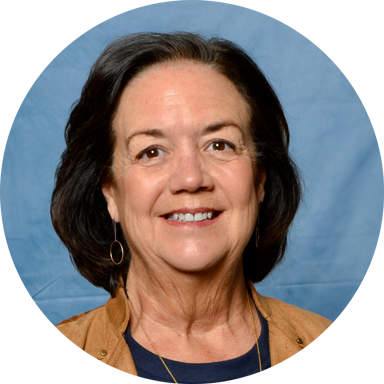
Sally K. Albrecht has shaped American choral music for decades as a composer, conductor, and clinician with a gift for creating music that moves bodies as well as voices. Her catalog includes over 600 choral works and 75 larger stage pieces, and she has led honor choirs at Lincoln Center, Carnegie Hall, and The Kennedy Center. An annual ASCAP Special Music Award recipient since 1987, she spent more than 30 years directing school choral and vocal publications at major educational publishers, including Alfred Music, while also teaching at Oakland University, Jersey City State College, and Meredith College.
Albrecht holds degrees from Rollins College (B.A. in Music and Theater, 1976) and the University of Miami (M.A. in Drama, 1977; M.M. in Accompanying, 1979). She served as Chair of the Board of Trustees for Omicron Delta Kappa and received their "Pillar of Leadership" award. In 2021, both the University of Miami Frost School of Music and Rollins College honored her as a Distinguished Alumna. She lives in Wake Forest, North Carolina, with her husband, composer and arranger Jay Althouse.
Why we love this
Albrecht writes choral movement naturally into the fabric of this piece rather than layering it on as an afterthought, making it genuinely singable while creating something visually dynamic. The rhythmic language feels fresh and energizing without overwhelming a developing choir, and the echo sections give singers the satisfaction of participating in something celebratory and immediate. Programming this gives your audience a genuine window into New Zealand culture while your singers have actual fun singing.
What to expect
Tama Tu lands with infectious rhythmic vitality and the warmth of genuine cultural tradition. The piece shifts between grounded chant and bright, singable melody, with echo sections that create a call-and-response momentum that feels celebratory and alive in the room.
Who it's for
This works beautifully for choirs ranging from middle school through community levels that are ready for three-part mixed voicing and want repertoire that energizes audiences. It suits groups looking to expand their musical horizons with authentic world music while keeping the vocal demands accessible and the rehearsal process joyful.
How to get the most out of it
- Pay attention to the chant section early on. Get the ensemble locked into its speech-rhythm and pulse before layering in any movement; let the words and rhythm settle as the foundation.
- The recorded accompaniment can anchor ensemble precision during rehearsals, but encourage singers to listen across the parts and support the rhythm internally, especially during the echo passages.
- Embrace the playfulness of the echoes rather than treating them as technical exercises. Singers should feel the call-and-response energy and respond with genuine excitement, not mechanical accuracy.
- Clarify which singers handle movement and which provide vocal foundation during staging moments. This clarity frees everyone to commit fully to their role.
How to use it
This is a natural fit as a concert change-of-pace that breaks up longer classical or contemporary sections and reminds audiences why choral music matters in community and culture. It works equally well as a finale or mid-concert highlight, and its movement possibilities make it memorable in concert formats where visual interest matters.
Skills your students will build
- Reading and sustaining chant-based rhythmic text across ensemble parts
- Executing call-and-response sections with precise ensemble alignment
- Integrating choreographed movement with singing without compromising vocal tone or blend
- Understanding world music cultural context and respectful interpretation of multicultural repertoire