Symphony No 2 in A Major Cover Image

Symphony No 2 in A Major: String Orchestra Conductor Score

$5.00 USD
Sale price  $5.00 USD Regular price 
Skip to product information
Symphony No 2 in A Major Cover Image

Symphony No 2 in A Major: String Orchestra Conductor Score

Arranged by Robert D. McCashin

Grade: 3

Item: 98-ST6242S

$5.00
Shipped

One moment…

Description
Feature many of your principal players in this fantastic arrangement of a William Boyce masterpiece. The entire work alternates between tutti and concertino-style playing. The work can be performed with soloists among the ensemble or separate. Excellent in chamber or large group settings.

Symphony No 2 in A Major: String Orchestra Conductor Score isn't in MakeMusic Cloud just yet...but it could be. Let us know you'd like to see it, and you'll help shape what comes next. In the meantime, start a free trial and dive into thousands of interactive titles your students can play along with today.

Sample Pages

Sample Audio
No sample audio found.
Sample Video
Additional Details
Series: FJH String Orchestra
Publisher: The FJH Music Company, Inc.
UPC: 241444563878
SKU: 98-ST6242S

More about this title

About the Arranger: Robert D. McCashin
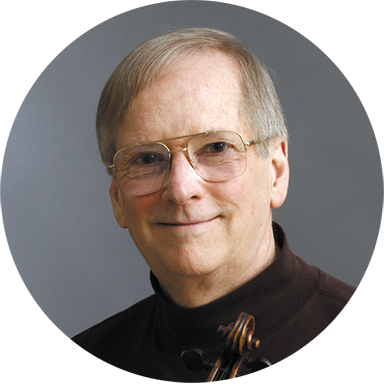
Robert D. McCashin

Robert D. McCashin holds a Doctor of Musical Arts degree in conducting from the University of Arizona and spent 43 years as a conducting educator and applied strings instructor at the university level. He served as Director of Orchestras and Professor of Conducting at James Madison University, where he led the Symphony, Chamber Orchestra, and Opera Orchestras from 1992 through 2016 and received the Distinguished Teacher Award for the College of Visual and Performing Arts in 2015.

As both violinist and arranger, McCashin has published nearly 80 educational works spanning Grade 1 through Grade 5, many of which have earned bestseller and Editors' Choice recognition. Before his tenure at James Madison, he held faculty positions at the University of Texas at Arlington and Texas Wesleyan University, where he maintained an active private studio and performed with regional orchestras and chamber ensembles.

Why we love this

McCashin's mastery of string writing shines throughout this arrangement. The alternating tutti and concertino texture gives you genuine flexibility in casting, allowing you to spotlight your strongest players while keeping everyone engaged, and the Grade 3 difficulty makes it accessible without sacrificing musical substance.

What to expect

Boyce's melodic gift comes through in this arrangement with elegant phrasing and Baroque sensibility. The dialogue between soloists and ensemble creates conversational warmth, inviting the listener into the intimacy of a chamber work that can expand to fill a concert hall.

Who it's for

String orchestras at the Grade 3 level that want to program a recognized classical work while giving principal players a chance to shine. This score works equally well in chamber settings and larger ensembles, making it adaptable to your specific instrumentation and performance context.

How to get the most out of it

  • Balance the concertino voices against the tutti; the soloists should sing through naturally without requiring excessive projection from the ensemble.
  • Establish clear articulation patterns between sections early in rehearsal, especially where the texture shifts from full orchestra to smaller groupings.
  • Experiment with both performance options (soloists within the ensemble or separated) during dress rehearsals to determine which configuration best showcases your players and acoustics.

How to use it

Program this as a stylistic bridge between Baroque repertoire and Romantic-era works, or pair it with other Grade 3 string pieces to build a thematically cohesive concert. The manageable length and flexible instrumentation make it ideal for mid-season programming when you want to feature soloists without derailing ensemble continuity.

Skills your students will build

  • Baroque ornamentation and period-appropriate articulation
  • Balancing solo voices within an ensemble texture
  • Responding to the conductor's cues during shifts between tutti and concertino sections
  • Sustaining tone quality and intonation in exposed passage work

You May Also Like