Symphony No 2 in A Major Cover Image

Symphony No 2 in A Major: String Orchestra Conductor Score & Parts

$45.00 USD
Sale price  $45.00 USD Regular price 
Skip to product information
Symphony No 2 in A Major Cover Image

Symphony No 2 in A Major: String Orchestra Conductor Score & Parts

Arranged by Robert D. McCashin

Grade: 3

Item: 98-ST6242

makemusic Cloud badge

Need it now?

Buy Digital Version
$45.00
Shipped

One moment…

Description
Feature many of your principal players in this fantastic arrangement of a William Boyce masterpiece. The entire work alternates between tutti and concertino-style playing. The work can be performed with soloists among the ensemble or separate. Excellent in chamber or large group settings.

Don't just read it, hear it, play along with it, and watch your students grow with it. In MakeMusic Cloud, Symphony No 2 in A Major: String Orchestra Conductor Score & Parts comes alive with professional accompaniment, adjustable tempo, and built-in practice tools that turn solo practice into real progress.

Sample Pages

Sample Audio
0:00
0:00
Sample Video
Additional Details
Series: FJH String Orchestra
Publisher: The FJH Music Company, Inc.
UPC: 674398228522
SKU: 98-ST6242

More about this title

About the Arranger: Robert D. McCashin
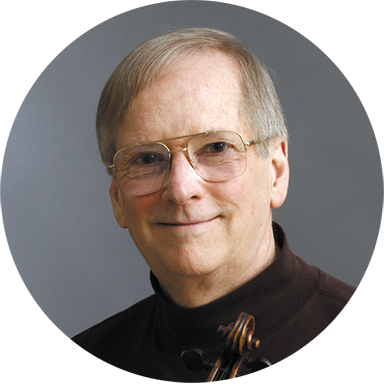
Robert D. McCashin

Robert D. McCashin brings four decades of orchestral conducting and string pedagogy to his arrangement work. A violinist himself, he spent 43 years directing orchestras and teaching applied strings at the university level, including 24 years as Music Director of the James Madison University Symphony, Chamber Orchestra, and Opera Orchestras. He earned degrees from Louisiana State University and the University of Arizona and received JMU's Distinguished Teacher Award in 2015.

McCashin has published nearly 80 educational works spanning Grades 1 through 5, many of which have become standard repertoire in school and community orchestras. Before joining James Madison, he held conducting and string faculty positions at the University of Texas at Arlington and Texas Wesleyan University, where he founded the Arlington Youth Symphony and maintained an active private studio. He is co-author of the widely adopted string class methods New Directions for Strings and A Scale in Time.

Why we love this

McCashin's treatment of this Boyce symphony strips away nothing essential while making the score sing in a string orchestra setting. The concertino-versus-tutti architecture gives you genuine programming flexibility: run it as a feature for your best players, or use it to distribute meaningful solo moments across your section principals. At Grade 3, the technical demands stay manageable, but the musical intelligence and harmonic richness keep audiences genuinely engaged.

What to expect

Boyce's elegant melodies and clean harmonic language come through with grace and transparency. The piece moves between moments of intimate dialogue among soloists and fuller, more robust ensemble sound, creating a sense of conversation rather than display. There's an 18th-century courtliness here, but not formality; the writing feels conversational and human.

Who it's for

String orchestras at the intermediate level looking for repertoire that develops both ensemble cohesion and individual musicianship. Directors can program this for mixed-ability orchestras by assigning concertino roles to strong section leaders while keeping the accompanying parts accessible. It's equally at home in a chamber orchestra setting or a full-sized school string program.

How to get the most out of it

  • Balance the concertino voices clearly against the tutti texture. McCashin's writing assumes players can hear the inner dialogue, so a light touch from the accompanying strings lets the featured voices emerge naturally.
  • Decide whether you'll use dedicated soloists or rotate principal players through concertino sections. Either approach works; communicate your choice to the ensemble early so parts are marked accordingly.
  • Shape the phrase arcs generously. Boyce's melodies breathe best with slight tempo flexibility at cadential moments and warm vibrato from the concertino players.
  • Pay attention to dynamics in the tutti passages. They're often the structural glue between soloistic sections, so uniform ensemble sound matters here.

How to use it

Schedule this for a concert where you want to showcase individual players without pulling them away from ensemble work. The alternating concertino-tutti structure makes it a smart programming choice next to a larger ensemble work or a different Baroque composer, as it demonstrates stylistic range while staying rooted in the period. It's also effective at festivals where music with contest appeal draws favorable adjudication.

Skills your students will build

  • Balancing solo line with ensemble accompaniment
  • Playing sustained pitches with tonal consistency
  • Responding to concertino-tutti texture changes
  • Maintaining rhythmic precision in ensemble settings
  • Reading and executing dynamic shaping in Baroque style

You May Also Like
