Suite from the Magic Flute Cover Image

Suite from the Magic Flute: String Orchestra Conductor Score

$6.00 USD
Sale price  $6.00 USD Regular price 
Skip to product information
Suite from the Magic Flute Cover Image

Suite from the Magic Flute: String Orchestra Conductor Score

Arranged by Robert D. McCashin

Grade: 2.5

Item: 98-ST6282S

$6.00
Shipped

One moment…

Description
This four-movement arrangement features some of the most popular themes in Mozart's opera. Representing the main characters as well as the primary segments of the plot, the movements include Birds of a Feather (Papageno Lost in the Woods), March of the Noble Priests, The Mean Queen (Queen of the Night Aria), and All's Well That Ends Well (Final Scene). An incredible setting, and a fun way to introduce your students to this masterwork!

Suite from the Magic Flute: String Orchestra Conductor Score isn't in MakeMusic Cloud just yet...but it could be. Let us know you'd like to see it, and you'll help shape what comes next. In the meantime, start a free trial and dive into thousands of interactive titles your students can play along with today.

Sample Pages

Sample Audio
No sample audio found.
Sample Video
Additional Details
Series: FJH Developing Strings
Publisher: The FJH Music Company, Inc.
UPC: 241444567838
SKU: 98-ST6282S

More about this title

About the Arranger: Robert D. McCashin
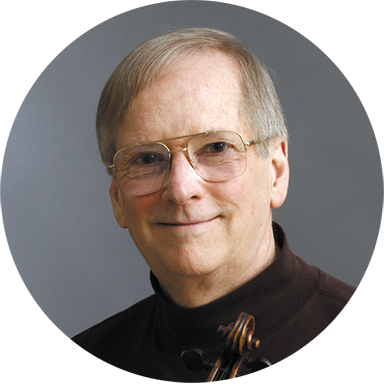
Robert D. McCashin

Robert D. McCashin holds a Doctor of Musical Arts in conducting from the University of Arizona and spent 43 years as a college orchestral conductor and string pedagogue. His academic career culminated at James Madison University, where he served as Professor Emeritus and Director of Orchestras, leading the university's symphony, chamber, and opera orchestras while teaching conducting and studio strings at the master's and doctoral levels. He received JMU's Distinguished Teacher Award in 2015.

Before his tenure at James Madison, McCashin taught at the University of Texas at Arlington and Texas Wesleyan University, where he founded the Arlington Youth Symphony and conducted regional opera and youth orchestras. A violinist with extensive performance experience across Texas, he has become a prolific arranger of educational string literature, publishing nearly 80 works across grades 1 through 5. Many of his arrangements have earned bestseller and Editors' Choice recognition. He is also co-author of New Directions for Strings and A Scale in Time, widely adopted string class methods.

Why we love this

McCashin captures the theatrical essence of Mozart without overwhelming a developing orchestra. The four movements map directly to the opera's story and characters, giving students a narrative arc and genuine stake in the music. At grade 2.5, the writing balances accessibility with orchestral sophistication, making this an ideal entry point into a genuine masterwork.

What to expect

A miniature operatic adventure told in four vivid snapshots. You move from whimsical confusion and drama to ceremonial grandeur, then face genuine danger, and finally settle into relief and triumph. The familiar Mozart melodies feel fresh and urgent when played by a coordinated string section discovering orchestration for the first time.

Who it's for

String orchestras at the intermediate level who are ready to explore operatic literature without tackling a full score. This works equally well for groups developing ensemble cohesion or for orchestras preparing festival and contest repertoire. Conductors seeking repertoire that engages young musicians with substantial classical literature will find this particularly valuable.

How to get the most out of it

  • Shape each movement as a distinct scene. The Birds of a Feather section benefits from a lighter bow approach and flexible phrasing, while the March of the Noble Priests requires cleaner articulation and steadier rhythmic confidence.
  • Let the Queen of the Night Aria breathe dramatically. This movement is shorter but intense; students should understand it portrays tension and menace, which translates to tighter ensemble precision and focused dynamic control.
  • Build toward the Final Scene with clarity. The texture expands here, so balance and voice independence matter more. Rehearse the ensemble parts separately before combining them so all four sections understand their role in the resolution.

How to use it

Program this as a concert centerpiece that introduces students and audiences to Mozart's genius without requiring operatic context knowledge. Pair it with another arrangement from the FJH Developing Strings series for a thematic concert, or use it as a bridge piece between pedagogical studies and full-length orchestral works. It also serves admirably in festival and adjudicated competition settings, where its clear structure and recognizable themes resonate with judges and audiences alike.

Skills your students will build

  • Reading and executing four distinct musical characters and moods within a single work
  • Balancing dynamic contrast at the orchestral level (from delicate pizzicato to forte march sections)
  • Sustaining ensemble precision through changes in texture and instrumental doublings
  • Recognizing and performing stylistic markers of classical opera (aria conventions, march rhythm, dramatic resolution)
  • Coordination of four-part string writing with independent melodic and accompaniment roles

You May Also Like