Suite from the Magic Flute Cover Image

Suite from the Magic Flute: String Orchestra Conductor Score & Parts

$55.00 USD
Sale price  $55.00 USD Regular price 
Skip to product information
Suite from the Magic Flute Cover Image

Suite from the Magic Flute: String Orchestra Conductor Score & Parts

Arranged by Robert D. McCashin

Grade: 2.5

Item: 98-ST6282

makemusic Cloud badge

Need it now?

Buy Digital Version
$55.00
Shipped

One moment…

Description
This four-movement arrangement features some of the most popular themes in Mozart's opera. Representing the main characters as well as the primary segments of the plot, the movements include Birds of a Feather (Papageno Lost in the Woods), March of the Noble Priests, The Mean Queen (Queen of the Night Aria), and All's Well That Ends Well (Final Scene). An incredible setting, and a fun way to introduce your students to this masterwork!

Don't just read it, hear it, play along with it, and watch your students grow with it. In MakeMusic Cloud, Suite from the Magic Flute: String Orchestra Conductor Score & Parts comes alive with professional accompaniment, adjustable tempo, and built-in practice tools that turn solo practice into real progress.

Sample Pages

Sample Audio
0:00
0:00
Sample Video
Additional Details
Series: FJH Developing Strings
Publisher: The FJH Music Company, Inc.
UPC: 674398230075
SKU: 98-ST6282

More about this title

About the Arranger: Robert D. McCashin
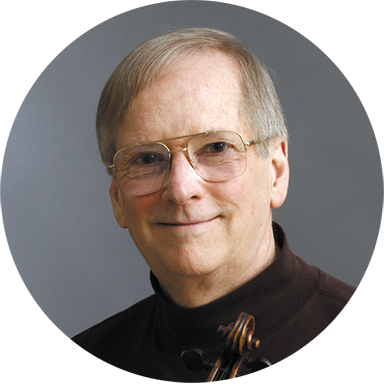
Robert D. McCashin

Robert D. McCashin holds a Doctor of Musical Arts degree in conducting from the University of Arizona and earned both Bachelor and Master degrees in violin performance from Louisiana State University. He spent 43 years in higher education, serving as Professor Emeritus and former Director of Orchestras at James Madison University, where he led the Symphony, Chamber Orchestra, and Opera Orchestras while teaching conducting and applied strings at the graduate and undergraduate levels. In 2015, JMU recognized his impact with the Distinguished Teacher Award for the College of Visual and Performing Arts.

Before joining James Madison, McCashin taught at the University of Texas at Arlington and Texas Wesleyan University, where he founded the Arlington Youth Symphony and conducted multiple regional orchestras. As a violinist and composer, he has published nearly 80 educational arrangements and compositions spanning Grades 1 through 5, many of which have become standard repertoire selections and Editors' Choice winners in school music programs. He is also co-author of the widely used string class methods New Directions for Strings and A Scale in Time.

Why we love this

McCashin has a gift for distilling operatic grandeur into textures that young orchestras can actually execute without sacrificing musical substance. Each movement stands on its own dramatically while remaining technically accessible, giving your ensemble genuine accomplishment rather than a watered-down sketch. The thematic clarity here makes it an ideal gateway to Mozart for students who've never encountered classical opera.

What to expect

This is Mozart filtered through the warmth of string writing, where melodies sing naturally across the ensemble and harmonic progressions feel inevitable rather than imposed. Each movement captures the character it represents: whimsy and mild panic in Papageno's scene, ceremonial grandeur in the priests' march, dramatic menace in the Queen's aria, and genuine triumph in the finale.

Who it's for

String orchestra directors working with upper elementary through early middle school ensembles will find this arrangement perfectly calibrated for their level. Students exploring classical music for the first time benefit from hearing Mozart's themes in a setting designed specifically for young orchestras, not simplified from the full orchestral score.

How to get the most out of it

  • Balance the first movement's melody between principal and section players to let Papageno's character emerge clearly; younger orchestras often bury the tune under uneven accompaniment.
  • Shape the March of the Noble Priests with steady pulse but genuine nobility in the tone; this is ceremonial music, not marching.
  • The Queen of the Night movement demands precise rhythmic clarity and dramatic dynamic control; lock the string sections together in rehearsal before worrying about expression.
  • Allow the final movement to breathe at the cadence points rather than rushing through them; students gain confidence when they understand the harmonic arrival.

How to use it

This works beautifully as a complete suite on a spring concert, offering audiences a recognizable narrative arc and giving your orchestra a unified multi-movement experience. It also serves as an excellent festival piece, where the grade 2.5 difficulty and strong thematic content earn recognition without requiring virtuosic technique.

Skills your students will build

  • Balancing melody against accompaniment figures in string textures
  • Sustaining character and style across contrasting movements
  • Responding to tempo and dynamic nuance as an ensemble
  • Playing with independence while maintaining unified tone and intonation
  • Reading and executing straightforward classical phrasing in arranged form

You May Also Like
