Spanish Rhapsody Cover Image

Spanish Rhapsody: Piano Duo (2 Pianos, 4 Hands) Sheet (2 copies included)

$5.95 USD
Sale price  $5.95 USD Regular price 
Skip to product information
Spanish Rhapsody Cover Image

Spanish Rhapsody: Piano Duo (2 Pianos, 4 Hands) Sheet (2 copies included)

By Margaret Goldston

Level: Late Intermediate

Item: 00-17050

makemusic Cloud badge
$5.95
Shipped

One moment…

Description
This popular late intermediate ensemble piece by Margaret Goldston is written for two pianos, four hands. Changes in dynamics, unusual meters, and key modulations are featured in a challenging Spanish-style duet. Contrasting sections are marked cantabile espressivo and agitato con fuoco, leading to dramatic glissandi in both parts at the ending. A Federation Festivals 2024-2028 selection.

Don't just read it, hear it, play along with it, and watch your students grow with it. In MakeMusic Cloud, Spanish Rhapsody: Piano Duo (2 Pianos, 4 Hands) Sheet (2 copies included) comes alive with professional accompaniment, adjustable tempo, and built-in practice tools that turn solo practice into real progress.

Sample Pages

Sample Audio
No sample audio found.
Sample Video
Additional Details
Publisher: Alfred Music
Page Count: 8
UPC: 038081150093
SKU: 00-17050

More about this title

About the Composer: Margaret Goldston
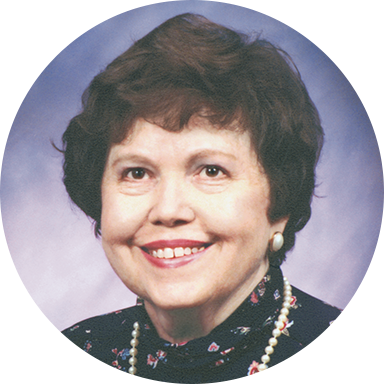
Margaret Goldston

Margaret Goldston (1932-2003) built her career as a composer, performer, and educator in North Carolina, where she taught piano students across all levels from her private studio. She studied piano performance at Louisiana State University, earning recognition as the school's Alumnus of the Year in 1991, and later pursued composition study with Pulitzer Prize winner Robert Ward.

Goldston received major recognition from the North Carolina Federation of Music Clubs, earning Composer of the Year honors in 1983 and 1994 and serving as a speaker at NFMC conventions. She was commissioned to write for Clavier Magazine and conducted masterclasses throughout the United States and Canada. After her death, the Music Teachers National Association named her a Foundation Fellow in 2020, cementing her lasting influence on music education. Her works remain staples of festival and contest repertoire.

Why we love this

Goldston writes for ensemble with real maturity and personality. This piece demands genuine musicianship from both players, not just technical flashiness, and the contrasting cantabile and agitato sections offer pianists the chance to shape a compelling narrative across the eight pages. It's a genuine festival selection, not a filler piece.

What to expect

Spanish Rhapsody pulses with dramatic intensity and lyrical warmth. The writing conjures flamenco energy and passionate declaration through shifting meters and key changes, then pulls back into intimate, singing passages that showcase the pianists' sensitivity before building to a fiery climax.

Who it's for

This duet suits late intermediate pianists who are ready to manage complex rhythmic and harmonic elements while maintaining expressive control. Both players need solid technique and the ability to listen acutely, making it ideal for advanced students preparing for festival competitions or collaborative recitals.

How to get the most out of it

  • Balance the two piano parts carefully during the espressivo passages; the primo and secondo must breathe together and support each other's phrasing.
  • Prepare the meter changes and key modulations by marking them clearly in your score and practicing slowly through transitions until they feel seamless.
  • Approach the dramatic glissandi at the ending with clean, decisive technique; practice them at tempo so they land with impact rather than sounding tentative.
  • Use the dynamic contrasts as dramatic anchors; let the agitato passages have genuine energy and allow the cantabile sections to recede slightly, creating clear architectural shape.

How to use it

Program this alongside other contemporary American works at a festival recital or as a centerpiece for a student duo concert. Its federation selection status makes it especially valuable for groups preparing for NFMC Junior Festivals, and the dramatic arc makes it an excellent closer for a program of varied repertoire.

Skills your students will build

  • Reading and executing unusual meters within a tonal context
  • Navigating key modulations smoothly and maintaining harmonic awareness
  • Balancing and blending two equal piano parts with independent technical demands
  • Executing dramatic dynamic contrasts from cantabile to agitato while maintaining musical continuity
  • Performing glissandi with precision and control at performance tempo

You May Also Like
