Song of the Tall Ship Cover Image

Song of the Tall Ship: SATB Choral Octavo

$2.25 USD
Sale price  $2.25 USD Regular price 
Skip to product information
Song of the Tall Ship Cover Image

Song of the Tall Ship: SATB Choral Octavo

Words by Beth Rice Luttrell, music by Mark Hayes

Item: 00-18707

makemusic Cloud badge

Need it now?

Buy Digital Version
$2.25
Shipped

One moment…

Description
The Celtic musical tradition comes alive in this homage to the splendor of the tall ships. But when "raging winds bring punding waves," text painting creates images of sea squalls and freezing ocean spray. A unique, well crafted choral work. Powerful for men's choirs, too.

Don't just read it, hear it, play along with it, and watch your students grow with it. In MakeMusic Cloud, Song of the Tall Ship: SATB Choral Octavo comes alive with professional accompaniment, adjustable tempo, and built-in practice tools that turn solo practice into real progress.

Sample Pages

Sample Audio
0:00
0:00
Sample Video
Additional Details
Series: Alfred Archive Edition: Alfred Choral Designs
Publisher: Alfred Music
Page Count: 12
UPC: 038081173474
SKU: 00-18707

More about this title

About the Composer: Mark Hayes
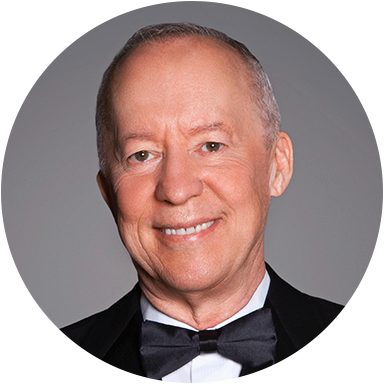
Mark Hayes

Mark Hayes has composed, arranged, and conducted over 1,750 published works spanning sacred and secular traditions. A summa cum laude graduate in Piano Performance from Baylor University (1975), he has guest conducted at Lincoln Center, the National Cathedral, and Carnegie Hall, premiering major works including his Requiem at Lincoln Center in 2013 and again at St. Ignatius Basilica in Rome as part of a Vatican-sponsored festival in 2014.

Beyond the concert hall, Hayes has shaped musical theater, orchestrating the hit musical Madame Buttermilk and arranging music for new productions slated for regional premiere. His catalog tilts heavily toward the piano, with over 100 piano books in print across gospel, classical, jazz, and Broadway styles. In 2010, Baylor University honored his contributions to Christian music with the Award for Exemplary Leadership. Hayes splits his time between conducting engagements worldwide and composing from his home in Kansas City, Missouri.

Why we love this

Hayes brings the narrative depth of a theater composer to choral writing, turning a Celtic maritime tale into vivid dramatic arc. The text painting during the storm sequence gives singers visceral imagery to perform through, making the piece as rewarding to sing as it is to hear. Programming this alongside traditional folk arrangements creates a bridge between accessibility and artistic sophistication that works equally well in festival settings and community concert programs.

What to expect

The piece opens with the shimmer and poetry of Celtic tradition, evoking the majesty of tall ships under full sail. As the narrative turns toward storm, the music shifts abruptly; harmonies darken, rhythms fragment, and the ensemble becomes an instrument of weather itself, painting freezing spray and violent waves through tight, urgent writing. The resolution arrives with earned satisfaction, having journeyed through both serenity and fury.

Who it's for

This octavo works for SATB choirs seeking a dramatic, narrative-driven work that sits comfortably within a standard two-part rehearsal schedule. The piece also adapts powerfully for men's choirs, as the composer notes, making it an excellent choice for male voice ensembles looking for secular repertoire with literary substance. Strong intermediate to advanced choirs will unlock the text painting most fully, though the vocal writing itself remains accessible.

How to get the most out of it

  • Lean into the contrast between the opening's lyrical Celtic character and the turbulent middle section; the text painting only lands if your ensemble commits fully to both moods rather than treating them as separate songs.
  • Shape the 'raging winds' and 'pounding waves' phrases with dynamic precision and rhythmic snap. These are not sustained moments but percussive, energetic images that demand crisp diction and unified articulation.
  • Use the recorded accompaniment in rehearsal to lock the harmonic language early, allowing singers to focus on the storytelling and sectional balance later in the rehearsal process.
  • Balance the SATB blend carefully in the full-choir passages; Hayes writes in rich, close harmony that can muddy if any section overwhelms the others.

How to use it

Program this as a standalone secular work in a concert built around maritime or historical themes, or pair it with other Hayes choral pieces to showcase his distinctive blend of accessible harmony and dramatic storytelling. It also serves as an excellent season opener that demonstrates to your ensemble the emotional range available even in shorter choral forms.

Skills your students will build

  • Text painting and dramatic characterization in ensemble singing
  • Maintaining harmonic balance in close-voiced SATB writing
  • Dynamic contrast and sustained intensity in shorter narrative works
  • Diction clarity during rhythmically active and energetic passages

You May Also Like
