
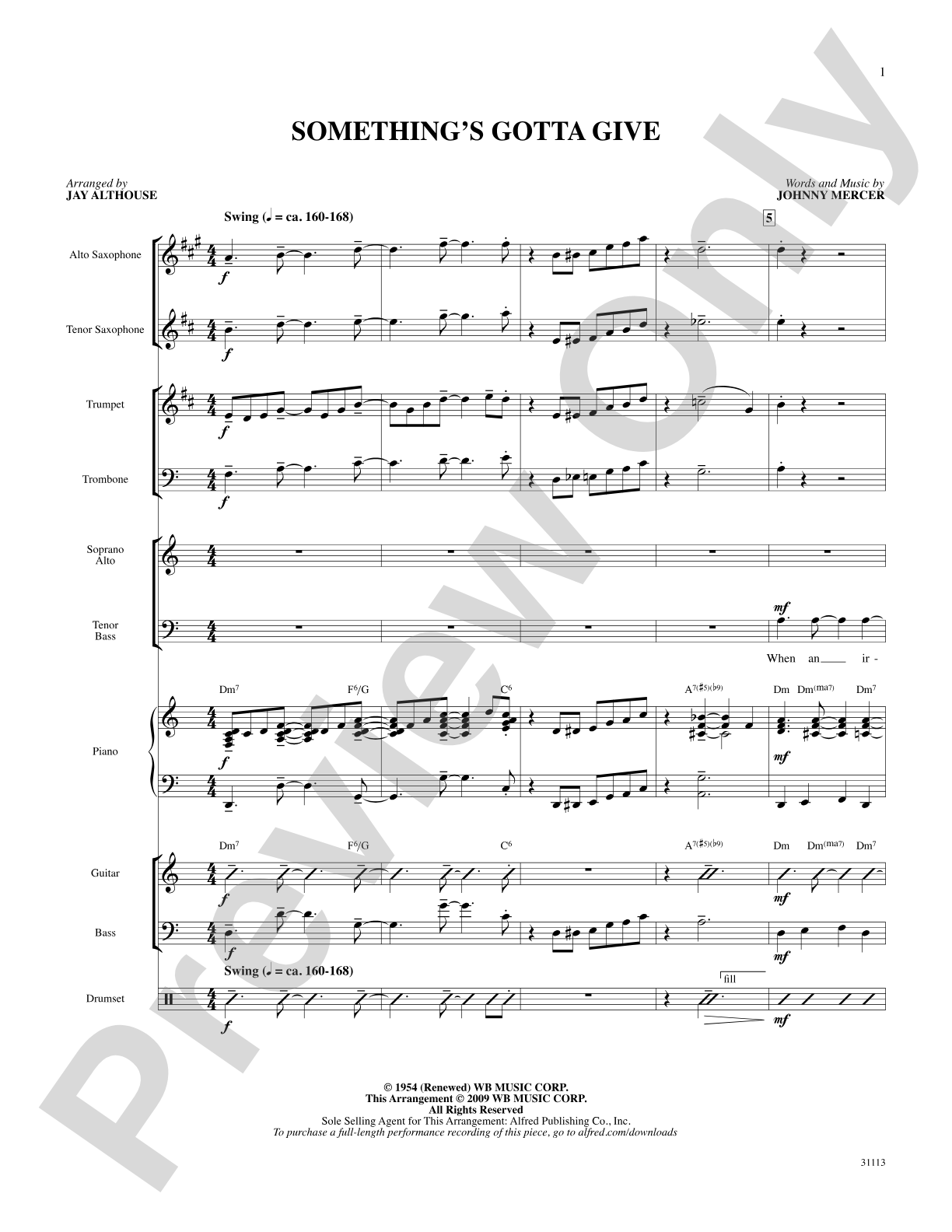
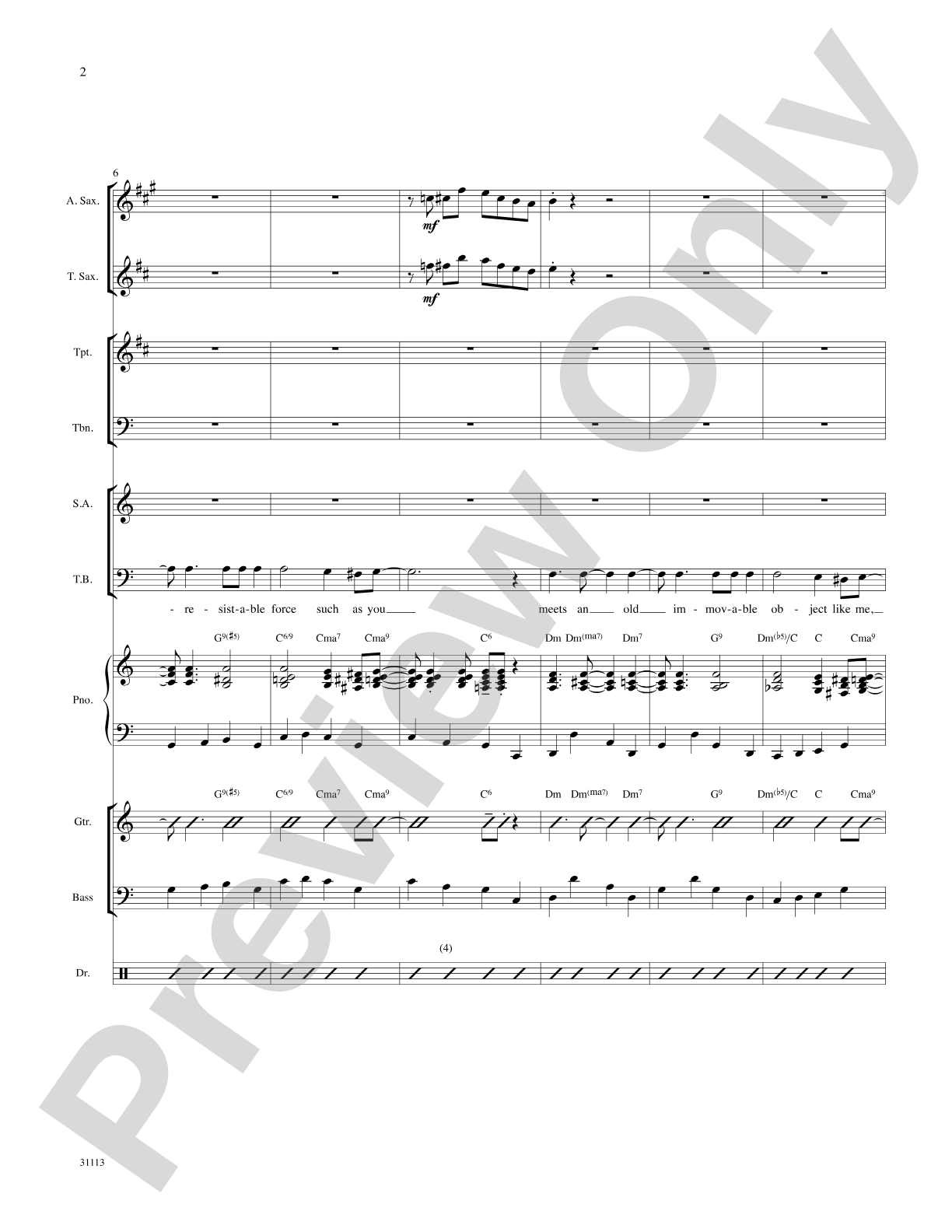
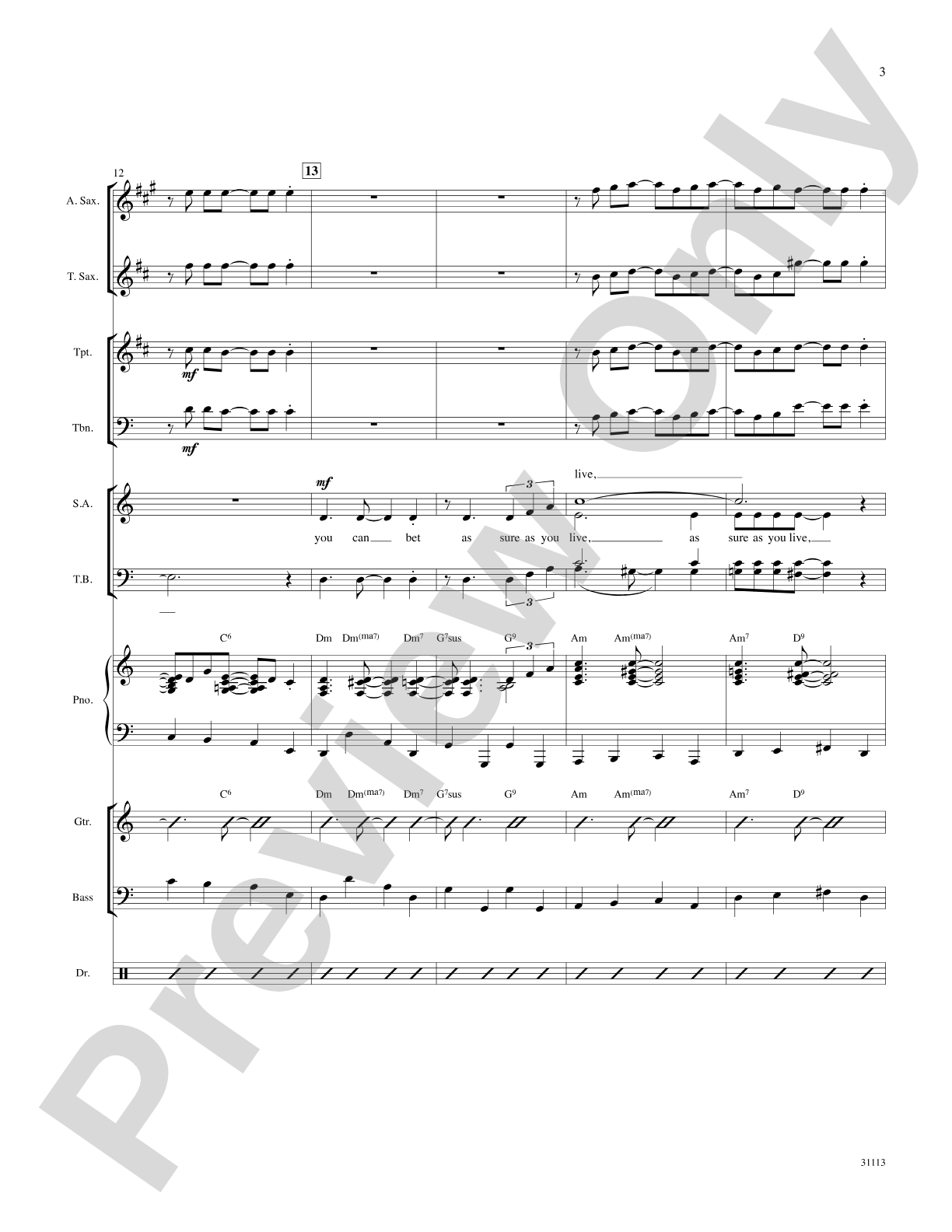
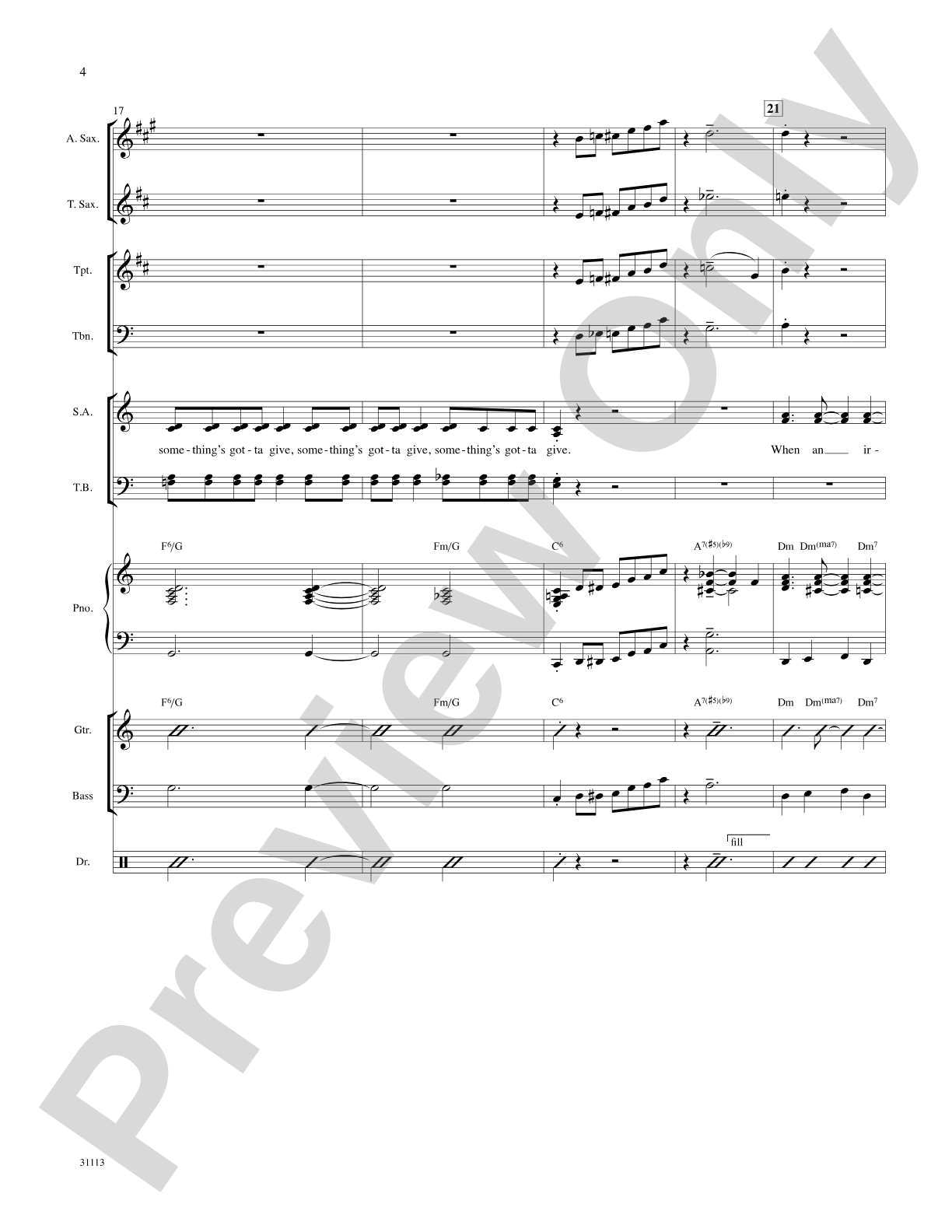
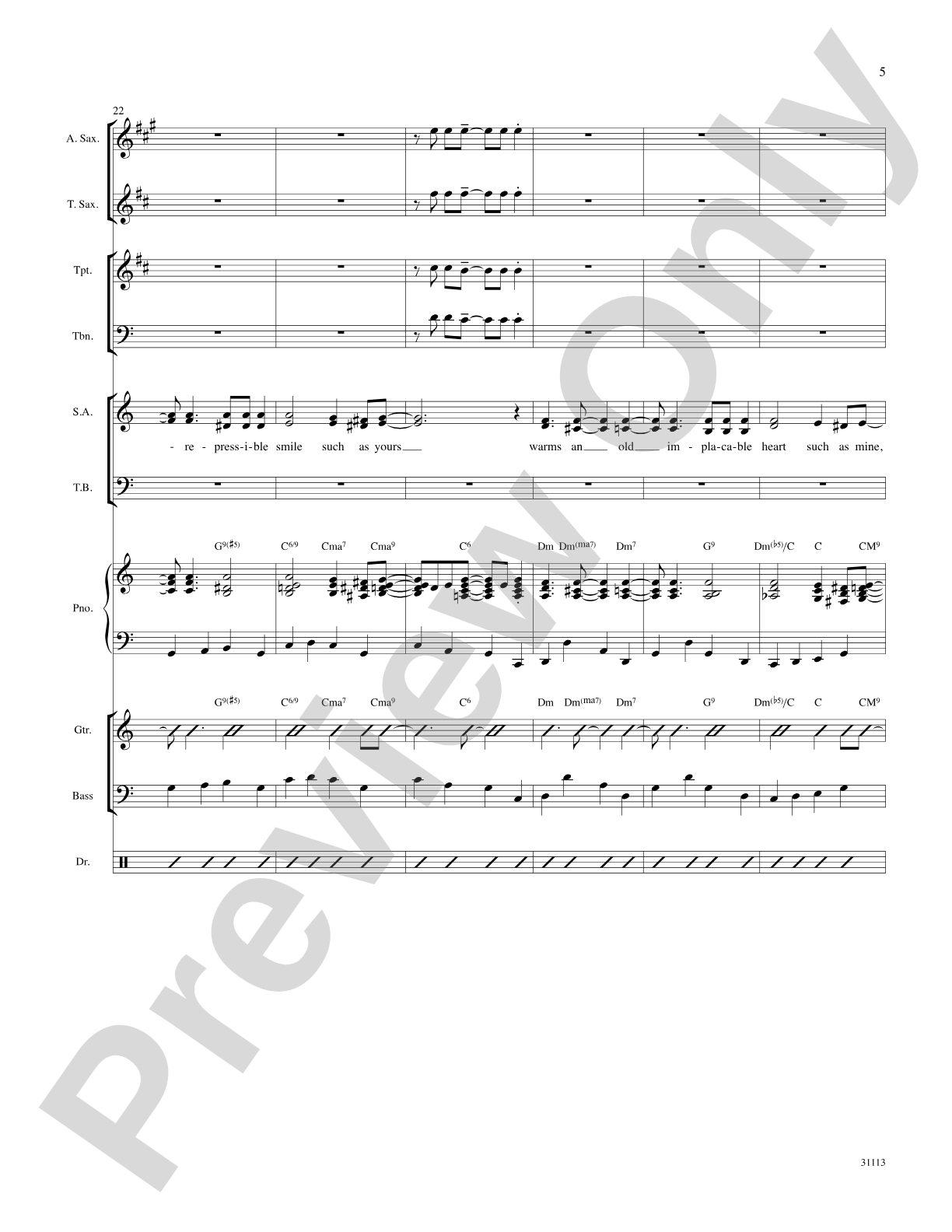
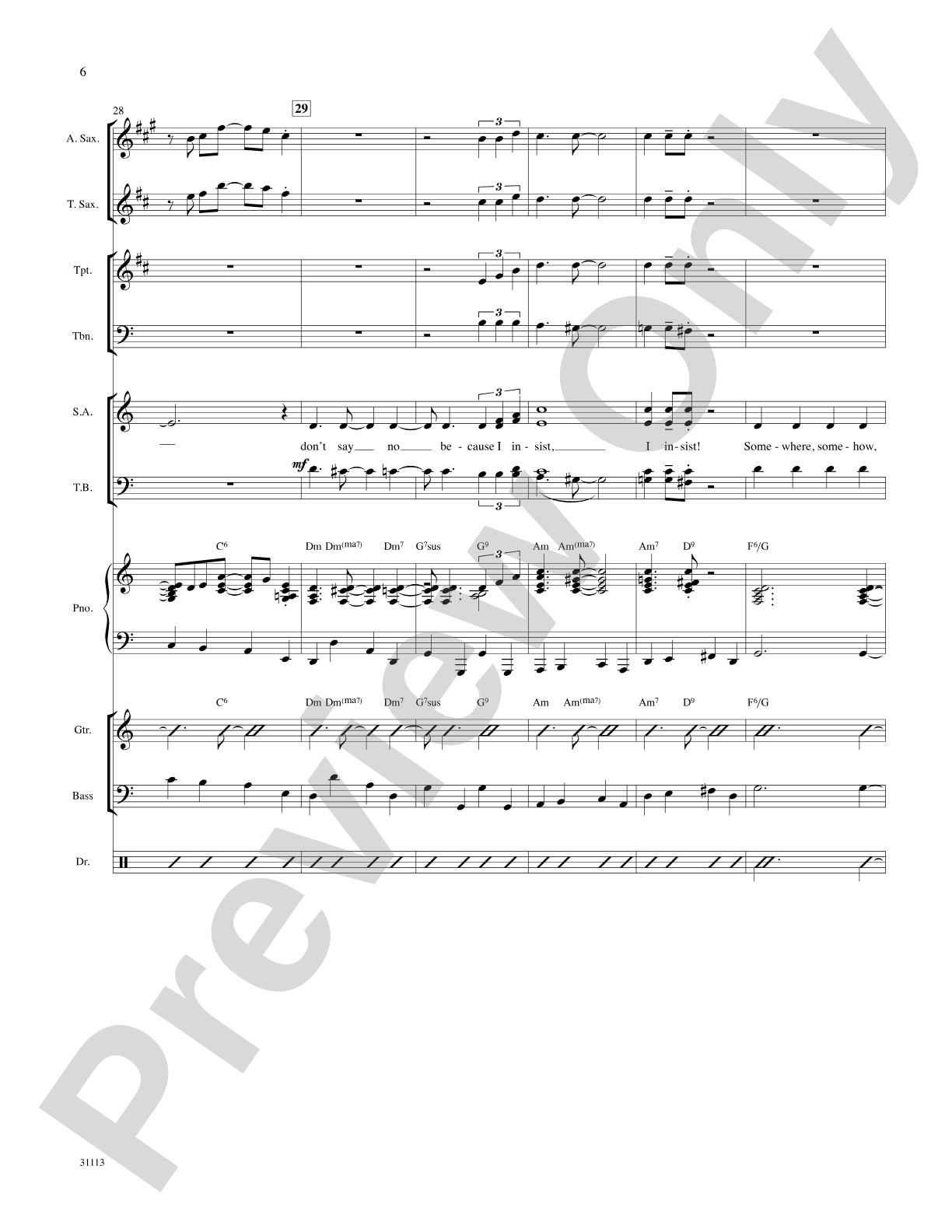
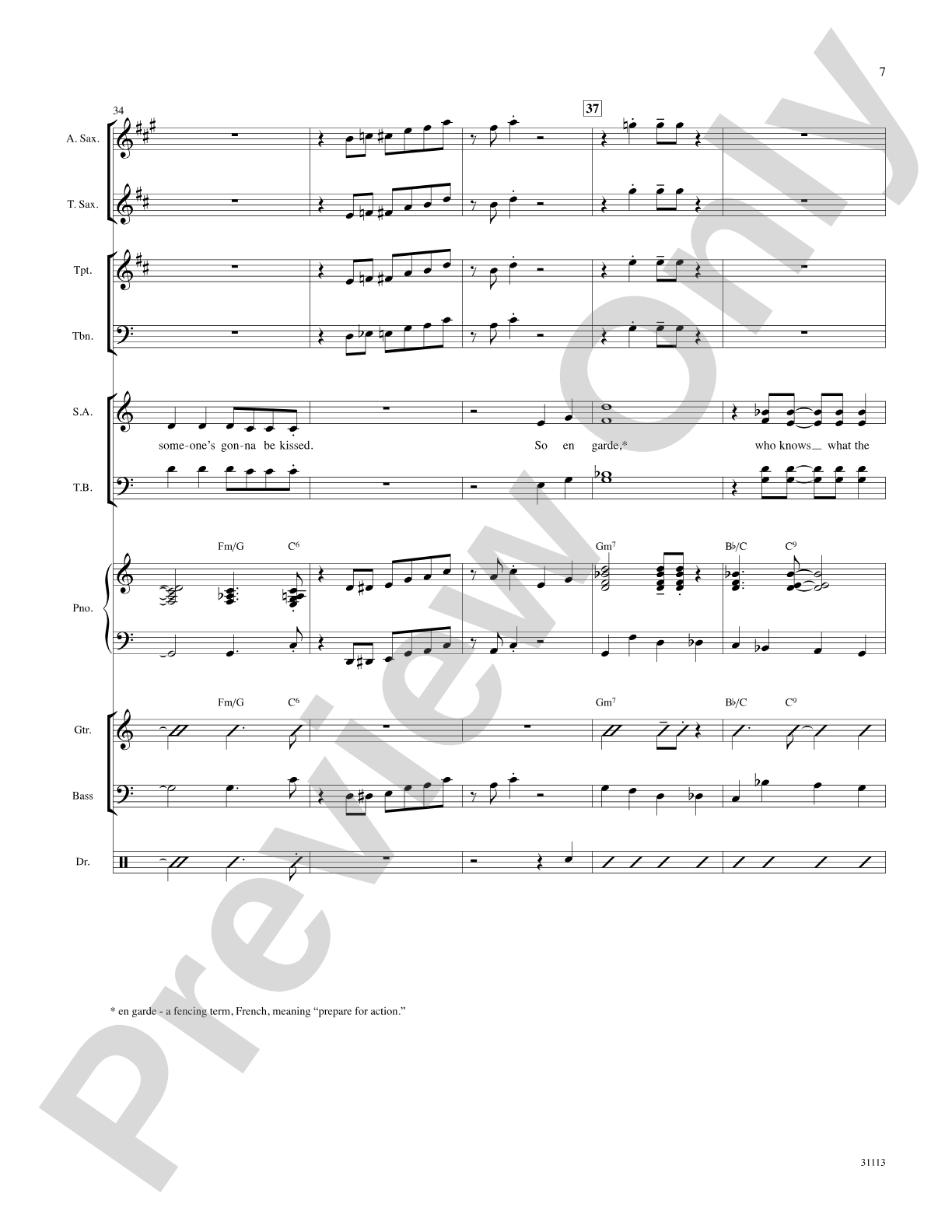
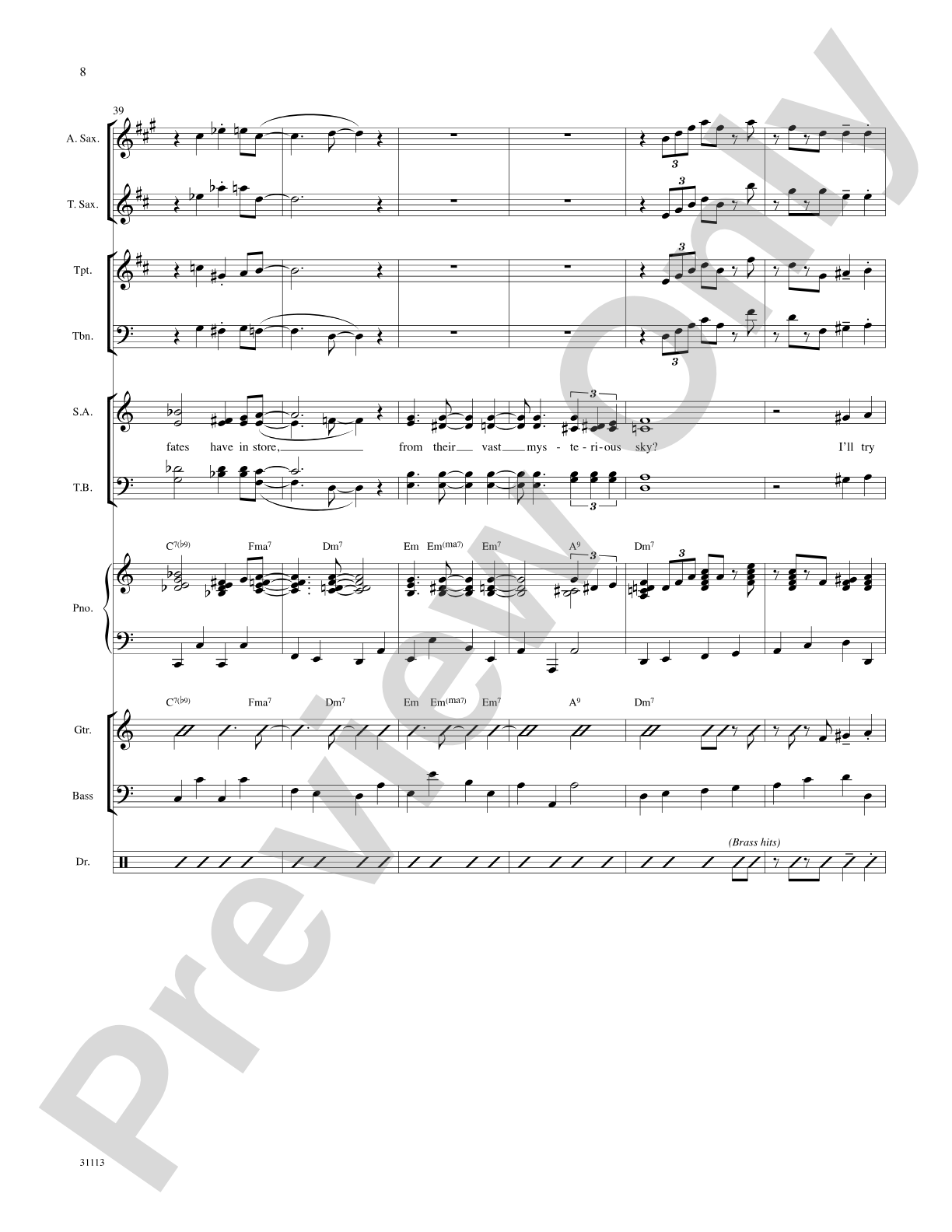
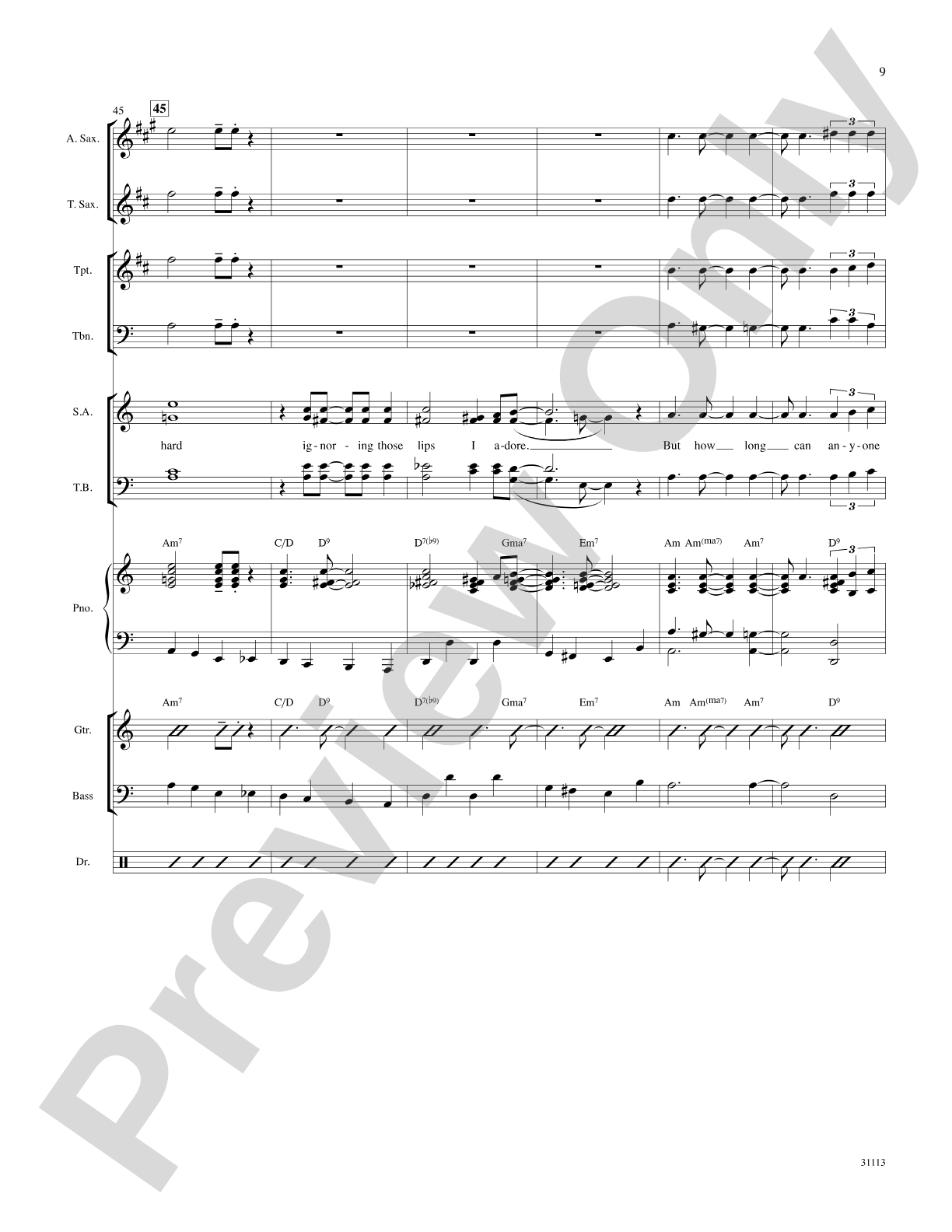
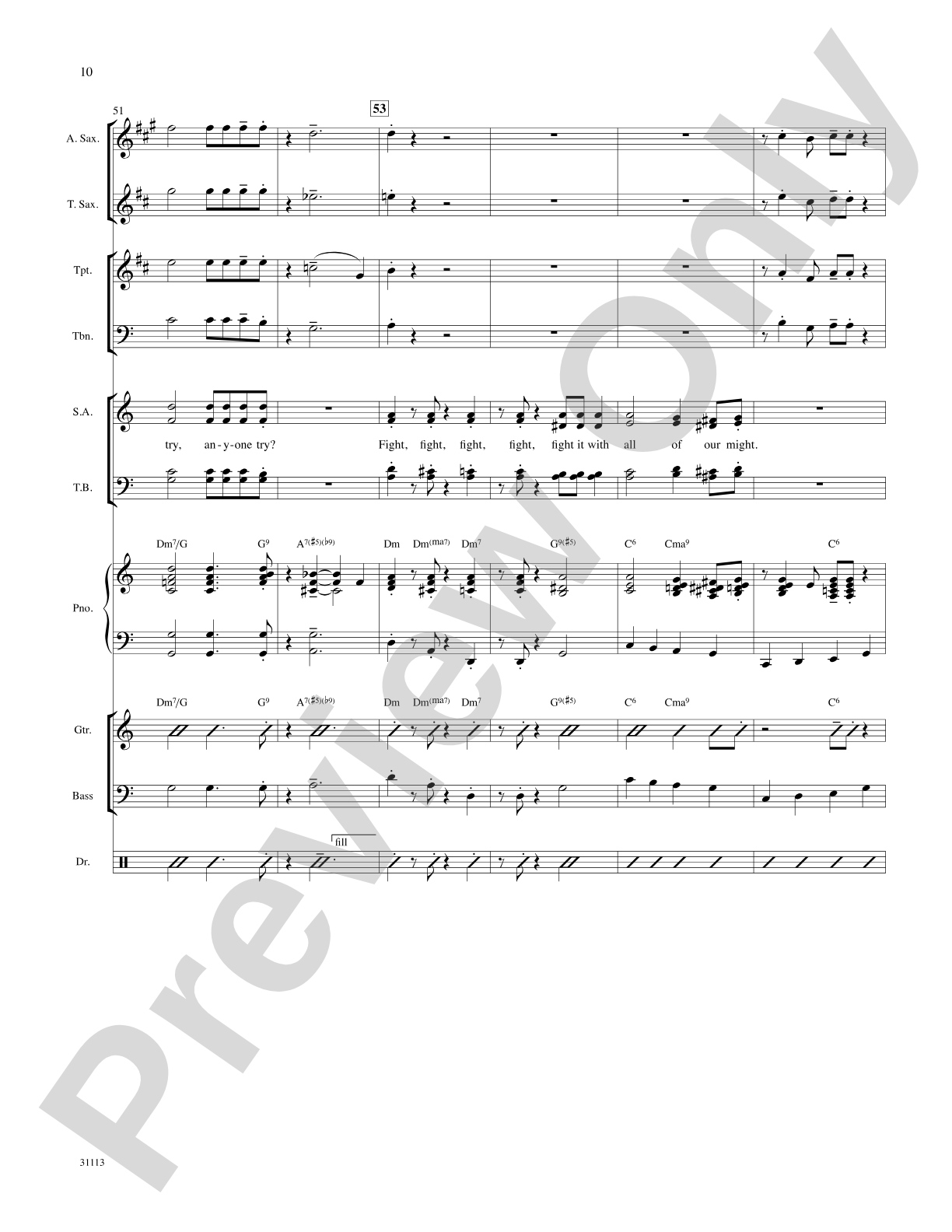
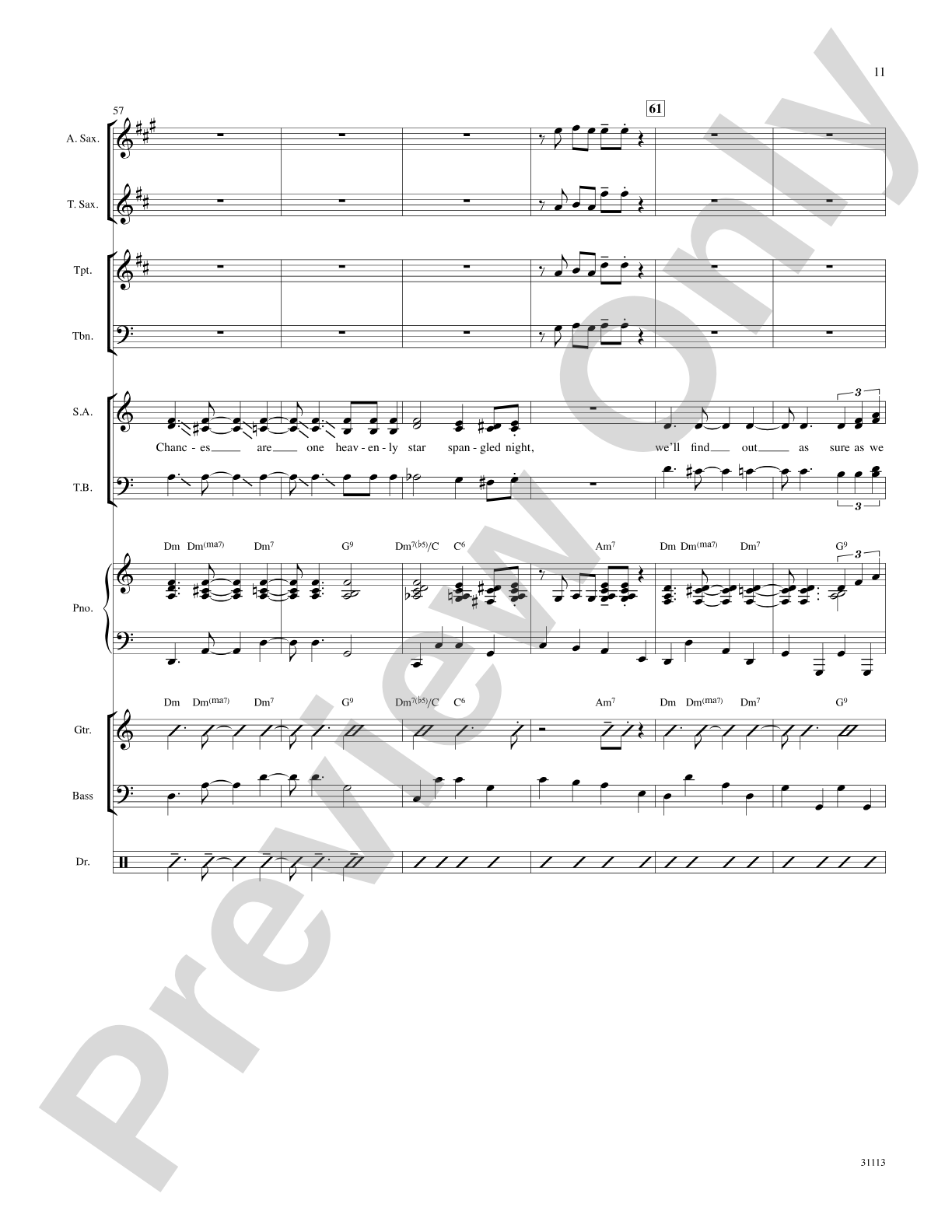
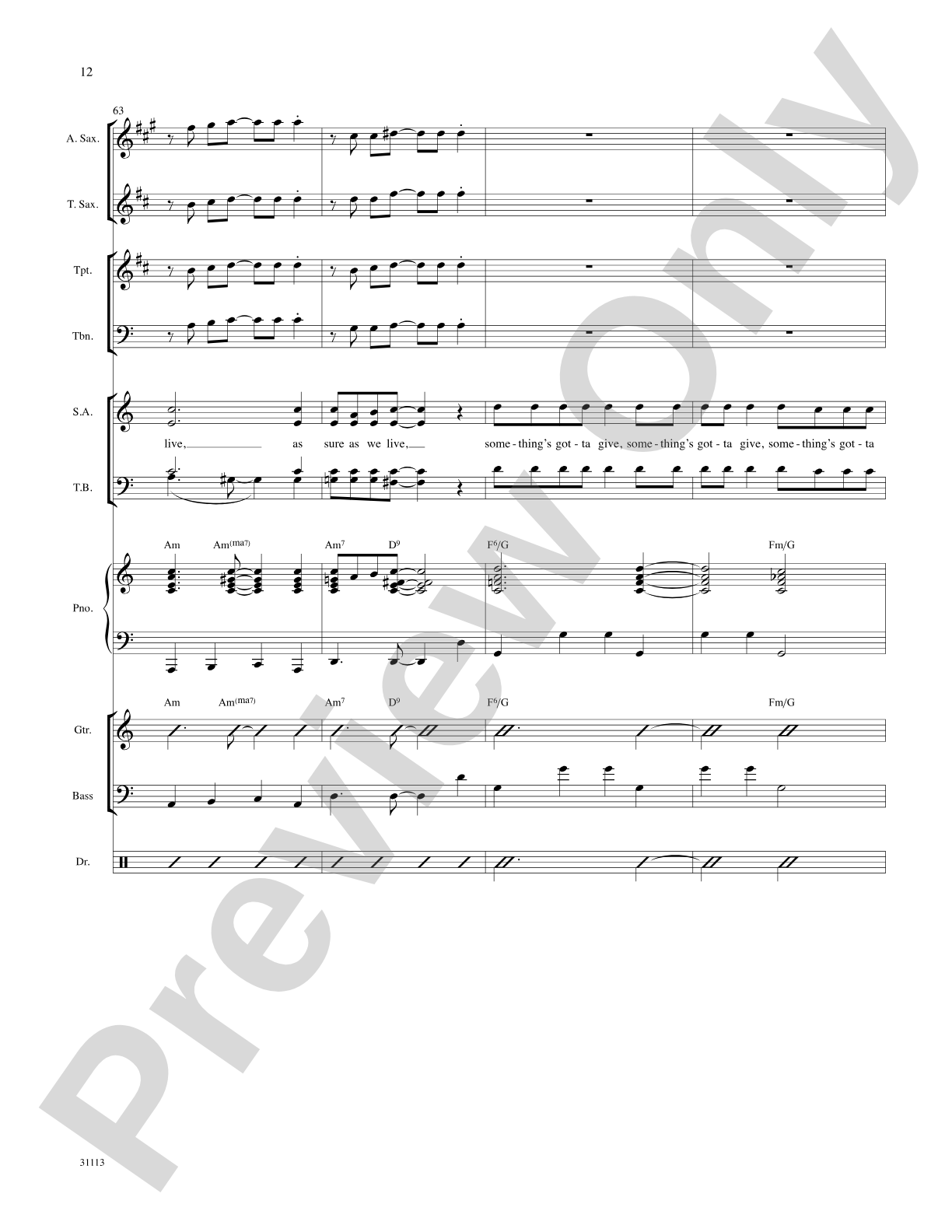
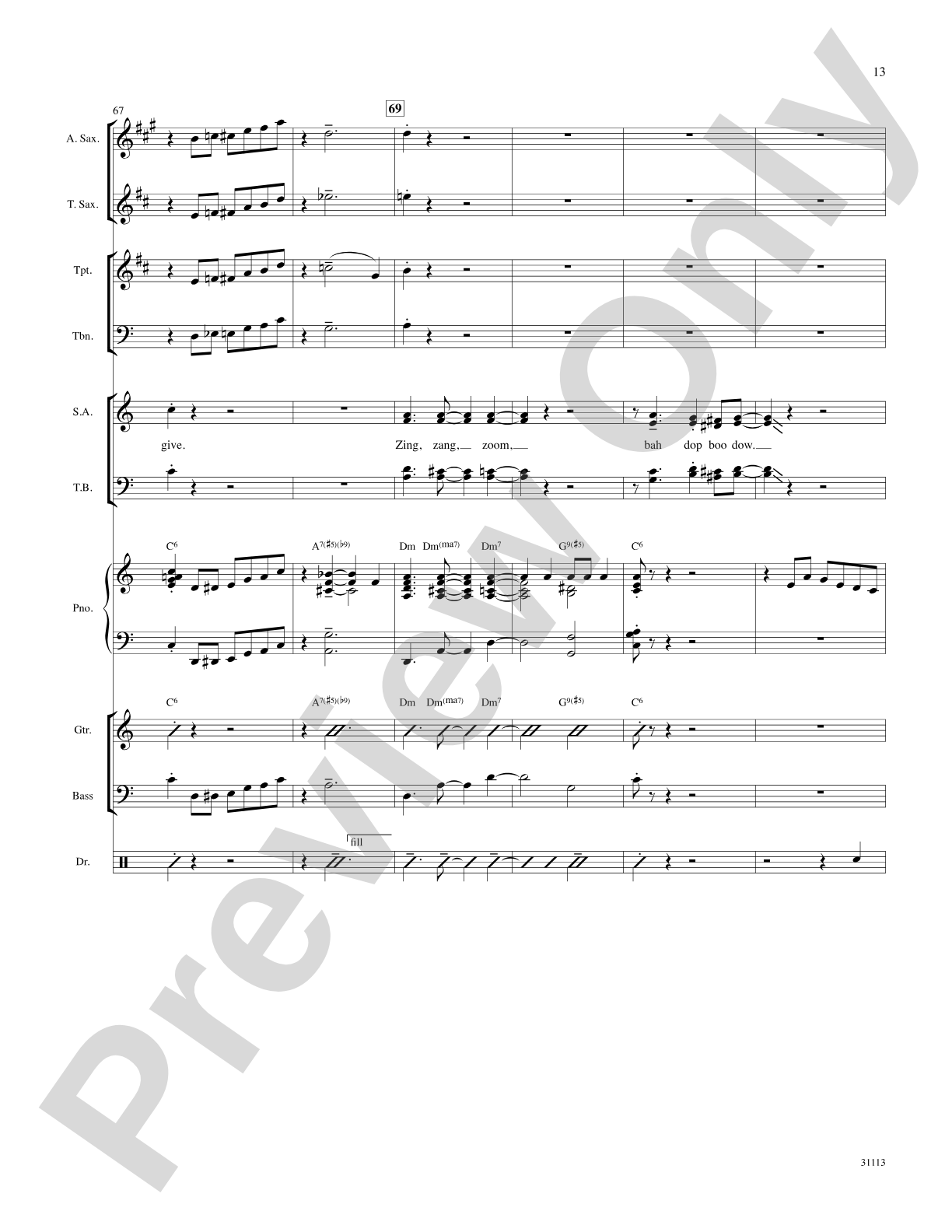
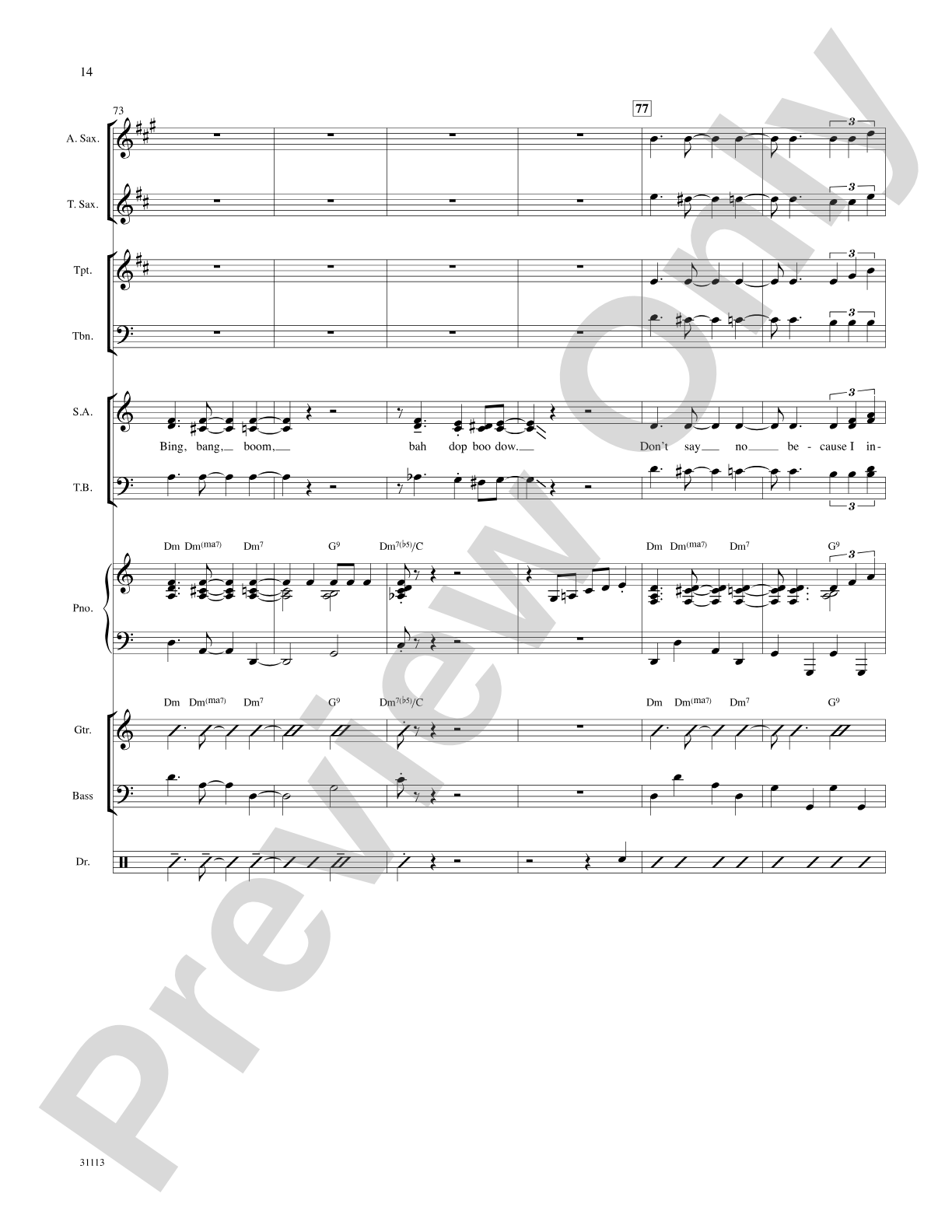
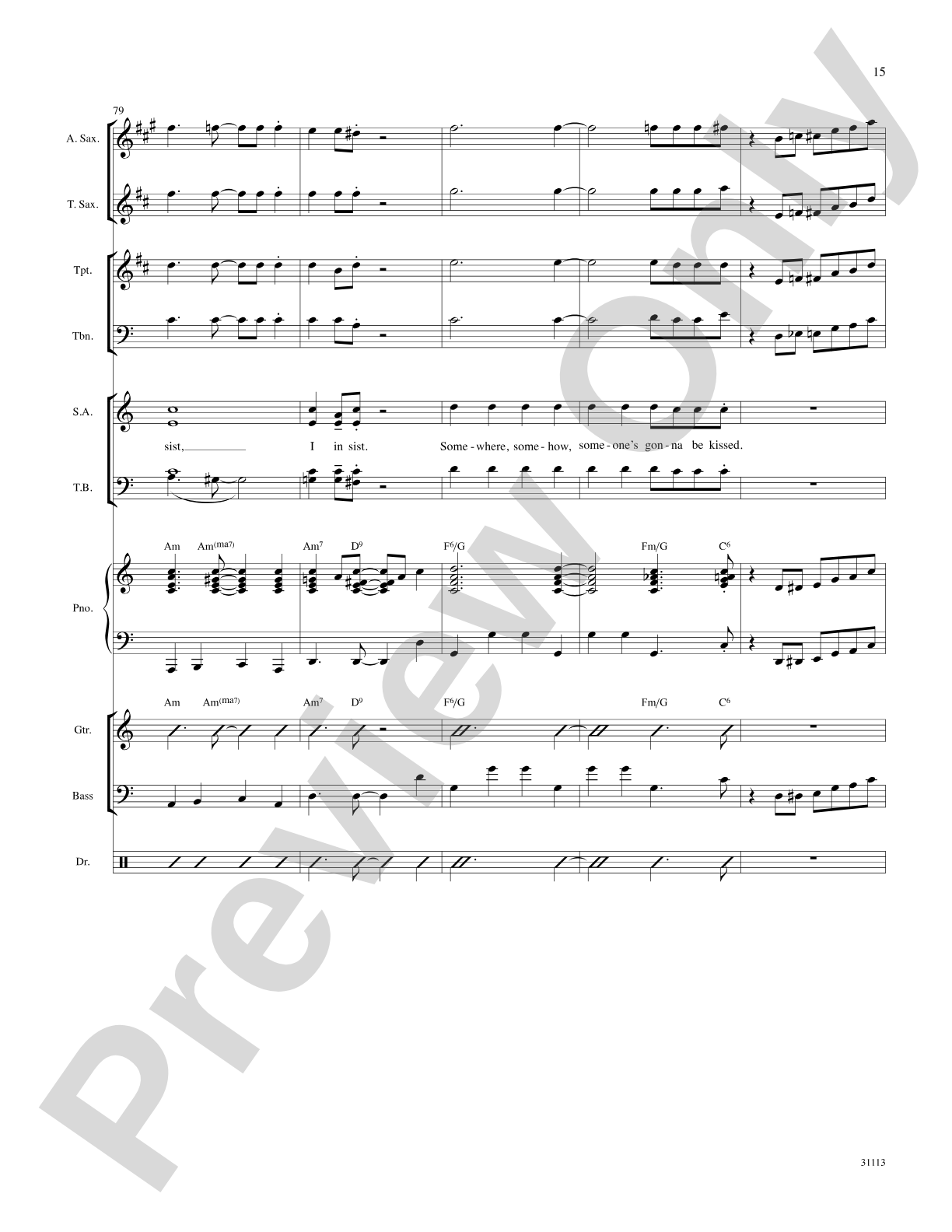
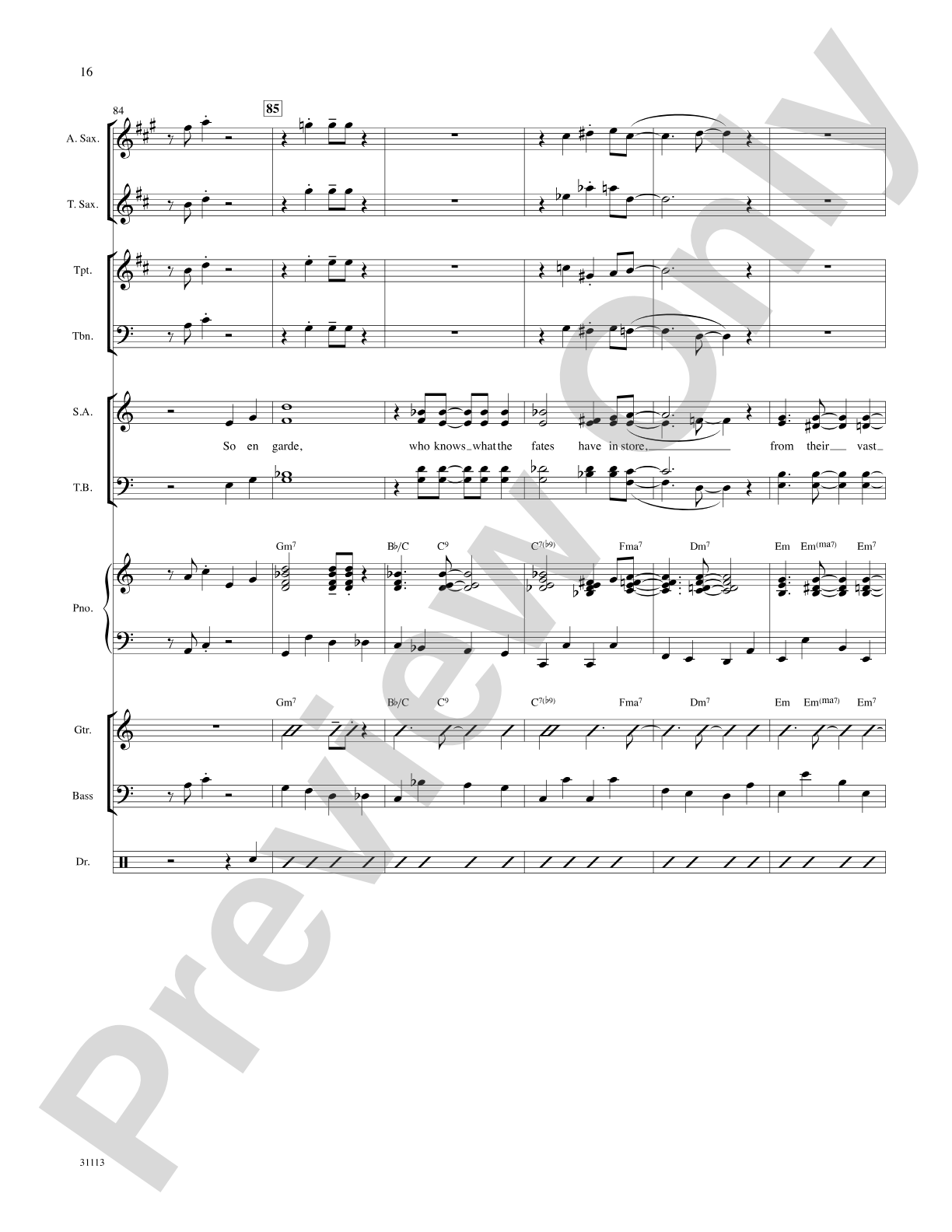
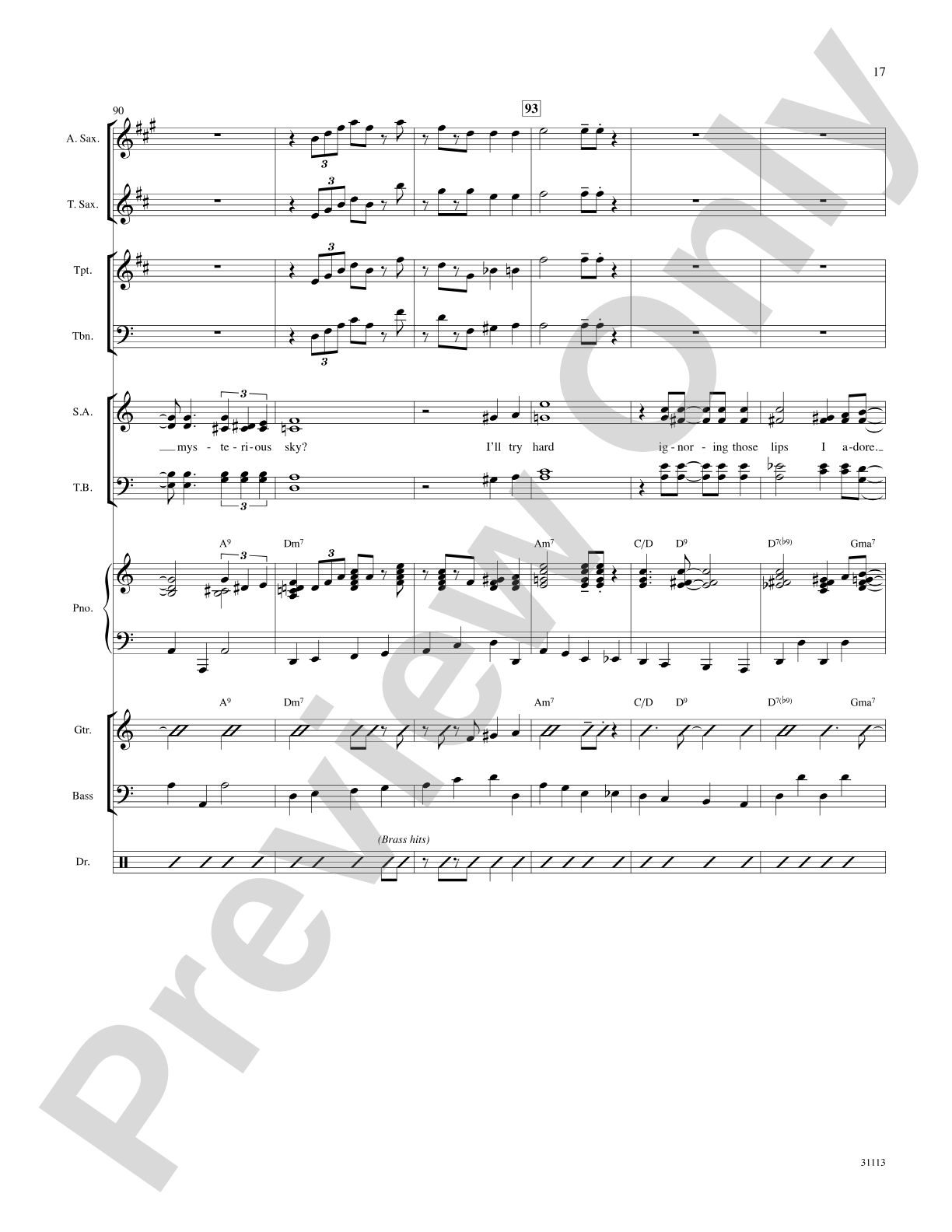
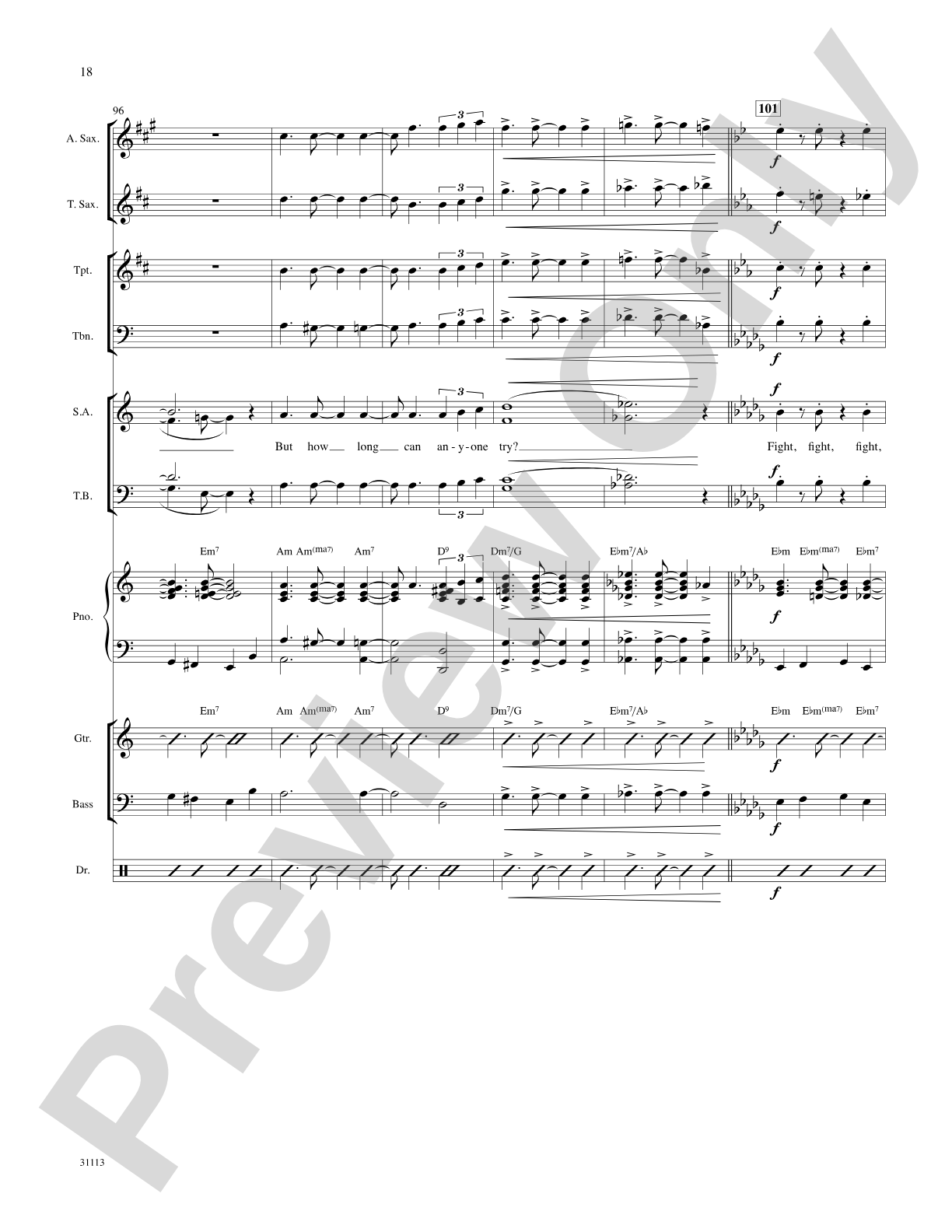
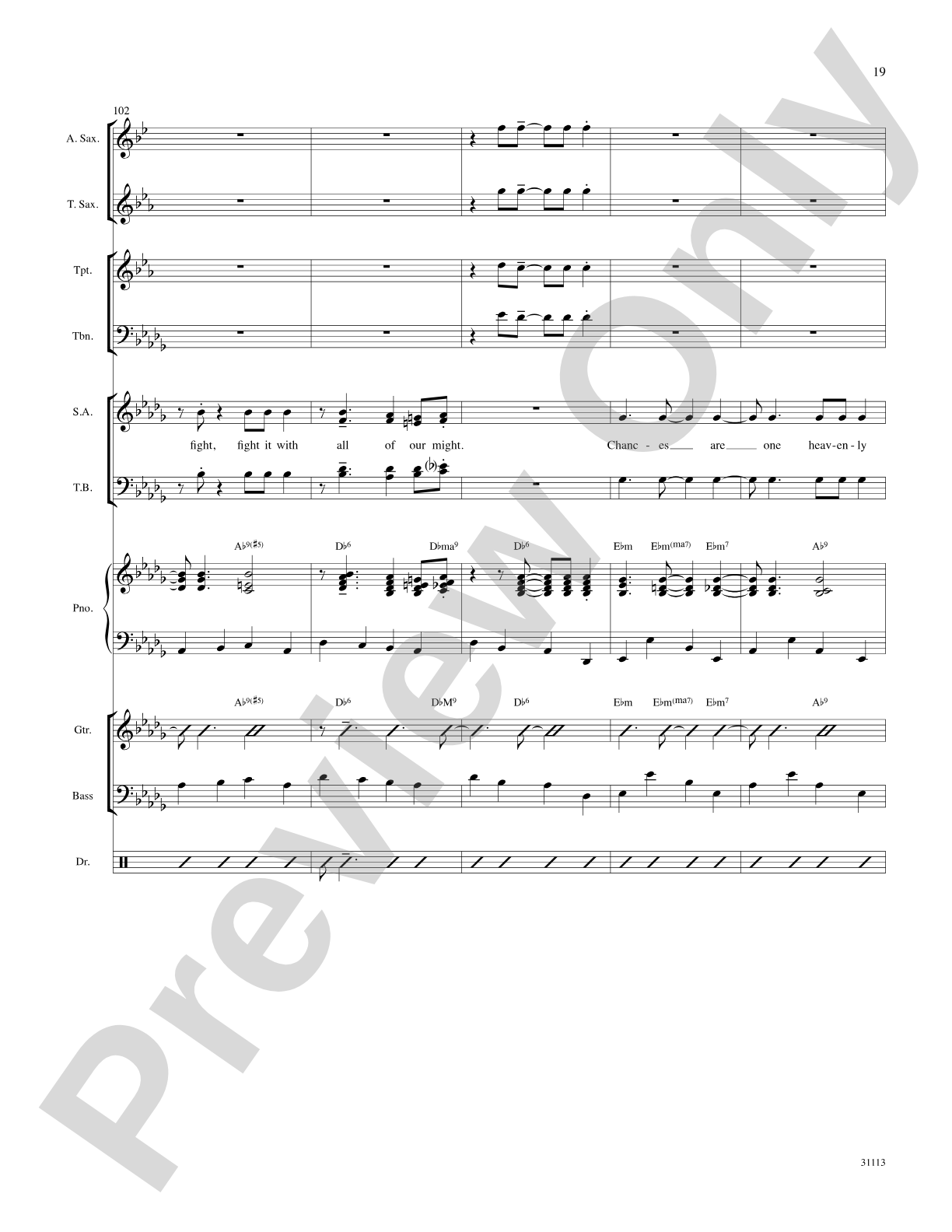
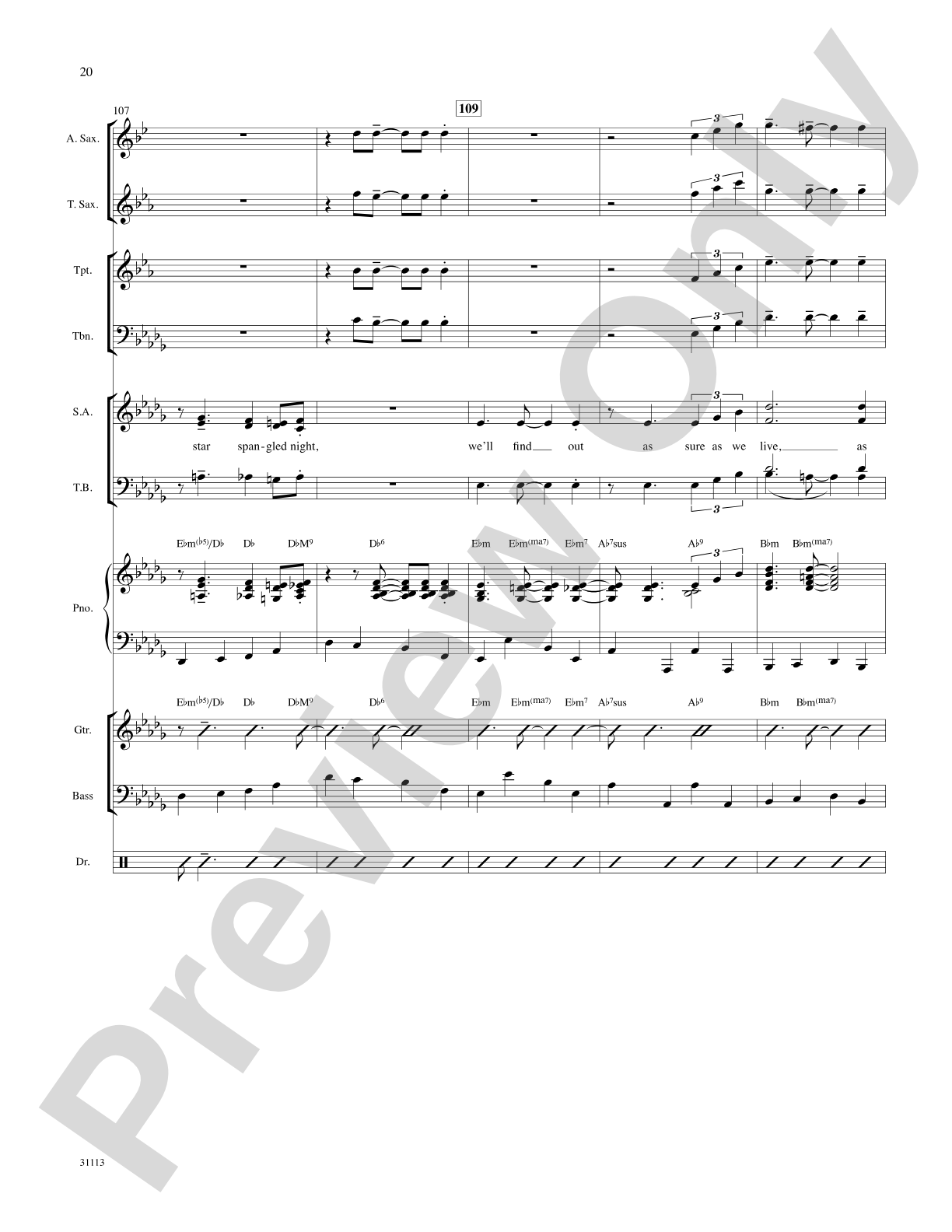
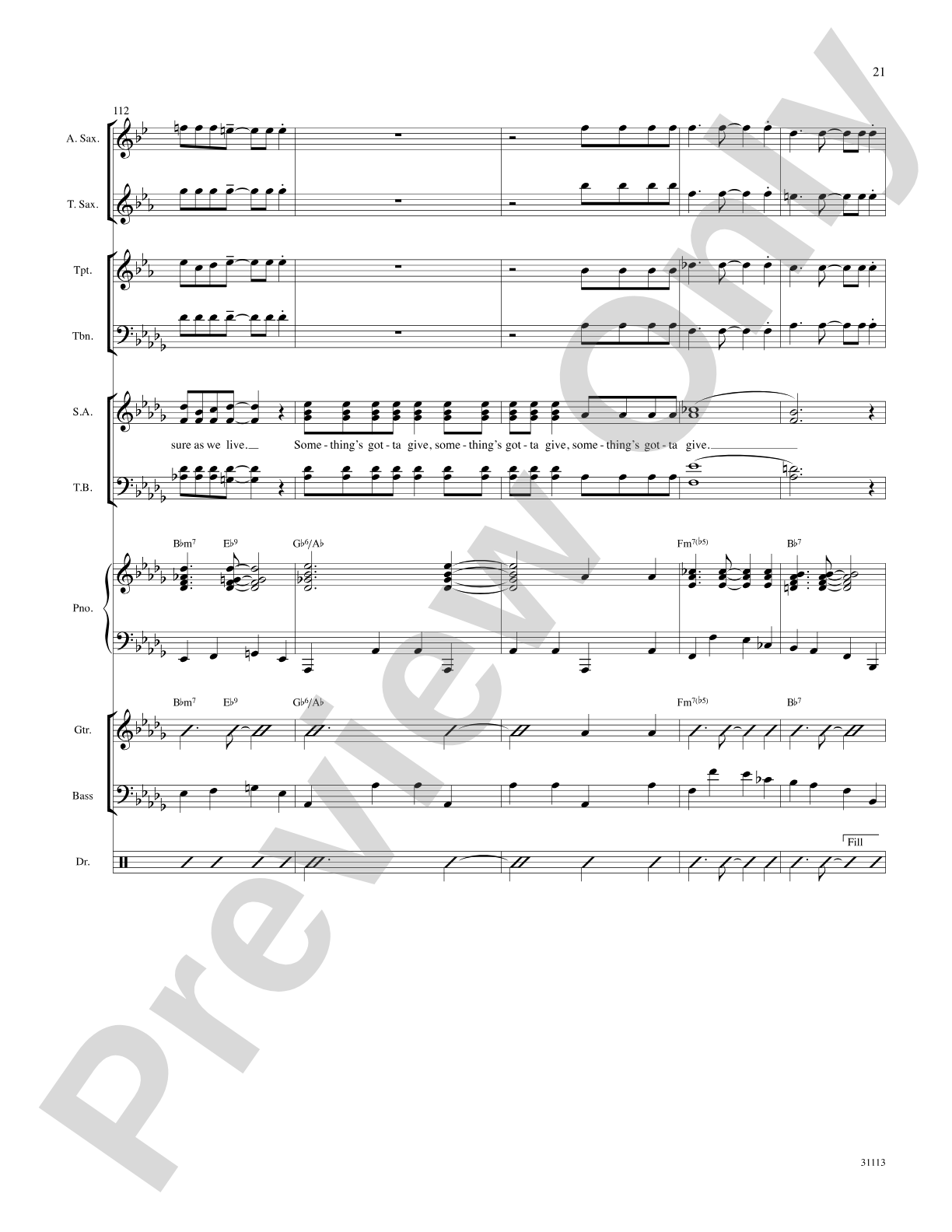
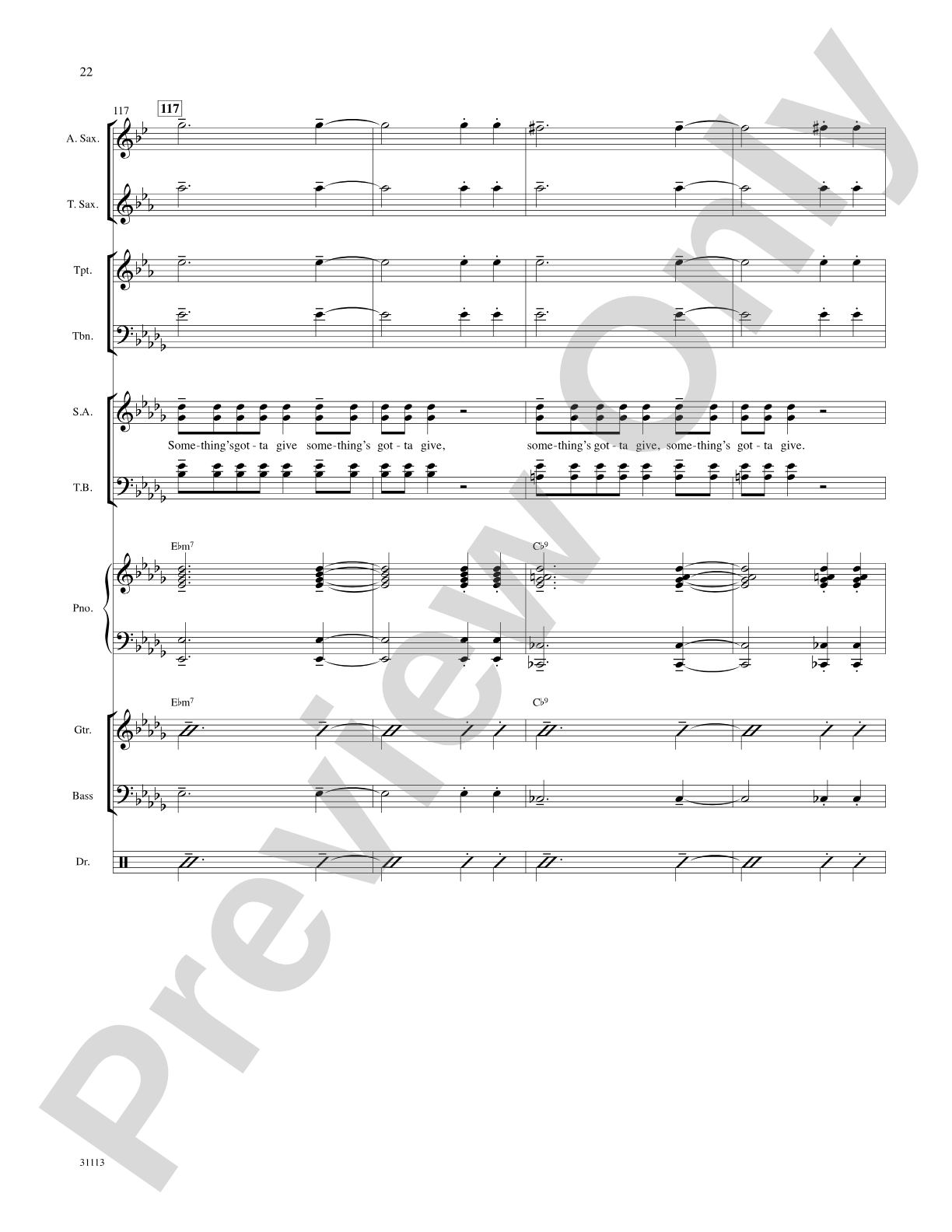
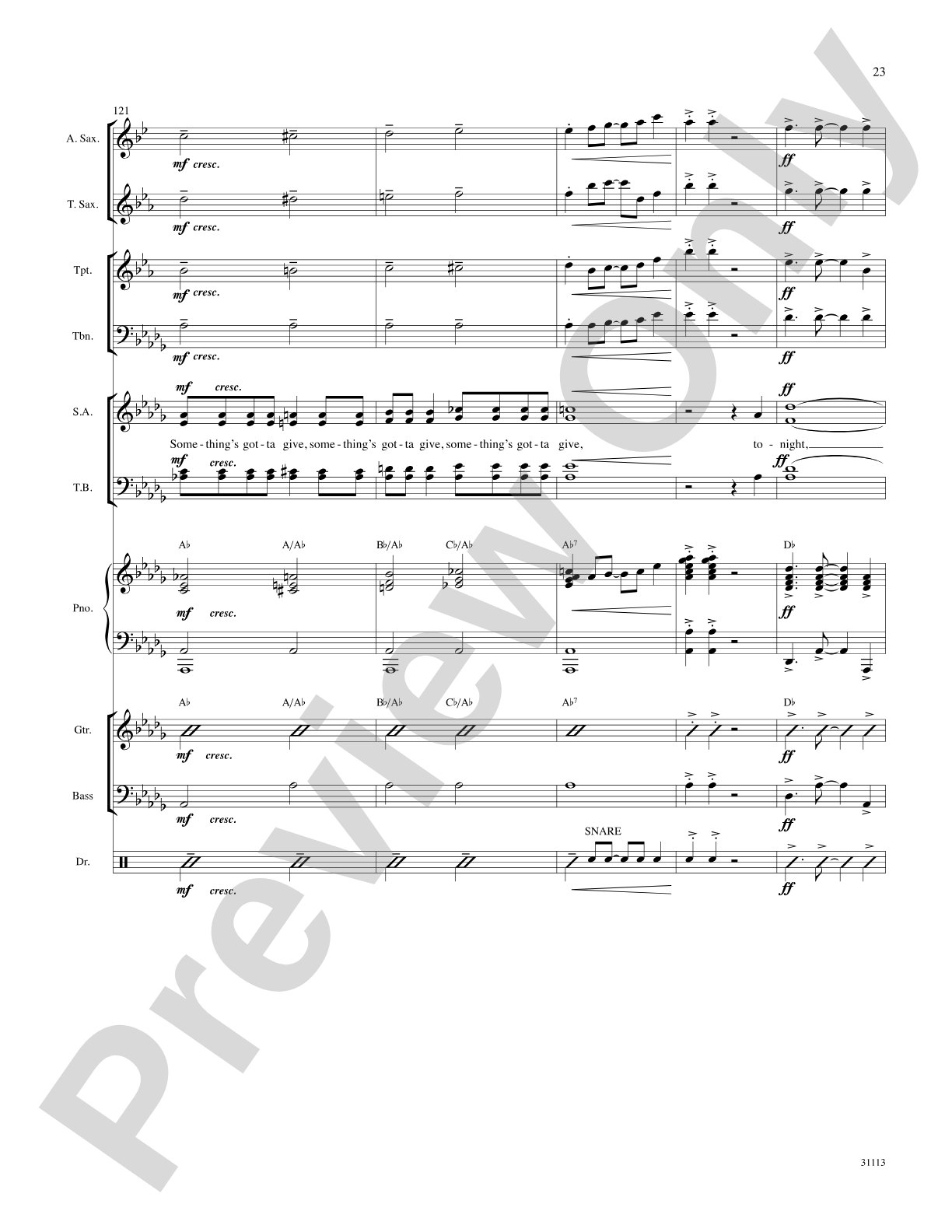
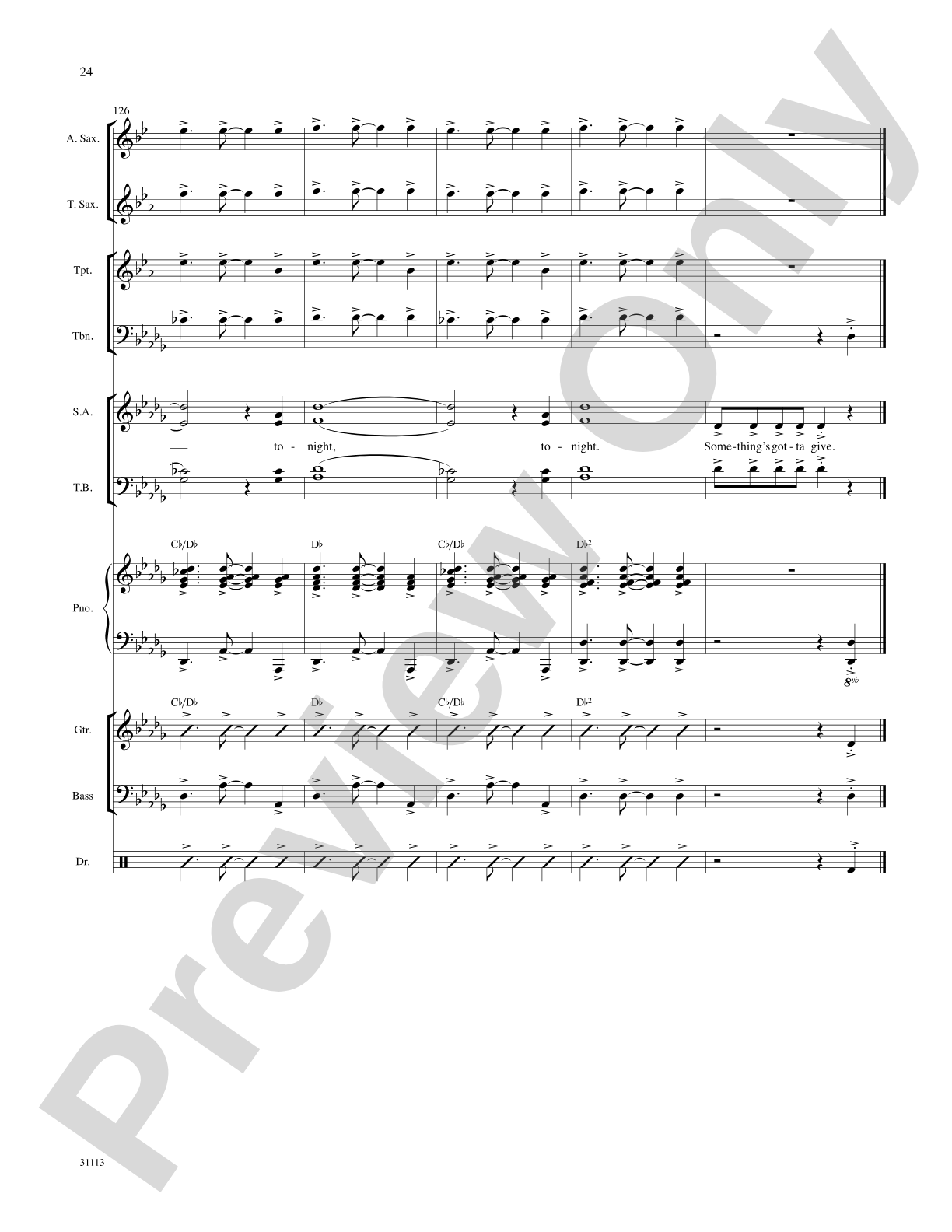

Something's Gotta Give: Choral SoundPax
Words and music by Johnny Mercer / arr. Jay Althouse
Item: 00-PK-0004018

$40.00
Pickup currently not available
Buy Extra Parts (Digital PDF Download)
Parts Added to Cart!
Related Items
Something's Gotta Give: SoundTrax Digital Audio Download |
$24.95
|
View | |
Something's Gotta Give: SATB Choral Octavo |
$1.95
|
View | |
Something's Gotta Give: SSA Choral Octavo |
$1.95
|
View | |
Something's Gotta Give: TTBB Choral Octavo |
$1.95
|
View | |
Something's Gotta Give: SATB Choral Octavo |
$1.95
|
View | |
Something's Gotta Give: SSA Choral Octavo |
$1.95
|
View | |
Something's Gotta Give: TTBB Choral Octavo |
$1.95
|
View | |
Something's Gotta Give: Choral Octavo SoundTrax CD |
$24.95
|
View | |
Something's Gotta Give: Choral SoundPax |
$40.00
|
View |
Description
Celebrate the 100th anniversary in 2009 of the birth of the great American songwriter, Johnny Mercer, with this tight, swingin' arrangement. Appealing to vocal jazz as well as concert choirs. Irresistible! SoundPax includes a. sax., t. sax., tpt., tbn., rhy.


Don't just read it, hear it, play along with it, and watch your students grow with it. In MakeMusic Cloud, Something's Gotta Give: Choral SoundPax comes alive with professional accompaniment, adjustable tempo, and built-in practice tools that turn solo practice into real progress.
Open in the Player
Jump straight in and assign it today.
Start Your Free Trial
Open this title and explore the full library in minutes.
Sample Audio
1
Audio File
--:--
0:00
0:00
Sample Video
No sample videos found.
Additional Details
Series:
Alfred Pop Choral Series
Publisher:
Alfred Music
Page Count:
28
SKU:
00-PK-0004018
Instrumentation:
SoundPax
More about this title
About the Composer: Johnny Mercer
Johnny Mercer stands as one of the most prolific lyricists in American popular music, with a career spanning from the 1930s through the 1970s. His gift for witty, singable, conversational lyrics set the standard for American songwriting, and his work with composers like Henry Mancini, Jerome Kern, and Harold Arlen produced standards that remain central to the jazz and vocal repertoire. For music educators, Mercer's catalog offers direct access to authentic American song craft, his melodies sit naturally in the voice, and his words reward careful diction work.
Why we love this
Jay Althouse captures the swagger and rhythmic snap of mid-century jazz arranging without demanding a full big band. The voicing sits beautifully in a choir while the SoundPax instrumentation, alto sax, tenor sax, trumpet, trombone, rhythm, keeps the sound lean and conversational. Your students will feel the class and sophistication of real jazz standards the moment they hear the recorded accompaniment.
What to expect
Sophisticated and fun in equal measure. The arrangement breathes with the relaxed confidence of a 1950s jazz club, where a great melody and clever words were all you needed to move an audience. It's uptempo and energetic without ever losing its melodic grace or the charm of Mercer's storytelling.
Who it's for
Choirs seeking authentic jazz repertoire that doesn't require singers to have formal jazz training. High school and adult choirs, vocal jazz ensembles, and concert choirs looking to program one swinging standard alongside more traditional classical or contemporary work will find this both musically rewarding and achievable.
How to get the most out of it
- Shape the phrase with jazz phrasing in mind; treat eighth notes with slight swing and allow the rhythm section (especially the drums and bass in the recorded accompaniment) to anchor the groove rather than fighting against it.
- Balance the vocal blend carefully when the brass enters. These parts support rather than overpower the choir, so keep the ensemble tone warm and cohesive in the middle range.
- Listen to classic jazz vocal recordings of this standard before rehearsal so singers understand the rhythmic flexibility and conversational delivery that makes Mercer's lyrics shine.
- Work the consonant clarity in the text; the wit of Mercer's lyrics depends on clean articulation, especially at faster tempos and during the more rhythmically active passages.
How to use it
Pair this with another Mercer standard or place it mid-concert as a palate cleanser that shifts the mood toward contemporary repertoire or jazz-inflected choral works. It works particularly well on programs celebrating American songwriting, Golden Age musicals, or the history of jazz in popular song, and it gives audiences a familiar reference point while showing off your ensemble's versatility.
Skills your students will build
- Jazz phrasing and swing feel (eighths, triplet feel, rhythmic flexibility)
- Balancing choir with small-group jazz instrumentation
- Interpretation of conversational lyrics and comedic timing
- Reading chord symbols and understanding jazz harmony in a choral context
- Ensemble blend and intonation in popular song idiom