Siyahamba Cover Image

Siyahamba: 3-Part Mixed Choral Octavo

$2.05 USD
Sale price  $2.05 USD Regular price 
Skip to product information
Siyahamba Cover Image

Siyahamba: 3-Part Mixed Choral Octavo

South African Folk Song / arr. Donald Moore

Level: Moderate

Item: 00-SV9531

makemusic Cloud badge

Need it now?

Buy Digital Version
$2.05
Shipped

One moment…

Description
This South African folk song is set rhythmically, and includes the potential for using many percussion instruments. A must for the multiculturally diverse performance. It's fun for singers and audience alike!

Don't just read it, hear it, play along with it, and watch your students grow with it. In MakeMusic Cloud, Siyahamba: 3-Part Mixed Choral Octavo comes alive with professional accompaniment, adjustable tempo, and built-in practice tools that turn solo practice into real progress.

Sample Pages

Sample Audio
No sample audio found.
Sample Video
Additional Details
Series: World Music Series
Publisher: Alfred Music
Page Count: 12
UPC: 029156134094
SKU: 00-SV9531
Instrumentation: Opt. Percussion Instruments

More about this title

About the Arranger: Donald Moore
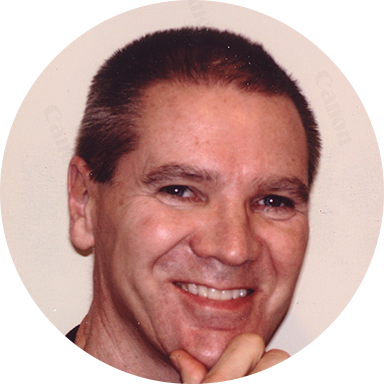
Donald Moore

Donald Moore earned degrees in organ performance and music education from Kent State University and has spent decades building one of the most prolific catalogs in American choral music. His works span sacred, secular, and educational genres across multiple voicings and instrumental combinations, with over 500 compositions published by major houses including Alfred, Hal Leonard, and Heritage Music Press.

As Organist-Choirmaster at Pilgrim United Church of Christ in Ohio, Moore combines his practical knowledge of what works in the rehearsal room with scholarly recognition. The American Choral Directors Association named him among 400 composers of historical significance in American choral music, and he has earned seventeen ASCAP Composers Standard Awards. His arrangements consistently earn selection at state and national festivals.

Why we love this

Moore's arrangement captures the rhythmic drive and communal spirit of this South African hymn without oversimplifying it. The optional percussion parts add authentic texture and give your ensemble genuine stake in creating the arrangement's distinctive sound, rather than simply singing over playback.

What to expect

Siyahamba radiates warmth and collective purpose. The rhythmic drive propels the piece forward while the folk melody grounds it in accessibility, creating a performance that feels both joyful and grounded, inviting listeners into a tradition that spans continents.

Who it's for

Middle school and high school choirs seeking culturally expansive repertoire that energizes singers and engages audiences without requiring exceptional technical skill. The moderate difficulty and optional instrumentation make it equally at home in community, church, and school settings.

How to get the most out of it

  • Establish the rhythmic foundation early in rehearsal by having singers feel the pulse while you conduct, then layer in the optional percussion parts to create the groove the piece demands.
  • Record a rehearsal run-through with percussion included and listen back as an ensemble; this helps singers hear how their vocal lines sit within the fuller texture and builds ownership of the arrangement.
  • Invite student musicians from your school's percussion section to rehearse with the choir, even if they're not formally part of the performance. The collaborative energy strengthens both the musical product and ensemble culture.

How to use it

Program this as a centerpiece for a world music concert or multicultural celebration, where it can anchor a set of global songs and demonstrate your choir's commitment to repertoire beyond the European canon. It also works powerfully as a closing piece when you want to send audiences out energized and united.

Skills your students will build

  • Maintaining rhythmic independence while responding to percussion and the conducted pulse
  • Singing in three-part harmony with clear voice leading in each part
  • Connecting to the historical and cultural context of South African sacred music
  • Responding to optional instrumental accompaniment and ensemble texture

You May Also Like
