Sing Sang Sung Cover Image

Sing Sang Sung: Marching Band Conductor Score & Parts

$55.00 USD
Sale price  $55.00 USD Regular price 
Skip to product information
Sing Sang Sung Cover Image

Sing Sang Sung: Marching Band Conductor Score & Parts

By Gordon Goodwin / arr. Nick Baratta

Grade: 4 (Advanced)

Item: 00-29543

makemusic Cloud badge

Need it now?

Buy Digital Version
$55.00
Shipped

One moment…

Description
This blistering chart from Gordon Goodwin's Big Phat Band's Swingin' For the Fences CD will be a spectacular addition to any show. Nick Baratta has masterfully adapted it for either field or stands use. A must for 2008! (1:30)

Don't just read it, hear it, play along with it, and watch your students grow with it. In MakeMusic Cloud, Sing Sang Sung: Marching Band Conductor Score & Parts comes alive with professional accompaniment, adjustable tempo, and built-in practice tools that turn solo practice into real progress.

Sample Pages

Sample Audio
0:00
0:00
Sample Video
Additional Details
Series: Diamond Series
Publisher: Alfred Music
Page Count: 198
UPC: 038081326481
SKU: 00-29543

More about this title

About the Composer: Gordon Goodwin
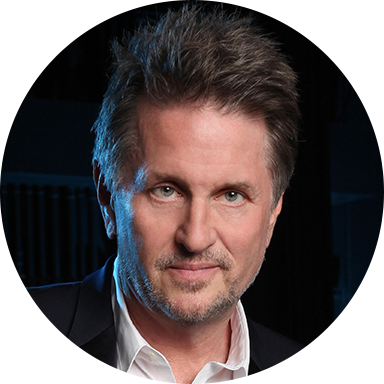
Gordon Goodwin

Gordon Goodwin's compositional voice emerged early and fully formed. By age five, he was transcribing complete compositions from his imagination rather than fragments or simple melodies, and by thirteen he had already written his first big band chart, Hang Loose. This prodigious talent caught the attention of film and television producers, leading to three Emmy Awards and two Grammy nominations for his cinematic scoring and orchestrations on films including Bad Boys II, Con Air, Remember the Titans, and Star Trek: Nemesis.

Beyond Hollywood, Goodwin has collaborated with some of jazz and popular music's most celebrated voices, from Quincy Jones and Ray Charles to Christina Aguilera and David Foster. He has conducted major symphony orchestras across North America and Europe. Since founding Gordon Goodwin's Big Phat Band in 2000, he has become the bandleader of one of Los Angeles's most vital jazz ensembles, with multiple Grammy-nominated albums and the distinction of releasing the first commercially available DVD audio recording in history.

Why we love this

Goodwin's orchestrations carry the energy and sophistication of his Big Phat Band into the marching show context without losing a shred of swagger. Baratta's adaptation respects the original's driving intensity while solving the real logistical challenge of translating a jazz ensemble piece for field or stands performance. The rhythmic precision and harmonic language keep advanced bands engaged while remaining playable by musicians who understand swing phrasing.

What to expect

Blistering energy wrapped in sophisticated swing. The chart moves with relentless forward motion, driven by a solid groove that makes the band sound like a big band on the move rather than a traditional marching ensemble. Bright, confident, and built to impress.

Who it's for

Advanced marching bands seeking repertoire with genuine jazz vocabulary and contemporary flair. This is material for ensembles that have the rhythmic discipline to handle swing feel and the sectional balance to execute Goodwin's ensemble writing without muddying the sophisticated arranging.

How to get the most out of it

  • Balance the articulation demands across the ensemble. Goodwin's writing favors crisp, defined attacks in the ensemble sections, so front ensemble, brass, and woodwinds need alignment on where to lock together.
  • Pay close attention to the syncopated bass line and how it sits against the backbeat. The groove lives in that relationship, so rhythm section clarity matters more than volume.
  • Let the soloists breathe within the swing feel rather than rushing to the next section. Goodwin's charts feature prominent moments for section members, and those shine when given space.
  • Address the dynamic contrast between ensemble hits and sustained passages. The chart's impact depends on executing the full range from whip-snap accents to sustained sonorities.

How to use it

This works as an opener or finale for a show built around jazz or contemporary repertoire. Its one-minute-thirty duration makes it ideal for balancing longer concert selections or building a set around multiple charts that explore different jazz idioms. Consider programming it where you want to establish command and sophistication early in the viewer's experience.

Skills your students will build

  • Swing feel and groove phrasing within a big band context
  • Sectional balance and ensemble clarity in syncopated writing
  • Reading and executing dynamic contrast in complex jazz arrangements
  • Soloistic expression within a tightly written ensemble structure

You May Also Like
