Sing Gloria! Cover Image

Sing Gloria!: 2-Part, <I>a cappella</I> Choral Octavo

$1.60 USD
Sale price  $1.60 USD Regular price 
Skip to product information
Sing Gloria! Cover Image

Sing Gloria!: 2-Part, a cappella Choral Octavo

Based on a canon by William Billings / arr. Russell Robinson

Level: Moderately Easy

Item: 00-OCTM04008

$1.60
Shipped

One moment…

Description
This easy-to-sing concert work is built on Billing's Wake Ev'ry Breath canon. It's an ideal concert opener that will be a welcome addition to every choral library

Sing Gloria!: 2-Part, a cappella Choral Octavo isn't in MakeMusic Cloud just yet...but it could be. Let us know you'd like to see it, and you'll help shape what comes next. In the meantime, start a free trial and dive into thousands of interactive titles your students can play along with today.

Sample Pages

No sample pages found.

Sample Audio
No sample audio found.
Sample Video
Additional Details
Series: Belwin Festival Series
Publisher: Alfred Music
UPC: 654979079835
SKU: 00-OCTM04008

More about this title

About the Arranger: Russell Robinson
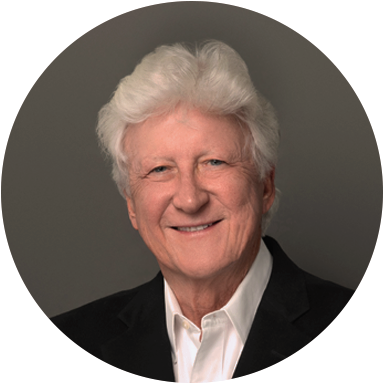
Russell Robinson

Russell Robinson holds emeritus status in music education at the University of Florida and has spent decades working with choirs across six continents. His conducting and consulting work has taken him to Carnegie Hall, Lincoln Center, the Kennedy Center, and performances at the White House and National Cathedral, alongside appearances at festivals, honor choirs, and all-state programs throughout North America, Europe, Asia, Africa, and the Middle East.

Robinson's output as a composer and arranger spans over 500 published works in choral writing, instrumental music, and music education materials. He served as Associate Dean of the UF College of the Arts and held leadership roles in both the Florida Music Educators Association (inducted into its Hall of Fame in 2016) and the National Association for Music Education, bringing both pedagogical insight and deep ensemble experience to his arrangements.

Why we love this

Robinson's grounding in educational contexts shines here: this arrangement respects the tuning and blend challenges of young singers while giving them a piece worth singing. Built on Billings' beloved canon, it carries historical substance without requiring elaborate part-writing or extended vocal ranges, making it genuinely performable by developing choirs who want concert credibility.

What to expect

Sing Gloria carries the quiet dignity of its William Billings source material. The piece has an intimate, reflective quality suited to its sacred context, with the two-part writing creating clear independence between voices without the density of fuller voicings. There's a sense of tradition and earnestness here, qualities that make it feel both purposeful and approachable.

Who it's for

This octavo serves Level 2 choirs, particularly those just beginning to manage unaccompanied singing and needing literature that doesn't demand sophisticated four-part harmony. Directors of younger singers and developing high school choirs will find it accessible enough for quick preparation while remaining substantial enough to open a concert with confidence.

How to get the most out of it

  • Support the ensemble's breath control by marking sensible phrase points in rehearsal; the a cappella texture means every breath is audible, so group these moments deliberately rather than letting singers gasp individually.
  • Balance the two parts by having singers on the weaker part position themselves slightly forward; without accompaniment, blend depends entirely on acoustic placement within the room.
  • Establish a steady, unrushed tempo in early rehearsals and lock it before adding any expressive shaping; young choirs often accelerate when unsupported by instruments.

How to use it

Open a concert with this piece to establish focus and musical intention before moving to larger works. It works especially well in a program that traces American choral heritage, or as an interlude between more contemporary selections. The a cappella texture also makes it valuable for demonstrating fundamental choral skills to parents and administrators early in a concert.

Skills your students will build

  • Singing a cappella without rhythmic or harmonic support from instruments
  • Maintaining independent vocal lines while listening to a second part
  • Breath control and phrase management in unaccompanied context
  • Balance and blend specific to two-part voicing
  • Tuning and intonation without instrumental reference

You May Also Like