Sing Gloria! Cover Image

Sing Gloria!: SAB, <I>a cappella</I> Choral Octavo

$1.60 USD
Sale price  $1.60 USD Regular price 
Skip to product information
Sing Gloria! Cover Image

Sing Gloria!: SAB, a cappella Choral Octavo

Based on a canon by William Billings / arr. Russell Robinson

Level: Moderately Easy

Item: 00-OCTM04007

$1.60
Shipped

One moment…

Description
This easy-to-sing concert work is built on Billing's Wake Ev'ry Breath canon. It's an ideal concert opener that will be a welcome addition to every choral library

Sing Gloria!: SAB, a cappella Choral Octavo isn't in MakeMusic Cloud just yet...but it could be. Let us know you'd like to see it, and you'll help shape what comes next. In the meantime, start a free trial and dive into thousands of interactive titles your students can play along with today.

Sample Pages

No sample pages found.

Sample Audio
No sample audio found.
Sample Video
Additional Details
Series: Belwin Festival Series
Publisher: Alfred Music
UPC: 654979079828
SKU: 00-OCTM04007

More about this title

About the Arranger: Russell Robinson
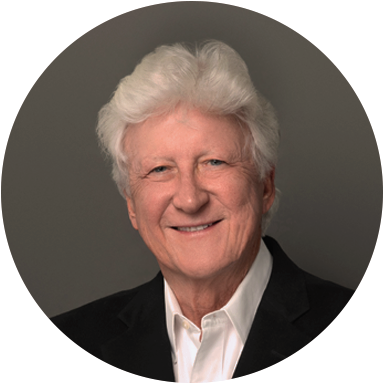
Russell Robinson

Russell Robinson has spent his career shaping choral music through performance, education, and composition. As an emeritus professor at the University of Florida, he has conducted ensembles at Carnegie Hall, Lincoln Center, the Kennedy Center, and the White House, and has presented at festivals and conferences across six continents. His work as a past president of the Florida Music Educators Association and national choral adviser for NAfME reflects his deep commitment to the profession.

Robinson's output as a composer and arranger spans over 500 published works, including choral pieces, arrangements, instructional materials, and books. His arrangements are known for their accessibility without sacrificing musical substance, making them trusted choices in choral programs at all levels.

Why we love this

This arrangement transforms a canonical form into something immediately singable and musically satisfying. Opening a concert with this piece signals musicianship to your audience right away; it's engaging without being showy, and it gives your singers confidence heading into the rest of the program.

What to expect

Sing Gloria has the clarity and uplift of early American sacred music, filtered through Robinson's contemporary ear for choir writing. The canon creates a sense of gentle forward motion and luminosity, especially when voices lock into the imitative texture without strain.

Who it's for

Directors seeking a concert opener for choirs at the high school, college, or community level will find this piece reliably rewarding. It fits ensembles with developing to intermediate sight-reading skills and works equally well for singers new to a cappella singing or those seeking a warm-up piece with musical substance.

How to get the most out of it

  • Balance the three parts carefully during sectional rehearsals. SAB voicing can blur if the soprano line doesn't sit clearly above the alto and baritone; have sopranos anchor the melodic profile early and often.
  • Shape the phrasing around the original canon structure. Even though it's arranged a cappella, honor the breathing points that highlight Billings' compositional logic; this maintains the piece's architectural integrity.
  • Keep the tempo moving with intention. A cappella works can drag if singers overthink intonation; establish a steady pulse and trust that the canonical construction will hold.

How to use it

Place this early in your concert to establish musicality and invite your audience in. It pairs naturally with other a cappella works or with pieces that explore American choral traditions, and it's substantial enough to stand on its own without needing instrumental support.

Skills your students will build

  • Singing a cappella with independent melodic lines in three-part mixed voicing
  • Hearing and maintaining intonation across SAB texture without instrumental reference
  • Executing canonic imitation with rhythmic precision and textural clarity
  • Sustaining legato phrasing and breath control in music without accompaniment

You May Also Like