Sigh No More, Ladies Cover Image

Sigh No More, Ladies: SSA Choral Octavo

$2.25 USD
Sale price  $2.25 USD Regular price 
Skip to product information
Sigh No More, Ladies Cover Image

Sigh No More, Ladies: SSA Choral Octavo

Text from William Shakespeare’s "Much Ado About Nothing," music by Sally K. Albrecht

Item: 00-21169

Need it now?

Buy Digital Version
$2.25
Shipped

One moment…

Description
Sally Albrecht has taken a famous text from Much Ado About Nothing and set it to a charming, original melody for SSA voices. The piece has a madrigal-like quality, complete with a "hey nonny, nonny" section. It's a light commentary on men who are "deceivers ever; one foot on sea and one on shore." Fresh choral writing for SSA groups of any age.

Sigh No More, Ladies: SSA Choral Octavo isn't in MakeMusic Cloud just yet...but it could be. Let us know you'd like to see it, and you'll help shape what comes next. In the meantime, start a free trial and dive into thousands of interactive titles your students can play along with today.

Sample Pages

Sample Audio
0:00
0:00
Sample Video
Additional Details
Series: Alfred Choral Designs
Publisher: Alfred Music
Page Count: 12
UPC: 038081200903
SKU: 00-21169

More about this title

About the Composer: Sally K. Albrecht
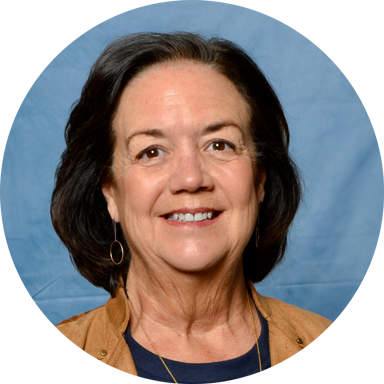
Sally K. Albrecht

Sally K. Albrecht has shaped choral music education for over three decades, serving as Director of School Choral, Vocal, and Elementary Publications at major educational publishers, most recently Alfred Music. A prolific composer with more than 600 choral works and 75 larger musicals and songbooks in print, she has been an annual ASCAP Special Music Award recipient since 1987 and conducted honor choirs at prestigious venues including Lincoln Center, Carnegie Hall, and The Kennedy Center.

Albrecht holds degrees from Rollins College (B.A. in Music and Theater, 1976), the University of Miami (M.A. in Drama, 1977, and M.M. in Accompanying, 1979), and has taught in music departments at Oakland University, Jersey City State College, and Meredith College. She served as Chair of the Board of Trustees for the Omicron Delta Kappa National Leadership Honor Society and received their "Pillar of Leadership" award. In 2021, she received the Distinguished Alumna Award from both the University of Miami Frost School of Music and Rollins College. She lives in Wake Forest, North Carolina.

Why we love this

Albrecht's gift for pairing text with melody shines here: she takes Shakespeare's biting social commentary and wraps it in a disarmingly playful madrigal that feels contemporary without losing charm. The "hey nonny, nonny" refrain gives your singers something genuinely fun to perform, while the piece maintains enough musical substance to feel substantial in a concert setting. It's the rare SSA piece that entertains both the singers and the audience without ever winking at its own cleverness.

What to expect

Playful and pointed, with the warmth of a Renaissance madrigal and the wit of Elizabethan humor. The melody dances lightly through Shakespeare's commentary on romantic deception, inviting singers to enjoy both the music and the clever text simultaneously.

Who it's for

SSA choirs of any age looking for fresh, engaging repertoire with literary substance. This works equally well for high school ensembles seeking accessible yet sophisticated material and adult community choirs drawn to Shakespearean texts and madrigal traditions.

How to get the most out of it

  • Emphasize the diction on 'deceivers ever' to let the wit of the text land clearly; the melody supports sharp articulation here without sacrificing the lyrical quality.
  • Shape the 'hey nonny, nonny' section with rhythmic cohesion among your three parts so it lands as a unified moment rather than three separate lines.
  • Balance the upper voices carefully in the madrigal sections to ensure the melody reads prominently while the supporting lines remain transparent.

How to use it

Position this as a concert opener or closer to establish a lighter, more accessible tone, or pair it with other secular choral works to build a thematic set around Renaissance literature and forms. Its twelve pages make it an efficient choice for programs where you need character without extensive rehearsal demands.

Skills your students will build

  • Madrigal-style voice leading and part independence
  • Articulation and diction clarity in text-driven passages
  • Balancing melody and accompaniment in three-part writing
  • Ensemble rhythmic unity across stylistically contrasting sections

You May Also Like