

Shallow: SATB Choral Octavo
From A Star Is Born
Words and music by Lady Gaga, Mark Ronson, Anthony Rossomando, and Andrew Wyatt / arr. Alan Billingsley
Item: 00-PO-0006009
$2.10
Minimum order quantity: 20 copies
Pickup currently not available
Related Items
Shallow: 3-Part Mixed Choral Octavo |
$2.10
|
View | |
Shallow: 2-Part Choral Octavo |
$2.10
|
View | |
Shallow: Choral SoundPax |
$25.00
|
View | |
Shallow: SATB Choral Octavo |
$2.10
|
View | |
Shallow: 3-Part Mixed Choral Octavo |
$2.10
|
View | |
Shallow: 2-Part Choral Octavo |
$2.10
|
View | |
Shallow: Choral SoundPax |
$25.00
|
View |
Description
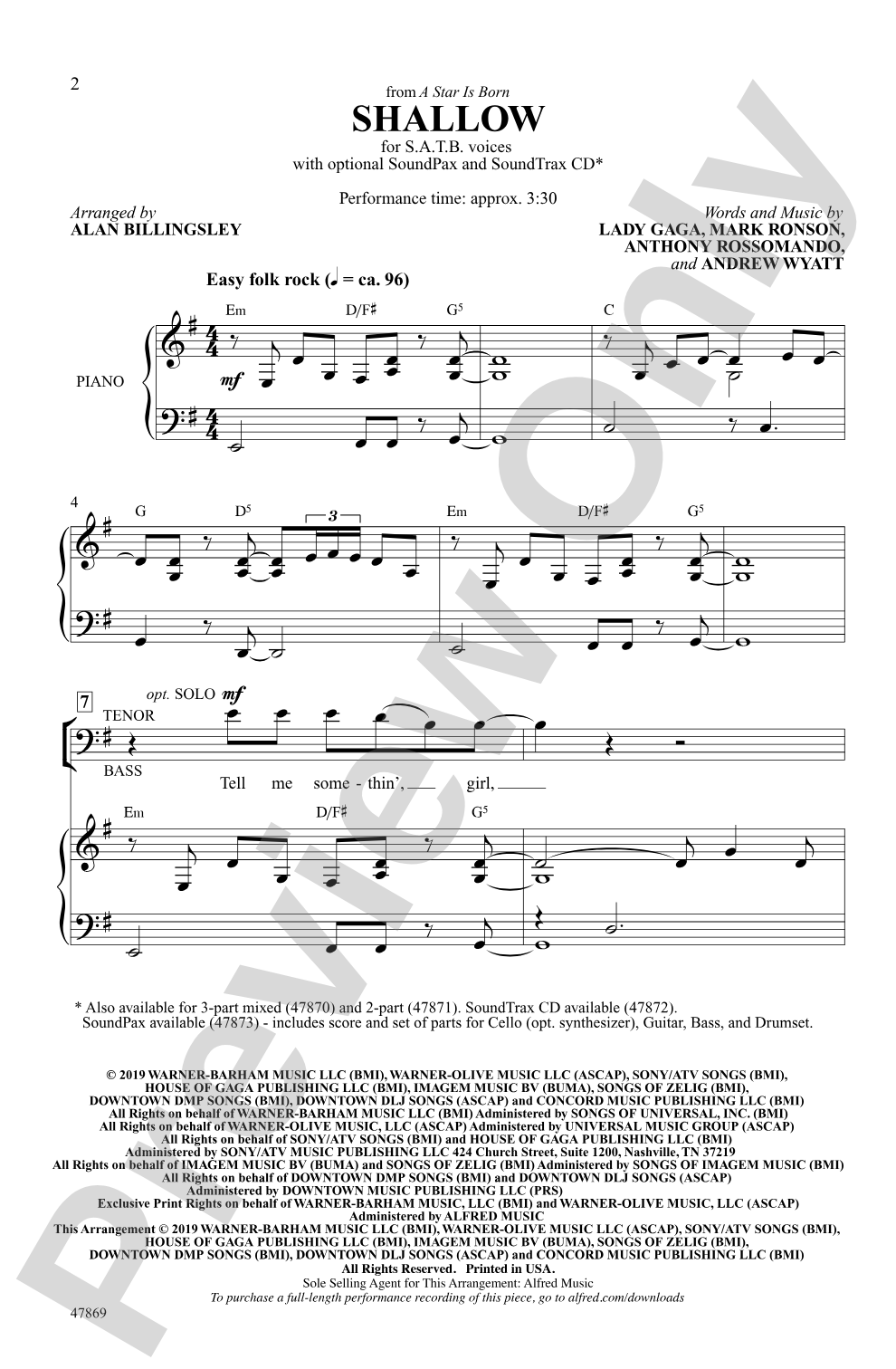
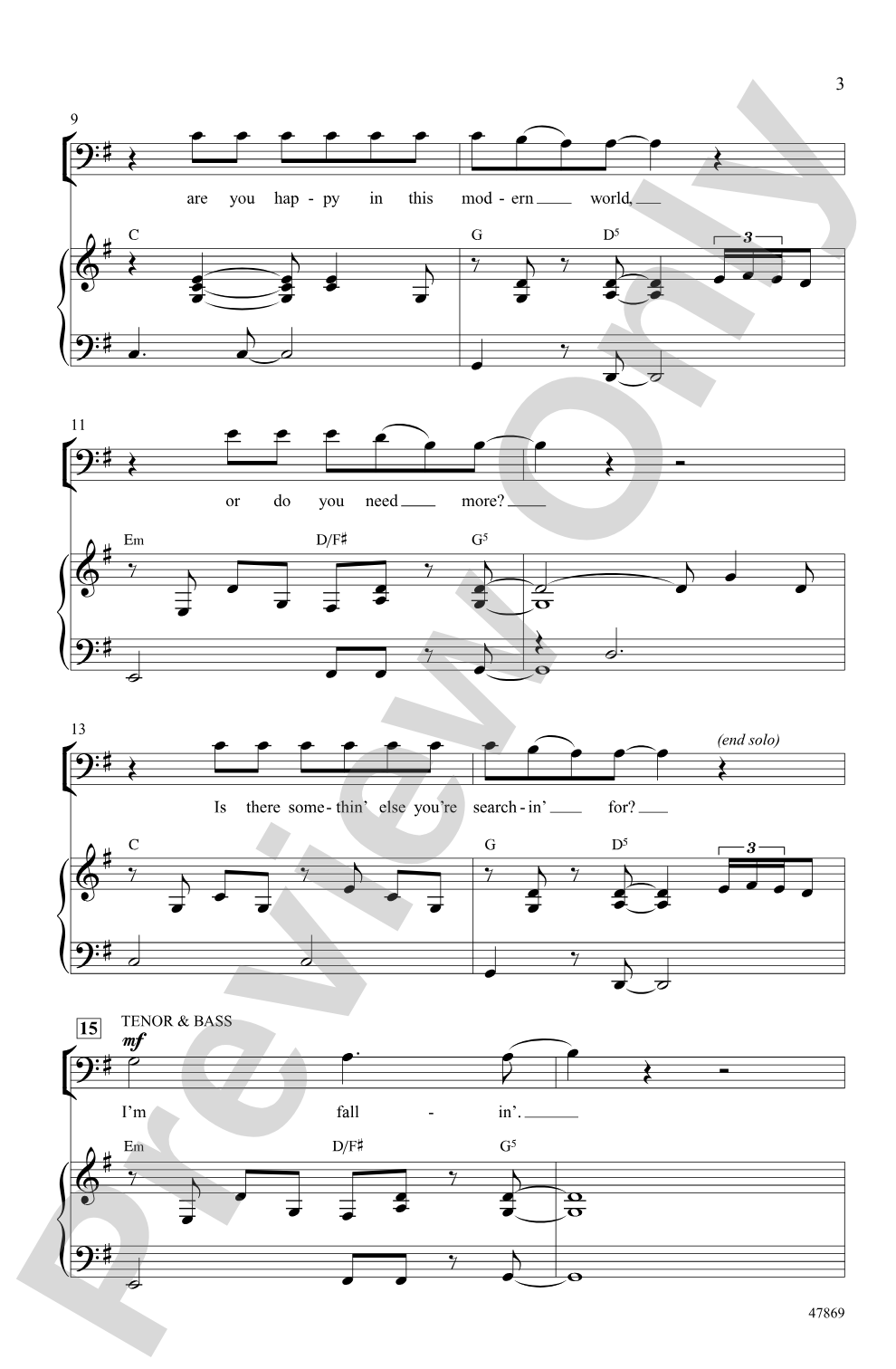
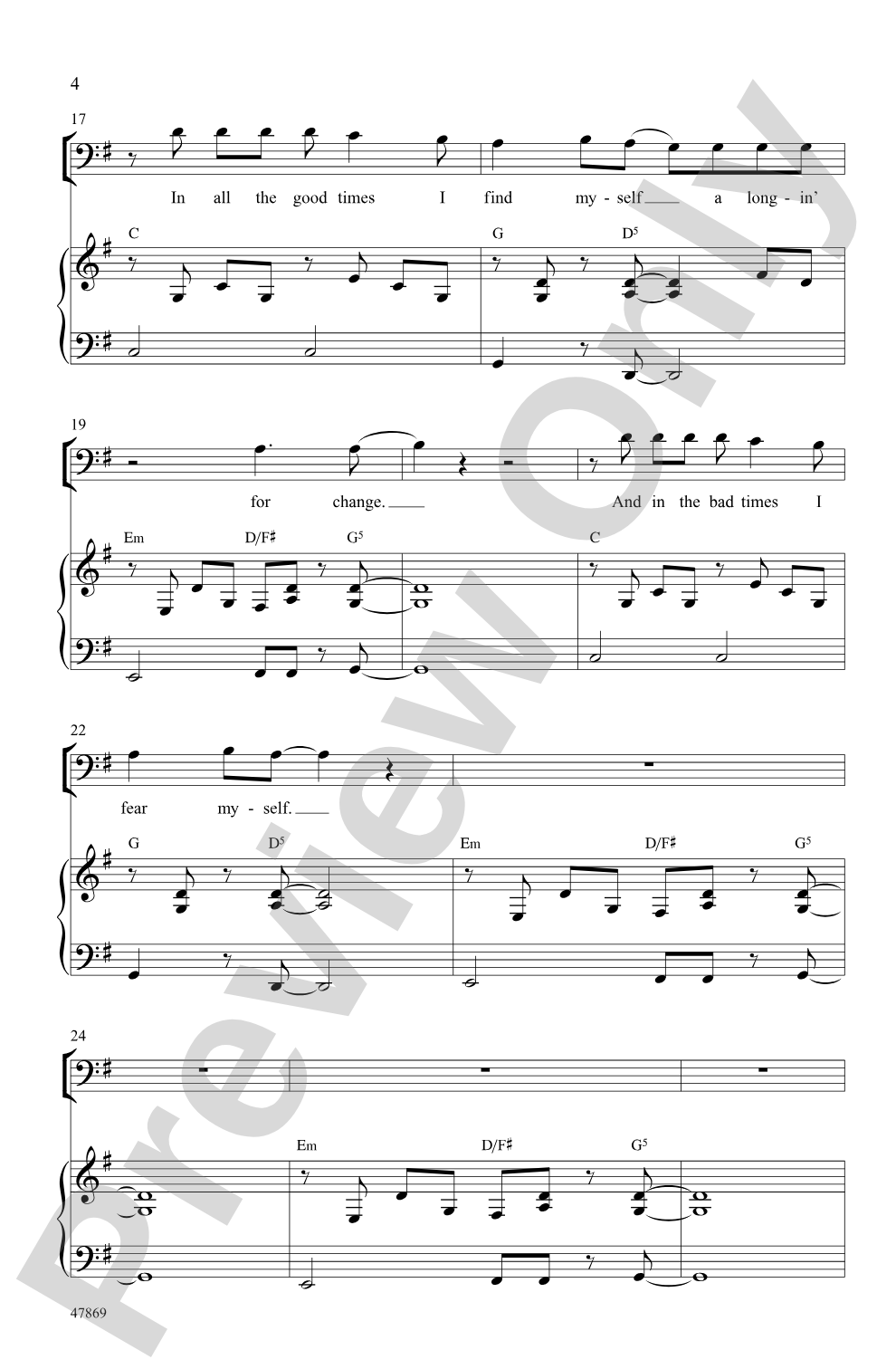
This Lady Gaga/Bradley Cooper Oscar-winner lays at the heart of the blockbuster movie A Star Is Born. Alan's tasteful, sound-alike arrangement preserves the opening solo and duet passages before blossoming into full choral harmony. An expressive cello part (in the SoundPax and on the SoundTrax CD) adds even more emotion to this top-reviewed award winner!


Shallow: SATB Choral Octavo isn't in MakeMusic Cloud just yet...but it could be. Let us know you'd like to see it, and you'll help shape what comes next. In the meantime, start a free trial and dive into thousands of interactive titles your students can play along with today.
Request This Title
Tell us you want it.
Start Your Free Trial
Explore everything that's ready to play right now.
Sample Audio
1
Audio File
--:--
0:00
0:00
Sample Video
Additional Details
Series:
Alfred Pop Choral Series
Publisher:
Alfred Music
Page Count:
12
SKU:
00-PO-0006009
More about this title
About the Composer: Lady Gaga
Lady Gaga emerged as a pop innovator who brought theatrical ambition and serious compositional craft to mainstream music. Her collaborations with producers like Mark Ronson and co-writers Anthony Rossomando and Andrew Wyatt produced "Shallow," a song that transcends its pop origins through emotional depth and harmonic sophistication, earning an Academy Award and becoming a touchstone for contemporary choral arrangers.
Beyond the recording studio, her work has shown musicians of all levels that pop songwriting can carry genuine artistic weight. "Shallow" in particular demonstrates how strong melody, dynamic range, and emotional restraint create music that works equally well in intimate settings and large ensemble contexts.
Why we love this
Alan Billingsley's arrangement respects the song's intimate origins while building toward moments of genuine choral power. The preserved solo and duet passages give singers a chance to connect with the material's vulnerability before the ensemble swells, and the optional cello part adds a layer of sophistication that elevates the whole performance without overwhelming it.
What to expect
The piece opens with understated vulnerability, inviting listeners into an intimate moment before gradually gathering strength and collective voice. By the final sections, the full choir creates something both soaring and grounded, maintaining the tenderness of the original while achieving genuine dramatic power.
Who it's for
Choirs of intermediate to advanced ability will find this arrangement accessible yet musically rewarding. It works equally well for show choirs seeking contemporary repertoire with emotional substance and concert choirs looking to expand beyond traditional classical literature.
How to get the most out of it
- Shape the opening solo passages with rubato and dynamic nuance; these early moments set the emotional tone and invite the audience into the story before the choir enters.
- Balance the blend during the transition into full SATB harmony by having singers listen across sections rather than focusing inward; the arrangement's power depends on unified phrasing across all four parts.
- If you're using the optional cello part, rehearse it with the soprano line first to establish the song's melodic contour, then layer in the other voices against it.
- Treat the recorded accompaniment as a collaborative partner, not a metronome; allow space for expressive breath and slight tempo flexibility, particularly in passages marked with dynamic or emotional shifts.
How to use it
This pairs beautifully in a concert exploring film music or contemporary pop arrangements, or as a poignant closing number that shifts the evening's tone. The song's emotional arc also makes it work as a bridge between more classical first-half programming and accessible pop repertoire, signaling to your audience that you value both musical traditions.
Skills your students will build
- Blending pop vocal production techniques with choral SATB writing
- Maintaining stylistic consistency across solo passages and full ensemble sections
- Balancing expressive phrasing with ensemble unity in a contemporary idiom
- Interpreting dynamic and emotional subtext in modern songwriting