
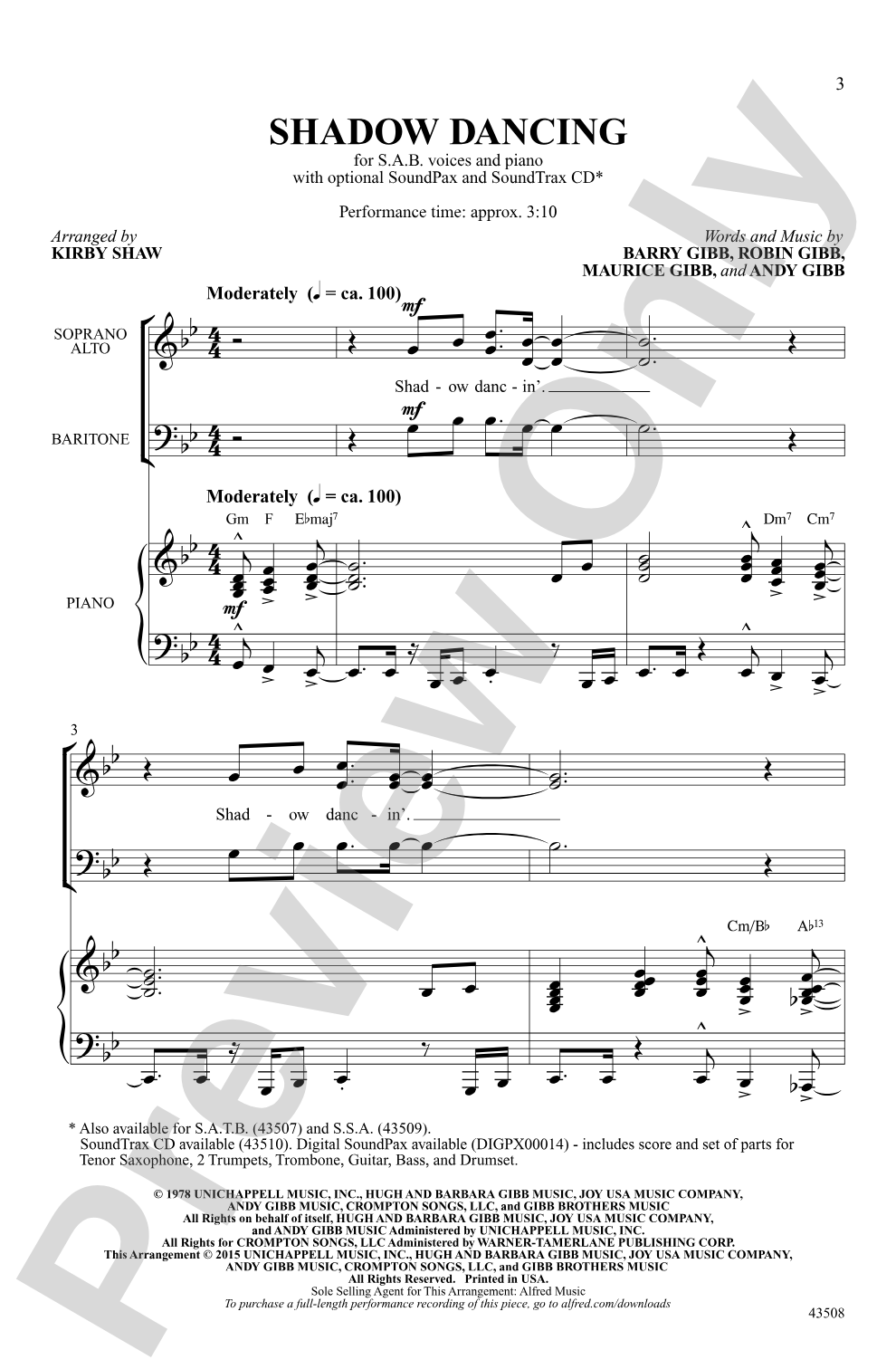
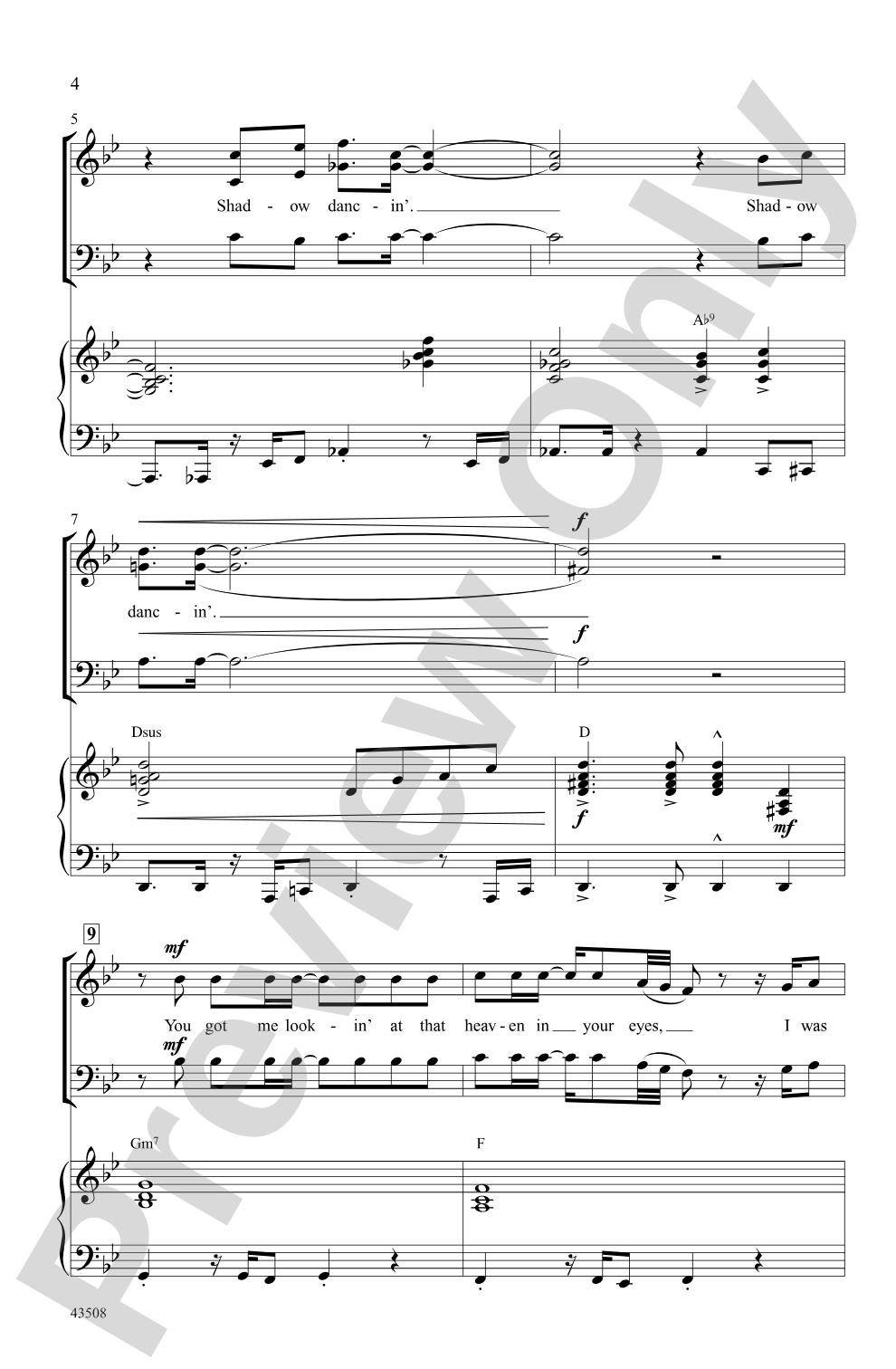
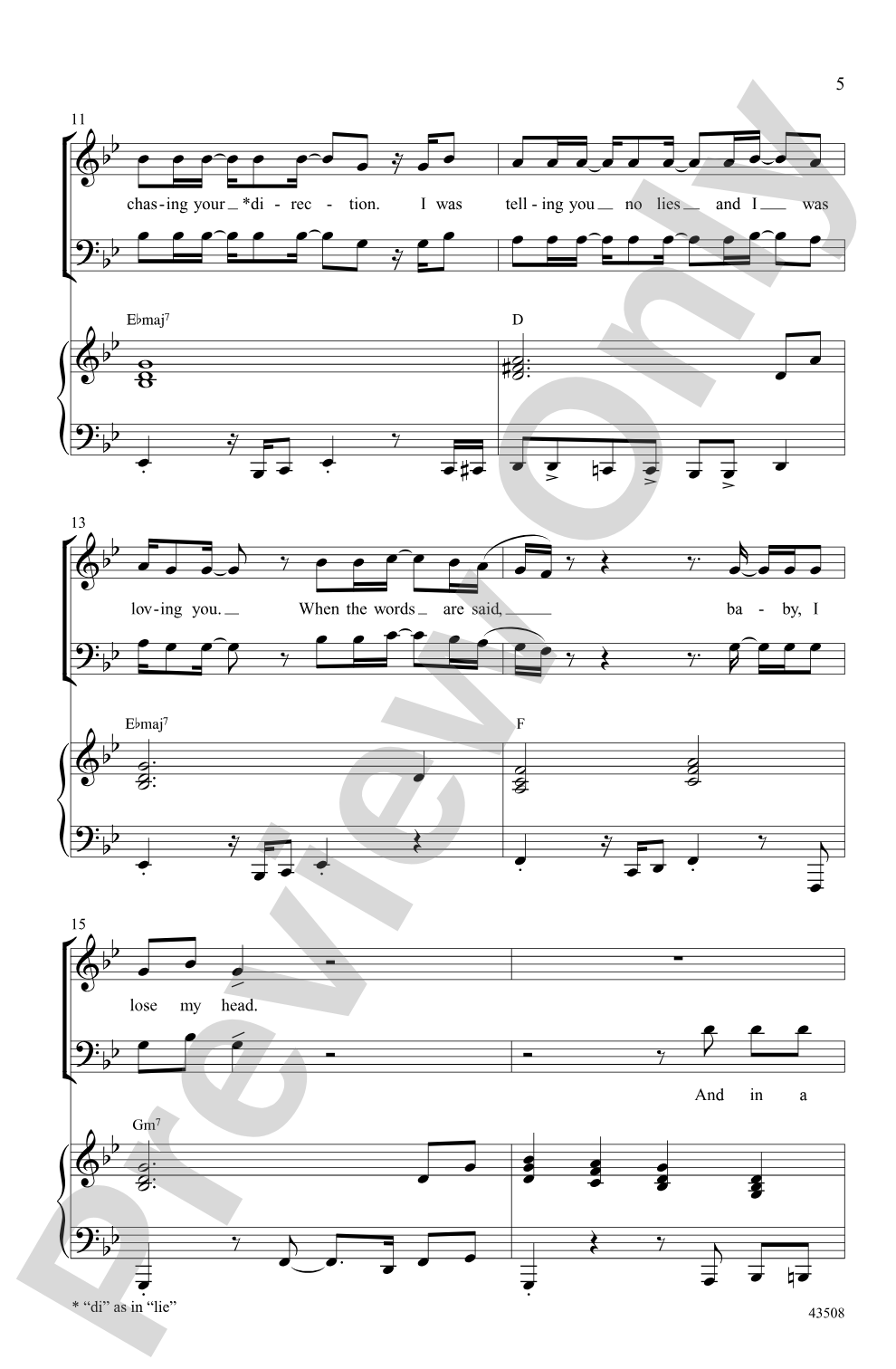

Shadow Dancing: SAB Choral Octavo
Words and music by Barry Gibb, Robin Gibb, Maurice Gibb, and Andy Gibb / arr. Kirby Shaw
Item: 00-PO-0003400
$2.10
Minimum order quantity: 20 copies
One moment…
Description
Andy Gibb was the first solo artist to have his first three singles all hit the number one spot in the U.S. Put on your polyester and pay tribute to the wonderful world of disco!


Shadow Dancing: SAB Choral Octavo isn't in MakeMusic Cloud just yet...but it could be. Let us know you'd like to see it, and you'll help shape what comes next. In the meantime, start a free trial and dive into thousands of interactive titles your students can play along with today.
Request This Title
Tell us you want it.
Start Your Free Trial
Explore everything that's ready to play right now.
Sample Audio
1
Audio File
--:--
0:00
0:00
Sample Video
No sample videos found.
Additional Details
Series:
Alfred Pop Series
Publisher:
Alfred Music
Page Count:
16
SKU:
00-PO-0003400
More about this title
About the Composer: Barry Gibb
Barry Gibb was a founding member and primary songwriter of the Bee Gees, the disco and pop powerhouse that shaped global popular music from the 1960s through the 1980s. His gift for crafting memorable melodies and layered vocal arrangements defined the sound of an era, and his compositional work continues to serve as a resource for educators introducing students to the craft of pop songwriting and the cultural impact of disco.
Why we love this
Kirby Shaw's arrangement captures the infectious groove of "Shadow Dancing" in a voicing that works for young and developing choirs while honoring the song's essential character. The SAB setting gives treble singers and lower voices equally engaging material, and the disco energy provides a refreshing contrast to standard concert repertoire without sacrificing musicianship.
What to expect
"Shadow Dancing" sparkles with the hallmark shimmer of 1970s disco, complete with infectious rhythmic propulsion and soaring, singable melodies. The arrangement captures that sense of joy and movement, inviting singers to embrace the sparkle and straightforward pleasure of the original hit.
Who it's for
This arrangement works for mixed choirs in grades 6 through 12 and adult community ensembles looking to program accessible pop repertoire. It's especially effective for choirs seeking energetic, recognizable material that appeals to singers and audiences alike without requiring extensive vocal demands or complex harmonic language.
How to get the most out of it
- Lean into the rhythmic precision that makes disco effective; even at relaxed tempos, the pulse and articulation keep the arrangement propulsive.
- Use the recorded accompaniment to anchor the groove during early rehearsals, then gradually reduce dependence on it so the singers can own the rhythmic feel.
- Balance the soaring lines in the upper voices with the supportive bass part; the interplay between these voices creates the signature Gibb brothers sound.
- Keep the vowels open and resonant on sustained notes to capture the warmth that made the original so radio-friendly.
How to use it
Position this as an audience favorite in a pop or contemporary-themed concert, or pair it with other recognizable songs from the era to create a cohesive set that celebrates the cultural footprint of disco. Its accessibility and warmth also make it a strong choice for pops concerts or as a finale that leaves the audience energized.
Skills your students will build
- Maintaining steady rhythm in syncopated contexts
- Blending three-part textures with balanced voice parts
- Singing with appropriate inflection and style in a pop idiom
- Reading straightforward melody and harmonic movement