
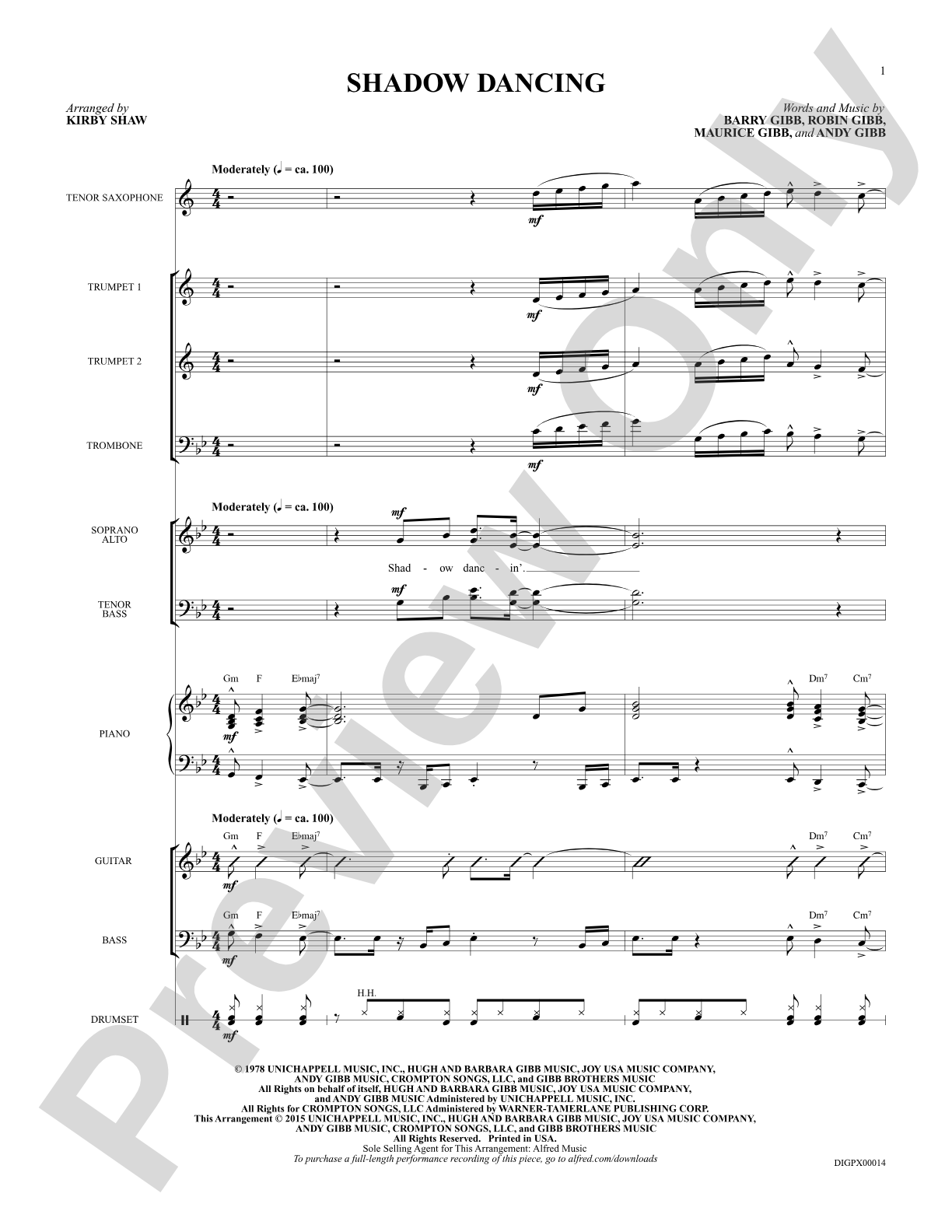
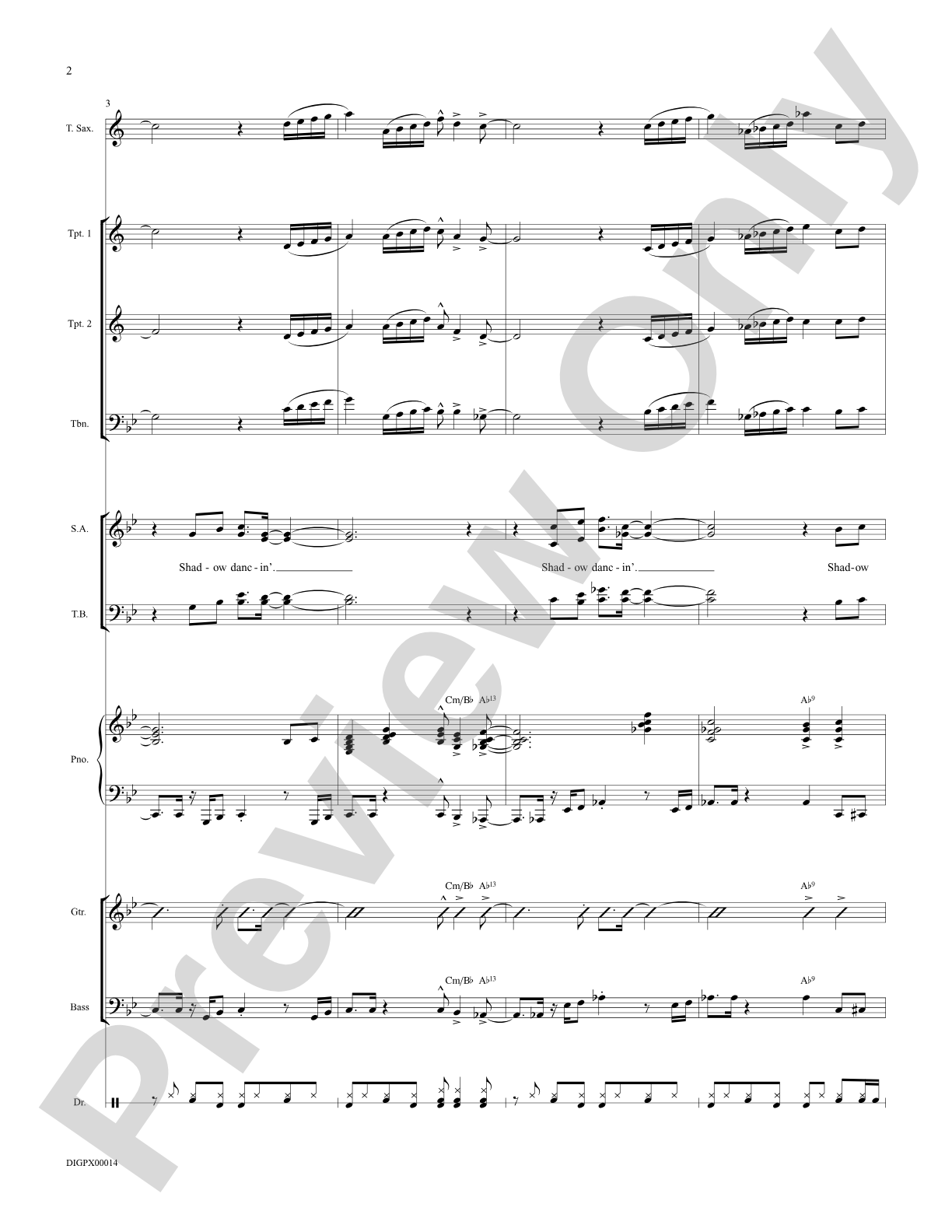
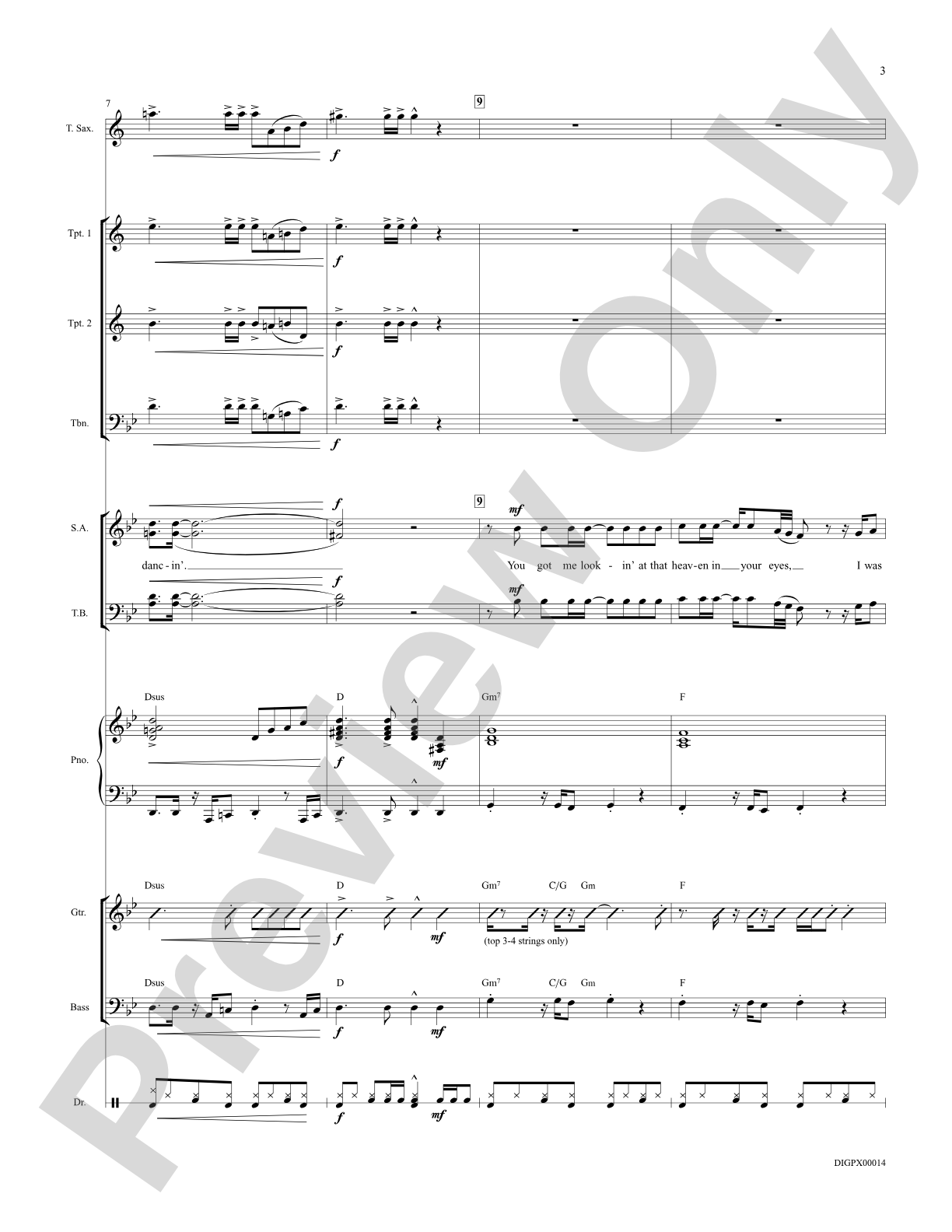
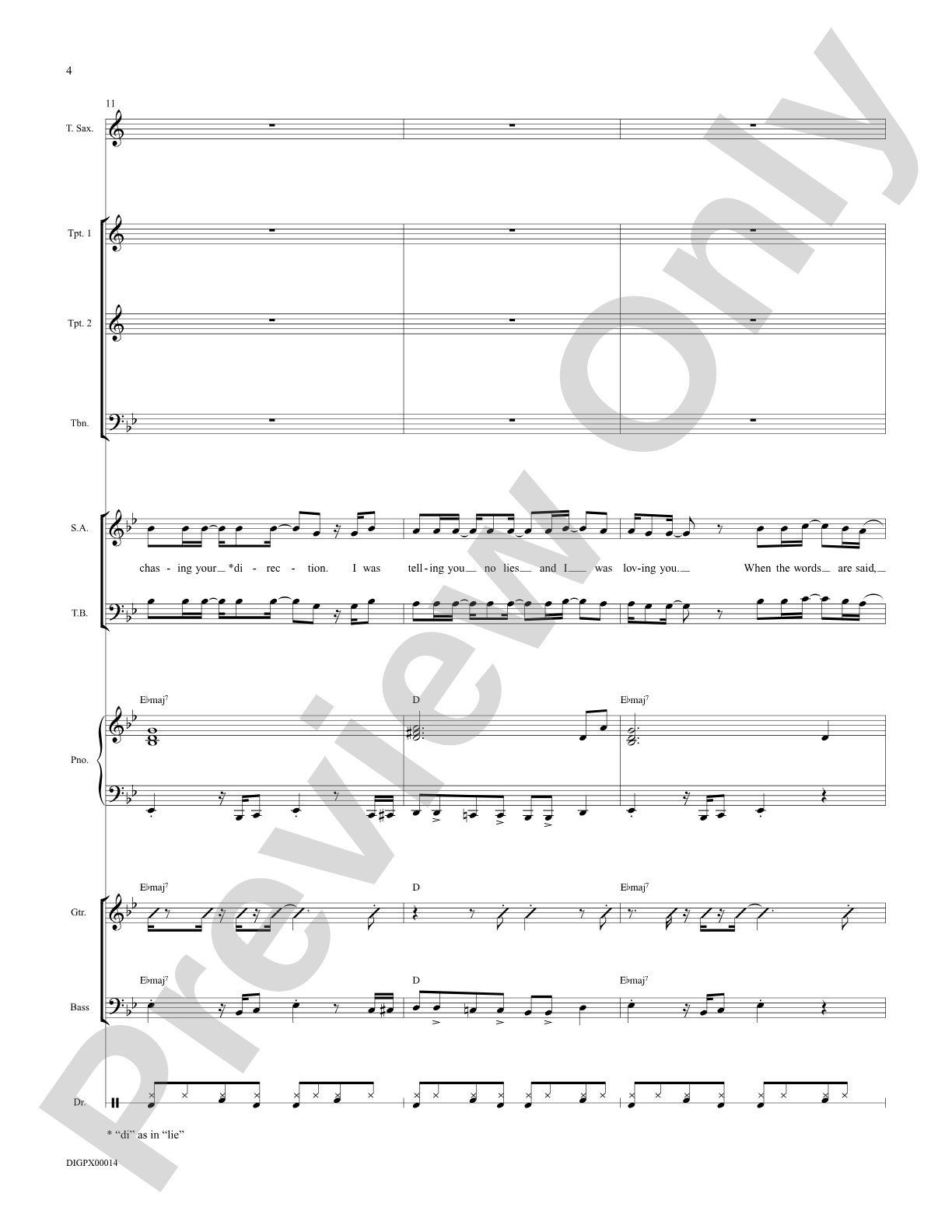
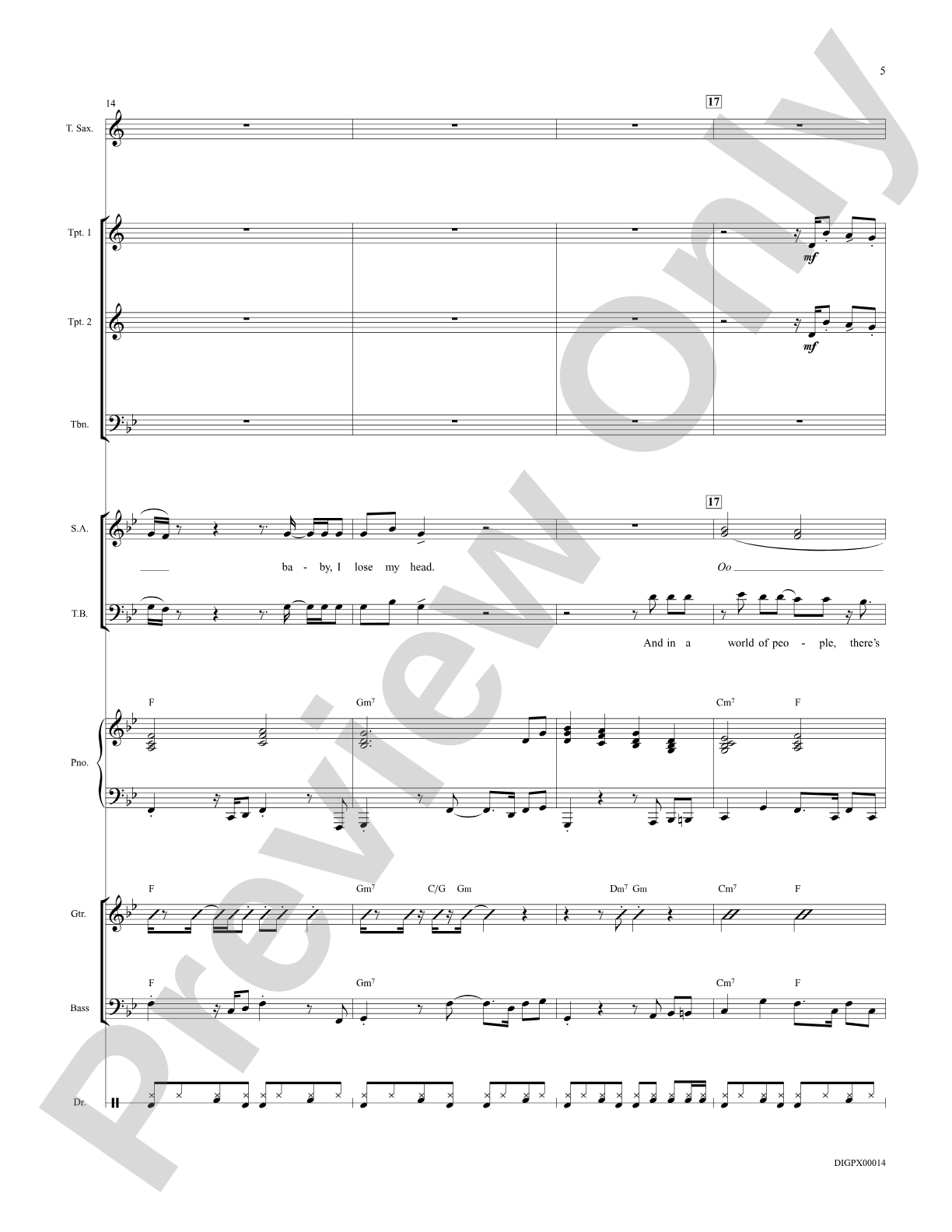
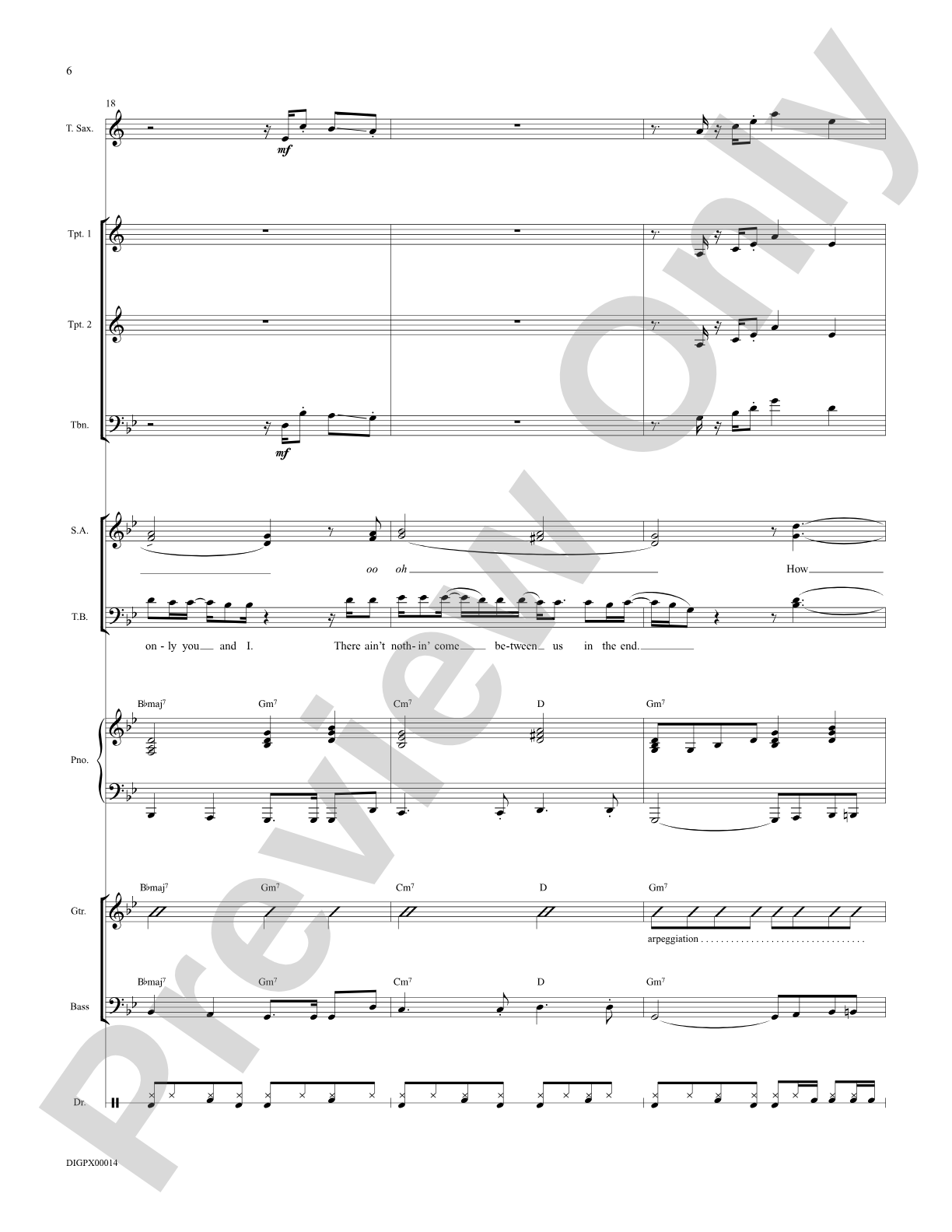
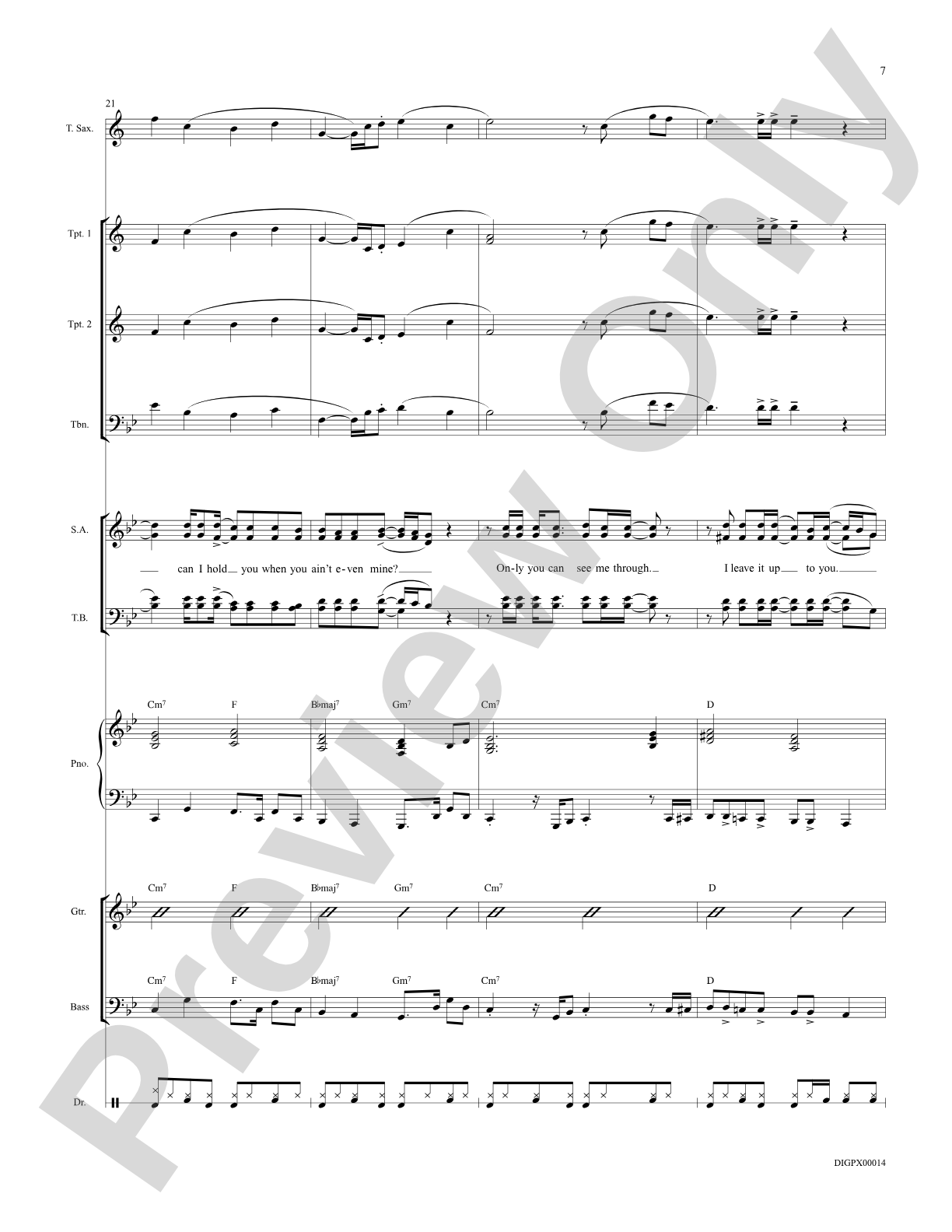
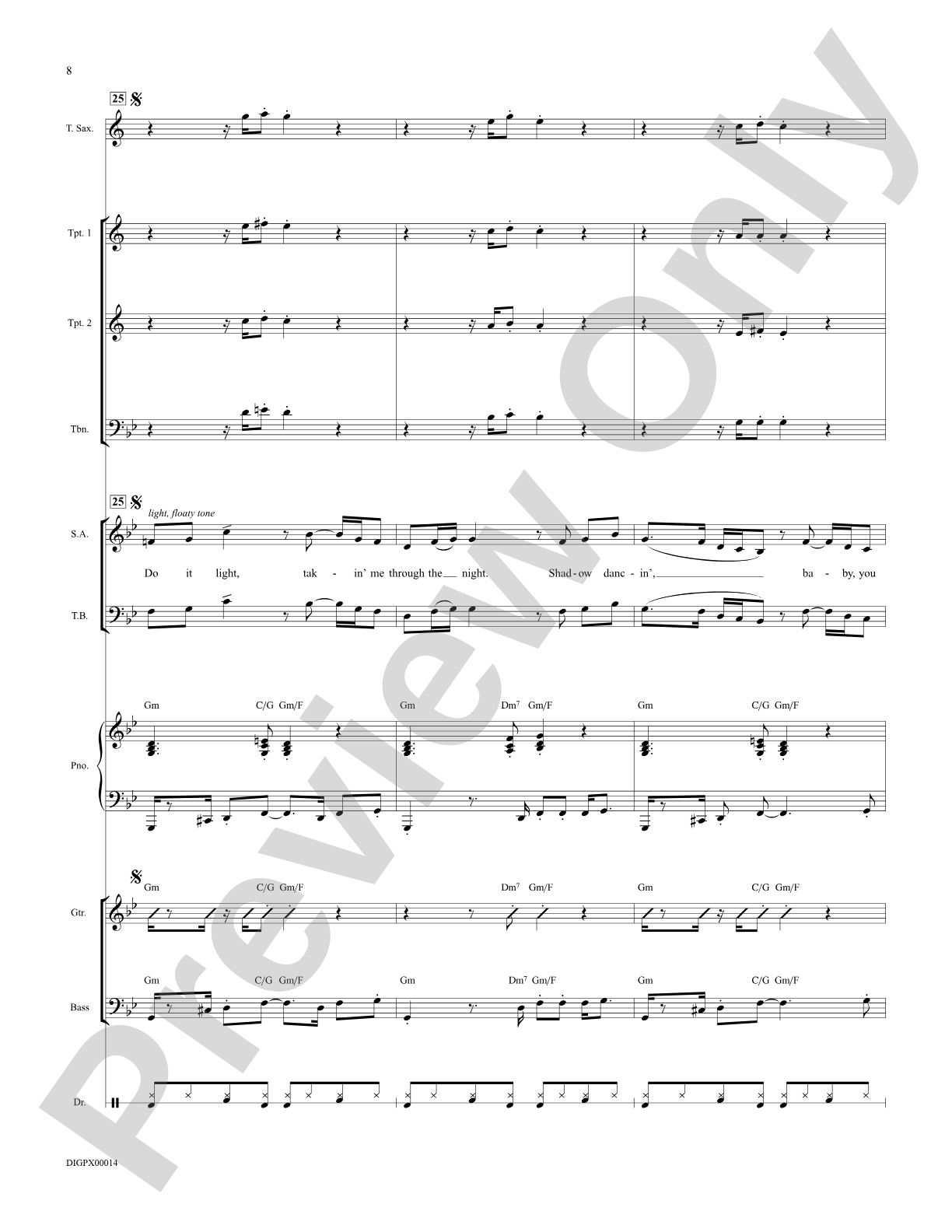
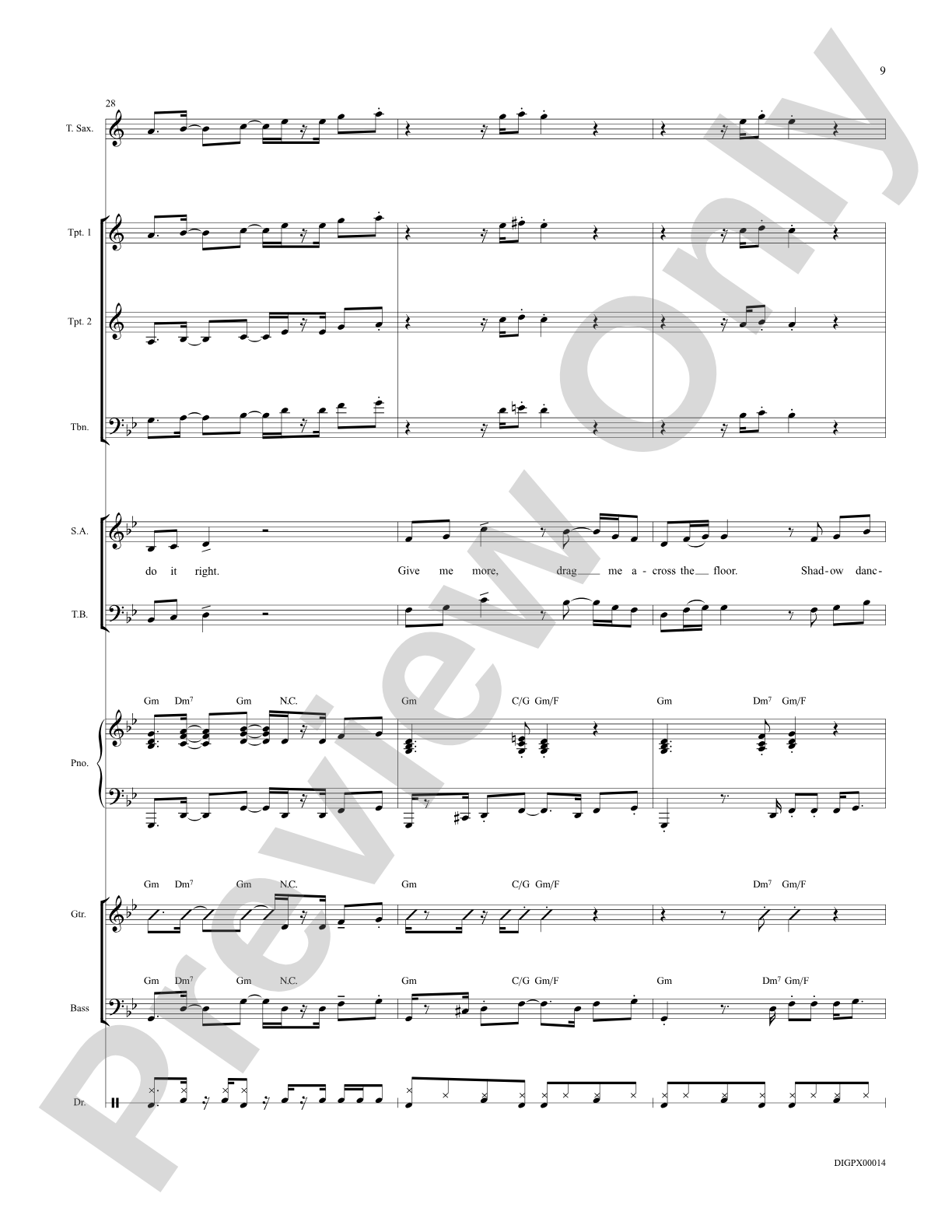
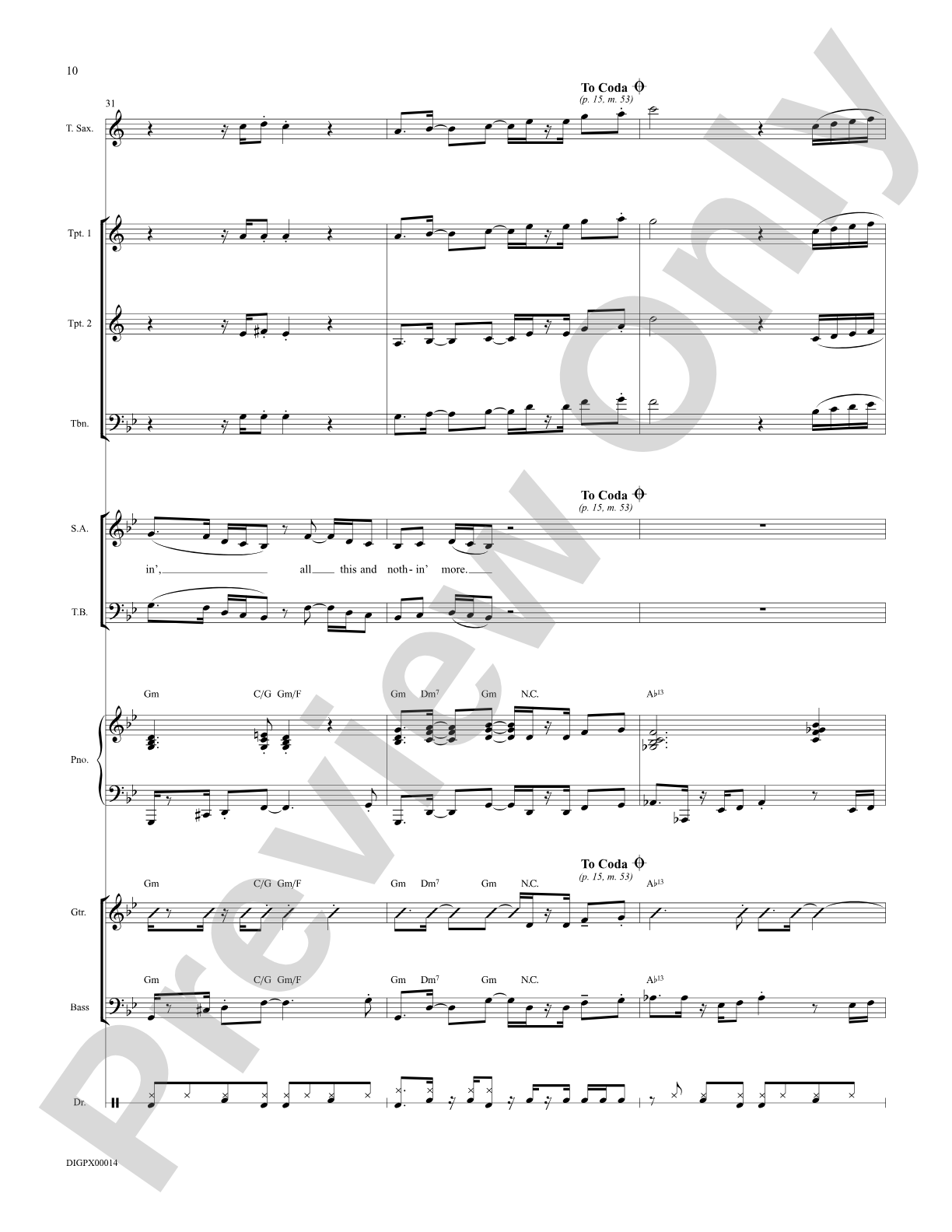
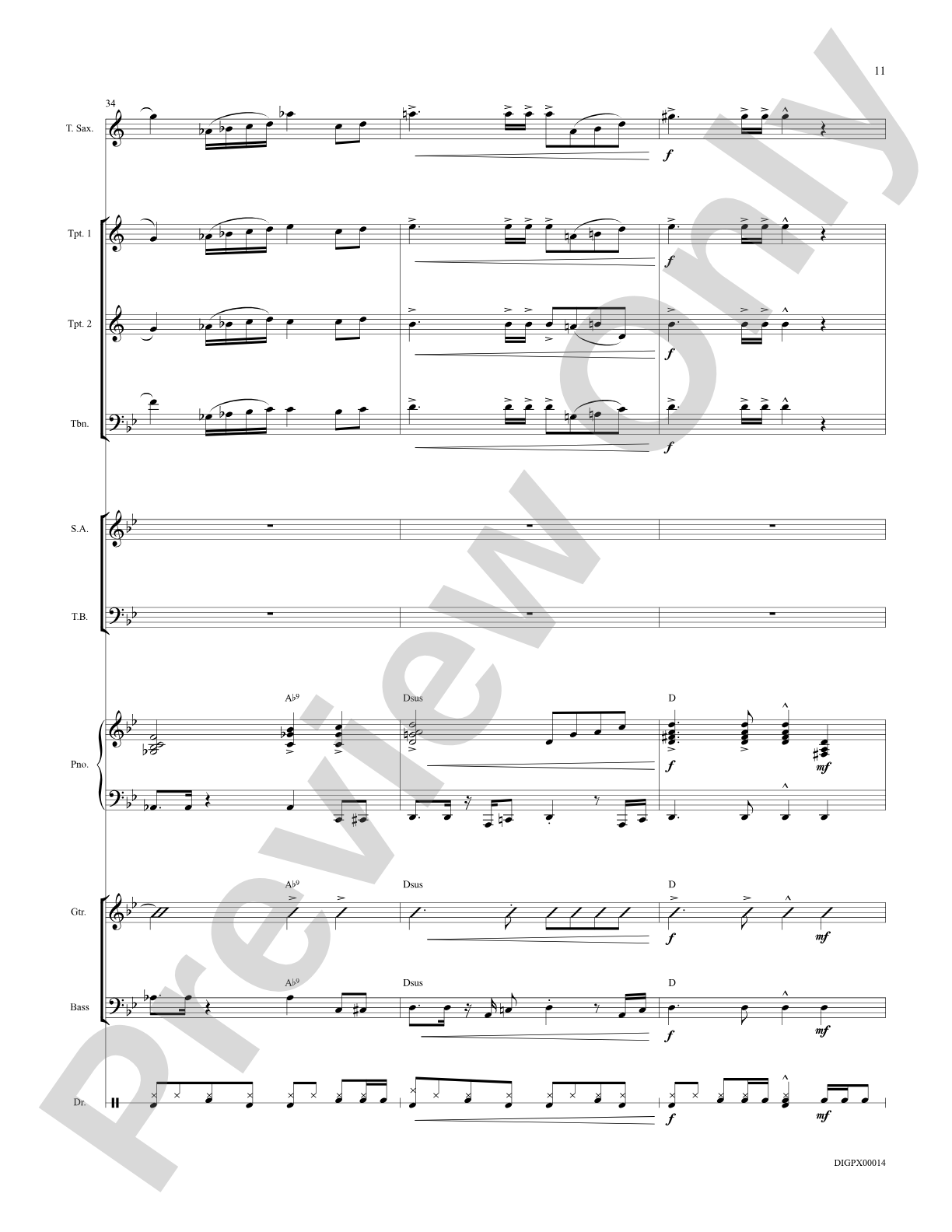
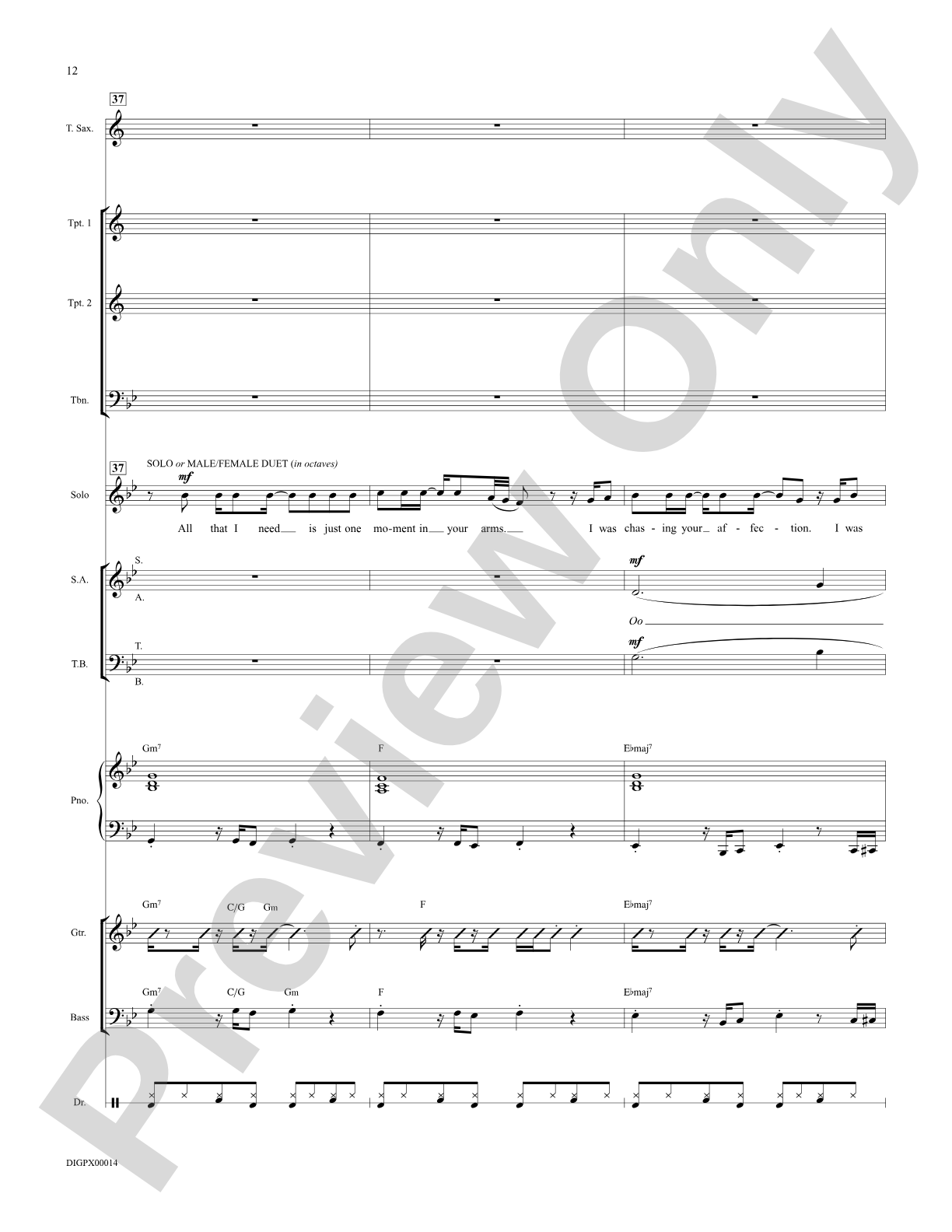
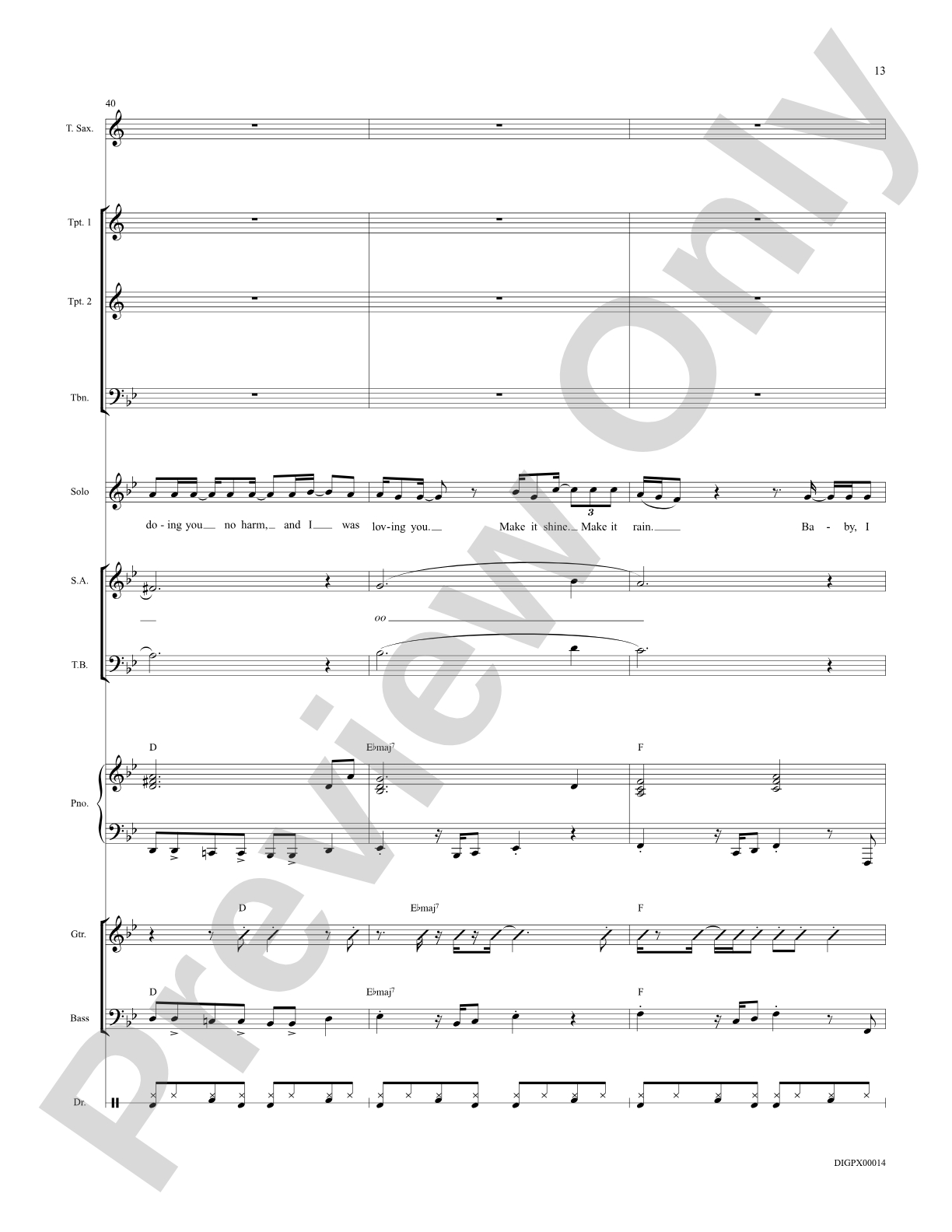
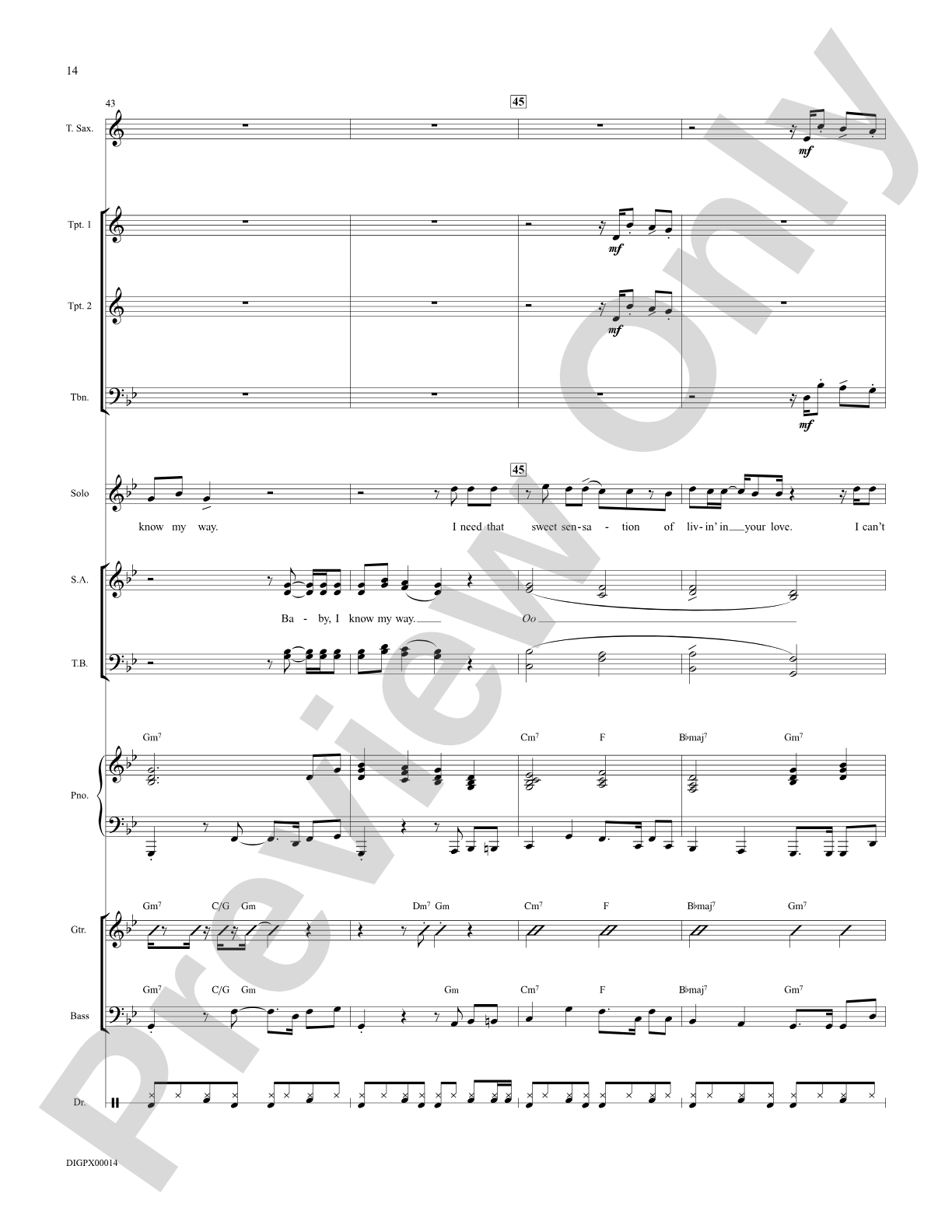
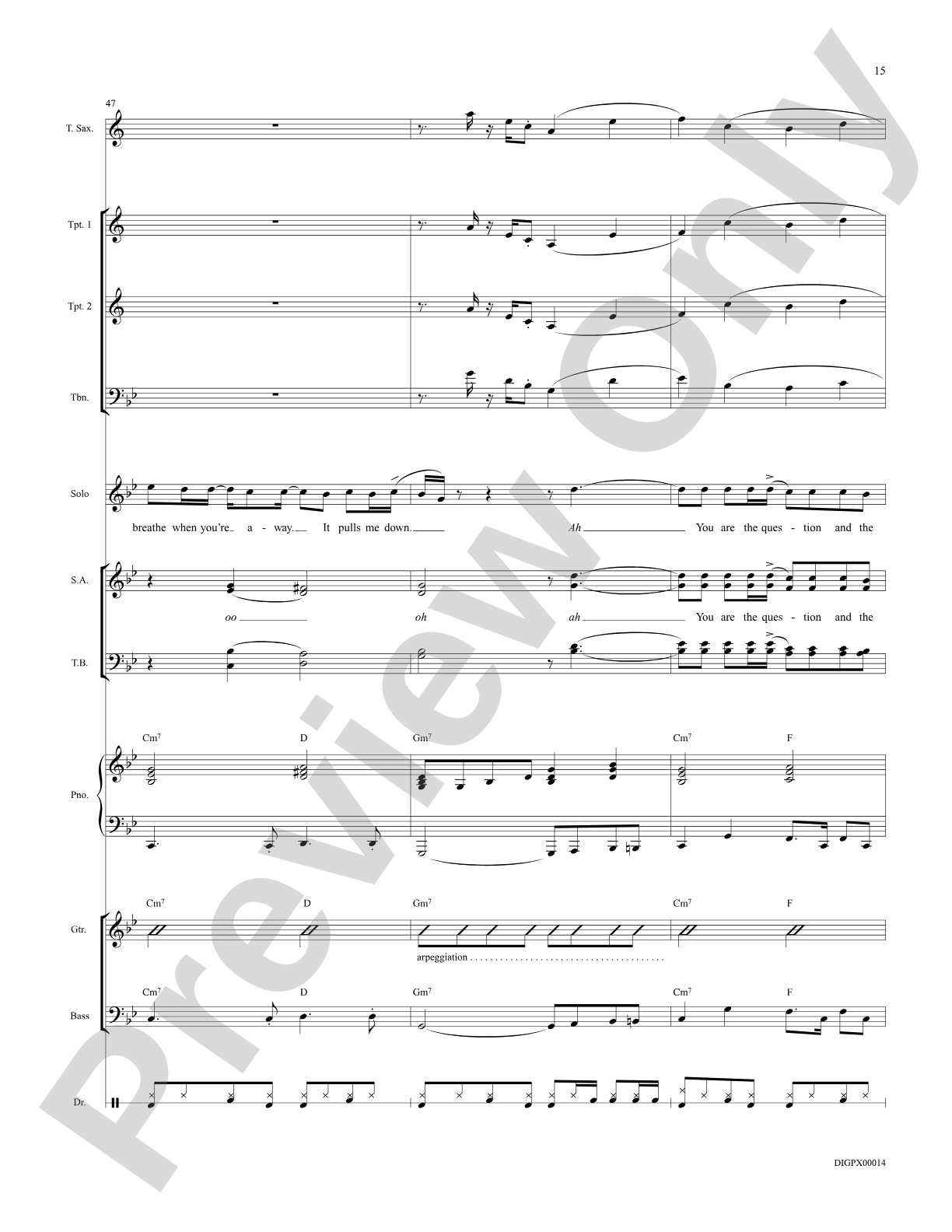
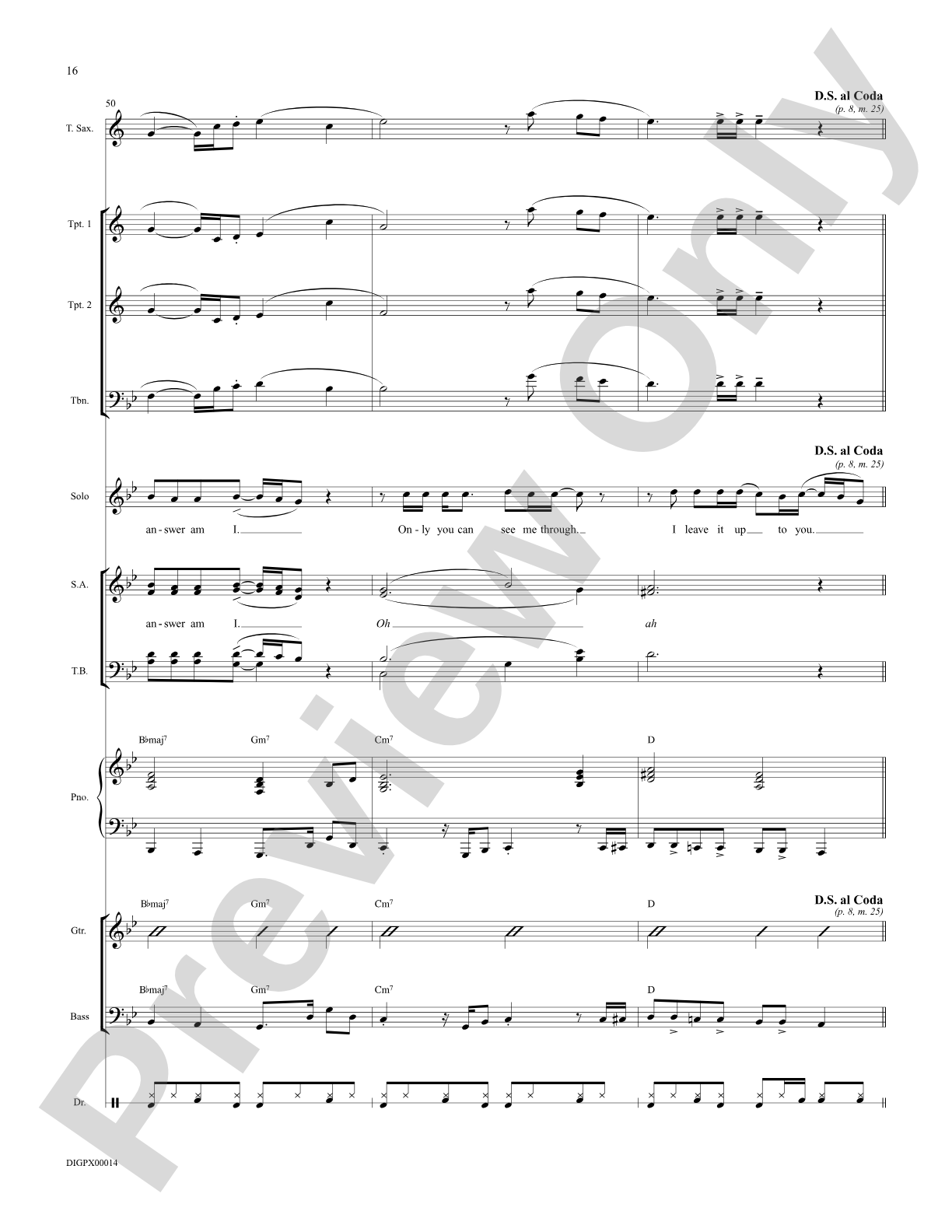
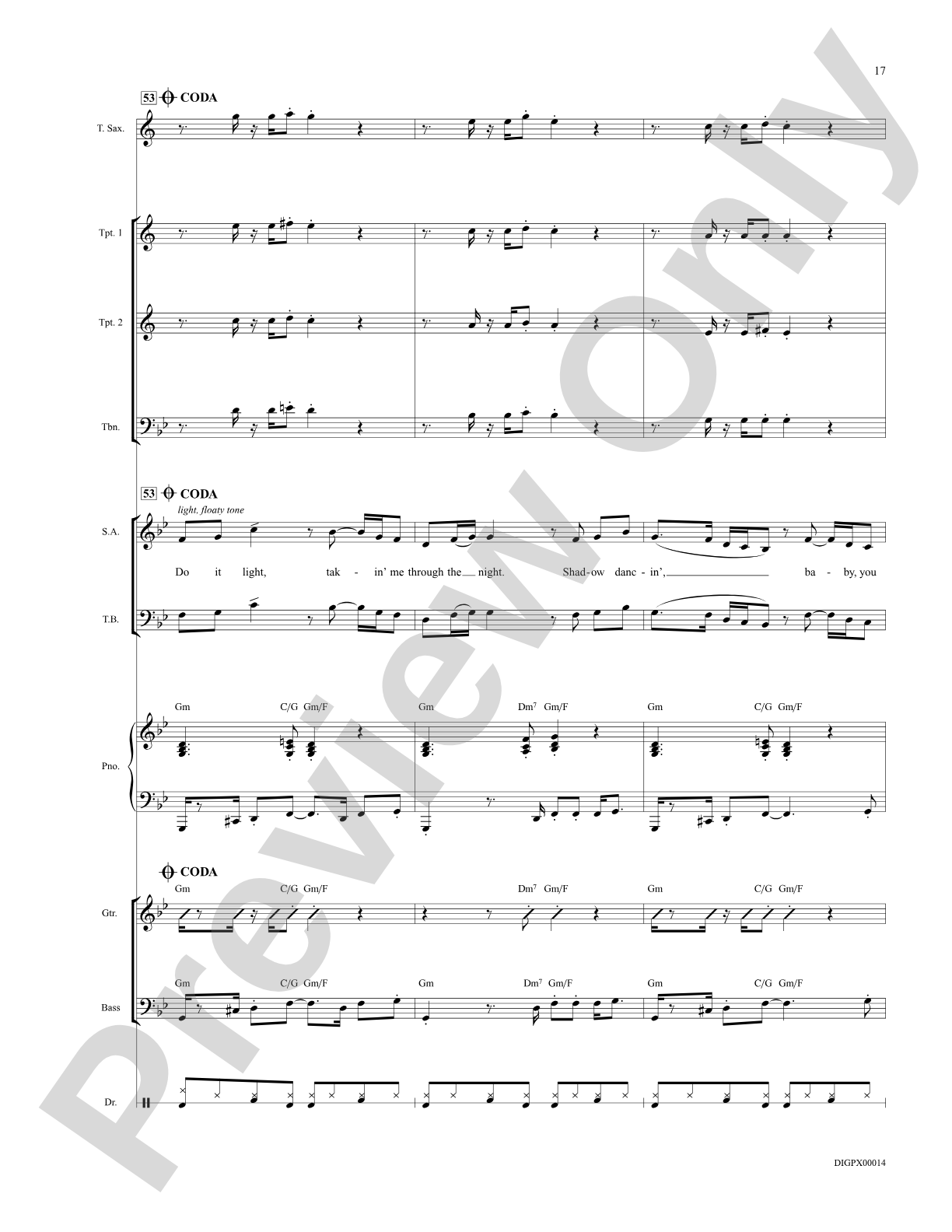
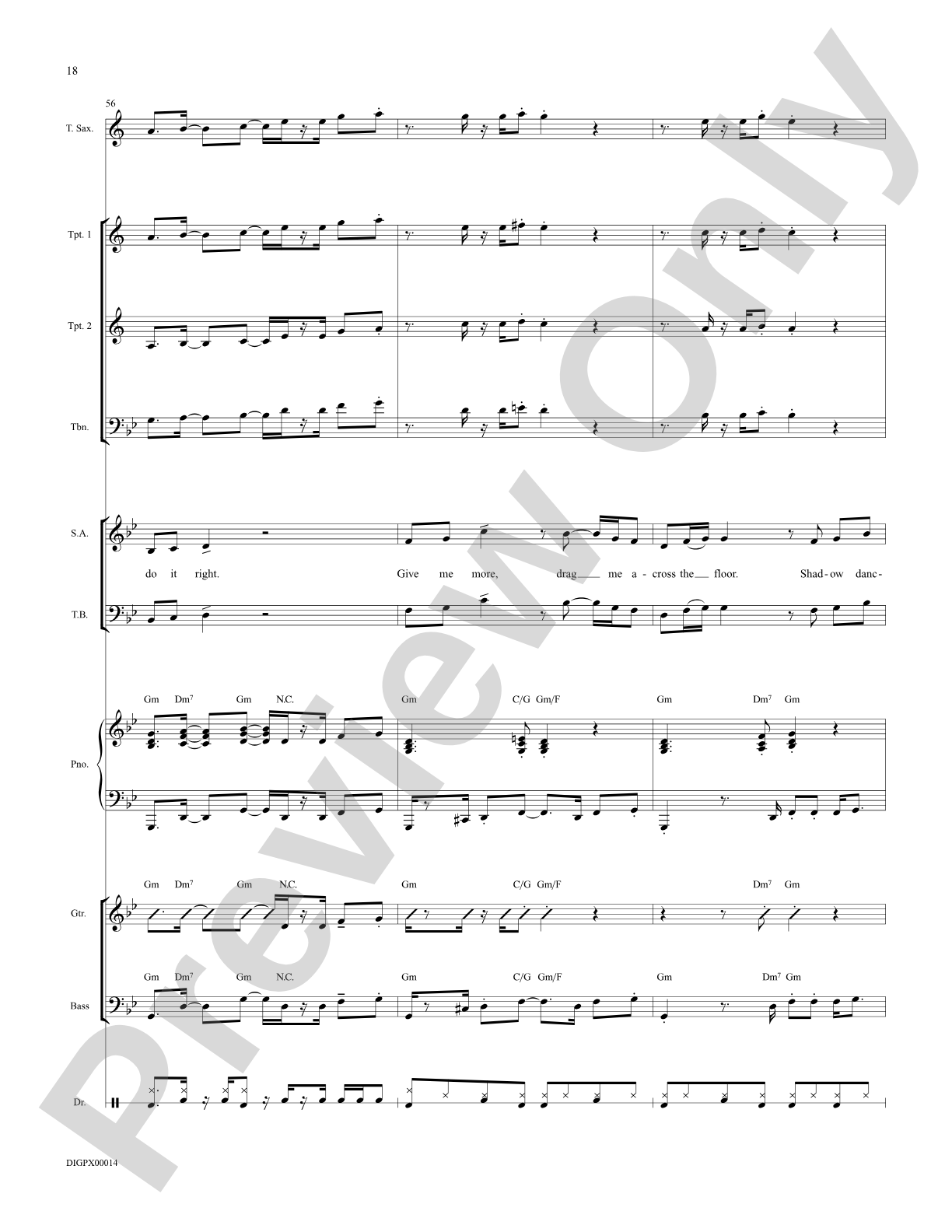
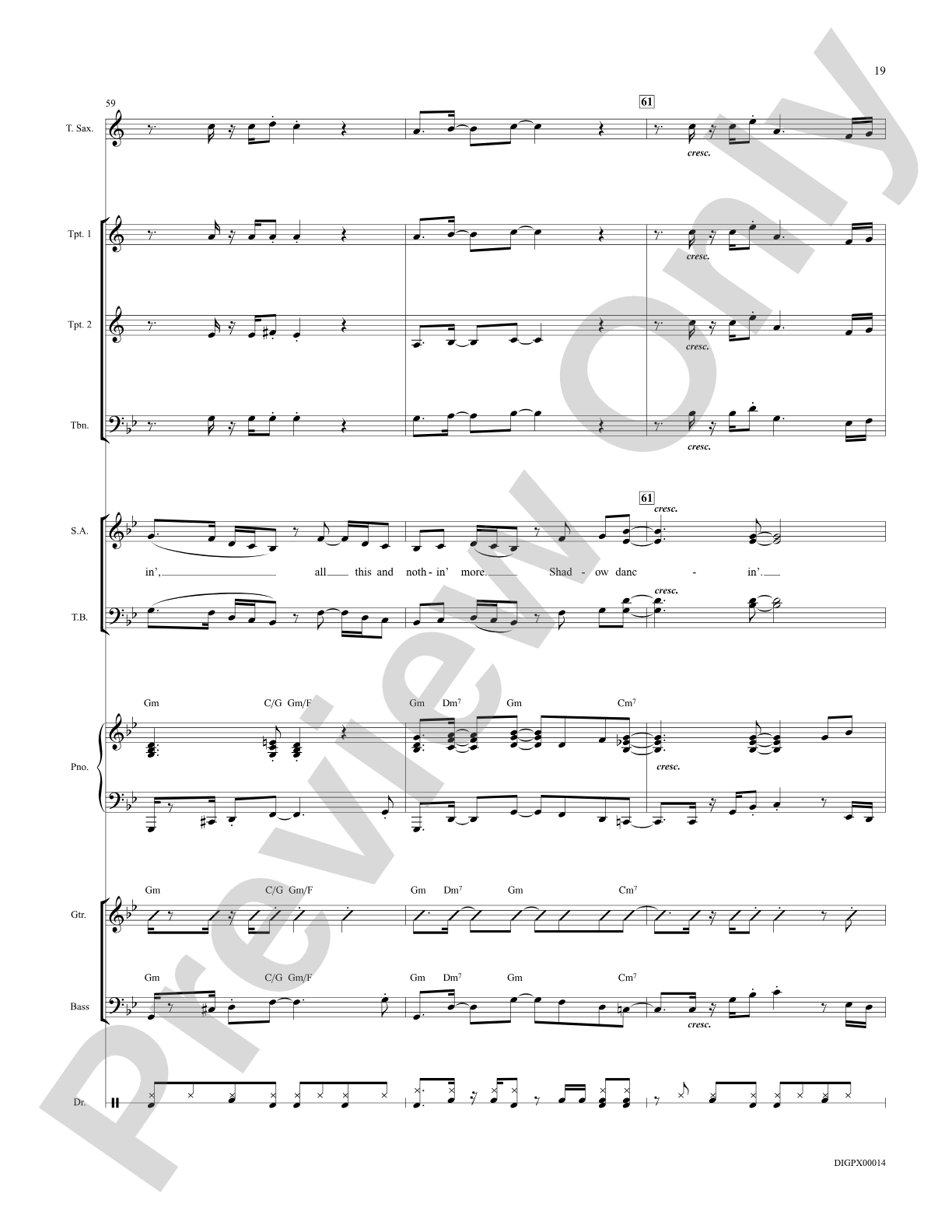
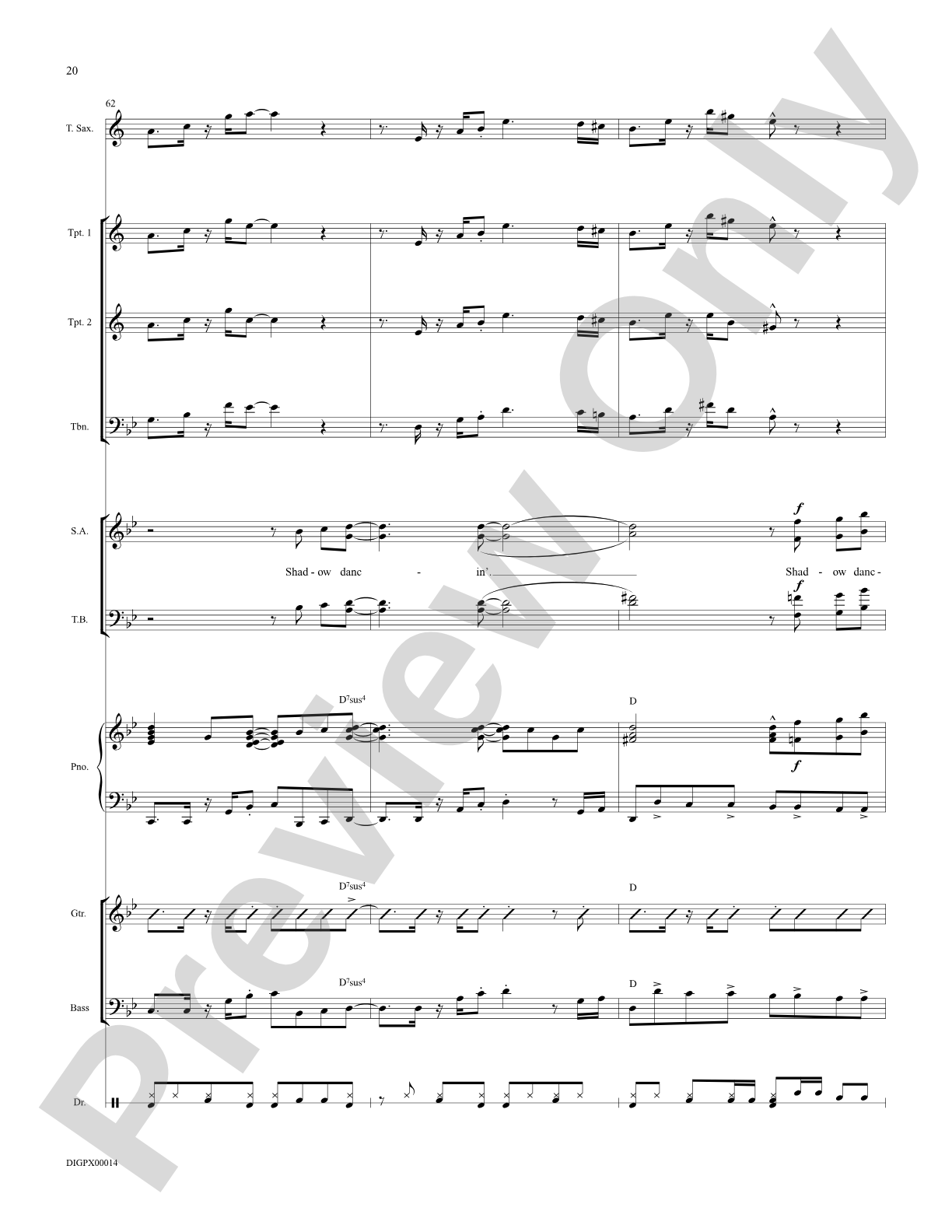
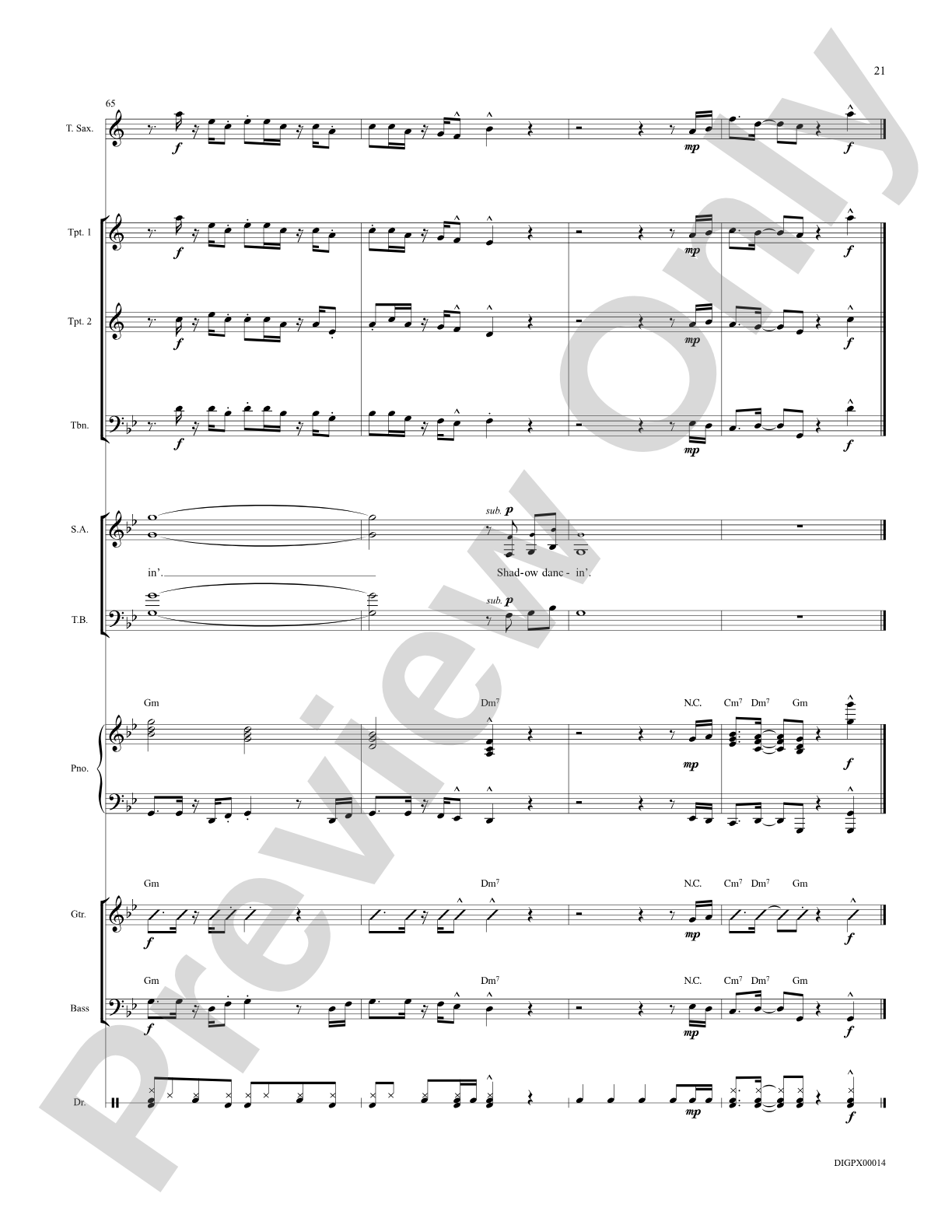

Shadow Dancing: Choral Octavo Digital SoundPax
Words and music by Barry Gibb, Robin Gibb, Maurice Gibb, and Andy Gibb / arr. Kirby Shaw
Item: 00-PK-0007036

$35.00
One moment…
Description
Andy Gibb was the first solo artist to have his first three singles all hit the number one spot in the U.S. Put on your polyester and pay tribute to the wonderful world of disco!


Don't just read it, hear it, play along with it, and watch your students grow with it. In MakeMusic Cloud, Shadow Dancing: Choral Octavo Digital SoundPax comes alive with professional accompaniment, adjustable tempo, and built-in practice tools that turn solo practice into real progress.
Open in the Player
Jump straight in and assign it today.
Start Your Free Trial
Open this title and explore the full library in minutes.
Sample Audio
No sample audio found.
Sample Video
No sample videos found.
Additional Details
Series:
Alfred Pop Choral Series
SKU:
00-PK-0007036
Instrumentation:
SoundPax
More about this title
About the Composer: Barry Gibb
Barry Gibb co-founded the Bee Gees with his brothers Robin and Maurice, becoming one of the most successful songwriting and production teams in popular music history. Beyond his work with the group, Gibb's compositions have been recorded by artists across genres, and his ability to craft infectious melodies with sophisticated harmonic structures has influenced pop songwriting for decades.
Why we love this
Kirby Shaw's arrangement captures the infectious groove and vocal layering that made disco anthems irresistible while keeping the parts singable for high school and community choirs. The disco aesthetic has genuine staying power in choral programming, and this arrangement lets singers experience the joy of performing a genuine hit from one of pop music's most prolific songwriting families. The SoundPax digital format makes rehearsals flexible and gives students a recorded reference without requiring accompanists.
What to expect
Energetic and celebratory, with the unmistakable mirror-ball shine of 1970s pop production. The Bee Gees' harmonies bring sophisticated vocal layering to what feels like a dance floor, and Kirby Shaw's arrangement lets choirs tap into the genre's infectious optimism and rhythmic confidence.
Who it's for
High school and community choirs looking for material that connects with students' awareness of popular music history. The disco sound appeals to singers who want to perform recognizable hits with real chart history, and the arrangement is accessible enough for mixed ability ensembles without sacrificing the style's essential character.
How to get the most out of it
- Lock the rhythm section groove first: work with the bass line and drum pattern from the SoundPax to establish the pocket before layering vocal parts.
- Balance the homophonic and rhythmic sections carefully. Disco writing often stacks voices for impact, so make sure ensemble blend doesn't overshadow any lead melody lines.
- Use the recorded accompaniment to isolate individual voice parts during sectional rehearsals, then gradually pull it back as confidence builds.
- Pay attention to the syncopated rhythms typical of the era. Mark the beat clearly and use a slightly slower tempo initially to lock in precision before bringing the energy up to full disco tempo.
How to use it
Program this as a spring or end-of-year concert showstopper that lets audiences hear familiar pop history reimagined for voices. It pairs well with other contemporary pop arrangements or can anchor a nostalgia-themed concert celebrating different decades of popular music. The digital format makes it ideal for rehearsals with flexible ensemble availability during busy school calendars.
Skills your students will build
- Syncopated rhythm reading in a pop/funk style context
- Layered harmony and blend in contemporary pop idiom
- Groove and pocket awareness within a steady rhythmic framework
- Performance interpretation using recorded accompaniment as a reference