Shadow Dance Cover Image

Shadow Dance: String Orchestra Conductor Score

$8.00 USD
Sale price  $8.00 USD Regular price 
Skip to product information
Shadow Dance Cover Image

Shadow Dance: String Orchestra Conductor Score

By Richard Meyer

Grade: 1

Item: 00-18840S

$8.00
Shipped

One moment…

Description
Using only the notes of the D-major scale, this delightful original by Richard Meyer is a wonderful way to introduce your first-year students to 3/4 meter. The canonic format is sure to help develop confidence and independence in every section of your orchestra, while teaching your students about form and compositional techniques. Fun for everyone! This title is available in MakeMusic Cloud.

Shadow Dance: String Orchestra Conductor Score isn't in MakeMusic Cloud just yet...but it could be. Let us know you'd like to see it, and you'll help shape what comes next. In the meantime, start a free trial and dive into thousands of interactive titles your students can play along with today.

Sample Pages

Sample Audio
No sample audio found.
Sample Video
Additional Details
Series: Highland/Etling Strictly Strings
Publisher: Alfred Music
Page Count: 8
ISBN10: 1-4706-6434-8
ISBN13: 978-1-4706-6434-3
UPC: 038081175560
SKU: 00-18840S

More about this title

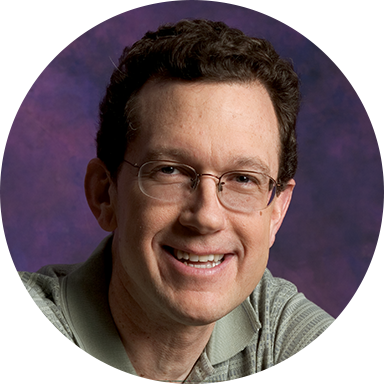
About the Composer: Richard Meyer
Richard Meyer

Richard Meyer spent 35 years teaching strings across elementary, middle, and high school levels in California public schools. At Oak Avenue Intermediate School in Temple City, he transformed a program of 29 students into 200 orchestral musicians while also directing the city's elementary string initiative. His work earned national recognition when he created "Giving Bach," an interactive concert program designed to bring live orchestral music to students with special needs and those in underserved communities throughout Southern California.

Beyond the classroom, Meyer has guest-conducted All-State orchestras in multiple states and served as string editor for Alfred Publishing for 16 years. He led the Pasadena Youth Symphony for 16 years, taking them on international tours to Vienna, Australia, and Canada. As a composer and arranger, Meyer has nearly 200 published works in print, and he co-authored the String Explorer Series and Sight-read It for Strings method books. He remains active as a clinician at major conferences including the A.S.T.A. National Conference and the Texas Orchestra Directors' Association.

Why we love this

Meyer understands exactly what first-year orchestras need: a piece that sounds intentional and polished while building real musical independence. The canonic writing gives every section meaningful material to anchor their parts, which matters enormously when students are still learning their instruments. You'll watch confidence bloom as kids discover they're creating texture together rather than simply playing their notes.

What to expect

Shadow Dance moves with grace and clarity. The canonic structure creates layers of melody that seem to echo and answer one another, giving the piece a sense of gentle dialogue rather than complexity. It feels composed for young musicians, never talking down to them.

Who it's for

This is built for first-year string orchestras ready to explore something beyond unison arrangements. The Grade 1 difficulty with D-major scale notes keeps technical demands low while the canonic format and 3/4 meter introduce form and rhythm concepts that matter.

How to get the most out of it

  • Isolate each voice part in sectionals before rehearsing the full piece so students internalize their independence before hearing the other sections
  • Establish the 3/4 pulse early; conduct clearly in one to highlight the elegance of the meter rather than forcing them to subdivide
  • Balance the canonic entries by rehearsing them as separate conversations; the dialogue is the point, not a wall of sound
  • Let students count and follow the score during early rehearsals so they understand the structural beauty of the canon itself

How to use it

Program this as your confident entry into slightly more sophisticated form. It works beautifully on a concert that introduces audiences to what your first-year students can accomplish; the piece reads as finished and intentional. Pair it with unison pieces to show the range of your program's growth.

Skills your students will build

  • Independence in canonic writing (following one's own voice while hearing others)
  • 3/4 meter reading and internalization
  • Awareness of compositional form through direct experience
  • Musical phrasing in the context of a melodic voice
  • Listening for balance and texture in ensemble context

You May Also Like