
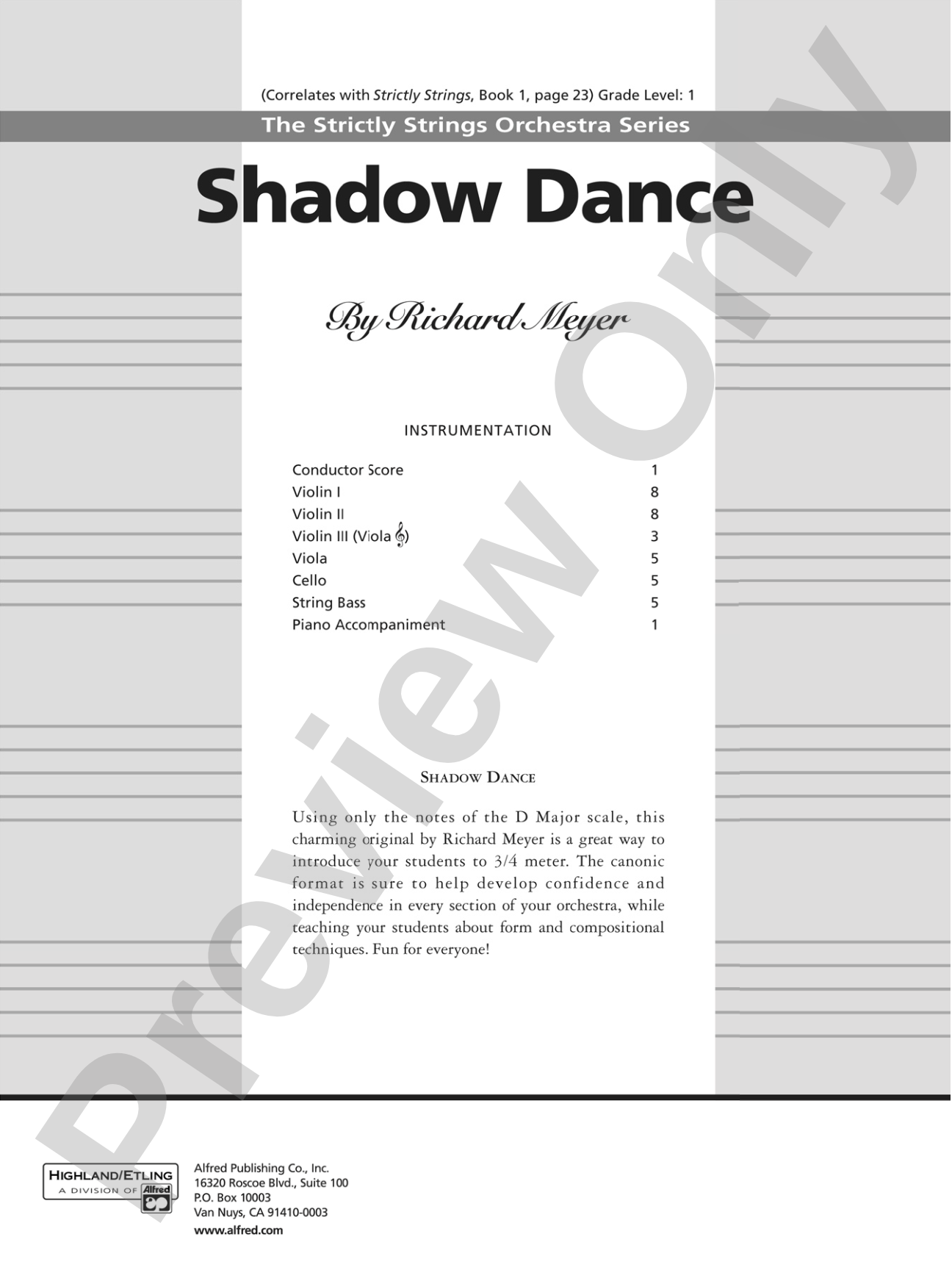

Shadow Dance: String Orchestra Conductor Score & Parts
By Richard Meyer
Grade: 1
Item: 00-PK-0000297

$46.00
Pickup currently not available
Buy Extra Parts (Digital PDF Download)
| Product | Price | Quantity |
|---|---|---|
| Shadow Dance: Score | $8.00 | |
| Shadow Dance: 1st Violin | $5.99 | |
| Shadow Dance: 2nd Violin | $5.99 | |
| Shadow Dance: 3rd Violin (Viola [TC]) | $5.99 | |
| Shadow Dance: Viola | $5.99 | |
| Shadow Dance: Cello | $5.99 | |
| Shadow Dance: String Bass | $5.99 | |
| Shadow Dance: Piano Accompaniment | $5.99 |
Parts Added to Cart!
Description
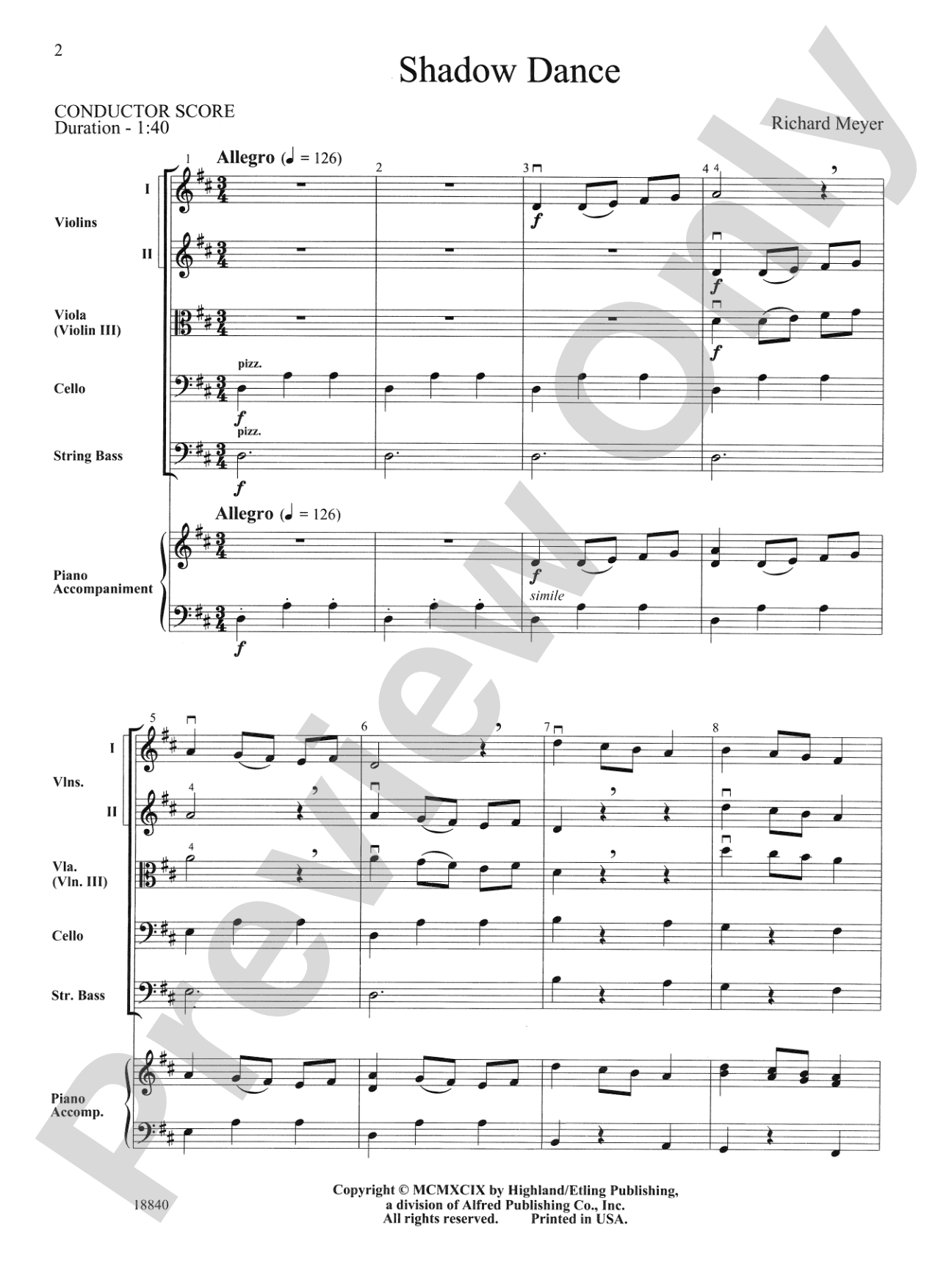
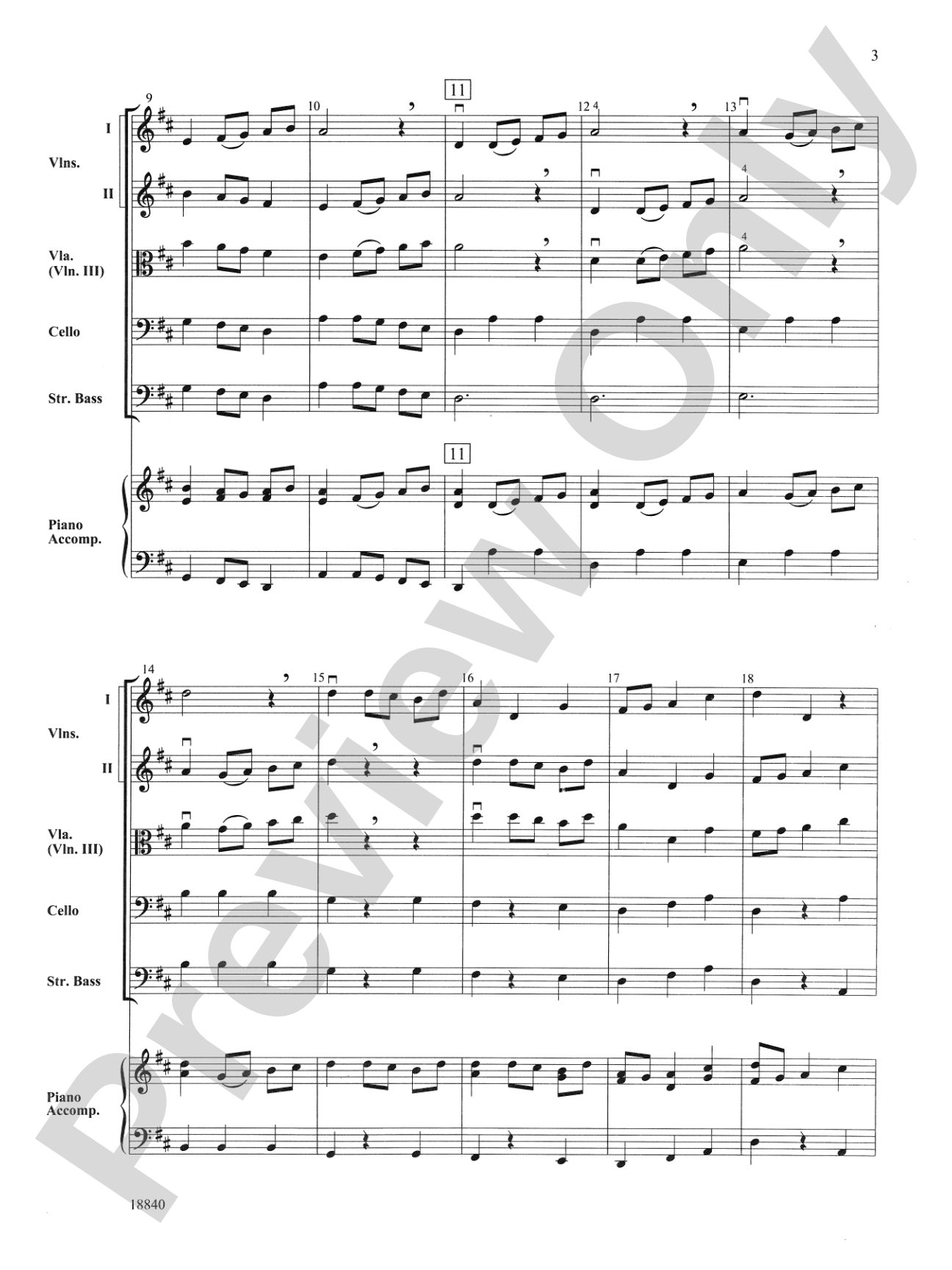
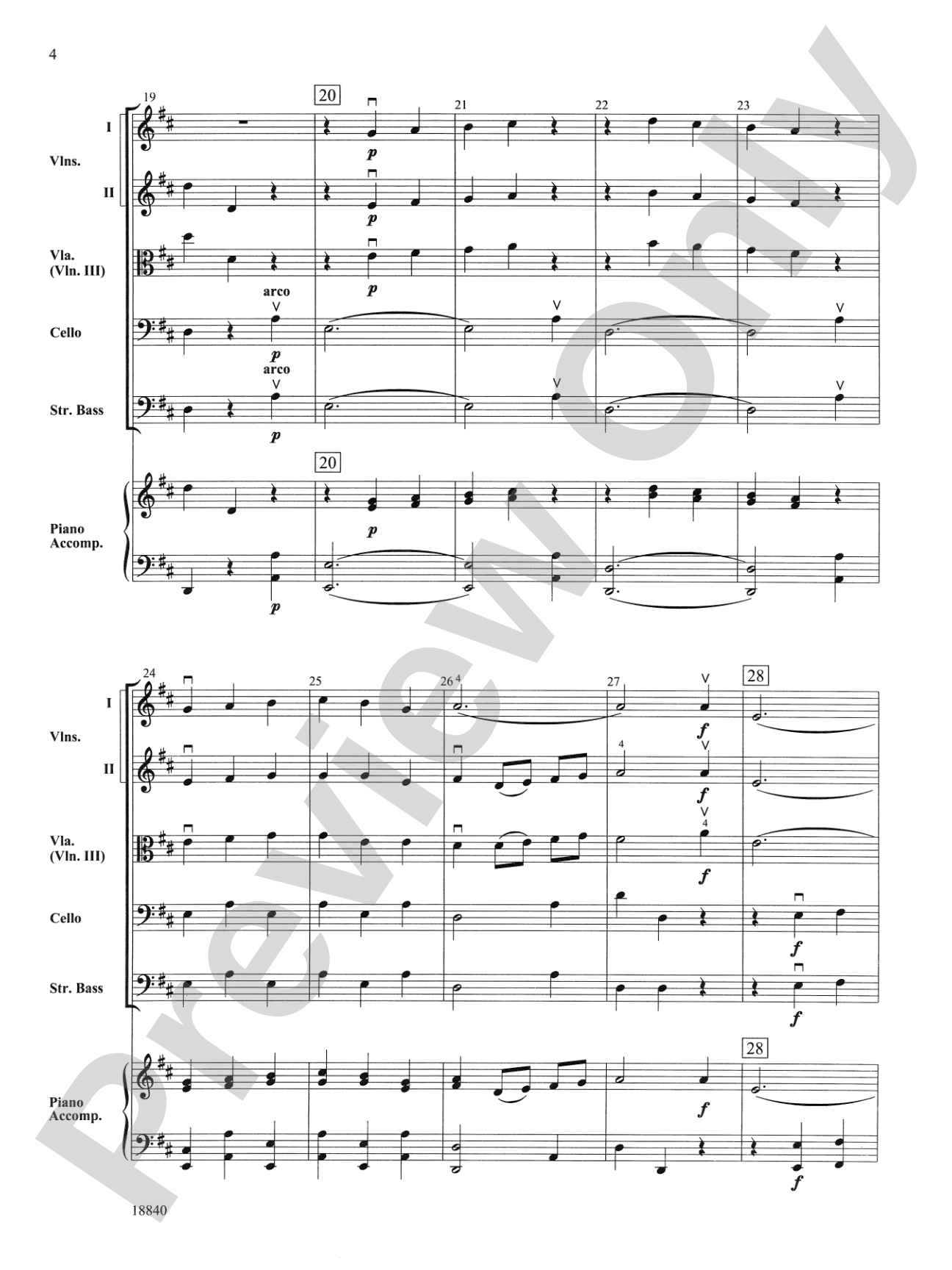
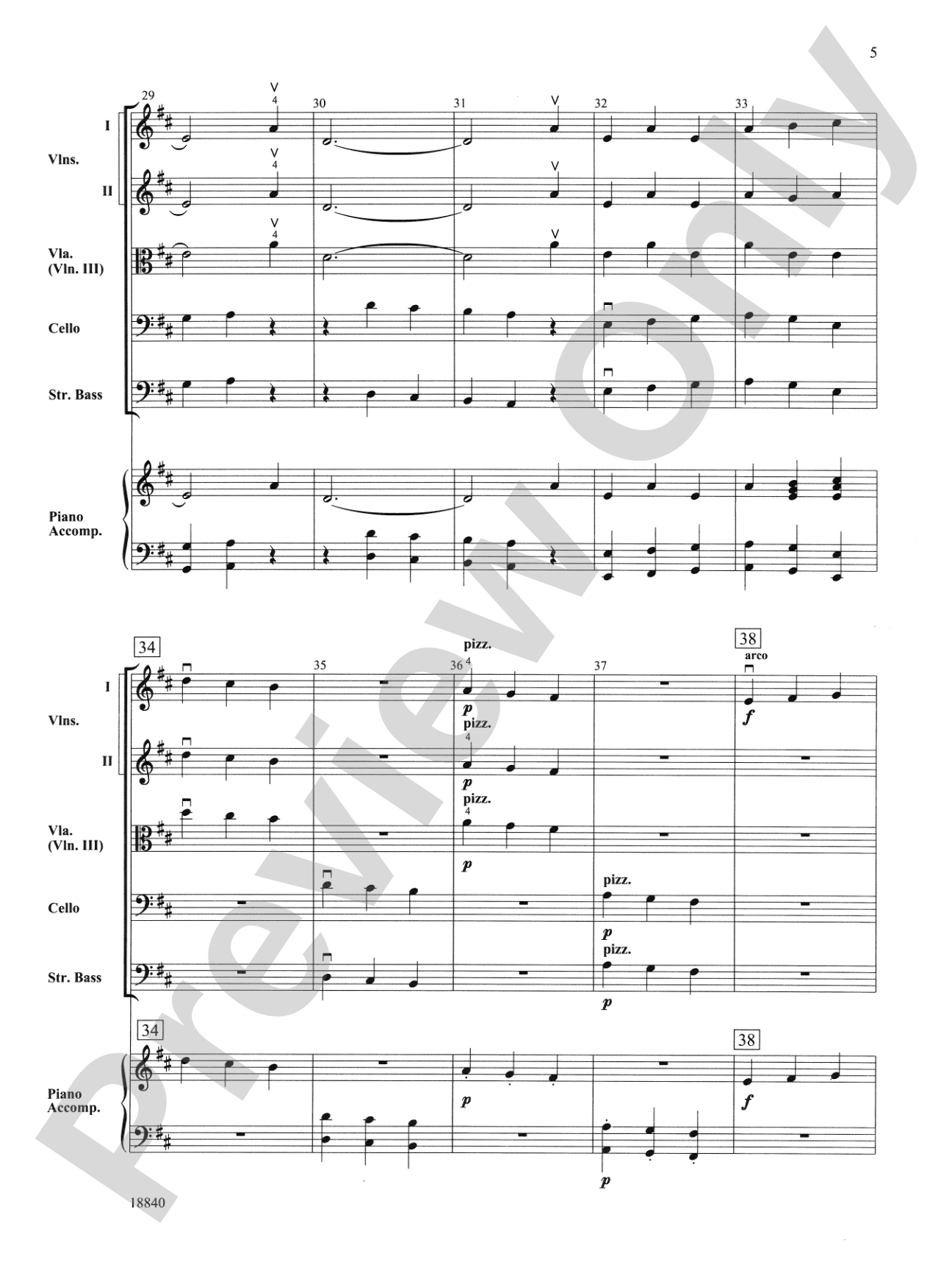
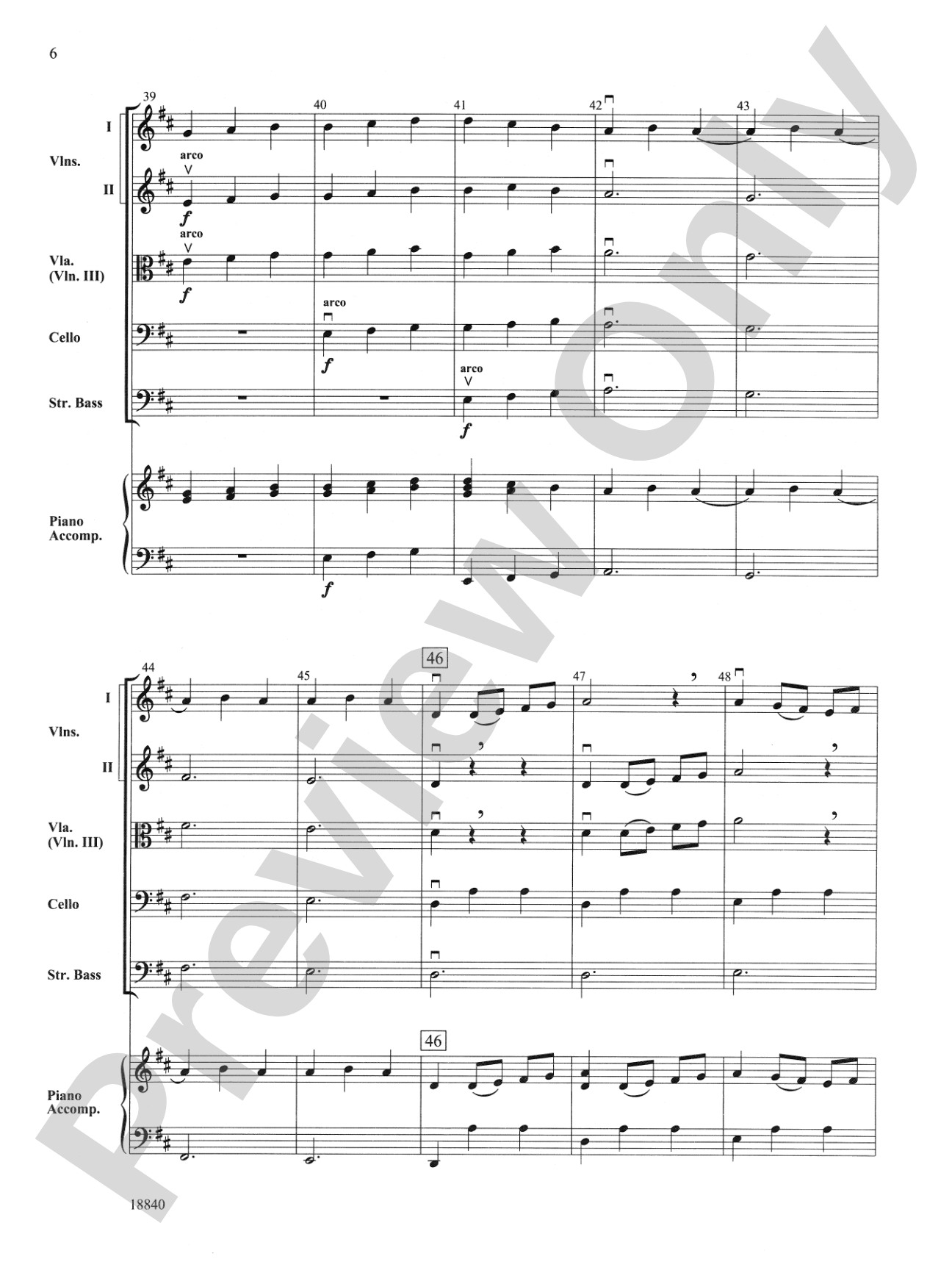
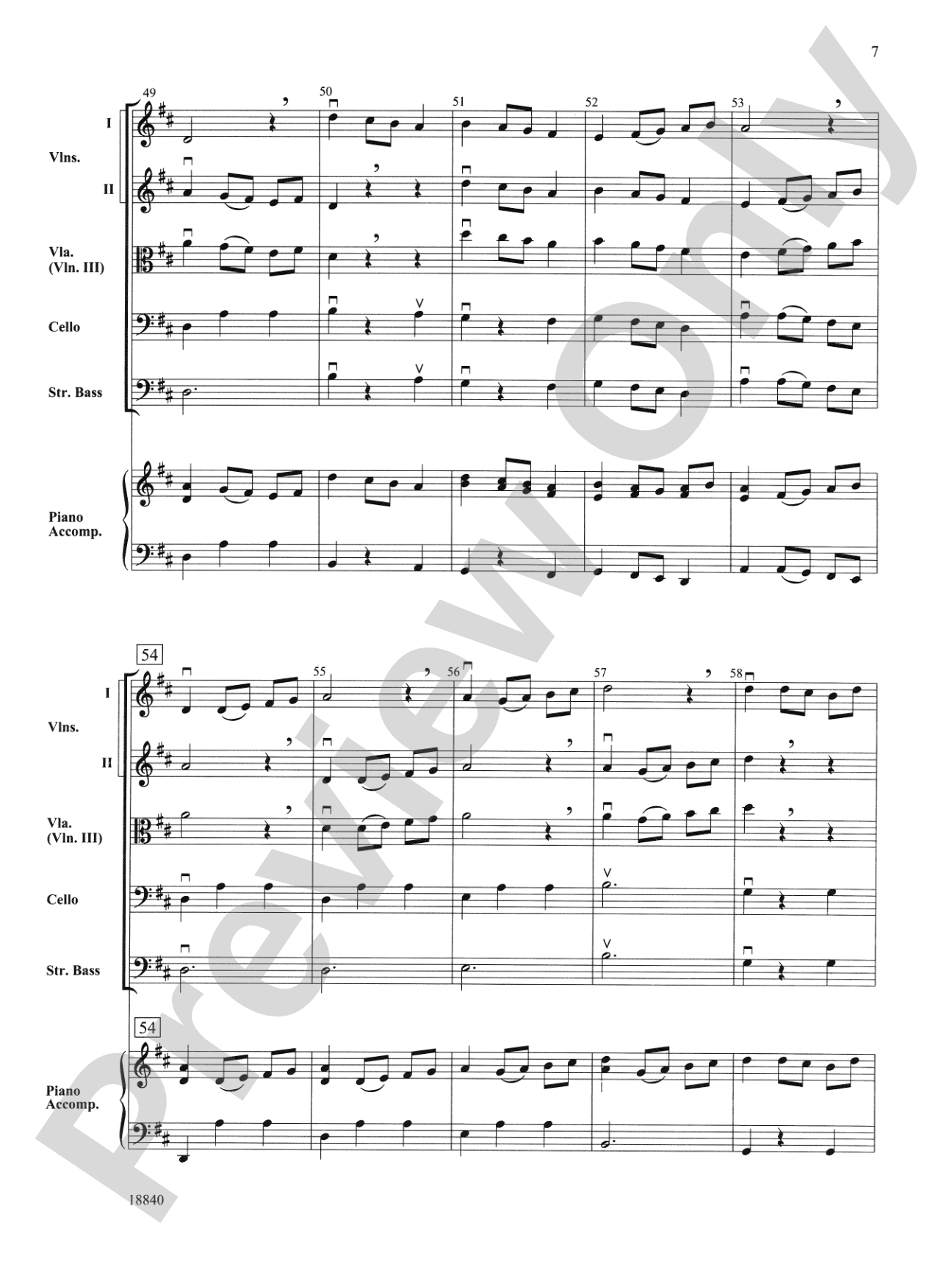
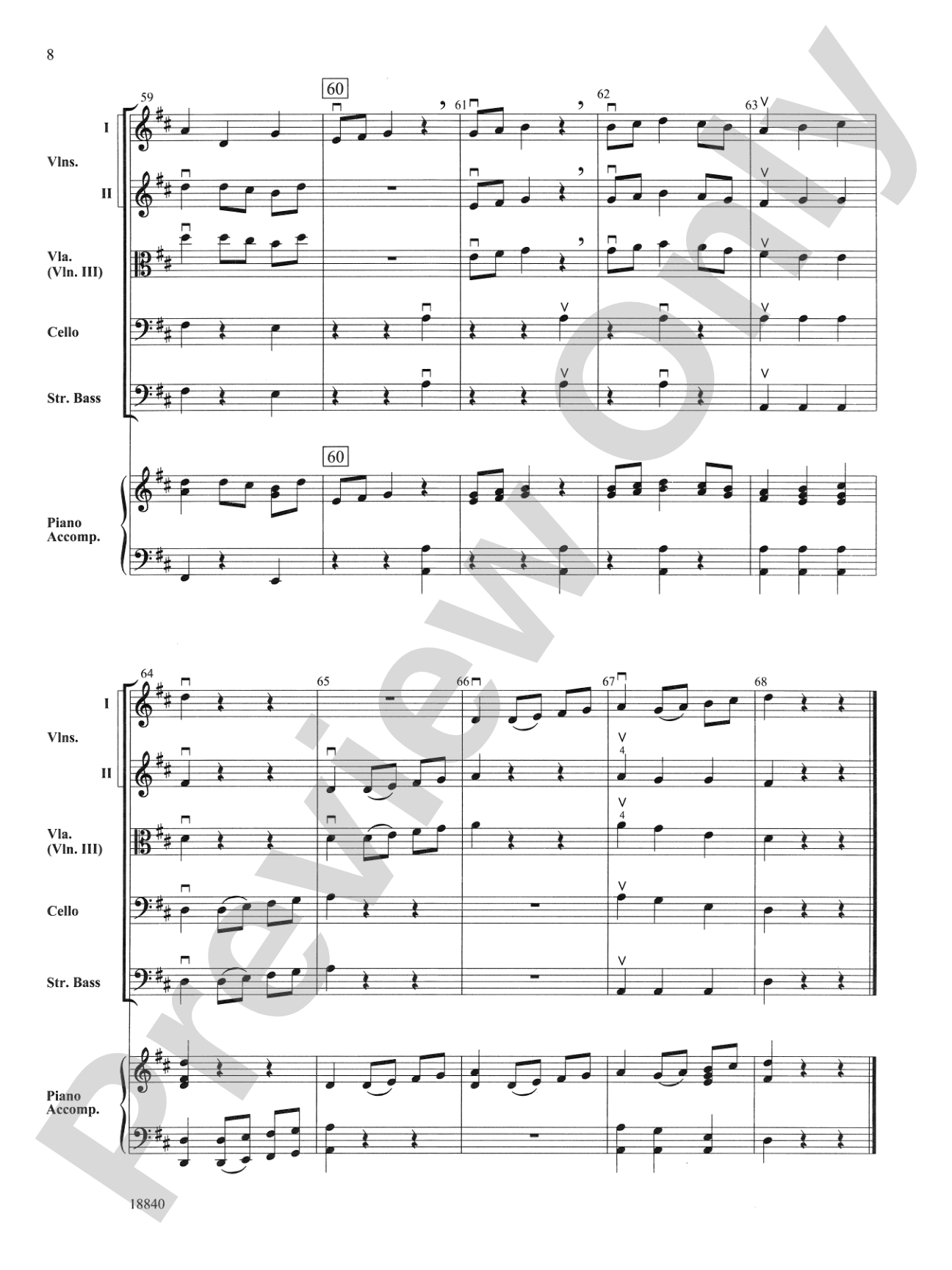
Using only the notes of the D-major scale, this delightful original by Richard Meyer is a wonderful way to introduce your first-year students to 3/4 meter. The canonic format is sure to help develop confidence and independence in every section of your orchestra, while teaching your students about form and compositional techniques. Fun for everyone! This title is available in MakeMusic Cloud.


Don't just read it, hear it, play along with it, and watch your students grow with it. In MakeMusic Cloud, Shadow Dance: String Orchestra Conductor Score & Parts comes alive with professional accompaniment, adjustable tempo, and built-in practice tools that turn solo practice into real progress.
Open in the Player
Jump straight in and assign it today.
Start Your Free Trial
Open this title and explore the full library in minutes.
Sample Audio
1
Audio File
--:--
0:00
0:00
Sample Video
No sample videos found.
Additional Details
Series:
Highland/Etling Strictly Strings
Publisher:
Alfred Music
Page Count:
72
SKU:
00-PK-0000297
More about this title
About the Composer: Richard Meyer
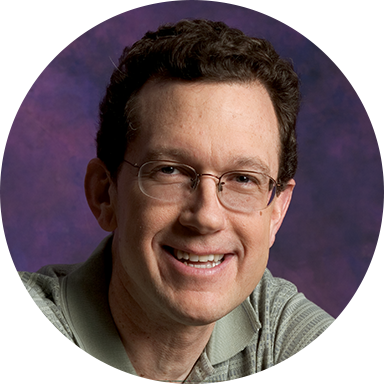
Richard Meyer brings three decades of string teaching experience to his composing work, having shaped orchestral programs at the middle and high school levels throughout Southern California. His tenure at Oak Avenue Intermediate School demonstrates his gift for program building; he grew the string section from 29 students to 200 and expanded his influence across the city's elementary string curriculum. Beyond the classroom, Meyer has conducted the Pasadena Youth Symphony Orchestra for 16 years, leading them in performances across North America, Europe, and Australia.
Meyer's impact extends through his compositions, with nearly 200 works and arrangements published and widely performed. He has served as string editor for Alfred Publishing Company and co-authored several string method series, including String Explorer and Sight-read It for Strings. His "Giving Bach" initiative, launched in 2009, uses interactive concerts to serve special needs and underserved students throughout the region. Meyer regularly appears as a clinician at major conferences and conducts all-state and honor orchestras nationwide.
Why we love this
Shadow Dance arrives at exactly the moment first-year orchestras need it: a piece that treats meter as a genuine teaching opportunity rather than an afterthought. Meyer's canonic writing gives each section something concrete to listen for and follow, building the independence that makes young orchestras feel less like individual players and more like an ensemble. The restricted harmonic palette keeps the focus on rhythm and phrasing while the elegant, repeating form creates real opportunities for students to process what they're hearing and adjust together.
What to expect
Shadow Dance moves with the gentle, flowing quality of a musical waltz, with one melodic voice playfully echoing another. The D-major scale gives the piece brightness and clarity, while the canonic texture creates a sense of dialogue between sections, as if parts of the orchestra are having a musical conversation.
Who it's for
First-year string orchestra students encountering 3/4 meter for the first time will find this accessible and engaging. Directors seeking to establish foundational concepts around form, independence, and rhythmic confidence will appreciate the pedagogical design and the approachable scope.
How to get the most out of it
- Establish a steady pulse before rehearsal by having students listen to the opening phrase and conduct it in your hand; this visual reference helps them internalize 3/4 from the start.
- Release each phrase cleanly rather than letting notes fade unevenly; the canonic texture depends on crisp articulation to keep the independent lines audible.
- Balance the voices so the entering part is always heard clearly; as students gain confidence, they can lean into their own line without drowning out their neighbors.
- Allow rehearsal time for sections to play their line alone, then gradually add the canon; this isolation builds the security they need to perform independently when full ensemble playing begins.
How to use it
Program this early in the school year when students are still building foundational skills in rhythm and listening. It works beautifully as an opener on a fall concert, where its accessibility allows students to experience performance success while reinforcing what they're learning in rehearsal.
Skills your students will build
- Reading and performing in 3/4 meter
- Maintaining independence while listening to other parts (canonic writing)
- Phrase shaping and releases
- Recognizing and identifying form and compositional structure
- Building confidence through part independence and ensemble balance