Scenes from the Old West Cover Image

Scenes from the Old West: Full Orchestra Conductor Score & Parts

$63.00 USD
Sale price  $63.00 USD Regular price 
Skip to product information
Scenes from the Old West Cover Image

Scenes from the Old West: Full Orchestra Conductor Score & Parts

By Bob Cerulli

Grade: 3

Item: 00-29673

makemusic Cloud badge

Need it now?

Buy Digital Version
$63.00
Shipped

One moment…

Description
Ride 'em cowboy! Clean, driving rhythm sets the stage for the image of horses on the wide open prairie. A wonderful contrast follows with a soft tranquil picture of the stillness of the night and the star-filled sky over the Plains. Works great with strings alone or the addition of any number of winds. (2:58)

Don't just read it, hear it, play along with it, and watch your students grow with it. In MakeMusic Cloud, Scenes from the Old West: Full Orchestra Conductor Score & Parts comes alive with professional accompaniment, adjustable tempo, and built-in practice tools that turn solo practice into real progress.

Sample Pages

Sample Audio
0:00
0:00
Sample Video
Additional Details
Series: Belwin Intermediate String/Full Orchestra
Publisher: Alfred Music
Page Count: 240
UPC: 038081324753
SKU: 00-29673

More about this title

About the Composer: Bob Cerulli
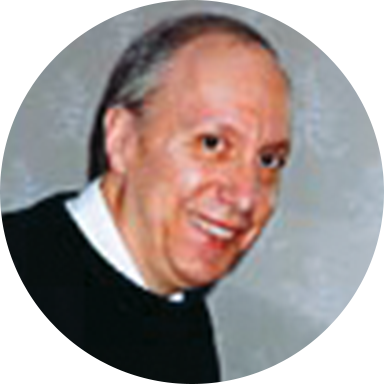
Bob Cerulli

Bob Cerulli studied double bass at the Curtis Institute of Music under Roger Scott, then earned degrees in music education from the University of the Arts and conducting from the College of New Jersey. His performance career spans several decades, including principal bass positions with the Greater Trenton Symphony, New Jersey Capital Philharmonic Orchestra, and Delaware Valley Philharmonic Orchestra, along with freelance work across Philadelphia and Atlantic City.

Cerulli performed with the Buffalo Philharmonic under Josef Kripps and collaborated with renowned composers and artists including Henry Mancini, Bill Conte, Michel LeGrand, and Luciano Pavarotti. His own compositions have been performed by major orchestras; the Philadelphia Orchestra premiered his work Celebration, and Philadelphia Orchestra Principal Cellist William Stokking premiered Romance in D Major, written specifically for him. For nearly three decades, Cerulli taught music in public schools and currently serves as Senior Adjunct Professor at Rowan College at Burlington County, where he continues to conduct orchestral performances and reading sessions at regional festivals.

Why we love this

Cerulli's orchestration gives you real flexibility without sacrificing impact: this piece works beautifully with strings alone, yet gains richness and vitality when you add winds. The two-part structure creates natural programming momentum, moving from energetic western imagery to genuinely quiet writing that lets students explore soft ensemble playing and balance. Grade 3 groups rarely find repertoire this musically satisfying that doesn't demand technical fireworks.

What to expect

Open with the snap and forward energy of horses crossing prairie grassland, driven by clean rhythms and wide-open sensibility. Then the scene quiets dramatically; the night falls, starlight emerges, and the orchestra settles into a hushed, contemplative space that feels both intimate and expansive. The contrast between these two worlds is the piece's greatest strength, offering students an immediate sense of musical storytelling without complex harmonic language.

Who it's for

Grade 3 orchestras seeking concert repertoire that balances accessibility with genuine musicality. Conductors working with students who need confidence-building success alongside exposure to real orchestral writing will find this piece particularly rewarding. It's equally suited to full orchestras, string orchestras, and intermediate ensembles building ensemble balance and expressive control.

How to get the most out of it

  • Establish a rock-solid pulse in the opening section; the driving rhythm relies on the ensemble's confidence, not just individual precision. If your rhythm section feels loose, rehearse that foundation first before adding layers.
  • Shape the transition into the night scene carefully. This shift from motion to stillness is the piece's emotional core, so plan where the tempo settles and how you'll cue the ensemble into the more intimate texture.
  • Let the sustained, starlit middle section breathe. Resist the urge to rush; students often push ahead during soft passages out of nervousness. Lock in the tempo and trust the writing.
  • If adding winds to the string foundation, balance them as color rather than dominance. Cerulli wrote this to expand naturally, not to reorchestrate the core texture.

How to use it

Program this as an opening number to set a lighter, accessible tone for a concert, or use it as a palate cleanser between heavier works. The short duration (2:58) and two distinct moods make it ideal for family concerts or young people's concerts where you want to engage audiences with familiar Americana imagery and clear musical contrasts. It also works well in a series of Grade 3 pieces showcasing orchestration variety.

Skills your students will build

  • Sustaining soft dynamics and maintaining ensemble blend in the quiet night scene
  • Shifting between rhythmic precision and lyrical phrasing across contrasting tempos
  • Responding to clear structural markers and navigating sectional transitions
  • Balancing individual parts within a full texture without losing clarity
  • Reading and executing open orchestral textures that rely on listening rather than doubling

You May Also Like
