

Scenes from the Old West: Full Orchestra Conductor Score & Parts
By Bob Cerulli
Grade: 3
Item: 00-PK-0001554

$63.00
Pickup currently not available
Buy Extra Parts (Digital PDF Download)
Parts Added to Cart!
Description
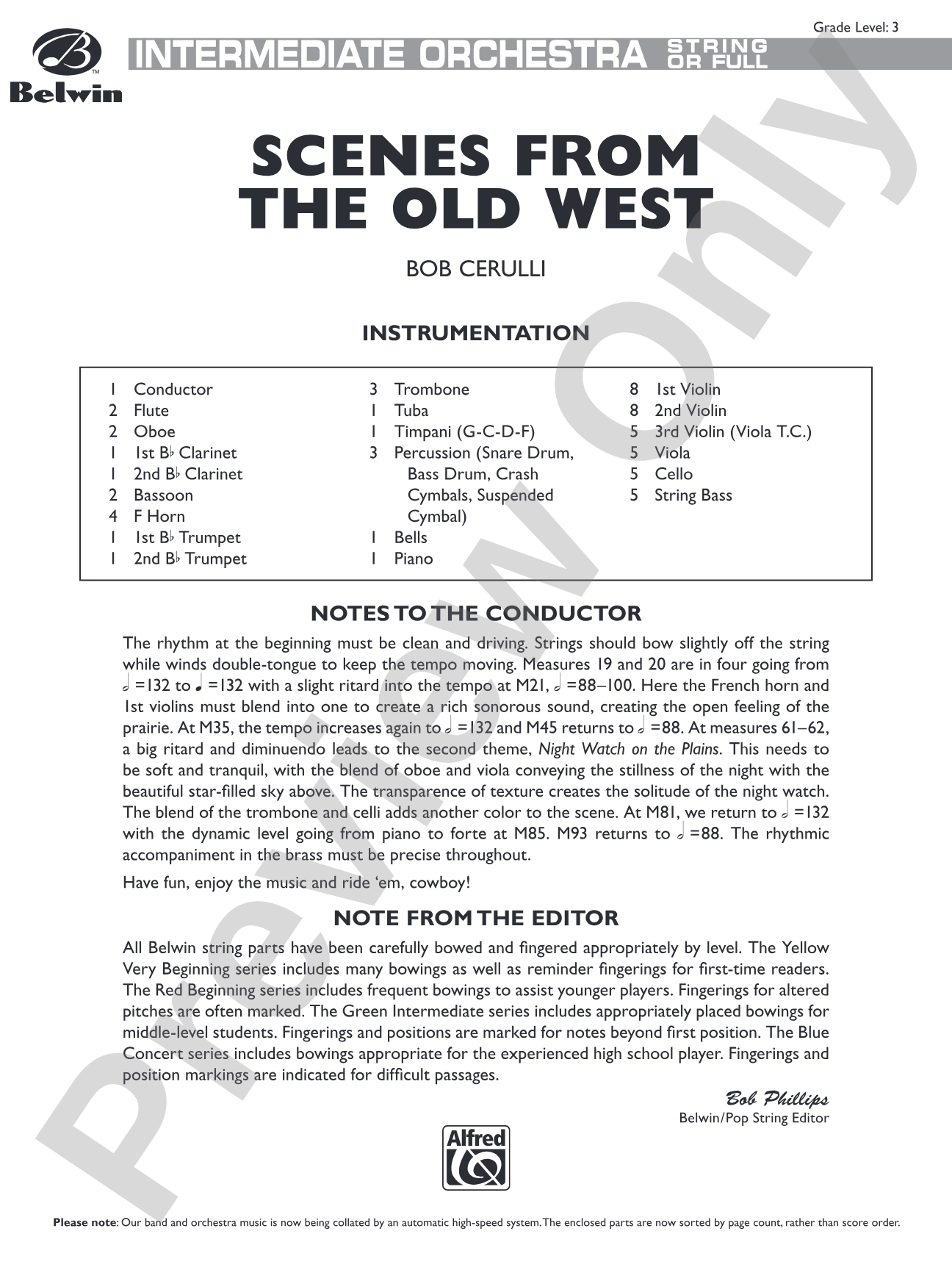
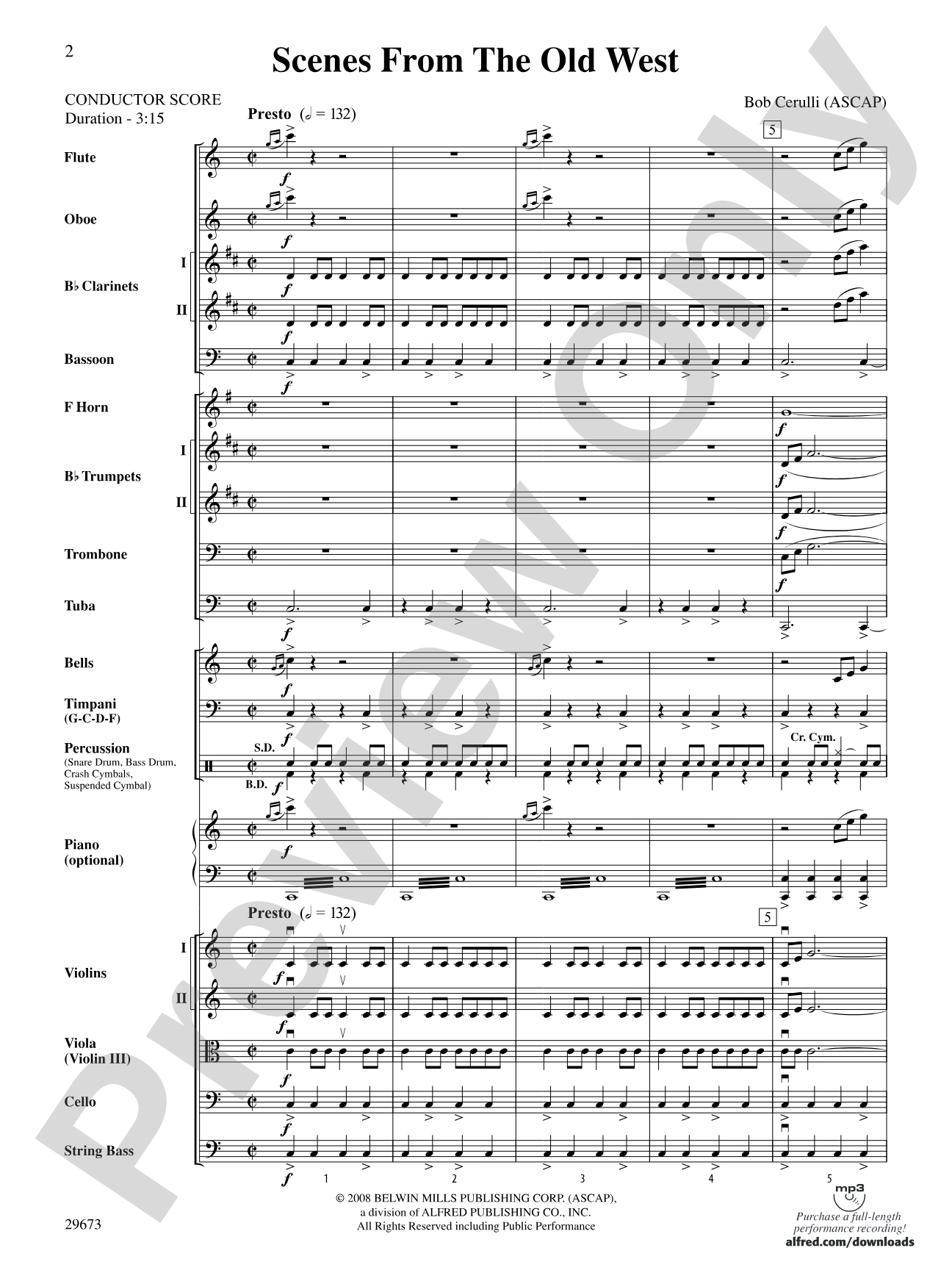
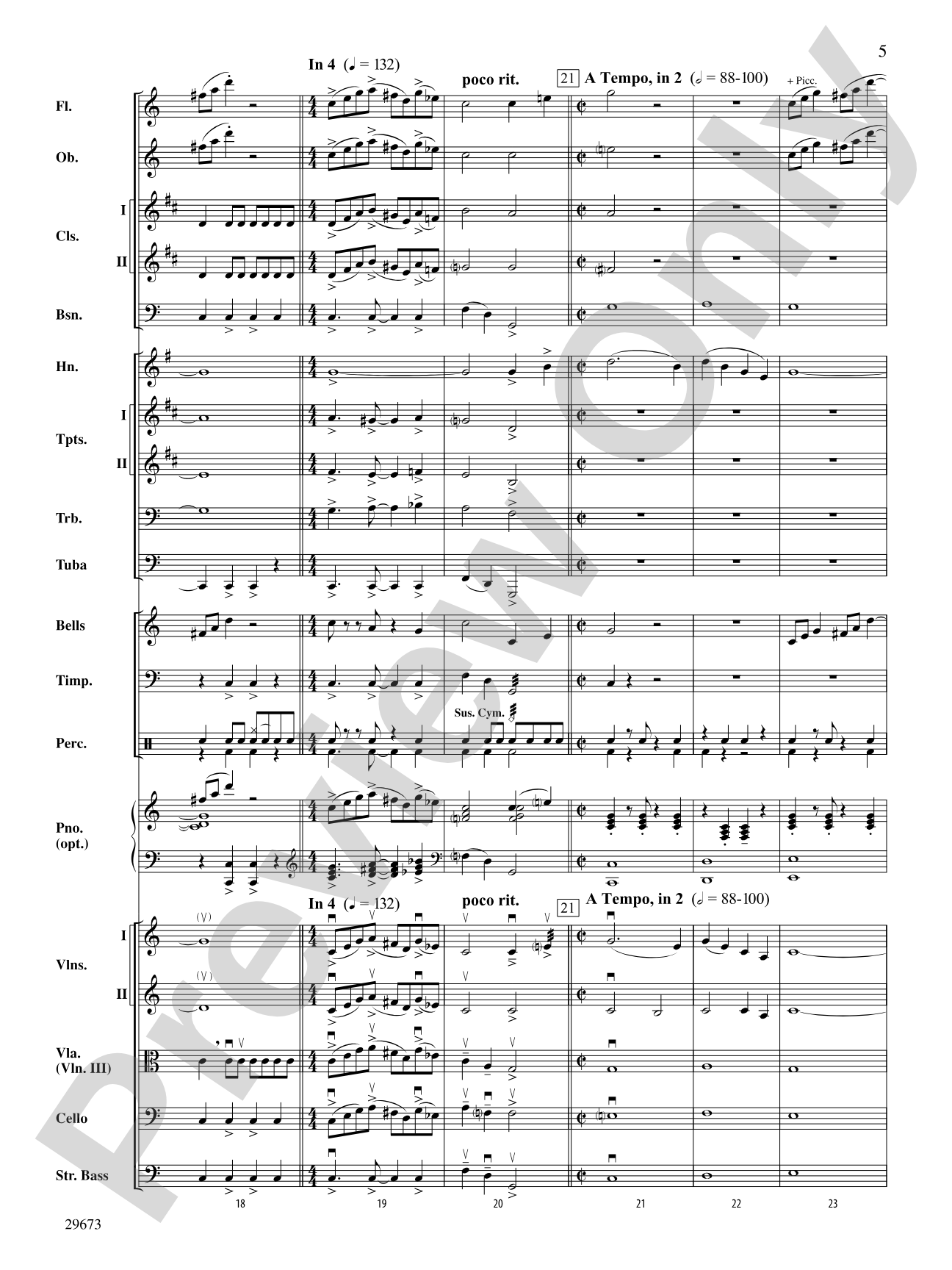
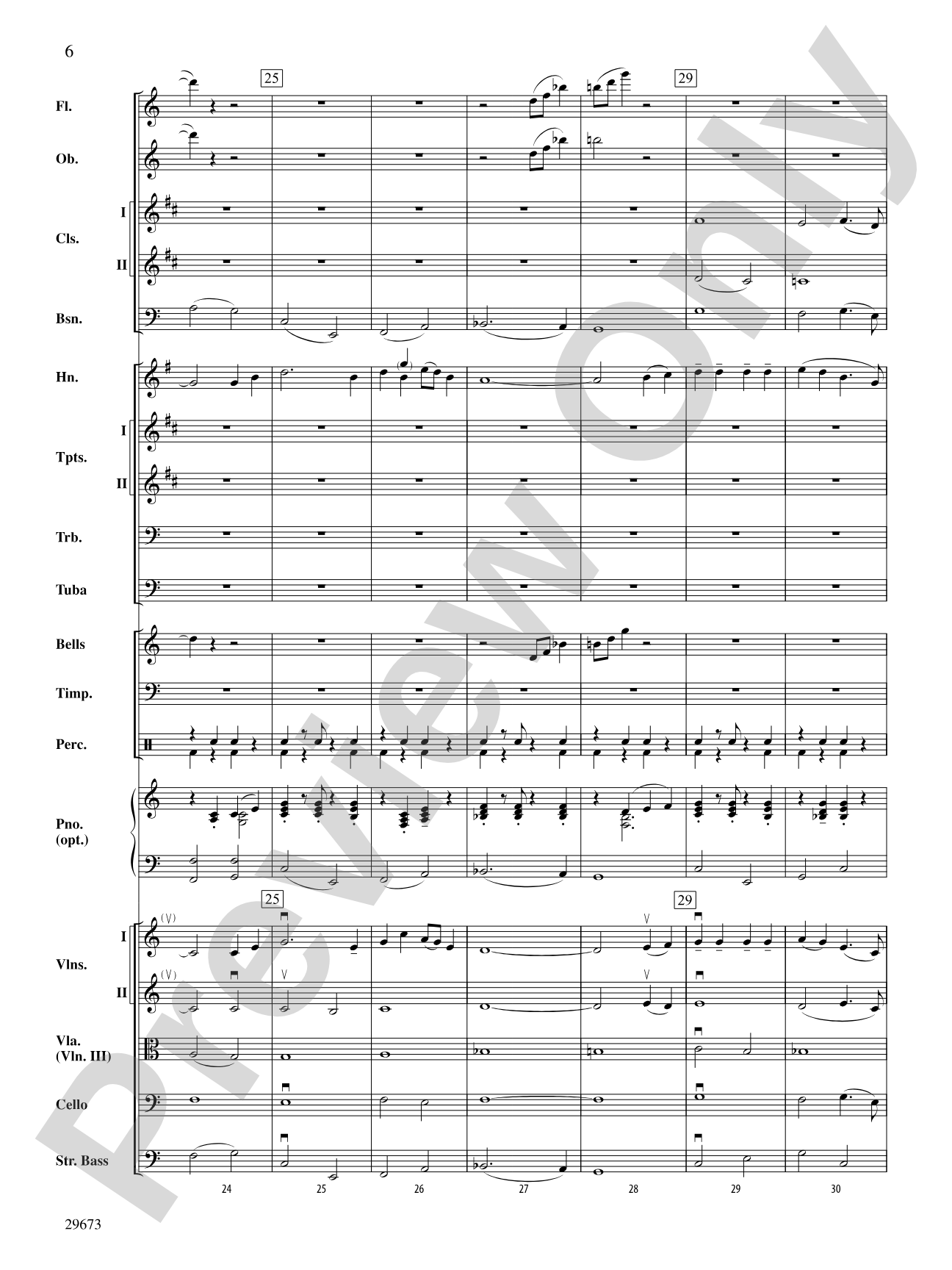
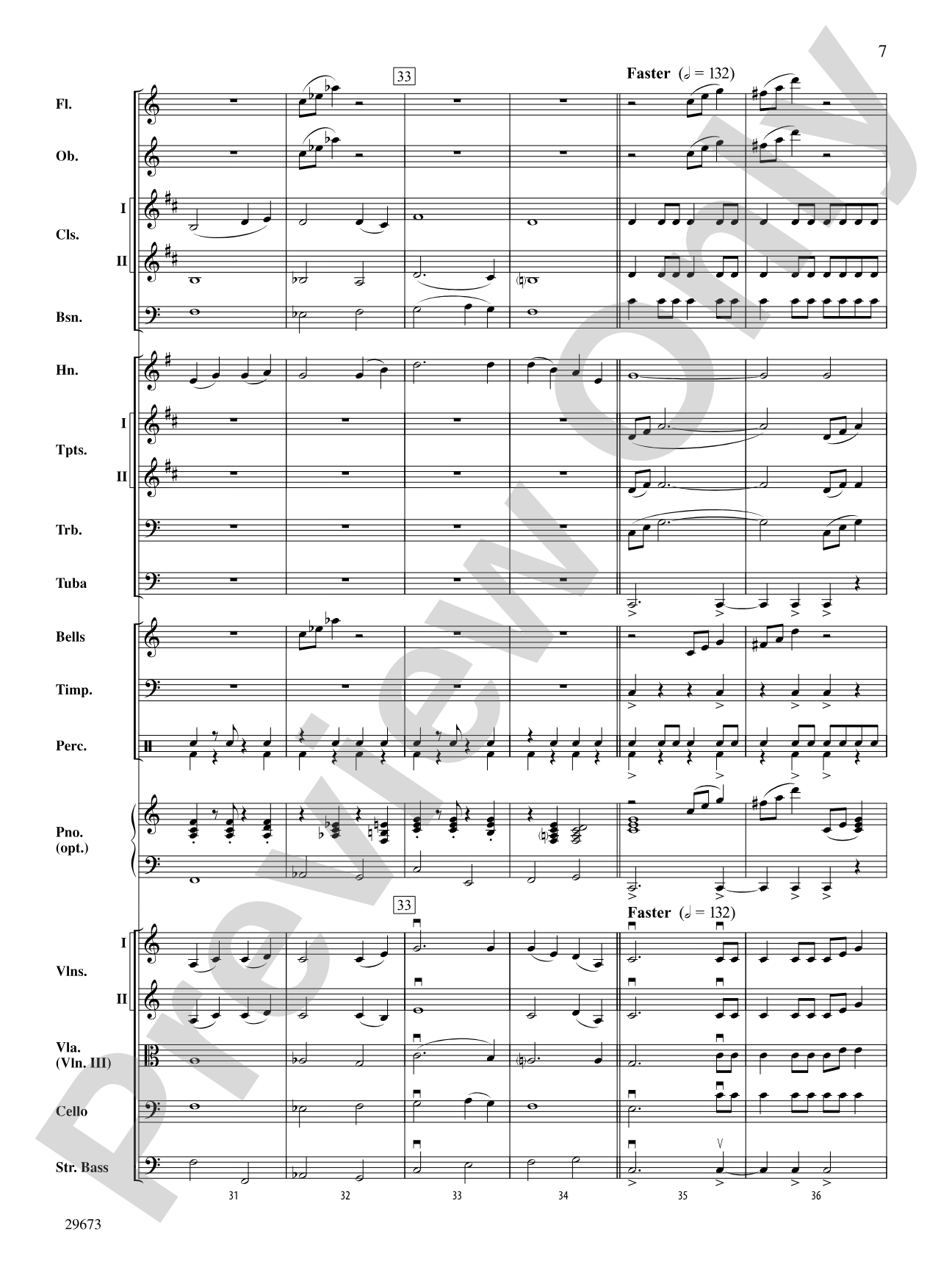
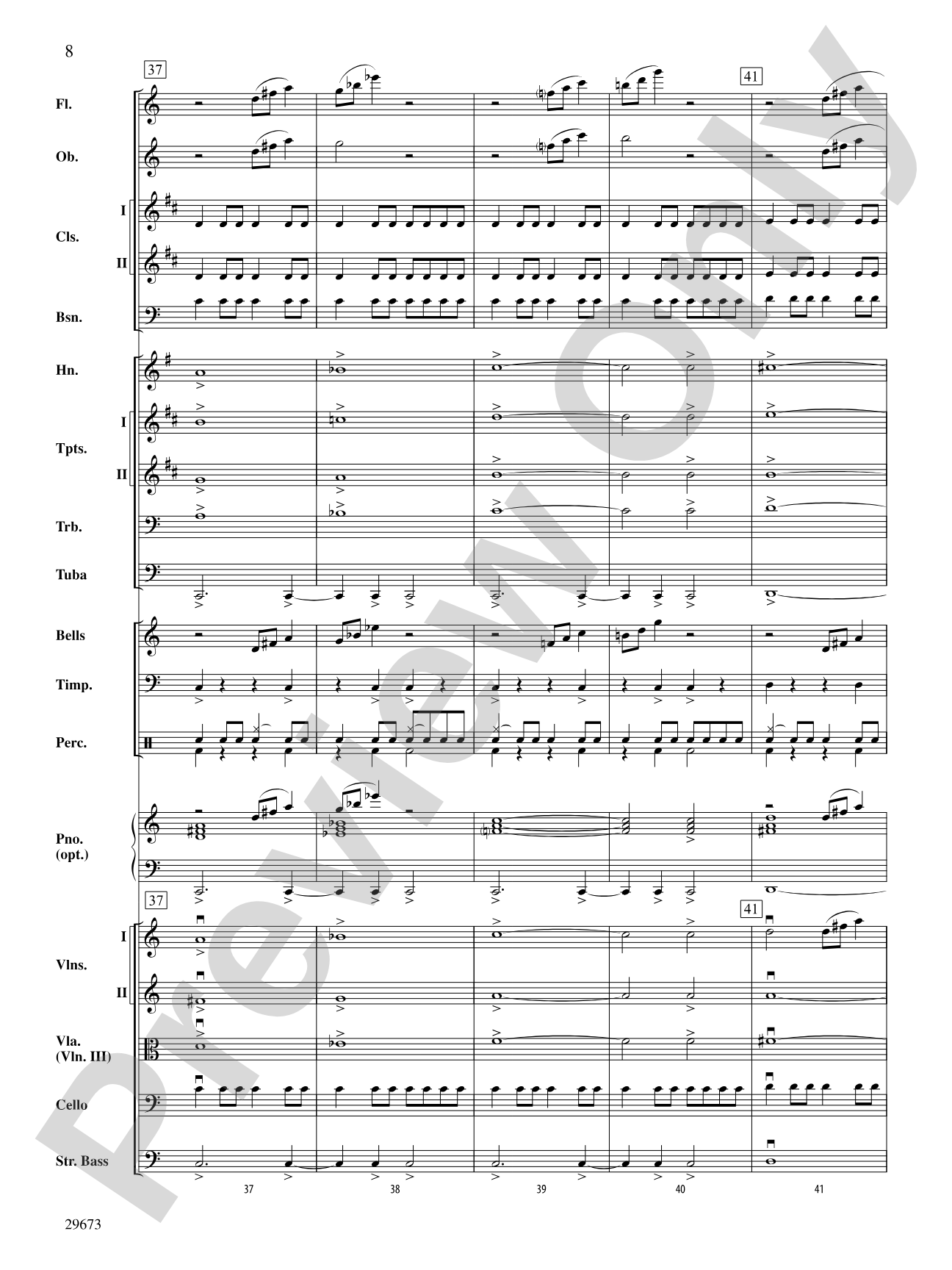
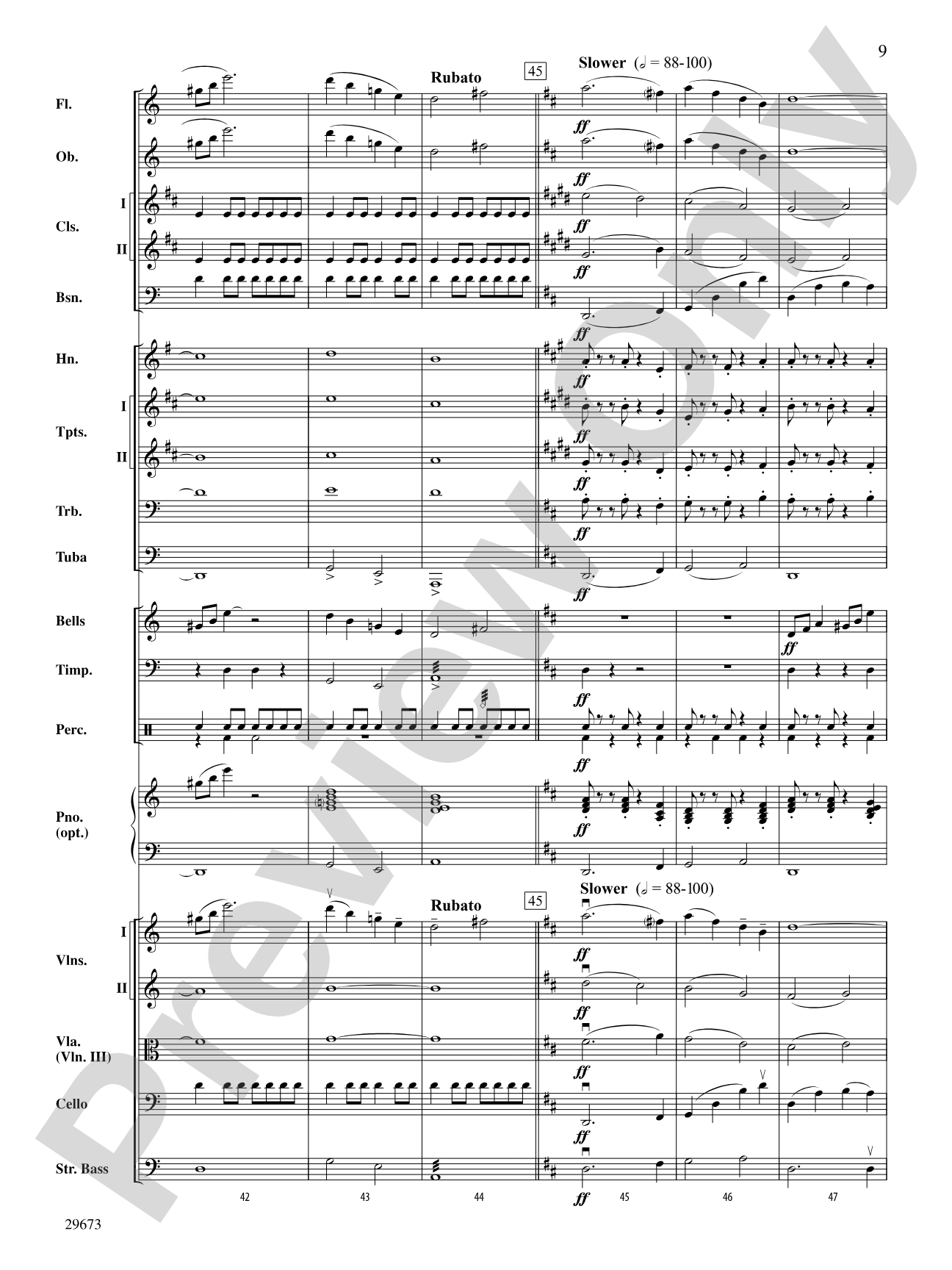
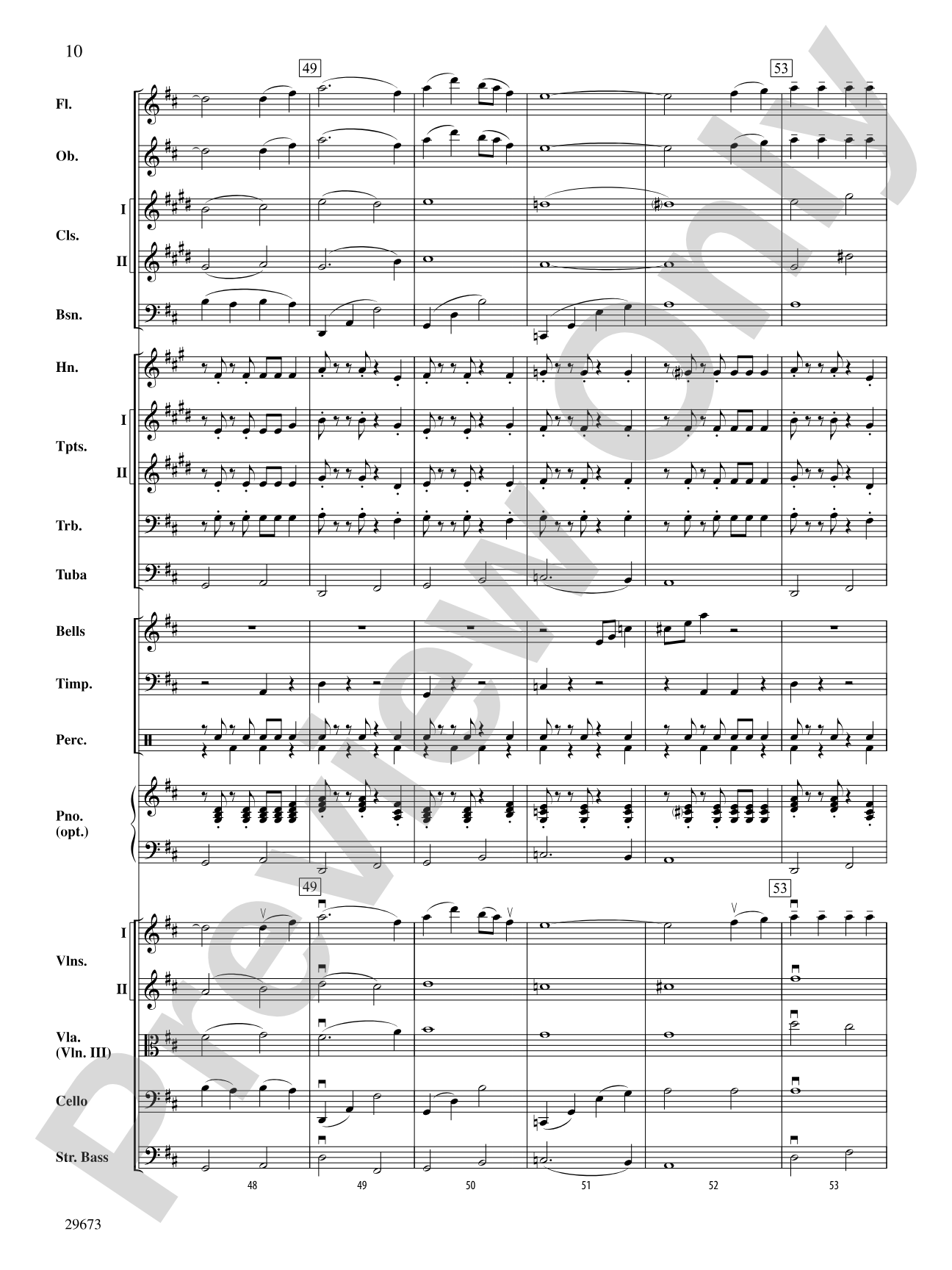
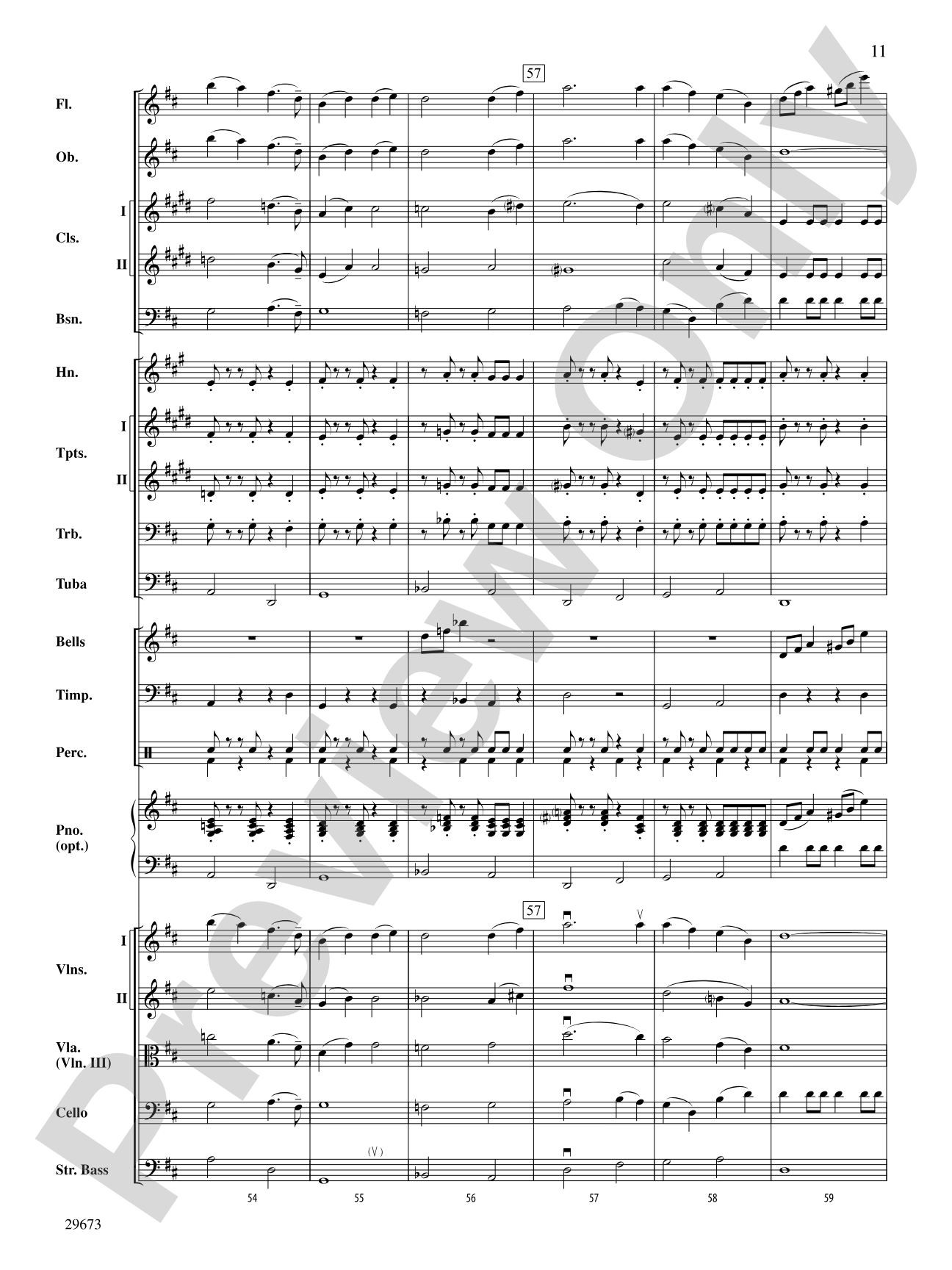
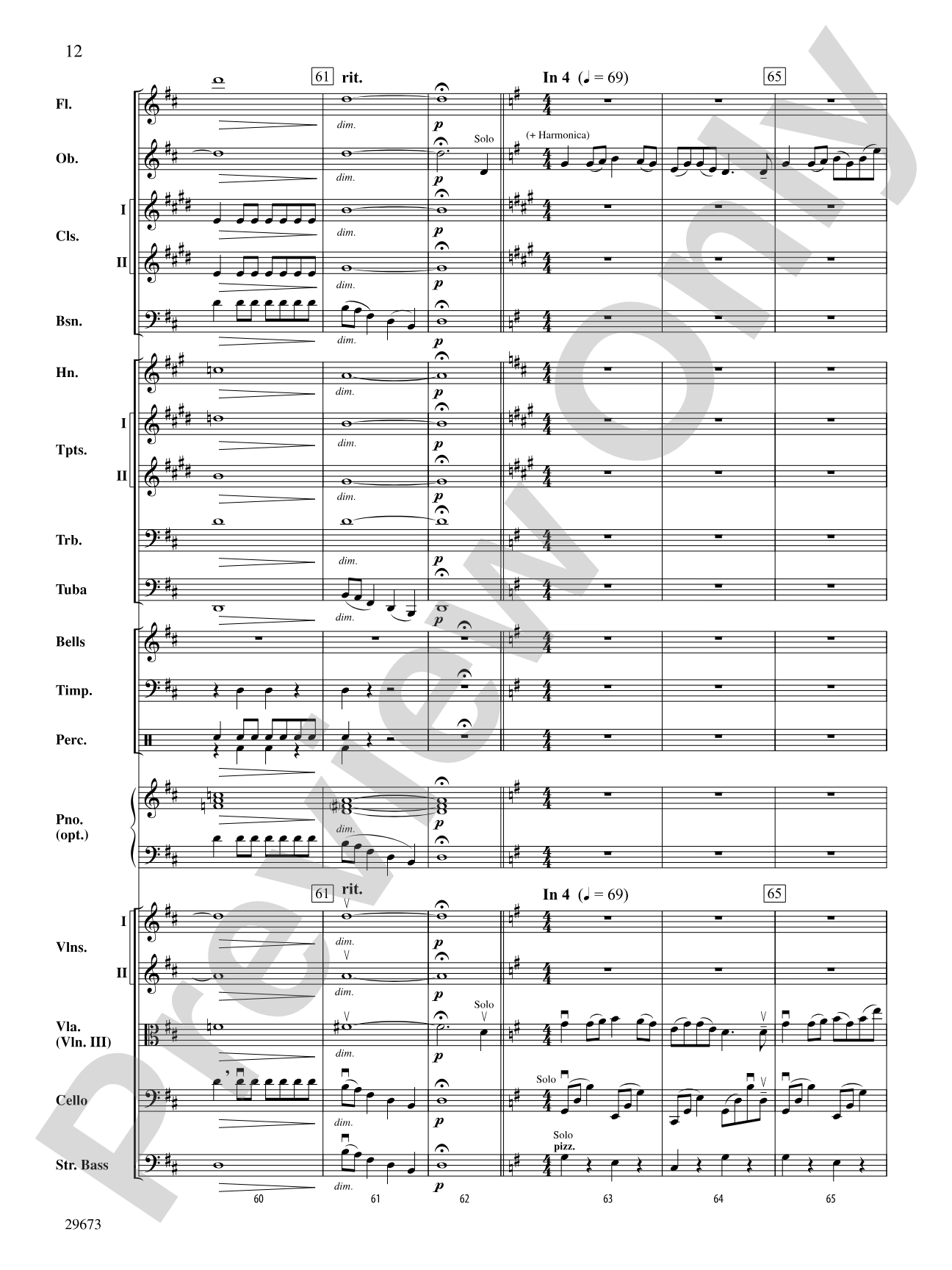
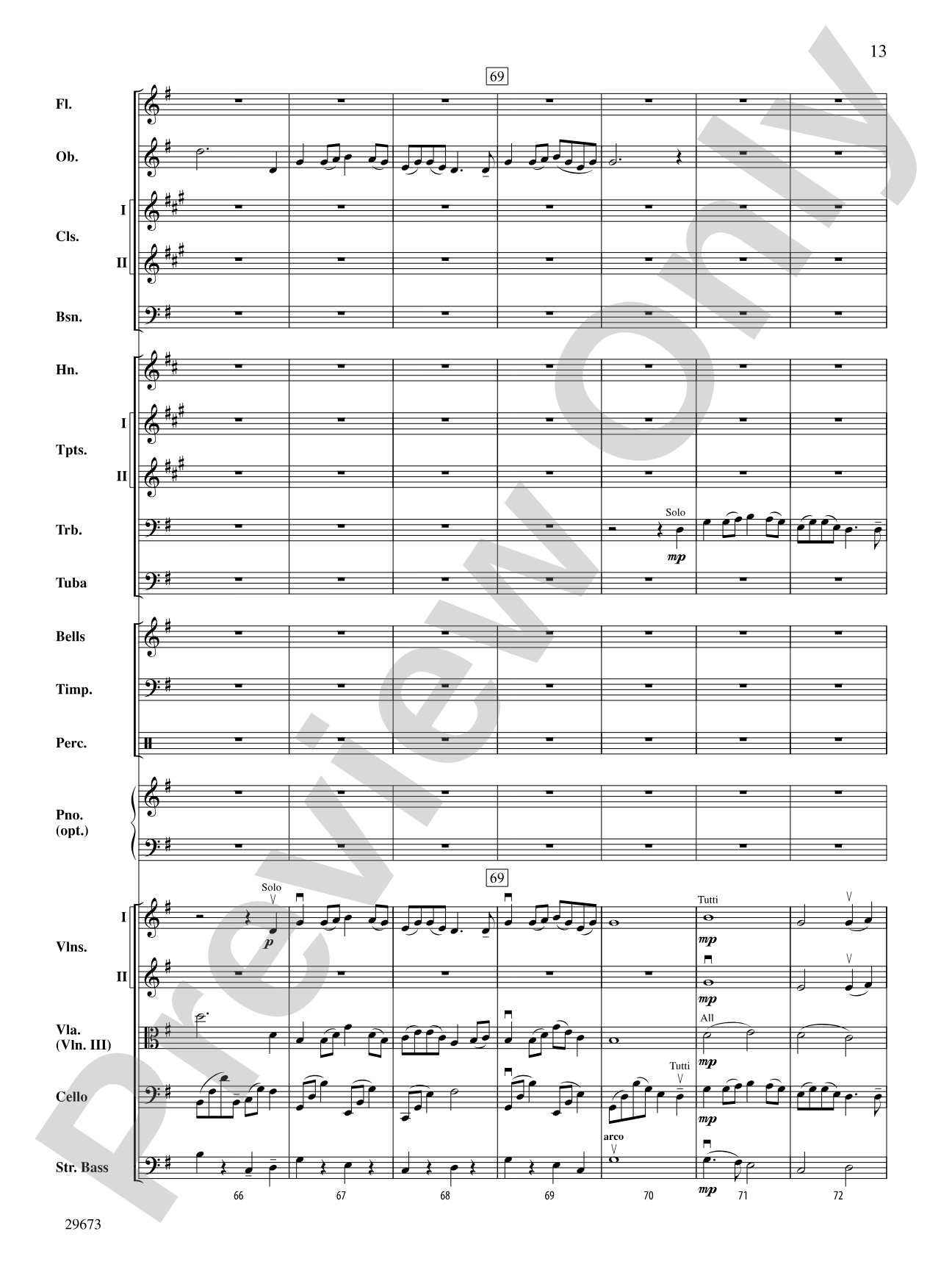
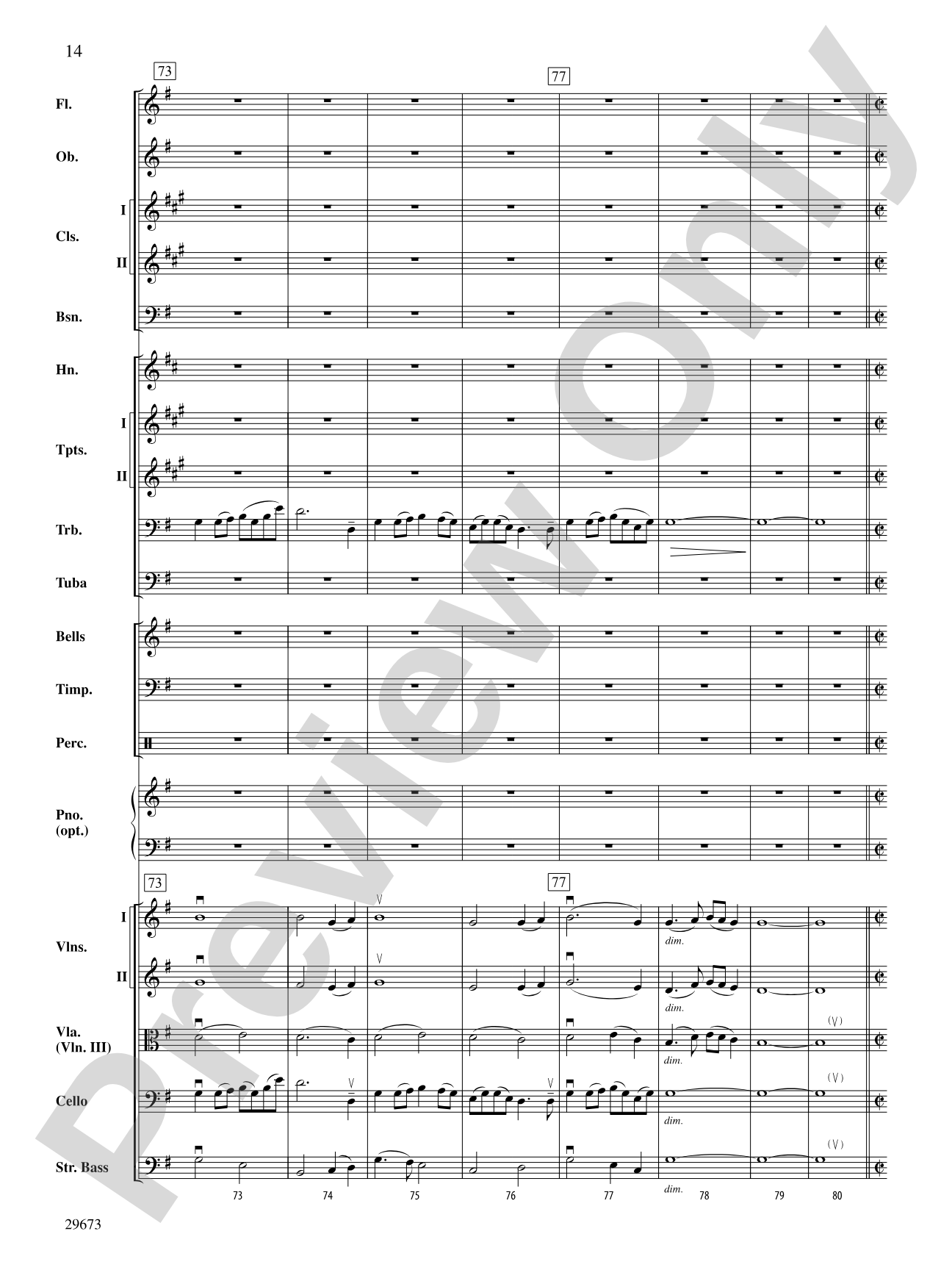
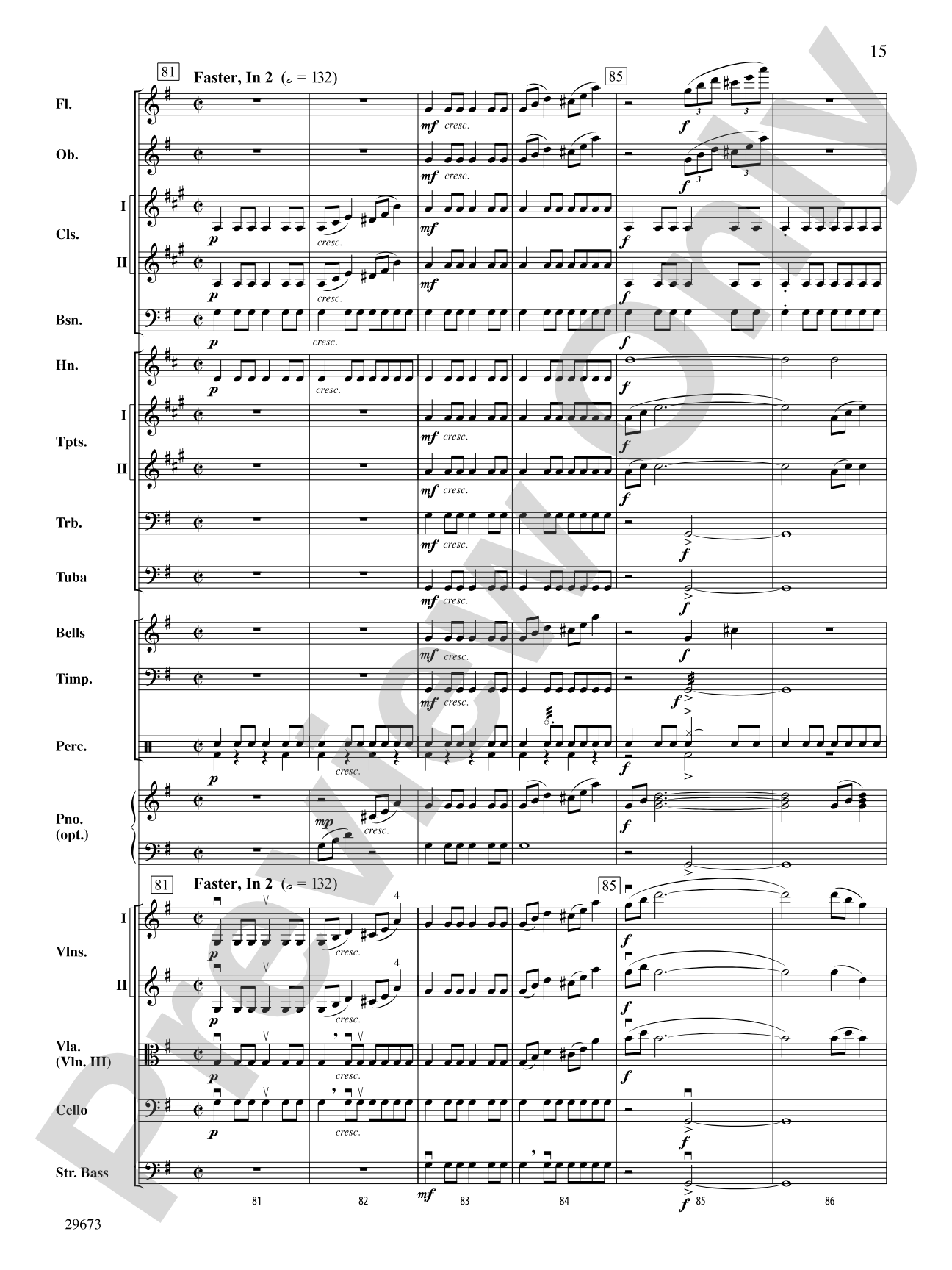
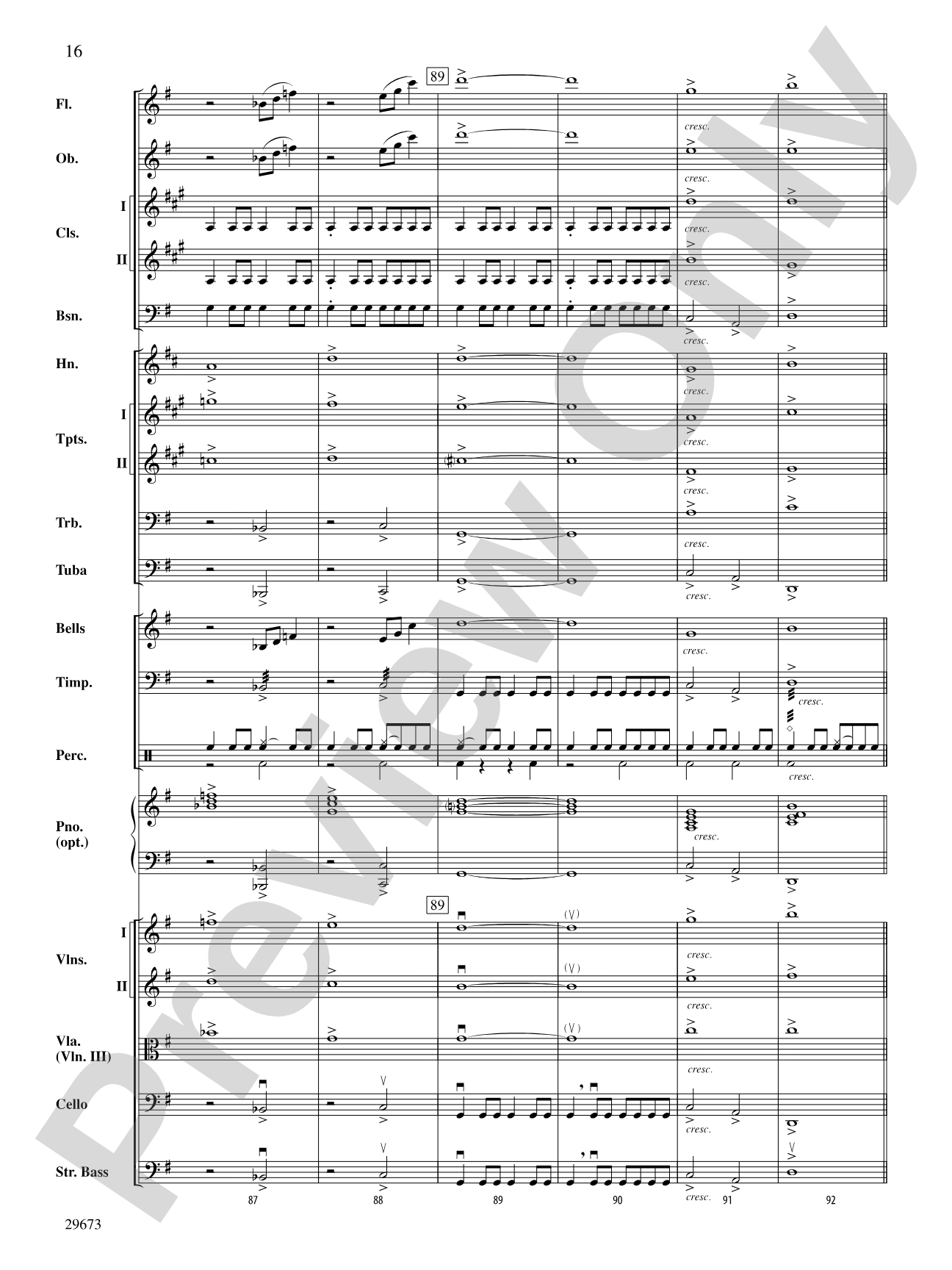
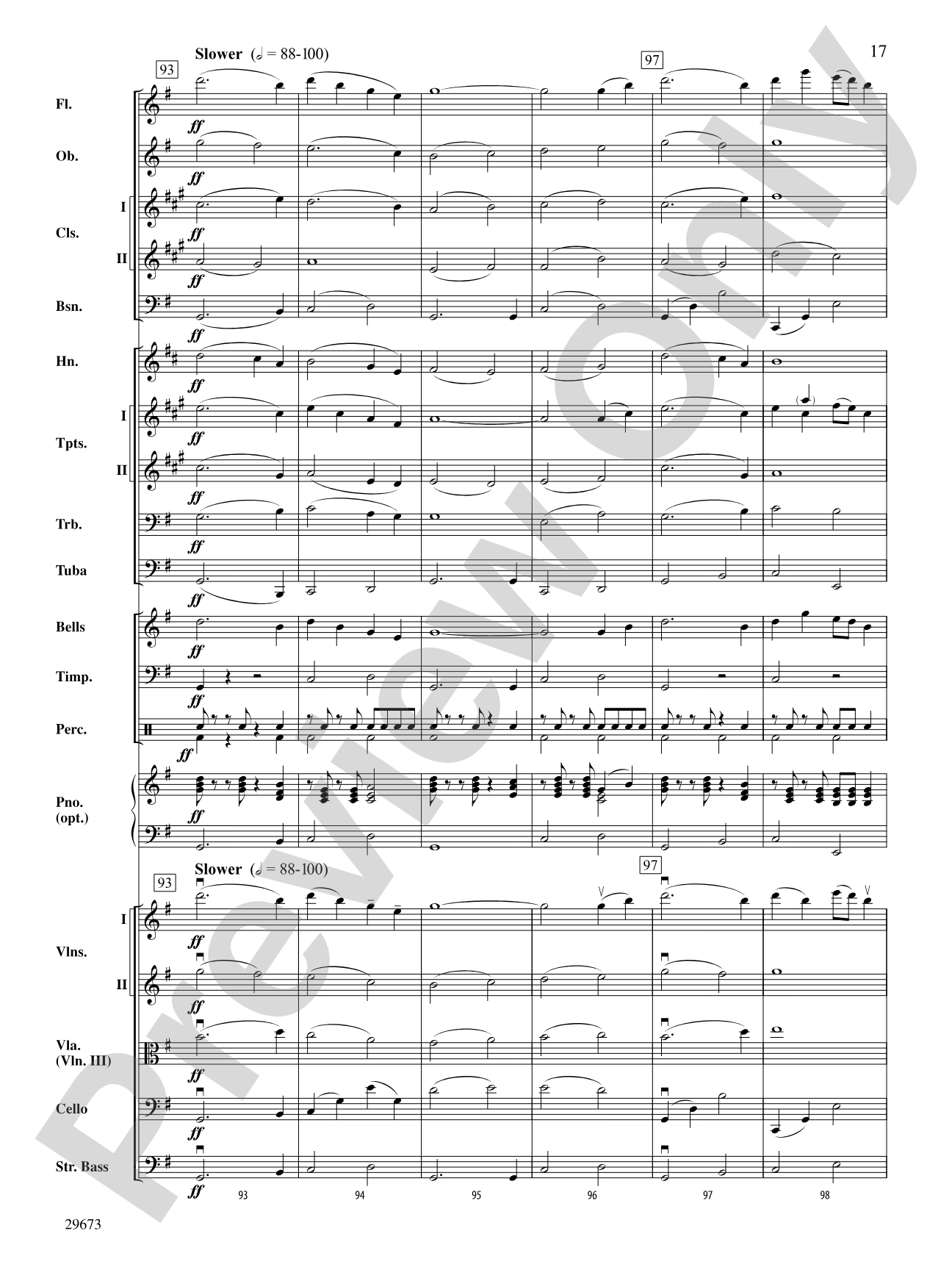
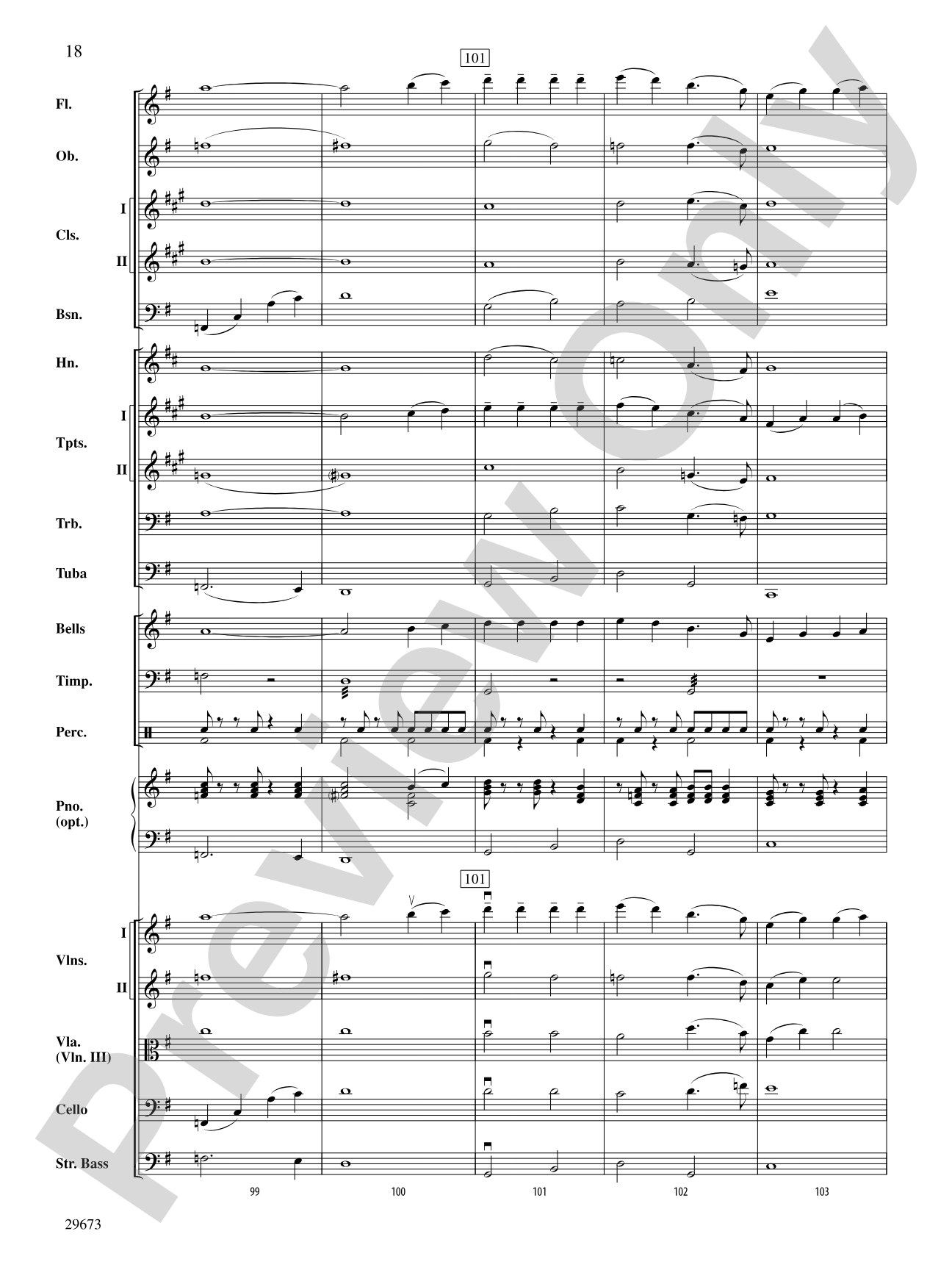
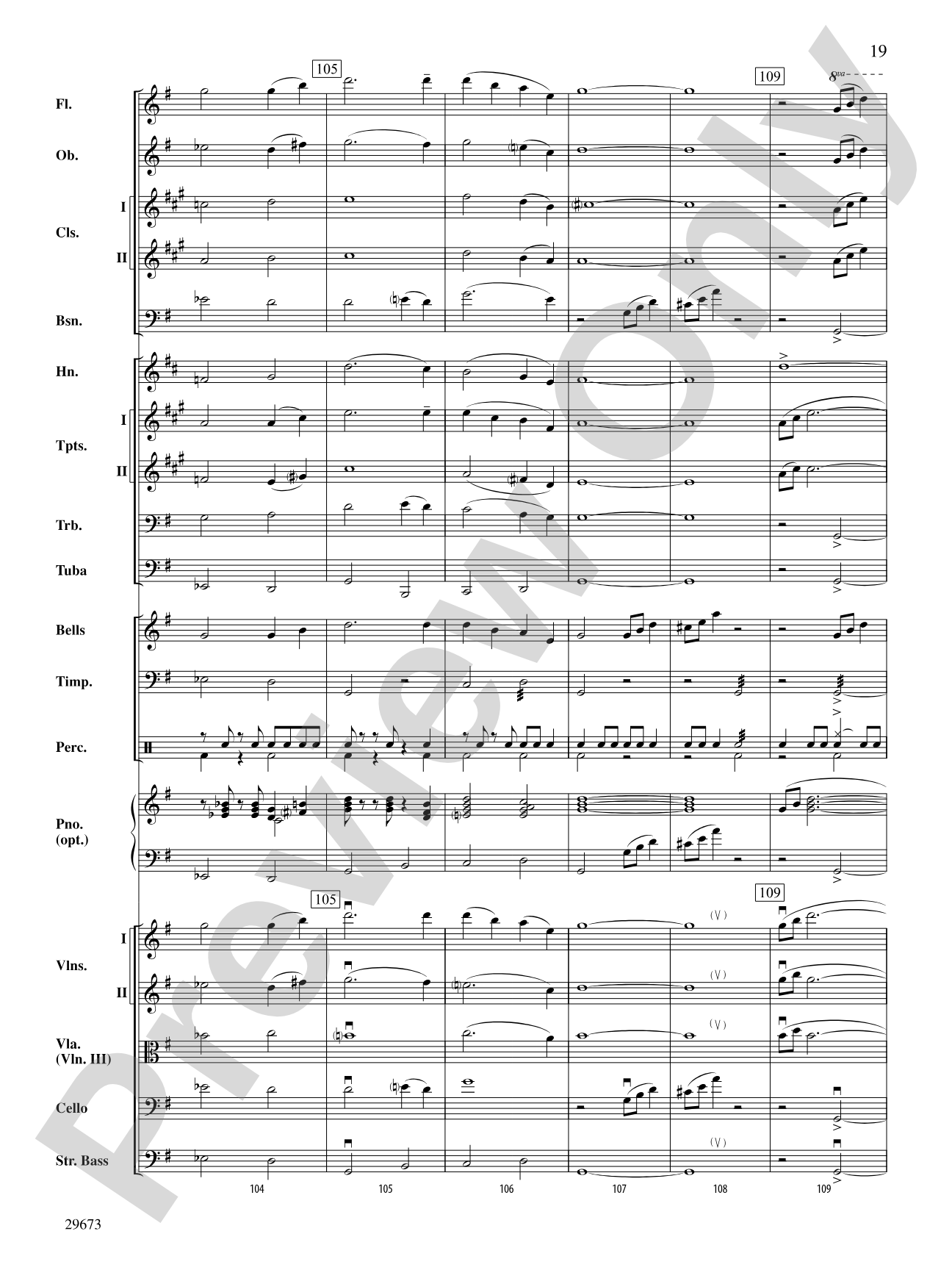
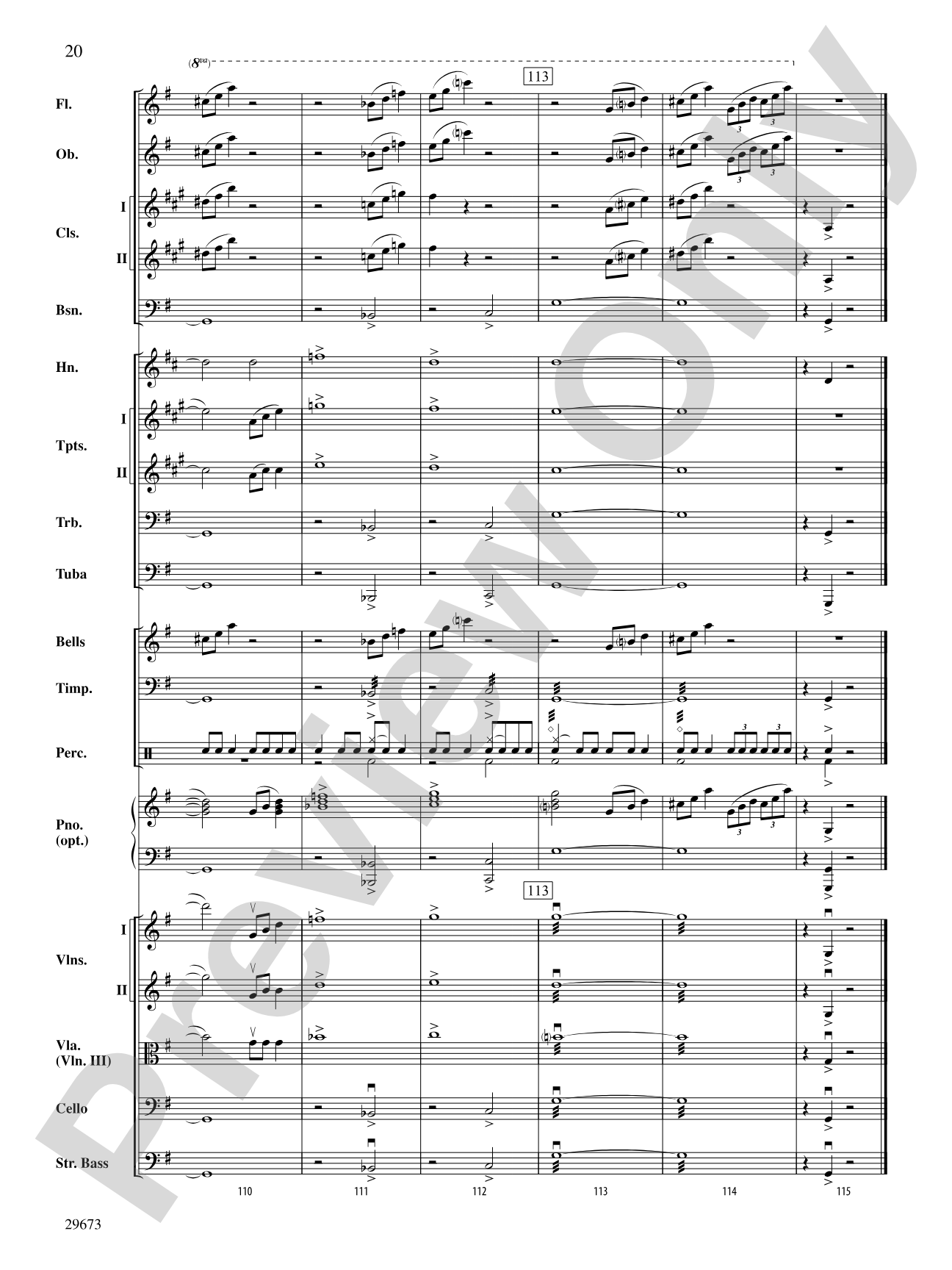
Ride 'em cowboy! Clean, driving rhythm sets the stage for the image of horses on the wide open prairie. A wonderful contrast follows with a soft tranquil picture of the stillness of the night and the star-filled sky over the Plains. Works great with strings alone or the addition of any number of winds. (2:58)


Don't just read it, hear it, play along with it, and watch your students grow with it. In MakeMusic Cloud, Scenes from the Old West: Full Orchestra Conductor Score & Parts comes alive with professional accompaniment, adjustable tempo, and built-in practice tools that turn solo practice into real progress.
Open in the Player
Jump straight in and assign it today.
Start Your Free Trial
Open this title and explore the full library in minutes.
Sample Audio
1
Audio File
--:--
0:00
0:00
Sample Video
No sample videos found.
Additional Details
Series:
Belwin Intermediate String/Full Orchestra
Publisher:
Alfred Music
Page Count:
240
SKU:
00-PK-0001554
More about this title
About the Composer: Bob Cerulli

Bob Cerulli studied double bass at the Curtis Institute of Music and went on to earn degrees in music education from the University of the Arts and conducting from the College of New Jersey. His performance career spans decades, including principal bass positions with the Greater Trenton Symphony, New Jersey Capital Philharmonic Orchestra, and Delaware Valley Philharmonic Orchestra, as well as freelance work with Broadway productions and film composers including Henry Mancini, Bill Conte, and Michel LeGrand.
Cerulli's compositions have been performed by major orchestras; The Philadelphia Orchestra premiered his work Celebration, and William Stokking, principal cellist of The Philadelphia Orchestra, premiered Romance in D Major, a piece written specifically for him. After 29 years teaching music in public schools, Cerulli now serves as Senior Adjunct Professor at Rowan College at Burlington County and continues to conduct orchestral performances and reading sessions at regional music festivals.
Why we love this
Cerulli delivers exactly what Grade 3 orchestras need: accessible writing that doesn't sacrifice musical substance. The structural clarity here is remarkable, two contrasting scenes give students a complete arc to inhabit, from rhythmic drive to genuine lyricism. Directors appreciate that the piece works equally well with strings alone or expanded instrumentation, making it flexible for different program sizes and skill levels.
What to expect
The opening crackles with energy, horses galloping across open country, hooves drumming a steady rhythm beneath a lean, driving texture. Then everything stills. The night arrives soft and expansive, filled with the kind of quiet that lets you hear individual stars above a sleeping landscape. That contrast itself becomes the emotional center.
Who it's for
Grade 3 orchestras with solid rhythmic foundation and enough string depth to carry both sections. This works beautifully for school orchestras seeking accessible concert repertoire that still tells a musical story.
How to get the most out of it
- Lock the rhythm section (timpani, bass, cello) on that driving opening passage so the prairie image feels like actual forward momentum, not just fast notes.
- Shape the tranquil section with real air between phrases; resist the urge to rush the stillness simply because the tempo drops.
- If performing with strings alone, ensure woodwind parts are covered by doubling or reassignment so the orchestration doesn't sound thin at transitions.
How to use it
Pair this with other Americana or Western-themed works for a cohesive concert segment, or program it as a contrasting opener that energizes your audience before moving into more serious repertoire. Its 2:58 length makes it ideal for filling a concert slot or teaching young orchestras how structure and contrast sustain listener interest.
Skills your students will build
- Maintaining steady rhythm in syncopated passages
- Balancing ensemble sound across different orchestral sections
- Controlling tempo and pacing in contrasting fast and slow sections
- Responding to conductor cues during transitions between distinct musical ideas