Sanchito's Samba Cover Image

Sanchito's Samba: String Orchestra Conductor Score & Parts

$45.00 USD
Sale price  $45.00 USD Regular price 
Skip to product information
Sanchito's Samba Cover Image

Sanchito's Samba: String Orchestra Conductor Score & Parts

By Loreta Fin

Grade: 2

Item: 76-45311

$45.00
Shipped

One moment…

Description
Students and audiences alike will enjoy this entertaining, original work, written in D Major and based on a 3/3/2 Samba feel. Rhythms are varied, but repetitive, requiring students to explore different bowing combinations, using slurs, ties, and accents. Dynamics and articulations are also varied, helping to create the lively dance-feel. This piece would also lend itself to the addition of some ad lib audience participation with maracas or similar percussion accompaniment.

Sanchito's Samba: String Orchestra Conductor Score & Parts isn't in MakeMusic Cloud just yet...but it could be. Let us know you'd like to see it, and you'll help shape what comes next. In the meantime, start a free trial and dive into thousands of interactive titles your students can play along with today.

Sample Pages

Sample Audio
No sample audio found.
Sample Video
Additional Details
Series: Wilfin String Orchestra: Young String Ensemble Series
Publisher: Wilfin Music
Page Count: 128
UPC: 038081520315
SKU: 76-45311

More about this title

About the Composer: Loreta Fin
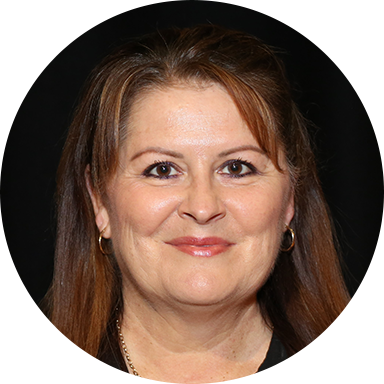
Loreta Fin

Loreta Fin AM is an Australian violist and string educator whose career spans both performance and pedagogy at the highest levels. A graduate of the Sydney Conservatorium of Music and former concertmaster of the Sydney Youth Orchestra, she has maintained a dual focus on chamber and orchestral work while serving as Principal Viola with the Queensland Pops Orchestra for over 25 years. Her credentials as an adjudicator and clinician extend across Australia and the United States, with presentations at multiple National String Teachers' Conferences.

Since 1993, Fin has directed the strings program at Somerville House School in Brisbane, where she has shaped generations of young musicians. Her compositional output exceeds 100 works for string orchestra, published internationally by Alfred Music. Recognized for her contributions to string education and administration through roles with the Australian Strings Association, the Queensland Symphony Orchestra, and as State Advisor for Strings with the Australian Music Examinations Board, Fin received a National Award for Services to Music and String Teaching in Australia.

Why we love this

Fin understands exactly what Grade 2 orchestras need: a piece that sounds genuinely festive without sacrificing pedagogical purpose. The 3/3/2 samba rhythm sits naturally under young players' fingers while the varied bowing patterns and dynamic contrasts keep them engaged technically. The optional audience participation with maracas transforms a concert moment into something genuinely participatory and joyful.

What to expect

Sanchito's Samba captures the infectious, propulsive energy of the dance form while remaining accessible to developing players. Repetitive figures give students secure footing while orchestral variety and shifting articulations keep the piece from feeling static. The result is a piece that feels like a celebration rather than a lesson.

Who it's for

Grade 2 string orchestras ready to move beyond familiar teaching pieces into genuinely entertaining repertoire. Directors looking for programmatic flexibility will appreciate the optional percussion involvement, which allows concerts to range from traditional to participatory depending on the venue and audience.

How to get the most out of it

  • Establish the samba feel in rehearsal by clapping the 3/3/2 pattern as a group before playing any notes. Once the subdivision locks in, the rhythmic variations become clear rather than confusing.
  • Layer the bowing techniques systematically: introduce slurred figures first, then overlay the accents and ties once students feel secure. This prevents the rhythm section from unraveling when articulation gets added.
  • Invite audience members to join with maracas during the final section. A quick rehearsal with volunteers five minutes before the performance prevents chaos and doubles the energy.
  • Shape each dynamic shift intentionally, especially the transitions into softer passages. Young orchestras often treat dynamics as on-off switches; here, treating them as part of the dance's natural ebb creates genuine style.

How to use it

Ideal as a spring or end-of-year concert opener, especially when programming reflects Latin or world music themes. Its brief length and high entertainment value also make it valuable as a festival selection that develops technical skills without derailing an already-full rehearsal calendar.

Skills your students will build

  • Samba rhythmic feel (3/3/2 metric subdivision) and its application to ensemble playing
  • Varied bowing combinations including slurs, ties, and accents in rapid succession
  • Dynamic contrast and articulation clarity in a single ensemble texture
  • Rhythmic independence within a repetitive, driving accompaniment figure

You May Also Like