Sanchito's Samba Cover Image

Sanchito's Samba: String Orchestra Conductor Score

$7.00 USD
Sale price  $7.00 USD Regular price 
Skip to product information
Sanchito's Samba Cover Image

Sanchito's Samba: String Orchestra Conductor Score

By Loreta Fin

Grade: 2

Item: 76-45311S

$7.00
Shipped

One moment…

Description
Students and audiences alike will enjoy this entertaining, original work, written in D Major and based on a 3/3/2 Samba feel. Rhythms are varied, but repetitive, requiring students to explore different bowing combinations, using slurs, ties, and accents. Dynamics and articulations are also varied, helping to create the lively dance-feel. This piece would also lend itself to the addition of some ad lib audience participation with maracas or similar percussion accompaniment.

Sanchito's Samba: String Orchestra Conductor Score isn't in MakeMusic Cloud just yet...but it could be. Let us know you'd like to see it, and you'll help shape what comes next. In the meantime, start a free trial and dive into thousands of interactive titles your students can play along with today.

Sample Pages

Sample Audio
No sample audio found.
Sample Video
Additional Details
Series: Wilfin String Orchestra: Young String Ensemble Series
Publisher: Wilfin Music
Page Count: 8
UPC: 038081520322
SKU: 76-45311S

More about this title

About the Composer: Loreta Fin
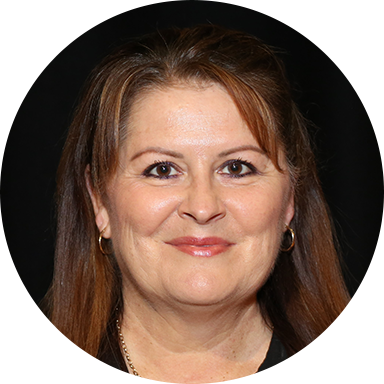
Loreta Fin

Loreta Fin is an Australian violist and string educator with deep roots in both performance and pedagogy. After studying at the Sydney Conservatorium of Music and performing as a first violinist with the Sydney Youth Orchestra, she built a career spanning chamber music, orchestral performance, and over 25 years as Principal Viola player with the Queensland Pops Orchestra. She has performed alongside internationally renowned artists and has been invited to present at both Australian and American National String Teachers' Conferences.

Since 1993, Fin has served as Director of Strings at Somerville House School in Brisbane, where she has shaped generations of young musicians. Her contributions to string education in Australia are extensive: she has adjudicated major competitions nationwide, served as State and National President of the Australian Strings Association, and currently holds the position of State Advisor for Strings with the Australian Music Examinations Board. As a composer, she has created over 100 works for string orchestra published internationally by Alfred Music. She received the National Award for Services to Music and String Teaching in Australia and was nominated for the inaugural ARIA "Best Teacher" award.

Why we love this

Loreta Fin writes with direct knowledge of what young orchestras can achieve, and it shows. The rhythmic variety within a consistent 3/3/2 samba foundation keeps students engaged without overwhelming them, while the specific articulation choices (slurs, ties, accents) give the string section real textural work to master. The piece captures genuine dance energy while remaining pedagogically purposeful.

What to expect

Sanchito's Samba arrives with infectious forward momentum and a carnival spirit. The interplay of slurred and accented bowing creates a dance that feels both natural and choreographed, while the D Major tonality and light harmonic movement give the piece a brightness that keeps the energy high without demanding technical virtuosity.

Who it's for

Grade 2 string orchestras ready to move beyond simple rhythms and into genuine ensemble texture. This works well for orchestras with at least one year of experience reading together and comfortable with basic position shifts on all four instruments.

How to get the most out of it

  • Establish the samba pulse clearly in rehearsal by having students tap the 3/3/2 pattern before picking up bows; lock this feel in the rhythm section (cellos and basses) before layering the upper voices.
  • Treat the varied dynamics and articulations as conversation between sections. When violas switch from slurred to accented figures, ensure violins notice and respond to the shift in character.
  • If you invite percussion participation with maracas, designate a student conductor or keep steady eye contact with those players during performance; their rhythm must sit directly on top of the orchestral pulse without dragging or rushing.
  • Explore different bow speeds and contact points during the varied articulation passages; what works for a legato phrase will not work for the accented sections, and students who discover this difference will own the piece.

How to use it

This piece works beautifully in a spring or end-of-year concert where audiences appreciate accessible, energetic repertoire. It also makes an excellent opener or closer, and the optional audience participation with percussion can transform it into an interactive concert moment that builds community energy.

Skills your students will build

  • Reading and maintaining 3/3/2 samba rhythm patterns
  • Distinguishing between slurred, tied, and accented articulations within a single piece
  • Exploring varied bowing combinations to create textural contrast
  • Responding to dynamic and articulation changes across the ensemble
  • Balancing rhythmic precision with the relaxed, dance-like feel of Latin music

You May Also Like