Samba Cya Cover Image

Samba Cya: Jazz Ensemble Conductor Score

$8.00 USD
Sale price  $8.00 USD Regular price 
Skip to product information
Samba Cya Cover Image

Samba Cya: Jazz Ensemble Conductor Score

As Performed by Gordon Goodwin's Little Phat Band

By Gordon Goodwin

Grade: 5 (Advanced / Difficult)

Item: 00-41147S

$8.00
Shipped

One moment…

Description
An exciting samba at 200 BPM. Little band instrumentation is tenor, trumpet, trombone, piano, bass, guitar, and drums, and the chart includes solo space for all. (1:35) This title is available in MakeMusic Cloud.

Samba Cya: Jazz Ensemble Conductor Score isn't in MakeMusic Cloud just yet...but it could be. Let us know you'd like to see it, and you'll help shape what comes next. In the meantime, start a free trial and dive into thousands of interactive titles your students can play along with today.

Sample Pages

Sample Audio
0:00
0:00
Sample Video
Additional Details
Series: Gordon Goodwin Little Phat Band Series
Publisher: Alfred Music
Page Count: 12
UPC: 038081475455
SKU: 00-41147S

More about this title

About the Composer: Gordon Goodwin
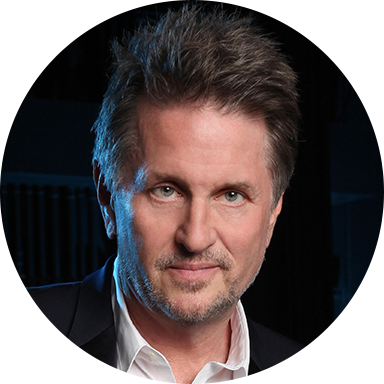
Gordon Goodwin

Gordon Goodwin has been composing music since childhood, writing complete arrangements rather than fragments at an age when most musicians are still learning fundamentals. His big band chart "Hang Loose," written at thirteen, announced his arrival as a serious voice in jazz composition. This early maturity has defined a career spanning Emmy awards, Grammy nominations, film scoring (Bad Boys II, Con Air, Remember the Titans, Star Trek: Nemesis), and collaborations with artists including Christina Aguilera, Quincy Jones, Ray Charles, and Toni Braxton.

Today, Goodwin leads Gordon Goodwin's Big Phat Band, the Los Angeles big band ensemble he founded in 2000. His albums have pushed the boundaries of jazz recording technology and earned multiple Grammy nominations across categories including Best Large Jazz Ensemble Album. His writing style blends cinematic sophistication with the swagger and precision that characterizes modern big band jazz.

Why we love this

Goodwin writes for the specific voices in his own band, meaning every section and solo role feels authentically voiced rather than retrofitted. At 200 BPM, this samba demands precision from your ensemble while remaining playable at this grade level; the energy is infectious but the chart respects what young musicians can execute. The solo space for all voices gives your soloists real estate to shine without padding.

What to expect

Propulsive and sleek. The samba rhythm propels everything forward with a bright, almost relentless energy, while the solo space allows musicians to breathe and shape their own phrasing within that driving groove. There's swagger here, the feeling of a band that knows exactly what it's doing.

Who it's for

Advanced high school jazz ensembles and college jazz combos seeking material that's both playable and sophisticated. Directors programming a Latin-flavored set piece need ensemble players who can handle sustained tempo and articulation clarity.

How to get the most out of it

  • Lock the rhythm section (piano, bass, guitar, drums) on the clave pattern before adding the front line. At 200 BPM, a half-beat of slippage between piano and bass becomes obvious to the audience.
  • Let the tenor saxophone establish the primary melodic voice early in the head; trumpet and trombone support and complement rather than compete.
  • Shape the solo section dynamics so each soloist feels like they're stepping into their own spotlight. The accompaniment should contract slightly during solos, creating space rather than filling it.
  • Balance the written hits; Goodwin's punctuation is precise, and missed attacks undermine the chart's momentum.

How to use it

Place this in the second half of your jazz concert where energy can build, or use it as a standalone feature showcasing your ensemble's rhythmic precision and individual soloists. The 1:35 length makes it ideal for festival play or as a strong standalone piece without requiring a full suite context.

Skills your students will build

  • Maintaining steady tempo in Latin rhythms at fast tempos
  • Reading and executing syncopated figures across ensemble sections
  • Listening for clave and cross-rhythm while playing individual parts
  • Shaping solo space within a written arrangement
  • Balancing articulation and dynamic control in tight ensemble writing

You May Also Like