
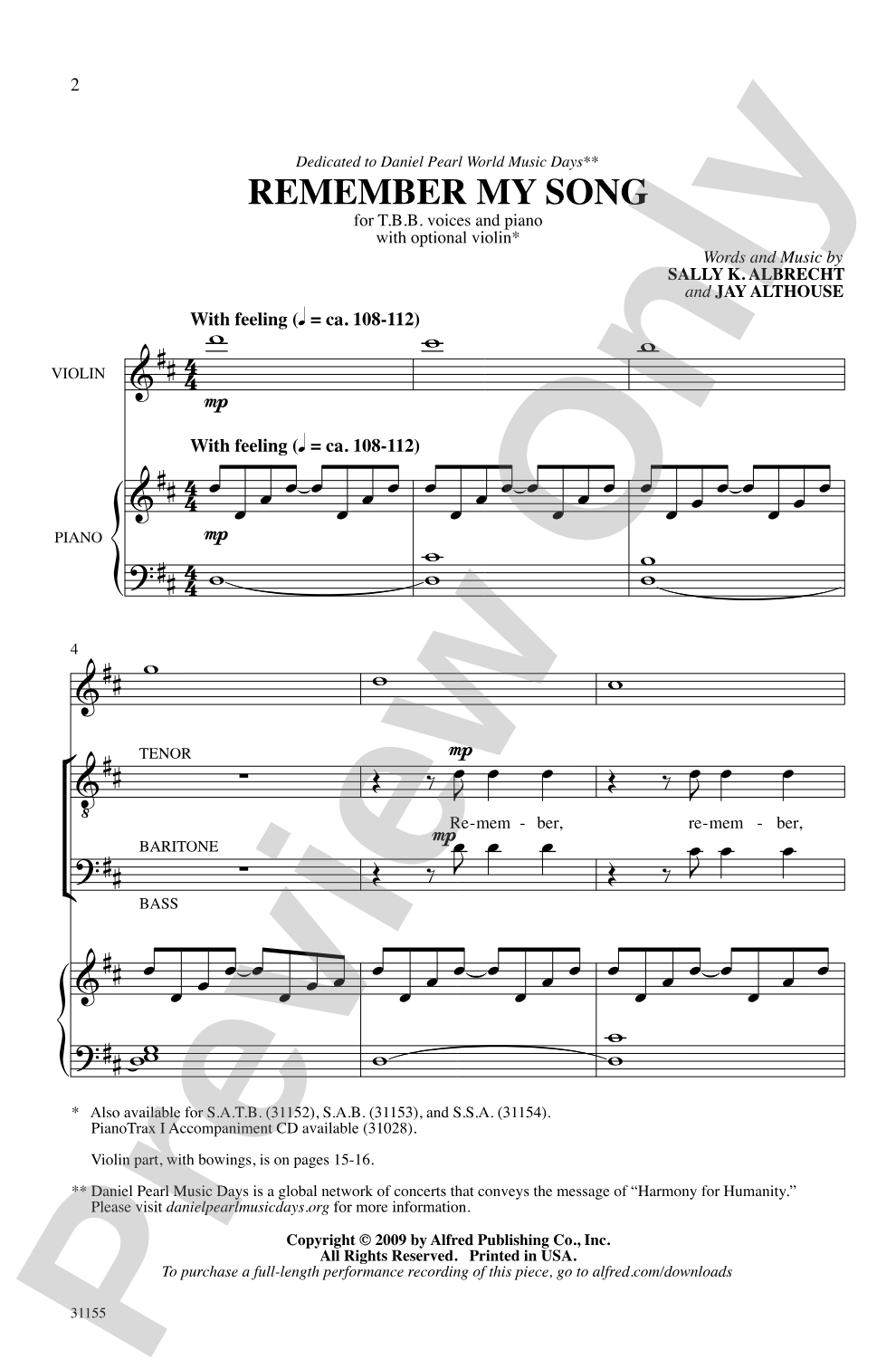
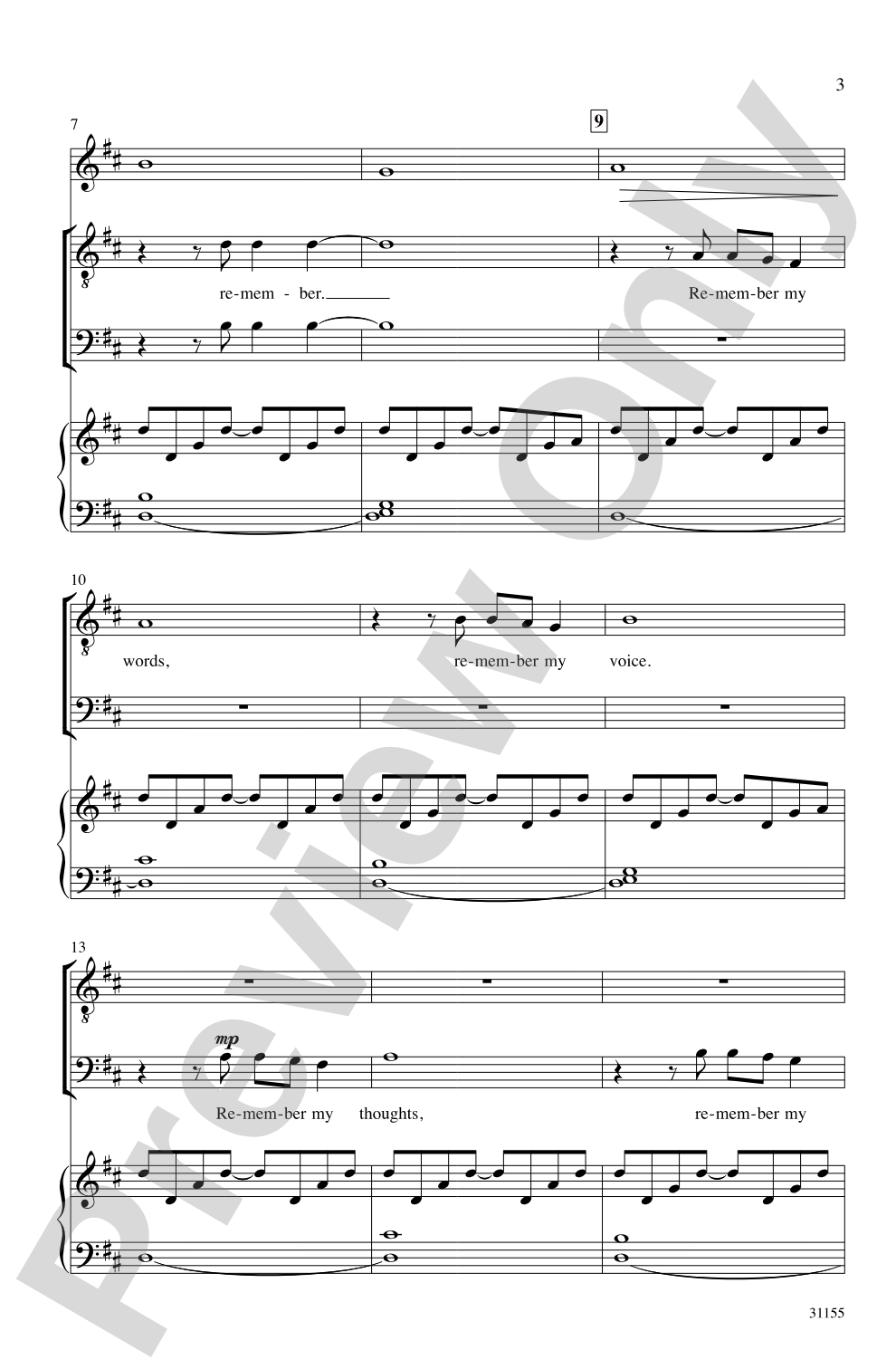
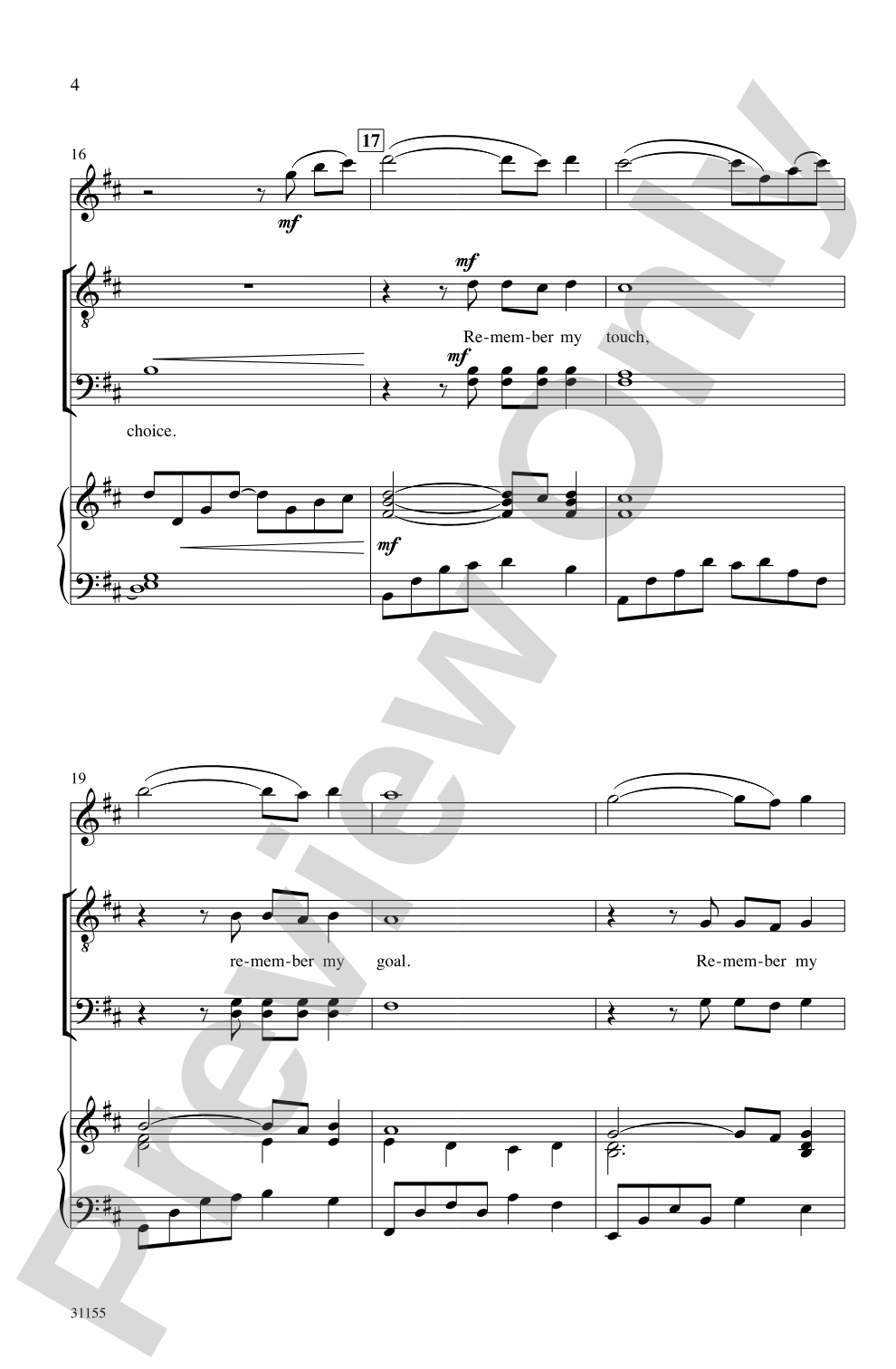

Remember My Song: TBB Choral Octavo
Words and music by Sally K. Albrecht and Jay Althouse
Item: 00-PO-0000805
$1.95
Minimum order quantity: 20 copies
Pickup currently not available
Related Items
Remember My Song: PianoTrax Digital Download |
$9.99
|
View | |
Remember My Song: SATB Choral Octavo |
$2.95
|
View | |
Remember My Song: SAB Choral Octavo |
$2.95
|
View | |
Remember My Song: SSA Choral Octavo |
$1.95
|
View | |
Remember My Song: SATB Choral Octavo |
$2.95
|
View | |
Remember My Song: SAB Choral Octavo |
$2.95
|
View | |
Remember My Song: SSA Choral Octavo |
$1.95
|
View | |
Remember My Song: TBB Choral Octavo |
$1.95
|
View |
Description
Memorable music and a moving text combine flawlessly in this inspiring choral work, encouraging singers to let their song be heard. Appropriate for graduation or anytime of year. A stirring violin obbligato part is included. Written in honor of Daniel Pearl World Music Days (visit danielpearlmusicdays.org for more information). Featured with sign language on the Danza! Movement DVD (00-31225). Accompaniment included on PianoTrax 1 CD (00-31028).


Remember My Song: TBB Choral Octavo isn't in MakeMusic Cloud just yet...but it could be. Let us know you'd like to see it, and you'll help shape what comes next. In the meantime, start a free trial and dive into thousands of interactive titles your students can play along with today.
Request This Title
Tell us you want it.
Start Your Free Trial
Explore everything that's ready to play right now.
Sample Audio
1
Audio File
--:--
0:00
0:00
Sample Video
No sample videos found.
Additional Details
Series:
Alfred Choral Designs
Publisher:
Alfred Music
Page Count:
16
SKU:
00-PO-0000805
More about this title
About the Composer: Sally K. Albrecht
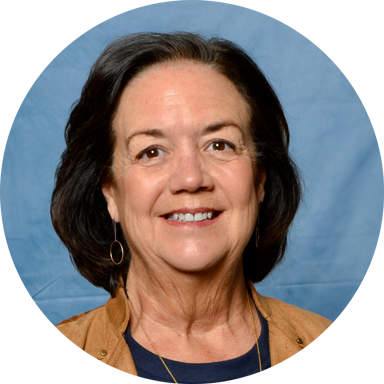
Sally K. Albrecht brings three decades of experience as a choral composer, conductor, and clinician to every work she creates. Her distinctive approach to integrating movement with choral singing has shaped her output of over 600 publications and 75 larger works, earning her consecutive ASCAP Special Music Awards since 1987. She has led honor choirs at Lincoln Center, Carnegie Hall, and The Kennedy Center, and served as Director of School Choral and Vocal Publications at Alfred Music, where she shaped the sound of American school choirs.
Albrecht holds degrees from Rollins College (B.A. in Music and Theater, 1976) and the University of Miami (M.A. in Drama, 1977; M.M. in Accompanying, 1979). She has taught at Oakland University, Jersey City State College, and Meredith College. A Distinguished Alumna of both the University of Miami Frost School of Music and Rollins College, where she serves on the Board of Trustees, Albrecht currently resides in North Carolina with her husband, composer and arranger Jay Althouse.
Why we love this
This piece bridges the practical and the profound. The inclusion of a violin obbligato elevates the arrangement beyond standard choral fare, giving ensembles without a full orchestra the richness of an instrumental feature. Directors appreciate how Albrecht's gift for accessible yet emotionally resonant writing meets the real need for repertoire that works equally well at spring concerts and graduation ceremonies, while the optional movement component (showcased on the Danza! DVD) adds versatility without requiring it.
What to expect
The piece carries genuine warmth and affirmation, moving past greeting-card sentimentality to offer real encouragement. Singers feel the weight of the message (honoring the vision of Daniel Pearl World Music Days) while inhabiting music that sits comfortably in their range and builds naturally through its arc.
Who it's for
Middle and high school choirs with moderate to advanced reading skills will find this work accessible and rewarding. It serves directors seeking a single, versatile piece that speaks to both ceremonial occasions and general concert repertoire without requiring a large instrumental ensemble.
How to get the most out of it
- Balance the violin obbligato carefully during rehearsals; this instrumental line should enhance rather than overshadow the singers. Have your violinist or accompanist practice the obbligato part independently before bringing it into full ensemble rehearsals.
- Attend to the text's emotional arc. Singers often rush through inspiring text when energy peaks. Mark breath points and moments of repose to sustain the message throughout rather than front-loading the enthusiasm.
- If incorporating movement from the Danza! DVD, introduce blocking in separate rehearsals before combining it with the vocal line. This stagework is designed to reinforce meaning, not distract from it.
- Use the PianoTrax accompaniment during sectional rehearsals so singers develop independence from the piano while learning their parts.
How to use it
Program this as a closing number for graduation ceremonies or spring concerts where reflection and hope resonate with your audience. It also works powerfully as a centerpiece in thematic programs exploring unity, expression, or social responsibility. The flexible voicing (TB, TTB, TBB, TTBB options) means you can perform it with your exact ensemble makeup without transposition or part-writing compromise.
Skills your students will build
- Reading mixed voicings (TB/TTB/TBB/TTBB options within a single score)
- Balancing ensemble sound with an obbligato instrumental line
- Interpreting text with emotional nuance and sustained commitment
- Coordinating vocal and movement simultaneously (if using the staging)