
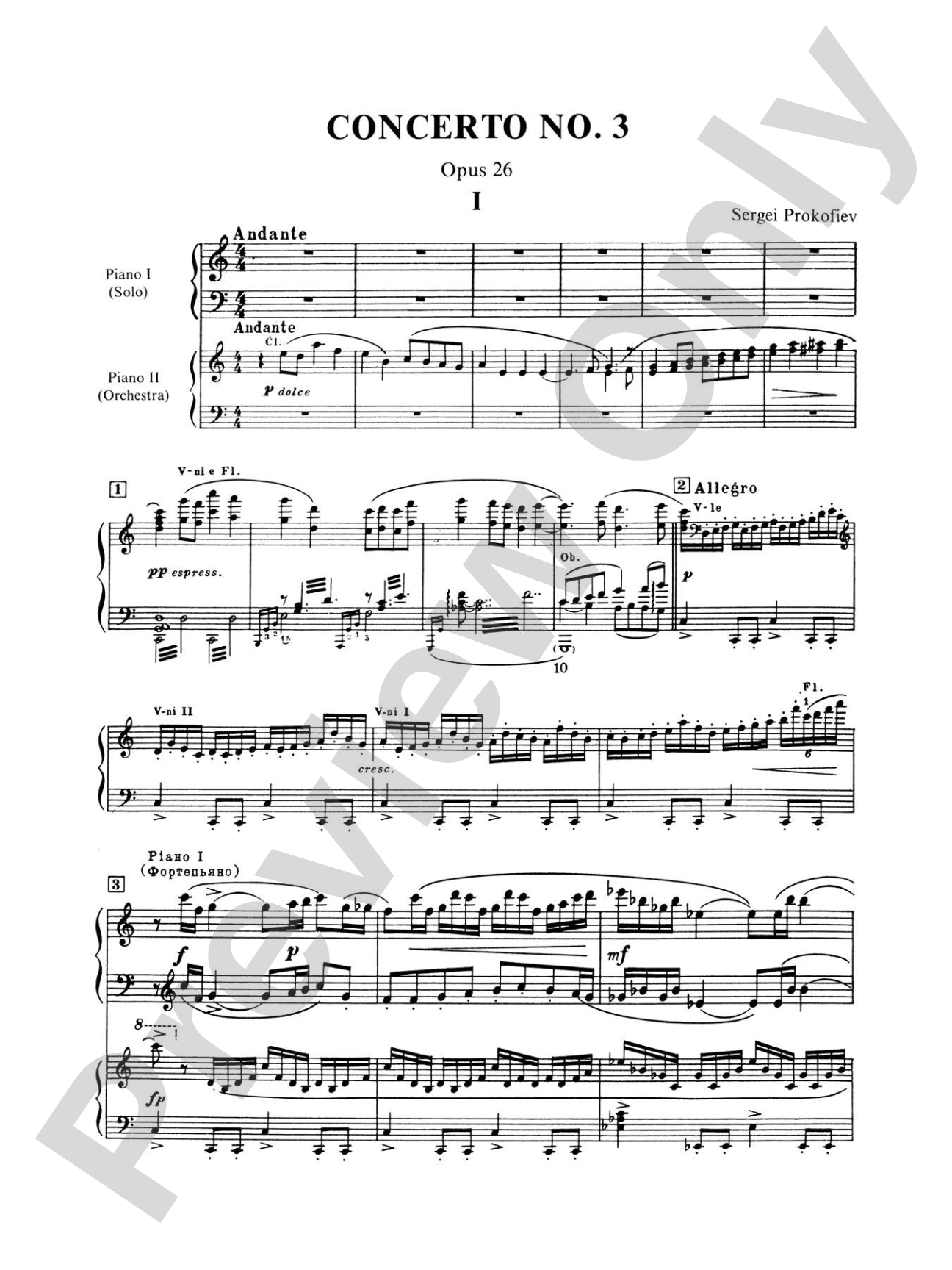
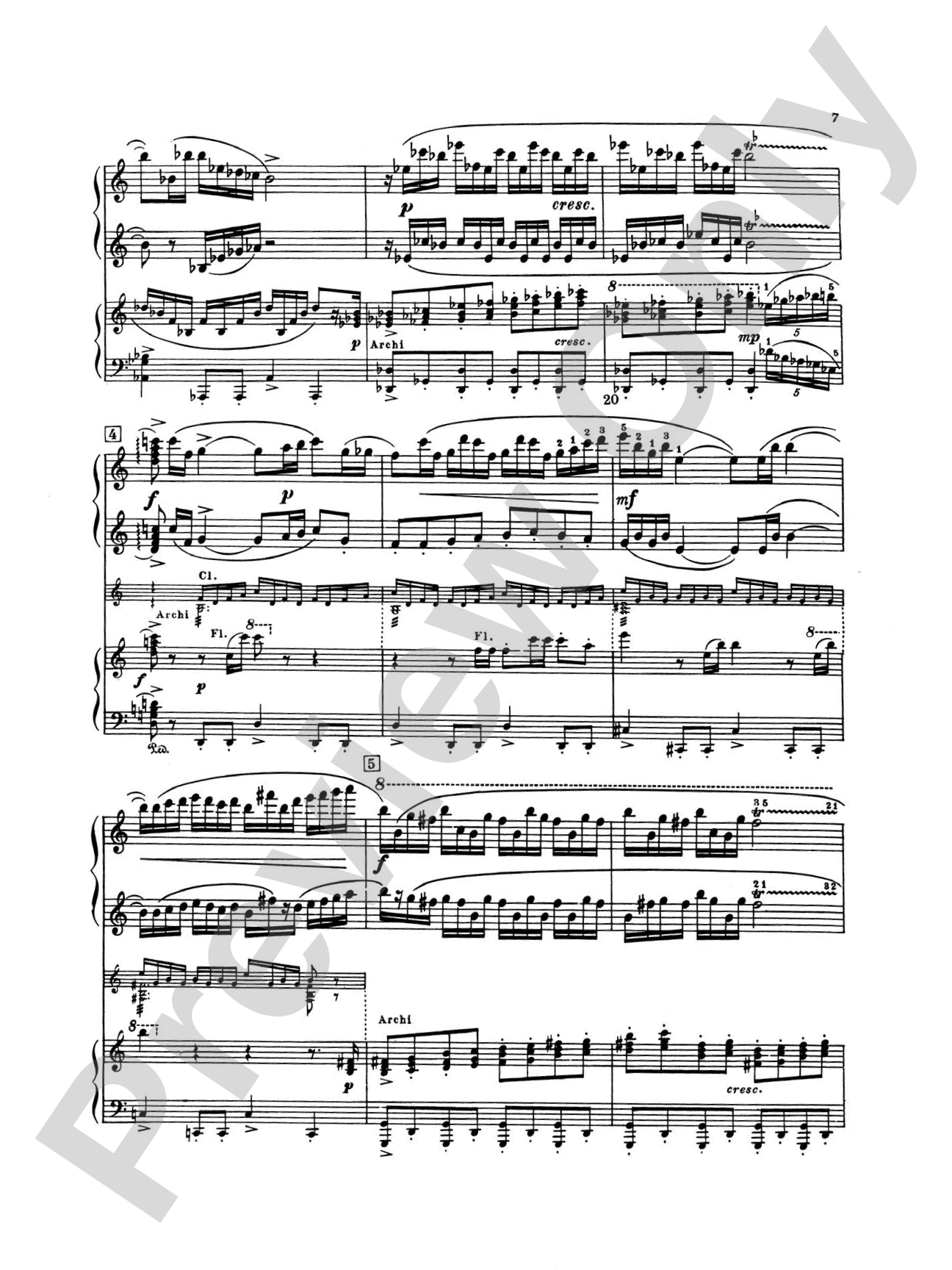
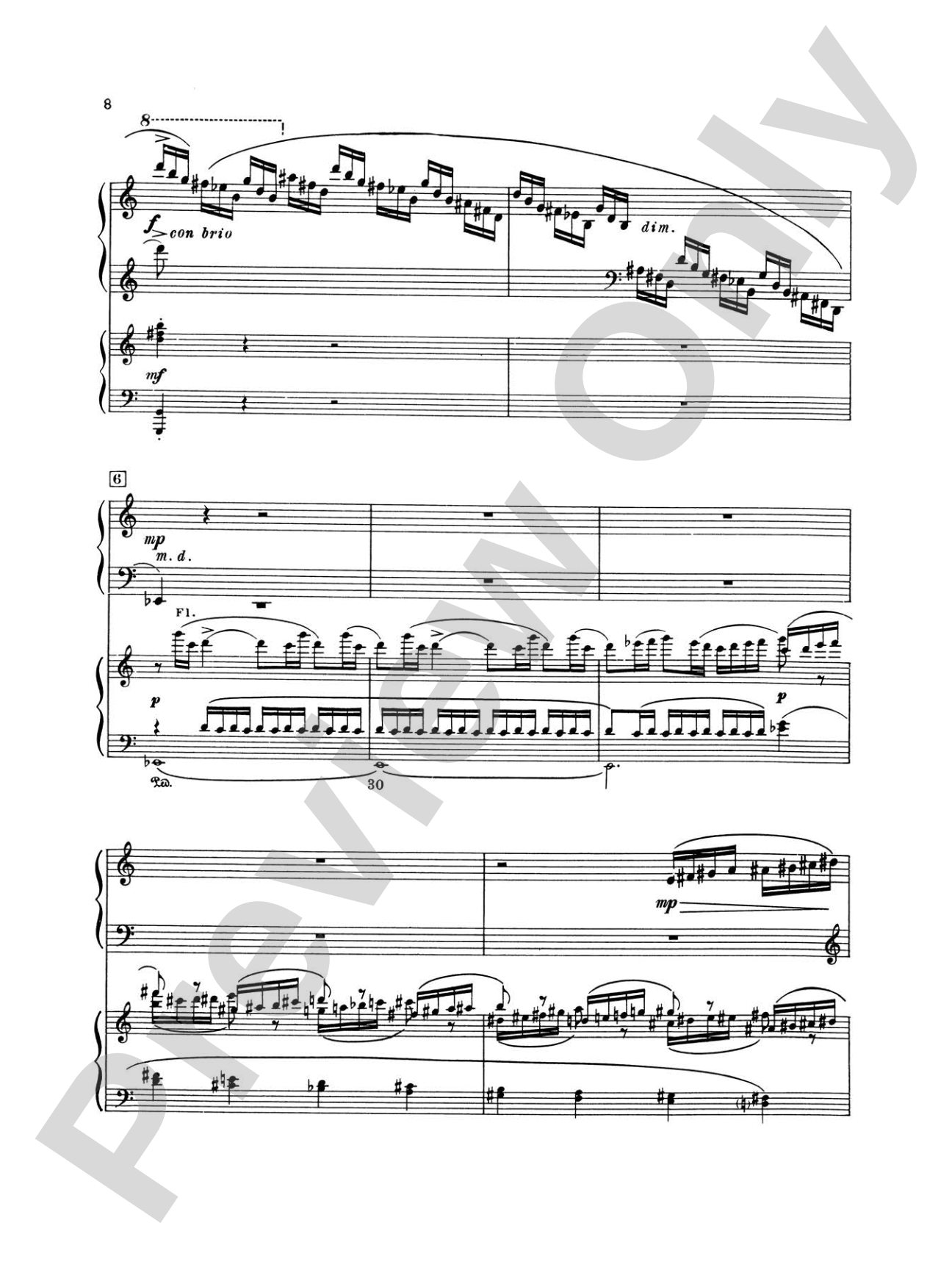
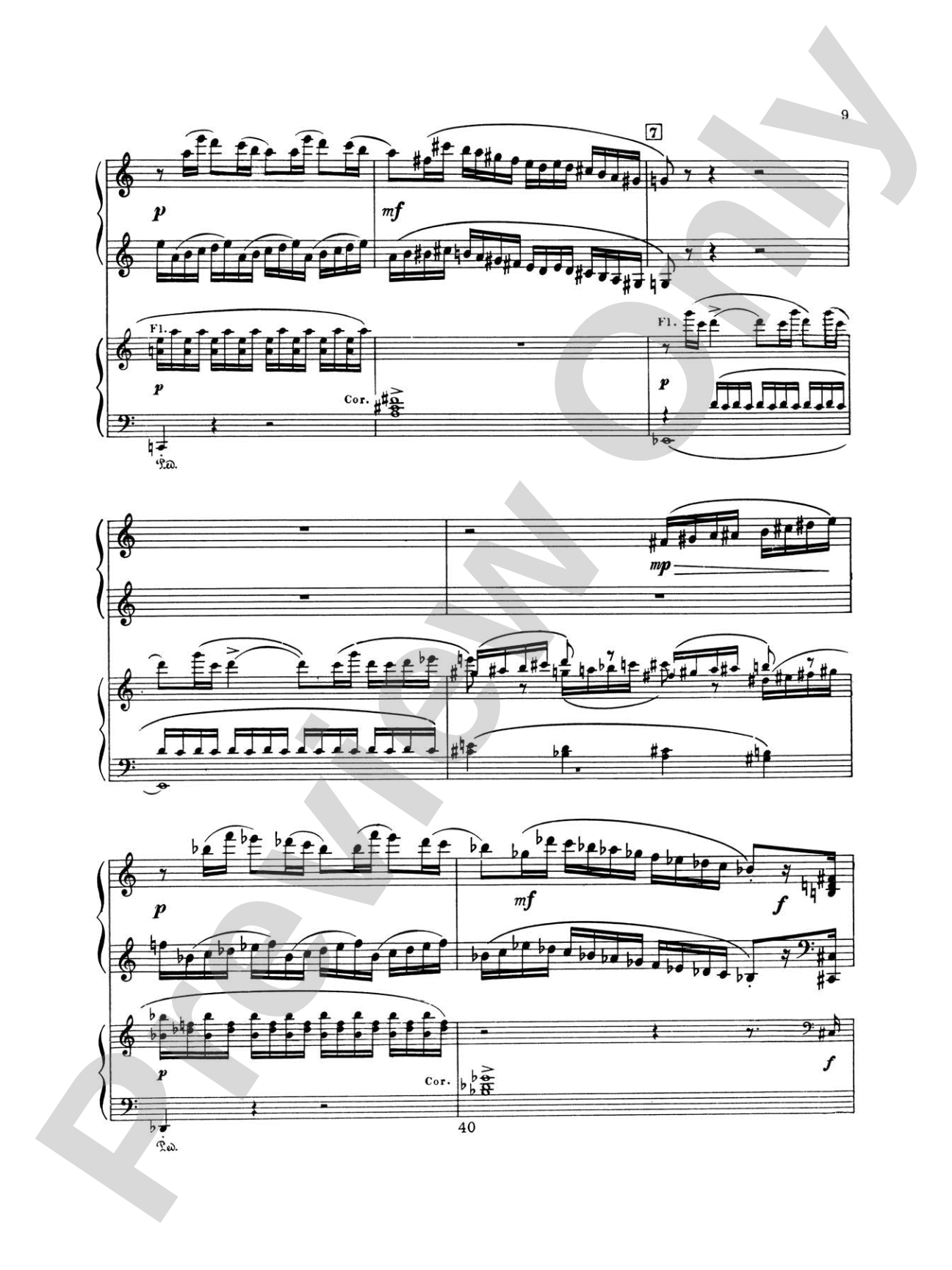
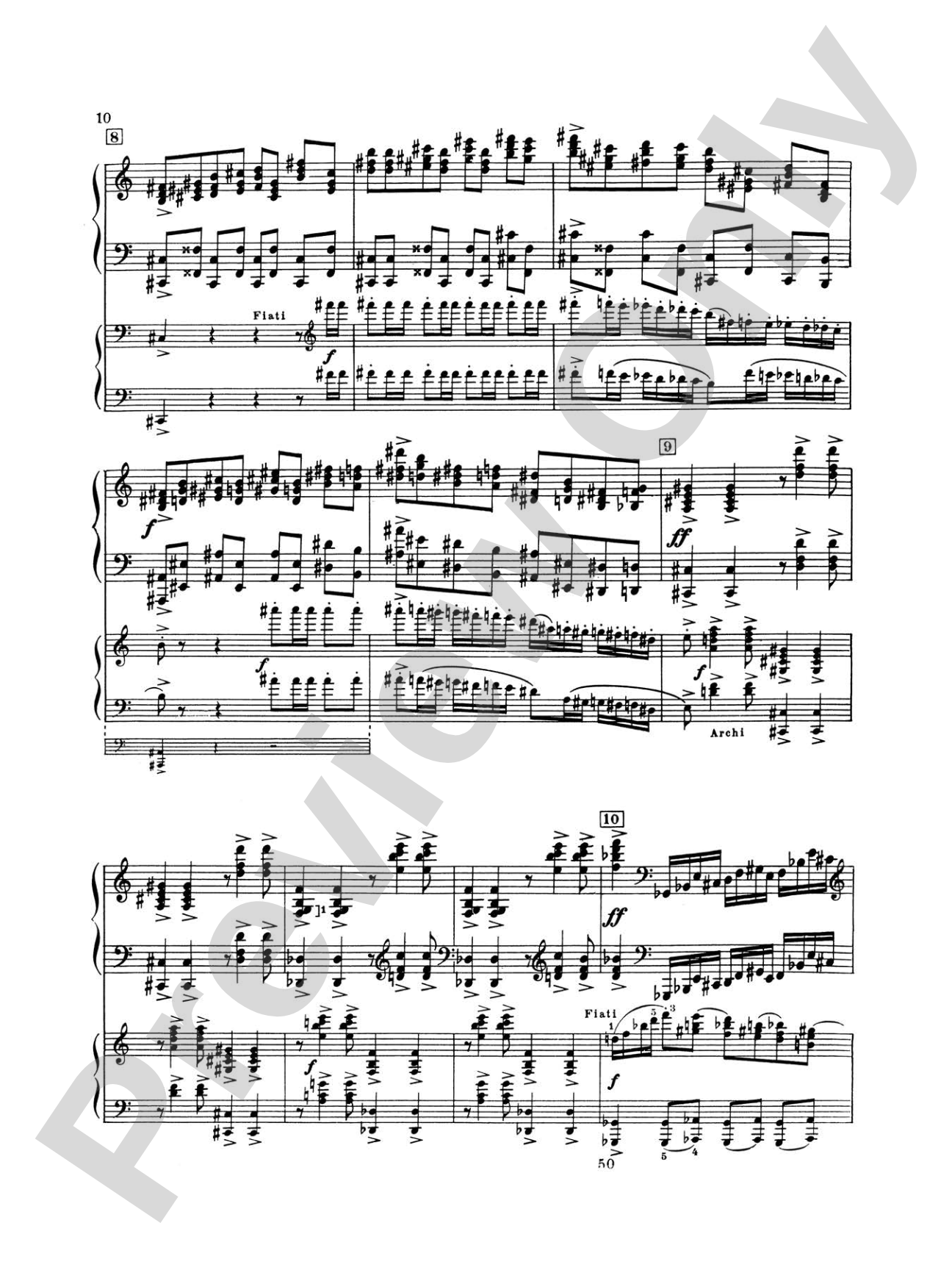
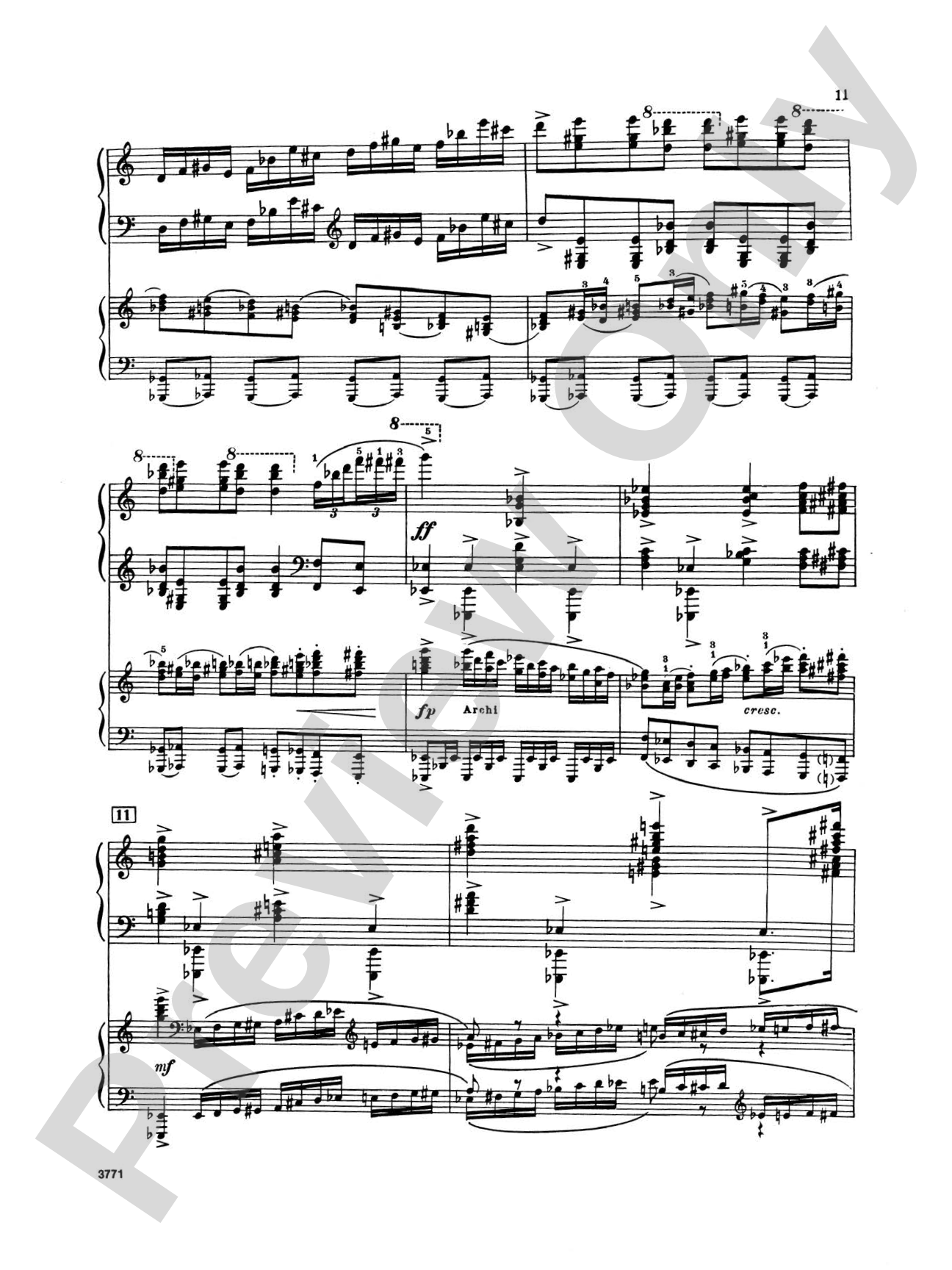
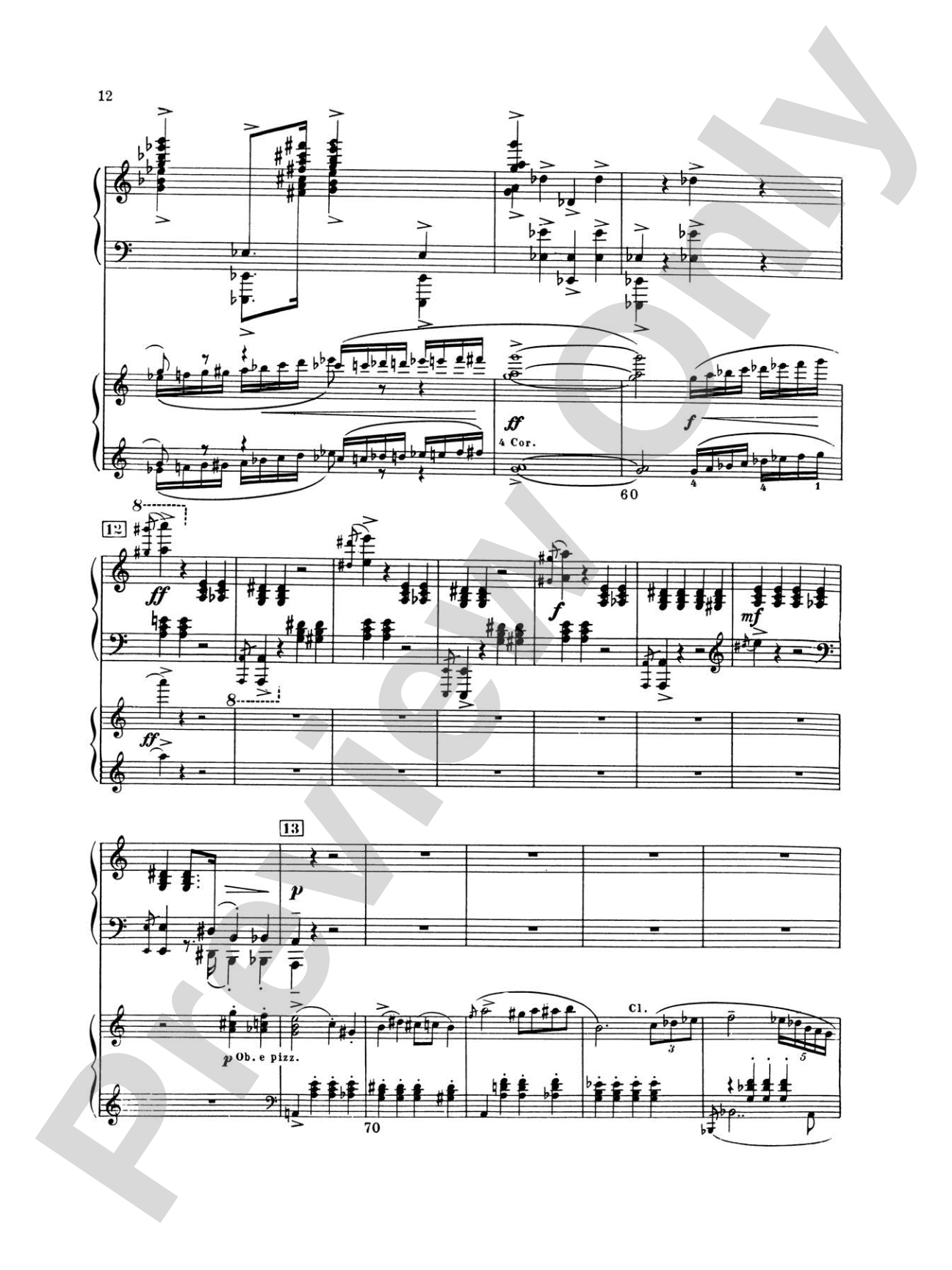

Piano Concerto No. 3 in C Major, Opus 26 - 1st Movement - Piano Duo (2 Pianos, 4 Hands): Piano Duo (2 Pianos, 4 Hands)
By Sergei Prokofiev
Level: Advanced
Item: 00-PS-0017287
$9.99
Pickup currently not available
Description
A Federation Festivals 2024-2028 selection. A Federation Festivals 2024-2028 selection.


Discover MakeMusic Cloud: thousands of interactive titles your students can play along with today.
Sample Audio
No sample audio found.
Sample Video
No sample videos found.
Additional Details
Series:
Kalmus Edition
Publisher:
Alfred Music
Page Count:
100
SKU:
00-PS-0017287
More about this title
About the Composer: Sergei Prokofiev
Sergei Prokofiev (1891-1953) was a Russian composer whose bold harmonic language, rhythmic vitality, and structural innovation reshaped twentieth-century music. He excelled across every genre: opera, ballet, symphonies, concertos, and chamber works. His Piano Concerto No. 3, composed in 1921, stands among the most technically demanding and musically rewarding concertos in the piano repertoire, showcasing his signature blend of lyricism and angular modernism.
Prokofiev's piano writing demands virtuosity paired with interpretive sophistication. This concerto in particular has long captivated advanced pianists and audiences alike, rewarding deep study with access to some of his most inventive and exhilarating material.
Why we love this
Prokofiev's Third Concerto possesses an irresistible combination of Russian Romanticism and twentieth-century modernism that keeps both pianists engaged throughout. The first movement's orchestral textures translate powerfully to the two-piano format, allowing advanced students to experience the work's full dramatic scope without requiring an orchestra. Programming this selection acknowledges the Federation's commitment to twentieth-century masterworks while providing a performance goal that genuinely transforms pianists as musicians.
What to expect
The opening movement radiates restless energy and dramatic intensity, with sweeping gestures punctuated by moments of introspection. Prokofiev balances lyrical warmth with dissonant edges, creating a sound world that feels simultaneously modern and deeply expressive. The dialogue between the two pianos generates dialogue and urgency, pulling the listener into the composer's fascinating tonal and rhythmic universe.
Who it's for
This is for advanced pianists preparing for competitions, festivals, and recitals who want to engage with major twentieth-century repertoire. Piano duo partnerships at the advanced level will find this concerto both a significant artistic challenge and a repertorial prize; it demands mature technique and interpretive depth while offering substantial musical and educational reward.
How to get the most out of it
- Balance the textural roles carefully; the primo part frequently carries the melody while the secondo establishes harmonic and rhythmic foundation. Neither pianist should allow their material to recede, as Prokofiev writes both parts with equal musical intelligence.
- Address the angular melodic lines and unexpected harmonic shifts through deliberate phrasing rather than smooth legato. Prokofiev's modernism demands clarity and rhythmic precision; let the architecture of his lines speak.
- Coordinate rhythmic figures across both pianos with metronomic accuracy, especially where syncopated or off-beat patterns create the illusion of instability. This precision paradoxically makes the music feel more idiomatic and alive.
- Use the dynamic range available on two pianos to create spatial separation between voices. The fuller sonority allows you to sculpt the balance without sacrificing either pianist's musical line.
How to use it
This work commands attention as a festival or concert centerpiece, serving as the primary feature on a program of twentieth-century keyboard music. Its Federation Festivals 2024-2028 designation makes it an ideal choice for students targeting these competitions. The substantial length and technical demands also position it well as a recital showpiece, particularly on programs that pair it with Romantic concertos or other Prokofiev works.
Skills your students will build
- Reading polyrhythmic and syncopated figures across two independent piano parts
- Balancing melodic and harmonic material between primo and secondo roles
- Navigating Prokofiev's modern harmonic language, including polytonal and chromatic passages
- Coordinating across two pianos to maintain rhythmic precision and tonal unity
- Interpreting twentieth-century modernist style with clarity and musical intelligence