
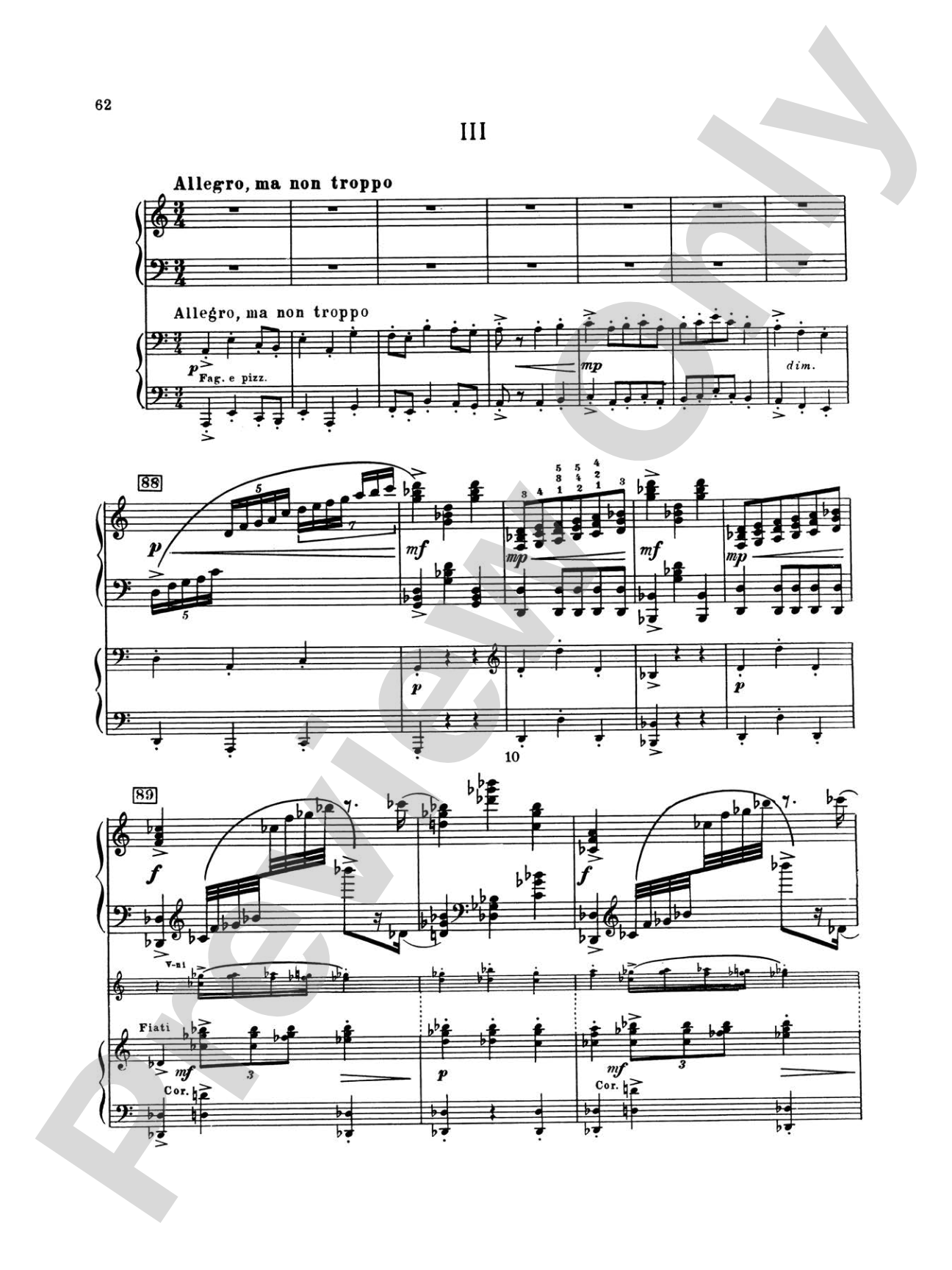
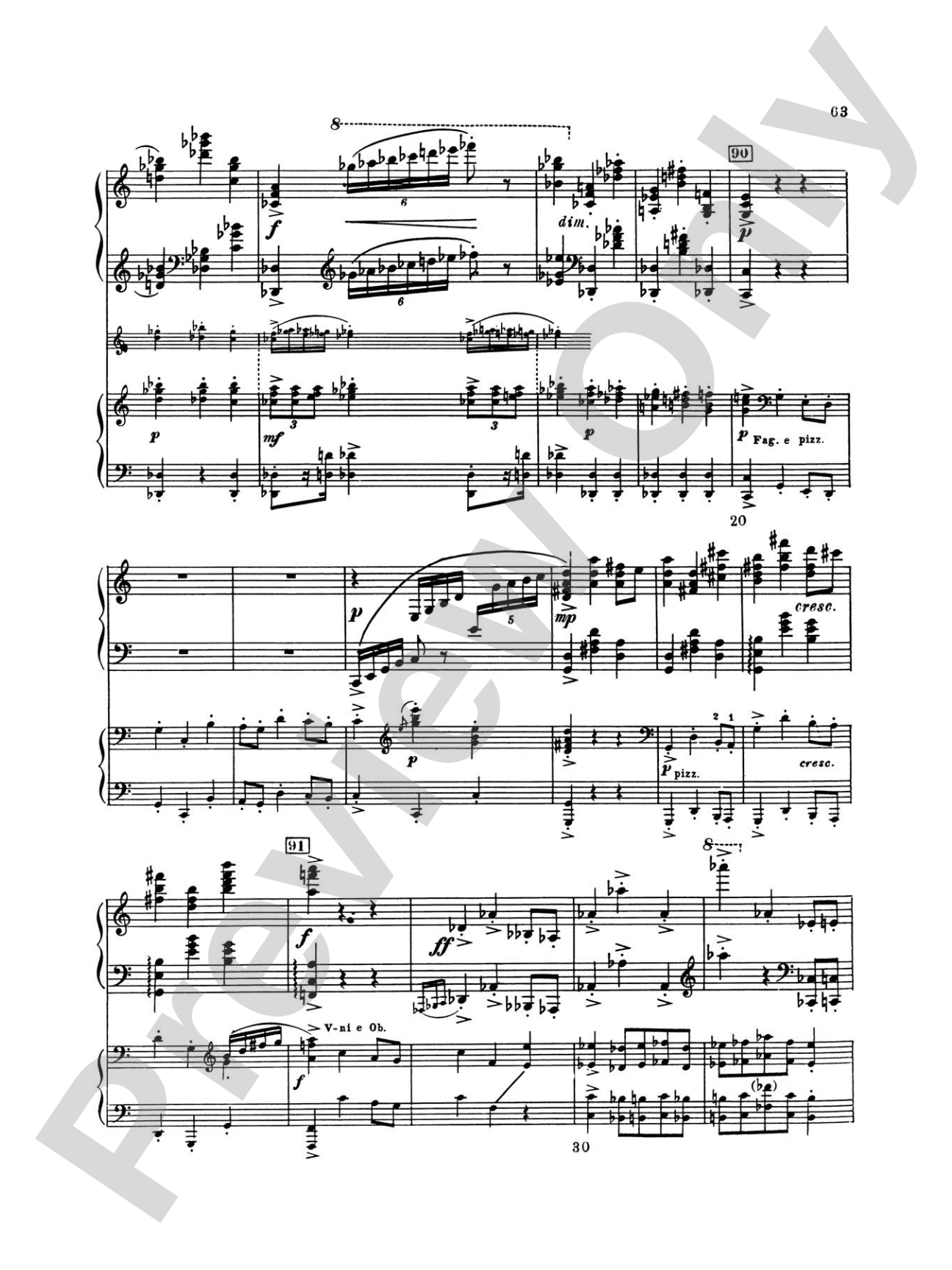
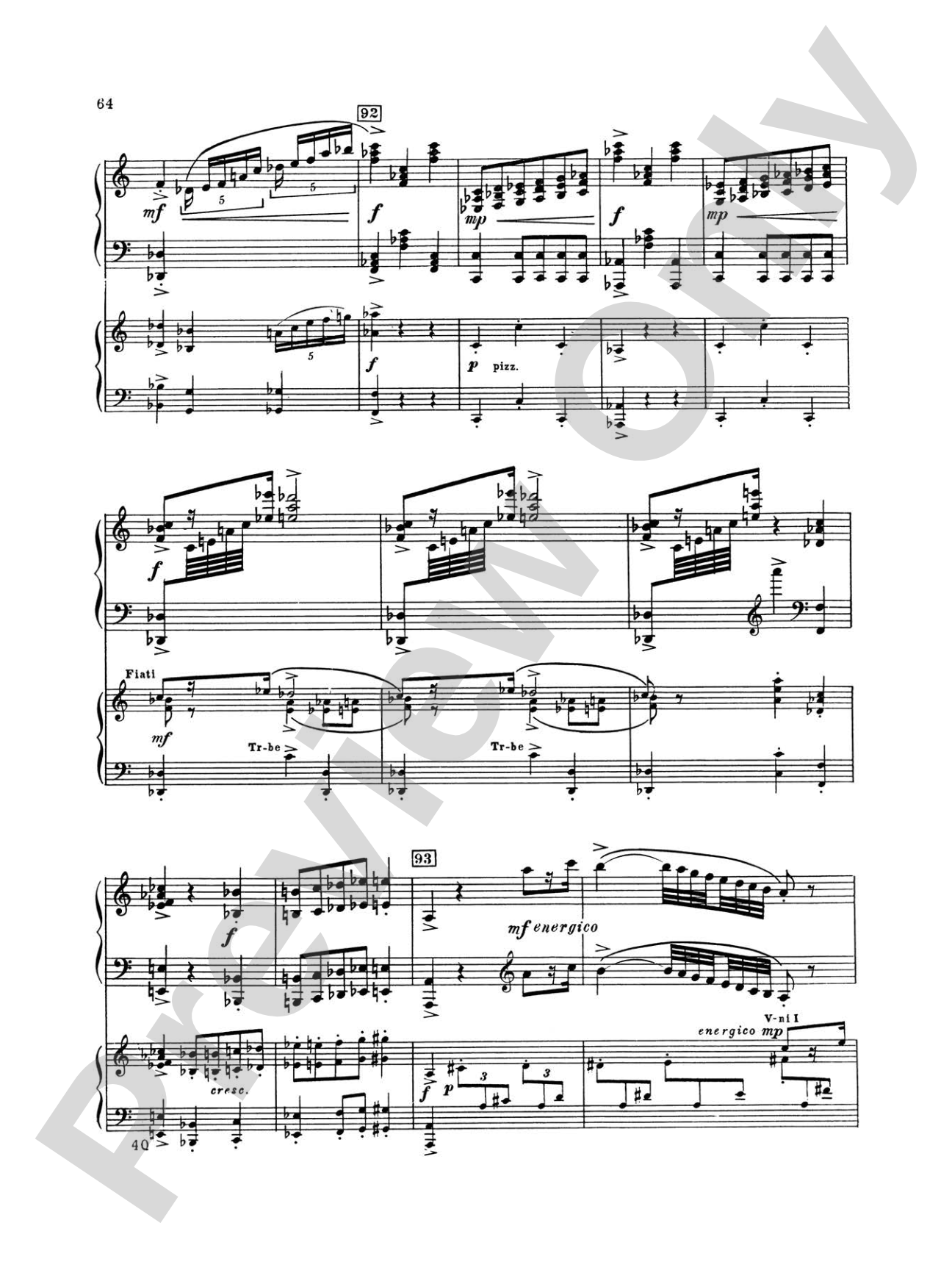
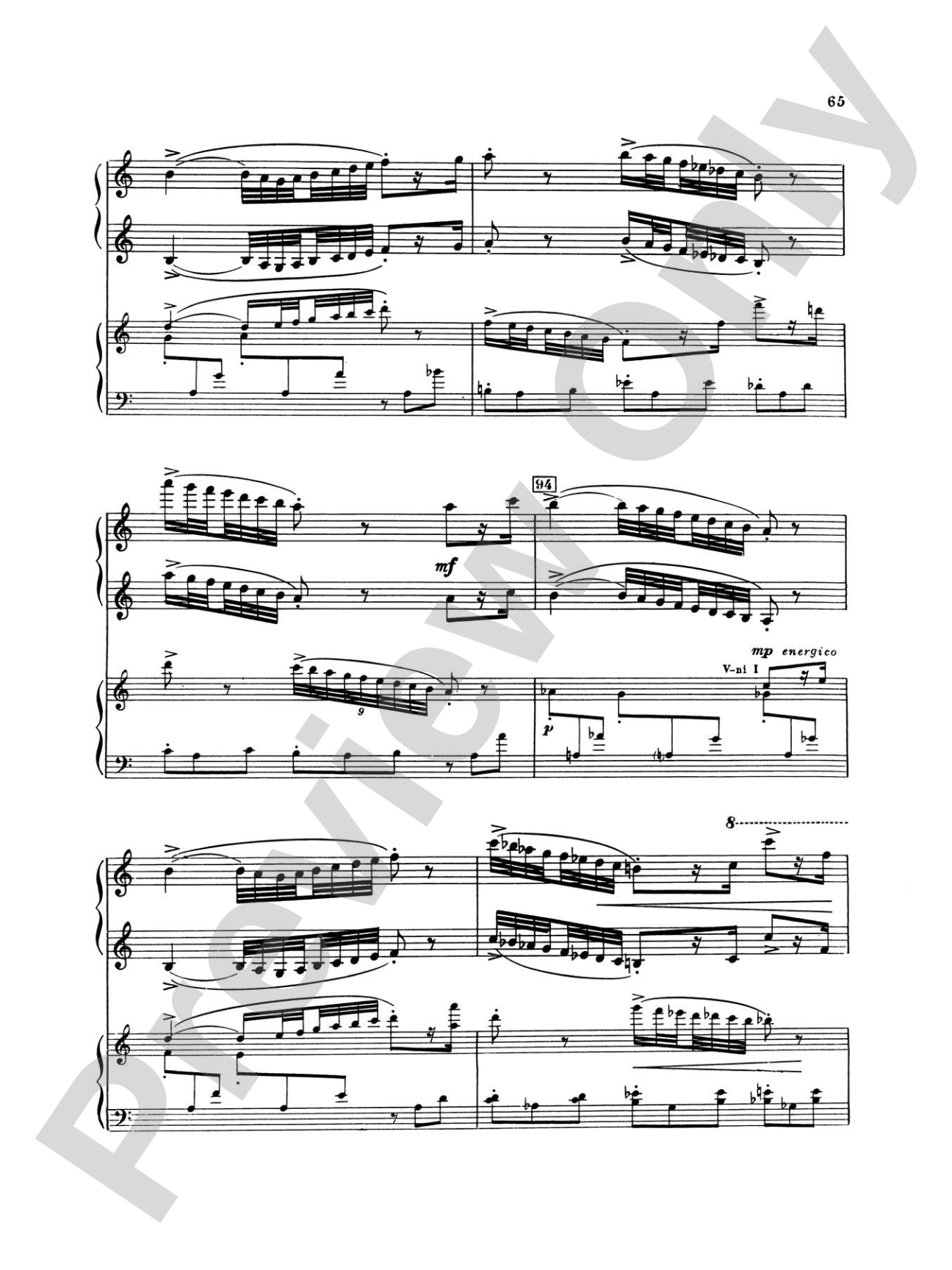
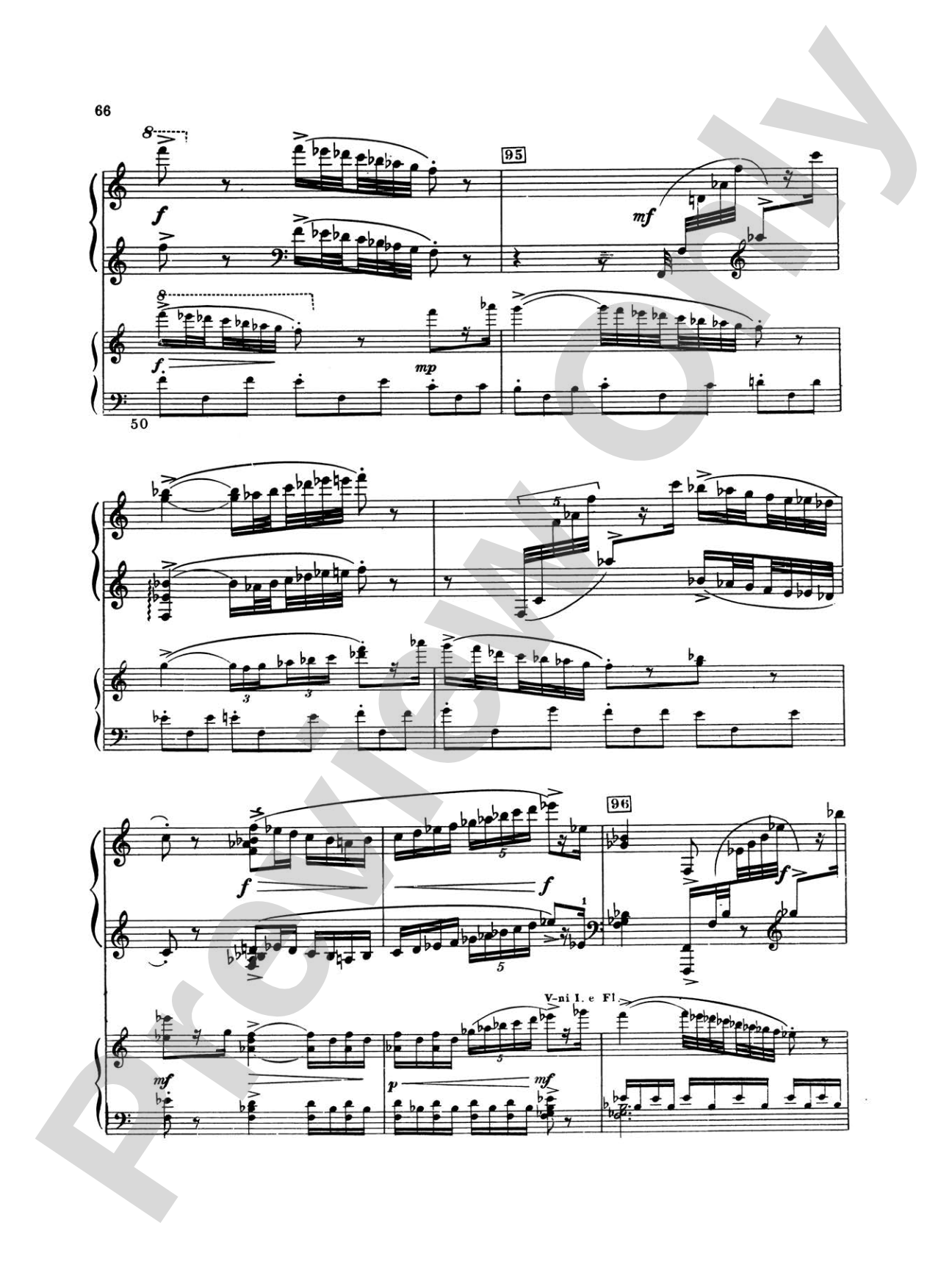
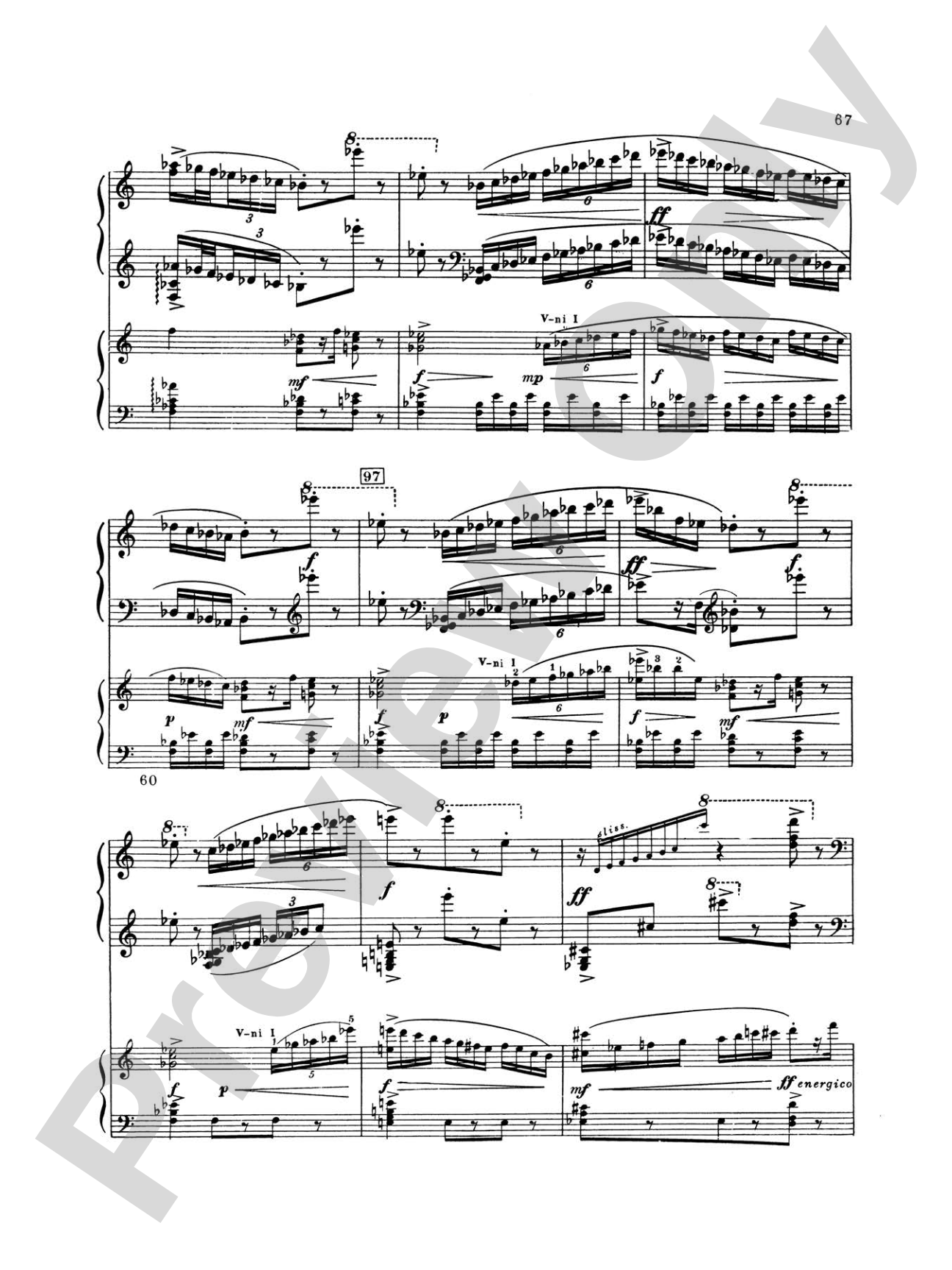
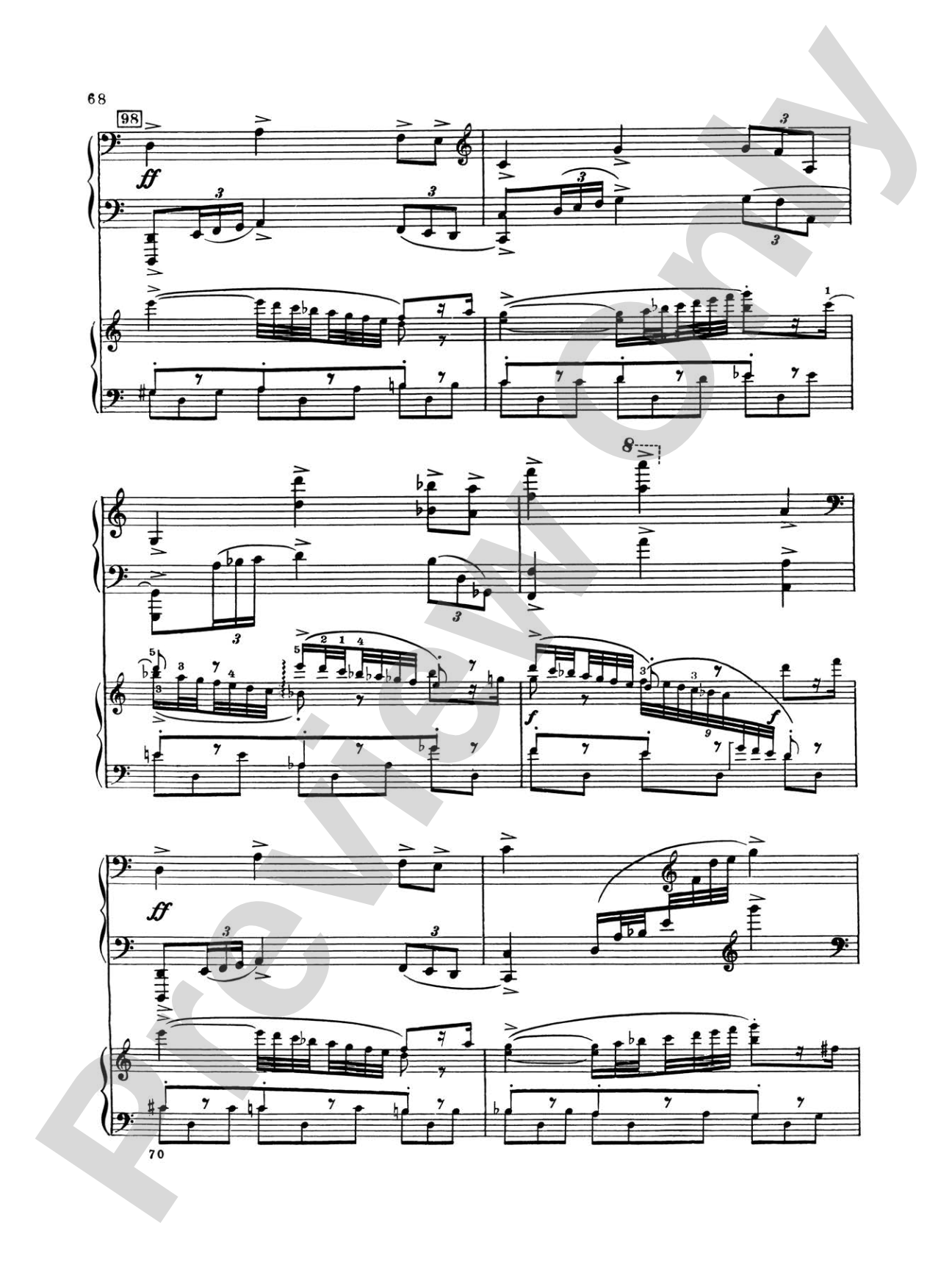

Piano Concerto No. 3 in C Major, Opus 26 - 3rd Movement - Piano Duo (2 Pianos, 4 Hands): Piano Duo (2 Pianos, 4 Hands)
By Sergei Prokofiev
Level: Advanced
Item: 00-PS-0017289
$16.95
Pickup currently not available
Description
A Federation Festivals 2024-2028 selection. A Federation Festivals 2024-2028 selection.


Discover MakeMusic Cloud: thousands of interactive titles your students can play along with today.
Sample Audio
No sample audio found.
Sample Video
No sample videos found.
Additional Details
Series:
Kalmus Edition
Publisher:
Alfred Music
Page Count:
100
SKU:
00-PS-0017289
More about this title
About the Composer: Sergei Prokofiev
Sergei Prokofiev (1891-1953) was a Russian composer whose fearless approach to harmony, rhythm, and orchestration reshaped 20th-century music. He mastered every genre from opera and ballet to concertos and chamber works, moving fluidly between modernist innovation and lyrical accessibility. His piano writing is particularly demanding, exploiting the full range of the instrument with technical brilliance and expressive depth.
Prokofiev's three piano concertos occupy a central place in the repertoire. The Third Concerto, completed in 1921, stands as one of the most challenging works for solo piano, combining driving rhythmic energy, jagged melodic lines, and virtuosic passagework. Its third movement crackles with forward momentum and textural complexity, making it a natural choice for advanced pianists seeking substantial, contemporary concert literature.
Why we love this
Prokofiev's Third Concerto finale demands serious technical facility while rewarding it with music that feels utterly contemporary despite its 1921 premiere. The two-piano arrangement opens this major concerto movement to advanced student partnerships, allowing pairs to experience the visceral energy of a masterwork that would otherwise require a full orchestra. The angular harmonies, driving ostinatos, and rhythmic precision create performance challenges that build genuine musicianship.
What to expect
Lean, muscular, and unyielding. The third movement propels forward with jackhammer rhythms and brittle harmonies that feel simultaneously sleek and jagged. Moments of lyrical breathing come rarely; instead, Prokofiev favors relentless forward motion punctuated by sudden textural shifts and surprising harmonic arrivals that keep both the performers and listener perpetually alert.
Who it's for
This arrangement suits advanced piano duos in late secondary and early undergraduate settings, particularly those competing in festival adjudications or preparing sophisticated recital programming. Teachers and studio pianists seeking substantial two-piano literature at the advanced level will find a work that demands real technical and musical maturity from both performers.
How to get the most out of it
- Establish a rock-solid metric pulse between both pianists before layering the melodic material; Prokofiev's rhythmic displacements only sparkle when the underlying grid is absolutely secure.
- Balance transparency with drive in the accompaniment figures so the primary melodic line cuts through without the supporting pianist dampening the energy of the movement.
- Mark the repeated note passages and ostinatos clearly in rehearsal so both players can breathe together and avoid the mechanical quality that kills this music's propulsive character.
- Attend to the dynamic architecture across the full movement rather than phrase by phrase; the cumulative effect of strategic peaks and valleys shapes the concerto's arc.
How to use it
Schedule this as a centerpiece for a chamber recital or festival performance that showcases advanced pianistic partnerships. Pair it with other 20th-century works to contextualize Prokofiev's harmonic language, or program it alongside a Romantic concerto movement to highlight the stark stylistic distance between eras. Its Federation Festivals selection status makes it an ideal choice for musicians preparing for adjudicated competitions.
Skills your students will build
- Synchronization of two independent rhythmic lines and ostinatos at a rapid tempo
- Reading and executing non-traditional harmonic language and chromatic voice leading
- Sustaining technical precision and clarity across extended passages of repetitive figuration
- Dynamic control and tonal color management on two instruments
- Collaborative listening and communication between equal partners