Phantom Train Cover Image

Phantom Train: String Orchestra Conductor Score

$5.00 USD
Sale price  $5.00 USD Regular price 
Skip to product information
Phantom Train Cover Image

Phantom Train: String Orchestra Conductor Score

By William Owens

Grade: 2

Item: 98-ST6219S

$5.00
Shipped

One moment…

Description
Driving rhythmic patterns and a brisk tempo are at the center of this eerie musical journey on a fictitious "phantom train." Haunting melodic lines along with moments of discord paint a vivid picture of a doomed phantom juggernaut in eternal search of a final destination. Climb aboard and take a ride-if you dare!

Phantom Train: String Orchestra Conductor Score isn't in MakeMusic Cloud just yet...but it could be. Let us know you'd like to see it, and you'll help shape what comes next. In the meantime, start a free trial and dive into thousands of interactive titles your students can play along with today.

Sample Pages

Sample Audio
No sample audio found.
Sample Video
Additional Details
Series: FJH Developing Strings
Publisher: The FJH Music Company, Inc.
UPC: 241444561584
SKU: 98-ST6219S

More about this title

About the Composer: William Owens
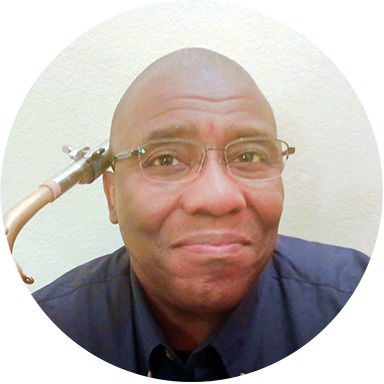
William Owens

William Owens has spent decades building a reputation as a composer who understands what young musicians need. A product of VanderCook College of Music and a 30-year veteran of the Texas classroom, he brings both theoretical rigor and practical classroom wisdom to every score he writes. Since 1993, he has created over 300 works for concert band, string orchestra, and chamber ensembles, many of which have become standards in school music programs across North America.

Owens is an active member of ASCAP and holds recognition as a Distinguished Alumnus from his alma mater. Beyond composing, he remains engaged as a clinician and conductor, shaping how young musicians learn to interpret and perform contemporary educational music. He currently resides in Fort Worth, Texas, and continues to be a sought-after voice in music education circles.

Why we love this

Owens captures genuine dramatic tension without overcomplicating the mechanics. The driving rhythmic foundation keeps young players engaged and focused while the eerie melodic content gives them something unsettling and memorable to sink their teeth into, making this far more interesting than typical novelty pieces that rely on gimmick alone.

What to expect

Imagine the rhythmic clatter of a locomotive merged with something genuinely unsettling. Dissonant textures and haunting melodic fragments drift through steady, relentless rhythmic motion, creating a sense that something is hurtling forward toward an uncertain fate.

Who it's for

Grade 2 string orchestras looking for concert material that combines approachable technical demands with genuine dramatic interest. Directors who want their students to play something seasonally relevant without sacrificing musicianship will find real value here.

How to get the most out of it

  • Lock the rhythmic pulse early in rehearsals. The driving patterns are the spine of this piece; once your section leaders own the tempo, the spooky atmosphere falls into place naturally.
  • Shape the haunting melodic lines with dynamic awareness. These phrases need breathing room and slight rubato in spots to feel genuinely unsettling rather than mechanical.
  • Balance the moments of discord carefully. They should puncture the texture without overwhelming the primary material, so experiment with bow pressure and dynamic relationships between sections.
  • Let the brisk tempo breathe slightly during transitions. Small tempo flexibility at structural seams can heighten the eerie quality without sacrificing the forward momentum.

How to use it

This works beautifully in an October or Halloween-themed concert, but don't limit it to that context. The musical sophistication and character development make it equally at home in a spring concert exploring darker or more experimental repertoire alongside other concert pieces.

Skills your students will build

  • Maintaining consistent rhythmic pulse across sustained driving patterns
  • Executing clean, unified articulation in repeated rhythmic figures
  • Balancing melody and accompaniment when haunting lines sit above foundational material
  • Creating contrast between consonant and dissonant harmonic moments
  • Responding to dramatic tempo and dynamic changes with ensemble precision

You May Also Like