Phantom Train Cover Image

Phantom Train: String Orchestra Conductor Score & Parts

$60.00 USD
Sale price  $60.00 USD Regular price 
Skip to product information
Phantom Train Cover Image

Phantom Train: String Orchestra Conductor Score & Parts

By William Owens

Grade: 2

Item: 98-ST6219

Need it now?

Buy Digital Version
$60.00
Shipped

One moment…

Description
Driving rhythmic patterns and a brisk tempo are at the center of this eerie musical journey on a fictitious "phantom train." Haunting melodic lines along with moments of discord paint a vivid picture of a doomed phantom juggernaut in eternal search of a final destination. Climb aboard and take a ride-if you dare!

Phantom Train: String Orchestra Conductor Score & Parts isn't in MakeMusic Cloud just yet...but it could be. Let us know you'd like to see it, and you'll help shape what comes next. In the meantime, start a free trial and dive into thousands of interactive titles your students can play along with today.

Sample Pages

Sample Audio
0:00
0:00
Sample Video
Additional Details
Series: FJH Developing Strings
Publisher: The FJH Music Company, Inc.
UPC: 674398226740
SKU: 98-ST6219

More about this title

About the Composer: William Owens
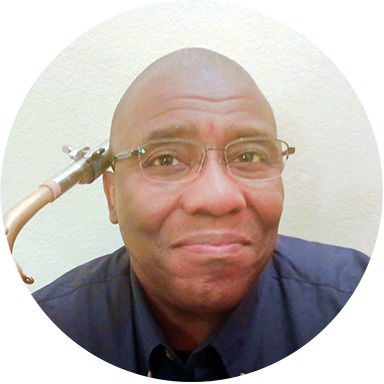
William Owens

William Owens has spent decades building a reputation as a composer who understands what young ensembles need. Born in Gary, Indiana, he earned his degree from VanderCook College of Music and spent 30 years as a band director in Texas before retiring in 2014. His catalog of over 300 works for concert band, string orchestra, and chamber ensembles has become foundational repertoire in schools across North America and internationally.

Owens' approach to composition balances musical substance with practical classroom considerations. His works appear on state required music lists and are frequently analyzed in music education texts, earning him recognition as a Distinguished Alumnus of VanderCook and a recipient of the Texas Bandmasters Association's Meritorious Achievement Award. He holds memberships in ASCAP, TMEA, and Phi Beta Mu International, and continues to be active as a clinician and conductor.

Why we love this

Owens crafts this piece with the rhythmic backbone that makes young orchestras sound confident and driving. The programmatic storytelling gives your students something concrete to latch onto musically, and the grade 2 difficulty sits in that sweet spot where you can achieve genuine performance impact without the technical hurdles that bog down less experienced ensembles.

What to expect

You're riding through darkness on something both mechanical and alive. The propulsive rhythms propel forward while unsettling harmonic colors and eerie melodic contours create an atmosphere of inevitable, relentless motion. It's a piece that builds mood through sound rather than complexity.

Who it's for

String orchestras at the grade 2 level ready for something beyond traditional melodic fare. Directors seeking Halloween concert material or a programmatic centerpiece that engages students in storytelling will find this accessible without sacrificing musicality.

How to get the most out of it

  • Establish the rhythm section's pulse first in rehearsal. Those driving rhythmic patterns are the engine of the piece; if your violas and cellos lock in early, the violins' melodic lines will sit naturally on top.
  • Lean into the discord moments intentionally. They're not mistakes to clean up but compositional choices that paint the eerie atmosphere. Have students understand where they occur so they commit to the sound rather than apologize for it.
  • Shape the tempo with confidence. A brisk pace carries the narrative forward, but allow slight breathing room at key transitions so the haunting quality doesn't get lost in speed alone.

How to use it

Anchor a Halloween or autumn concert with this as your thematic opener or closer. It pairs well alongside other novelty or light concert works, giving you a full program that balances lighter material with genuine musicality. The vivid imagery also makes it an excellent teaching tool for discussing how composers use harmony and rhythm to convey emotion.

Skills your students will build

  • Sustaining consistent rhythmic patterns across the ensemble
  • Shaping melodic lines within a programmatic context
  • Balancing melody and accompaniment in string textures
  • Responding to harmonic tension created by dissonant moments
  • Maintaining tempo during rhythmically driven passages

You May Also Like