Pegasus Cover Image

Pegasus: Concert Band Conductor Score & Parts

$55.00 USD
Sale price  $55.00 USD Regular price 
Skip to product information
Pegasus Cover Image

Pegasus: Concert Band Conductor Score & Parts

By William Owens

Level:.5

Item: 98-B1365

Need it now?

Buy Digital Version
$55.00
Shipped

One moment…

Description
Take an imaginary flight on the ever-graceful winged-horse Pegasus! Using just six notes, this work manages to capture the grandeur of this mythical creature through the triumphant melodies that are passed around the ensemble. Harmonies are surprisingly rich for a work at this level and make the piece sound much harder than it really is. Fabulous!

Pegasus: Concert Band Conductor Score & Parts isn't in MakeMusic Cloud just yet...but it could be. Let us know you'd like to see it, and you'll help shape what comes next. In the meantime, start a free trial and dive into thousands of interactive titles your students can play along with today.

Sample Pages

Sample Audio
0:00
0:00
Sample Video
Additional Details
Series: FJH Starter Series
Publisher: The FJH Music Company, Inc.
UPC: 674398223381
SKU: 98-B1365

More about this title

About the Composer: William Owens
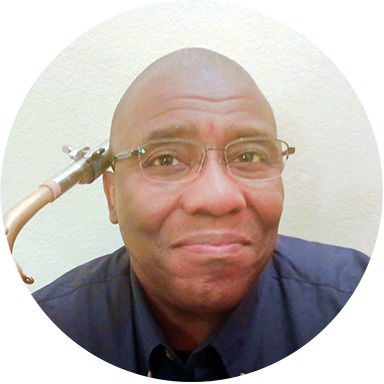
William Owens

William Owens has built a distinguished career as both a teacher and composer, spending three decades directing bands in Texas before retiring in 2014. A graduate of VanderCook College of Music, he has developed a compositional voice marked by accessibility without compromise, creating over 300 works for concert band, string orchestra, and chamber ensembles since 1993.

His music appears on festival lists and in educational curricula across North America, earned recognition from major organizations including ASCAP and the American Bandmasters Association, and has been analyzed in music education texts as exemplary of effective writing for developing ensembles. Owens currently resides in Fort Worth, Texas, where he remains active as a clinician and mentor to the next generation of musicians.

Why we love this

Owens builds rich harmonic texture from minimal melodic material, creating that satisfying illusion of complexity that keeps students engaged without overwhelming them. The piece rewards careful listening and simple, clear conducting, making it an ideal stepping stone for young ensembles learning to balance tonal blend with ensemble control.

What to expect

Pegasus soars with an effortless grace that feels bigger and grander than its simple means suggest. There's nobility in the writing and a sense of flight without heaviness, creating an impression of triumph that's both genuine and achievable.

Who it's for

Beginning concert bands and young ensembles working at the earliest levels of repertoire will find this piece an excellent introduction to thinking musically beyond simple note-reading. It works equally well for programs seeking accessible contest or festival material that still demands musical maturity from performers.

How to get the most out of it

  • Let the melody pass cleanly between sections. Each instrumental group carries its moment in the sun, so balance the ensemble to bring out whoever holds the primary line.
  • Emphasize the harmonic support underneath the melodies. The richness Owens achieves comes from carefully voiced underpinnings, so encourage players in accompanying parts to listen actively and sustain with purpose.
  • Maintain steady pulse and forward momentum. Despite the graceful character of Pegasus, this piece needs lift and energy to capture its mythical power.

How to use it

Open a concert with this piece to set a bright, confident tone for your program, or place it early in a set to showcase your band's emerging ability to balance melody and harmony. At this accessible level, it's also a smart choice for a festival performance where you want to make a strong musical impression while building your ensemble's confidence.

Skills your students will build

  • Passing and receiving the primary melody cleanly between instrumental groups
  • Listening to harmonic color and supporting roles rather than only individual parts
  • Sustaining tone with direction and purpose during accompanying passages
  • Building confidence with limited melodic material (six notes) across longer phrases

You May Also Like