Patapan Cover Image

Patapan: SATB Choral Octavo

$2.25 USD
Sale price  $2.25 USD Regular price 
Skip to product information
Patapan Cover Image

Patapan: SATB Choral Octavo

Arr. Robert DeCormier

Item: 00-LG51484

makemusic Cloud badge

Need it now?

Buy Digital Version
$2.25
Shipped

One moment…

Description
Instrumental parts available for rent, go to presser.com/request-rental.

Don't just read it, hear it, play along with it, and watch your students grow with it. In MakeMusic Cloud, Patapan: SATB Choral Octavo comes alive with professional accompaniment, adjustable tempo, and built-in practice tools that turn solo practice into real progress.

Sample Pages

Sample Audio
No sample audio found.
Sample Video
Additional Details
Series: Alfred Archive Edition: Lawson-Gould Music Publishers
Publisher: Alfred Music
Page Count: 12
UPC: 783556006428
SKU: 00-LG51484

More about this title

About the Arranger: Robert DeCormier
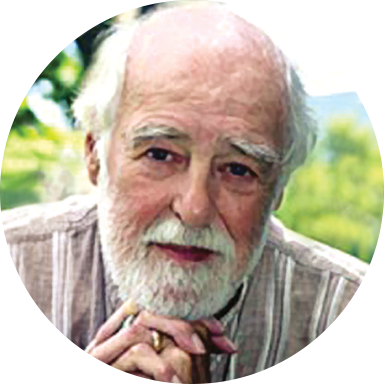
Robert DeCormier

Robert DeCormier trained at the Juilliard School and built a career spanning conducting, arranging, and composition across multiple musical worlds. He served as music director of the New York Choral Society for seventeen years, held an associate professorship in conducting at the Eastman School of Music, and spent over three decades as conductor and arranger for artists including Harry Belafonte and Peter, Paul and Mary. His work earned him a Lifetime Achievement Award from the New England Choral Arts Foundation in 2006 and the Vermont Governor's Award for Excellence in the Arts.

DeCormier founded the professional vocal ensemble Counterpoint in 2000, which recorded extensively and brought workshops and concerts to high school choirs throughout New England and beyond. His arranging work ranges from African-American spirituals to international folk songs and Christmas repertoire, appearing on numerous recordings across classical and popular labels. He has also composed choral works, Broadway scores, and ballet music, with television credits including Emmy-winning specials.

Why we love this

DeCormier's arrangement captures the infectious energy of this French carol while respecting its traditional roots, making it accessible for a range of choir levels. The SATB writing sits comfortably and allows the melody to shine, whether you're performing it at a holiday concert or weaving it into a larger Christmas program. This is the kind of straightforward, musically intelligent arrangement that choirs genuinely enjoy singing.

What to expect

Patapan sparkles with the playfulness and joy of a carol meant to move people. The arrangement emphasizes the piece's dancing quality, creating a sense of festive celebration that feels both warm and energetic.

Who it's for

This octavo suits choirs at intermediate levels and above who want an approachable yet musically satisfying Christmas selection. Directors programming holiday concerts will find it equally valuable as a standalone piece or as part of a longer Christmas set.

How to get the most out of it

  • Bring out the rhythmic vitality of the carol; this piece thrives on a crisp, articulated sound rather than a slow, reverent approach.
  • Balance the parts carefully so that the melody remains audible, especially if the sopranos carry the tune; resist the urge to let accompanying voices overwhelm the primary line.
  • Consider how this arrangement pairs with your other Christmas selections; its celebratory character works well alongside more contemplative pieces for programming contrast.
  • If you're renting instrumental parts, a small ensemble of strings or woodwinds can enhance the festive character without requiring a full ensemble.

How to use it

Slot this into a Christmas concert as a moment of brightness and rhythmic interest, especially if you're balancing slower, more reflective sacred music. Its conciseness and infectious character make it ideal for mixed-voice repertoire lists where you want something that lands with immediate, genuine cheer.

Skills your students will build

  • Singing rhythmically precise arrangements with clear articulation
  • Balancing independent part lines while maintaining ensemble cohesion
  • Interpreting traditional folk material with appropriate style and energy

You May Also Like
