Pastorella Cover Image

Pastorella: String Orchestra Conductor Score & Parts

$48.00 USD
Sale price  $48.00 USD Regular price 
Skip to product information
Pastorella Cover Image

Pastorella: String Orchestra Conductor Score & Parts

By Richard Meyer

Grade: 2

Item: 00-40476

makemusic Cloud badge

Need it now?

Buy Digital Version
$48.00
Shipped

One moment…

Description
Using all the colors of the string orchestra, this charming Spanish-flavored piece features melodic material for every instrument. Two contrasting tunes, one for high voices and one for low, are introduced and then woven together. Including all the basic characteristic 6/8 rhythms, this is a perfect way to introduce your students to this too-often neglected meter. Some fun hand-clapping accompaniment, a violin solo, and a duet for first stand violins add interest and variety to this selection in a genre that has become a real favorite with students and audiences! This title is available in MakeMusic Cloud.

Don't just read it, hear it, play along with it, and watch your students grow with it. In MakeMusic Cloud, Pastorella: String Orchestra Conductor Score & Parts comes alive with professional accompaniment, adjustable tempo, and built-in practice tools that turn solo practice into real progress.

Sample Pages

Sample Audio
0:00
0:00
Sample Video
Additional Details
Series: Highland/Etling String Orchestra
Publisher: Alfred Music
Page Count: 124
UPC: 038081454368
SKU: 00-40476

More about this title

About the Composer: Richard Meyer
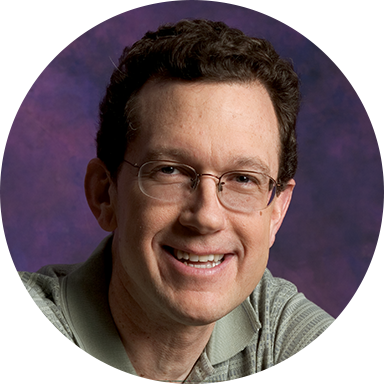
Richard Meyer

Richard Meyer spent 35 years teaching strings across elementary, middle, and high school levels in California public schools. At Oak Avenue Intermediate School in Temple City, he expanded the program from 29 students to 200 over two decades while simultaneously directing the city's elementary string curriculum. He also led the Pasadena Youth Symphony Orchestra for 16 years, taking ensembles on international tours to Vienna, Australia, Canada, and major U.S. cities.

Beyond the classroom, Meyer has become a nationally recognized composer with over 190 published works and arrangements. He served as string editor for Alfred Publishing Company for 16 years and co-authored the String Explorer Series and Sight-read It for Strings method resources. His "Giving Bach" initiative, launched in 2009, brings interactive concerts to underserved students throughout Southern California and has earned national recognition for its innovative community impact.

Why we love this

Meyer writes for real orchestras with real students, and it shows. The two contrasting melodic lines give every section genuine material to play, avoiding the trap of relegating anyone to purely harmonic filler. The 6/8 introduction is scaffolded beautifully: rhythmic patterns emerge through hand-clapping before the strings anchor them, making meter feel discoverable rather than imposed.

What to expect

Pastorella captures the warmth of a Spanish village scene unfolding in real time. What begins as simple, charming melody gradually opens into a fuller landscape as high and low voices intertwine, creating moments of gentle complexity that feel earned rather than sudden. The hand-clapping and solo passages add human texture that keeps the piece grounded and playful.

Who it's for

String orchestras at the beginning of Grade 2 who are building confidence across a full ensemble, including those newer to Spanish repertoire. This piece works equally well for programs introducing 6/8 meter or for ensembles already comfortable with it but needing fresh material that celebrates the entire string section.

How to get the most out of it

  • Establish the 6/8 pulse early by having the ensemble clap the accompanying rhythm together before adding melody. This transforms what could feel awkward into a participatory moment.
  • Balance the two contrasting tunes carefully in the woven section. Have high voices lean slightly forward in measure counts when the low melody carries the primary idea, then reverse roles to keep both lines audible.
  • Let the violin solo breathe. This moment belongs to an individual player, so resist the urge to keep the accompaniment driving. Support, don't chase.
  • The duet for first stand violins works best when those players have rehearsed independently. One strong partnership will inspire the rest of the section's commitment to their own parts.

How to use it

Program this as a contrast piece in a concert mixing styles and eras, especially if you're pairing it with more serious classical work. It also serves as an effective early-season ensemble builder when you're establishing sectional independence and introducing less familiar meters. The approachability and Spanish flavor make it a natural fit for community or family concert contexts where you want students to feel proud.

Skills your students will build

  • Reading and performing 6/8 meter with secure rhythmic foundation
  • Balancing two independent melodic lines within a single ensemble
  • Responding to sectional entrances and role reversals
  • Executing hand-clapping accompaniment in rhythm with instrumental parts
  • Supporting a solo voice while maintaining ensemble cohesion

You May Also Like
