Pastorella Cover Image

Pastorella: String Orchestra Conductor Score

$7.00 USD
Sale price  $7.00 USD Regular price 
Skip to product information
Pastorella Cover Image

Pastorella: String Orchestra Conductor Score

By Richard Meyer

Grade: 2

Item: 00-40476S

$7.00
Shipped

One moment…

Description
Using all the colors of the string orchestra, this charming Spanish-flavored piece features melodic material for every instrument. Two contrasting tunes, one for high voices and one for low, are introduced and then woven together. Including all the basic characteristic 6/8 rhythms, this is a perfect way to introduce your students to this too-often neglected meter. Some fun hand-clapping accompaniment, a violin solo, and a duet for first stand violins add interest and variety to this selection in a genre that has become a real favorite with students and audiences! This title is available in MakeMusic Cloud.

Pastorella: String Orchestra Conductor Score isn't in MakeMusic Cloud just yet...but it could be. Let us know you'd like to see it, and you'll help shape what comes next. In the meantime, start a free trial and dive into thousands of interactive titles your students can play along with today.

Sample Pages

Sample Audio
No sample audio found.
Sample Video
Additional Details
Series: Highland/Etling String Orchestra
Publisher: Alfred Music
Page Count: 12
UPC: 038081454375
SKU: 00-40476S

More about this title

About the Composer: Richard Meyer
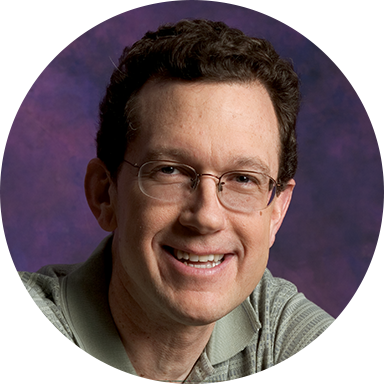
Richard Meyer

Richard Meyer spent 35 years teaching strings in public school settings, from elementary through high school. At Oak Avenue Intermediate School in Temple City, California, he grew the orchestra program from 29 to 200 students over 22 years and oversaw the city's elementary string curriculum. In 2009, he created the "Giving Bach" program, which has received national recognition for using interactive concerts to serve students with special needs and in under-resourced schools across Southern California.

Beyond the classroom, Meyer has conducted the Pasadena Youth Symphony Orchestra for 16 years, leading performances across North America, Europe, and Australia. He is a prolific composer with over 190 published works and arrangements, served as string editor for Alfred Publishing Company for 16 years, and co-authored the String Explorer Series and Sight-read It for Strings. He has been invited to clinician roles at the A.S.T.A. National Conference, the Texas Orchestra Directors' Association Conference, and string workshops at major universities.

Why we love this

Meyer writes string orchestra music that actually sounds good when student musicians play it. This piece showcases how thoughtful orchestration and melodic accessibility can hold an audience's attention while building fundamental technical skills. The Spanish character and rhythmic variety make it engaging enough that students stay invested, and the variety of solos and section features means every stand has a reason to care about their part.

What to expect

Pastorella evokes the warmth and gentle motion of a Spanish landscape, with two distinct melodic characters that trade solos before combining into a unified whole. The 6/8 meter gives the piece a lilting, dance-like quality, while the inclusion of hand clapping and spotlight solos adds color and moments of fun without losing the work's musical coherence.

Who it's for

String orchestras at the intermediate level working on metric diversity and orchestration awareness. The Grade 2 difficulty makes it accessible for developing ensembles while the Spanish style and varied textures keep musicians musically engaged rather than just technically exercised.

How to get the most out of it

  • Establish the 6/8 pulse firmly during sectional rehearsals. Have students clap and count the rhythmic patterns before adding the hand-clapping accompaniment to ensure the meter feels secure rather than rushed.
  • Balance the two contrasting melodies so neither overshadows the other when they appear together. Use dynamic shaping in rehearsal to clarify which voices carry the primary tune at each moment.
  • Give the violin soloist and the first violin duet adequate solo rehearsal time. These features deserve clarity and confidence so they land as moments of distinction rather than feeling tentative.
  • The hand-clapping parts should sound rhythmic and crisp. Brief your students that this is percussion work and requires the same attention to ensemble timing as bowing would.

How to use it

This works beautifully as a festival or contest selection where a Grade 2 ensemble needs a piece that demonstrates musicality, orchestration skill, and rhythmic awareness. Consider programming it alongside a Baroque arrangement and a contemporary work to show range, or use it as the opener on a concert where you want to establish a joyful, accessible tone before moving into heavier repertoire.

Skills your students will build

  • Reading and performing in 6/8 meter with accurate rhythmic subdivision
  • Balancing melodic lines across different instrumental sections
  • Responding to cues and entrances as part of a larger orchestral color
  • Playing with stylistic awareness in a Latin/Spanish idiom
  • Managing hand-clapping as a rhythmic percussion element while maintaining instrumental parts

You May Also Like