Pange Lingua Variations Cover Image

Pange Lingua Variations: Choral Book

$200.00 USD
Sale price  $200.00 USD Regular price 
Skip to product information
Pange Lingua Variations Cover Image

Pange Lingua Variations: Choral Book

By Dave Brubeck

Item: 00-OCT02585P

$200.00
Shipped

One moment…

Description
This work beautifully captures the poetic spirit of the original Latin influences of Gregorian chant.

Pange Lingua Variations: Choral Book isn't in MakeMusic Cloud just yet...but it could be. Let us know you'd like to see it, and you'll help shape what comes next. In the meantime, start a free trial and dive into thousands of interactive titles your students can play along with today.

Sample Pages

Sample Audio
No sample audio found.
Sample Video
Additional Details
Publisher: Alfred Music
Page Count: 392
ISBN10: 0-7692-4385-1
ISBN13: 978-0-7692-4385-6
UPC: 029156169133
SKU: 00-OCT02585P

More about this title

About the Author: Dave Brubeck
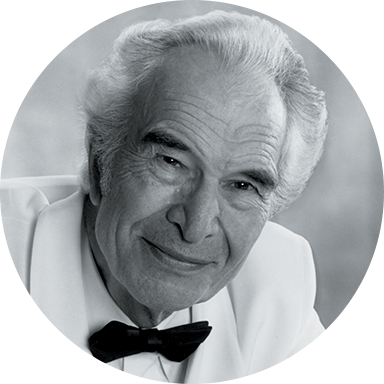
Dave Brubeck

Dave Brubeck was a jazz pianist whose improvisational mastery extended into the concert hall, where he composed fully notated works across multiple genres including choral music, orchestral pieces, chamber works, and large-scale compositions for chorus and orchestra. His education under French composer Darius Milhaud at Mills College shaped his ability to merge jazz language with classical forms. Brubeck earned international recognition through both performance and composition, receiving the Presidential Medal of the Arts from President Clinton, a Grammy Lifetime Achievement Award, and election to the American Classical Music Hall of Fame in 2003.

Beyond his musical legacy, Brubeck was a pioneering figure in breaking racial barriers in mid-20th-century American music. His sacred works, including the mass To Hope! and the oratorios The Voice of the Holy Spirit and Beloved Son, have been recorded by major ensembles including the London Symphony Orchestra and performed in concert halls across Europe and North America. His influence on American music remains substantial, spanning both jazz and concert traditions.

Why we love this

Brubeck brings his jazz sensibility and formal mastery to sacred Latin text, creating a work that honors Gregorian tradition while opening it up through harmonic richness and accessible vocal writing. At 392 pages, this substantial cantata offers your choir a significant artistic achievement without the density of pure Latin liturgical settings. The combination of reverence and inventiveness makes this work both spiritually grounded and genuinely engaging for singers.

What to expect

The music holds the contemplative reverence of plainchant while unfolding with sophisticated harmonic surprises and the subtle swing of Brubeck's jazz language. Singing these variations feels meditative yet alive, as the familiar Latin text transforms through inventive voicings and unexpected harmonic turns that respect tradition while expanding its sound world.

Who it's for

This work suits choirs with solid musicianship and comfort reading complex harmonies, from church choirs preparing a major liturgical work to university and festival choirs seeking a substantial sacred piece by an American master. Directors looking to program a work that bridges classical choral tradition with twentieth-century compositional language will find this cantata compelling.

How to get the most out of it

  • Approach the text with clarity; Brubeck's harmonic language can obscure Latin pronunciation if diction is not deliberately shaped, so isolate troublesome vowels in rehearsal and maintain consistent vowel colors across voice parts.
  • Balance the interplay between choral sections and soloists (if the work includes them) by thinking of accompaniment textures as foundation rather than subordinate material.
  • Allow the harmonic progressions room to breathe; resist rushing through sustained passages, as Brubeck's chromatic voice-leading and jazz-informed harmony benefit from deliberate pacing.
  • Reference the recorded performance by London Voices to hear how professional singers interpret the stylistic blend of sacred formality and jazz-inflected phrasing that Brubeck intended.

How to use it

This substantial work functions well as a concert centerpiece or the anchor of a liturgical observance focused on sacred music from multiple eras. Consider pairing it with simpler choral works or shorter motets to create a program that demonstrates the range of twentieth-century sacred composition, allowing audiences to experience how Brubeck reimagined traditional material.

Skills your students will build

  • Reading complex jazz-influenced harmonies and chromatic voice-leading
  • Sustaining clear Latin diction across extended passages with sophisticated harmonic textures
  • Interpreting twentieth-century sacred music that blends classical choral tradition with modern compositional language
  • Balancing reverence with expressive phrasing in settings that honor liturgical text while incorporating contemporary musical idiom

You May Also Like