Orinoco Cocoa Cover Image

Orinoco Cocoa: Interchangeable Woodwind Ensemble Score & Parts

$25.00 USD
Sale price  $25.00 USD Regular price 
Skip to product information
Orinoco Cocoa Cover Image

Orinoco Cocoa: Interchangeable Woodwind Ensemble Score & Parts

By Vince Gassi

Level: Medium

Item: 81-WWE1073

$25.00
Shipped

One moment…

Description
Here is a hot little Latin number to spice things up. Start with one part cool tune, mix in some lush harmonies, toss in a unison ensemble part, a written solo, a funky intro, and voila, an audience favorite.

PART 1 - Flute, Oboe, Clarinet
PART 2 - Flute, Oboe, Clarinet
PART 3 - Clarinet, Alto Saxophone
PART 4 - Clarinet, Alto Saxophone, Tenor Saxophone, F Horn
PART 5 - Bass Clarinet, Bassoon, Baritone Saxophone
Optional Percussion
Optional Drumset

Orinoco Cocoa: Interchangeable Woodwind Ensemble Score & Parts isn't in MakeMusic Cloud just yet...but it could be. Let us know you'd like to see it, and you'll help shape what comes next. In the meantime, start a free trial and dive into thousands of interactive titles your students can play along with today.

Sample Pages

Sample Audio
0:00
0:00
Sample Video
Additional Details
Series: Eighth Note Publications
Publisher: Eighth Note Publications
Page Count: 68
ISBN10: 1-55473-623-4
ISBN13: 978-1-55473-623-2
UPC: 685462016242
SKU: 81-WWE1073
Instrumentation: Interchangeable Woodwind Ensemble

More about this title

About the Composer: Vince Gassi
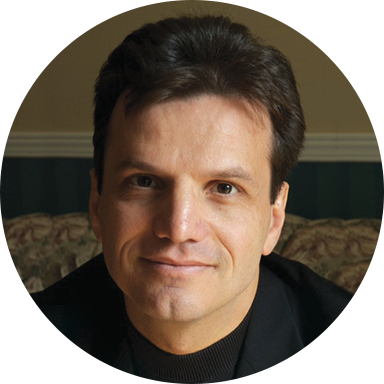
Vince Gassi

Vince Gassi has established himself as one of the most prolific and respected composers for young musicians, with over 100 published works that regularly appear on contest and concert programs across North America, Europe, and Asia. His background combines rigorous formal training (Bachelor of Music from the University of Western Ontario, composition studies at the Dick Grove School of Music in Los Angeles, and a Ph.D. from York University in Toronto) with 25 years of direct classroom teaching experience. This dual foundation shapes everything he writes: pieces that are simultaneously engaging for students and musically substantive.

Gassi's influence extends well beyond publication. He serves as a sought-after guest conductor, adjudicator, and clinician, and his seminars on arranging concepts and digital workflows for music directors have become fixtures at festivals and conferences. His work is frequently performed at the Midwest Clinic in Chicago, a mark of respect within the profession. Directors turn to Gassi's catalog because his energetic compositional voice consistently delivers the dual goal of keeping young musicians invested while maintaining artistic integrity.

Why we love this

Gassi's interchangeable woodwind writing here lets you actually use the ensemble you have on any given day. The combination of a cool melody, rich harmonies, a unison section, and a written solo gives you texture and interest without requiring locked-in instrumentation. The Latin groove is infectious enough that students play with genuine musicality, not just technical accuracy.

What to expect

Orinoco Cocoa lives in that sweet spot between serious musicianship and pure fun. The Latin rhythms and warm harmonies create an immediately inviting sound, while the structured arrangement (intro, melody, harmonies, solo, unison) keeps things interesting without overwhelming players. You'll feel the piece gain momentum as it unfolds.

Who it's for

Woodwind ensembles at the secondary level who want a vibrant Latin piece that doesn't demand a specific instrumentation lineup. This works equally well for a festival submission or a concert where you need something current, high-energy, and genuinely fun to perform.

How to get the most out of it

  • Lock in the funky intro first. The groove sets the tone for the whole piece, so spend rehearsal time making sure the rhythm section and any percussion are locked before layering in the melodic material.
  • Balance the written solo against the ensemble. Since this solo is fixed in the arrangement, make sure it cuts through the harmonies without the supporting parts receding too far; use rehearsal balance to find the sweet spot.
  • Let the unison ensemble section sing. This is where the melody lands cleanly, so it's your chance to shape a strong phrase and build momentum heading into the next section.

How to use it

This arrangement thrives as a first-half closer or a second-half opener, especially on concerts where you're moving between classical or band repertoire and want something that shifts the energy. The flexible instrumentation also makes it a practical choice for festival season when you're managing multiple ensemble lineups across the same rehearsal schedule.

Skills your students will build

  • Latin rhythm interpretation and groove sensitivity
  • Reading and blending within flexible instrumentation
  • Harmonic listening and voice independence within ensemble textures
  • Stylistic phrasing and articulation in contemporary popular genres

You May Also Like