Orinoco Cocoa Cover Image

Orinoco Cocoa: Alto, Tenor & Baritone Saxophones (AATB) Score & Parts

$15.00 USD
Sale price  $15.00 USD Regular price 
Skip to product information
Orinoco Cocoa Cover Image

Orinoco Cocoa: Alto, Tenor & Baritone Saxophones (AATB) Score & Parts

By Vince Gassi

Item: 81-SQ2942

$15.00
Shipped

One moment…

Description
Here is a hot little Latin number to spice things up. Start with one part cool tune, mix in some lush harmonies, toss in a unison ensemble part, a written solo, a funky intro, and voila---an audience favorite.

Orinoco Cocoa: Alto, Tenor & Baritone Saxophones (AATB) Score & Parts isn't in MakeMusic Cloud just yet...but it could be. Let us know you'd like to see it, and you'll help shape what comes next. In the meantime, start a free trial and dive into thousands of interactive titles your students can play along with today.

Sample Pages

No sample pages found.

Sample Audio
0:00
0:00
Sample Video
Additional Details
Series: Eighth Note Publications
Publisher: Eighth Note Publications
Page Count: 24
ISBN10: 1-55473-485-1
ISBN13: 978-1-55473-485-6
UPC: 685462014866
SKU: 81-SQ2942
Instrumentation: Alto, Tenor & Baritone Saxophones (AATB)

More about this title

About the Composer: Vince Gassi
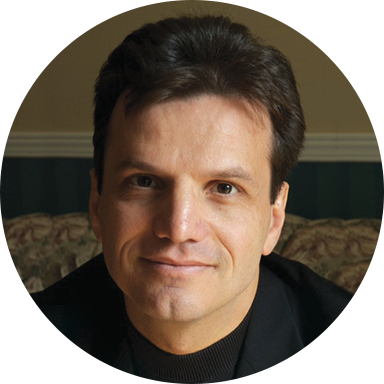
Vince Gassi

Vince Gassi has spent more than two decades teaching instrumental music at the elementary and secondary levels while building a prolific composing and arranging career. His output exceeds 100 published works, many of which appear on contest and concert programs internationally. He holds a Bachelor of Music from the University of Western Ontario and completed advanced study in composition and arranging at the Dick Grove School of Music in Los Angeles before earning his Ph.D. from York University in Toronto.

Gassi's reputation rests on writing that balances accessibility with musical substance. He appears regularly as a guest conductor, adjudicator, and clinician across North America, and his seminars on creative engagement and digital workflows have influenced music directors seeking to energize their programs. His compositions have been performed and recorded throughout North America, Europe, and Japan, with frequent presentations at the Midwest Clinic in Chicago.

Why we love this

Gassi understands what makes a saxophone quartet sparkle in performance. The arrangement layers solo opportunity alongside tight ensemble writing, giving strong players a moment to shine while keeping the whole group engaged. The Latin groove and funky intro make this the kind of piece that audiences genuinely enjoy and students remember.

What to expect

From the first funky intro, this piece pulses with Latin warmth and humor. The melody is instantly singable and memorable, supported by lush harmonies that give the arrangement depth without demanding virtuosic chops. There's a sense of ease and confidence throughout, like the saxophones are inviting the audience into a conversation.

Who it's for

Saxophone quartets at the intermediate to early advanced level who want a crowd-pleasing Latin number that doesn't sacrifice musicality. This works equally well for student chamber groups, community ensembles, and youth jazz or wind programs looking for repertoire with broader appeal than traditional classical quartet literature.

How to get the most out of it

  • Lock the rhythmic foundation in the ensemble unison section. Gassi's notation is clear, but the piece's energy depends on precise rhythmic alignment across all three parts.
  • Bring out the written solo with character and confidence. The solo is the emotional center of the arrangement; support it with balanced harmonic voicing from the other two parts.
  • Use the Latin feel to shape phrasing rather than mechanically subdividing. The groove will feel fresher and more idiomatic if you breathe with the melody and let the harmonic motion guide articulation.
  • Balance the funky intro so each voice remains distinct. These opening bars set the tone; clarity here makes the transition to the main melody land with impact.

How to use it

Program this as an opener or mid-concert lift to shift the mood and energy. Its approachable style and infectious groove make it an excellent bridge between a formal first half and lighter closing selections. It also fits perfectly in a chamber music or student recital where you want to showcase ensemble musicianship alongside fun and personality.

Skills your students will build

  • Latin rhythmic interpretation and swing feel
  • Four-part saxophone voicing and harmonic balance
  • Solo phrasing with accompaniment support
  • Ensemble rhythmic precision in syncopated passages
  • Stylistic flexibility across melody, harmony, and background parts

You May Also Like