Oh Chanukah Cover Image

Oh Chanukah: Jazz Ensemble Conductor Score & Parts

$44.00 USD
Sale price  $44.00 USD Regular price 
Skip to product information
Oh Chanukah Cover Image

Oh Chanukah: Jazz Ensemble Conductor Score & Parts

Traditional / arr. Rick Hirsch

Grade: 1 (Easy)

Item: 00-48212

makemusic Cloud badge

Need it now?

Buy Digital Version
$44.00
Shipped

One moment…

Description
You'll love this very catchy treatment of a traditional Chanukah song done here with a Bo Diddley groove arranged by Rick Hirsch. Very accessible for a young band with brief written-out solo statements for tenor 1, alto 1, trumpet 1, trombone 1 with each cued for others for flexibility. Trumpet 1 range only to written E-flat top space with optional flute, clarinet, vibes, and percussion. Clever chart! (2:45)

Don't just read it, hear it, play along with it, and watch your students grow with it. In MakeMusic Cloud, Oh Chanukah: Jazz Ensemble Conductor Score & Parts comes alive with professional accompaniment, adjustable tempo, and built-in practice tools that turn solo practice into real progress.

Sample Pages

Sample Audio
0:00
0:00
Sample Video
Additional Details
Series: First Year Charts for Jazz Ensemble
Publisher: Alfred Music
Page Count: 90
UPC: 038081557304
SKU: 00-48212

More about this title

About the Arranger: Rick Hirsch
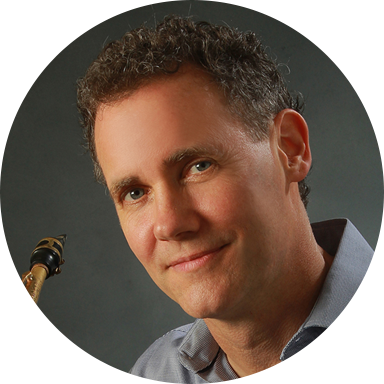
Rick Hirsch

Rick Hirsch studied composition and arranging at UMass-Amherst and Northern Illinois University, then launched his career as a personal music copyist for jazz legends Bob Mintzer and Toshiko Akiyoshi. His compositions and arrangements have been performed by respected artists including Yusef Lateef and Eddie Henderson, and he has written for ensembles ranging from the Capitol Quartet to the Penn State Blue Band.

Hirsch maintains an active presence as a guest conductor for All-State and District Jazz Bands across the country. In 2017, his ensemble BIG OL' BAND released their debut album Pocono Git-Down, a celebration of vibrant jazz communities outside major metropolitan areas.

Why we love this

Hirsch has engineered something rare here: a chart that introduces young players to groove-based jazz with real style and personality. The Bo Diddley rhythm provides an instantly recognizable pocket while the solos stay accessible, and the built-in flexibility means you can cover parts with whatever instrumentation walks into rehearsal.

What to expect

A foot-stomping, infectious groove rooted in blues tradition but filtered through a contemporary jazz lens. The Bo Diddley pulse drives everything forward with an irresistible swing, while the familiar Chanukah melody gives the arrangement immediate recognition and warmth.

Who it's for

First-year and developing jazz ensembles looking for an early-season chart that teaches fundamental groove while keeping the ensemble engaged. The grade 1 level and accessiblerange make it ideal for high school jazz bands with younger or less experienced players.

How to get the most out of it

  • Lock the groove early by isolating the rhythm section (drums, bass, and piano) for several rehearsals. Once the pocket is steady, layer in the melody and horn sections.
  • Route solo cues strategically based on your ensemble's strengths. If your tenor player needs more security, call the trumpet solo statement; if your trumpet is ready to shine, use that version instead.
  • Keep the Bo Diddley rhythm crisp and clean. Avoid rushing the backbeat; let the groove breathe so the soloists have room to play.
  • Balance the optional instruments (flute, vibes, percussion) by ear during rehearsal. Each adds color without cluttering the texture.

How to use it

This works perfectly as a winter concert opener or a standalone holiday segment that doesn't require extensive rehearsal time. Pair it with more complex charts later in the concert to show your audience the range of your ensemble, or use it early in the season as a confidence builder and groove foundation before tackling harder material.

Skills your students will build

  • Groove-based playing and phrasing (Bo Diddley rhythm)
  • Reading lead sheets and solo cues
  • Flexibility and transposition awareness (multiple cue options for different instruments)
  • Jazz phrasing and articulation on a traditional melody
  • Rhythm section coordination (drums, bass, piano working as a unit)

You May Also Like
