
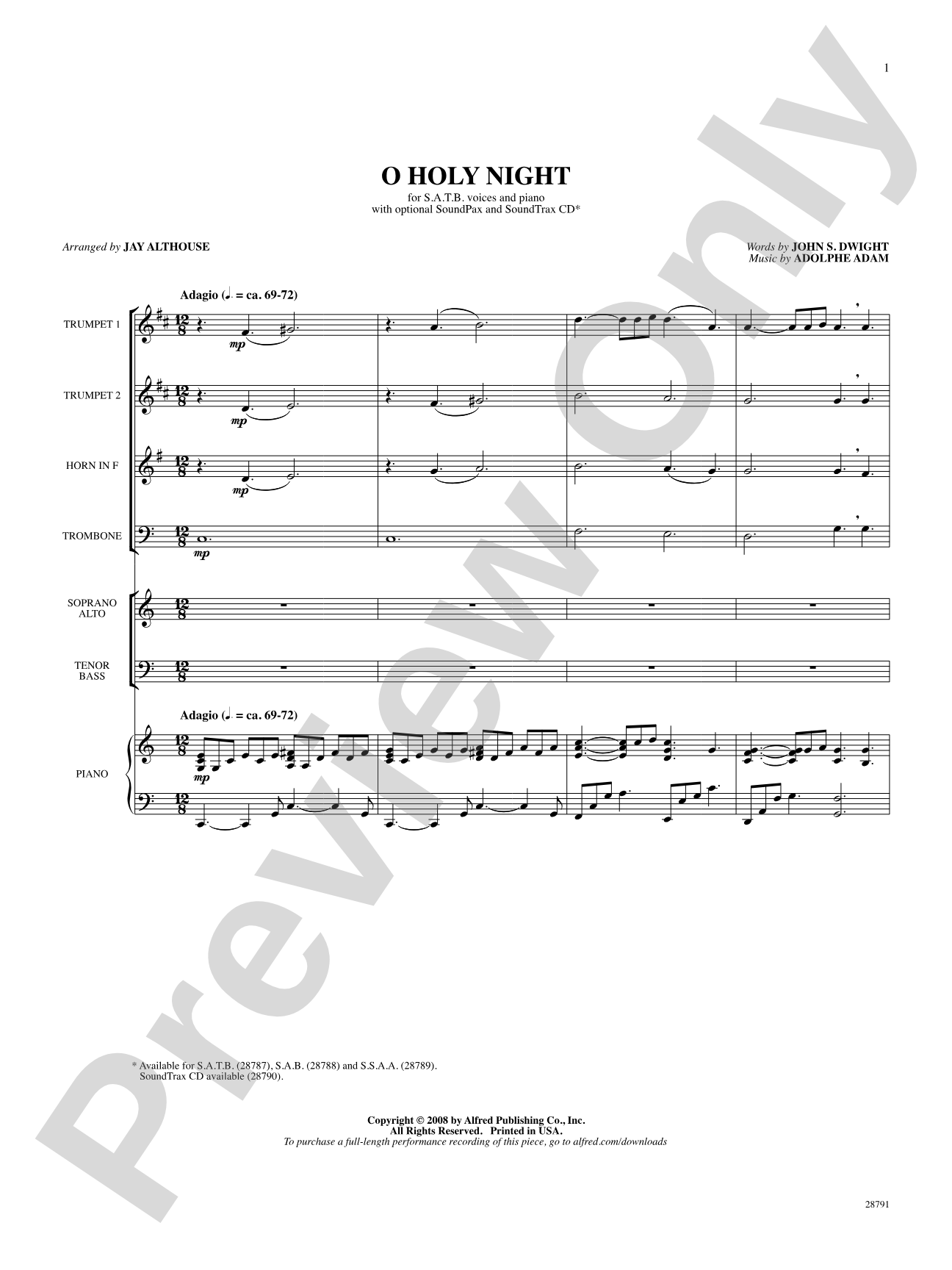
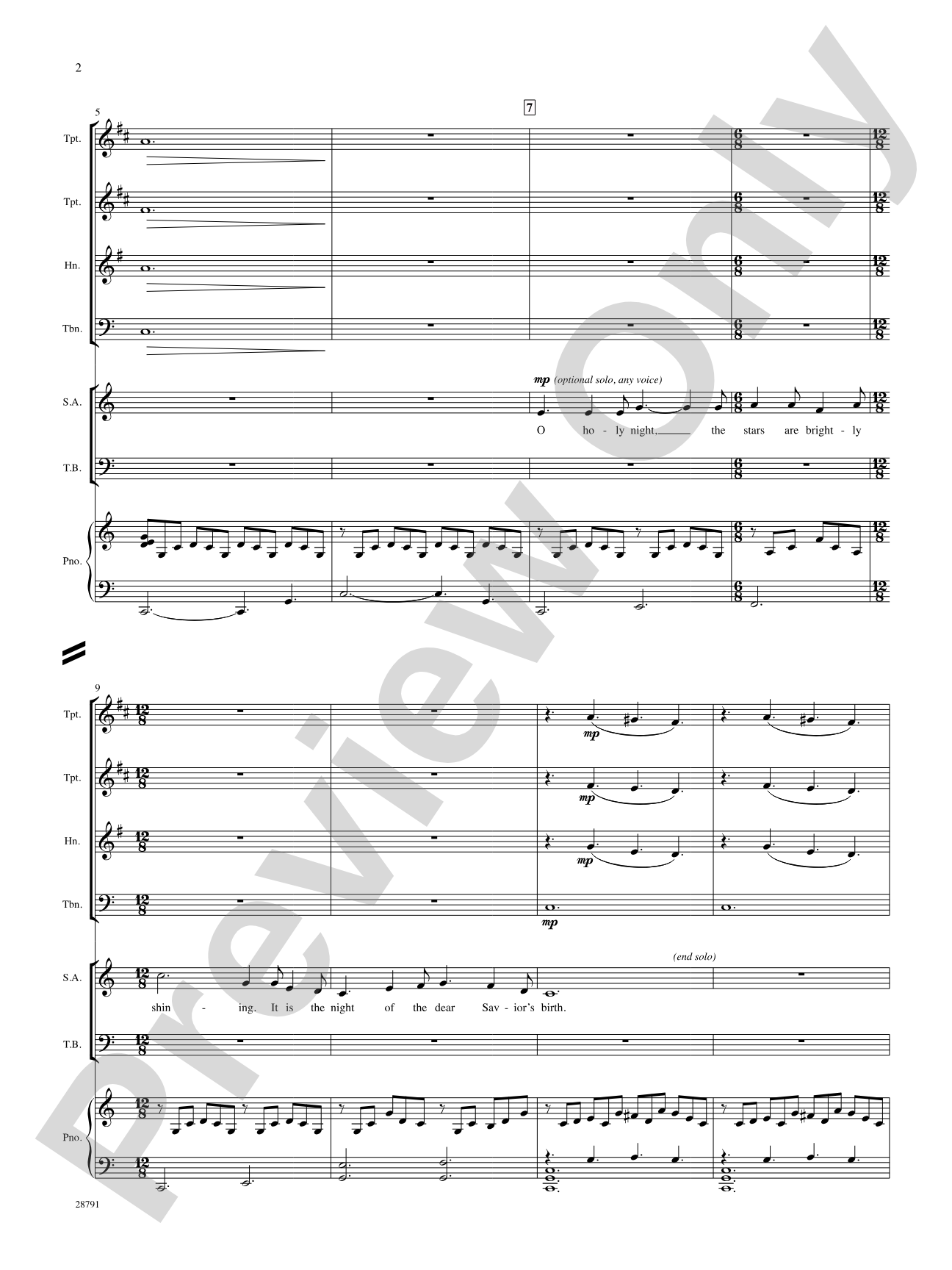
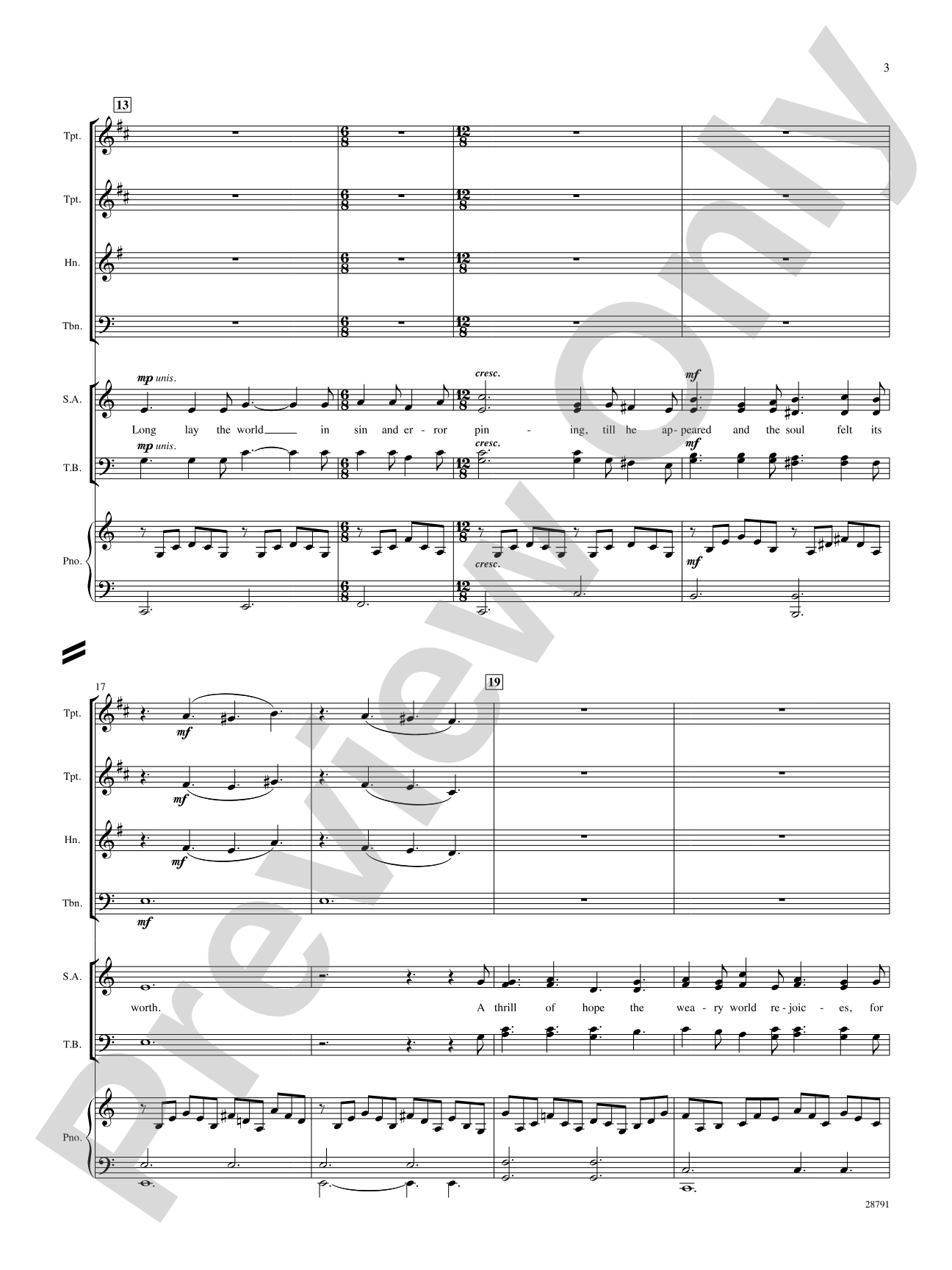
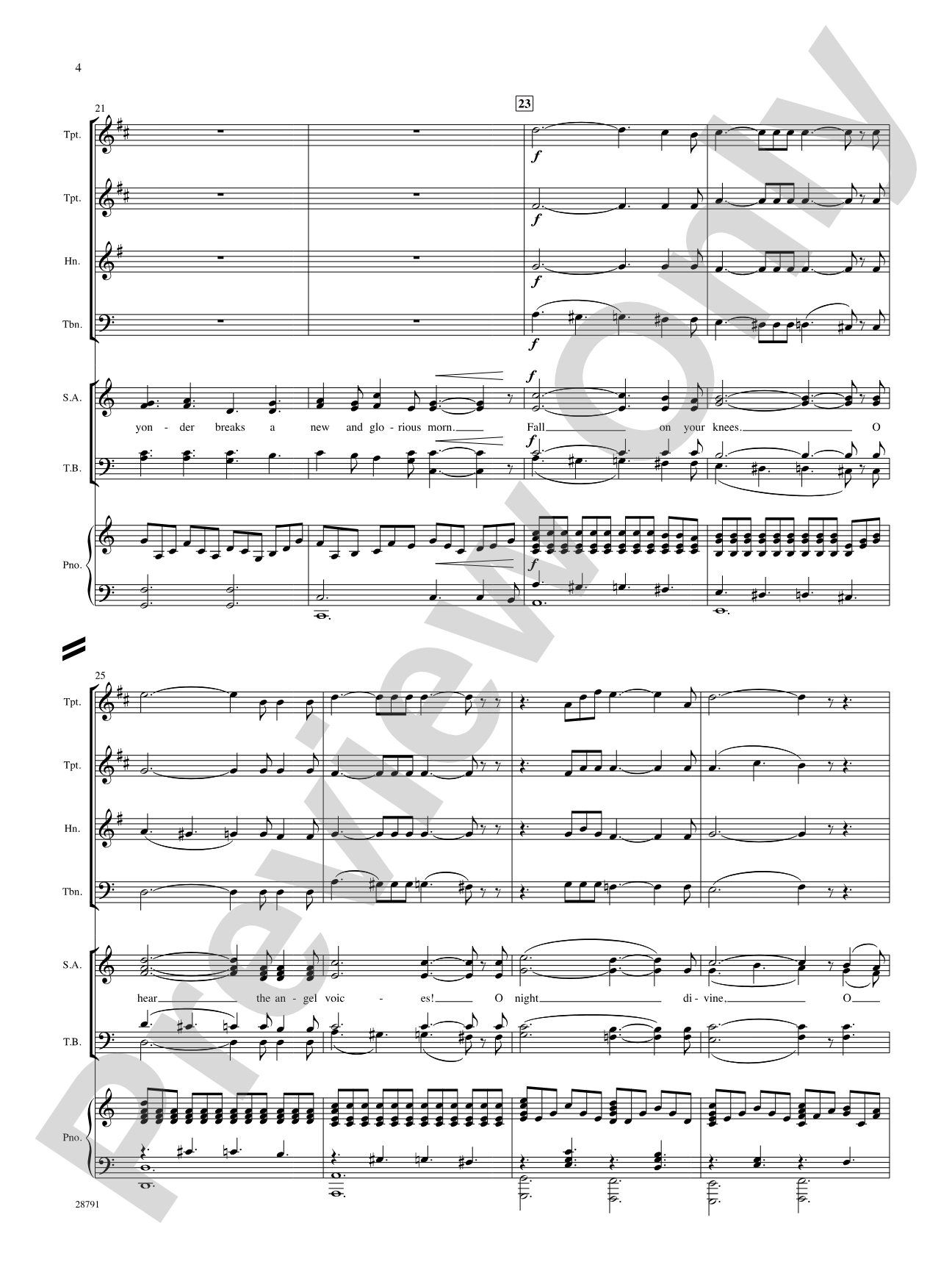


O Holy Night: Choral SoundPax
French Carol
Words by John S. Dwight, music by Adolphe Adam / arr. Jay Althouse
Item: 00-PK-0001369

$25.00
Pickup currently not available
Buy Extra Parts (Digital PDF Download)
| Product | Price | Quantity |
|---|---|---|
| O Holy Night: Score: Choral SoundPax | $8.00 | |
| O Holy Night: 1st B-flat Trumpet: Choral SoundPax | $5.00 | |
| O Holy Night: 2nd B-flat Trumpet: Choral SoundPax | $5.00 | |
| O Holy Night: 1st F Horn: Choral SoundPax | $5.00 | |
| O Holy Night: 1st Trombone: Choral SoundPax | $5.00 |
Parts Added to Cart!
Related Items
O Holy Night: SoundTrax Digital Audio Download |
$27.99
|
View | |
O Holy Night: SATB Choral Octavo |
$2.05
|
View | |
O Holy Night: SAB Choral Octavo |
$2.25
|
View | |
O Holy Night: SSAA Choral Octavo |
$1.75
|
View | |
O Holy Night: SATB Choral Octavo |
$2.05
|
View | |
O Holy Night: SAB Choral Octavo |
$2.25
|
View | |
O Holy Night: SSAA Choral Octavo |
$1.75
|
View | |
O Holy Night: Choral Octavo SoundTrax CD |
$27.99
|
View | |
O Holy Night: Choral SoundPax |
$25.00
|
View |
Description
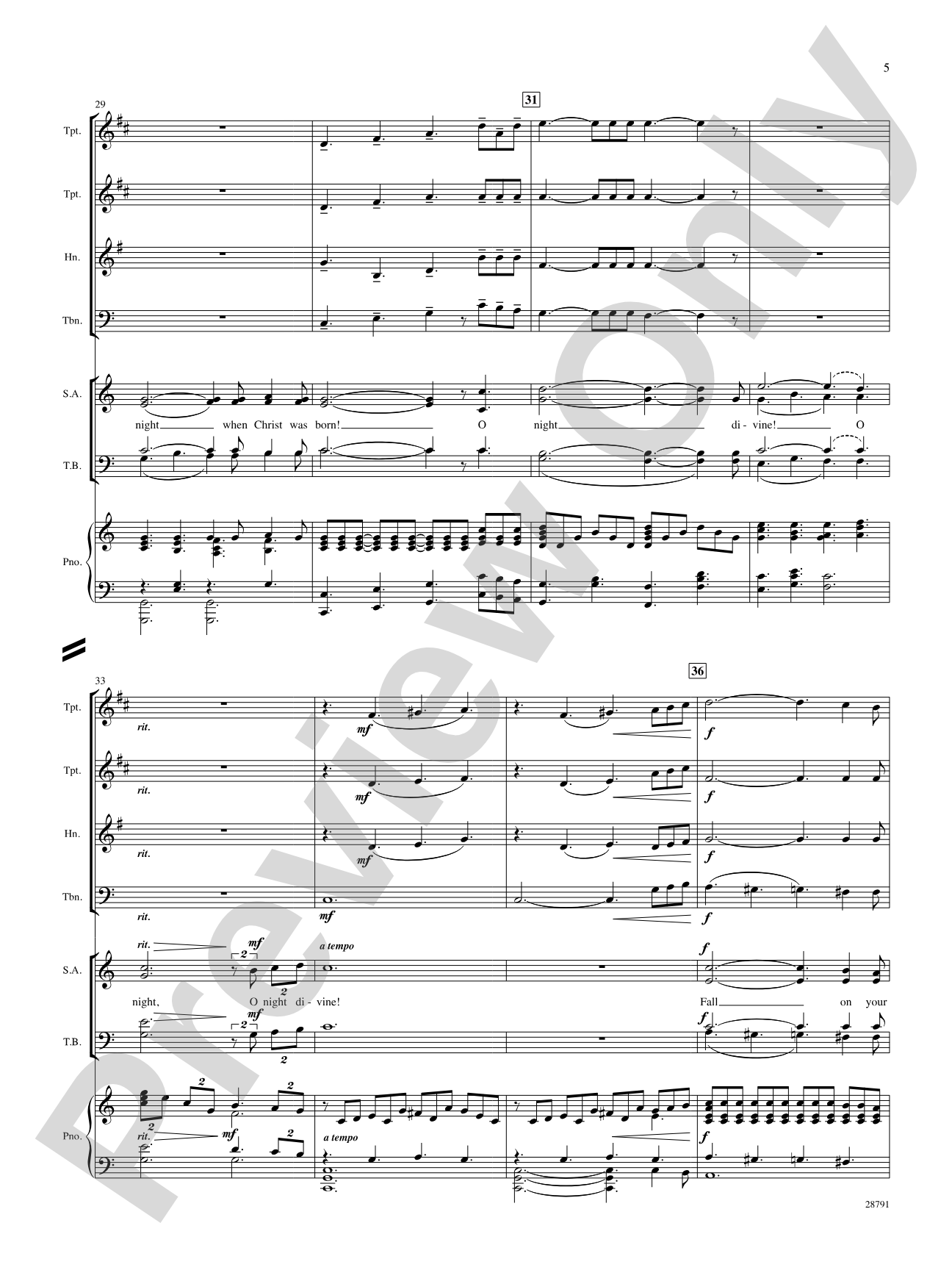
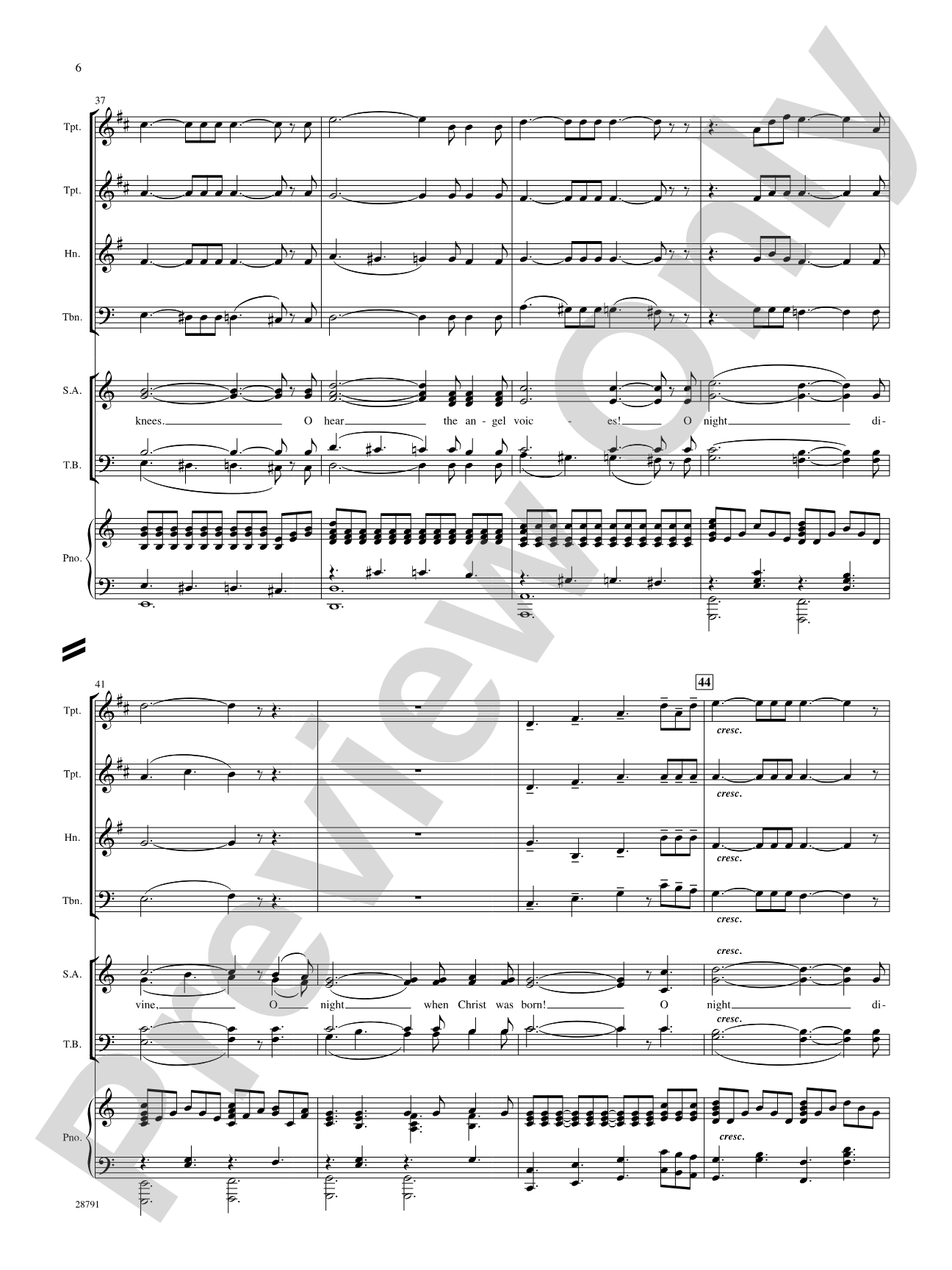
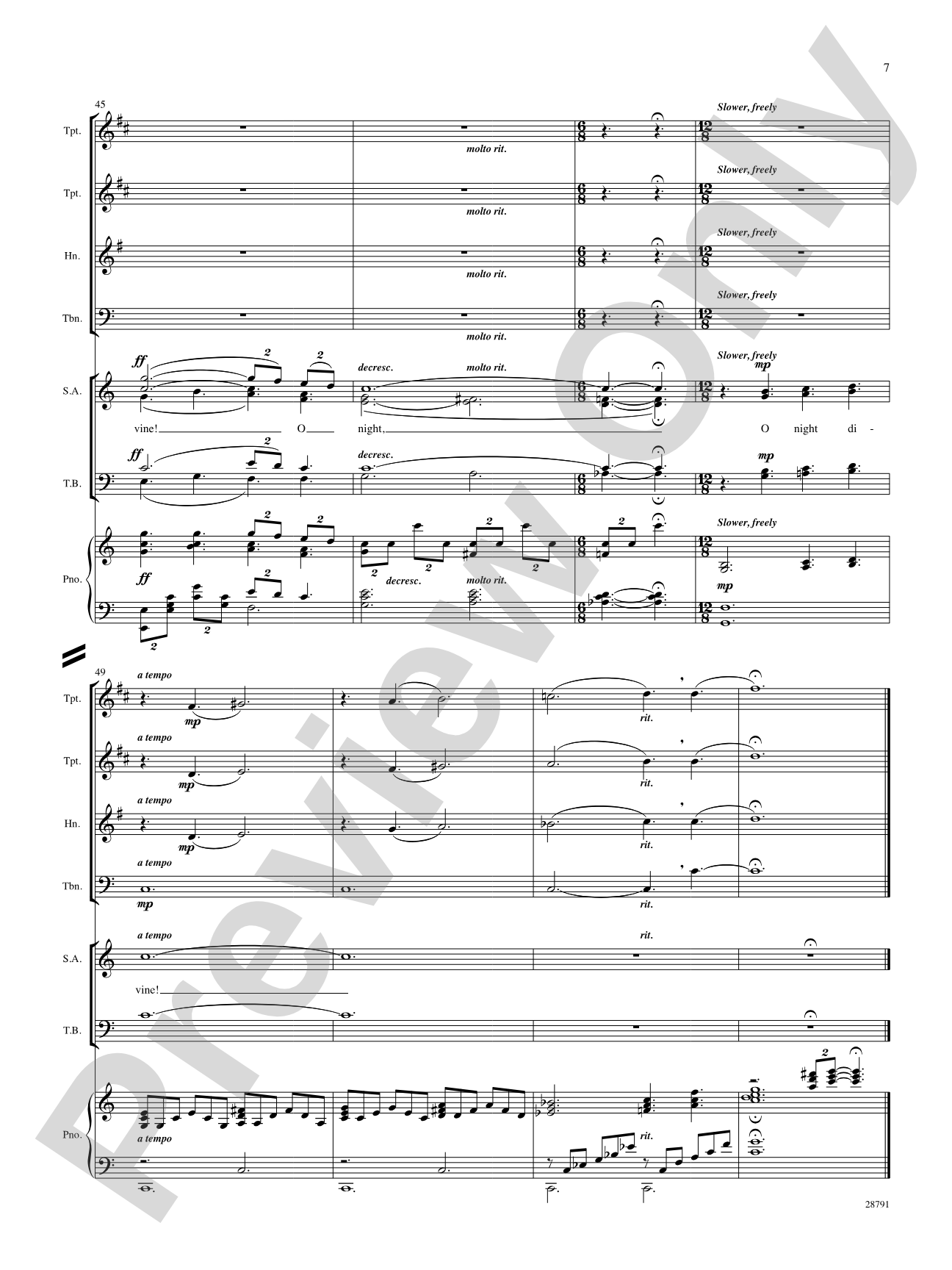
One of the best-loved Christmas works comes alive in this fresh new arrangement with optional brass. The parts are singable and the unique harmonies are powerful. This arrangement will make your school or church choir sound great. Includes parts for French horn/opt. trombone, 2 trumpet, and trombone.


Don't just read it, hear it, play along with it, and watch your students grow with it. In MakeMusic Cloud, O Holy Night: Choral SoundPax comes alive with professional accompaniment, adjustable tempo, and built-in practice tools that turn solo practice into real progress.
Open in the Player
Jump straight in and assign it today.
Start Your Free Trial
Open this title and explore the full library in minutes.
Sample Audio
1
Audio File
--:--
0:00
0:00
Sample Video
No sample videos found.
Additional Details
Series:
Alfred Choral Designs
Publisher:
Alfred Music
Page Count:
16
SKU:
00-PK-0001369
Instrumentation:
SoundPax
More about this title
About the Composer: Adolphe Charles Adam
Adolphe Charles Adam (1803, 1856) was a French composer whose gift for melody and dramatic timing made him one of the most performed composers of his era. Though he wrote more than 70 stage works, including the ballet Giselle, Adam's enduring presence in music education comes largely through his sacred works, which combine theatrical sensibility with genuine devotion.
Adam composed "O Holy Night" (originally "Cantique de Noël") in 1847 for a Christmas Eve service in a small French village. The piece's sweeping vocal line and harmonic richness have made it a cornerstone of holiday programming worldwide. For choirs, Adam's composition offers both accessibility and depth, rewarding singers who commit to its emotional arc.
Why we love this
Jay Althouse's arrangement strips away the soaring solo tradition and reimagines "O Holy Night" as an ensemble work where every voice matters. The optional brass parts allow flexibility without compromising the arrangement's emotional core, making it genuinely useful for choirs working with variable instrumentation. This is singable writing that doesn't resort to simplification; the harmonic richness remains intact while the tessitura sits comfortably for school and church singers.
What to expect
The arrangement preserves the spiritual gravity of Adam's original while distributing the emotional weight across the choir rather than concentrating it in a single voice. The added brass creates a luminous, almost orchestral quality that feels celebratory without becoming sentimental. This version breathes with quiet moments and builds with genuine power, never rushing toward schmaltz.
Who it's for
This arrangement works for intermediate to advanced high school choirs, strong middle school ensembles, and church choirs of mixed ability who want a substantial seasonal work without the demands of a full sacred concert. Directors seeking a "O Holy Night" that feels current and allows flexible instrumentation will find this particularly valuable.
How to get the most out of it
- Balance the choir's full voice against the brass accompaniment rather than doubling instrumental lines with vocal parts. Let the arrangement's design speak by treating the choir and brass as collaborative but distinct textures.
- Shape the phrase contours with attention to breath placement. The SoundPax format allows singers to anchor their phrasing with recorded accompaniment, so mark natural breathing points in rehearsal before relying on the track.
- Differentiate the harmonic color when moving between unison and divisi sections. Rehearse the transitions deliberately so the shift feels intentional rather than accidental.
- If using the optional brass, schedule sectional rehearsals with brass and singers together at least once before the final run-through. Blend and balance issues resolve much faster with live coordination.
How to use it
Place this on a Christmas concert as a centerpiece work that anchors the second half, or pair it with a cappella seasonal works in the first half to showcase the choir's range. The 16-page score suggests substantial musical content; this is not background holiday music but a performance statement. It also works beautifully for vesper services, holiday assemblies, or interfaith winter celebrations where a familiar melody carries universal resonance.
Skills your students will build
- Singing through supported harmonic changes while maintaining ensemble blend
- Responding to recorded accompaniment cues in a choral SoundPax format
- Balancing choir voice against optional instrumental parts
- Phrasing longer melodic lines with shape and intentionality
- Managing dynamics across divisi sections to maintain harmonic clarity