
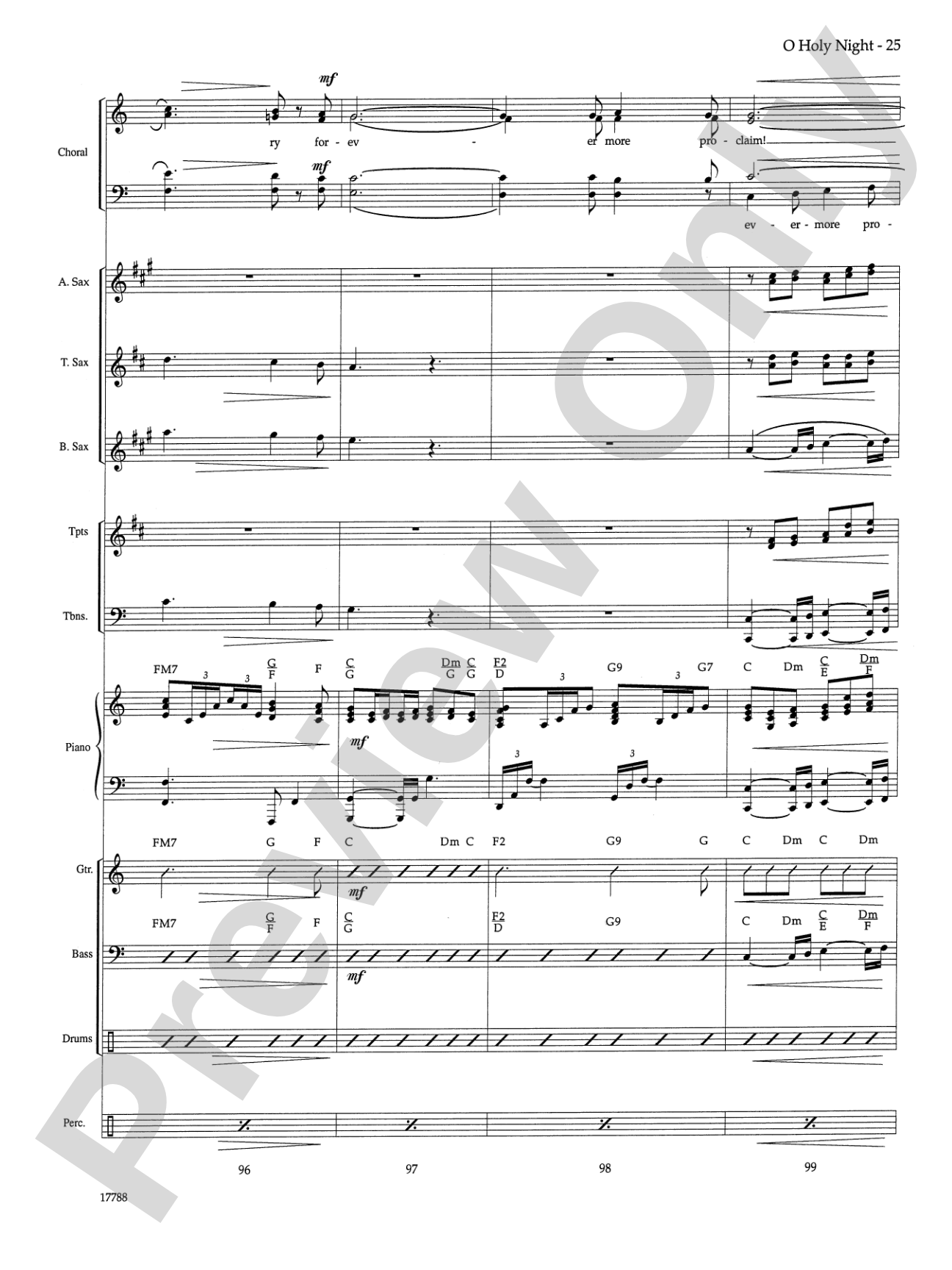
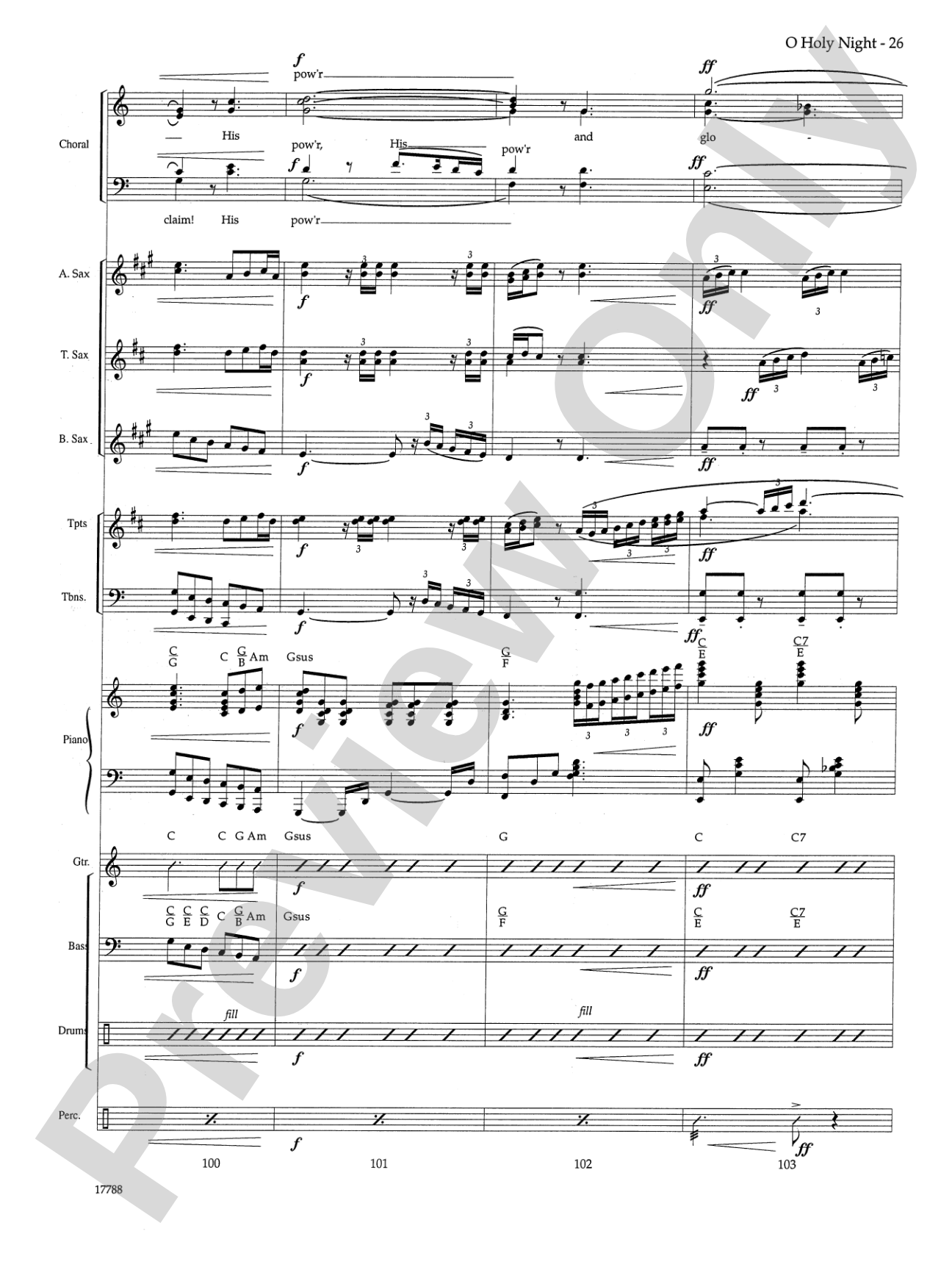
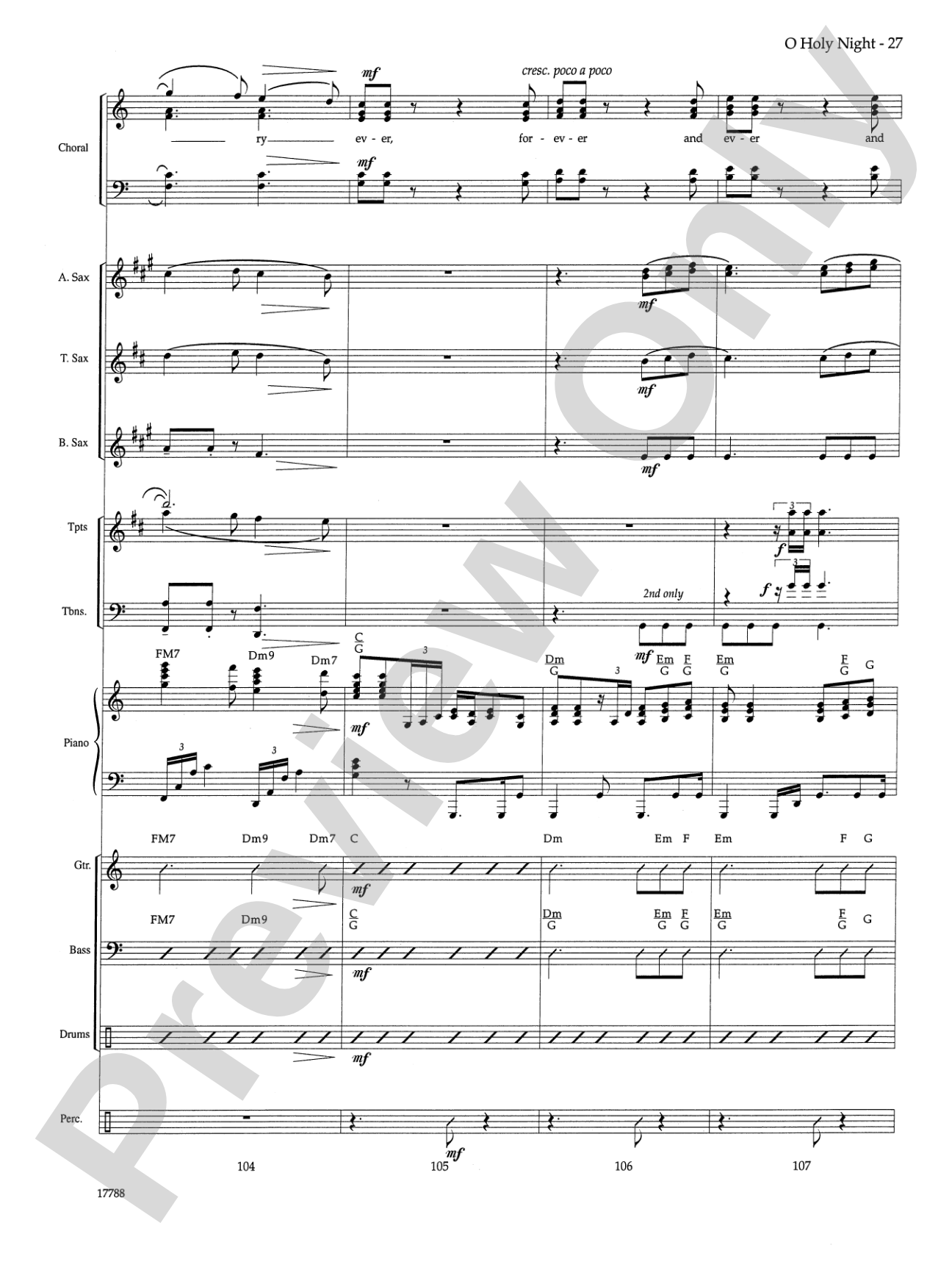
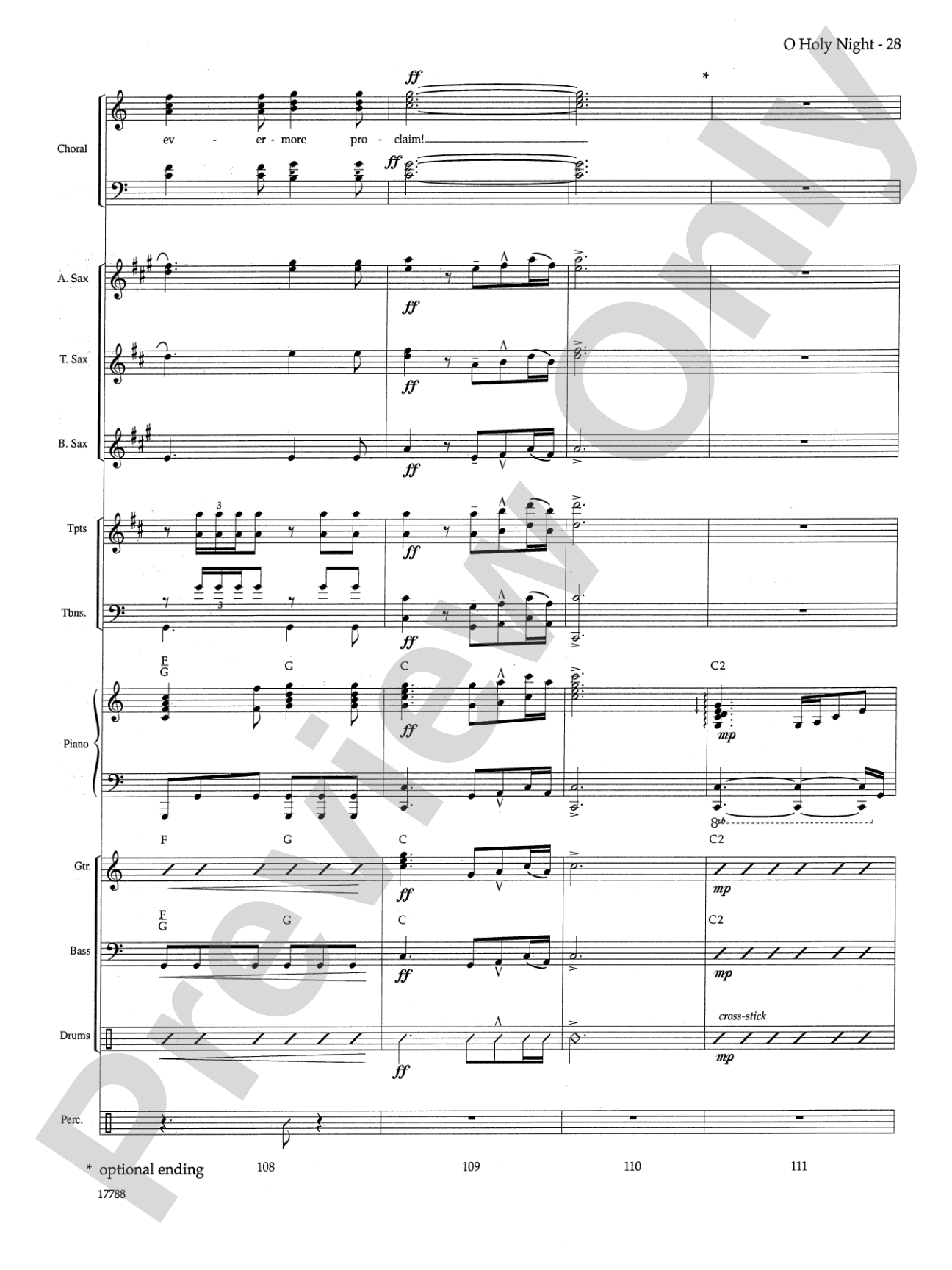


O Holy Night: Choral SoundPax
Music by Adolphe Charles Adam / arr. Mark Hayes
Item: 00-PK-0000246

$35.00
Pickup currently not available
Buy Extra Parts (Digital PDF Download)
Parts Added to Cart!
Related Items
O Holy Night: SATB Choral Octavo |
$2.95
|
View | |
O Holy Night: SAB Choral Octavo |
$2.95
|
View | |
O Holy Night: TTBB Choral Octavo |
$2.95
|
View | |
O Holy Night: SATB Choral Octavo |
$2.95
|
View | |
O Holy Night: TTBB Choral Octavo |
$2.95
|
View | |
O Holy Night: Choral Octavo SoundTrax CD |
$27.99
|
View | |
O Holy Night: Choral SoundPax |
$35.00
|
View |
Description
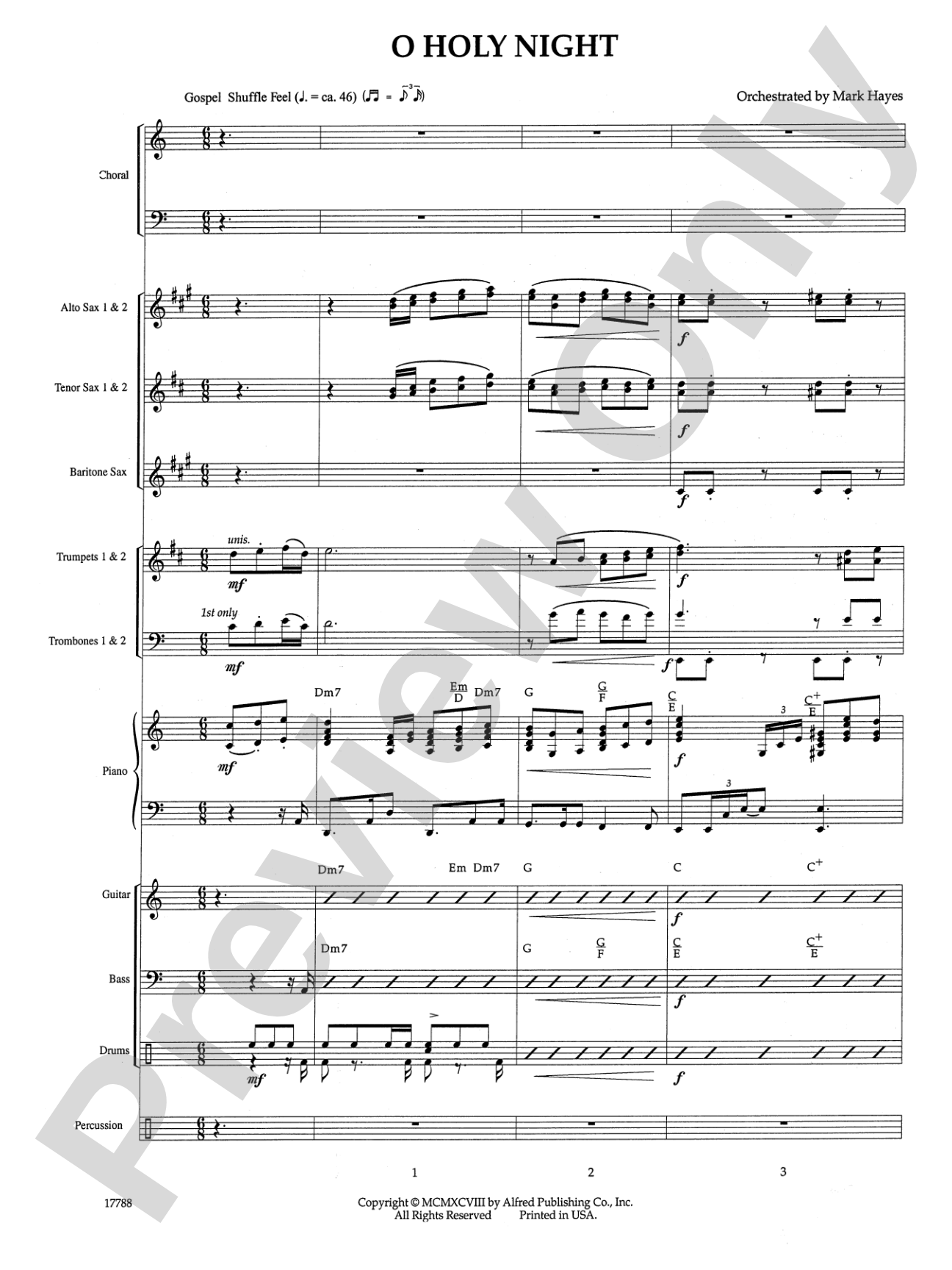
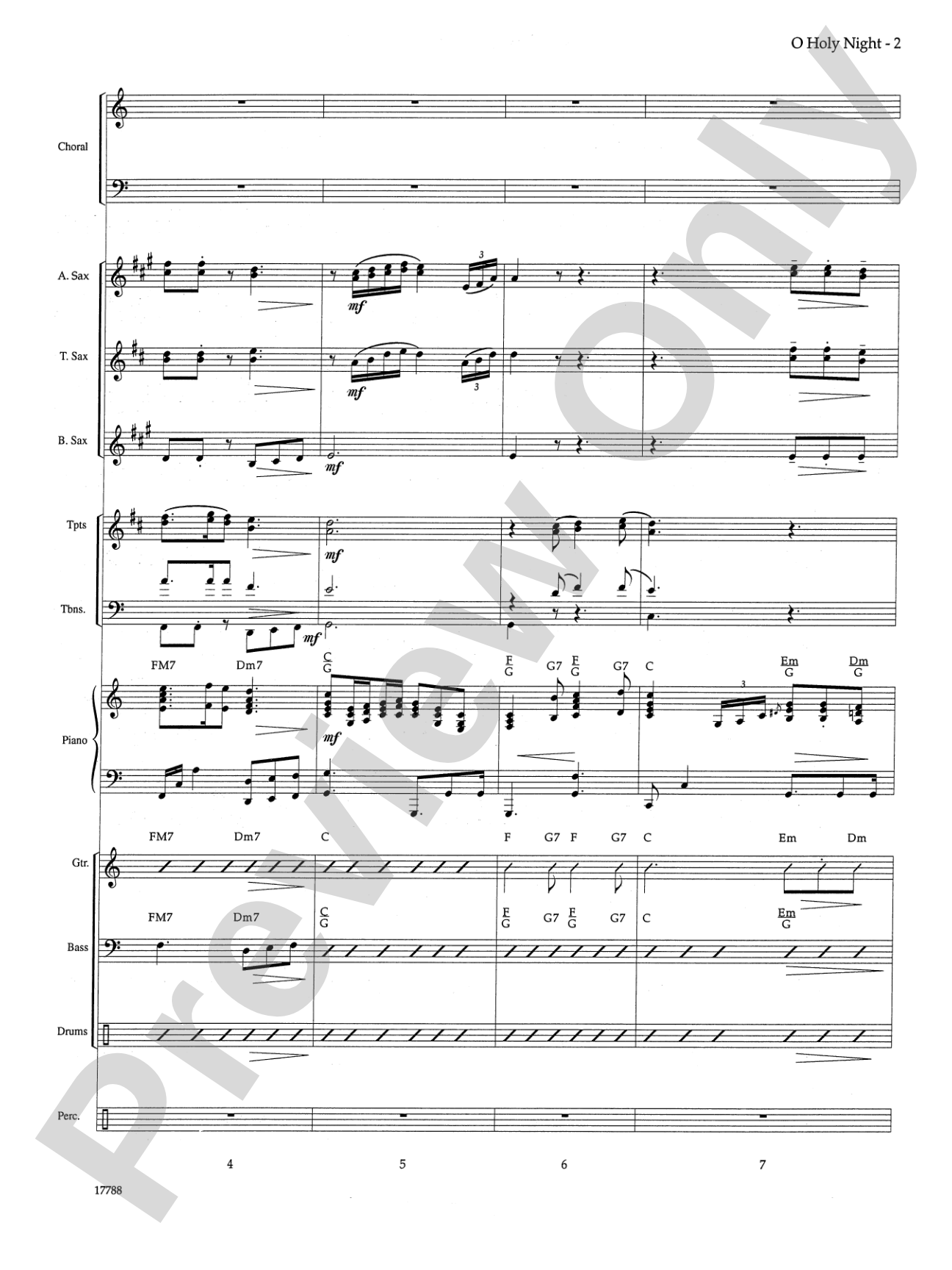
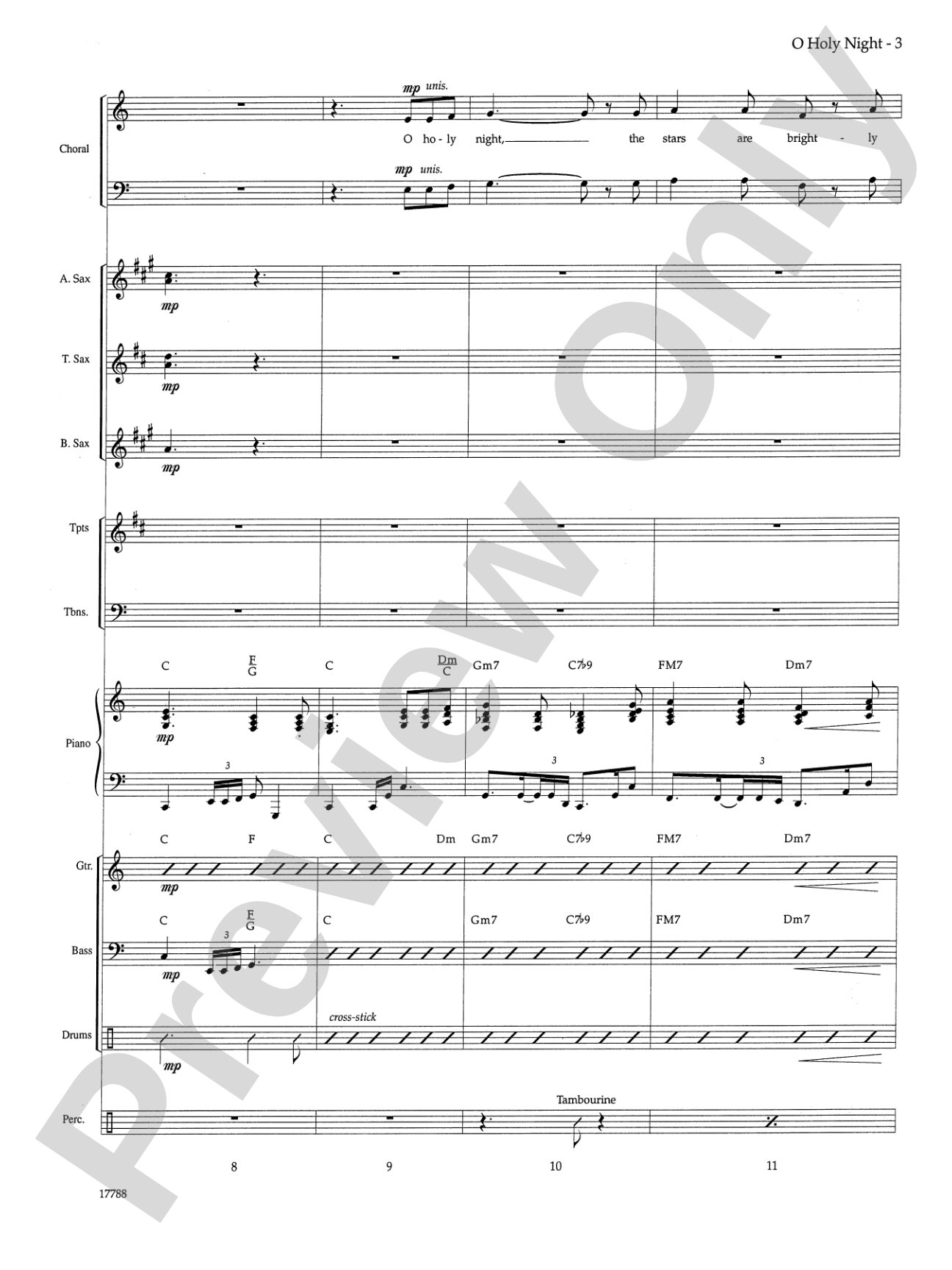
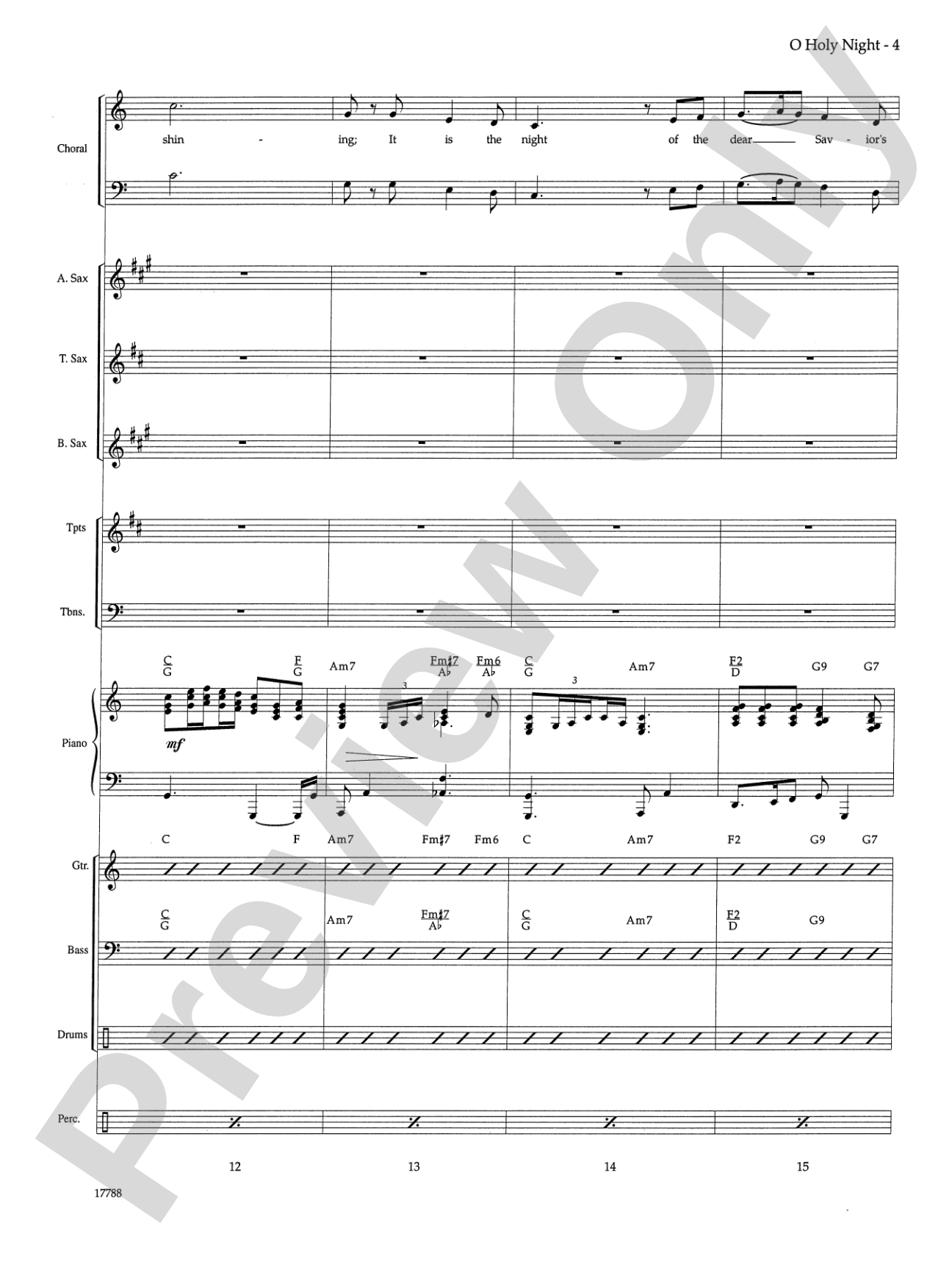
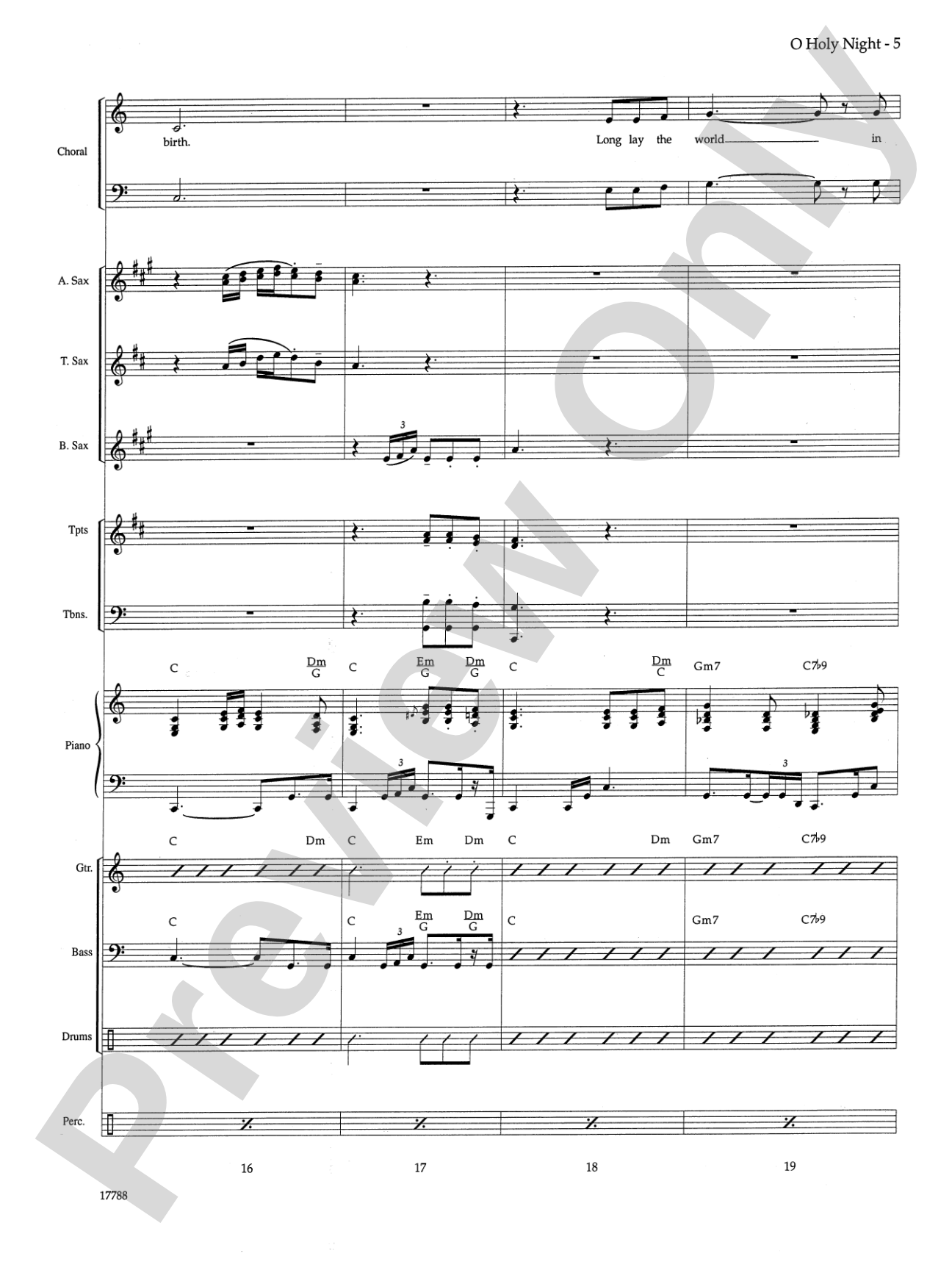
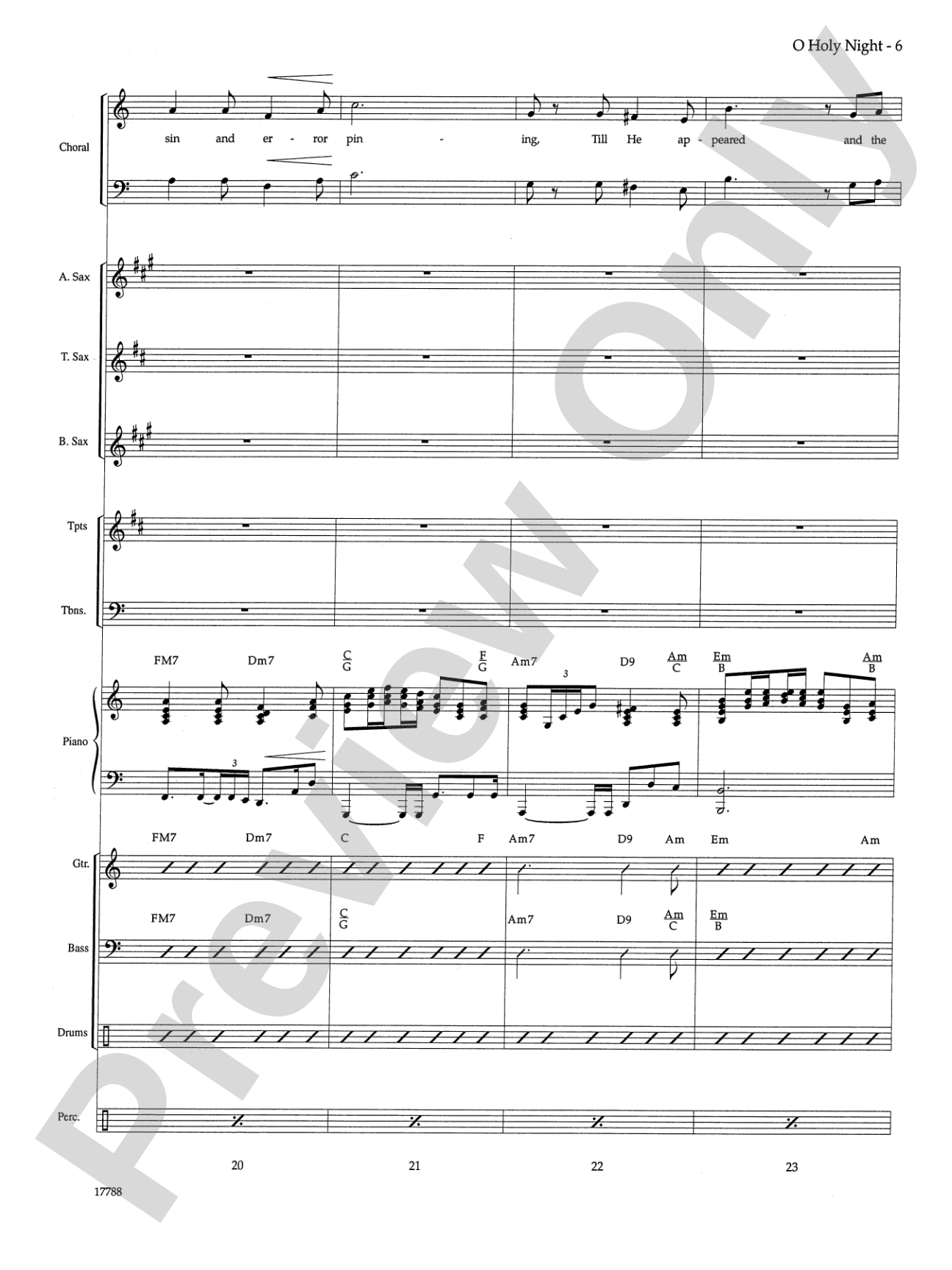
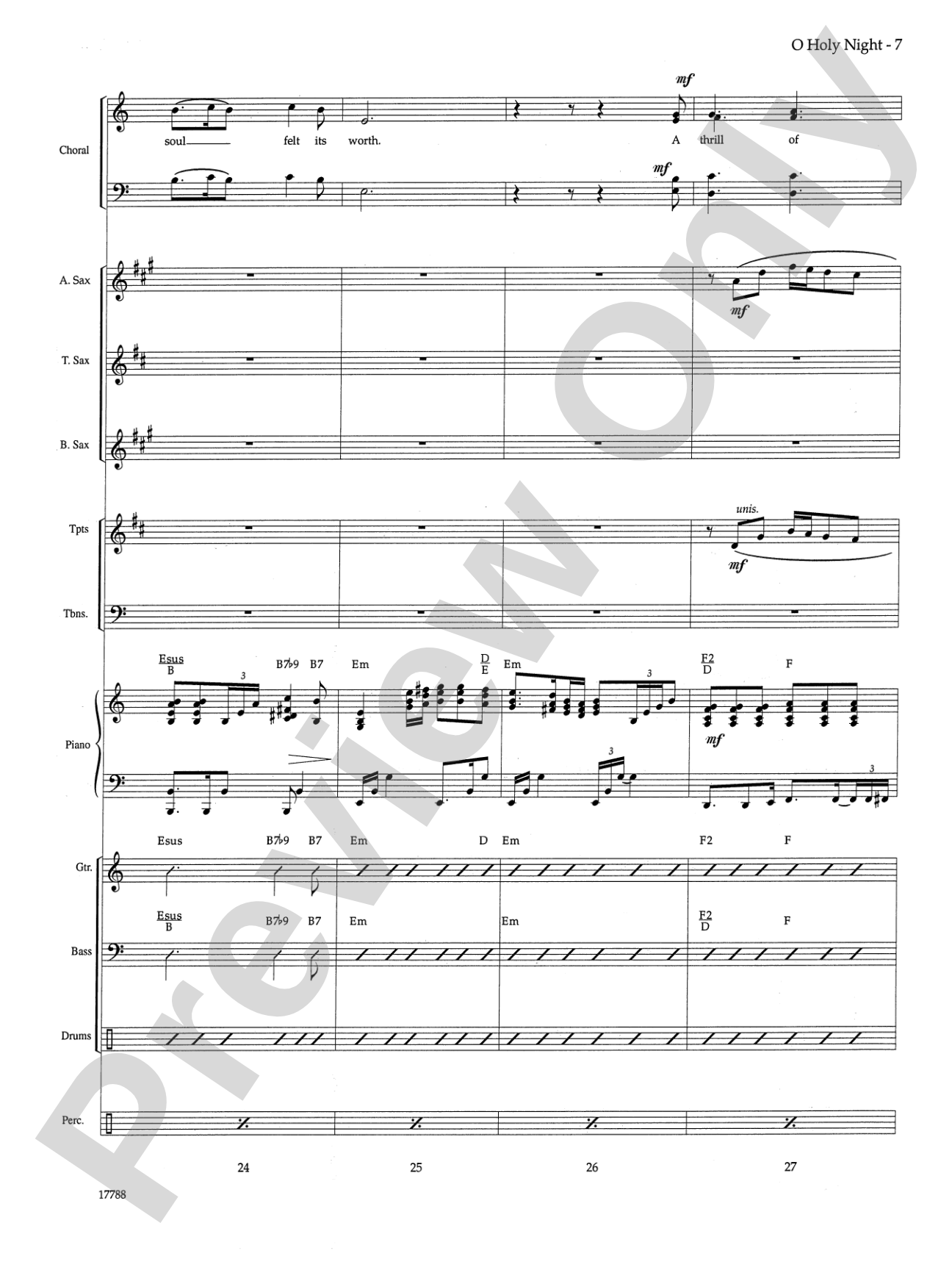
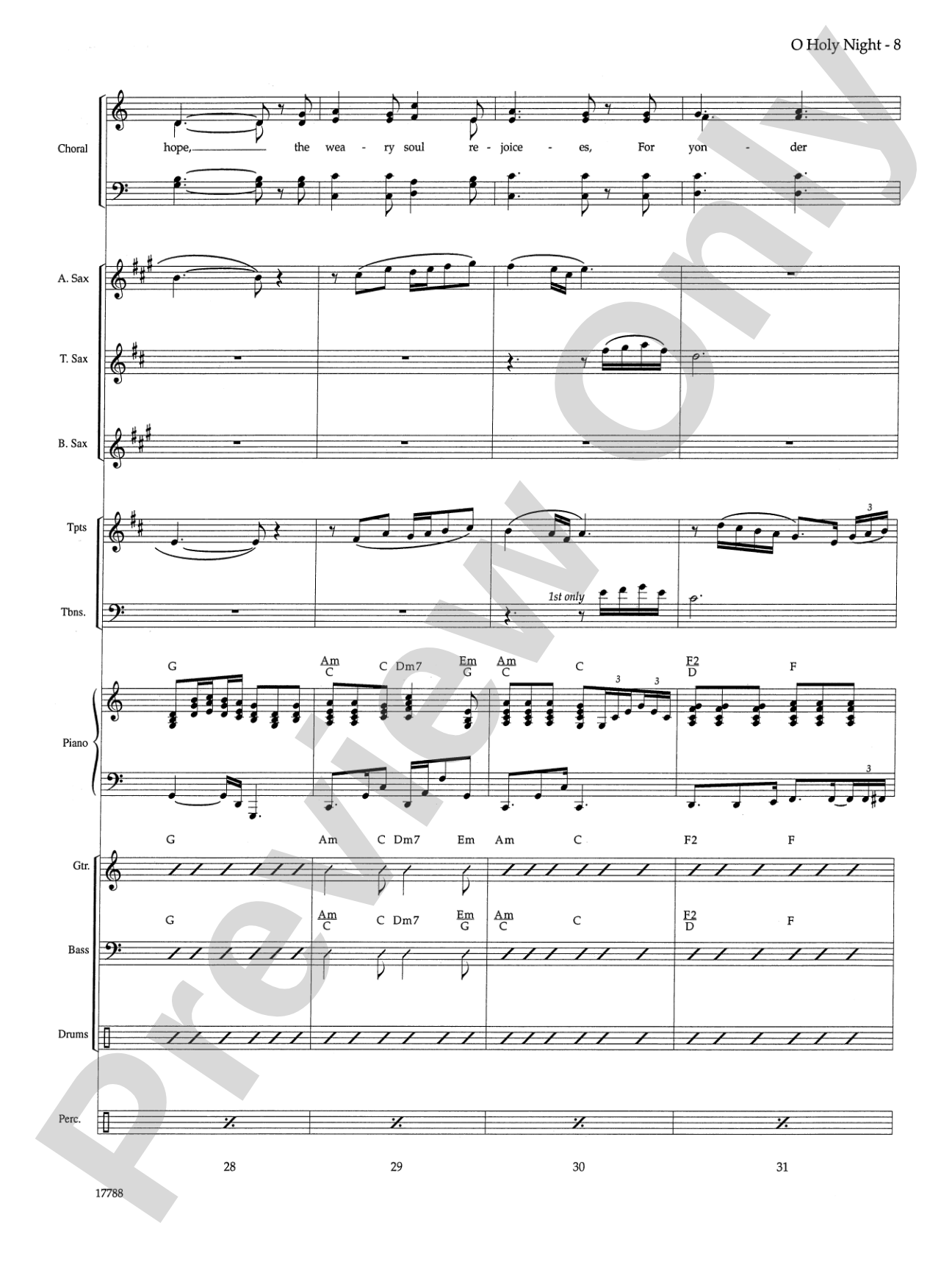
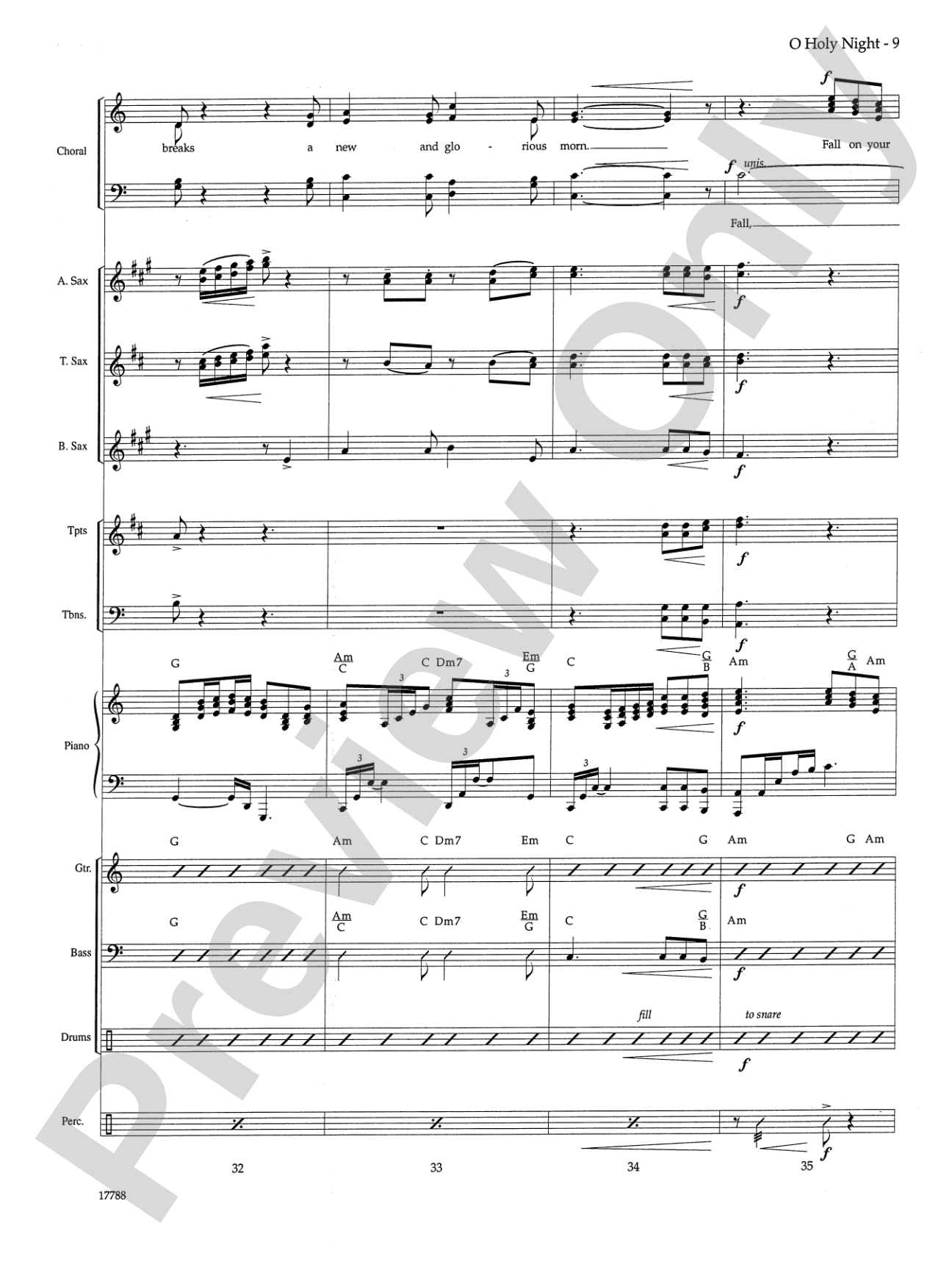
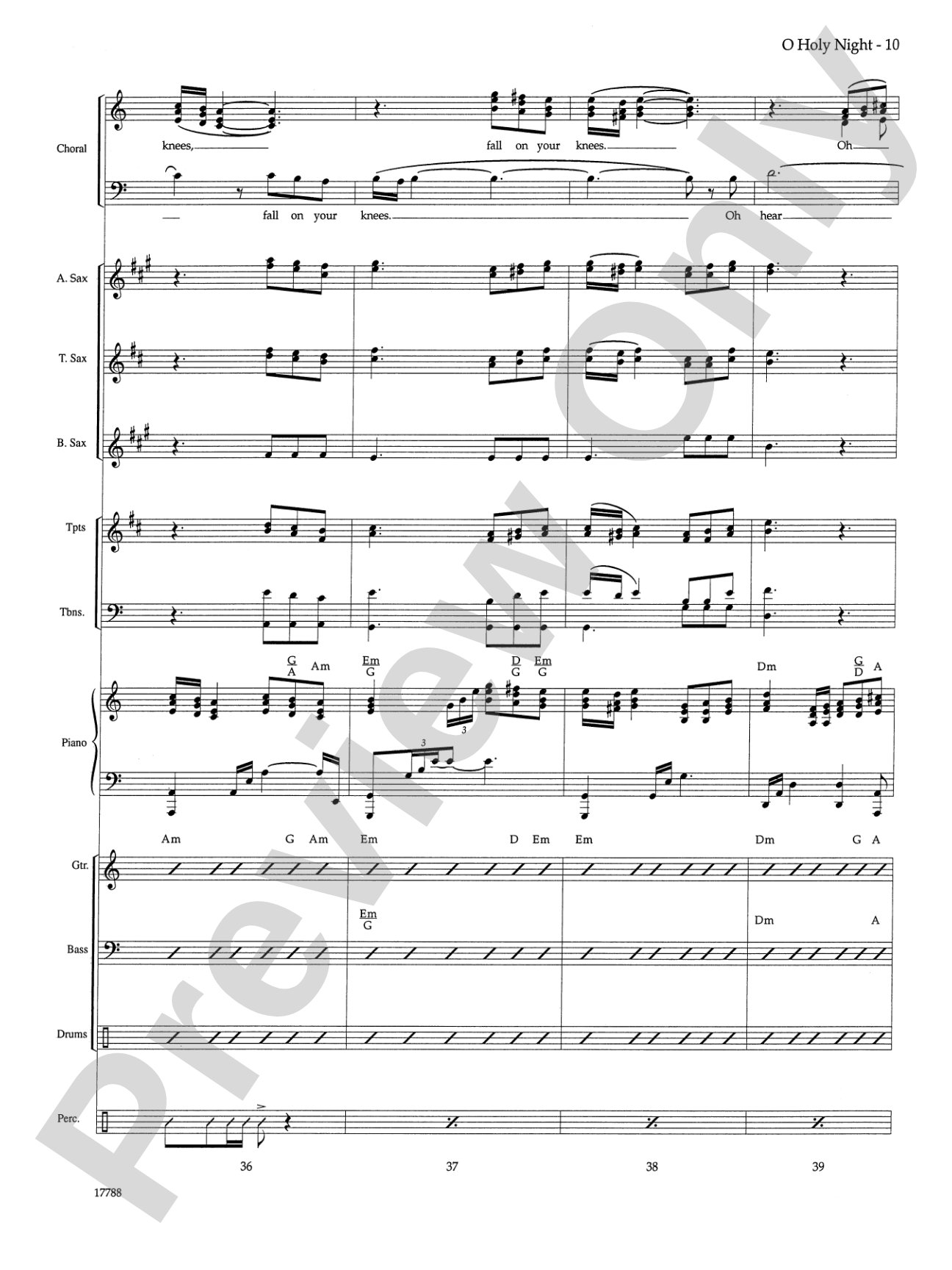
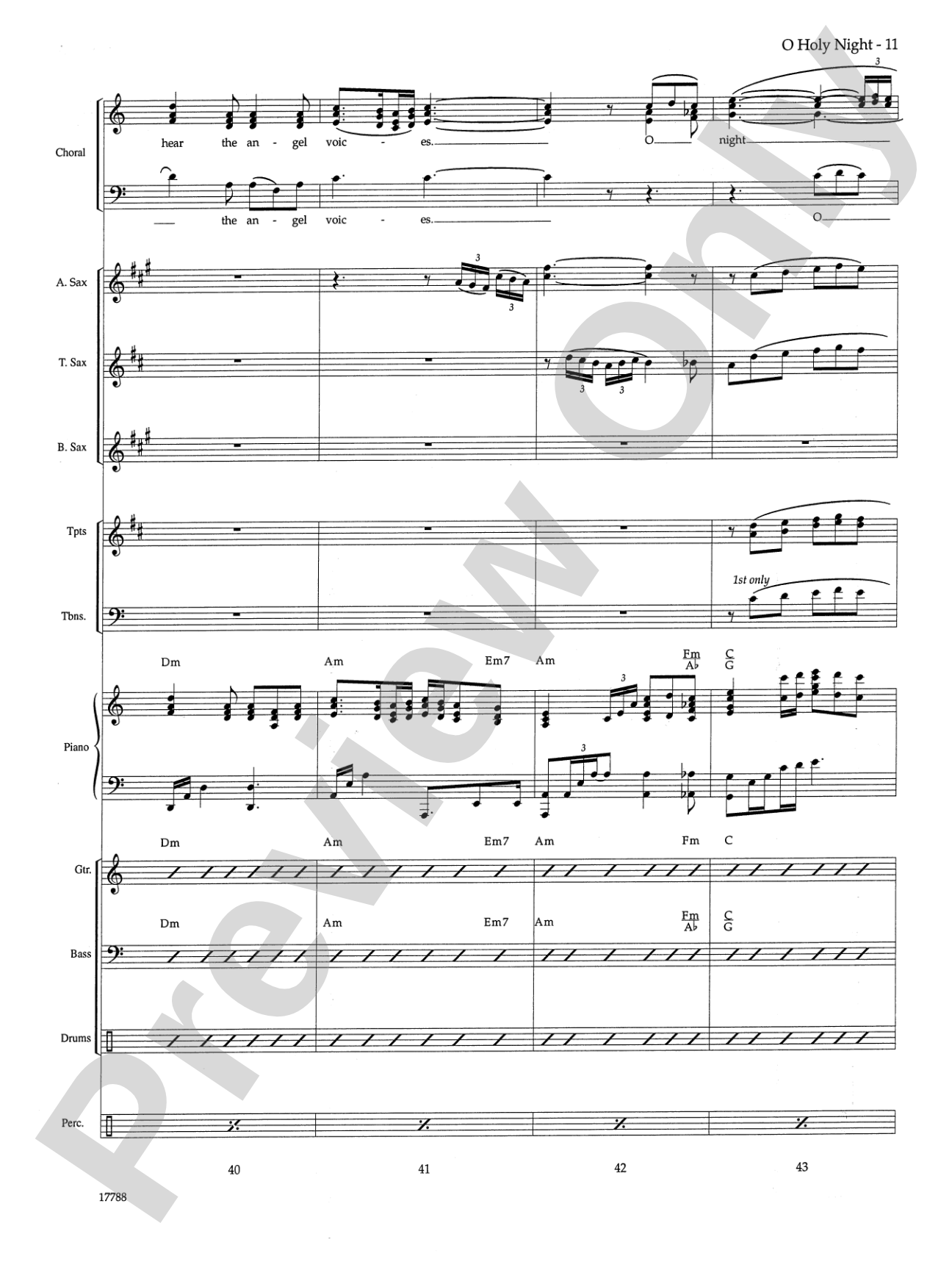
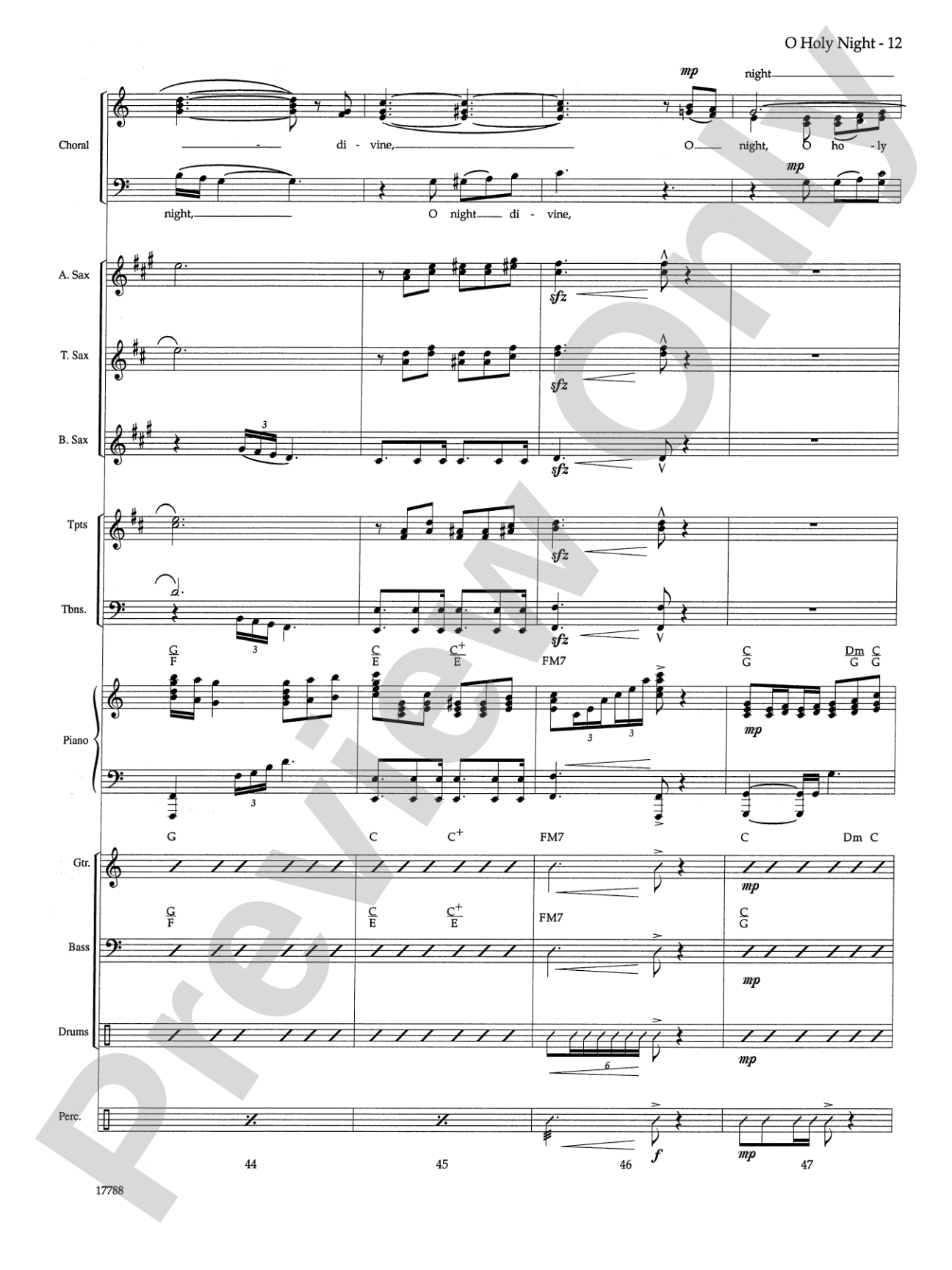
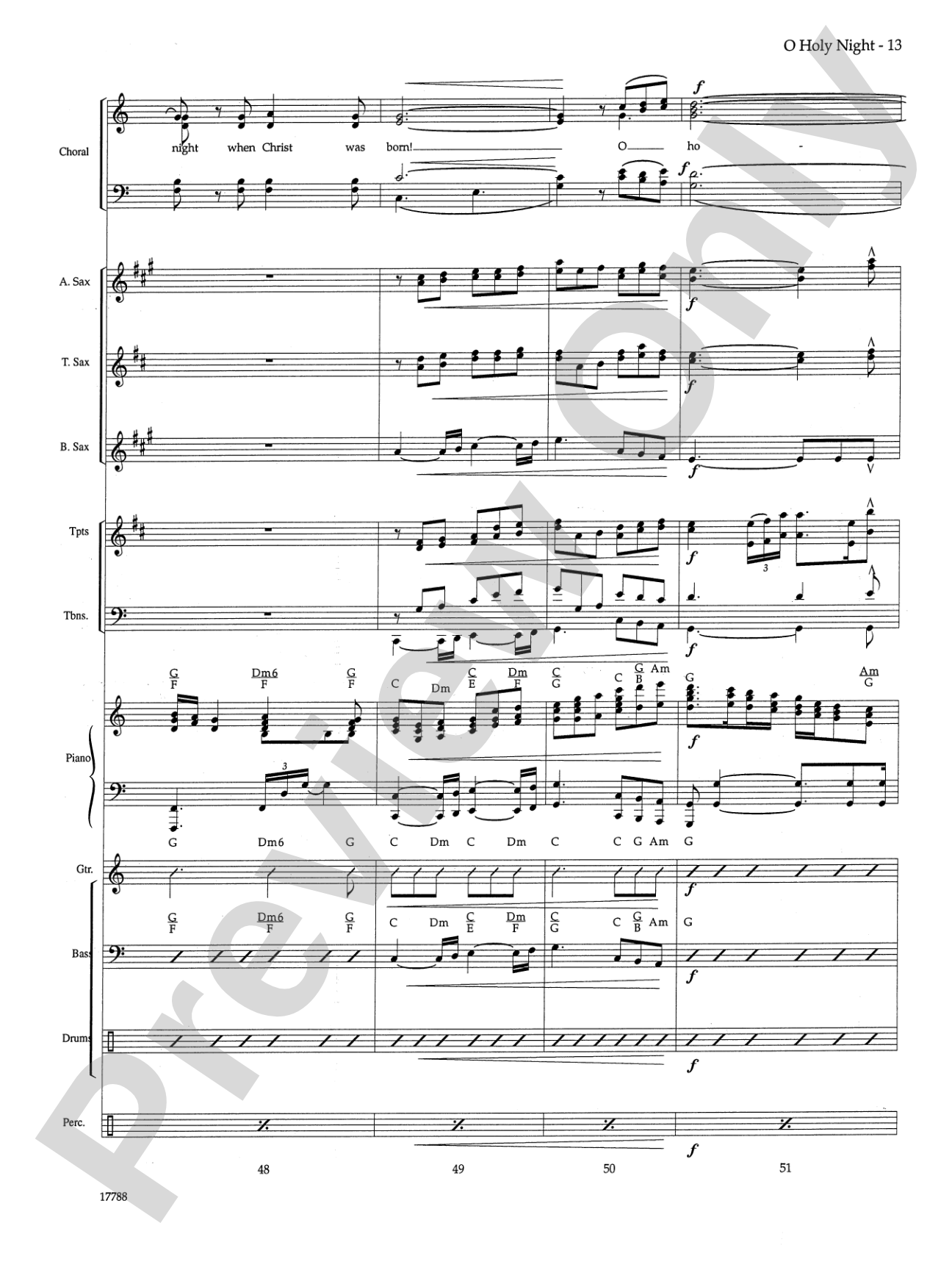
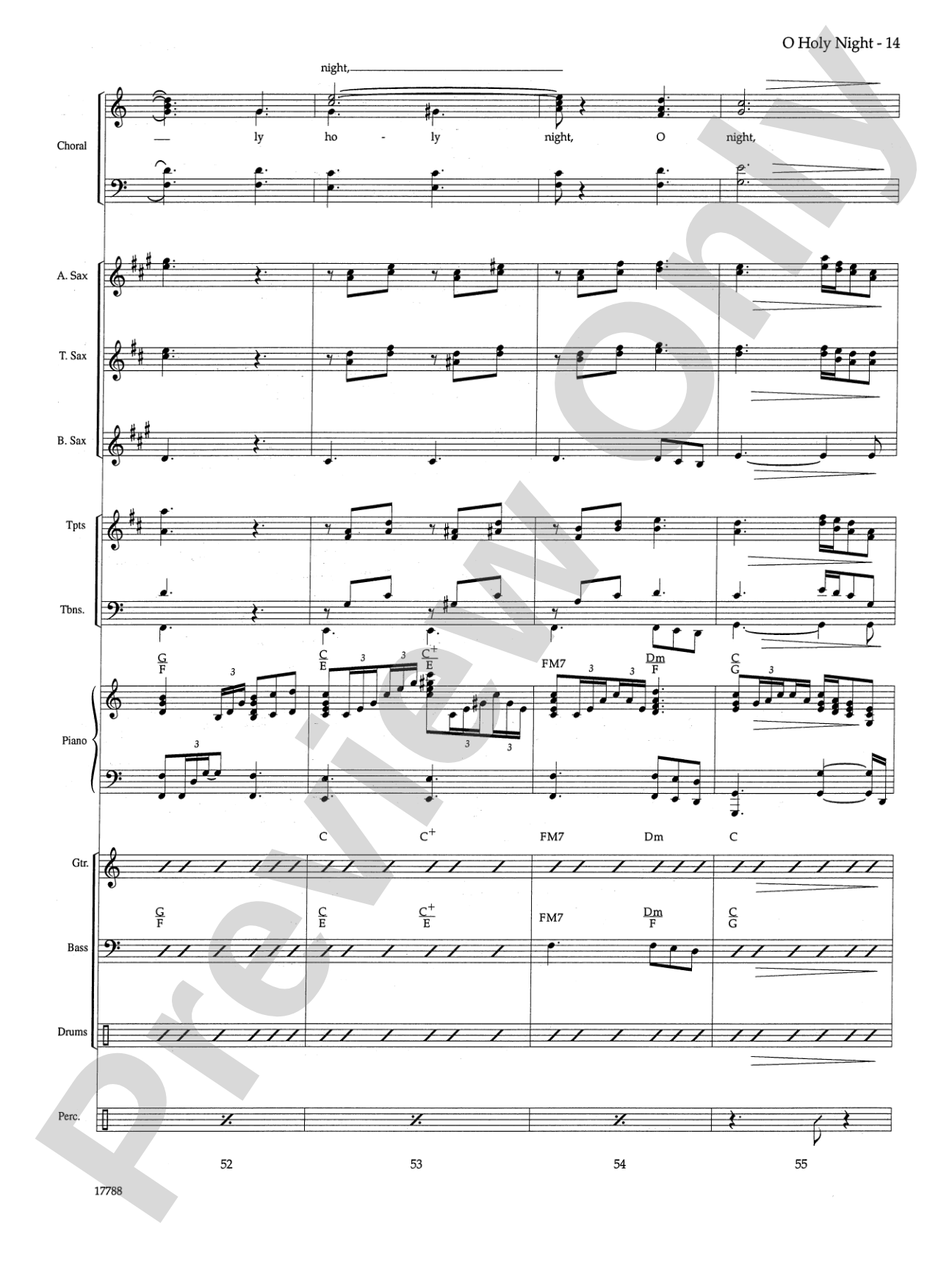
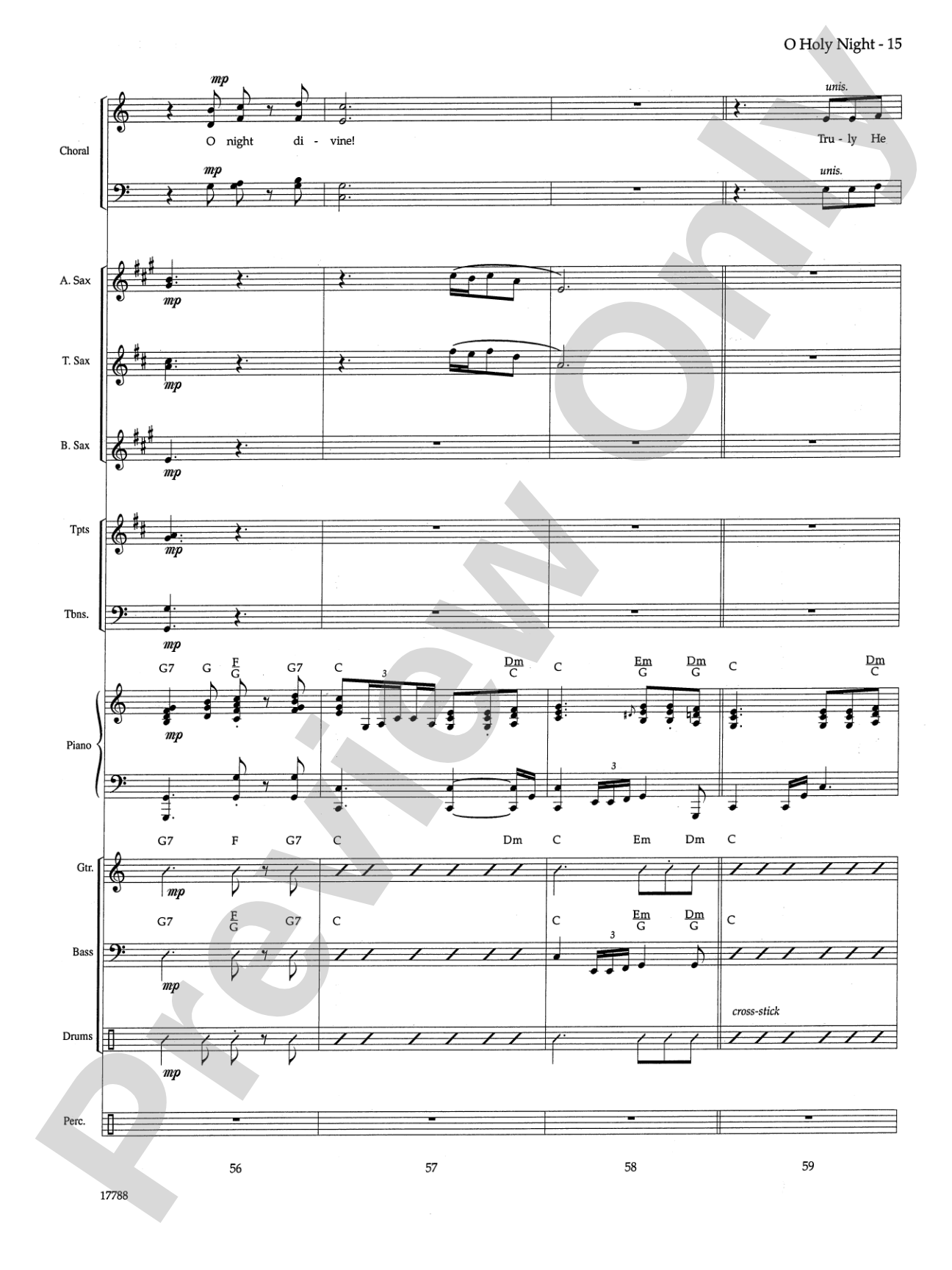
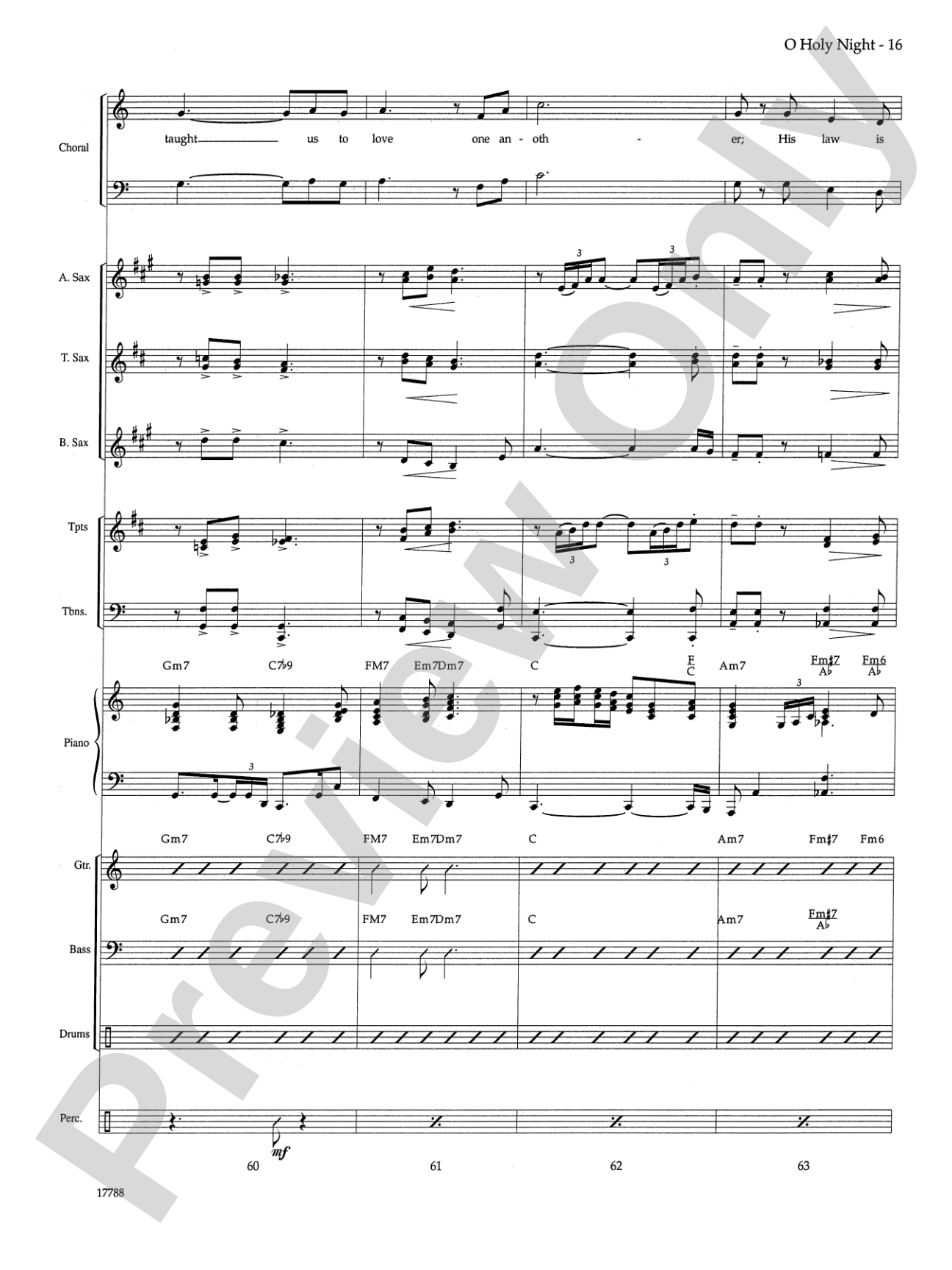
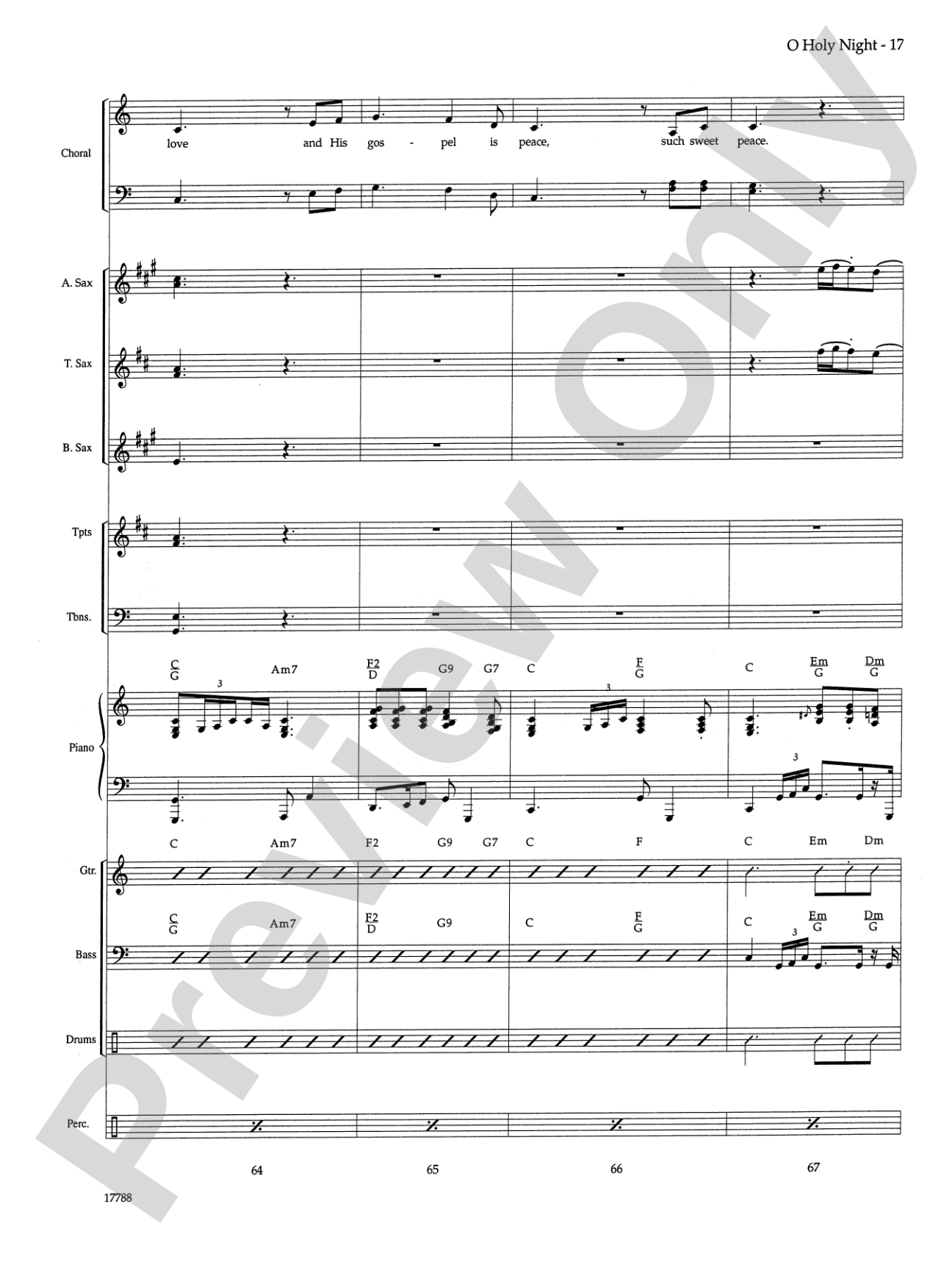
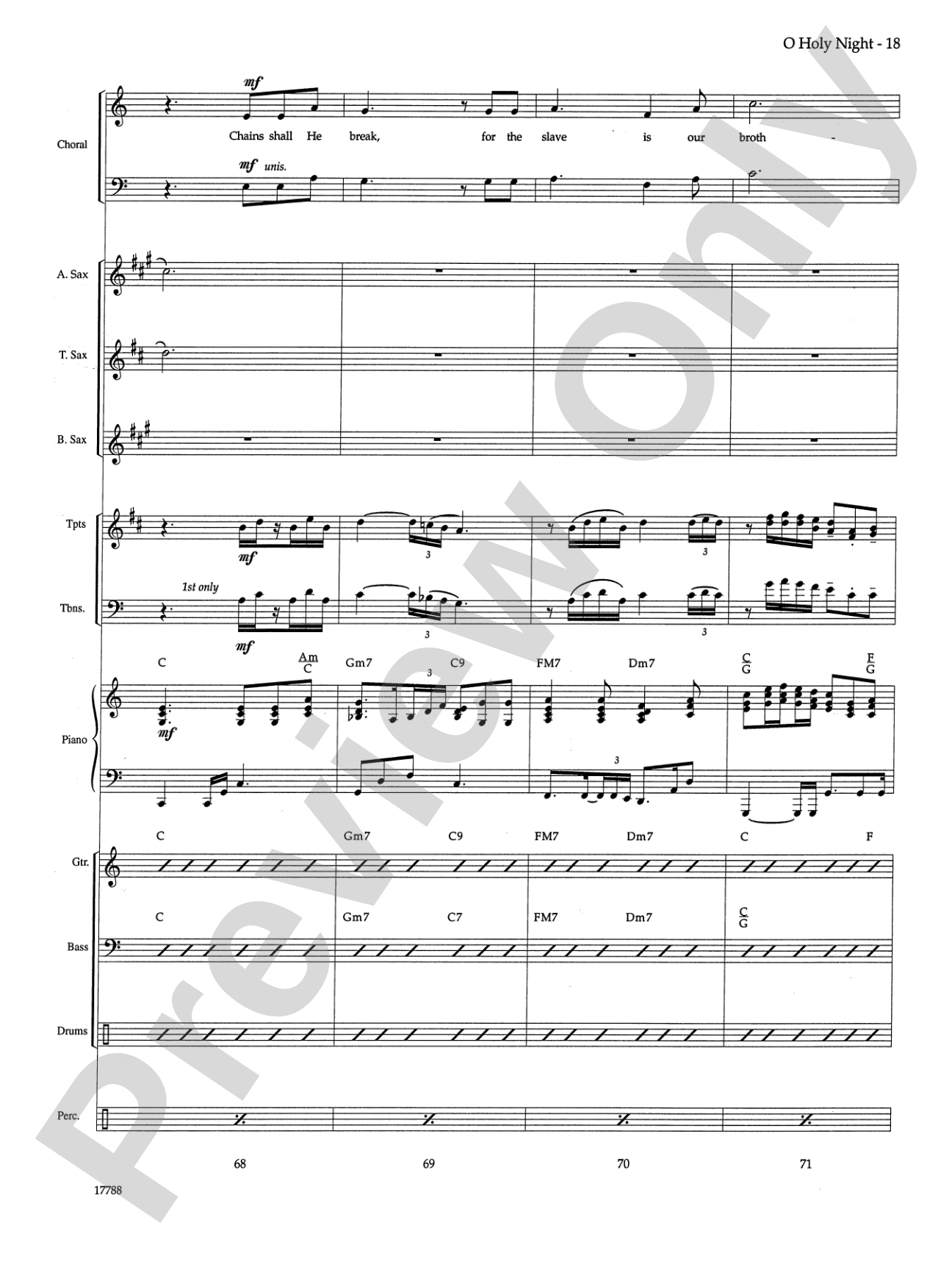
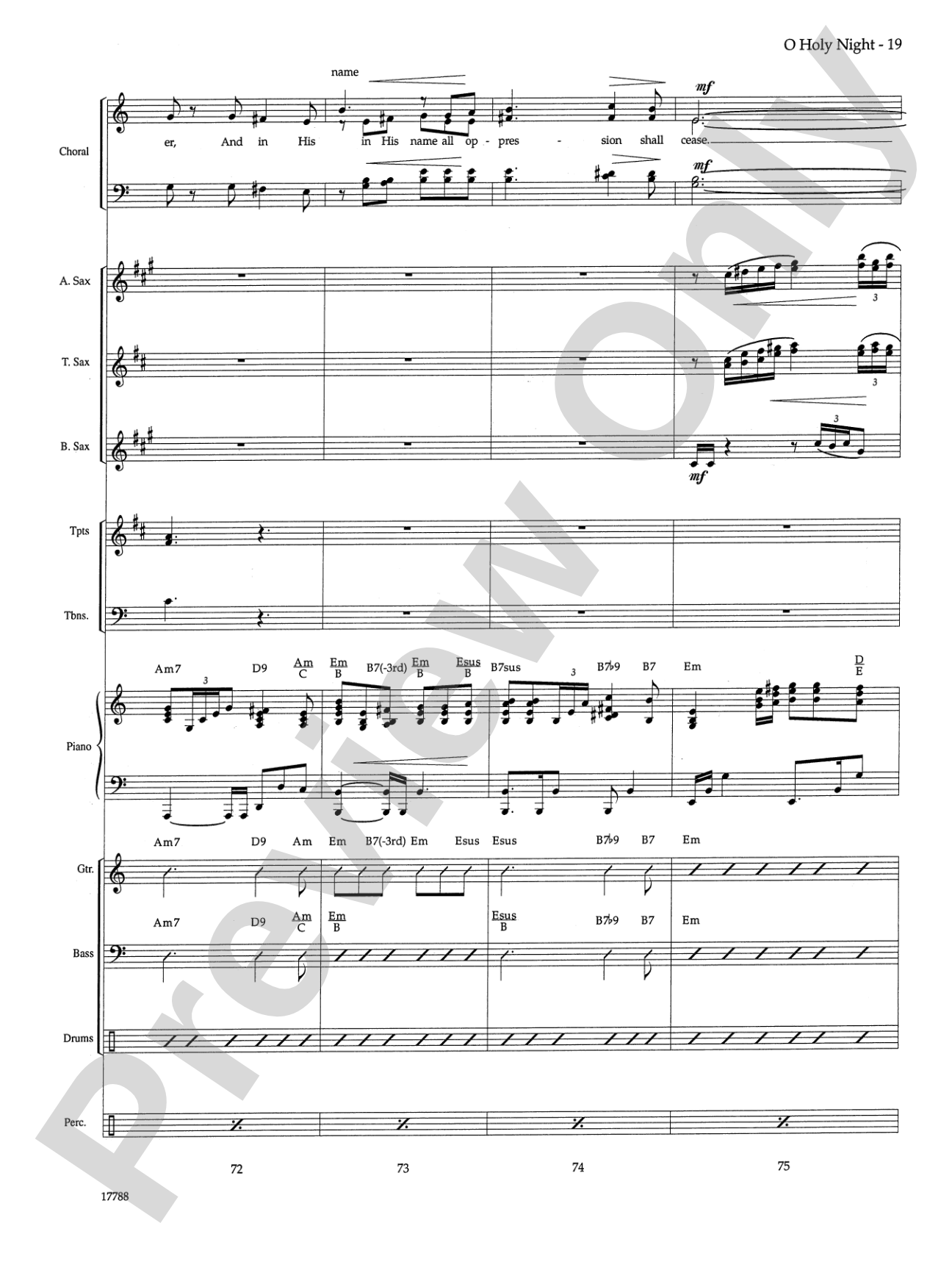
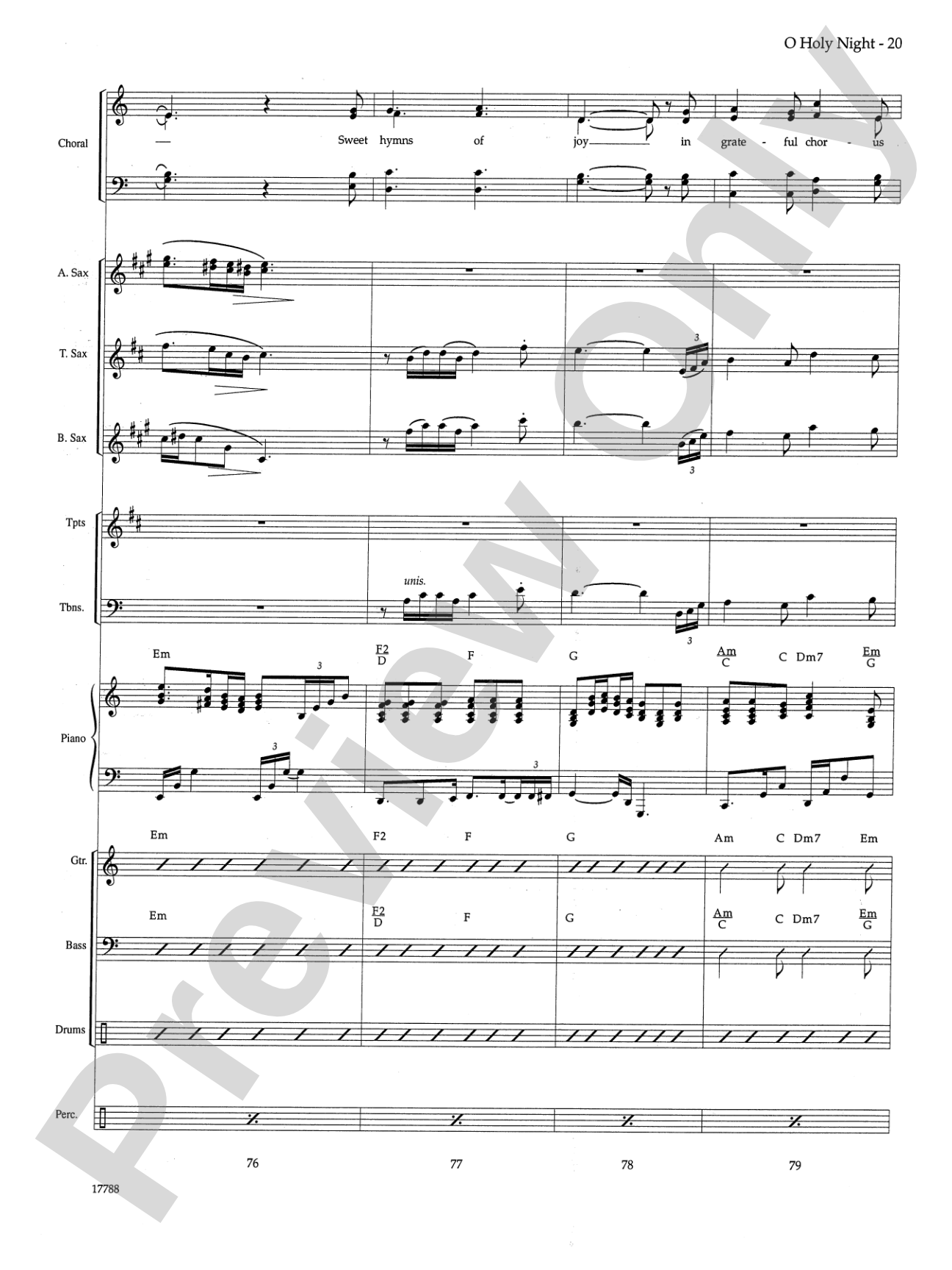
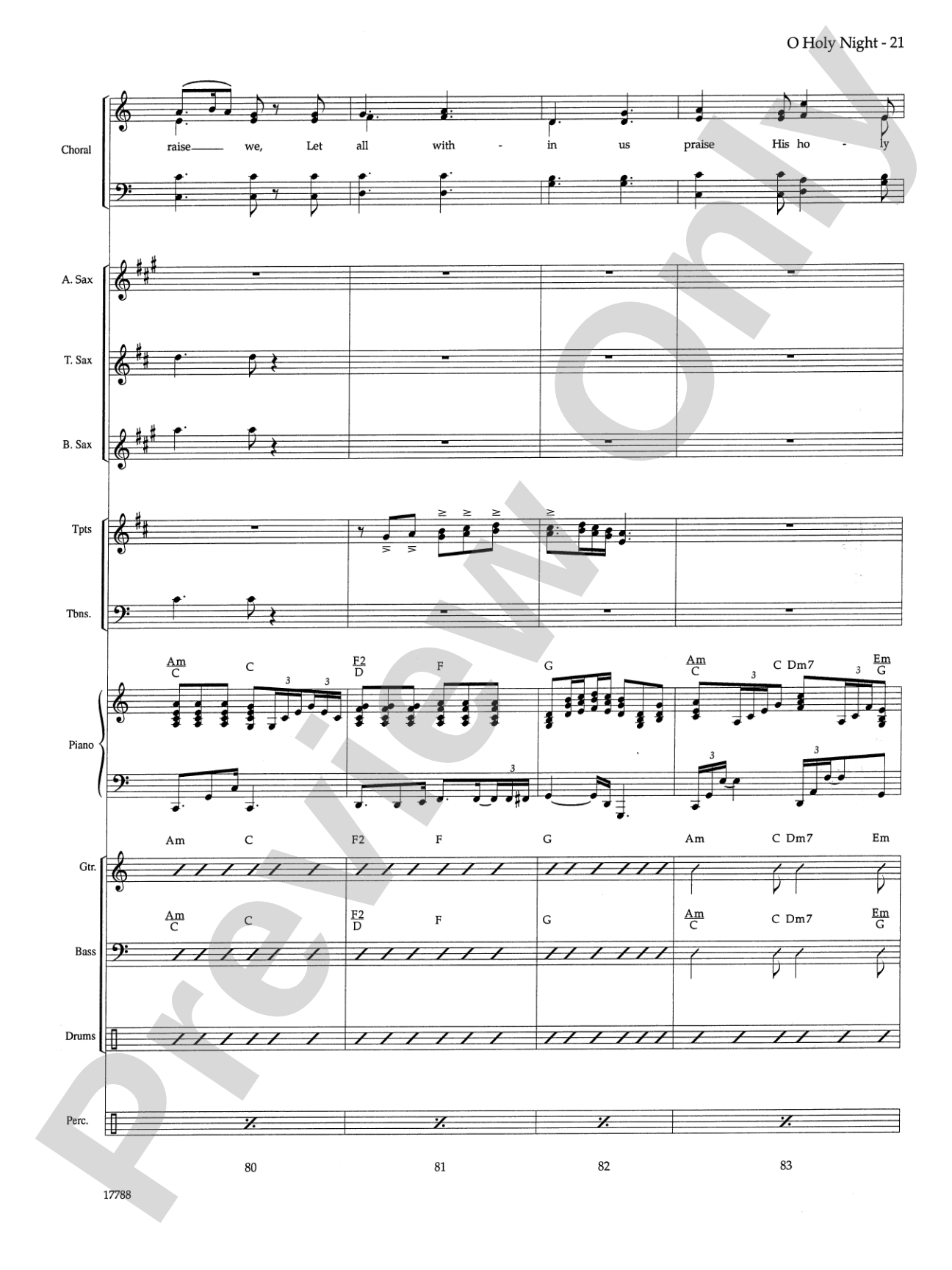
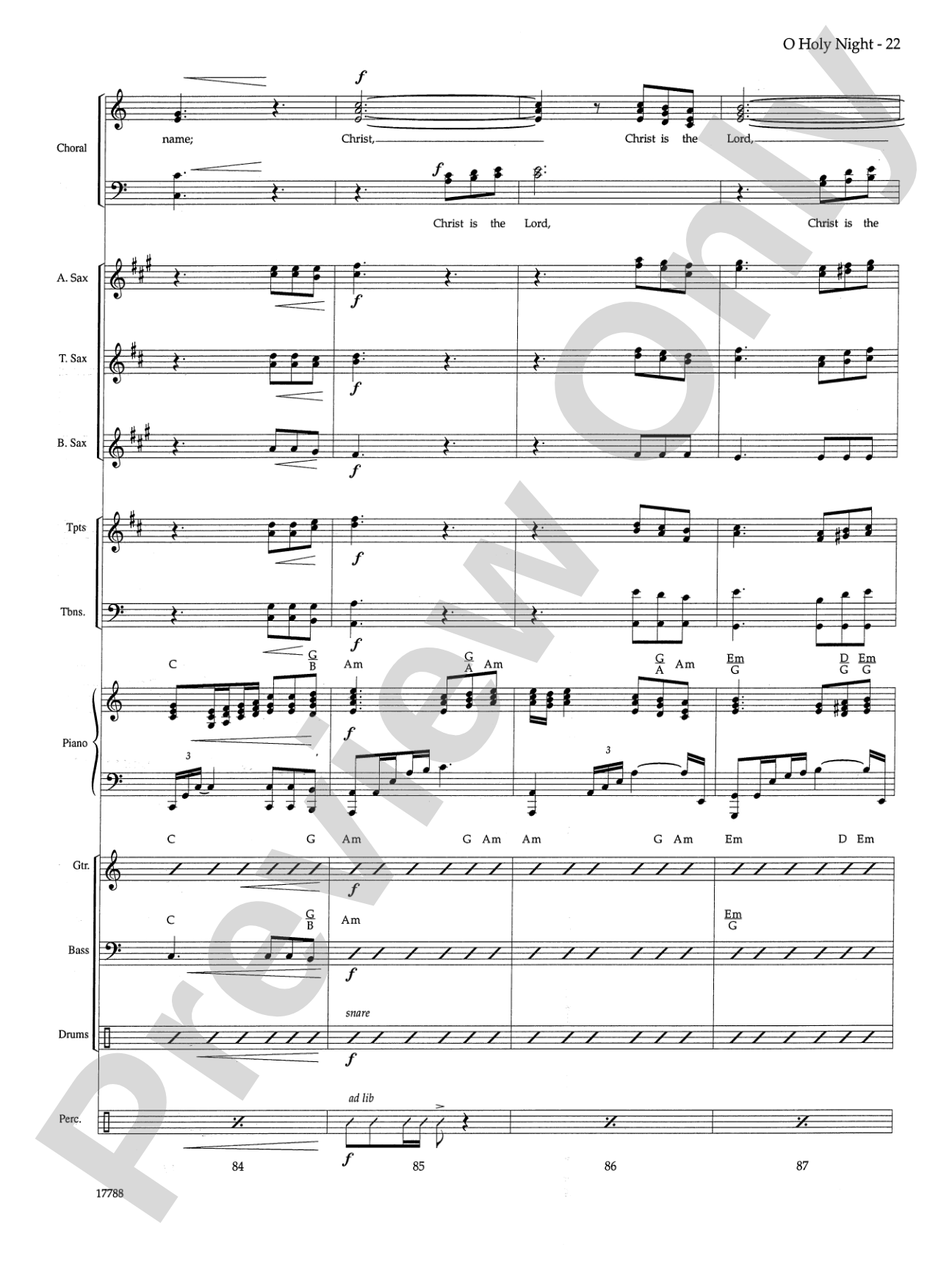
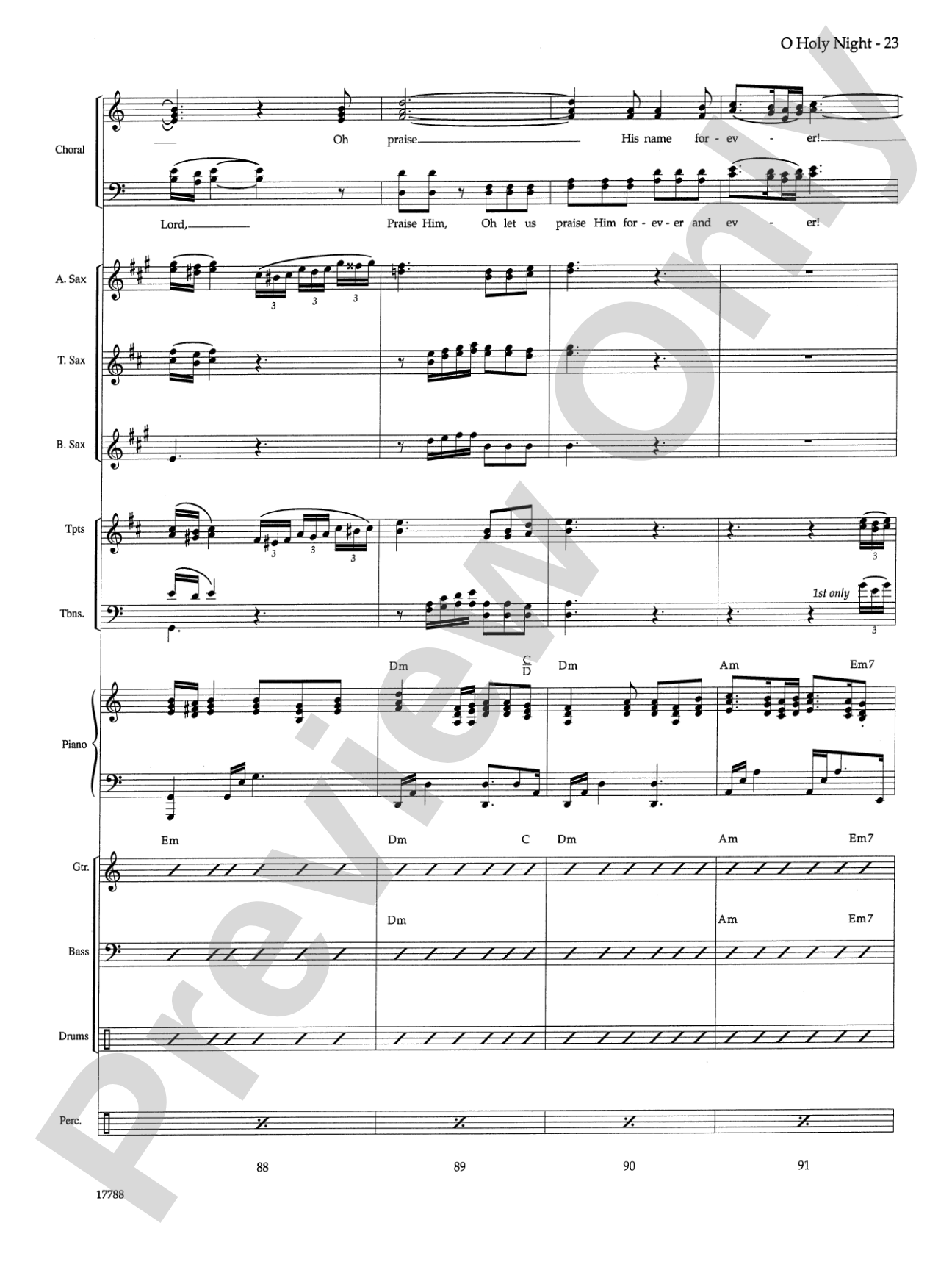
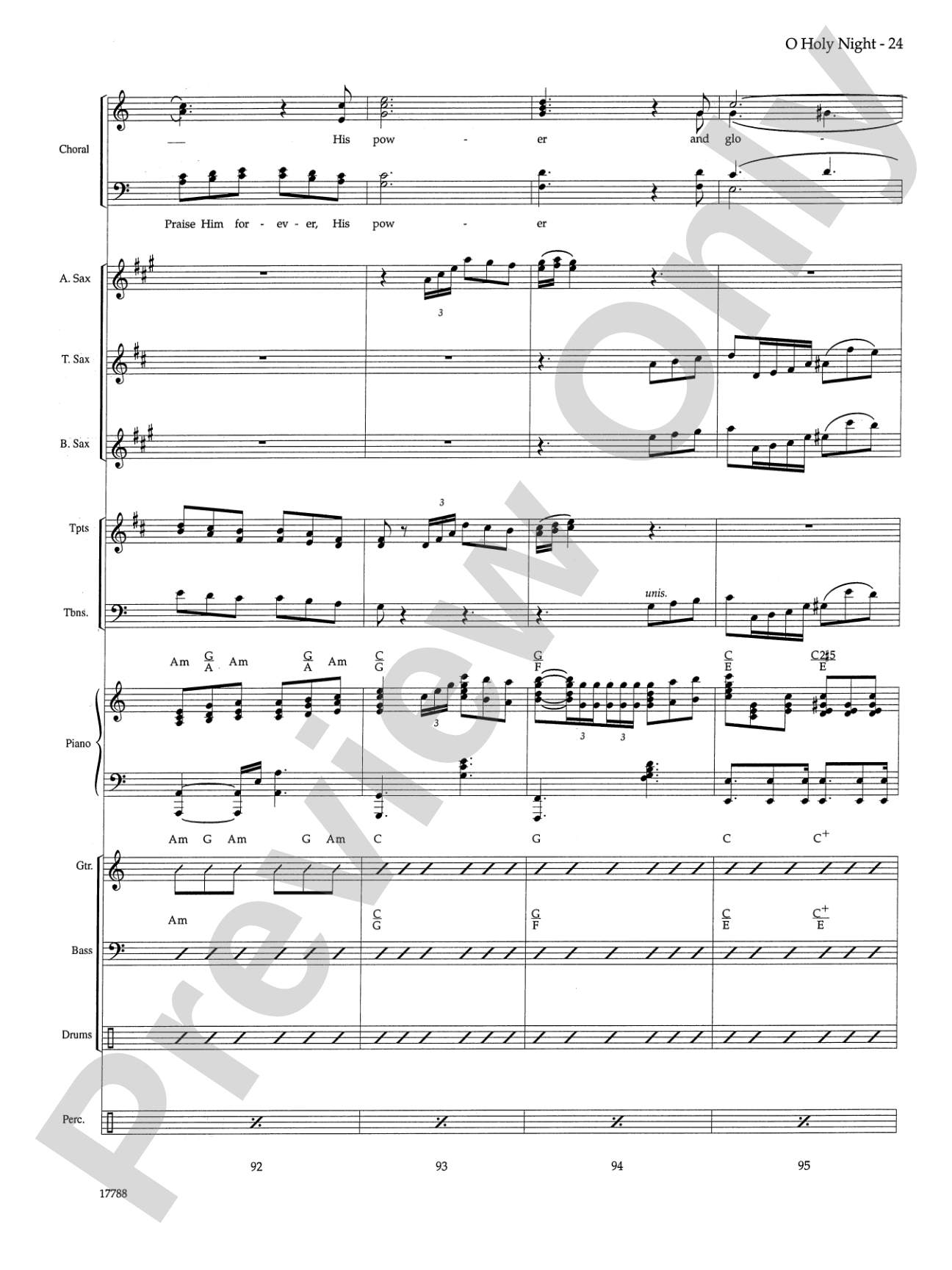
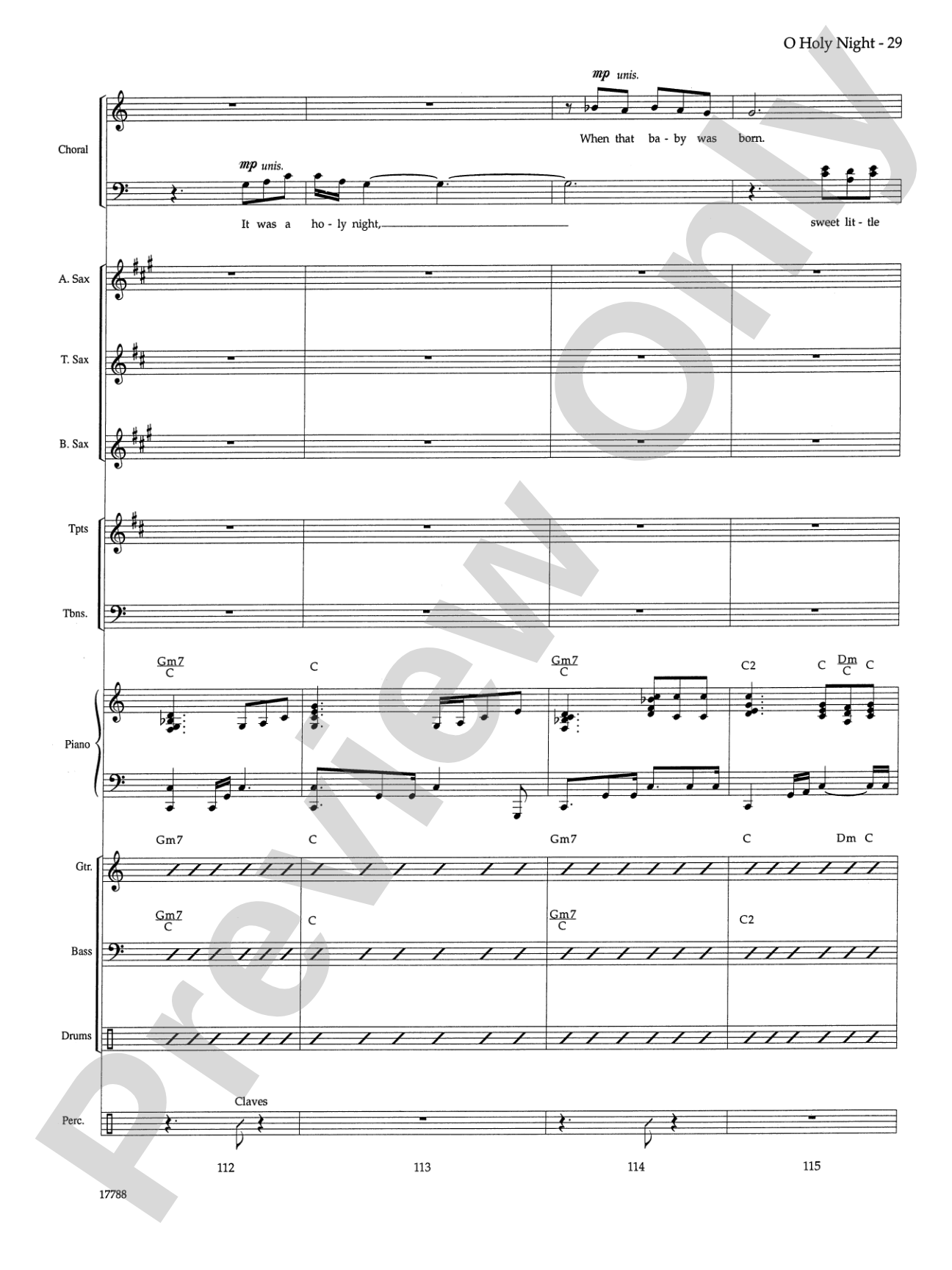
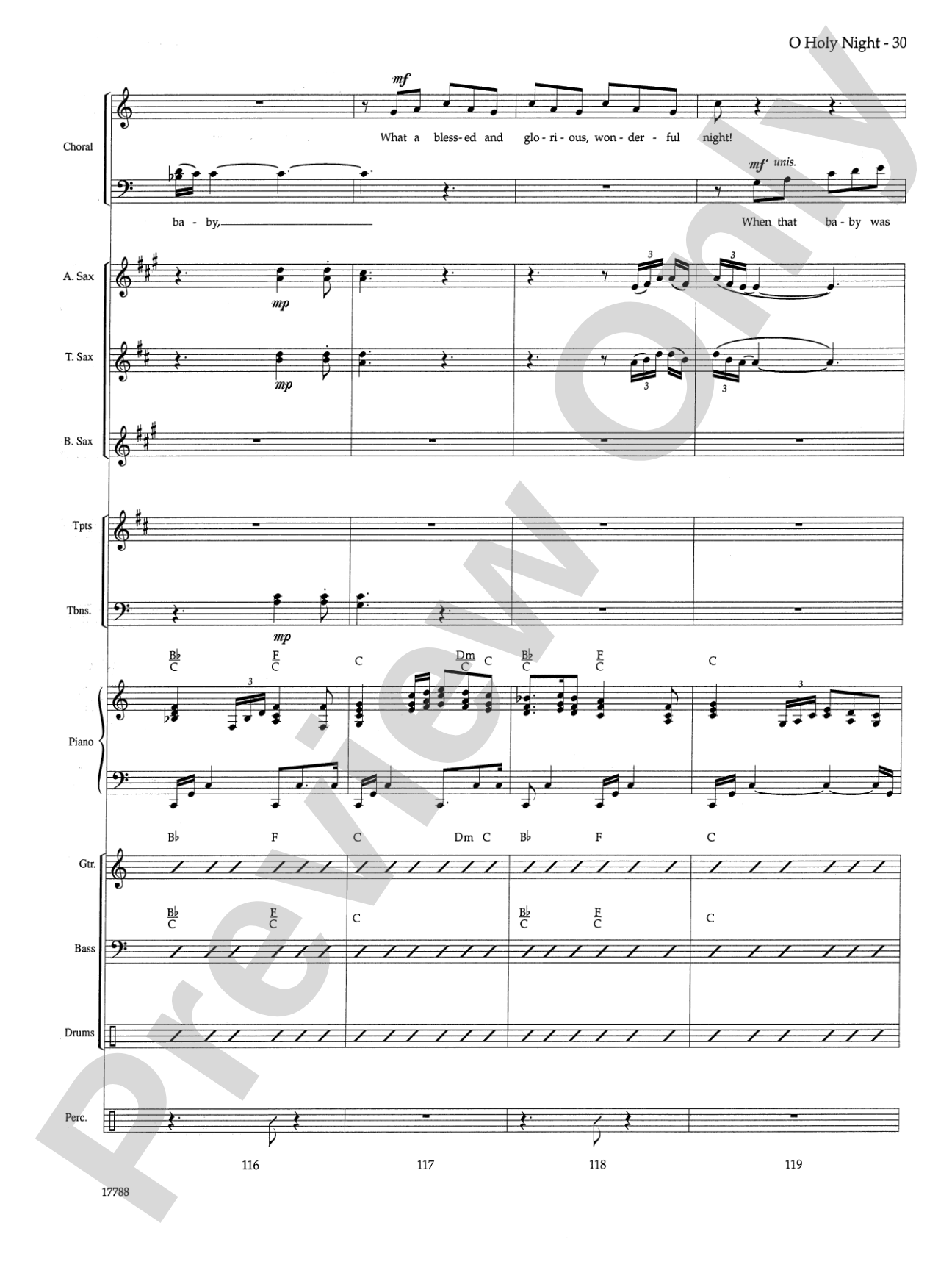
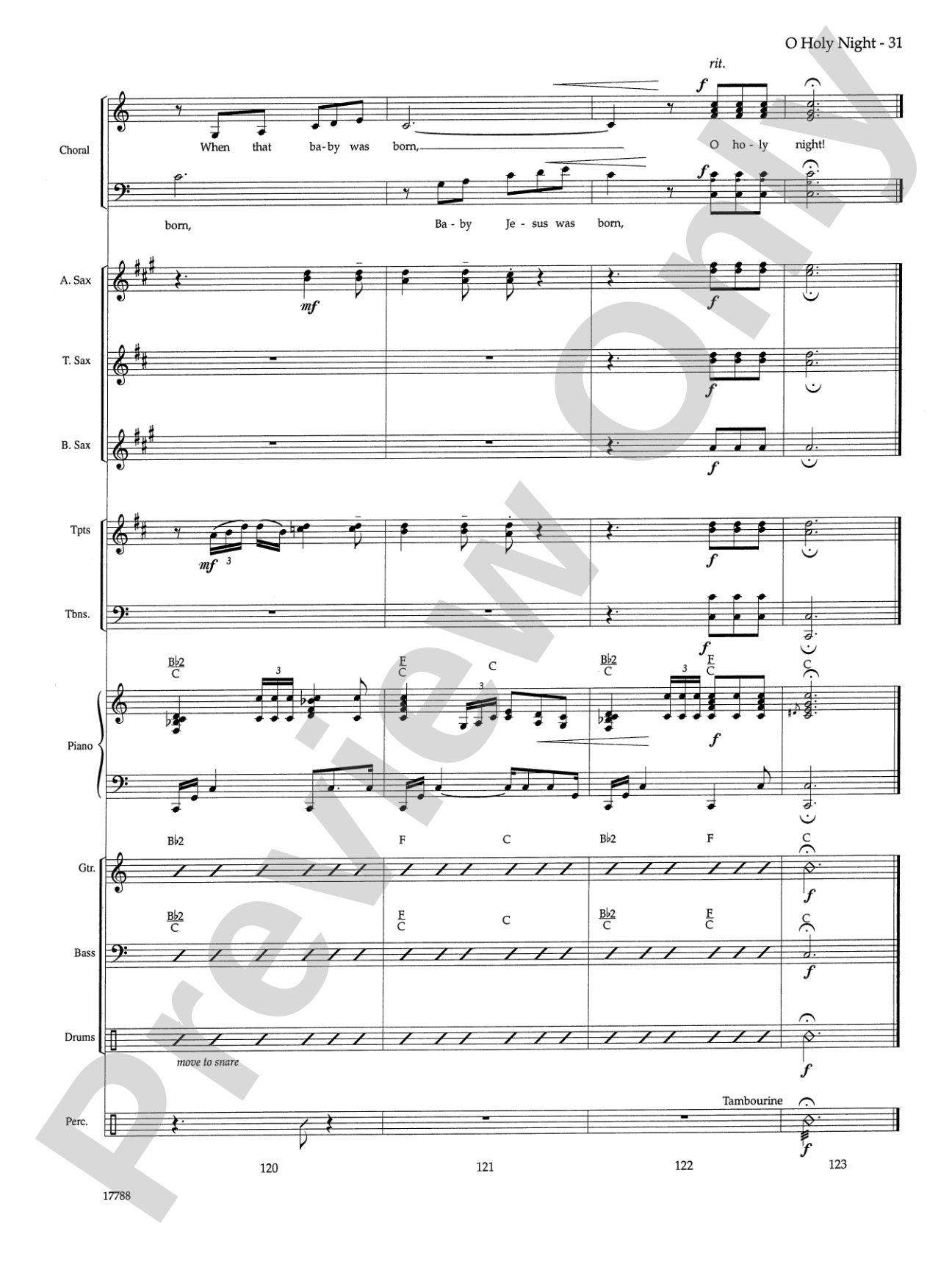
Superb gospel-style arrangement by Mark Hayes. Fresh, contemporary, big, powerful. Sure to elicit an emotional response from your singers and audiences. InstruPax includes: director's score, 2 trumpets, 2 trombones, 2 alto & 2 tenor saxes, baritone sax, rhythm, percussion.


Don't just read it, hear it, play along with it, and watch your students grow with it. In MakeMusic Cloud, O Holy Night: Choral SoundPax comes alive with professional accompaniment, adjustable tempo, and built-in practice tools that turn solo practice into real progress.
Open in the Player
Jump straight in and assign it today.
Start Your Free Trial
Open this title and explore the full library in minutes.
Sample Audio
1
Audio File
--:--
0:00
0:00
Sample Video
No sample videos found.
Additional Details
Series:
Alfred Choral Designs
Publisher:
Alfred Music
Page Count:
52
SKU:
00-PK-0000246
Instrumentation:
2 trumpets, 2 trombones, 2 alto & 2 tenor saxes, baritone sax, rhythm, percussion, score
More about this title
About the Composer: Adolphe Charles Adam
Adolphe Charles Adam (1803-1856) composed music across opera, ballet, and sacred works during the Romantic era. His most enduring contribution to Christmas music is "O Holy Night," originally written as part of the 1847 opera "Le Timbre d'Argent." The melody has since become one of the most performed and arranged sacred songs worldwide, appearing in countless musical contexts from liturgical settings to concert halls.
Adam's gift for writing singable, memorable melodies meant his works remained accessible to performers at all levels while retaining genuine musical substance. His influence on choral arrangers reflects his understanding that a strong melody needs space to breathe and connect with listeners.
Why we love this
Mark Hayes transforms this beloved carol into a contemporary gospel celebration that honors the original melody while introducing instrumental textures and harmonic language that speak to modern audiences. The arrangement balances power and intimacy, giving singers real emotional territory to explore without demanding operatic technique. If you program this alongside more traditional repertoire, it creates a compelling contrast that energizes both your choir and the room.
What to expect
The piece radiates warmth and vitality from its first measures. Trumpets and saxophones answer the choir's opening phrases with a call-and-response energy that feels both reverent and celebratory, never precious or overly formal. By the final statements, the full ensemble creates a bright, unified sound that lifts the carol into something both timeless and urgently present.
Who it's for
Choirs with intermediate to advanced vocal ranges and comfort with contemporary gospel idioms will thrive with this arrangement. Directors seeking to program a high-impact sacred piece with modern sensibility and sophisticated voicing will find this delivers both accessibility and artistry. Ensemble musicians (brass and woodwind) integrated into your choral sound will anchor this securely.
How to get the most out of it
- Balance the soprano line against the brass section during the opening statements; the melody must cut through the fuller orchestration without forcing the singers to oversing.
- Work the rhythm section early in rehearsals. Their groove anchors the gospel feel, so locking in with drums and bass before full instrumentation arrives saves substantial rehearsal time.
- Shape dynamics across the arrangement's build, treating the piece as an arc rather than a single emotional statement. Map where the choir rests and where it drives forward.
- Collaborate with your accompaniment tracks or live musicians on balance. Hayes's scoring assumes full instrumentation, so rehearse with the recorded accompaniment before the final performance to ensure clarity of all voice parts.
How to use it
Place this as a centerpiece in a Christmas concert where you want to shift emotional registers. It works exceptionally well following a more introspective carol, signaling a turn toward joy and communal celebration. Its length and pacing also make it ideal as the closing number before a secular finale, allowing you to honor sacred music while maintaining concert flow.
Skills your students will build
- Singing with jazz and gospel harmonies (seventh chords, chromatic movement, reharmonized progressions)
- Ensemble blend with live or recorded instruments (balancing vocal line against brass and woodwind counterpoint)
- Style-specific articulation and phrasing (swing eighth notes, legit vs. rhythmic approach to text)
- Dynamic control across a full range of accompaniment density
- Call-and-response singing and ensemble dialogue