

Noel Fantasy: SSA Choral Octavo
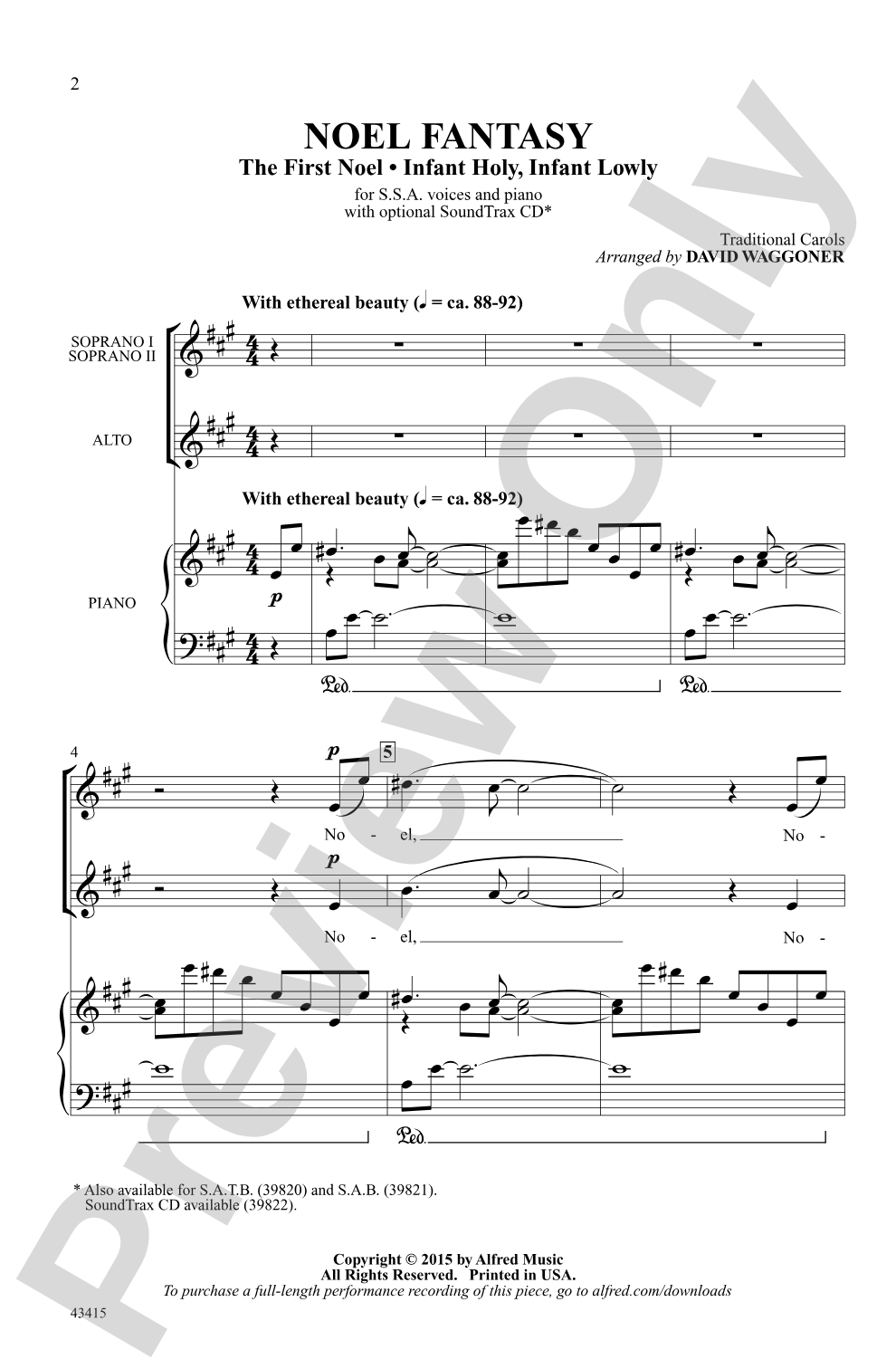
The First Noel / Infant Holy, Infant Lowly
Traditional Carols / arr. David Waggoner
Item: 00-PO-0003350

$1.90
Minimum order quantity: 10 copies
Please note: Under U.S. copyright law, you must purchase the exact number of copies needed for your ensemble. Printing, duplicating or sharing additional copies is strictly prohibited.
Pickup currently not available
Related Items
Noel Fantasy: SoundTrax Digital Audio Download |
$27.99
|
View | |
Noel Fantasy: SATB Choral Octavo |
$1.85
|
View | |
Noel Fantasy: SAB Choral Octavo |
$1.85
|
View | |
Noel Fantasy: SATB Choral Octavo |
$1.85
|
View | |
Noel Fantasy: SAB Choral Octavo |
$1.85
|
View | |
Noel Fantasy: SSA Choral Octavo |
$1.90
|
View | |
Noel Fantasy: Choral Octavo SoundTrax CD |
$27.99
|
View |
Description
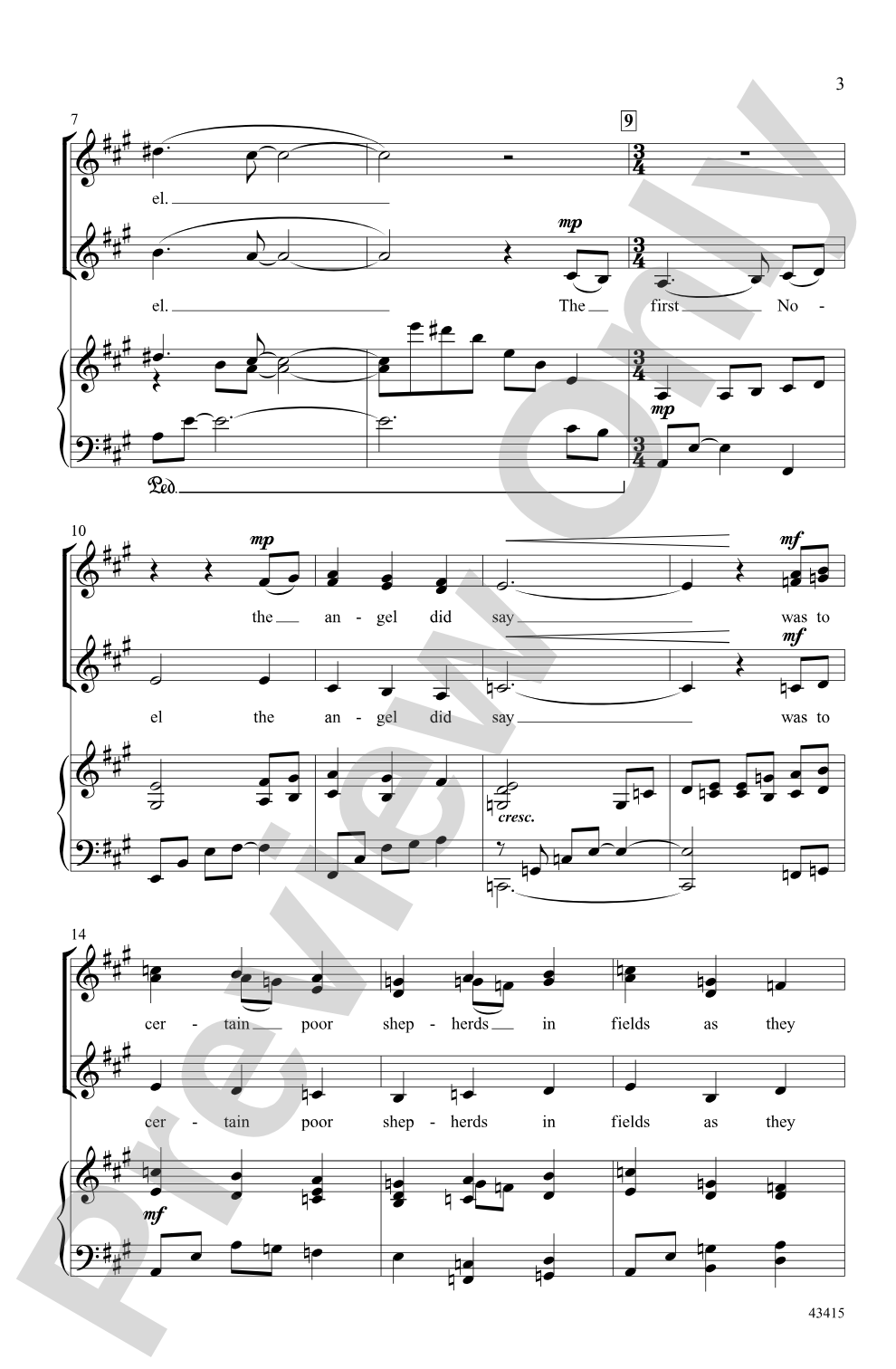
This carol coupling combines two beloved Christmas songs into one imaginative invention. A striking melodic motif opens the arrangement and whispers throughout, joining the familiar with the fresh. Newly available for SSA!


Don't just read it, hear it, play along with it, and watch your students grow with it. In MakeMusic Cloud, Noel Fantasy: SSA Choral Octavo comes alive with professional accompaniment, adjustable tempo, and built-in practice tools that turn solo practice into real progress.
Open in the Player
Jump straight in and assign it today.
Start Your Free Trial
Open this title and explore the full library in minutes.
Sample Audio
1
Audio File
--:--
0:00
0:00
Sample Video
No sample videos found.
Additional Details
Series:
Alfred Choral Designs
Publisher:
Alfred Music
Page Count:
12
SKU:
00-PO-0003350
More about this title
About the Arranger: David Waggoner

David Waggoner holds degrees from the University of Michigan School of Music and Eastern Michigan University, where he earned a master's degree in music. He brings his training and classroom experience to his compositions and arrangements for choral ensembles, handbells, and other instruments. In addition to his work as an elementary music teacher in Woodhaven, Michigan, Waggoner serves as Director of Music at First United Methodist Church in Wyandotte, where he leads the church's musical life alongside his family.
Why we love this
Waggoner's approach to this carol pairing honors both songs while creating something genuinely new through a unifying melodic motif that connects them. The arrangement gives SSA singers genuine musical content to explore, balancing accessible ranges with moments that require attention to blend and phrasing. The interplay between familiar melody and fresh orchestration makes this feel like a discovery rather than a straightforward medley.
What to expect
The arrangement opens with an immediate sense of intrigue through its striking melodic figure, creating anticipation before settling into the warmth of the carols themselves. As the two songs unfold and the unifying motif threads through them, the effect is both nostalgic and contemporary—familiar carols transformed through compositional imagination into something listeners will remember.
Who it's for
This arrangement fits well in church music programs, school choirs preparing seasonal concerts, and community ensembles seeking SSA repertoire that combines accessibility with musical substance. Singers who have performed traditional carol arrangements will appreciate how Waggoner's inventive approach respects the familiar while keeping them engaged with new musical material.
How to get the most out of it
- Identify and mark the recurring melodic motif at the opening; it becomes the connective tissue throughout the arrangement, and singers who hear it clearly will understand the overall architecture of the piece.
- Balance the interplay between the two carols by listening carefully to how the arrangement transitions between them; avoid letting either song overpower the other or feeling disconnected from its partner.
- Work the SSA voicing in layers, beginning with the primary melody before adding inner voices; this clarifies how the arrangement uses each part to support the musical line.
How to use it
Program this as a featured choral selection on a holiday concert where you want to move beyond standard medley arrangements, or use it as an opening number that establishes a musical tone for the entire program. The 12-page length makes it substantial enough to anchor a concert section without demanding excessive rehearsal time for the level of musical payoff.
Skills your students will build
- hearing and executing a recurring compositional motif across changing harmonic contexts
- managing voice independence within SSA writing while maintaining blend
- interpreting the relationship between familiar melodic material and creative harmonic accompaniment
- sustaining musical narrative across a longer formal structure